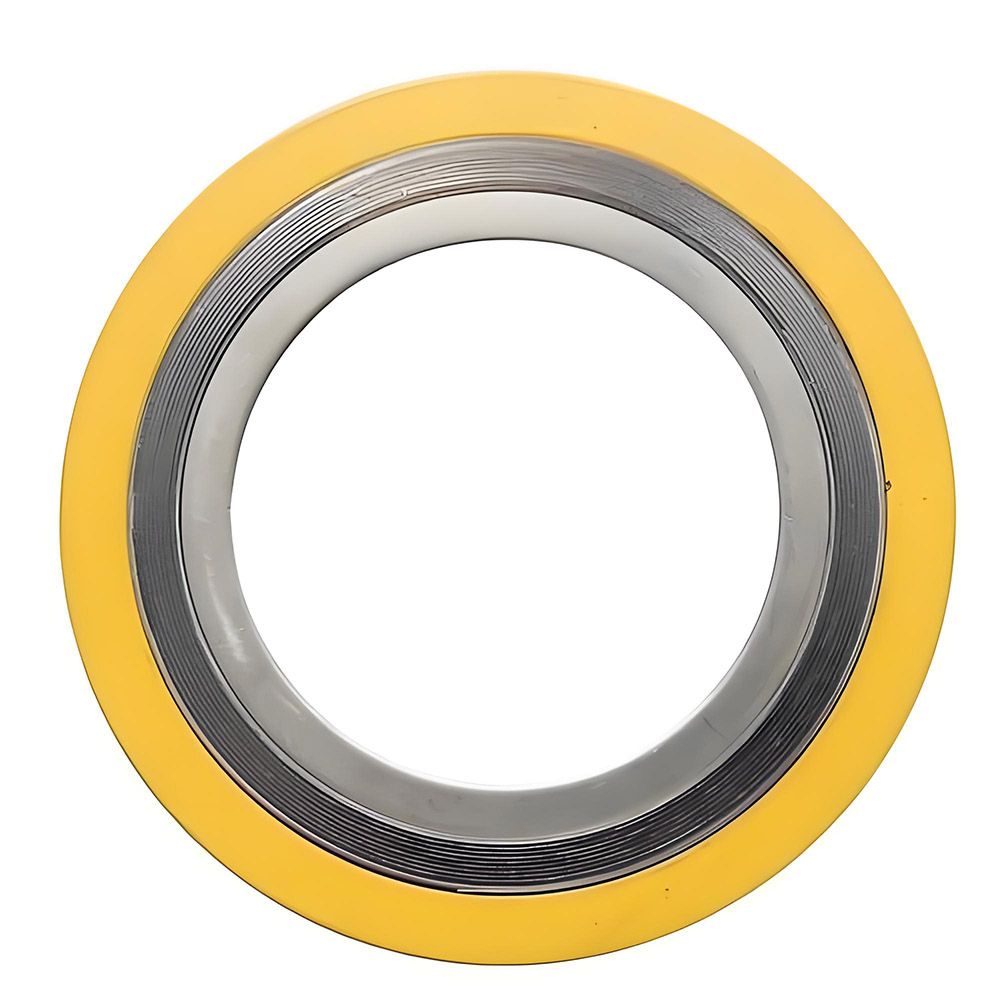
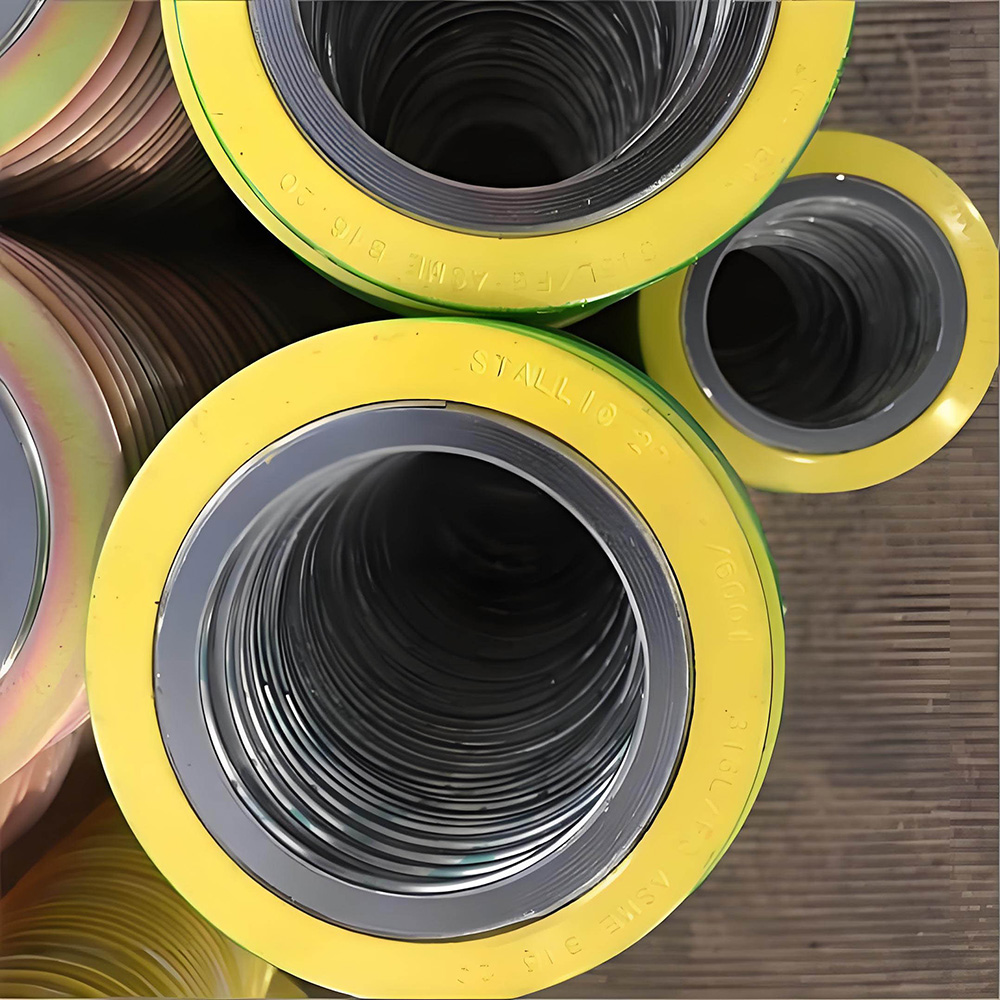
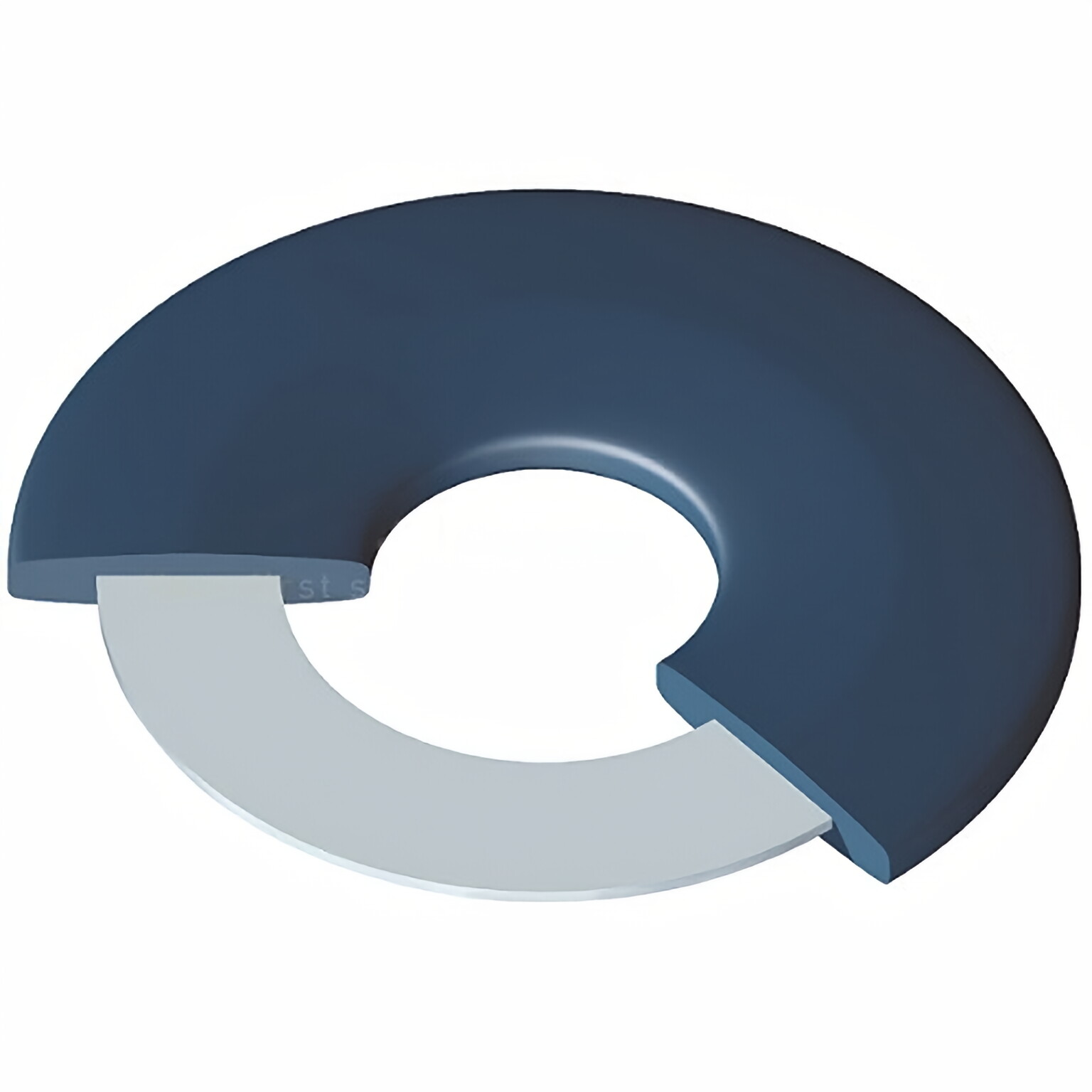
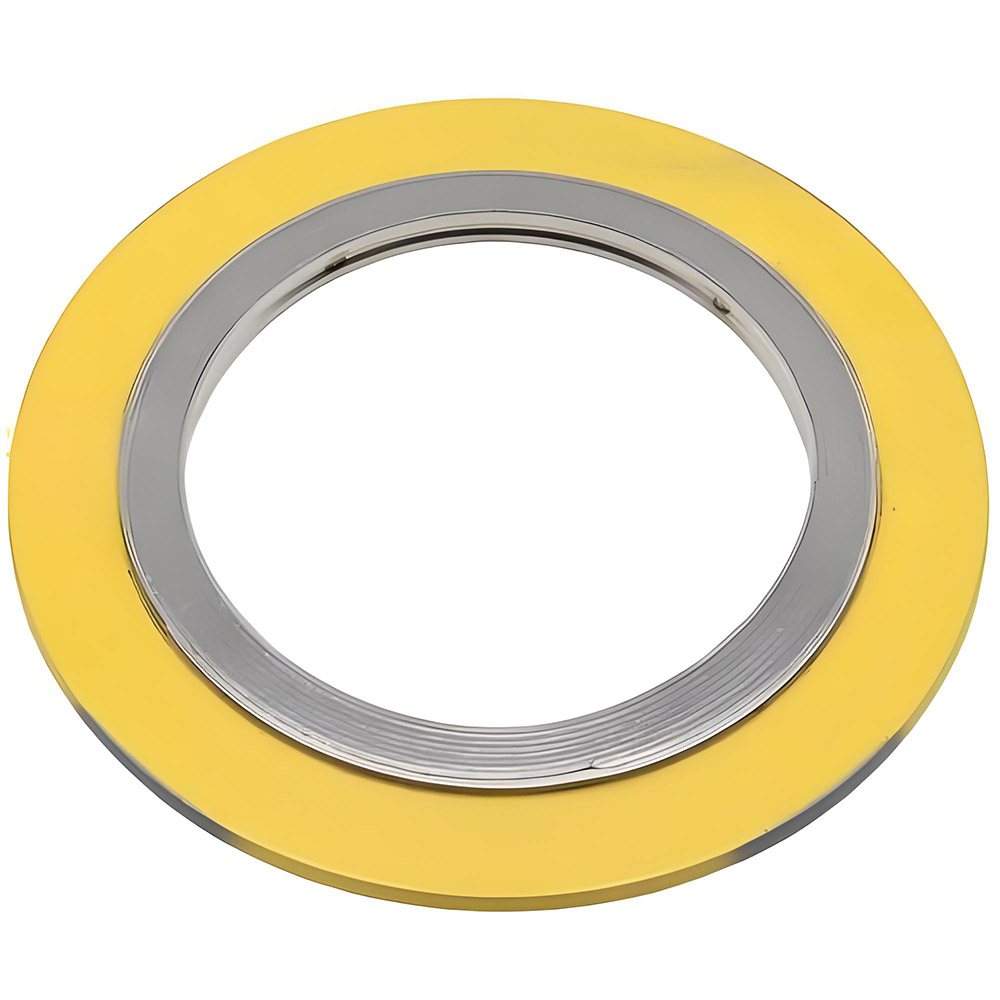
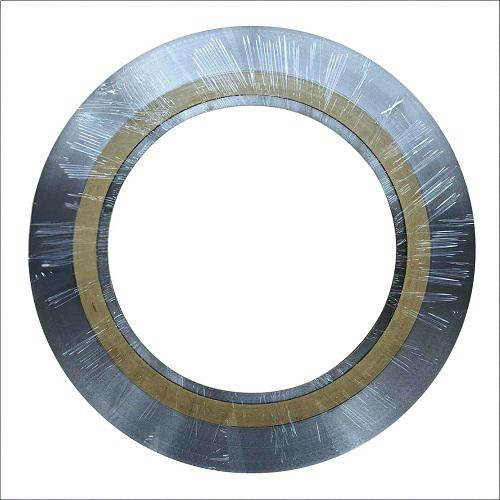
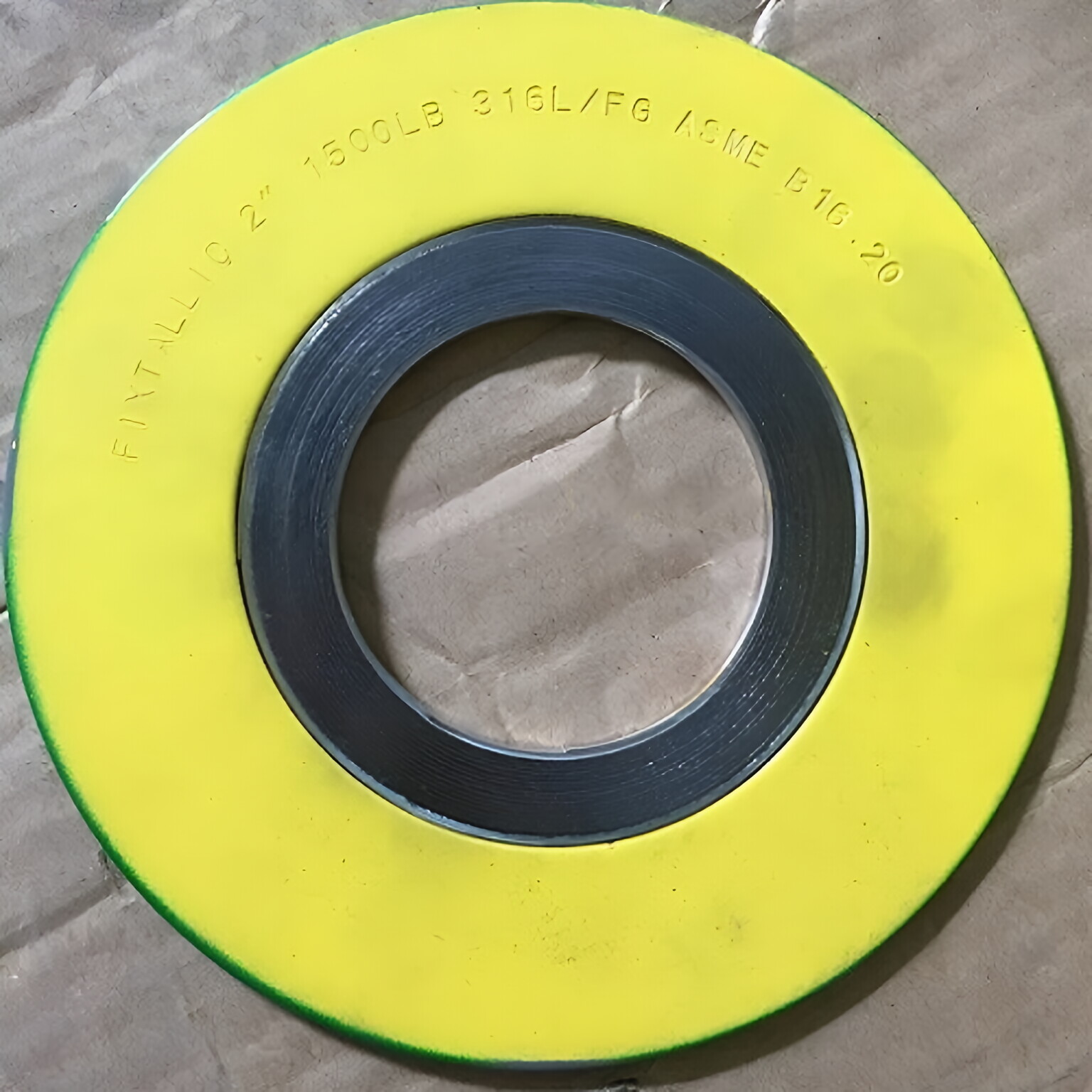
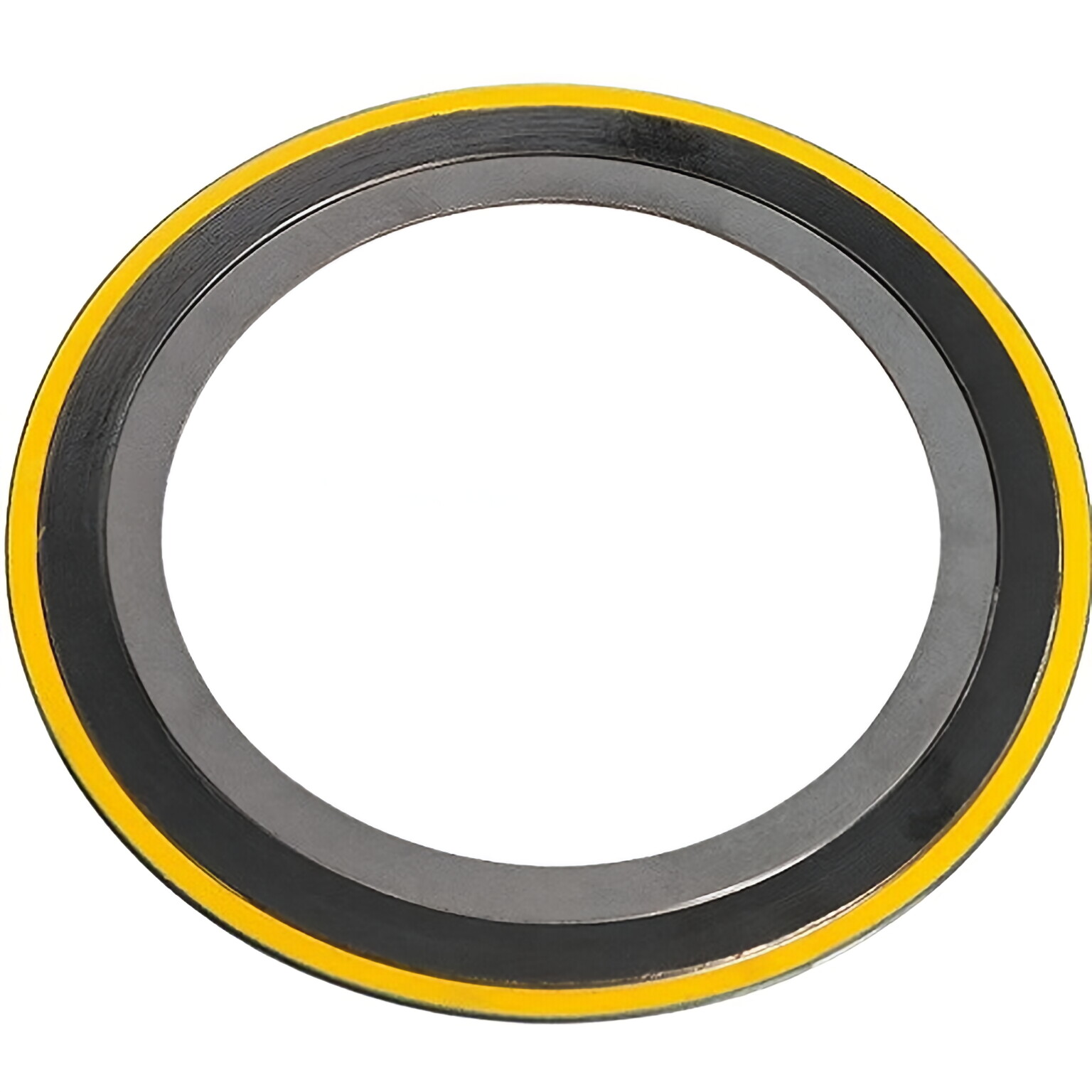
How does a PGE Flange Isolating Gasket Kit differ from a standard gasket? For procurement professionals sourcing components for critical piping systems, this isn't just a technical question—it's a decision that impacts safety, maintenance costs, and system longevity. A standard gasket's primary function is to create a seal, preventing leaks between two flanged surfaces. However, in systems where electrical isolation or corrosion prevention is paramount, such as in cathodic protection setups or between dissimilar metals, a standard gasket falls short. This is where the specialized PGE Flange Isolating Gasket Kit from Ningbo Kaxite Sealing Materials Co., Ltd. becomes essential. It integrates advanced sealing with robust electrical isolation, solving a complex challenge that a basic gasket cannot address. Understanding this difference is key to specifying the right component and avoiding costly field failures.
Article Outline:
Imagine a pipeline in a chemical plant or an offshore platform. The flanges connect pipes carrying various fluids. Now, picture a scenario where two different metals—like carbon steel and stainless steel—are joined. A standard non-metallic or semi-metallic gasket will seal the connection, but it does nothing to stop galvanic corrosion. This electrochemical reaction, where one metal sacrificially corrodes to protect the other, silently eats away at the flange faces and bolts. The result? Unexpected leaks, dangerous fluids escaping, and expensive, unplanned shutdowns for flange refurbishment or replacement. The procurement team is then faced with the true cost: not just the failed gasket, but massive downtime and safety hazards.
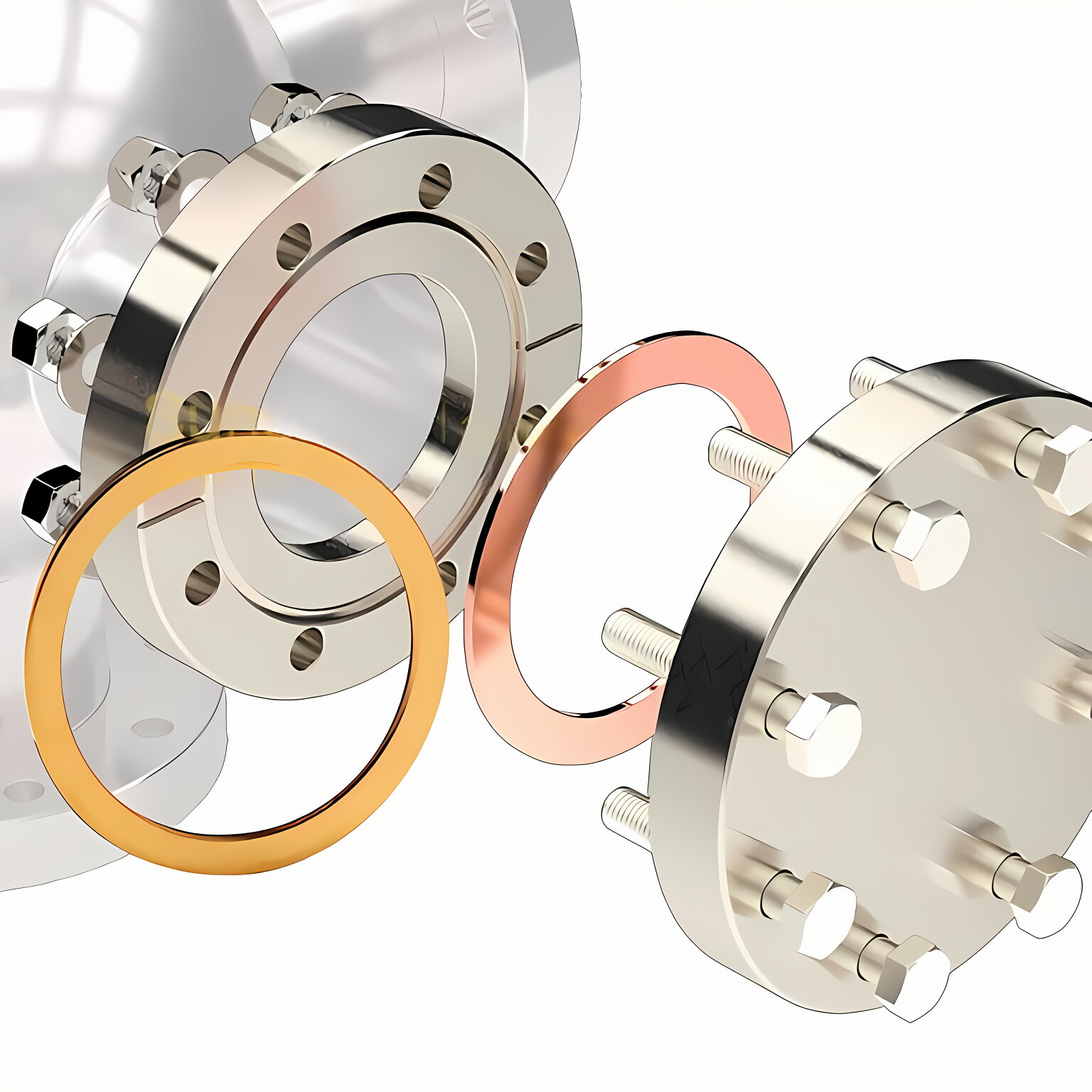
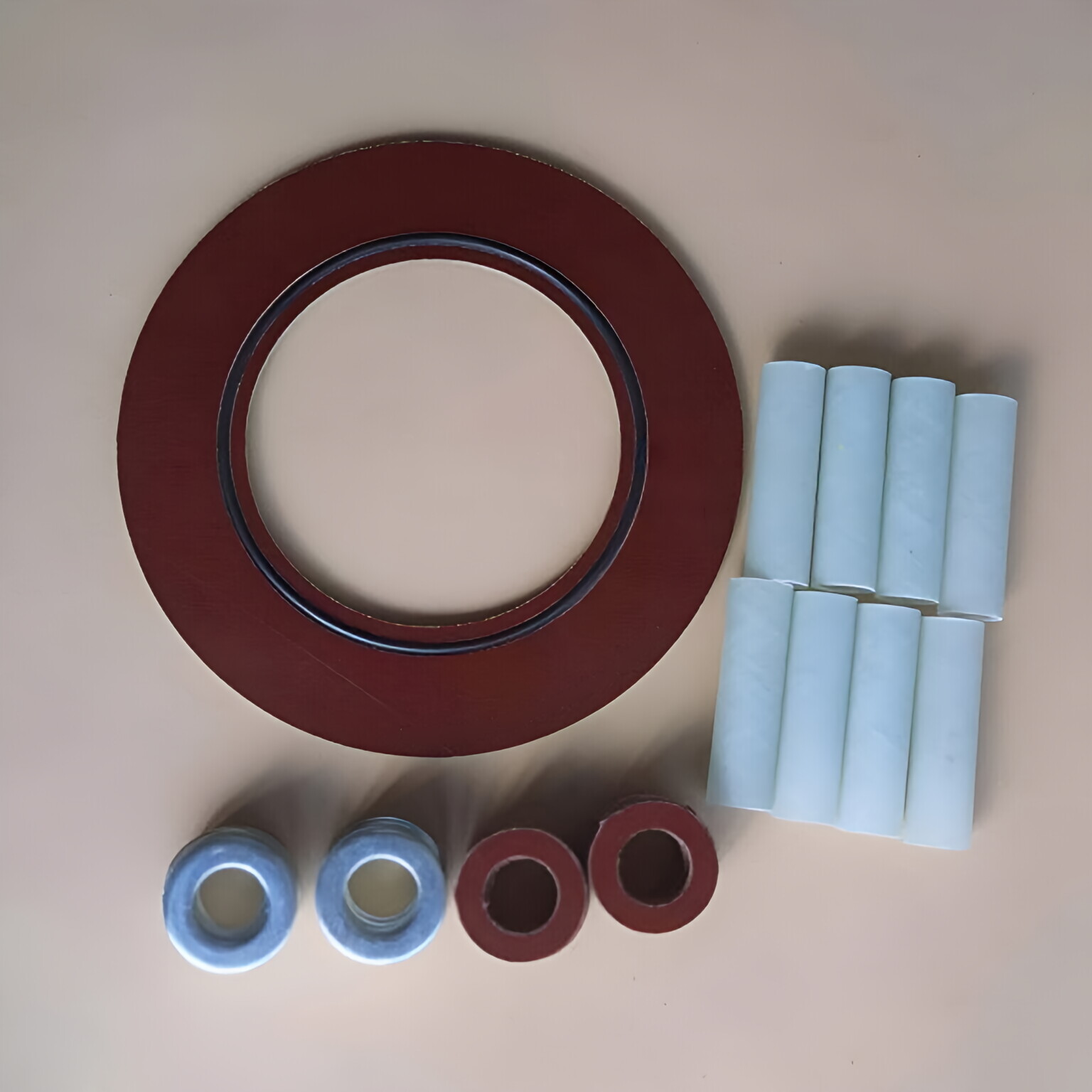
Solution: This is precisely the problem Ningbo Kaxite Sealing Materials Co., Ltd. designed its PGE Flange Isolating Gasket Kit to solve. It's not merely a gasket; it's a complete isolation system. The kit typically includes a dielectric gasket, insulating sleeves for the bolts, and insulating washers. These components work together to create a complete barrier, breaking the electrical circuit between dissimilar metals and stopping galvanic corrosion at the source. How does a PGE Flange Isolating Gasket Kit differ from a standard gasket? Fundamentally, it provides active corrosion prevention where a standard gasket offers none.
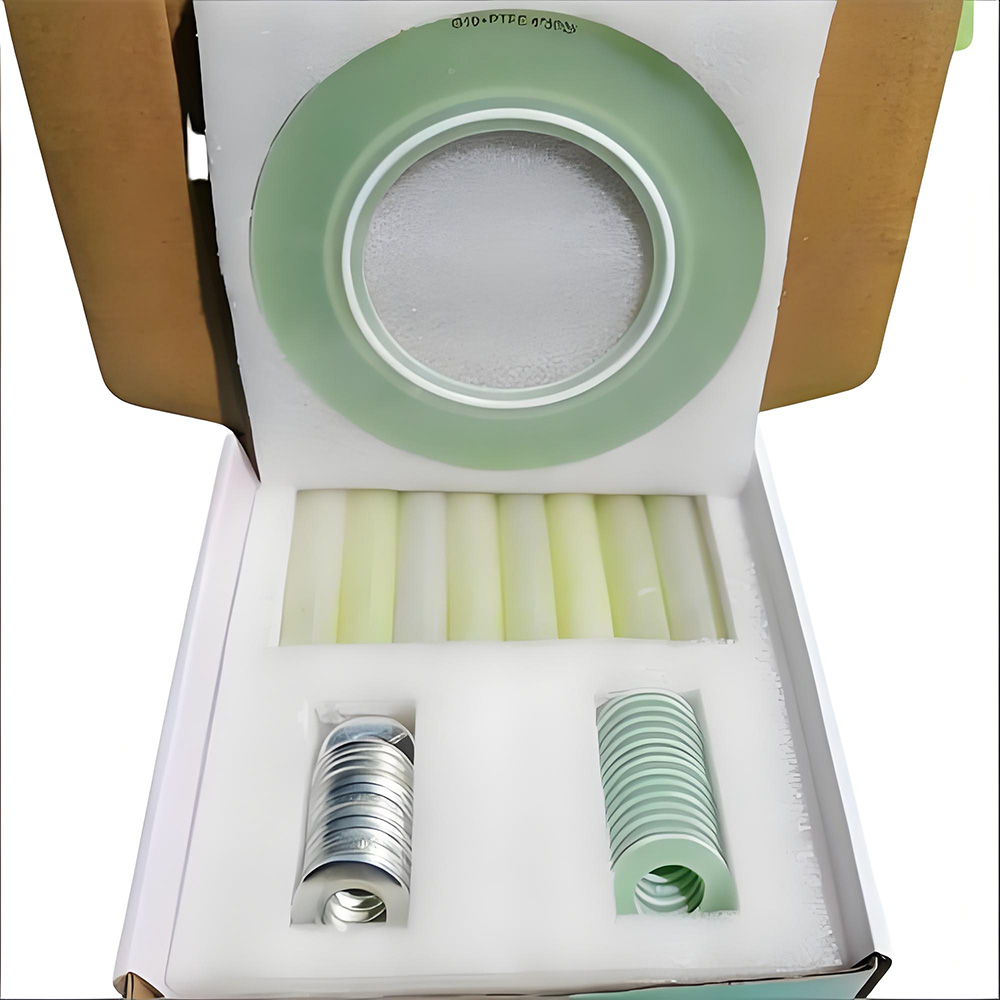
Key Parameters for Corrosion-Prone Applications:
| Parameter | Standard Gasket | PGE Flange Isolating Kit |
|---|---|---|
| Primary Function | Sealing | Sealing + Electrical Isolation |
| Galvanic Corrosion Prevention | No | Yes |
| Dielectric Strength | Low/None | High (e.g., >5 kV) |
| Typical Components | Gasket only | Gasket, Sleeves, Washers |
| Ideal Application | Same-metal flanges, non-critical | Dissimilar metals, cathodic protection, hazardous fluids |
Consider a facility implementing cathodic protection (CP) to control corrosion on underground pipelines. Stray electrical currents from the CP system can travel through piping, causing interference and even dangerous arcing at flange connections. A standard gasket is conductive or semi-conductive, allowing this current to pass freely. This compromises the CP system's effectiveness and creates a serious spark risk in potentially explosive atmospheres. Procurement specialists must source components that ensure both operational safety and regulatory compliance in such high-stakes environments.
Solution: The PGE kit from Ningbo Kaxite Sealing Materials Co., Ltd. acts as an insulator. The core gasket is made from high-grade, reinforced polymer materials with excellent dielectric properties. Combined with the full set of insulating sleeves and washers, it creates multiple layers of electrical resistance, effectively isolating the flange connection. This ensures stray currents are blocked, protecting both the CP system's integrity and the safety of the overall installation. It transforms a potential weak point into a guaranteed safe zone.
Performance & Specification Overview:
| Aspect | Standard Gasket | PGE Flange Isolating Kit |
|---|---|---|
| Stray Current Isolation | Poor/None | Excellent |
| Spark Hazard Mitigation | No | Yes |
| Temperature & Pressure Rating | Varies by material | Engineered for specific service conditions |
| Installation Consideration | Bolt torque only | Bolt torque + insulation check |
| Long-Term Maintenance | Frequent inspection for corrosion | Reduced maintenance due to isolation |
Making an informed procurement decision requires a clear, direct comparison. For a buyer evaluating dozens of components, understanding the functional and cost-benefit differences is crucial. A standard gasket is a commodity item selected based on size, pressure, and chemical compatibility. An isolating kit is a performance-engineered system selected to solve specific electrical and corrosion-related failures. The upfront cost of a PGE kit is higher, but the Total Cost of Ownership (TCO) is often significantly lower due to prevented failures.
Solution: Ningbo Kaxite Sealing Materials Co., Ltd. provides detailed technical data and application guidance to help procurement teams make the right choice. Their expertise ensures you get a kit matched to your exact flange specifications, pressure class (e.g., ASME 150, 300), and service environment, guaranteeing performance and longevity.
Procurement Decision Matrix:
| Decision Factor | Choose Standard Gasket When... | Choose PGE Isolating Kit When... |
|---|---|---|
| System Requirement | Only a mechanical seal is needed, flanges are of the same material. | Electrical isolation is required to prevent corrosion or control stray currents. |
| Risk Assessment | The consequence of a leak is low, and corrosion is monitored/managed elsewhere. | The consequence of galvanic corrosion or electrical arcing is high (safety, environmental, cost). |
| Budget Analysis | Focus is on lowest initial part cost. | Focus is on lowest Total Cost of Ownership (TCO), including downtime and repair. |
| Compliance | General industry standards apply. | Specific standards for cathodic protection or hazardous areas (e.g., ATEX, IECEx) apply. |
Q1: In simple terms, what is the core functional difference?
A1: A standard gasket is a seal. A PGE Flange Isolating Gasket Kit is a seal *and* an insulator. It prevents metal-to-metal contact and stops electrical current flow between flanges, which standard gaskets do not. This isolation is critical for stopping galvanic corrosion and managing stray electrical currents.
Q2: Can I just use a non-conductive gasket material instead of a full kit?
A2: While a non-conductive gasket helps, it's not a complete solution. Bolts and washers still create a metal-to-metal contact path. The full PGE kit includes insulating sleeves and washers, ensuring *all* potential electrical paths across the flange are broken. This comprehensive approach is what Ningbo Kaxite Sealing Materials Co., Ltd. provides for reliable, long-term isolation.
Specifying the correct sealing component is a critical part of a procurement professional's role in ensuring plant integrity and safety. The difference between a standard gasket and a PGE Flange Isolating Gasket Kit is the difference between a basic part and a engineered safety system. For applications involving dissimilar metals, cathodic protection, or hazardous environments, the isolating kit is not an optional upgrade—it is a necessary specification to prevent costly and dangerous failures.
Are you reviewing specifications for an upcoming project involving pipelines, chemical transfer, or water treatment? Don't leave flange isolation to chance. Evaluate the need for electrical and galvanic isolation at every flange connection. Consult with technical experts to ensure your BOM includes the right components for long-term reliability.
For engineered sealing and isolation solutions, consider Ningbo Kaxite Sealing Materials Co., Ltd.. With extensive experience in manufacturing high-performance gaskets and isolation kits, they provide the technical expertise and reliable products needed to solve complex sealing challenges. For specific inquiries or to request technical data sheets, please contact their team at [email protected].
Smith, J.A., 2021, "Mitigation of Galvanic Corrosion in Pipeline Flanges Using Dielectric Isolation Kits," Journal of Pipeline Engineering, Vol. 20, No. 3.
Chen, L., & Okafor, B.E., 2019, "Electrical Isolation Methods for Stray Current Control in Cathodically Protected Systems," Corrosion Science and Technology, Vol. 58, Issue 4.
Davis, M.P., 2020, "Performance Evaluation of Non-Metallic Gaskets Under Combined Thermal and Electrical Stress," Sealing Technology International, Issue 245.
Fischer, R., et al., 2018, "Long-Term Reliability of Flange Isolation Gasket Assemblies in Chemical Processing Environments," Chemical Engineering Progress.
Garcia, H., 2022, "Material Selection for High Dielectric Strength in Polymer-Based Isolating Gaskets," Polymer Engineering & Science, Vol. 62, No. 5.
Kato, Y., & Svensson, T., 2017, "Analysis of Bolt Load Retention in Insulated Flange Connections Under Cyclic Loading," ASME Pressure Vessel Technology Journal, Vol. 139.
Lee, S., & Peterson, R., 2019, "Standards and Specifications for Flange Isolation in Hazardous Locations," IEEE Transactions on Industry Applications, Vol. 55, No. 6.
Miller, C.D., 2021, "Total Cost of Ownership Analysis for Specialty Gaskets in Offshore Applications," Offshore Mechanics and Arctic Engineering Conference Proceedings.
Nwosu, O., 2018, "Experimental Study on the Sealing Integrity of Composite Flange Isolation Kits at Elevated Pressures," International Journal of Pressure Vessels and Piping, Vol. 168.
Wilson, P.R., 2020, "Preventing Failures in Water Injection Systems: The Role of Electrical Isolation," Materials Performance, Vol. 59, No. 9.