Ring Type Joint Gasket: The Ultimate Guide to High-Pressure Sealing Solutions
In the demanding world of industrial piping and pressure vessels, where extreme temperatures and pressures are the norm, the integrity of every connection is paramount. A single point of failure can lead to catastrophic downtime, safety hazards, and significant financial loss. This is where the precision-engineered Ring Type Joint Gasket (RTJ Gasket) proves its indispensable value. Unlike standard gaskets, the Ring Type Joint Gasket is a specialized, metallic sealing component designed to create a robust, leak-proof seal in the most severe service conditions. At Kaxite Sealing, we combine decades of metallurgical expertise with advanced manufacturing to produce RTJ Gaskets that set the benchmark for reliability and performance.
**Understanding the Ring Type Joint Gasket**
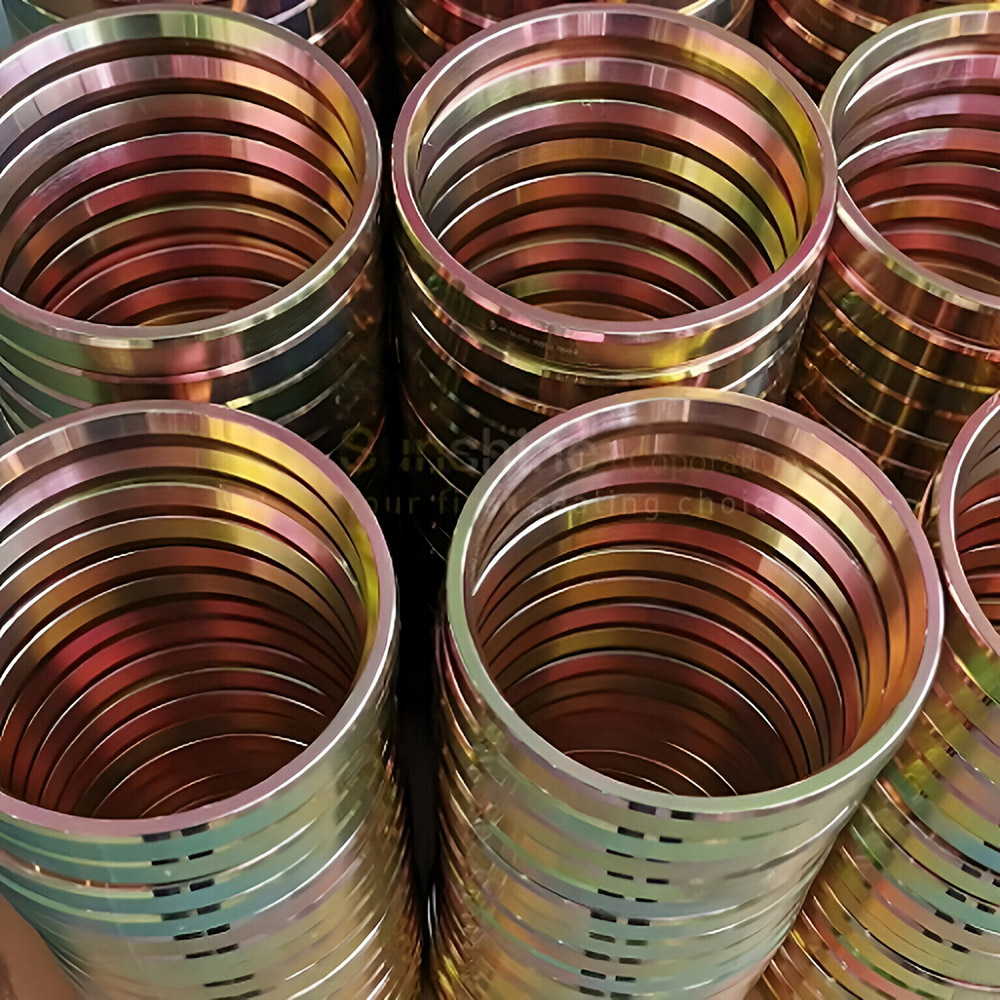
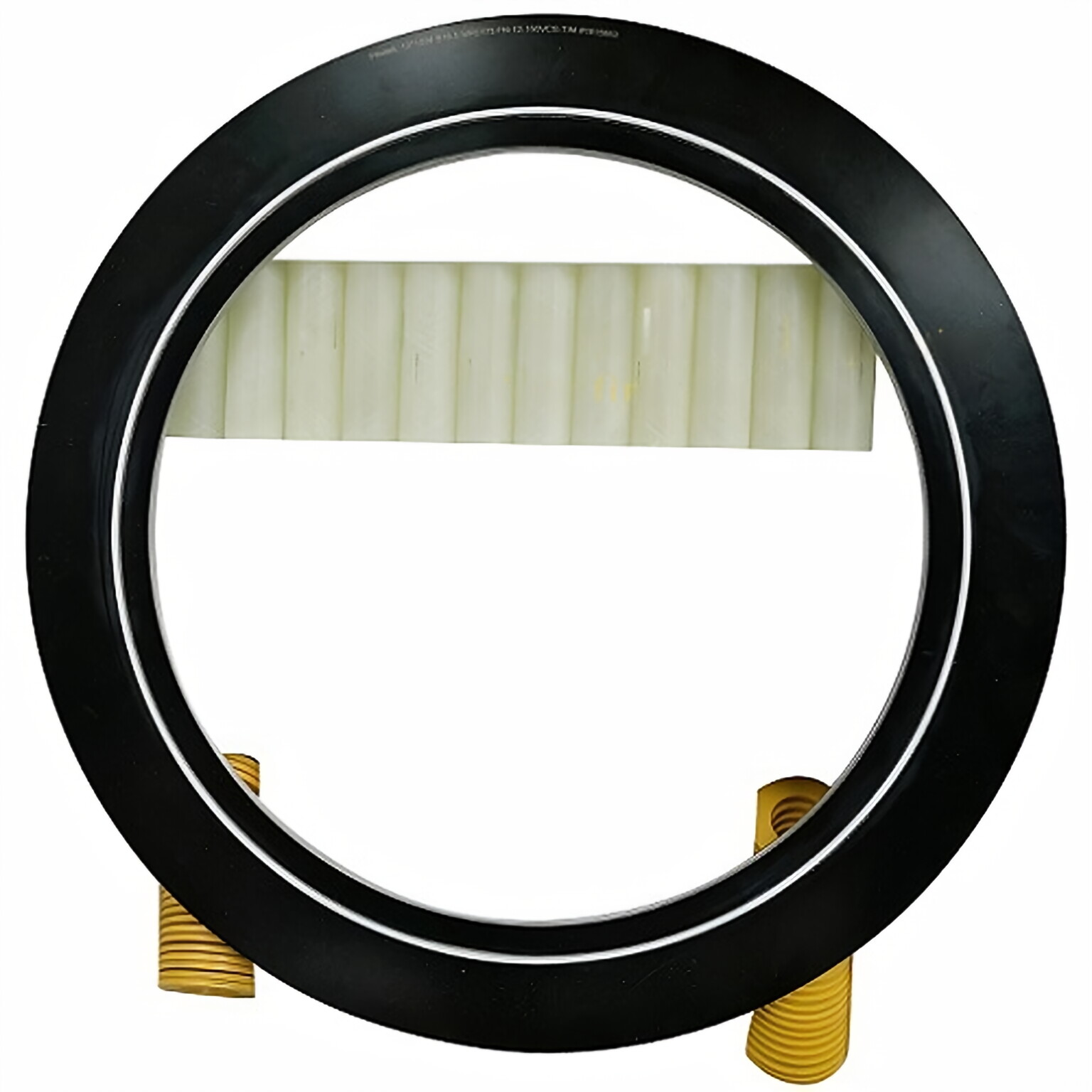
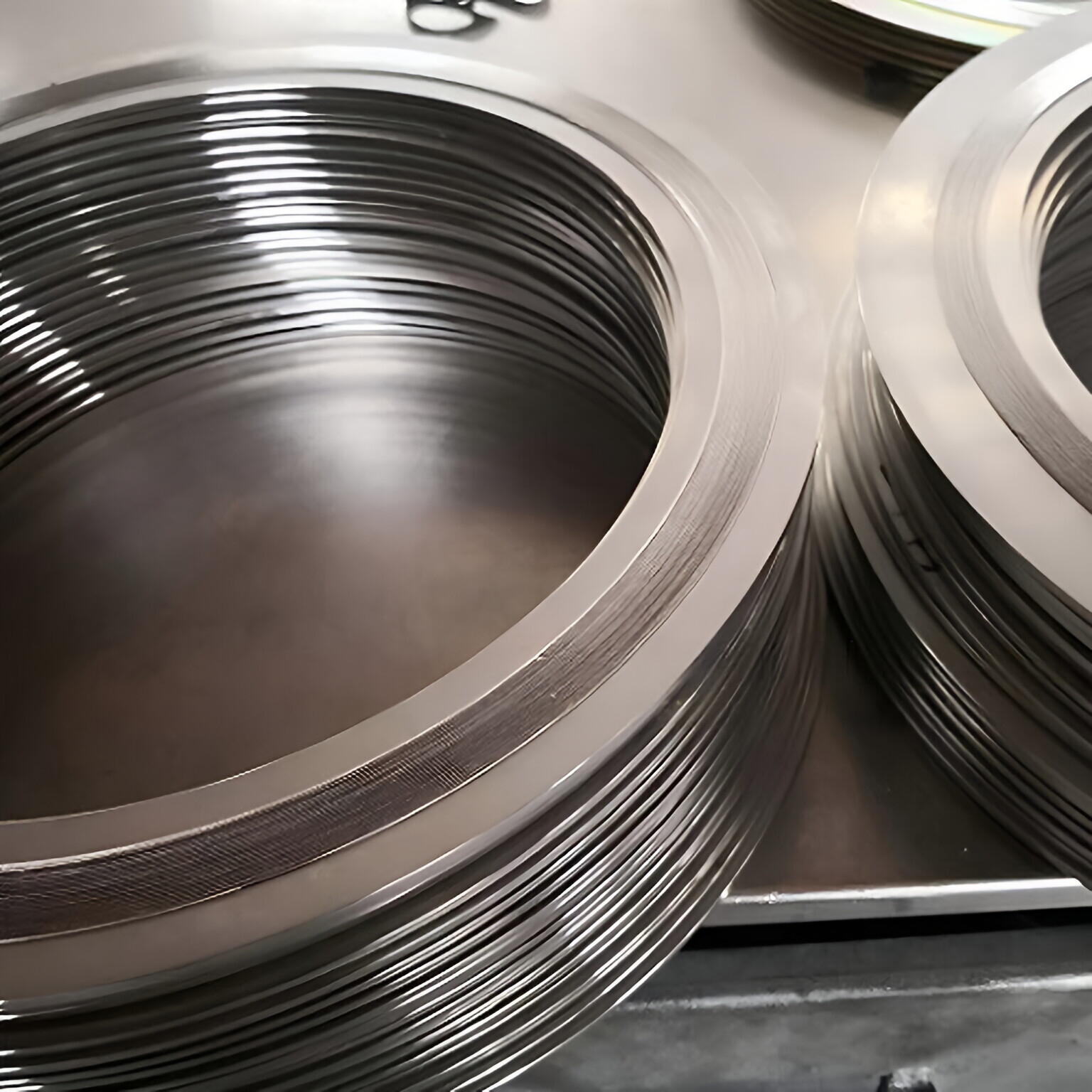
An RTJ Gasket is a solid metal ring, typically with an octagonal or oval cross-section. It is seated in specially machined grooves (Ring Joint Grooves) in the mating flanges of pipes, valves, and wellhead equipment. When the flanges are bolted together, the gasket is compressed into the grooves, creating a highly effective pressure-energized seal. The seal improves as the internal system pressure increases, making it ideal for applications where other gasket types would fail.
**Primary Applications of RTJ Gaskets:**
* Oil & Gas Exploration and Production (Wellheads, Christmas Trees, Manifolds)
* Refinery and Petrochemical Processing
* High-Pressure Steam Lines
* Subsea Pipeline Connections
* Nuclear Power Facilities
* Chemical Processing Plants
**Key Advantages of Kaxite Sealing Ring Type Joint Gaskets**
Choosing Kaxite Sealing for your RTJ gasket needs ensures you benefit from:
* **Unmatched Leak Integrity:** Engineered for zero-leakage performance in critical services.
* **Extreme Pressure & Temperature Resistance:** Capable of withstanding pressures exceeding 15,000 psi and temperatures from cryogenic to over 1000°F.
* **Superior Material Quality:** We use certified raw materials with full traceability.
* **Precision Manufacturing:** Our gaskets are machined to exacting tolerances per API 6A, ASME B16.20, and ISO 10423 standards, ensuring perfect fit and function.
* **Excellent Creep Relaxation Resistance:** Maintains seal load over extended periods under thermal cycling.
* **Reusability:** High-quality RTJ gaskets can often be reused if undamaged upon disassembly, providing long-term value.
**Technical Specifications & Product Parameters**
The performance of a Ring Type Joint Gasket is determined by its design, material, and dimensions. Below are the critical parameters that define our products.
**1. Cross-Sectional Styles:**
| Style | Description | Typical Application |
| :--- | :--- | :--- |
| **Octagonal** | An 8-sided cross-section. Provides a more reliable seal with two points of contact on each flange face. The industry-preferred choice for new installations. | General high-pressure services, new system builds. |
| **Oval** | An elliptical cross-section. Creates a single line contact on each side. Often used for retrofitting existing systems originally designed for oval gaskets. | Maintenance, repair, and operations (MRO) on older systems. |
**2. Standard Size & Pressure Ratings (Per ASME B16.20 / API 6A):**
RTJ Gaskets are classified by Nominal Pipe Size (NPS), pressure class (e.g., 1500, 2500, 5000, 10000, 15000, 20000), and ring number (R or RX/BX). The ring number corresponds to specific dimensions.
**Sample Dimension Table for API 6A Ring Gaskets (Type R):**
| Ring Number | Nominal Size (in.) | Pressure Class | Pitch Diameter (P) ± 0.005 in. | Width (F) +0.020/-0.000 in. | Height (E/N) ± 0.005 in. |
| :--- | :--- | :--- | :--- | :--- | :--- |
| R23 | 1-13/16 | 5000 psi | 2.500 | 0.344 | 0.269 |
| R24 | 2-1/16 | 5000 psi | 2.750 | 0.344 | 0.269 |
| R31 | 2-9/16 | 2000 psi | 3.469 | 0.344 | 0.344 |
| R37 | 4-1/16 | 5000 psi | 5.188 | 0.438 | 0.344 |
| R45 | 7-1/16 | 5000 psi | 8.250 | 0.562 | 0.438 |
| *Note: This is a partial table. Kaxite Sealing provides full dimensional data sheets for all ring numbers and pressure classes.* |
**3. Material Selection Guide:**
The operating environment dictates the optimal material. Kaxite Sealing offers a comprehensive range.
| Material Grade | ASTM Specification | Hardness (Brinell) | Key Features & Typical Applications |
| :--- | :--- | :--- | :--- |
| **Soft Iron** | AISI 1006-1010 | 90 Max | Excellent sealing, cost-effective. For general oil & gas, steam (up to ~850°F). |
| **Low Carbon Steel** | AISI 1020-1025 | 120-180 | Good strength and ductility. Common for refinery and process applications. |
| **304 Stainless Steel** | AISI 304 | 160-210 | Good corrosion resistance, cryogenic to ~1500°F. Chemical, food, marine. |
| **316 Stainless Steel** | AISI 316 | 160-210 | Superior pitting/chloride resistance. Offshore, chemical, pulp & paper. |
| **Alloy 20** | UNS N08020 | 160-210 | Excellent resistance to sulfuric acid. Chemical processing. |
| **Inconel 600** | UNS N06600 | 150-220 | High strength, oxidation resistance up to 2150°F. High-temp thermal processes. |
| **Monel 400** | UNS N04400 | 120-250 | Exceptional resistance to seawater, hydrofluoric acid. Marine, chemical. |
| **Titanium** | Grade 2 | 120-210 | High strength-to-weight, superb corrosion resistance. Aerospace, chemical. |
| **Duplex 2205** | UNS S31803 | 290 Max | High strength, excellent stress corrosion cracking resistance. Offshore, subsea. |
**4. Manufacturing Standards & Certifications:**
Every Kaxite Sealing RTJ Gasket is manufactured in compliance with international standards and can be supplied with necessary certifications.
* **API 6A:** Specification for Wellhead and Christmas Tree Equipment.
* **ASME B16.20:** Metallic Gaskets for Pipe Flanges – Ring-Joint, Spiral-Wound, and Jacketed.
* **ISO 10423:** Petroleum and natural gas industries – Drilling and production equipment – Wellhead and Christmas tree equipment.
* **NACE MR0175/ISO 15156:** For sour service (H2S) environments.
* **Certifications:** Available with Material Test Reports (MTRs), Certificate of Conformance (CoC), and traceability to original heat number.
**Ring Type Joint Gasket (RTJ) - Frequently Asked Questions (FAQ)**
**Q: What is the difference between R, RX, and BX ring gasket types?**
**A:** R-type gaskets are standard ring gaskets used with corresponding R-style grooves. RX-type gaskets are pressure-energized versions of the R-type; they have a different cross-section that allows them to seal at lower bolt loads and can sometimes seal in R-grooves. BX-type gaskets are smaller in cross-section and are used specifically with BX-style grooves for API 6A pressure classes 10,000 psi and above, primarily in wellhead equipment. They are not interchangeable with R/RX rings.
**Q: Can an octagonal Ring Type Joint Gasket be used in a flange machined for an oval gasket?**
**A:** No, they are not directly interchangeable. The groove geometry is specific to the gasket cross-section. Using an octagonal gasket in an oval groove (or vice versa) will not provide correct sealing contact and will likely result in leakage or flange damage. Always match the gasket style to the flange groove style.
**Q: How do I determine the correct gasket material for my application?**
**A:** The selection is based on the fluid media, operating temperature, pressure, and presence of corrosive elements (e.g., H2S, CO2, chlorides). Consult the process engineering specifications or material selection charts (like the one provided above). For critical or sour service, always adhere to NACE MR0175 requirements. Kaxite Sealing's technical team can provide expert material selection support.
**Q: Are RTJ gaskets reusable?**
**A:** They can be, but it requires careful inspection. Upon disassembly, clean the gasket thoroughly and inspect for any signs of wear, cracks, flattening, or grooves. If the gasket is made from a ductile material like soft iron and shows no significant deformation, it may be reused in the same joint. For critical services or with hardened materials, replacement is often the recommended safest practice.
**Q: What is the proper installation procedure for a Ring Type Joint Gasket?**
**A:** Correct installation is critical. Ensure flanges and grooves are clean, undamaged, and aligned. Lightly lubricate the gasket with a suitable anti-seize compound (e.g., nickel-based) to prevent galling. Carefully place the gasket into the groove without twisting or dropping it. Insert and hand-tighten all bolts, then follow a cross-pattern torque sequence to the specified value in multiple incremental steps. This ensures even compression and prevents flange distortion.
**Q: Why might an RTJ gasket connection leak?**
**A:** Leaks can stem from several root causes: incorrect gasket style or material for the service; damaged or mismatched flange grooves; improper installation (insufficient or uneven bolt torque); flange misalignment; over-torquing causing groove deformation; or using a gasket that has been damaged or incorrectly stored.
**Q: Does Kaxite Sealing provide custom or non-standard RTJ gaskets?**
**A:** Yes. While we stock a vast inventory of standard rings per API and ASME, our engineering and manufacturing capabilities allow us to produce custom Ring Type Joint Gaskets. This includes special sizes, proprietary materials, unique cross-sections, or coatings to meet specific OEM or project requirements.
**Q: How should I store and handle metallic RTJ gaskets?**
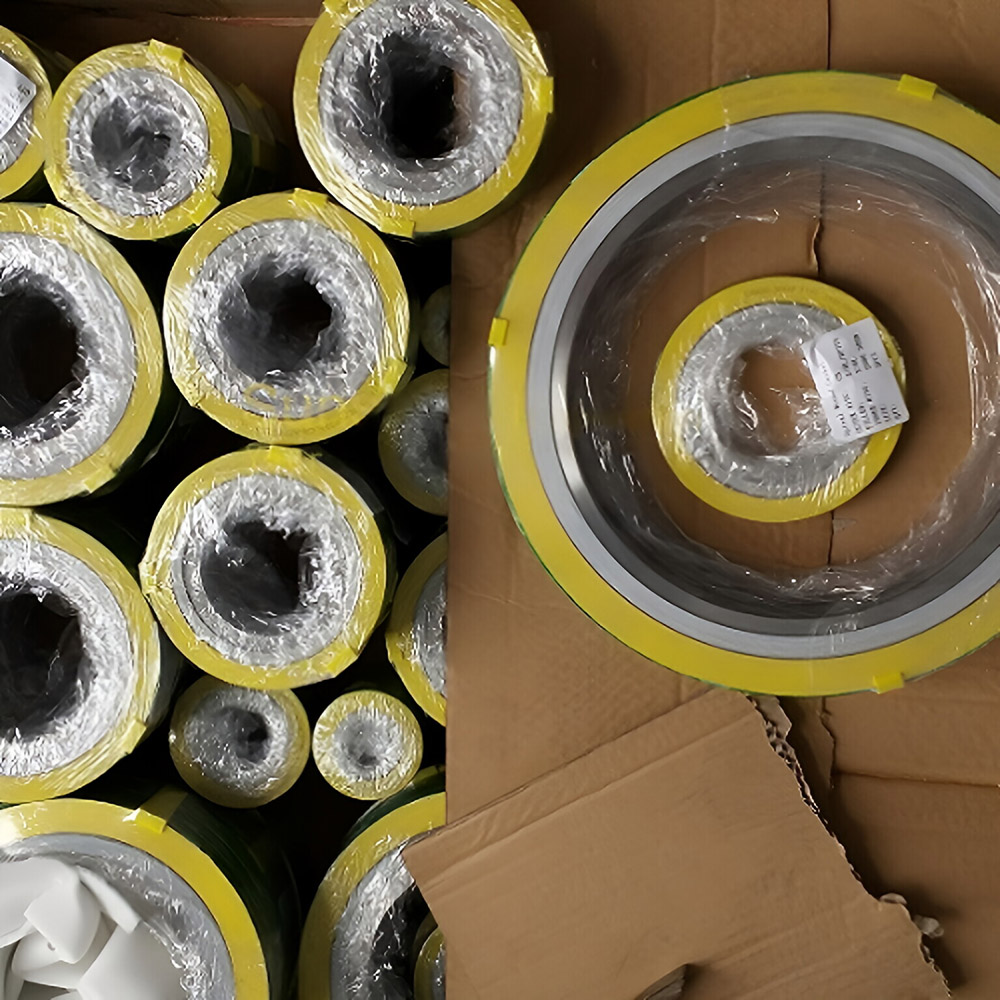
**A:** Store gaskets in a clean, dry environment to prevent corrosion. They should be kept in their original protective packaging until use. Handle with care to avoid nicks, dents, or other mechanical damage to the sealing surfaces. Use proper lifting techniques for large-diameter rings.