In the world of industrial sealing, where extreme pressures, temperatures, and corrosive media are commonplace, standard gaskets often fall short. This is where engineered solutions like Kammprofile gaskets excel. As specialists in high-performance sealing for over two decades, Kaxite Sealing understands that reliability is non-negotiable. A Kammprofile gasket is not just a component; it is a precision-engineered barrier designed to ensure safety, prevent costly downtime, and enhance operational efficiency in the most challenging applications.
Unlike typical spiral wound or solid metal gaskets, the Kammprofile design offers a unique combination of flexibility and robustness. Its clever construction allows it to seal effectively at lower bolt loads while maintaining integrity under severe thermal cycling and pressure fluctuations. For engineers and procurement specialists in industries such as oil & gas, petrochemical, power generation, and pharmaceuticals, specifying the correct Kammprofile gasket is critical. This guide delves into the technical specifications, advantages, and proper application of these superior sealing elements.
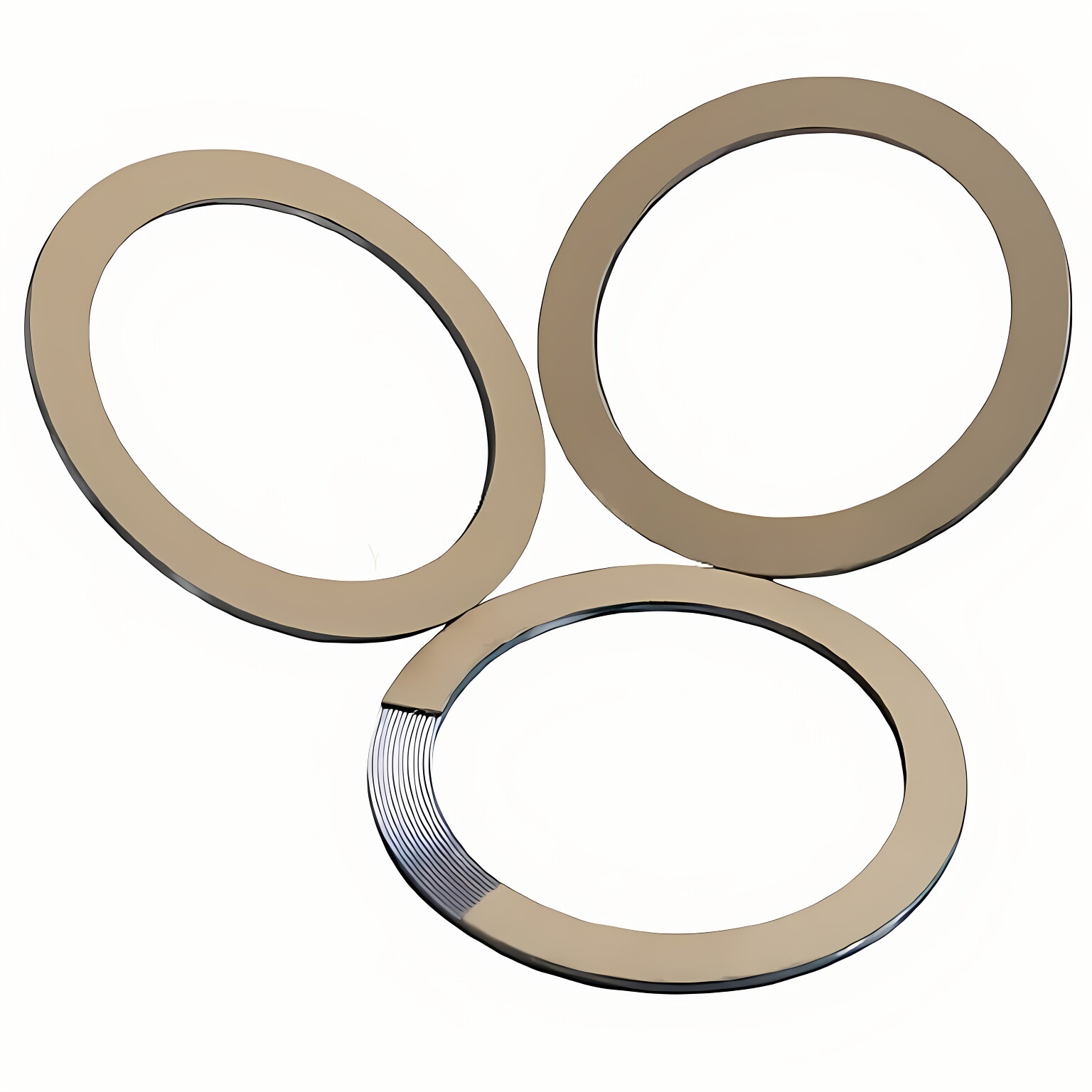
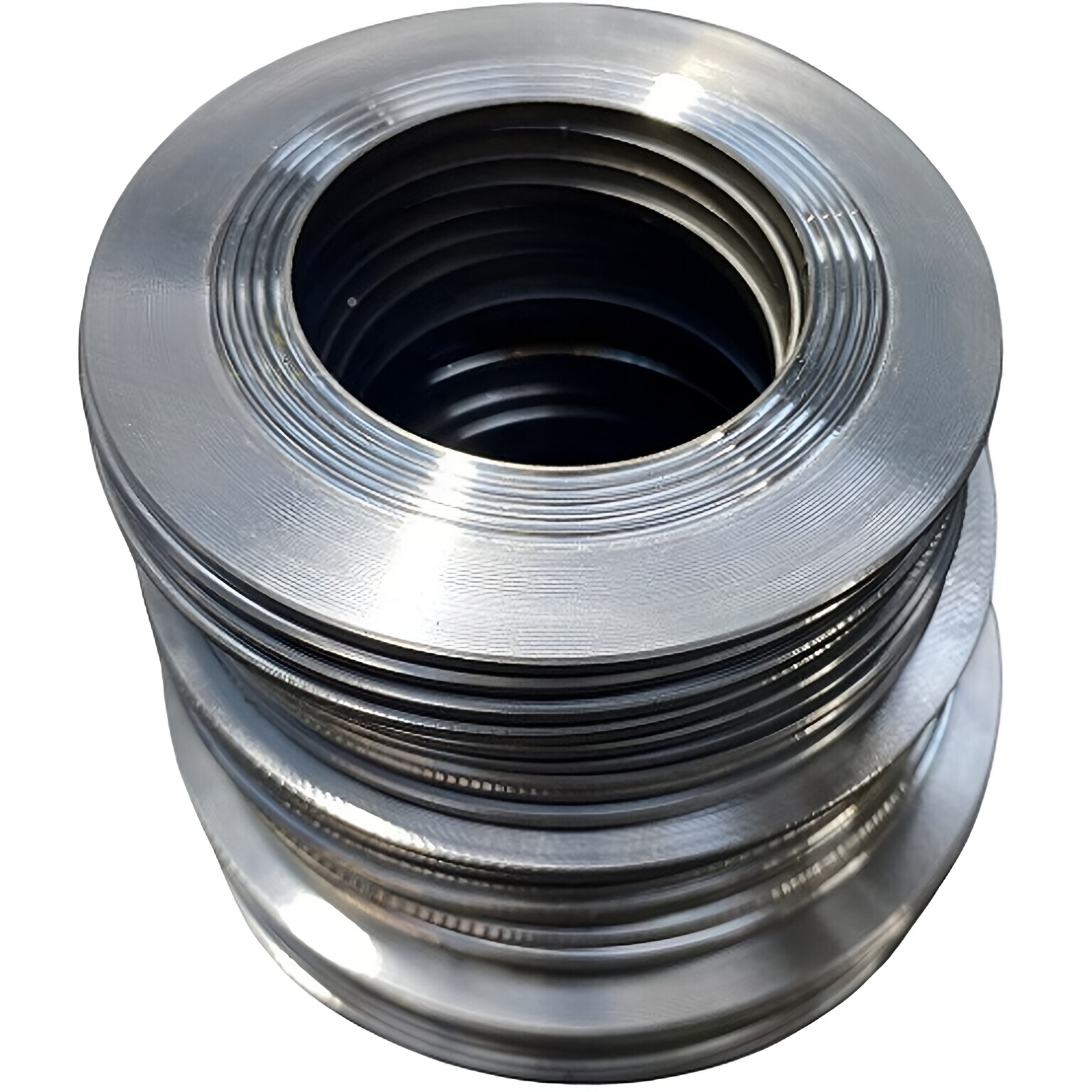
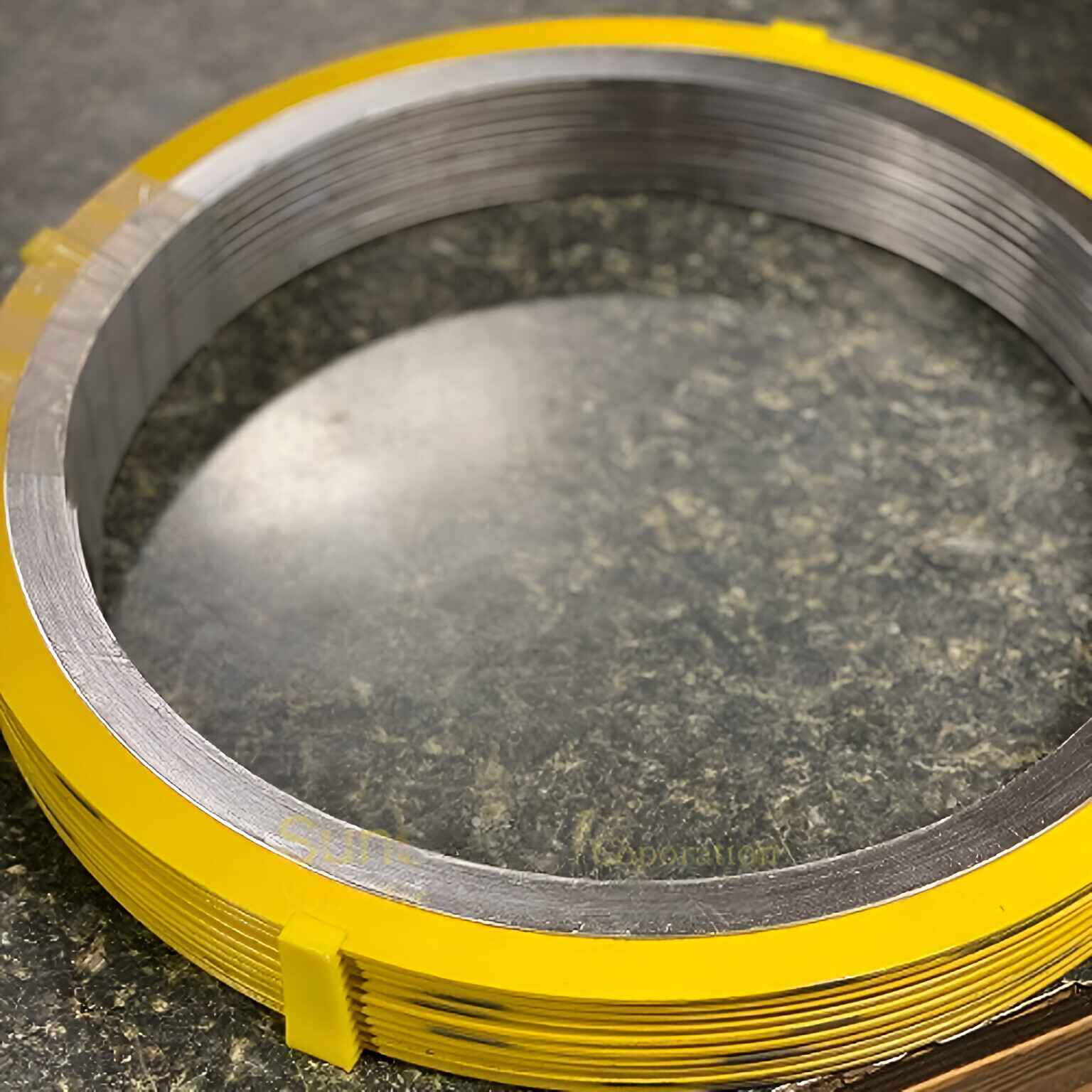
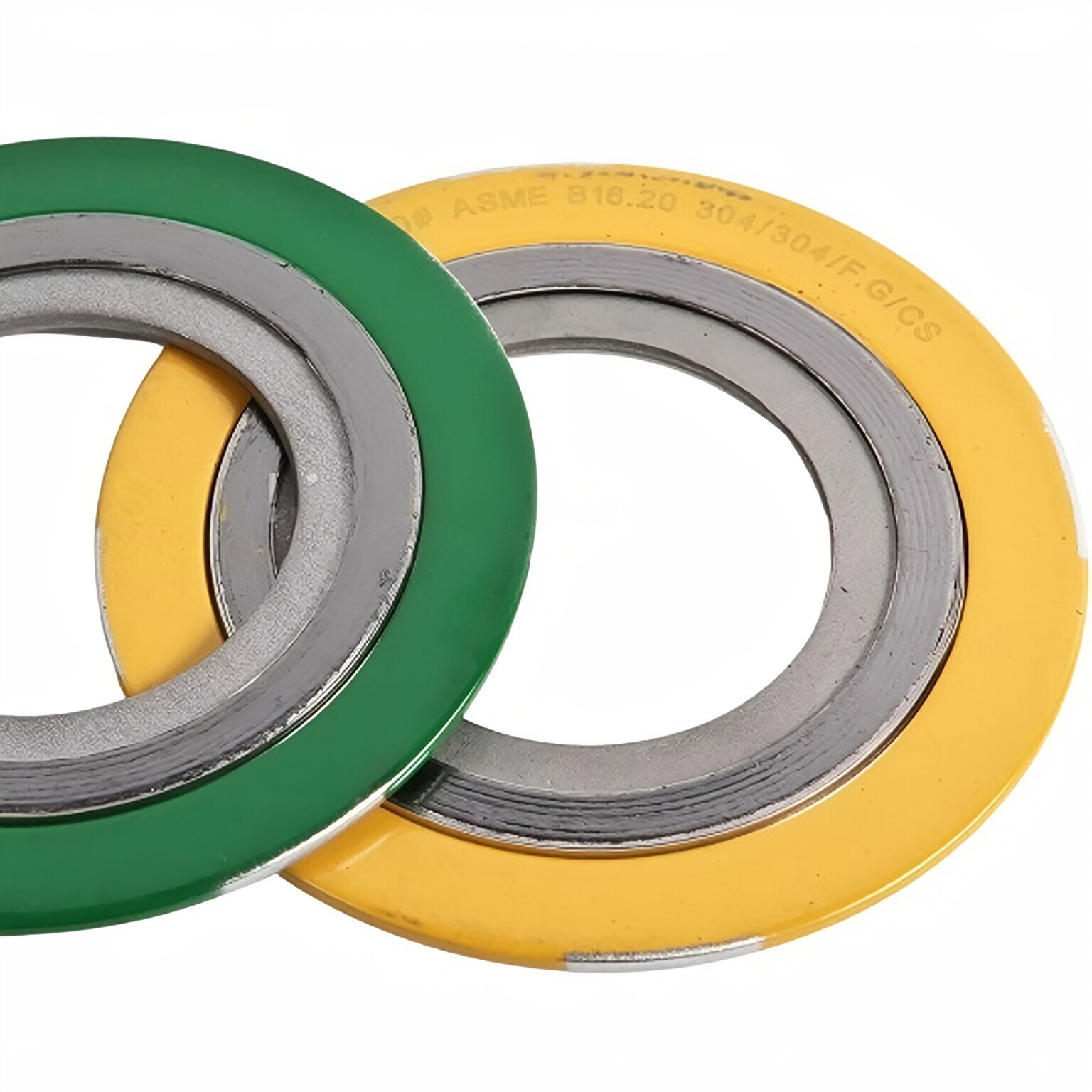
The superior performance of a Kammprofile gasket stems from its distinctive structure. It consists of a solid, profiled metal core (the "Kammprofile") with concentric grooves or serrations on both faces. This profiled core is then laminated on both sides with a soft, conformable sealing layer, typically graphite, PTFE, or other non-asbestos materials.
This hybrid design is the key to its success:
At Kaxite Sealing, we manufacture Kammprofile gaskets to exacting international standards, offering full customization to meet your specific process requirements. Below are the standard parameters and material options.
| Metal Core Material | Typical Grade | Sealing Layer Material | Max Temp (°C) | Primary Application |
|---|---|---|---|---|
| Stainless Steel | 304, 316, 316L | Flexible Graphite | 500°C (inert), 450°C (oxidizing) | General chemical, steam, hydrocarbons |
| Stainless Steel | 304, 316 | PTFE | 260°C | Aggressive chemicals, high purity |
| Carbon Steel | CRCA | Flexible Graphite | 500°C (non-oxidizing) | Oil & gas, water, steam |
| Nickel Alloys | Inconel 625, 600 | Flexible Graphite | 980°C | High-temperature furnaces, thermal oil |
| Special Alloys | Hastelloy C276, Monel | PTFE or Graphite | Varies by alloy | Severe corrosive services (HCl, Cl2, H2SO4) |
| Parameter | Standard Range | Tolerance (Typical) | Notes |
|---|---|---|---|
| Inner Diameter (ID) | 15 mm to 3000 mm+ | ±0.5 mm (up to 500mm ID) | Custom sizes available |
| Outer Diameter (OD) | Defined by flange standards | As per ASME B16.20 / EN 1514 | Standard rings, full-face, or custom shapes |
| Thickness (Core+Filler) | 3.0 mm, 4.5 mm, 5.0 mm | ±0.15 mm | 4.5mm is most common |
| Groove Pitch | 0.8 mm, 1.0 mm, 1.5 mm | N/A | Finer pitch for higher sealing performance |
| Groove Depth | 0.3 mm - 0.5 mm | N/A | Optimized for filler compression |
Q: When should I specify a Kammprofile gasket over a standard spiral wound gasket?
A: Specify a Kammprofile gasket for applications involving high thermal cycling, pressure fluctuations, or where low bolt load sealing is required. They are also superior for large diameter flanges, heat exchangers, and critical service where leak-tightness is paramount (e.g., toxic or flammable media). Spiral wound gaskets are excellent but can be more prone to creep relaxation under constant high temperature.
Q: What is the most critical factor in selecting the sealing filler material?
A: The process media and temperature are the decisive factors. Flexible graphite offers superb temperature range and chemical resistance except in strongly oxidizing acids. PTFE is chemically inert to almost all substances but has a lower temperature limit. Always consult Kaxite Sealing's chemical compatibility charts and provide full service details for a precise recommendation.
Q: Can Kammprofile gaskets be used on raised face (RF) and flat face (FF) flanges?
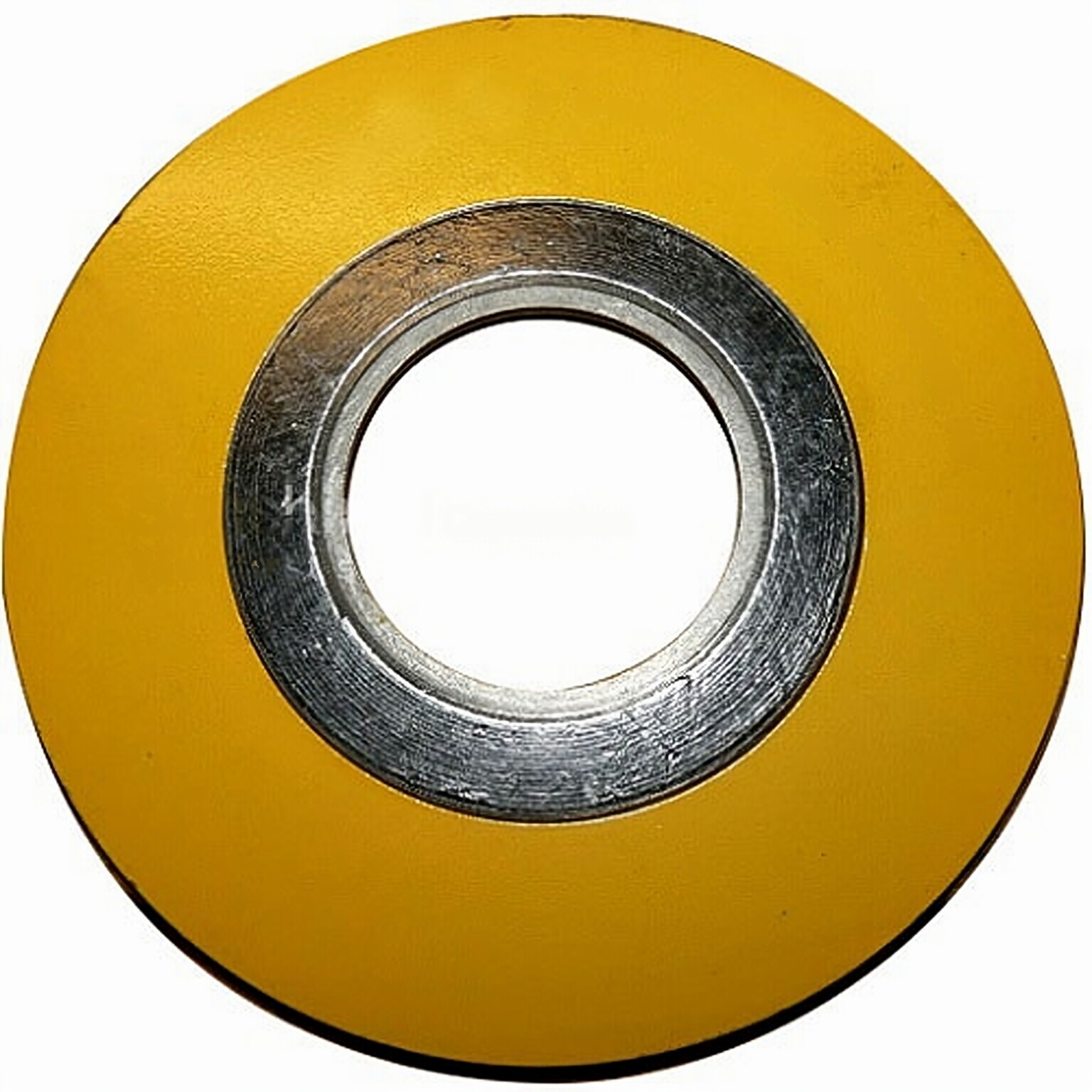
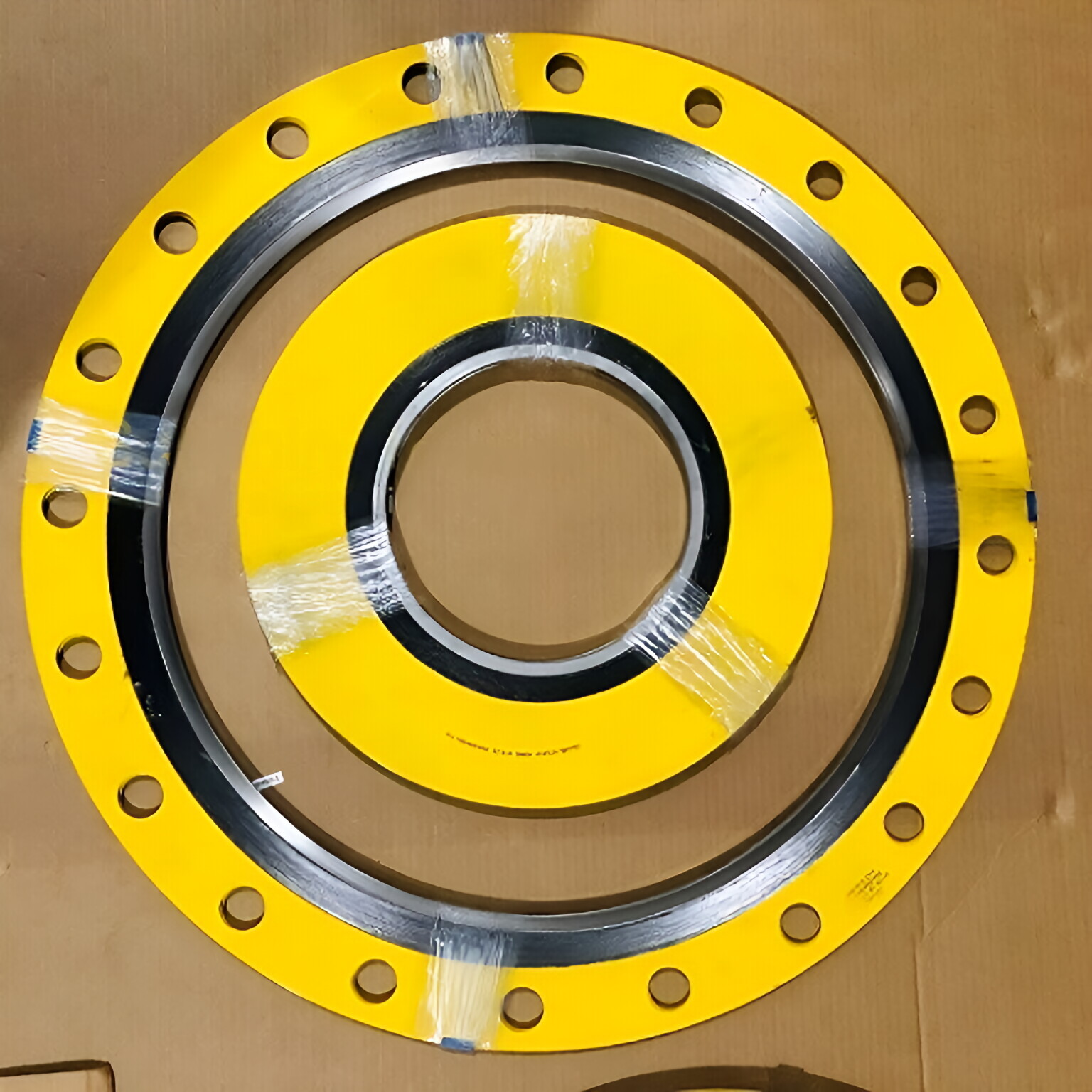
A: Yes, they are highly versatile. For Raised Face (RF) flanges, a standard ring-type Kammprofile is used. For Flat Face (FF) flanges, a full-face Kammprofile gasket with bolt holes is required. It is crucial to specify the correct flange finish (typically 3.2 - 6.3 μm Ra serration) for optimal performance.
Q: How does the "reusability" of a Kammprofile gasket work in practice?
A: The reusability depends on the condition of the soft sealing layers upon disassembly. If the gasket is carefully removed and the graphite or PTFE layers are not torn, gouged, or excessively hardened, it can often be re-installed. However, for critical services, Kaxite Sealing always recommends inspection and, if in doubt, replacement to guarantee integrity.
Q: What are the storage and handling requirements for these gaskets?
A: Store Kammprofile gaskets in a clean, dry environment, away from direct sunlight and moisture. Stack them flat to avoid distortion. Handle with care to prevent bending or damaging the profiled edges. The graphite layers can be sensitive to abrasion and should be protected before installation.
Q: How do I determine the correct torque value for bolting when using a Kammprofile gasket?
A: The required bolt load is significantly lower than for many other gasket types. Always follow the torque recommendation provided by Kaxite Sealing with your gasket, which is calculated based on the ASME PCC-1 guidelines, considering gasket type, size, and service conditions. Using a calibrated torque wrench and a proper cross-pattern bolting sequence is essential.
Q: Does Kaxite Sealing provide custom-designed Kammprofile gaskets for non-standard applications?
A: Absolutely. Custom engineering is a cornerstone of our service at Kaxite Sealing. We can manufacture gaskets with non-standard IDs/ODs, special shapes (oval, square, etc.), unusual material combinations, and with additional features like inner/outer guide rings or alignment pins to suit your specific equipment and process needs.