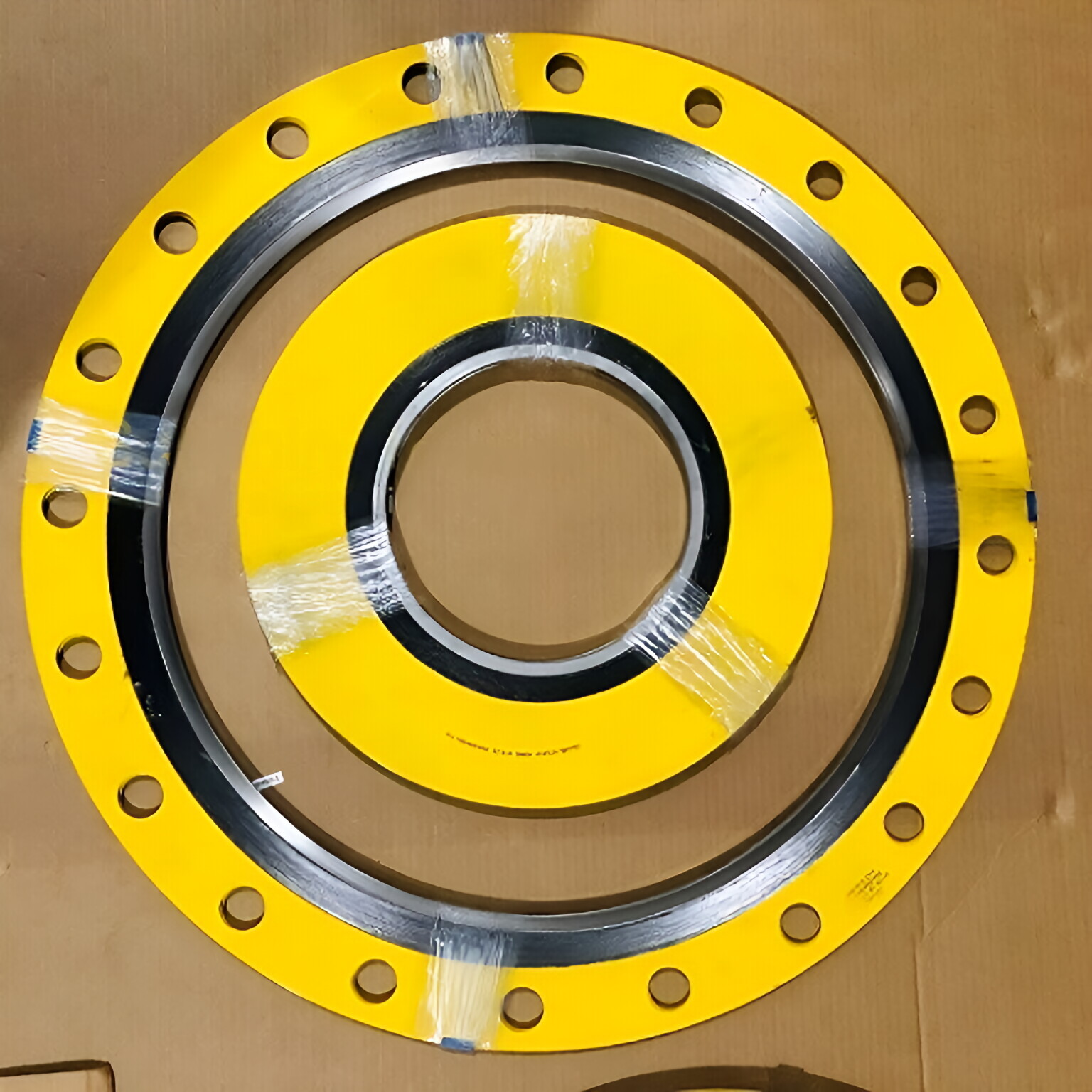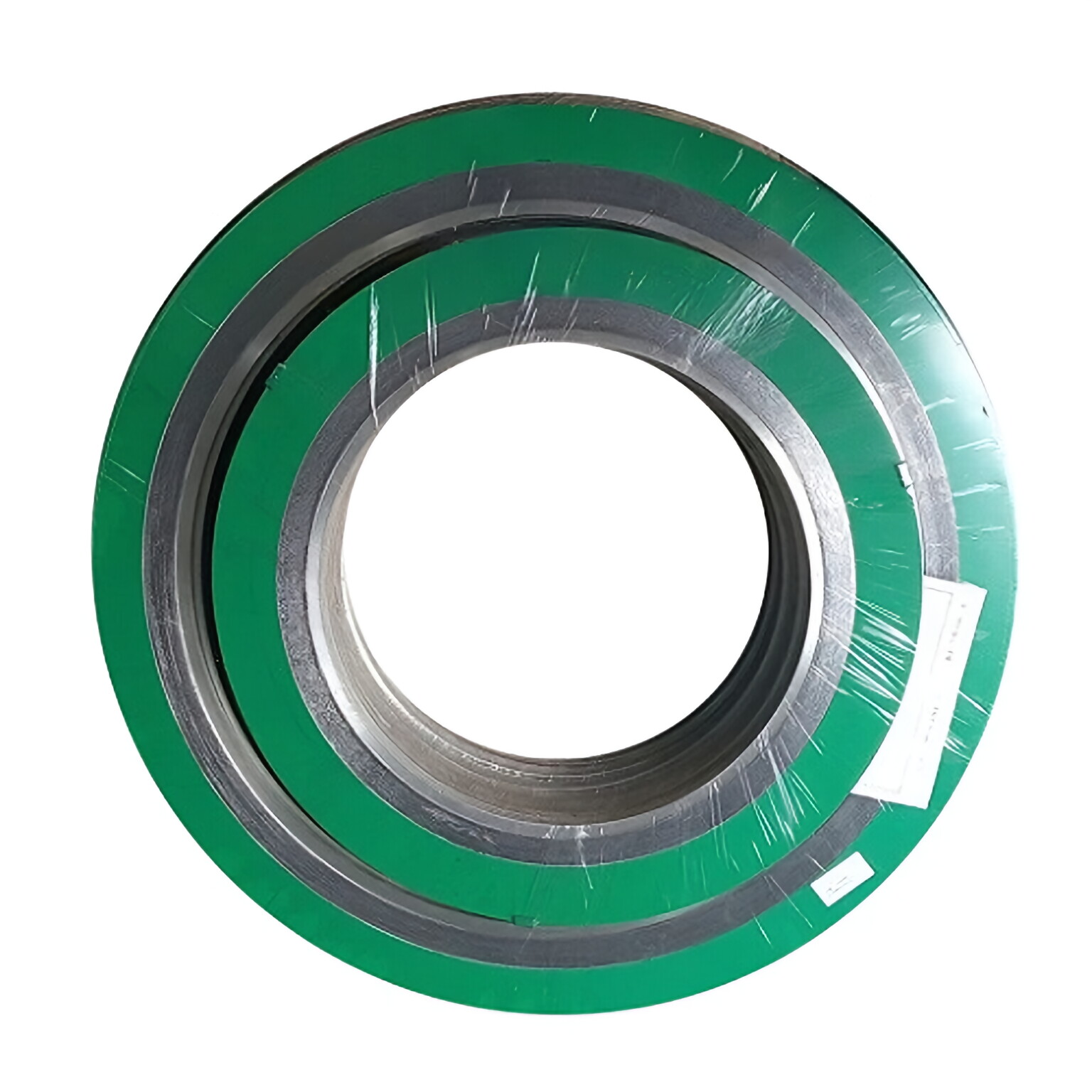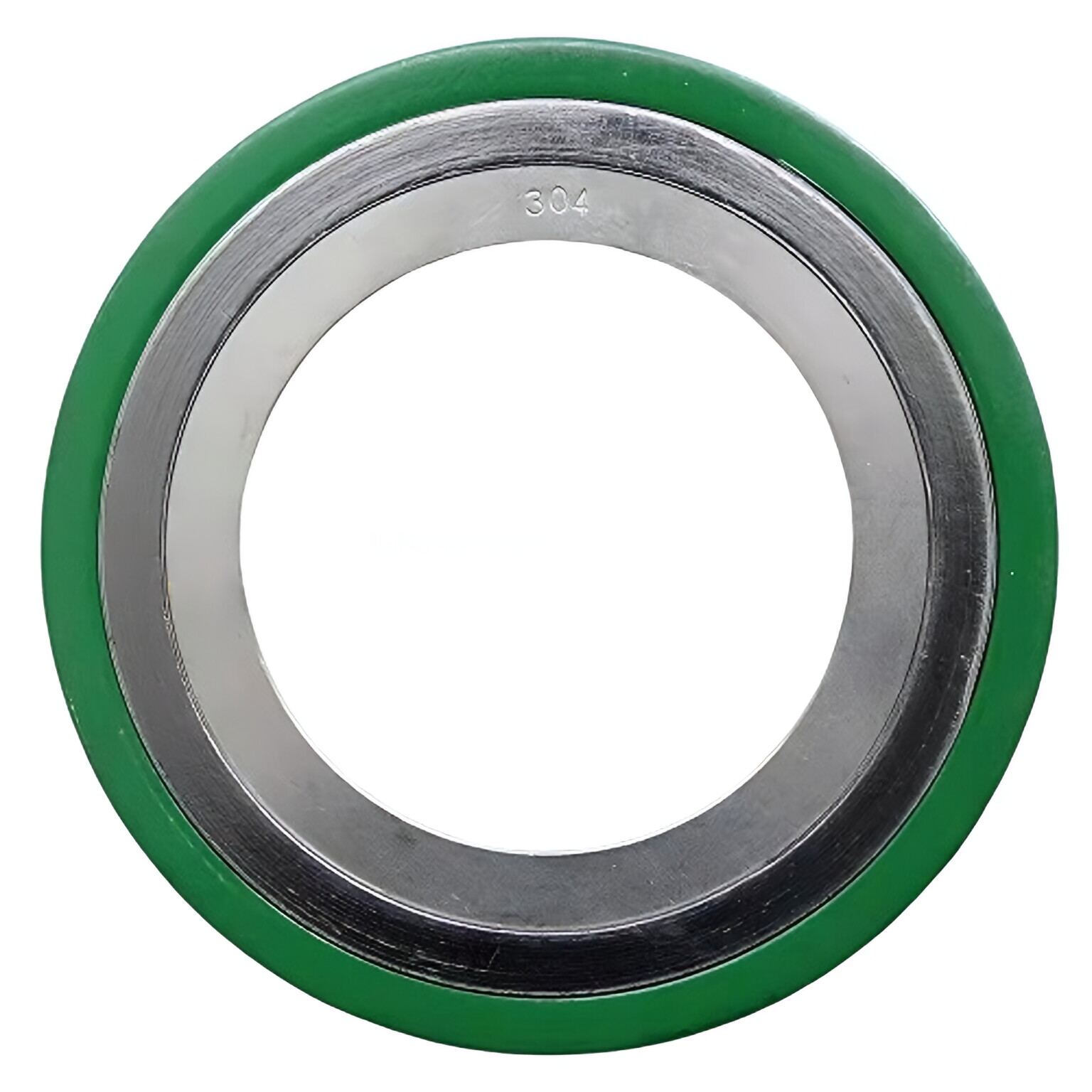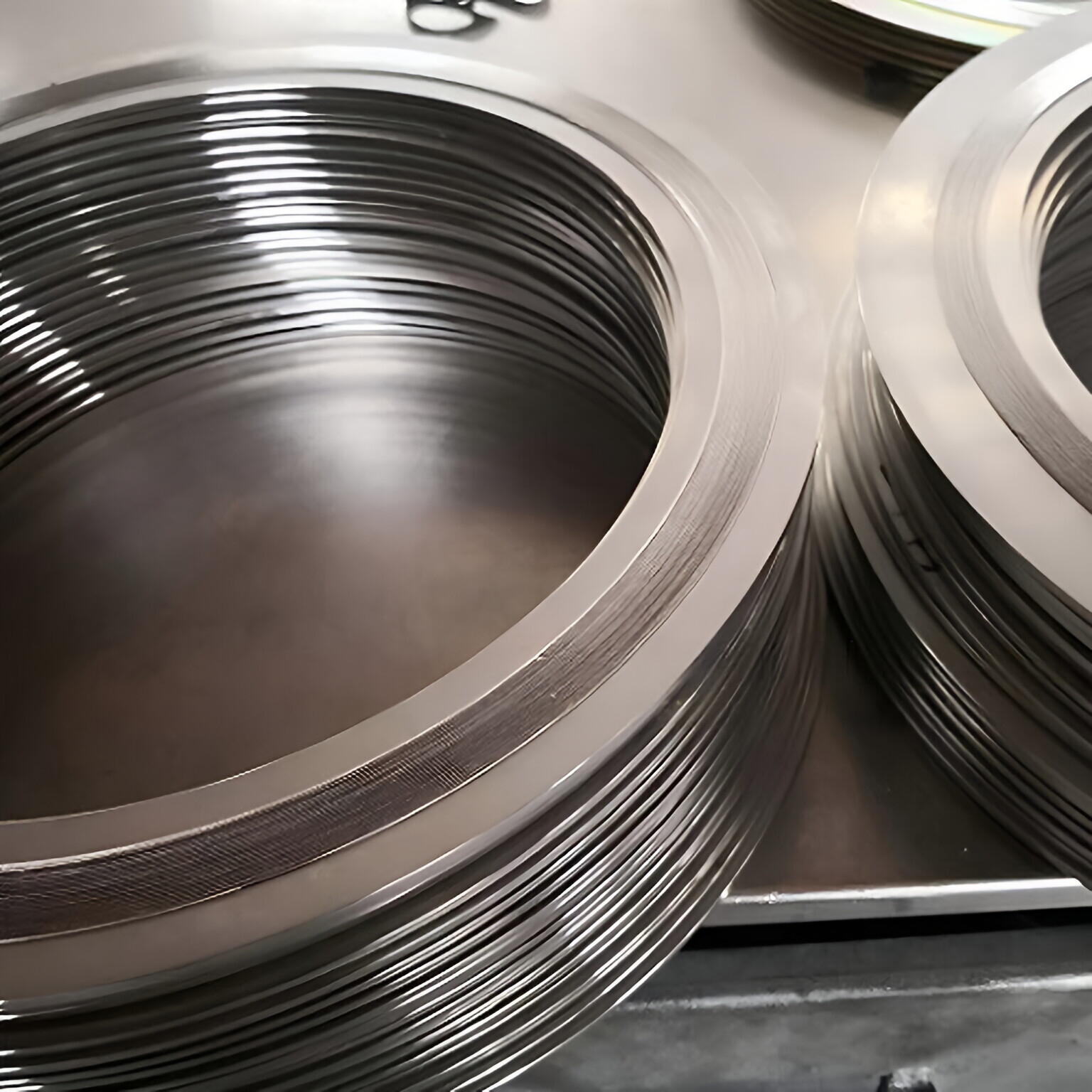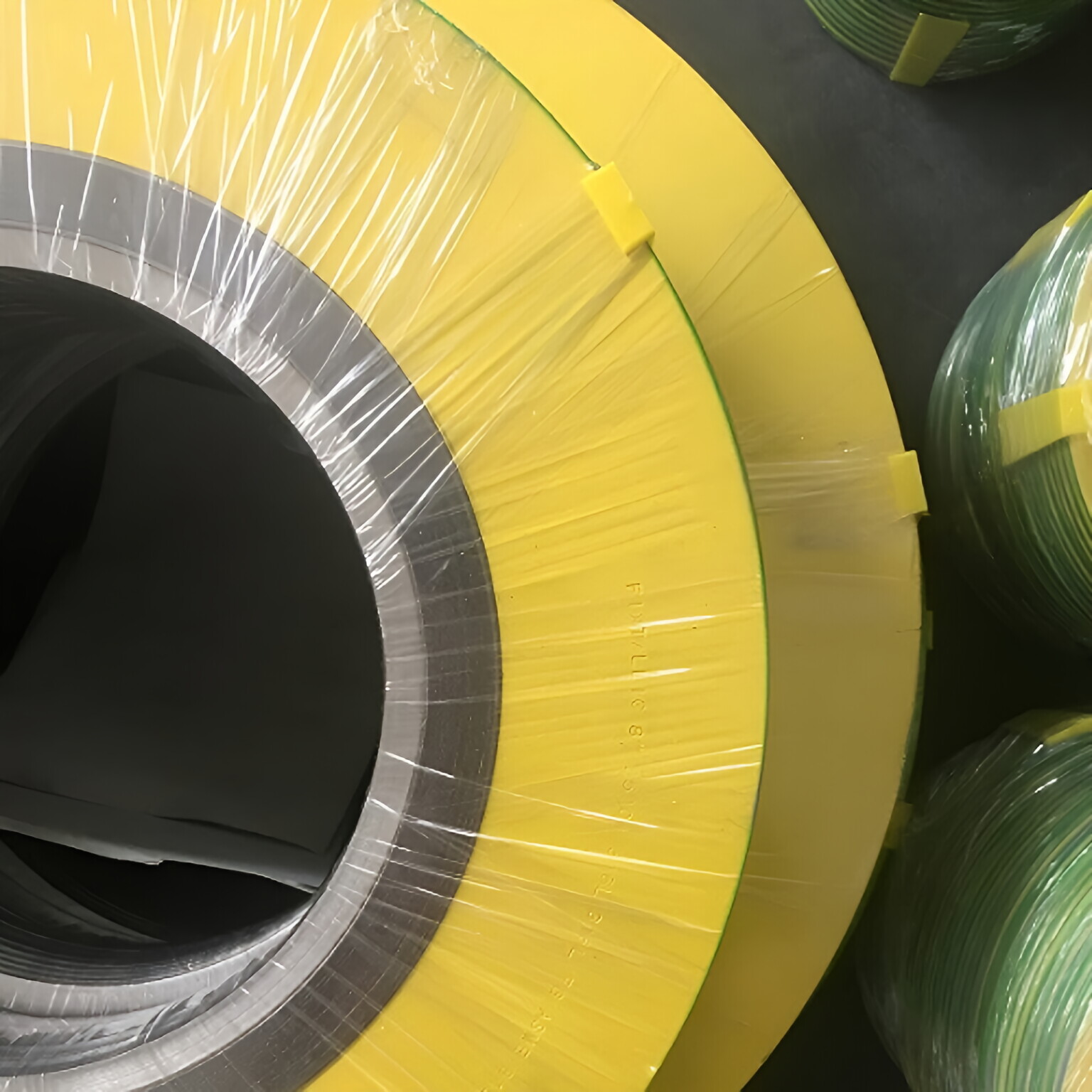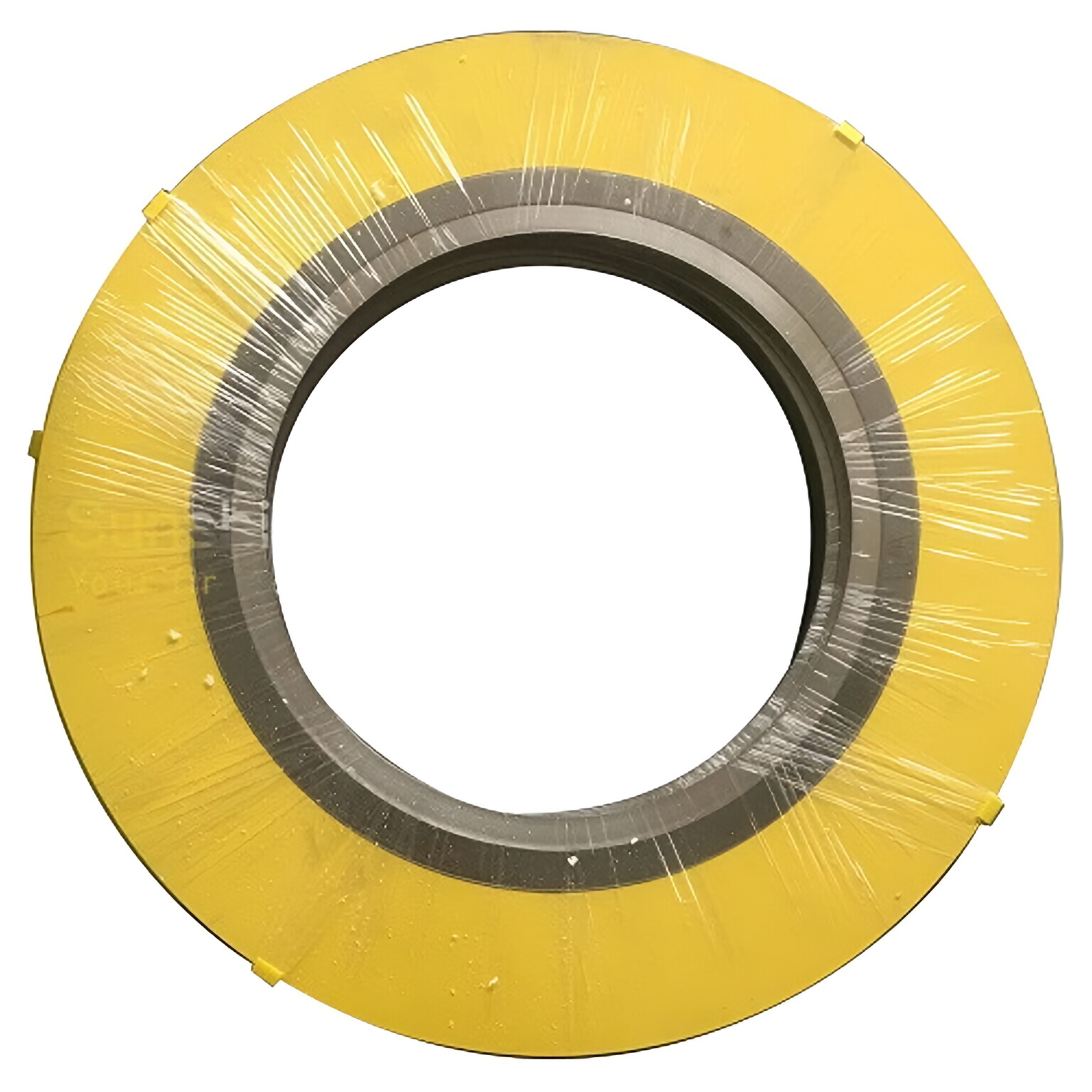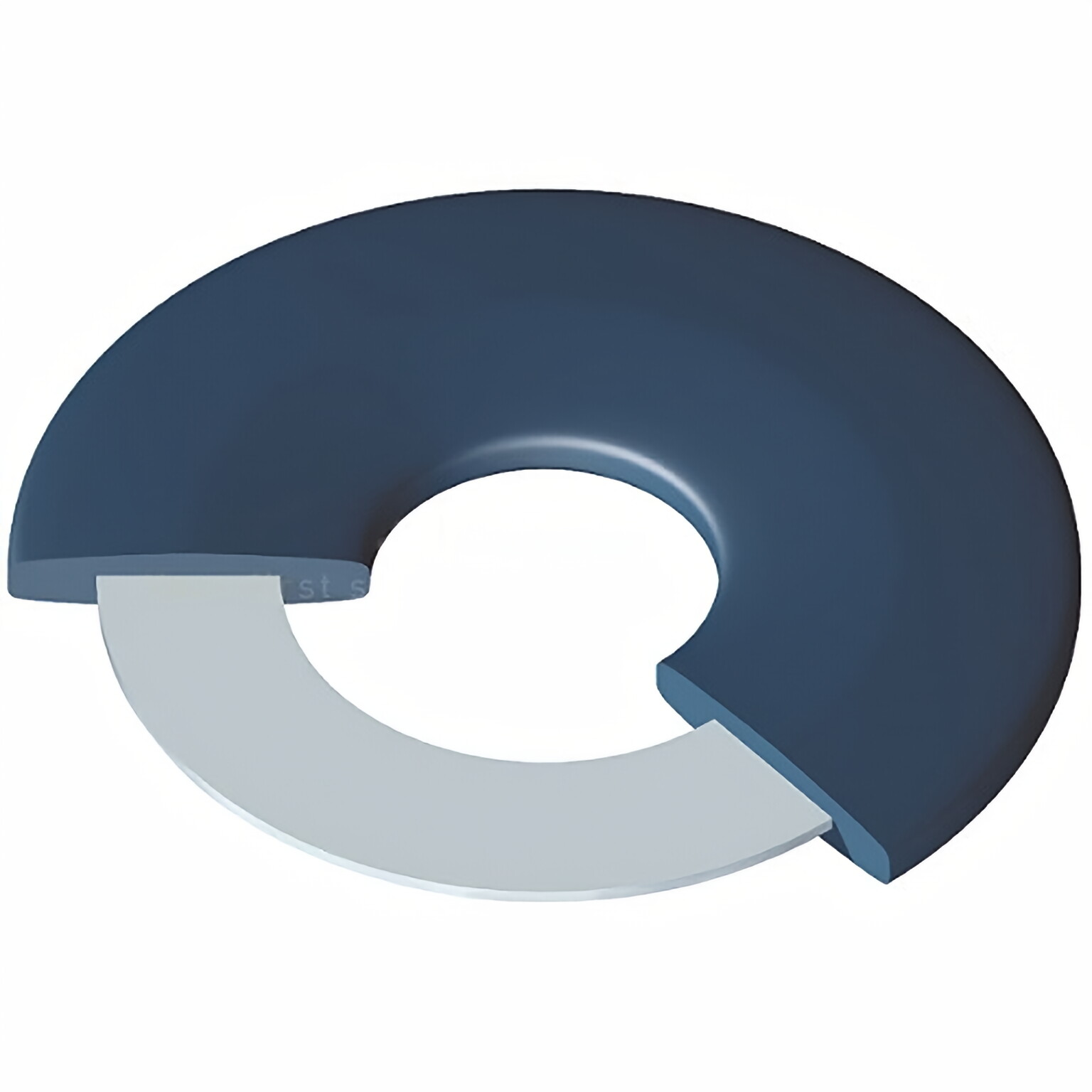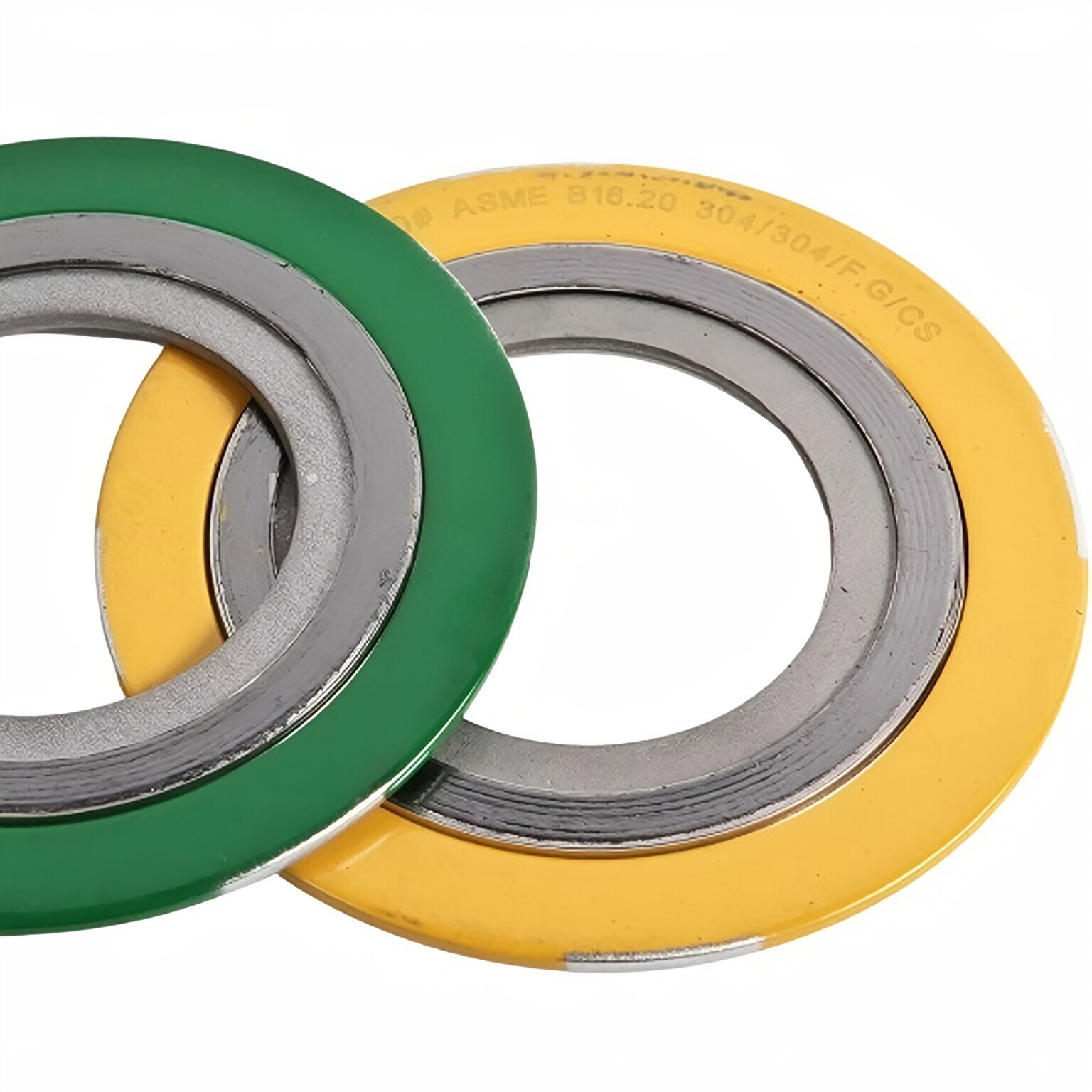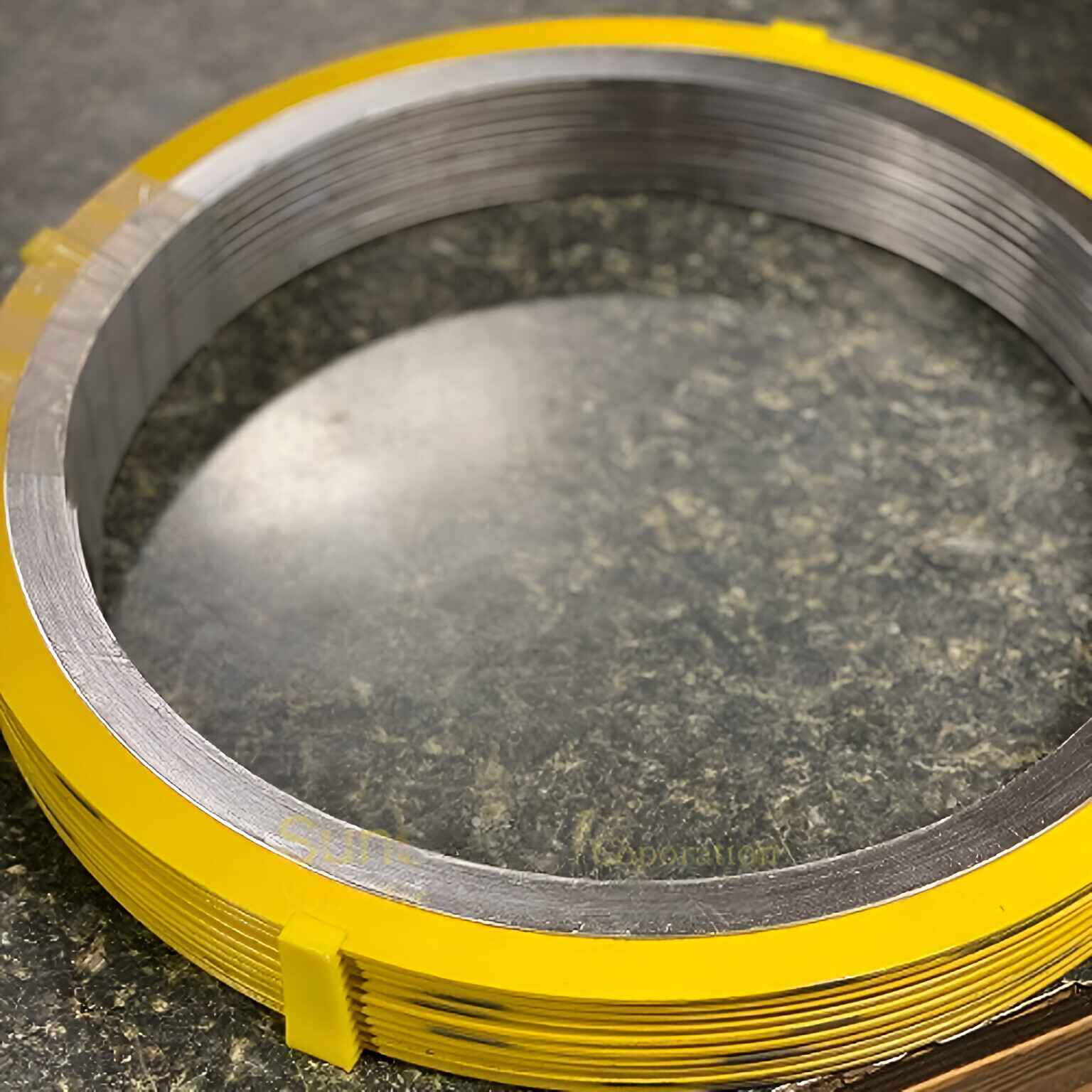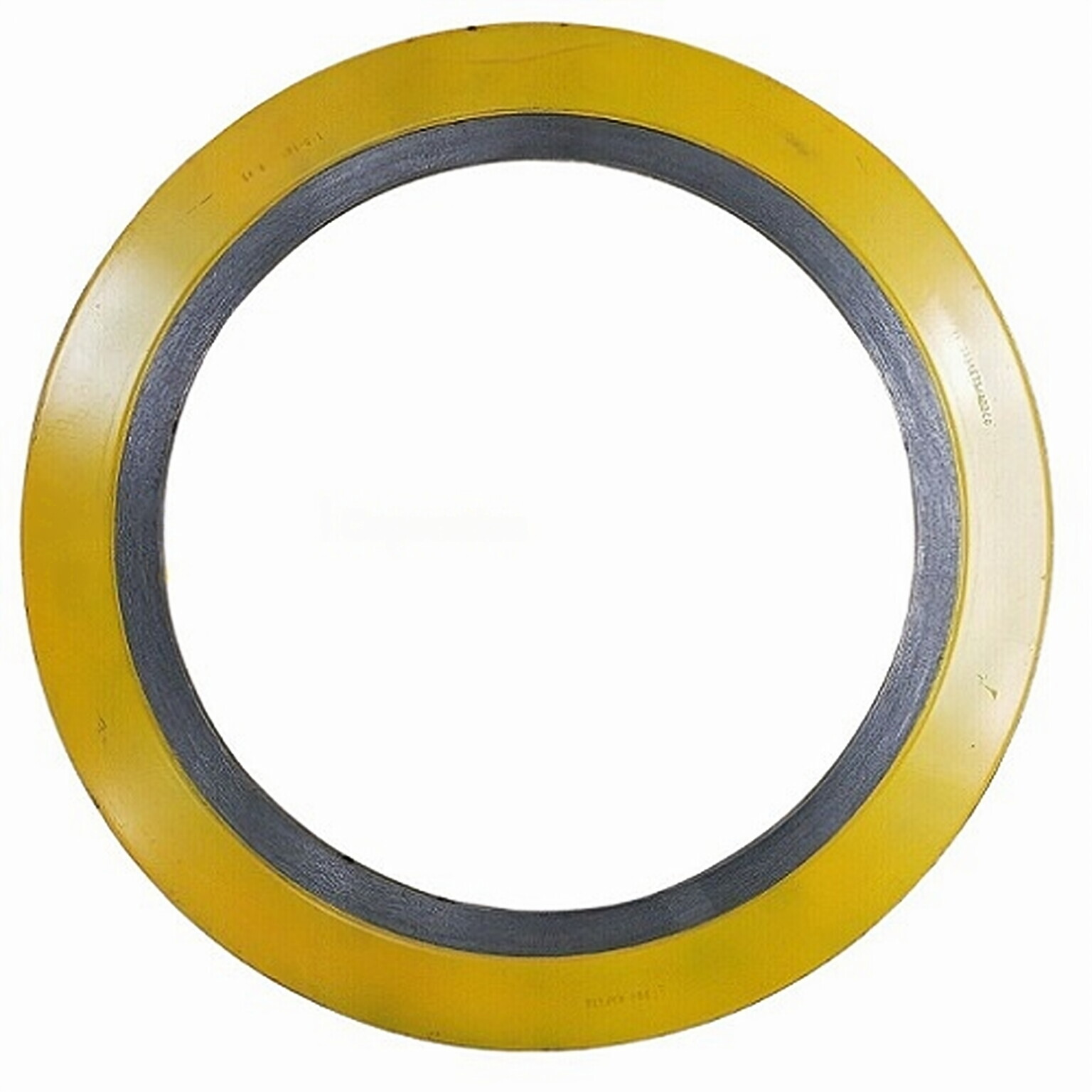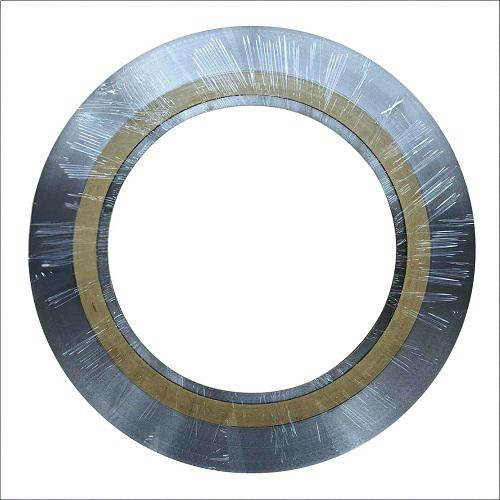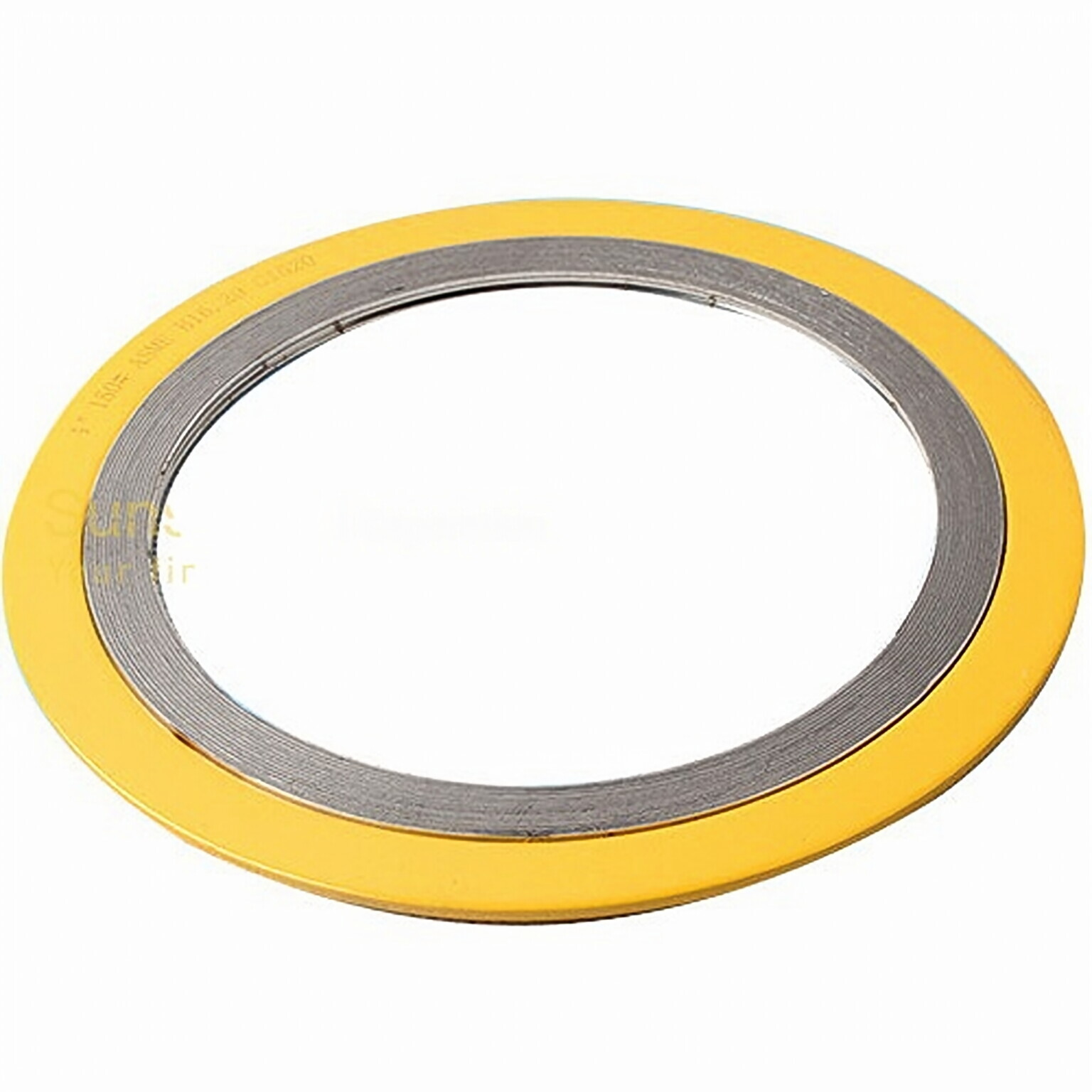
In the demanding world of industrial sealing, reliability under pressure is non-negotiable. The CGI Spiral Wound Gasket represents a pinnacle of engineering designed to meet this challenge. A CGI gasket is a mechanically robust sealing element constructed by winding a pre-formed metal strip (the "windings") and a soft filler material in a continuous spiral shape around a solid metal centering ring. This unique combination creates a resilient, pressure-adaptive seal ideal for flanged connections in piping systems, heat exchangers, pressure vessels, and other critical equipment across oil & gas, chemical processing, power generation, and refining industries. Kaxite Sealing has perfected the manufacture of these gaskets, ensuring each one delivers uncompromising performance from initial bolt-up to the end of its service life.
The performance of a spiral wound gasket is defined by its precise construction and material selection. Below are the core parameters that specify a Kaxite Sealing CGI Spiral Wound Gasket.
The selection of metals and fillers determines the gasket's compatibility with the process medium and its operational temperature/pressure range.
Kaxite Sealing manufactures gaskets to all major international standards to ensure perfect fit and function.
| Standard | Description | Common Pressure Classes (PN/ASME) | Typical Gasket ID/OD |
|---|---|---|---|
| ASME B16.20 / API 6A | Standard for Metallic Gaskets for Pipe Flanges (Ring, Spiral-Wound, and Jacketed). Defines dimensions, marking, and materials for refinery/petrochemical service. | 150, 300, 600, 900, 1500, 2500 | Defined by Nominal Pipe Size (NPS) and Pressure Class. |
| EN 1514 / DIN / PN | European standards series for gasket dimensions and materials. Widely used in chemical and power industries globally. | PN 6, 10, 16, 25, 40, 63, 100 | Defined by DN (Diameter Nominal) and PN rating. |
| JIS B 2404 | Japanese Industrial Standard for spiral wound gaskets. | 5K, 10K, 16K, 20K, 30K, 40K, 63K | Defined by nominal bore and "K" pressure rating. |
| Non-Standard / Custom | Kaxite Sealing engineers can design and produce gaskets for special flange geometries, heat exchangers, or proprietary equipment. | Custom | Per customer drawings or specifications. |
The density of the wound element is a critical, controlled parameter that influences sealing force and recovery.
Q: How does a CGI Spiral Wound Gasket actually work to create a seal?
A: The seal is created through a combination of mechanics and material science. When the flange bolts are tightened, the compressive force causes the soft filler material to flow and conform to the microscopic irregularities on the flange faces, creating an initial barrier. The metal windings act as a series of interconnected springs. They store energy during compression. This spring force maintains constant pressure on the filler material, ensuring the seal remains tight even when the flanges experience slight separation due to internal pressure, vibration, or thermal expansion/contraction of the pipeline.
Q: What are the main advantages of using a Kaxite Sealing CGI gasket over other gasket types like flat sheet or ring joint?
A: Kaxite Sealing CGI gaskets offer several distinct advantages: Reliability: Excellent performance across a wide range of pressures and temperatures. Stress Recovery: The spiral wound design allows it to adapt to changing conditions, reducing the risk of leakage from system transients. Versatility: A vast combination of metal and filler materials allows tailoring for corrosive, high-temperature, or cryogenic services. Forgiveness: More tolerant of minor flange imperfections compared to solid metal gaskets. Bolting Efficiency: They typically require lower bolt loads to achieve a seal compared to solid metal gaskets, reducing stress on flanges and bolts.
Q: How do I select the correct material combination (Metal Windings & Filler) for my application?
A: Selection is based on three primary factors: Process Media (Chemical Compatibility): The filler and metal must resist corrosion or degradation from the fluid. Chemical resistance charts for graphite, PTFE, and metals are essential references. Operating Temperature: The filler material dictates the upper temperature limit (e.g., PTFE ~260°C, Graphite ~450-500°C in air, Ceramic >800°C). The metal winding must retain its strength and spring properties at temperature. Pressure: Higher pressure services may require higher-density winding or stronger metals. Consulting Kaxite Sealing's technical team with your specific service conditions (fluid, concentration, temperature, pressure) is the most reliable method for optimal selection.
Q: What is the purpose of the centering ring, and is it always necessary?
A: The centering ring serves multiple crucial functions. It provides radial stability to the spiral wound element, preventing it from buckling or being over-compressed during installation. It acts as a guide, ensuring the gasket is positioned correctly and concentrically within the bolt circle. It also contains the soft filler material, preventing it from being extruded into the pipeline under high pressure. While inner and outer rings are standard for most raised face (RF) flange applications, "tongue-and-groove" or "male-female" flange styles often use a groove-width gasket without a centering ring. The necessity is determined by the flange facing type.
Q: Can a CGI Spiral Wound Gasket be reused after it has been compressed?
A: It is generally not recommended to reuse a spiral wound gasket. During the initial bolting, the filler material undergoes permanent plastic deformation to conform to the flange surfaces, and the metal windings are compressed to a specific stress state. Upon disassembly, the gasket does not fully return to its original thickness or shape. Reusing it can lead to insufficient seating stress and a high probability of leakage. For critical sealing integrity, Kaxite Sealing always advises installing a new, unused gasket during any maintenance reassembly.
Q: How important is proper flange surface finish when using these gaskets?
A: Flange surface finish is critically important for achieving a leak-free seal. A spiral wound gasket typically requires a serrated flange face to "bite" and grip into. The recommended surface finish is usually between 125 to 250 microinches Ra (3.2 to 6.3 µm Ra) with a serrated (phonographic or concentric) pattern. A finish that is too smooth (e.g., polished) may not allow the gasket to grip properly, while a finish that is too rough can cause excessive filler wear or require impractically high bolt loads to achieve seal conformity. Always verify the required finish per the applicable standard or gasket manufacturer's recommendation.
Q: What markings should I look for on a certified Kaxite Sealing CGI gasket?
A: A properly marked gasket ensures traceability and verifies its specification. Look for the following markings, typically etched or stamped on the centering ring: Kaxite Sealing (or manufacturer logo), Size (NPS or DN), Pressure Class/Rating (e.g., 300#, PN40), Material Designation (e.g., 316SS/F.G. for 316 Stainless Steel windings with Flexible Graphite filler), and often a Heat/Lot Number for full traceability of raw materials. These markings should comply with standards like ASME B16.20.