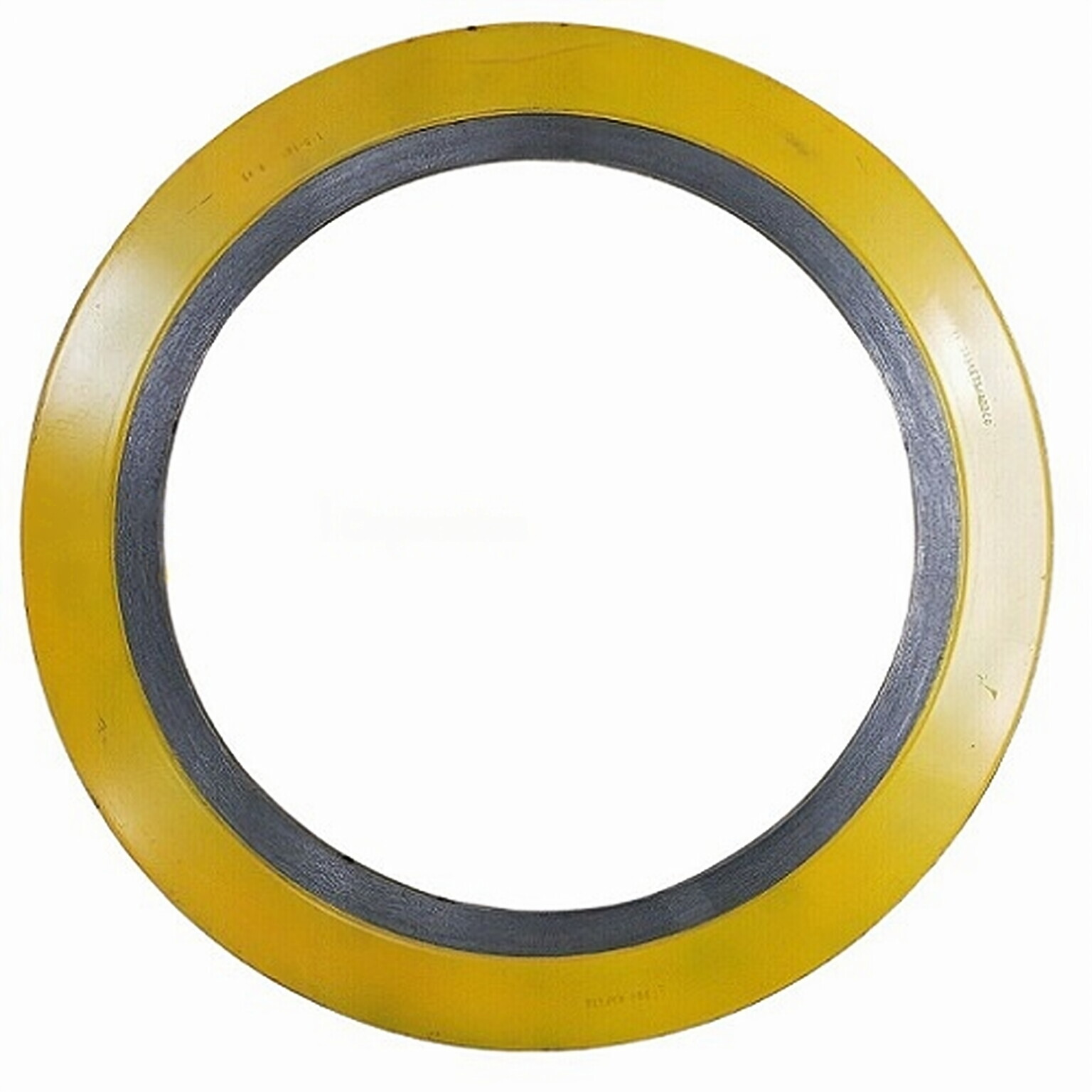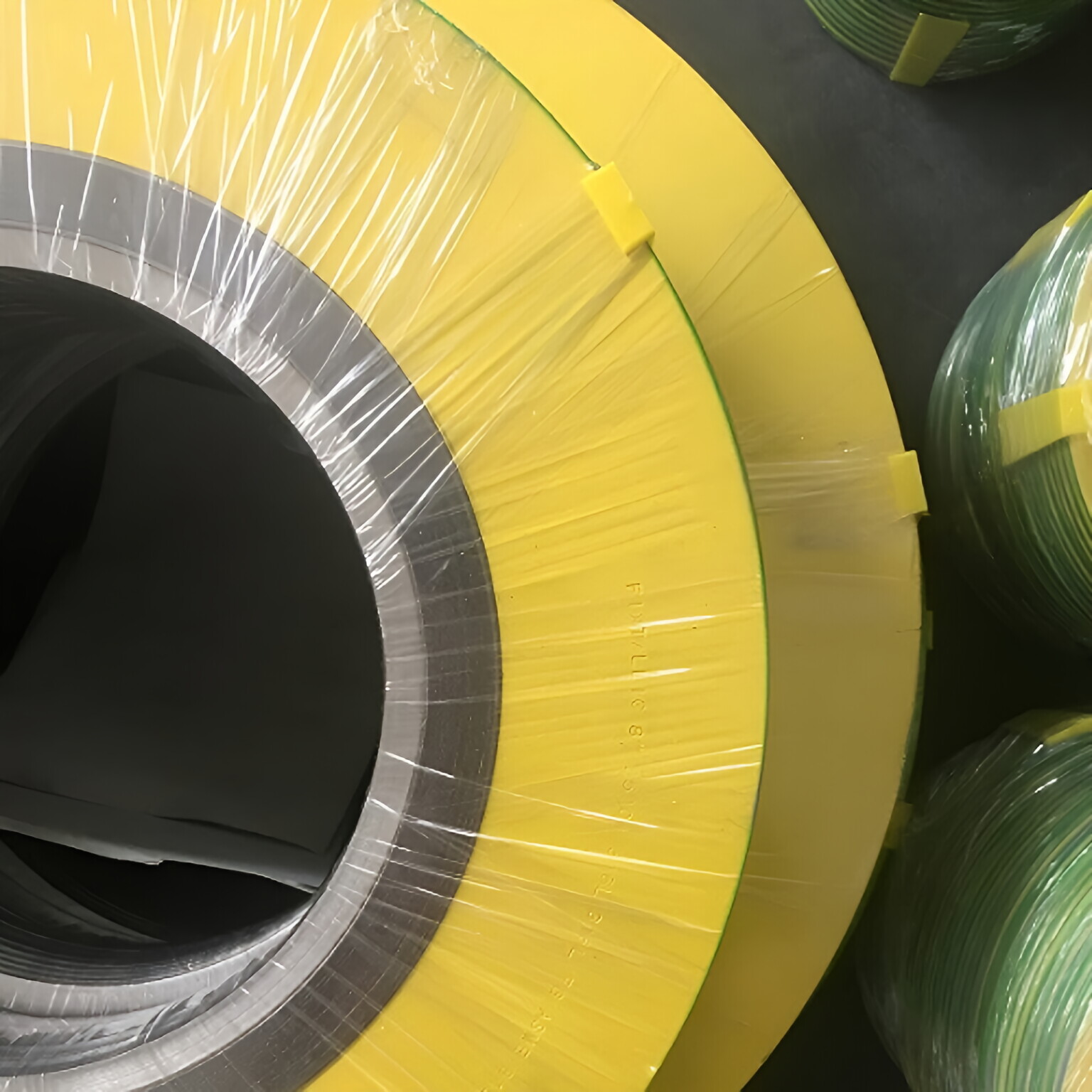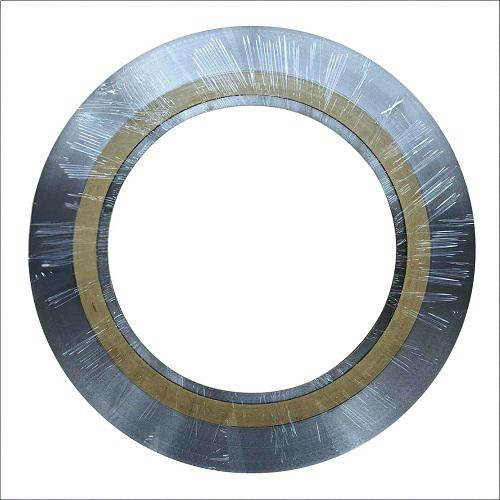
In the demanding world of industrial sealing, reliability is non-negotiable. For over four decades, Kaxite Sealing has been at the forefront of engineering and manufacturing premium sealing solutions. Among our flagship products, the CG Spiral Wound Gasket stands out as a superior choice for high-pressure, high-temperature flange connections across numerous industries. Designed for robustness and engineered for precision, this gasket type is the industry standard where failure is not an option.
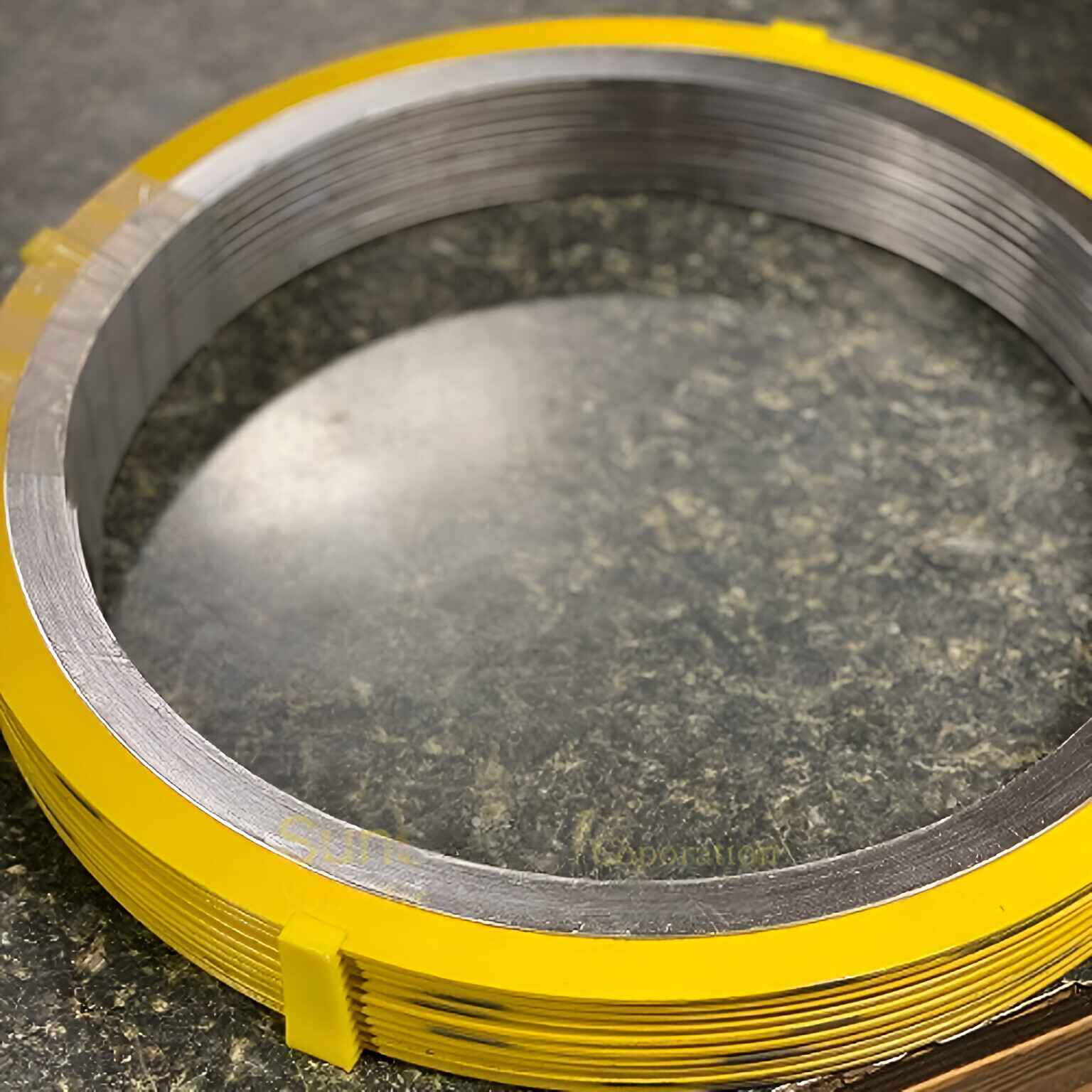
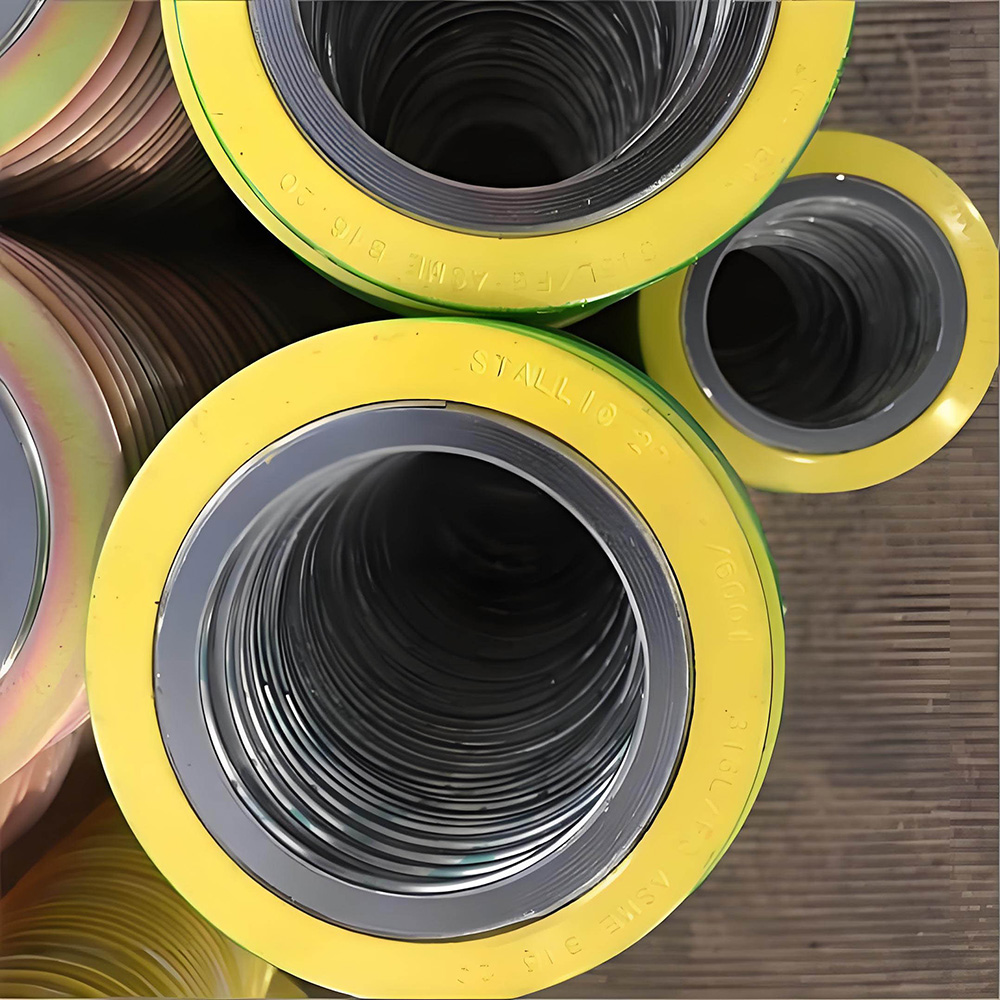
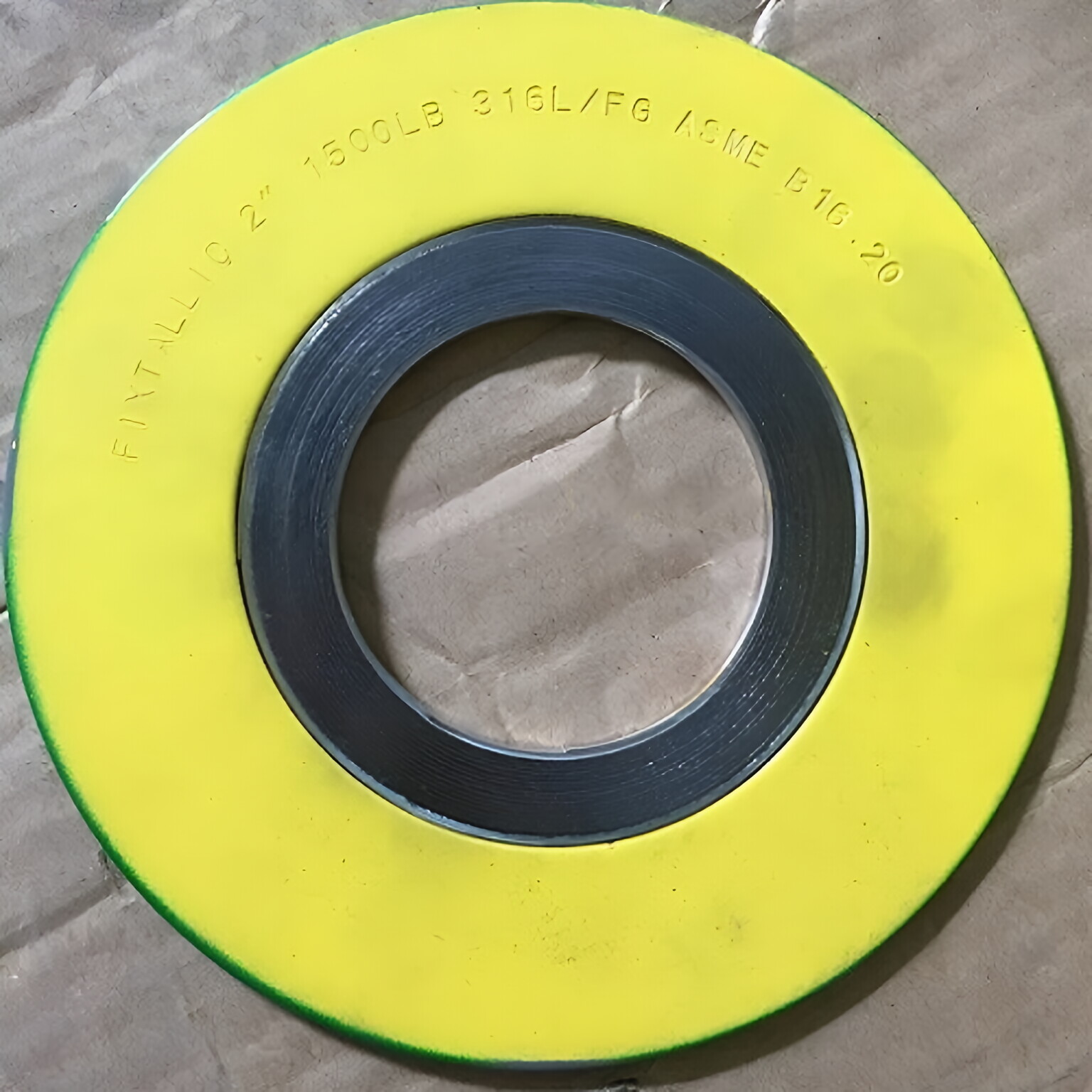
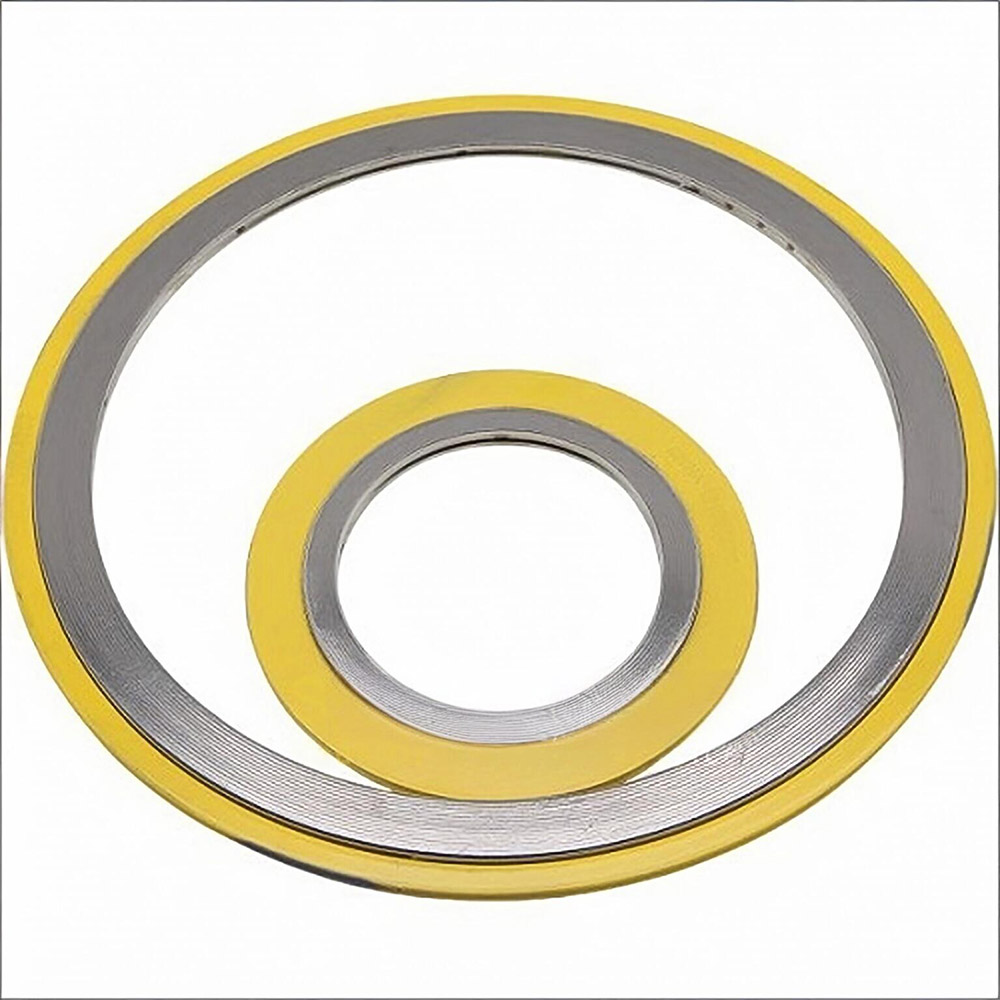
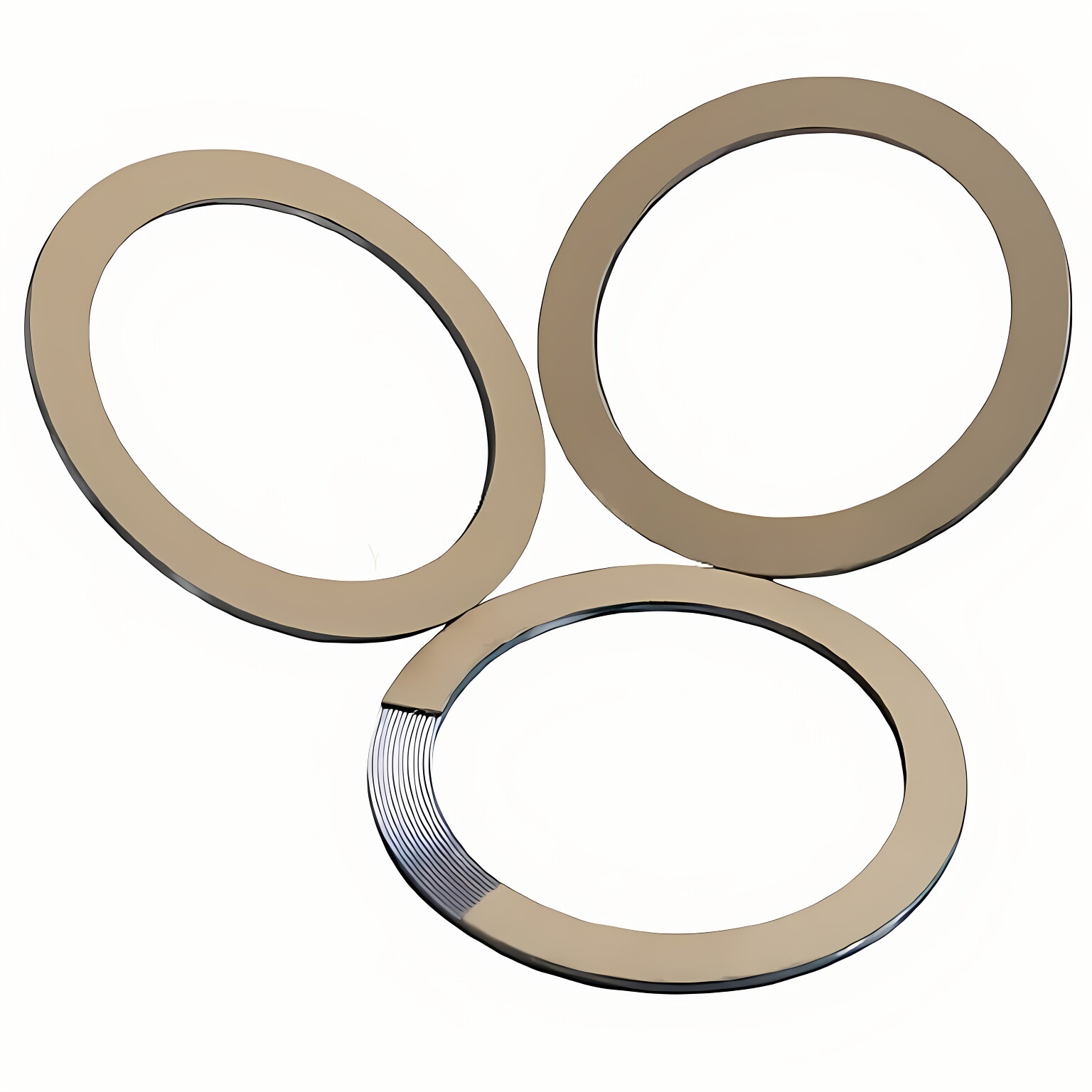
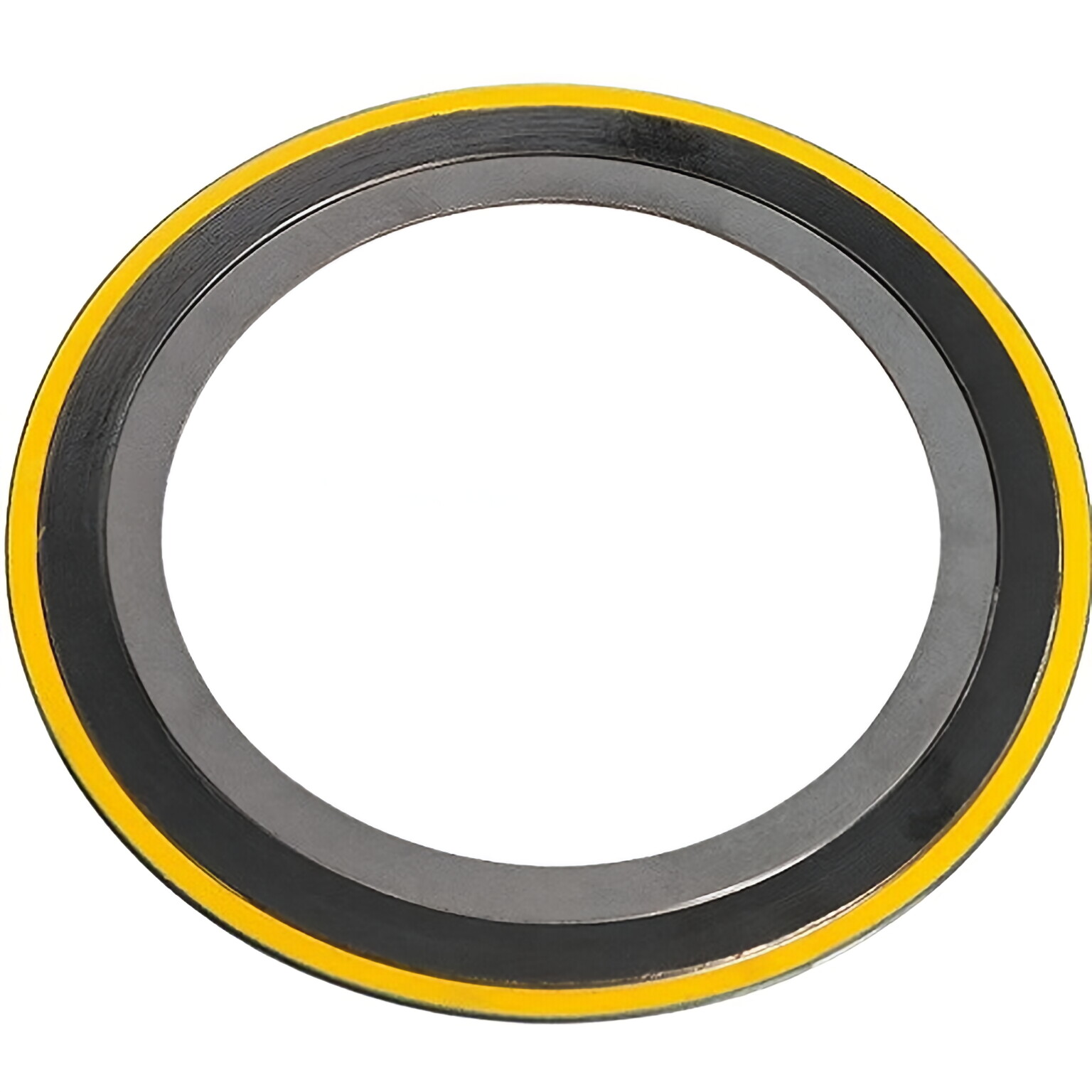
A CG Spiral Wound Gasket is a semi-metallic sealing device constructed by spirally winding a pre-formed metal strip and a soft filler material, typically graphite or PTFE, around a central metal core. This unique construction creates a resilient, self-compensating seal that can withstand extreme conditions, thermal cycling, and flange rotation better than many other gasket types. The "CG" often denotes the use of a Carbon Graphite filler, renowned for its exceptional thermal conductivity, chemical resistance, and stability.
The superior performance of Kaxite Sealing's CG Spiral Wound Gaskets stems from a combination of intelligent design and high-quality materials.
To ensure the correct gasket for your application, understanding the detailed specifications is crucial. Below are the standard parameters for Kaxite Sealing CG Spiral Wound Gaskets.
| Component | Common Material Options | Key Properties & Typical Applications |
|---|---|---|
| Metal Windings | 304/316 Stainless Steel, Inconel 600/625, Monel 400, Titanium, Hastelloy B/C | Provides structural strength and spring-back. Choice depends on corrosion resistance and temperature needs. |
| Filler Material | Flexible Graphite (CG), PTFE, Ceramic, Mica, Non-Asbestos (Organic/Inorganic) | Provides the primary seal. Flexible Graphite (CG) is most common for high temp/chemical service. |
| Inner & Outer Rings | Carbon Steel, Stainless Steel 304/316 (Standard) | Optional rings that provide radial stability, prevent over-compression, and guide installation. |
| Flange Size (NPS) | Pressure Class (ANSI/ASME) | Standard Thickness | Recommended Bolt Load (PSI) |
|---|---|---|---|
| 1/2" to 24" | 150, 300, 600, 900, 1500, 2500 | 3.2 mm (1/8"), 4.5 mm (11/64") | Varies by class; e.g., Class 150: 150-300 PSI, Class 600: 1440-2160 PSI |
| 24" and above (Custom) | Custom per API, DIN, JIS, BS standards | 4.5 mm and custom | Engineered per application requirements |
Selecting the optimal CG Spiral Wound Gasket requires evaluating your specific service conditions. Use this guide as a starting point.
| Service Condition | Recommended Metal Winding | Recommended Filler | Optional Ring |
|---|---|---|---|
| General Steam, Water, Oil (to 500°C) | 304 Stainless Steel | Flexible Graphite (CG) | Carbon Steel |
| Strong Acids (e.g., Sulfuric, Nitric), High Temp | Hastelloy C276 / Inconel 625 | Flexible Graphite (CG) or PTFE | Stainless Steel 316 |
| Caustic Services, Alkaline Solutions | 316 Stainless Steel / Monel 400 | Flexible Graphite (CG) | Stainless Steel 316 |
| Cryogenic Services (to -200°C) | 304 or 316 Stainless Steel | PTFE or Flexible Graphite with special treatment | Stainless Steel |
| High-Pressure Hydrogen, Hydrocarbons | Inconel 600/625 | Flexible Graphite (CG) - High Density | Mandatory Inner Ring |
Q: What does "CG" stand for in a CG Spiral Wound Gasket?
A: In gasket terminology, "CG" most commonly refers to the filler material used: Carbon Graphite (specifically, exfoliated or flexible graphite). This filler is favored for its wide temperature range, excellent chemical resistance (except strong oxidizers), and superior sealing capabilities under varying pressures. At Kaxite Sealing, our CG gaskets utilize premium-grade, corrosion-inhibited flexible graphite for optimal performance.
Q: When should I choose a spiral wound gasket over other types, like a flat gasket or a ring joint?
A: CG Spiral Wound Gaskets are the preferred choice for a broad range of medium to high-pressure/temperature applications on raised face (RF) and flat face (FF) flanges. Choose them over soft cut gaskets when dealing with higher pressures (Class 150+), thermal cycling, or uneven flange faces. They are more versatile and forgiving than Ring Type Joints (RTJs), which are typically used for extremely high pressure (Class 900 and above) on specific groove facings. A spiral wound gasket offers the ideal balance of sealability, resilience, and cost-effectiveness for most critical piping and vessel connections.
Q: Are inner and outer rings necessary for my application?
A: Inner rings (also known as centering rings) and outer retention rings serve specific purposes. An inner ring is strongly recommended for services involving turbulent flow, high velocity, or cyclic conditions to prevent erosion of the soft filler and inward buckling of the winding. It is often mandatory for certain standards like API 601. An outer ring aids in correct gasket alignment during installation, provides radial stability, and helps prevent over-compression. For standard applications with raised face flanges, an outer ring is common. Kaxite Sealing can advise on the best configuration for your system.
Q: How do I determine the correct gasket size and class for my existing flanges?
A: You need three key pieces of information: 1) Nominal Pipe Size (NPS), 2) Flange Pressure Class (e.g., 150#, 300#), and 3) Flange Facing Type (e.g., Raised Face - RF, Flat Face - FF). The gasket's inner diameter (ID), outer diameter (OD), and thickness are standardized based on these parameters according to ASME B16.20, API 601, or DIN standards. Always refer to the original flange specifications or consult with a Kaxite Sealing engineer to ensure a perfect match, especially for custom or non-standard flanges.
Q: Can CG Spiral Wound Gaskets be reused?
A: It is a best practice and industry standard never to reuse a spiral wound gasket. Once compressed during installation, the metallic winding's spring-like structure undergoes plastic deformation, and the filler material conforms to the specific flange surface imperfections. Reusing an old gasket will not provide the same resilient sealing force, dramatically increasing the risk of leakage. For reliable, leak-free operation, always install a new, high-quality Kaxite Sealing gasket during any flange reassembly.
Q: What are the proper storage and handling procedures for these gaskets?
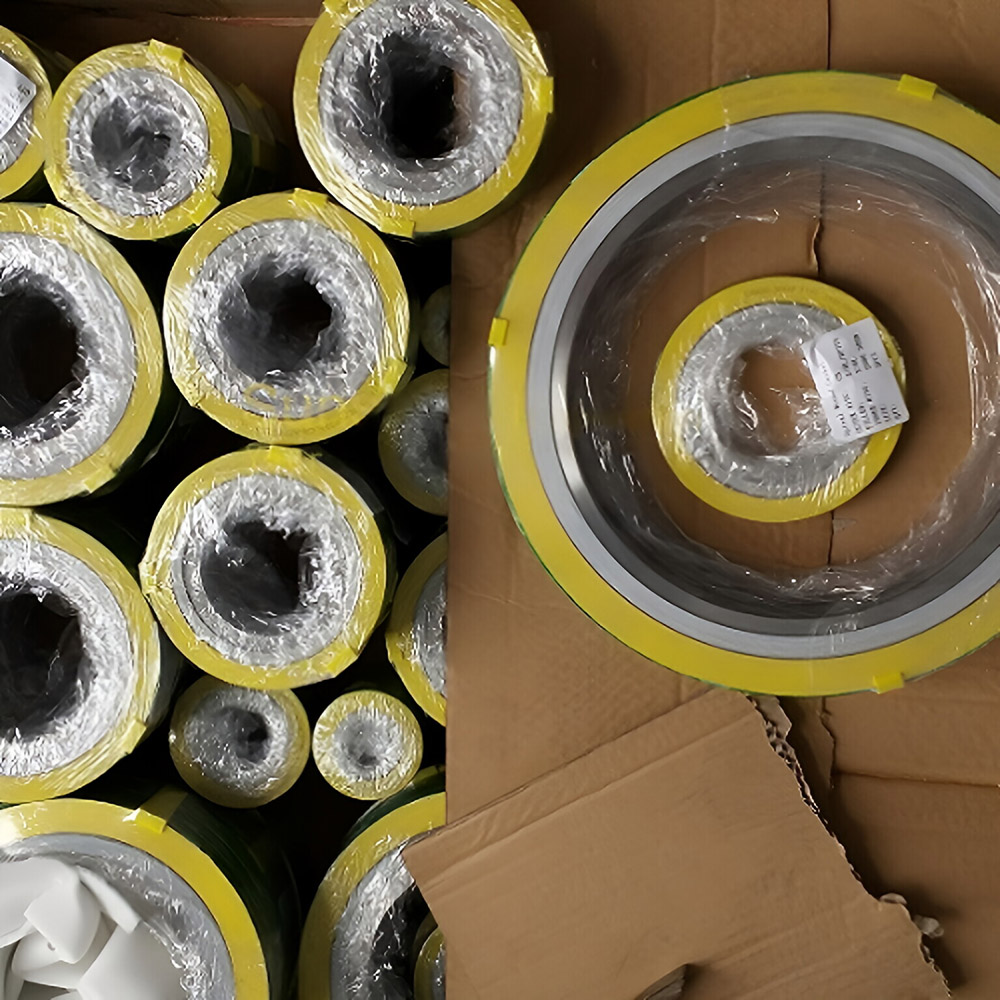
A: To preserve integrity, store gaskets in their original packaging in a clean, dry, temperature-controlled environment away from direct sunlight, moisture, and corrosive fumes. Avoid stacking heavy objects on them. Handle with clean gloves to prevent contamination from oils and dirt on the sealing surfaces. Inspect the gasket for any damage, such as dents, unwindings, or degraded filler, immediately before installation. Proper storage and handling are simple steps that guarantee the performance you expect from a Kaxite Sealing product.
Every CG Spiral Wound Gasket from Kaxite Sealing is manufactured under a stringent quality management system. We adhere to international standards to guarantee performance and safety.
Our engineering team is available to provide technical support, material selection guidance, and custom design services for non-standard or exceptionally challenging applications. Trust Kaxite Sealing to deliver the sealing reliability that keeps your operations safe, efficient, and compliant.