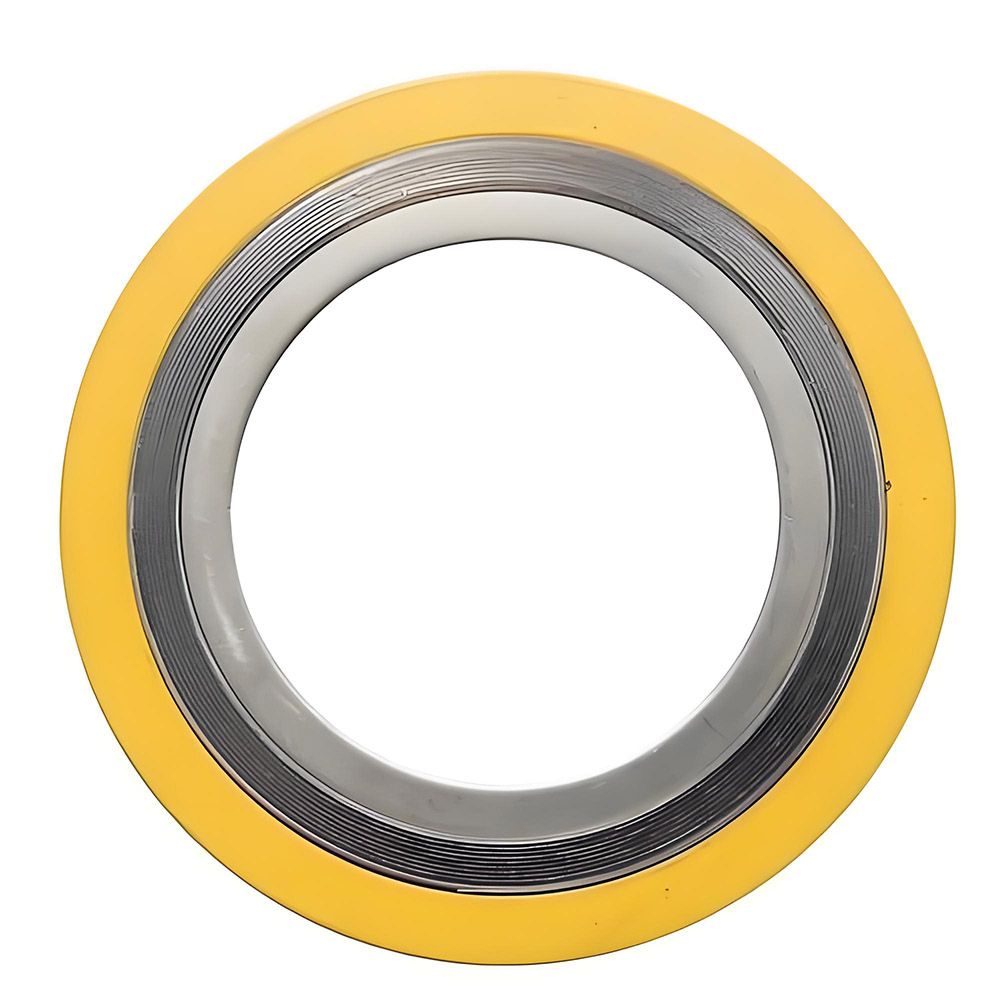
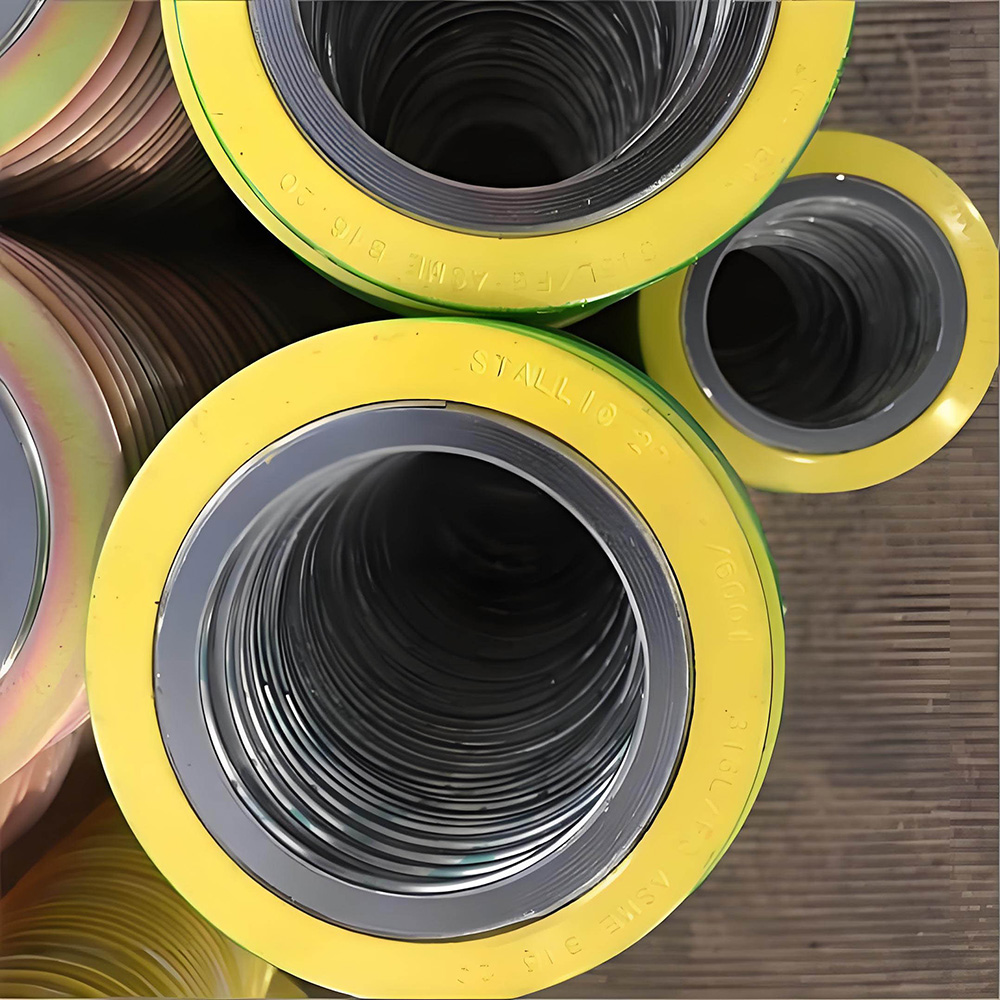
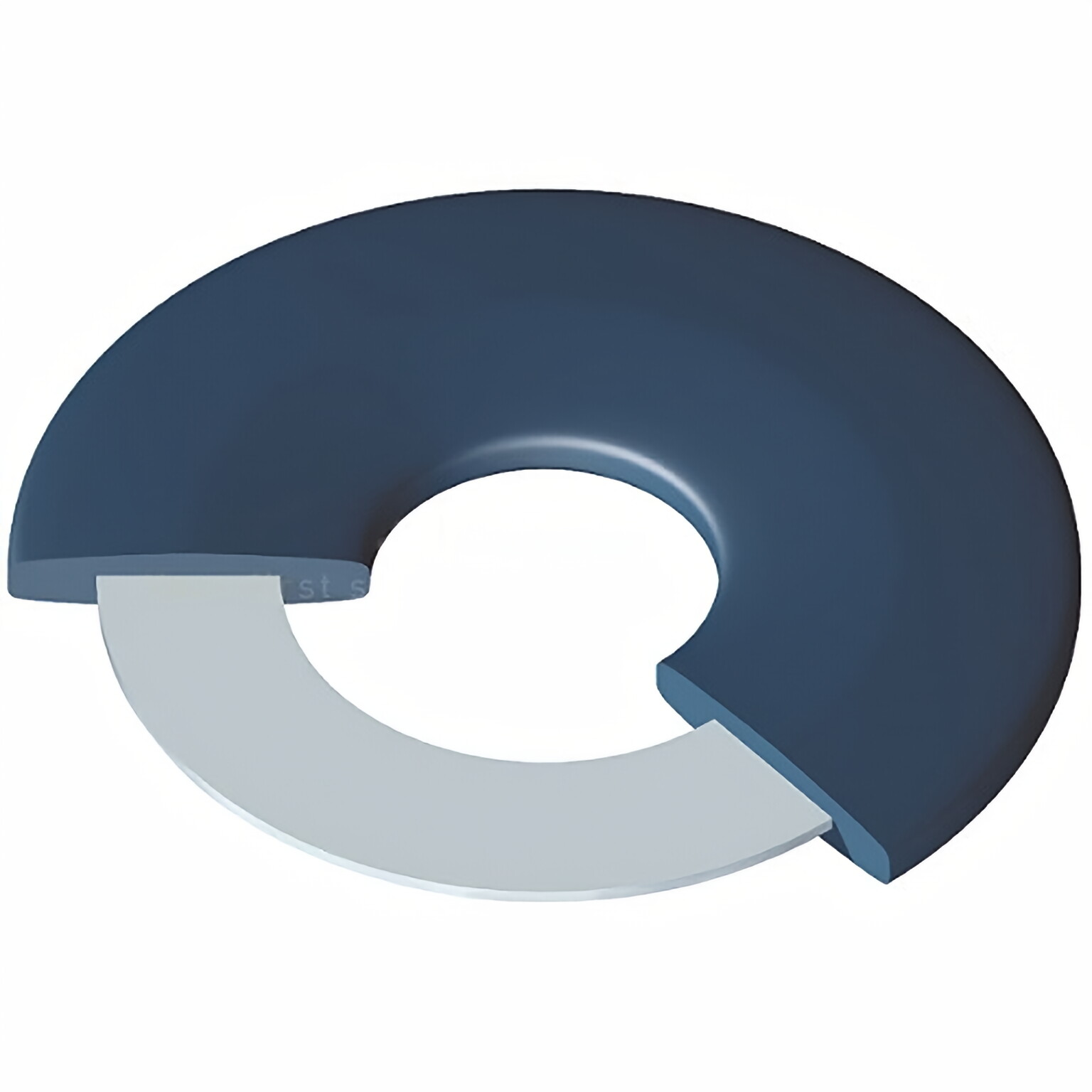
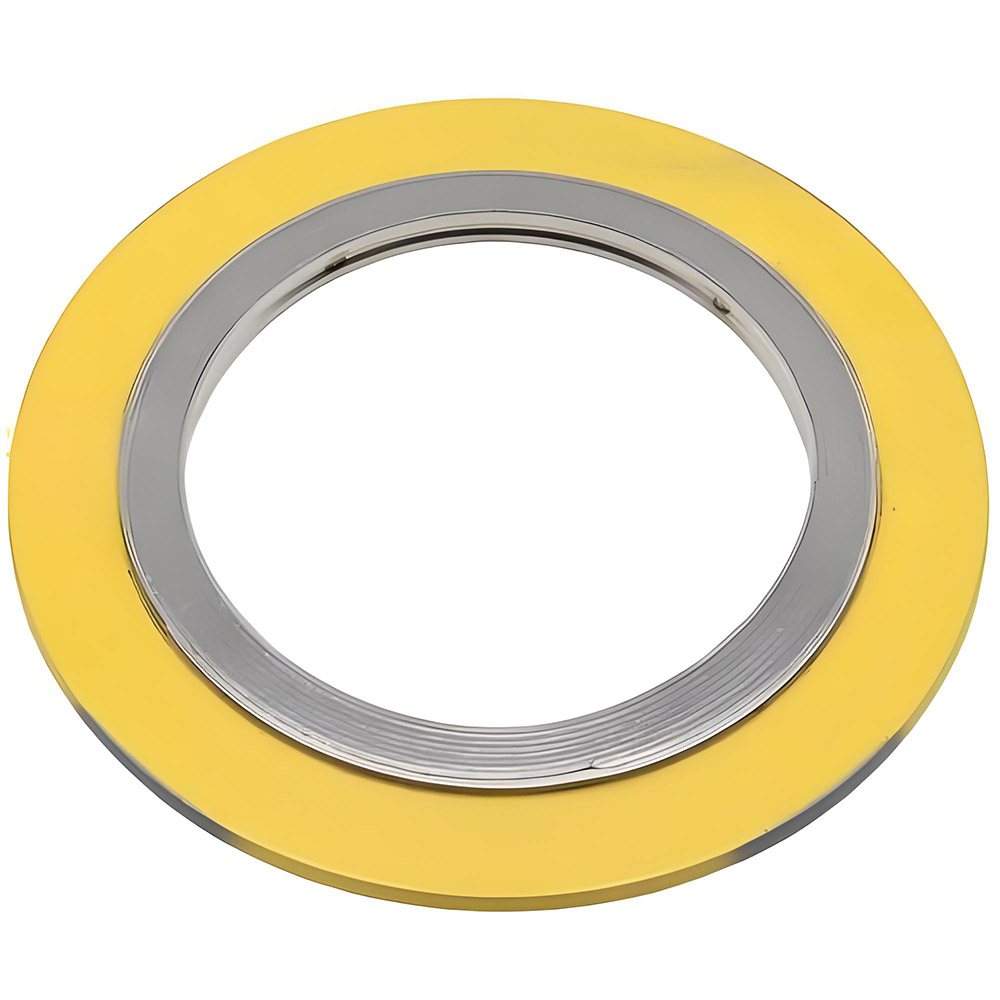
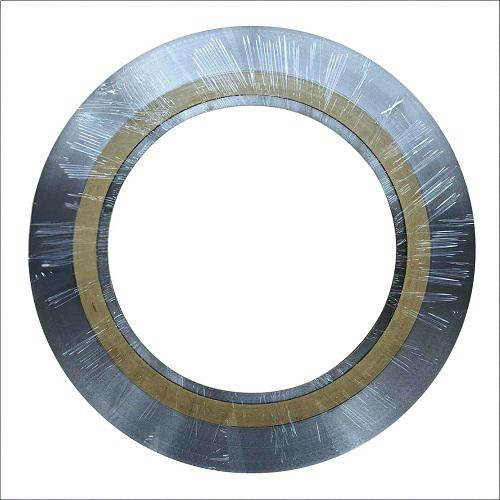
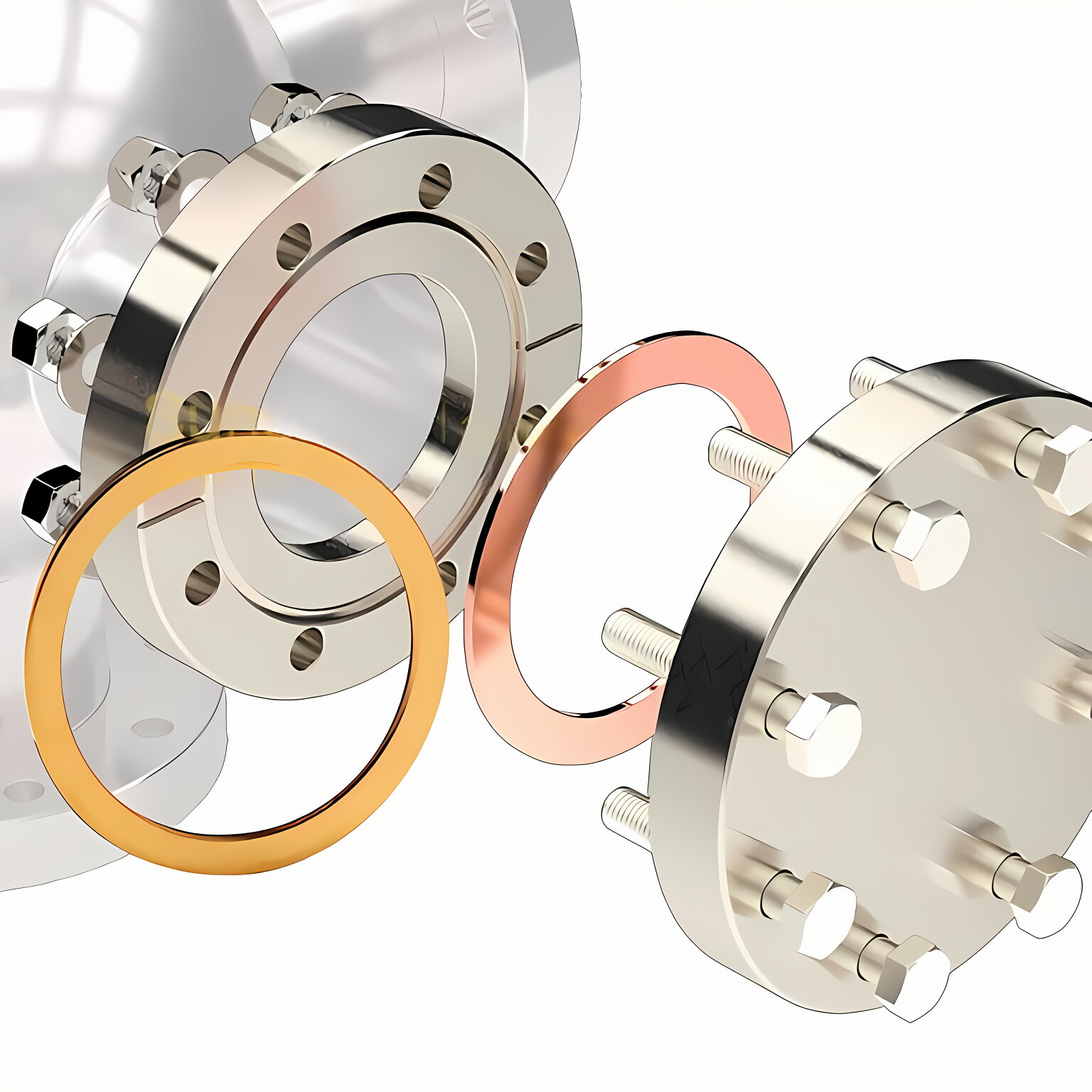
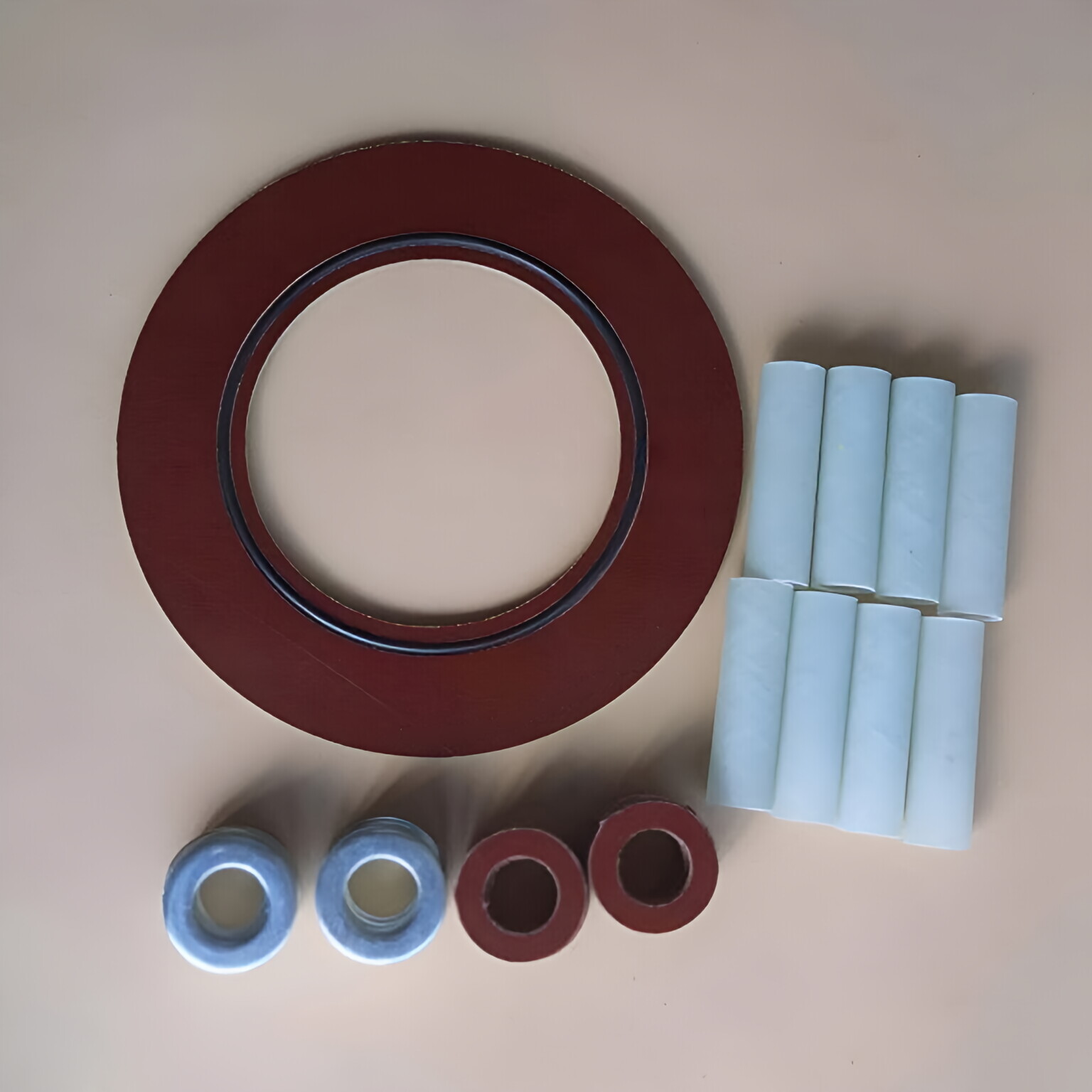
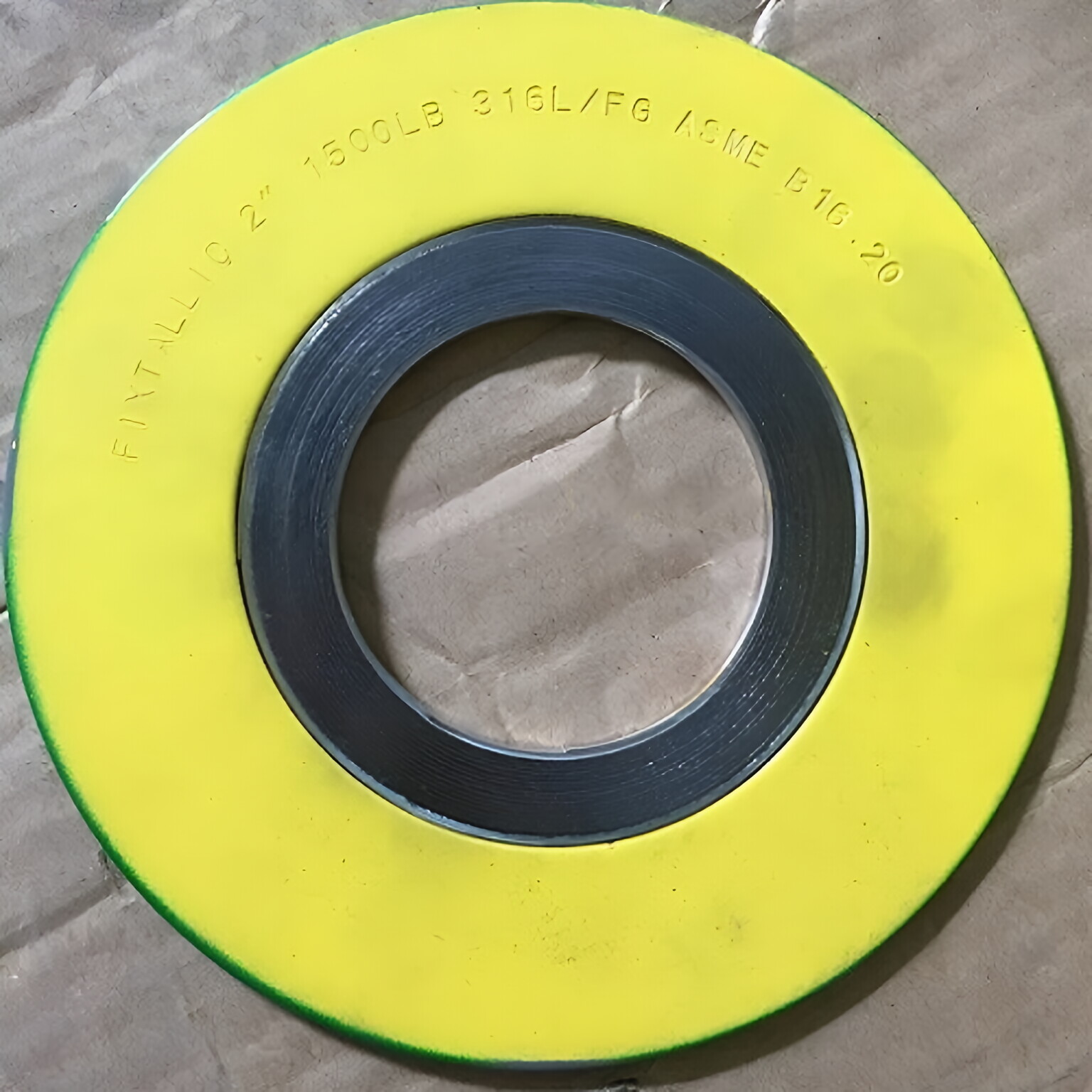
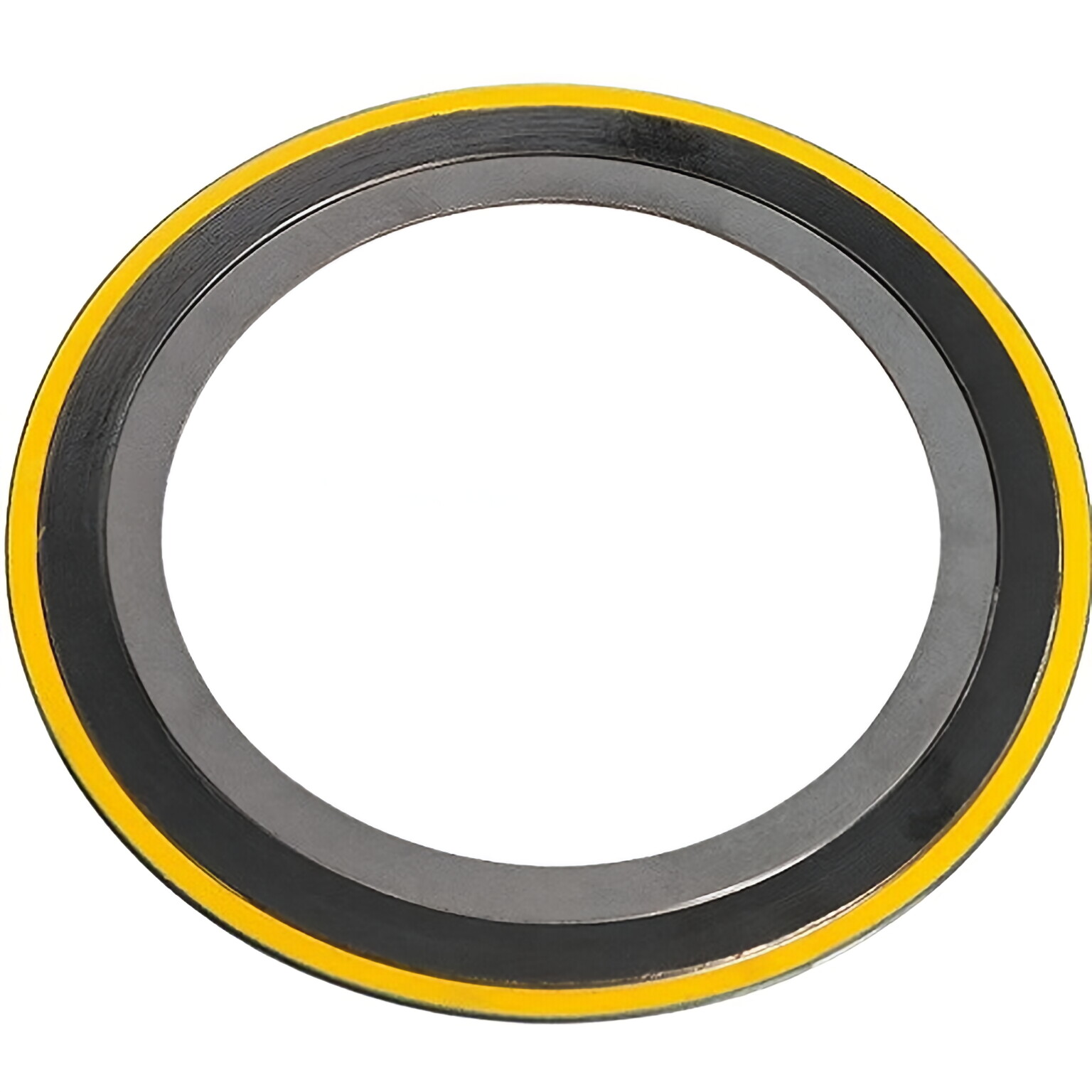
Imagine a high-pressure steam line during a rapid pressure surge. A standard gasket might deform permanently or extrude, causing a dangerous leak. The rubber compound's hardness and compressibility are vital here. A softer compound like EPDM or Nitrile (NBR) offers excellent initial sealing by flowing into flange imperfections. However, for sustained high pressure, a compound with higher hardness and elastic recovery, such as Fluorocarbon (FKM/Viton), is superior. It resists extrusion and maintains sealing force. The performance of a G-ST-P/S gasket in this scenario hinges entirely on this rubber core's ability to rebound after compression, a property defined by its compound. For instance, Ningbo Kaxite Sealing Materials Co., Ltd. engineers its compounds to achieve optimal compression and recovery curves, ensuring the gasket performs reliably under fluctuating pressures, directly addressing the procurement concern for durable, high-pressure sealing solutions.
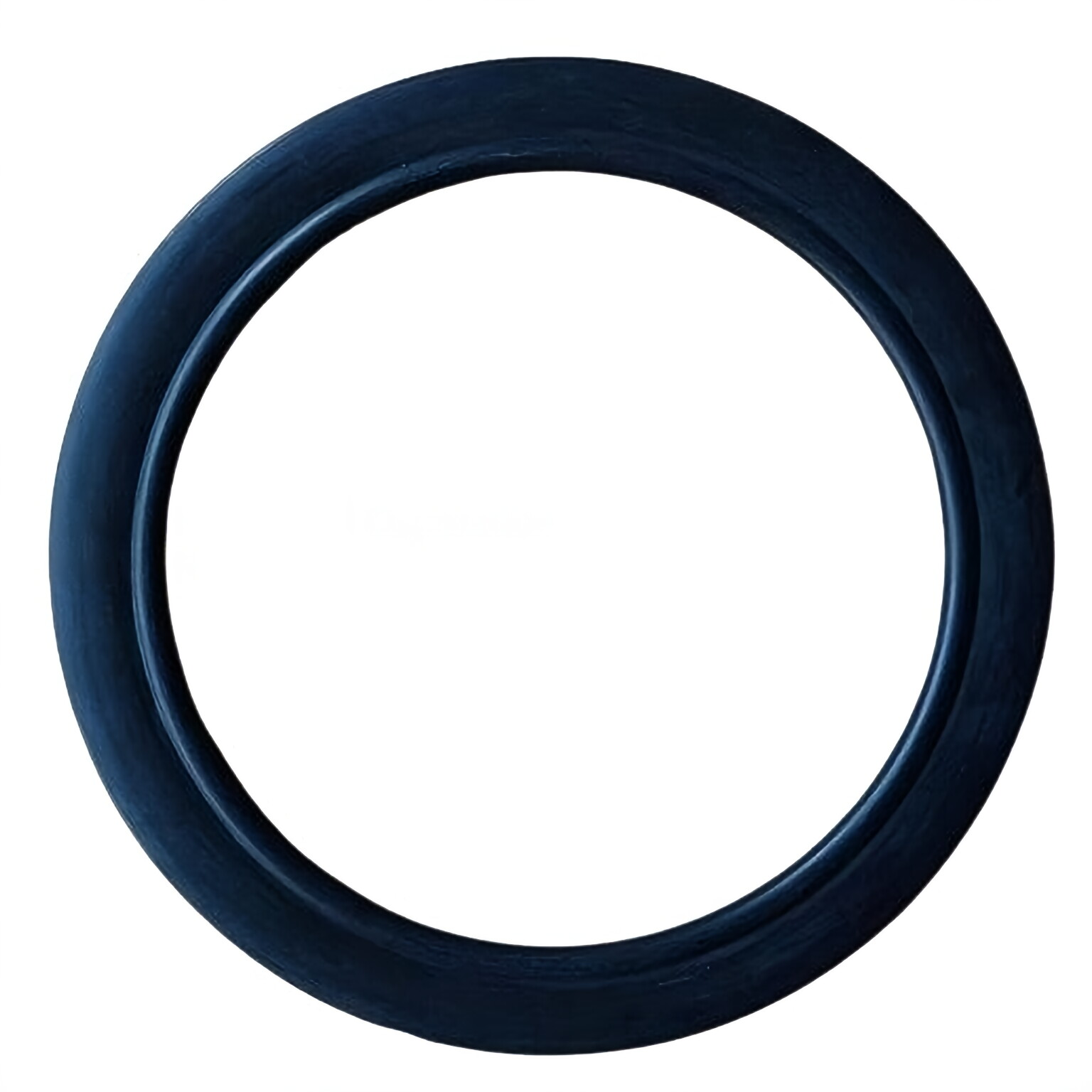
| Pressure Scenario | Recommended Compound | Key Property | Typical Hardness (Shore A) |
|---|---|---|---|
| Moderate, Static Pressure | EPDM, NBR | High Compression | 60-70 |
| High, Fluctuating Pressure | FKM (Viton), CR (Neoprene) | High Recovery, Extrusion Resistance | 70-80 |
| Very High Pressure | FKM with High Filler Content | Very High Modulus, Low Compression Set | 80-90 |
A chemical processing plant deals with acids, solvents, and oils daily. A gasket with poor chemical resistance will swell, soften, or degrade, leading to contamination and failure. The rubber compound's polymer base determines its chemical compatibility. Nitrile rubber (NBR) excels against oils and fuels, while EPDM is best for hot water, steam, and polar chemicals. For the most aggressive acids and hydrocarbons, Fluorocarbon (FKM) is the gold standard. How does the rubber compound in a G-ST-P/S gasket affect its performance? In chemical service, it dictates the service life. Swelling can reduce sealing stress, while chemical attack can cause cracking. Specifying the correct compound prevents costly media leaks and maintenance. Ningbo Kaxite Sealing Materials Co., Ltd. provides detailed chemical resistance charts for its compounds, enabling procurement teams to match the gasket core precisely to the process media, eliminating guesswork and risk.
| Media Type | Optimal Compound | Resistance Profile | Temperature Limit |
|---|---|---|---|
| Oils, Fuels, Hydraulics | NBR (Nitrile) | Excellent | 100°C - 120°C |
| Steam, Hot Water, Alkalis | EPDM | Excellent | 150°C - 170°C |
| Aromatic Hydrocarbons, Acids | FKM (Viton) | Excellent | 200°C - 230°C |
| Ozone, Weathering | CR (Neoprene), EPDM | Excellent | 90°C - 120°C |
Thermal cycling from cold shutdown to hot operation is a major stressor. Different materials in the flange assembly expand at different rates. The rubber compound must maintain sufficient sealing stress across this temperature range. A high-quality compound exhibits low compression set—meaning it springs back instead of taking a permanent set when heated. Silicone (VMQ) or Fluorosilicone (FVMQ) offer exceptional flexibility at low temperatures, while specialized High-Temperature FKM grades perform at extremes. The wrong compound can become brittle when cold or overly soft when hot. This is where compound formulation, including cross-link density and filler type, is crucial. A G-ST-P/S gasket from a specialist like Ningbo Kaxite Sealing Materials Co., Ltd. uses thermally stable compounds designed to handle these cycles, ensuring a leak-free seal throughout the process temperature envelope, a key factor for procurement professionals valuing total cost of ownership over initial price.
| Temperature Range | Recommended Compound | Critical Property | Typical Low/High Temp Limit |
|---|---|---|---|
| Wide Cycling (-40°C to +150°C) | EPDM, Silicone (VMQ) | Low Compression Set, Flexibility | -50°C / 200°C |
| High Temp Continuous (Up to 230°C) | FKM (Peroxide Cured) | Thermal Stability, Low Gas Permeability | -20°C / 230°C |
| Cryogenic to Moderate | FVMQ, Special NBR | Glass Transition Temperature (Tg) | -60°C / 150°C |
Selecting the right material requires comparing key properties side-by-side. This matrix consolidates the data procurement needs for informed decision-making. Remember, the compound defines the gasket's behavior. For example, a chlorine service might require EPDM for its excellent resistance, while a refinery application dealing with sour gas might need a specialized FKM grade. Partnering with a manufacturer that offers a broad, well-characterized compound portfolio is essential. Ningbo Kaxite Sealing Materials Co., Ltd. not only supplies these standard compounds but also develops custom formulations to solve unique application challenges, providing a direct performance advantage.
| Compound (ASTM D1418) | Best For | Max Temp (°C) | Key Strength | Key Limitation |
|---|---|---|---|---|
| NBR (Nitrile) | Oil, Fuel, Hydraulic Fluid | 120 | Excellent oil resistance, good mechanical properties | Poor ozone/weathering, moderate temp range |
| EPDM (Ethylene Propylene) | Steam, Hot Water, Polar Chemicals | 170 | Excellent heat, steam, & weathering resistance | Poor resistance to oils & hydrocarbons |
| FKM (Fluorocarbon) | Acids, Chemicals, High Temp, Aromatics | 230 | Exceptional chemical & high-temp resistance | Higher cost, poor low-temp flexibility |
| CR (Neoprene) | Refrigerants, Moderate Chemicals | 120 | Good all-around resistance, flame retardant | Moderate oil/chemical resistance |
| VMQ (Silicone) | Wide Temperature Cycling | 230 | Extreme low & high temp flexibility | Low tear strength, poor abrasion resistance |
Q: How does the rubber compound in a G-ST-P/S gasket affect its performance in sour gas service?
A: In sour gas (containing H2S), the compound must resist both chemical attack and explosive decompression. Standard NBR can swell and degrade. A specially formulated, high-durometer FKM compound with low gas permeability is critical. It resists sulfide absorption and maintains its physical properties under high-pressure cycling, preventing blistering and seal failure. The compound formulation directly determines the gasket's reliability in this harsh environment.
Q: We see "compression set" as a key specification. How does the compound affect this, and why is it so important?
A: Compression set measures a material's ability to return to its original thickness after prolonged compression. A compound with a high compression set (e.g., a poor-quality NBR) will permanently deform, losing the sealing force on the flange. This leads to leaks, especially after thermal cycles. Compounds like peroxide-cured EPDM or FKM are engineered for low compression set. This ensures the G-ST-P/S gasket maintains a consistent seal over its entire service life, reducing maintenance frequency.
Selecting the optimal rubber compound is the most crucial step in ensuring your G-ST-P/S gasket performs reliably. It's the difference between a leak-free operation and costly downtime. Don't leave it to chance.
Need expert guidance to specify the perfect G-ST-P/S gasket compound for your specific pressure, temperature, and media? Contact the sealing specialists at Ningbo Kaxite Sealing Materials Co., Ltd.. With deep technical expertise and a comprehensive portfolio of high-performance rubber compounds, we provide solutions that ensure sealing integrity and optimize your total cost of ownership. Visit our website to explore our technical resources or reach out directly for a consultation.
For further technical specifications and expert support, reach out to Ningbo Kaxite Sealing Materials Co., Ltd., a leading manufacturer specializing in high-performance sealing solutions including spiral wound gaskets and profile gaskets. Visit us at https://www.spiral-wound-gasket.com or contact our engineering team via email at [email protected] for personalized assistance.
Bhaumik, M.L., Datta, S., & Choudhury, A. (2018). Influence of filler type and loading on the compression set behavior of EPDM rubber compounds. Polymer Testing, 72, 1-9.
Chakraborty, S., Kar, S., & Das, C.K. (2019). Study on the thermal ageing behavior of Nitrile rubber (NBR) composites for sealing applications. Journal of Applied Polymer Science, 136(45), 48170.
Ghorai, S., Bhunia, S., & Roy, M. (2020). Dynamic mechanical analysis and compression set of Fluoroelastomer (FKM) under simulated sour gas environment. Engineering Failure Analysis, 118, 104888.
He, X., Huang, J., & Li, Y. (2017). Effects of crosslink density on the mechanical properties and compression set of peroxide-cured EPDM. Journal of Elastomers and Plastics, 49(8), 699-715.
Kumar, V., Lee, D.J., & Kim, S.S. (2021). A review on chemical resistance and swelling of elastomers in industrial sealing applications. Progress in Rubber, Plastics and Recycling Technology, 37(1), 3-28.
Park, J.H., Kim, H.J., & Suh, K.S. (2019). Evaluation of long-term sealing performance of spiral wound gaskets with different filler materials under thermal cycling. International Journal of Pressure Vessels and Piping, 176, 103952.
Patel, R., & Singh, R.P. (2016). Compatibility of elastomeric seals with aggressive chemicals: A methodology for selection. Sealing Technology, 2016(10), 7-12.
Sengupta, P., & Bhowmick, A.K. (2018). Effect of thermal ageing on the stress relaxation and recovery of fluorocarbon elastomers. Polymer Degradation and Stability, 157, 50-60.
Wang, Y., Zhang, L., & Zhao, S. (2020). Finite element analysis of contact stress in metal-rubber composite gaskets: The role of rubber hardness. Journal of Materials Engineering and Performance, 29(5), 3243-3252.
Zhang, Y., & Chen, Y. (2022). Advanced rubber compounding for low-temperature sealing applications in the energy sector. Rubber Chemistry and Technology, 95(1), 1-20.