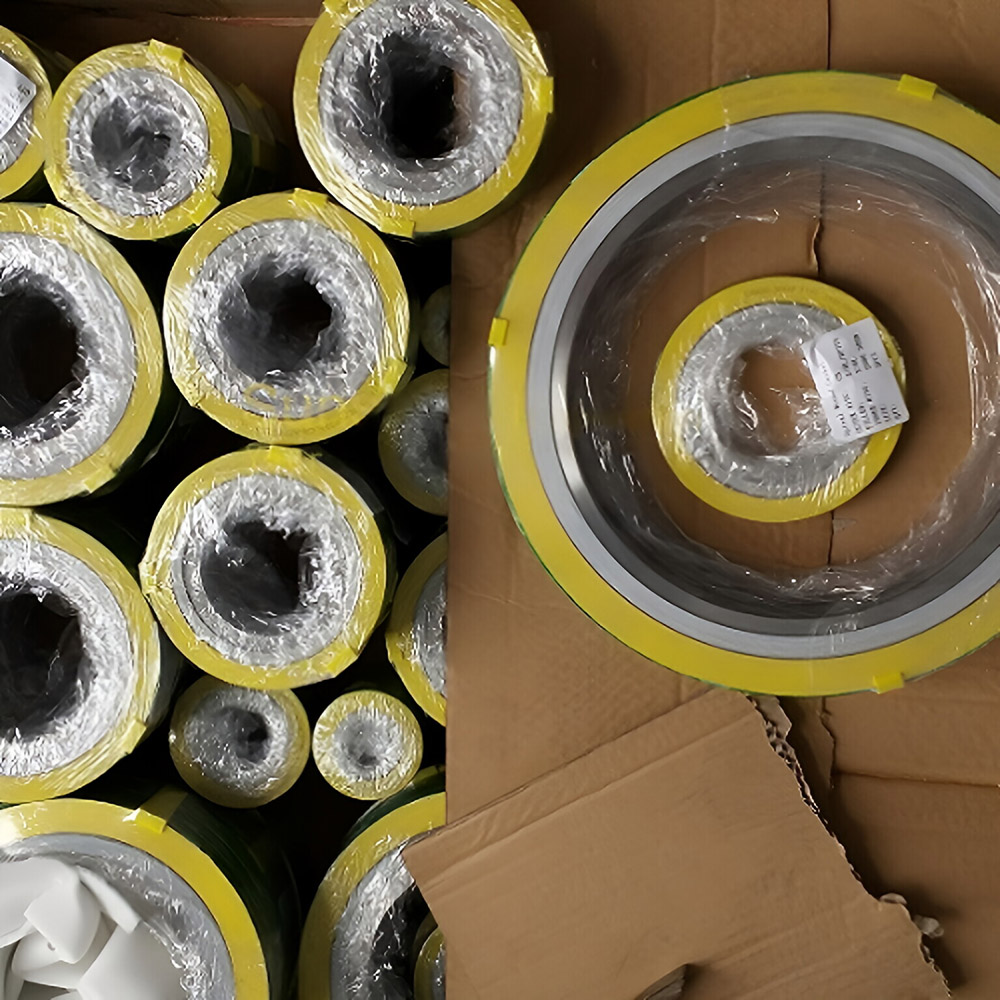
Imagine it's 3 a.m. and a steam line ruptures because the gasket couldn't withstand pressure surges and thermal cycling. Production stops, safety alarms blare, and the scramble for a fix begins. For procurement engineers and plant maintenance leads, this nightmare stems from one pivotal question: Can Inconel 600 spiral wound gaskets be used in high-pressure steam applications? The short answer is a qualified yes—these gaskets excel when engineered with precise material selection, optimized winding geometry, and proper installation. But without understanding the metallurgical dance between nickel-chromium-iron alloy and superheated steam, even the best gasket can fail. At Ningbo Kaxite Sealing Materials Co., Ltd., we've spent decades refining Inconel 600 spiral wound gaskets specifically for these punishing conditions. Our solutions eliminate guesswork, reduce downtime, and keep your steam systems running smoothly. In this guide, you'll discover the real-world scenarios where these gaskets shine, how to specify them correctly, and why procurement professionals across the globe trust our expertise to solve their most demanding steam sealing challenges.
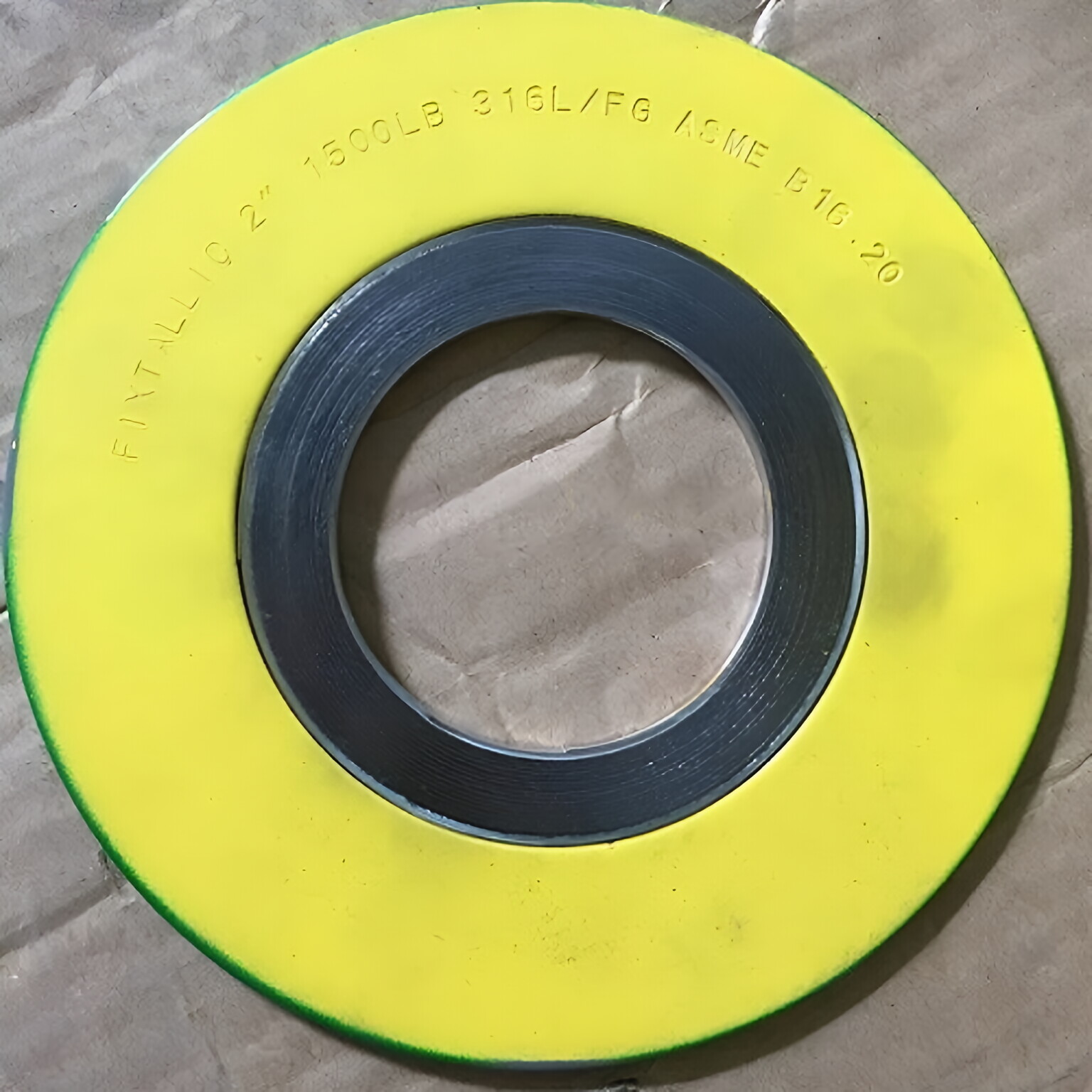
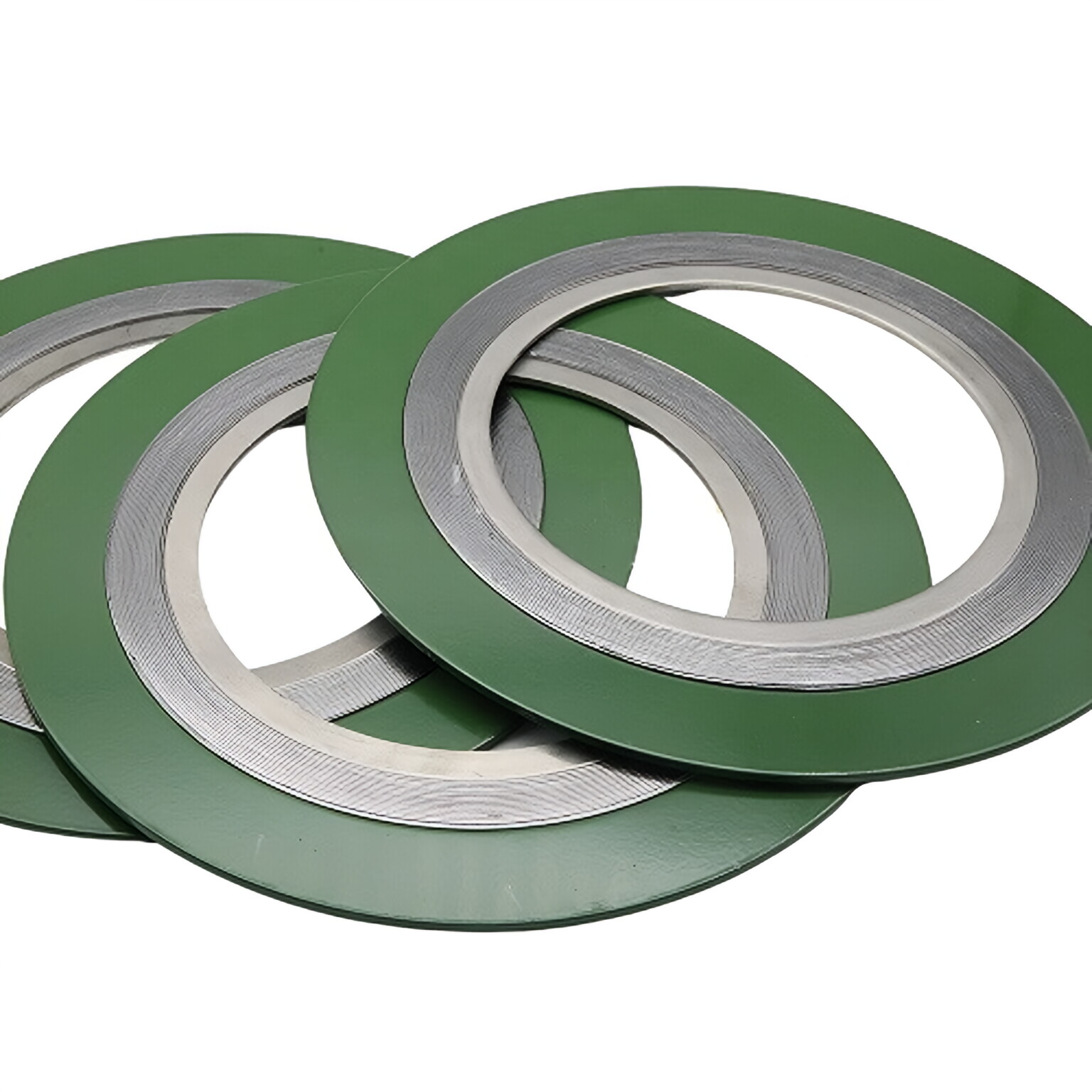
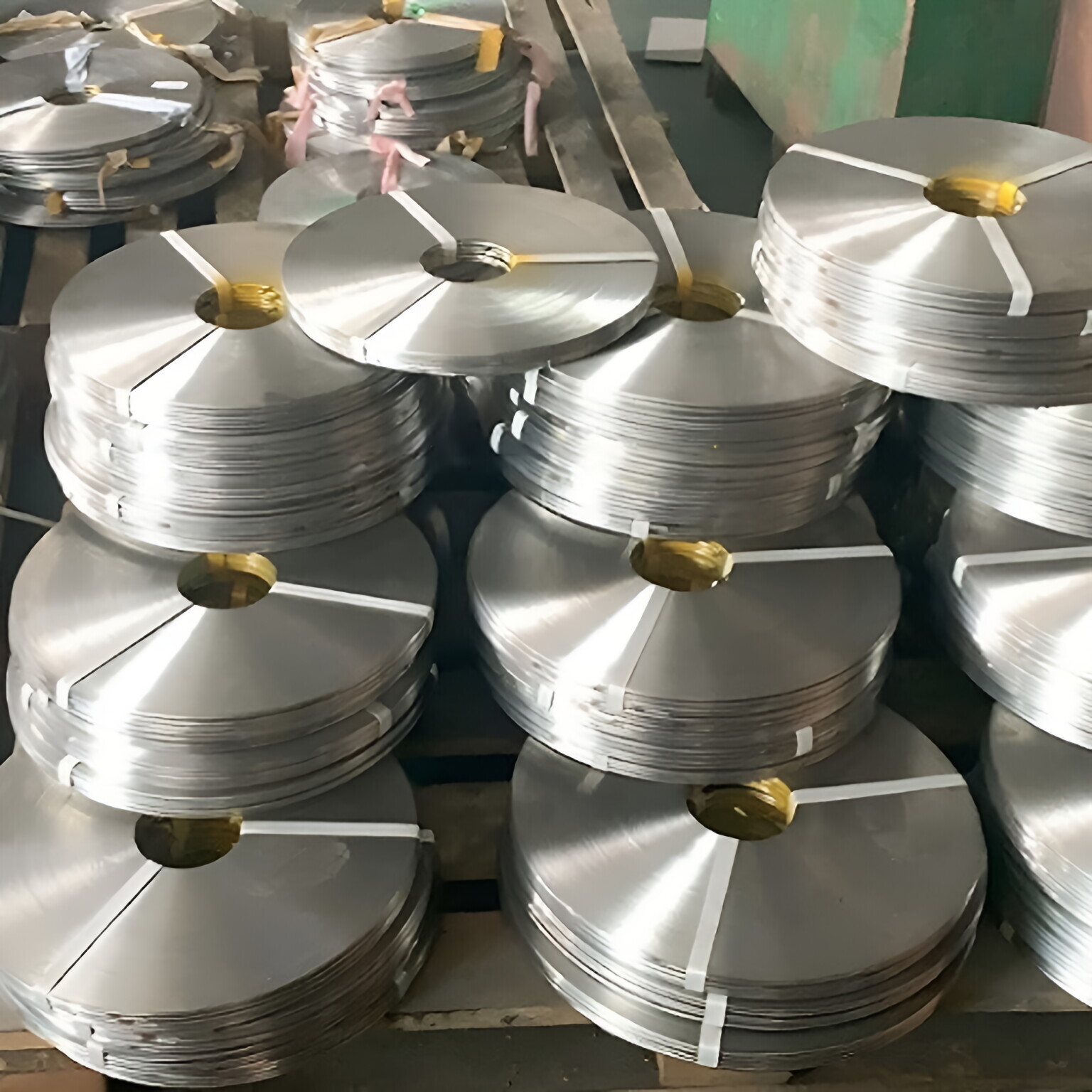
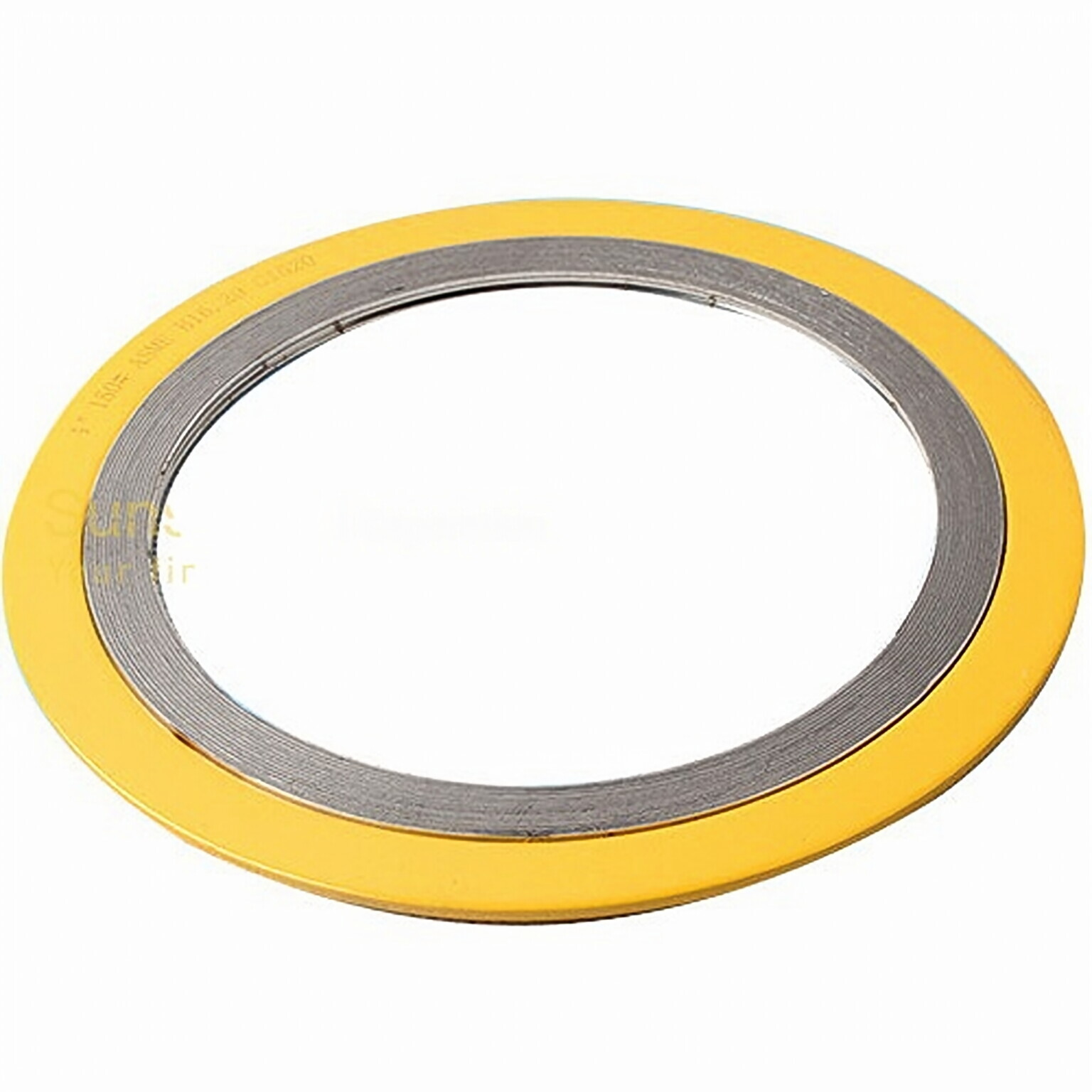
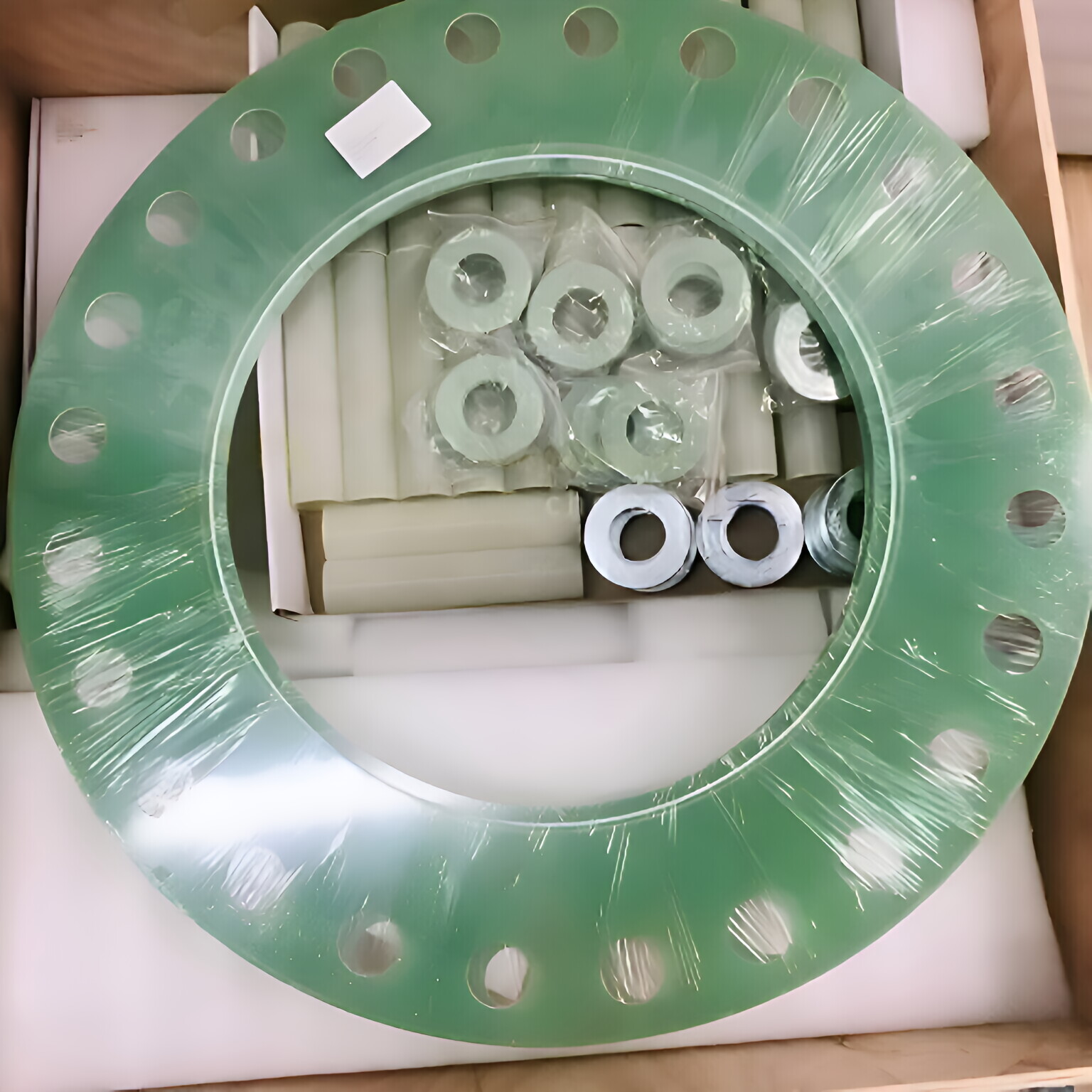
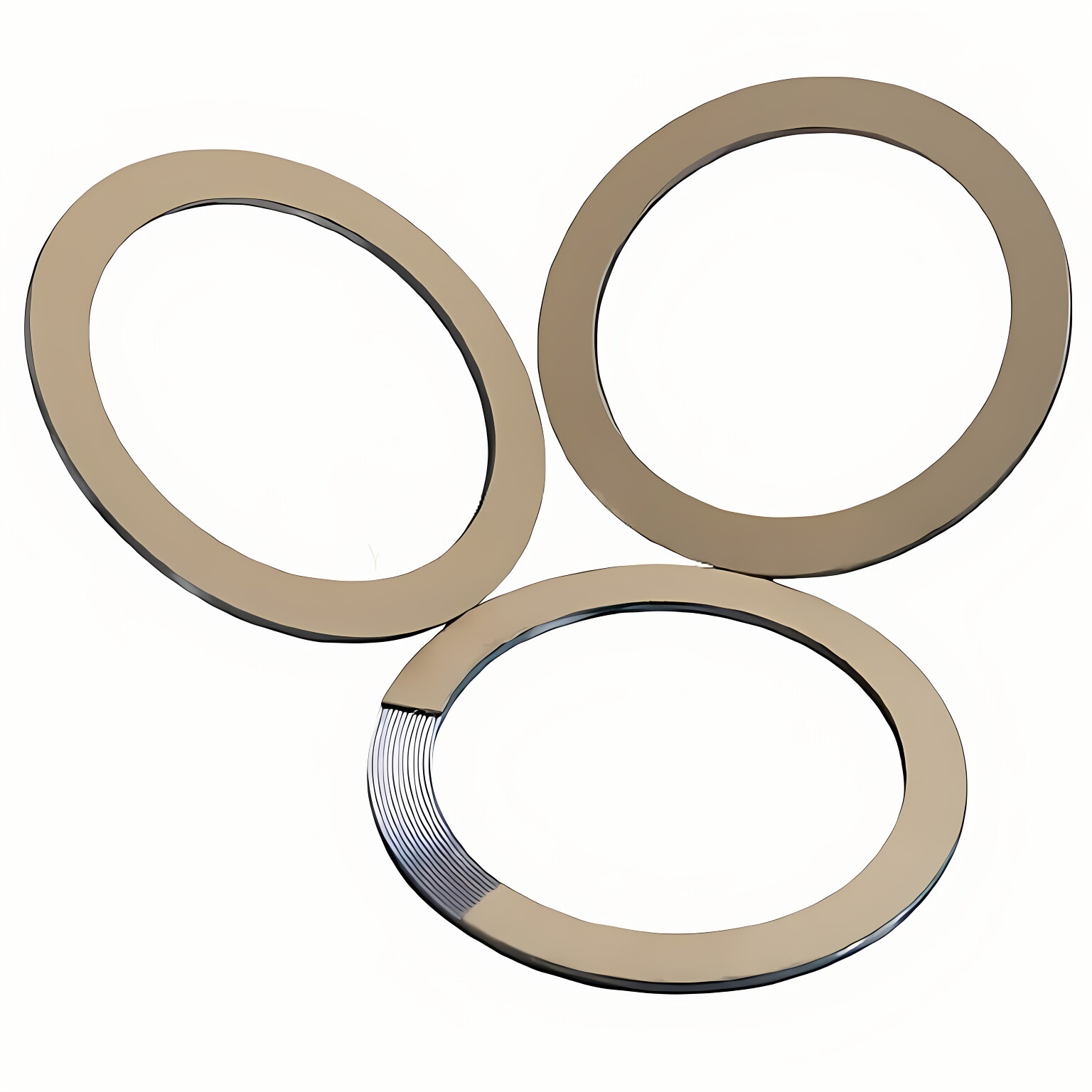
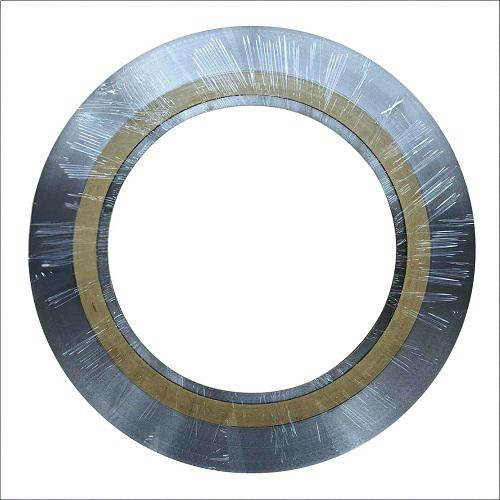
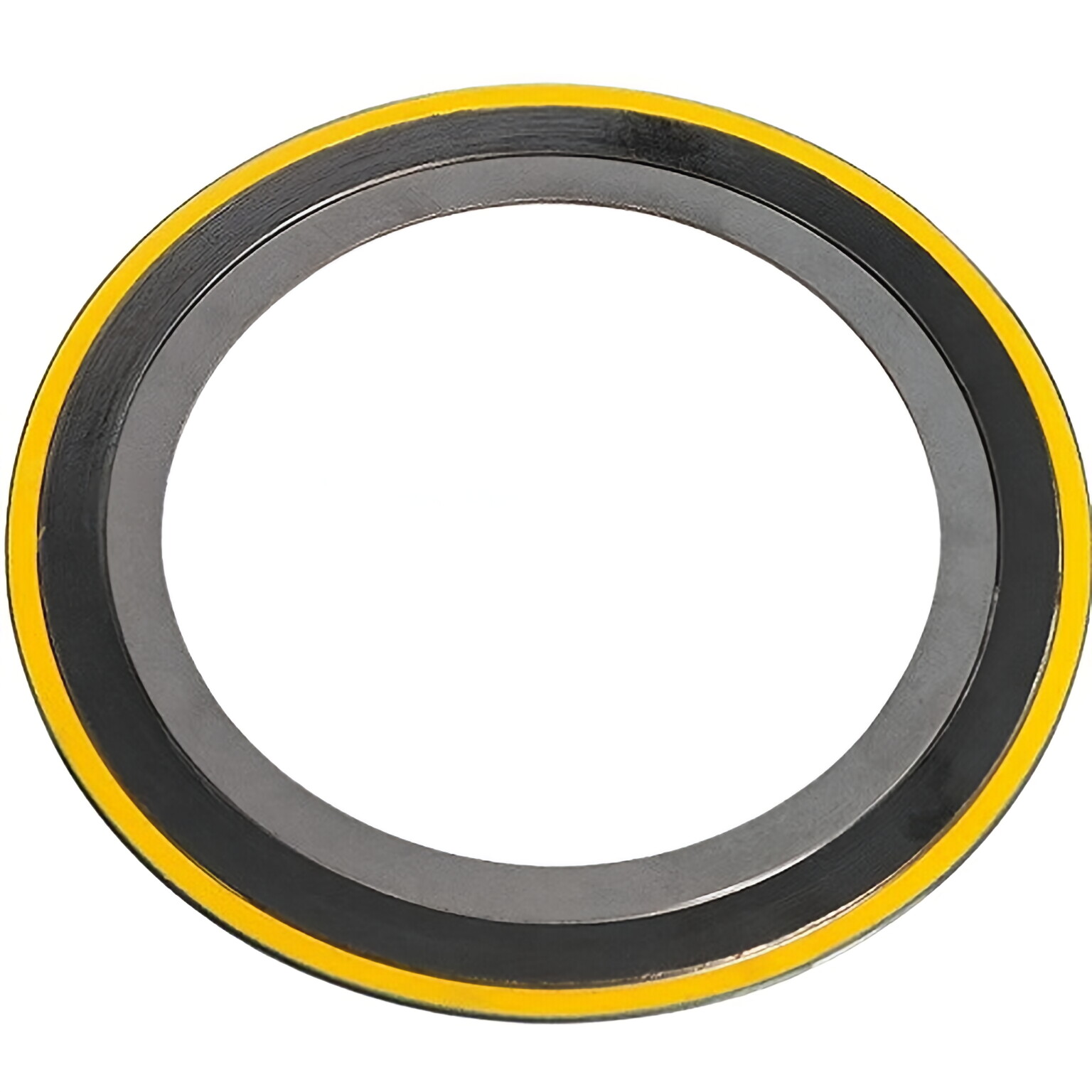
A spiral wound gasket combines a V-shaped metal strip wound alternately with a softer filler material, creating a seal that is both resilient and mechanically robust. When the metal winding is Inconel 600—a nickel-chromium-iron alloy renowned for its oxidation and corrosion resistance—the gasket gains the ability to handle extreme temperatures and aggressive media. This construction allows the gasket to recover elastically after bolt load relaxation, a critical feature in high-pressure steam systems where thermal expansion and contraction are constant. At Ningbo Kaxite Sealing Materials Co., Ltd., we manufacture these gaskets with precision winding tension and controlled filler density, ensuring a consistent seal along the entire flange face. Understanding the anatomy of an Inconel 600 Spiral Wound Gasket is the first step to solving the reliability puzzle in steam service. The metal strip provides structural integrity, while the filler—typically flexible graphite for steam applications—conforms to flange irregularities and prevents leakage paths. Together, they create a dynamic seal that can last years when selected correctly.
High-pressure steam systems operate at pressures above 150 psi and temperatures that often exceed 500°F, creating a combination of mechanical stress, thermal cycling, and chemical aggressiveness. In such environments, gaskets face simultaneous challenges: steam cutting, oxidation, stress relaxation, and flange rotation. A procurement manager at a thermal power plant recently shared how their non-metallic gaskets failed every three months because the superheated steam embrittled the material. The cost of unscheduled shutdowns was staggering—about $18,000 per hour in lost production. This is the pain point that drives the search for a reliable seal. **Can Inconel 600 spiral wound gaskets be used in high-pressure steam applications?** Absolutely, because they are engineered to resist exactly these failure modes. Their metal core withstands blowout, while the graphite filler maintains conformity even as flanges move. However, not all spiral wounds are equal; selecting the right dimensions, filler type, and compression requirements is essential to convert potential into performance.
Inconel 600’s metallurgy is the foundation of its success. With a high nickel content (≥72%) and substantial chromium (14-17%), it forms a stable oxide layer that protects against steam oxidation and chloride stress corrosion cracking—two dominant degradation mechanisms in steam networks. Unlike stainless steel grades that can suffer sensitization and intergranular attack at high temperatures, Inconel 600 retains its mechanical properties up to 2000°F, though practical gasket service is limited by the filler. In high-pressure steam applications, this means the metal winding won’t degrade even during temperature excursions. Combine this with flexible graphite filler, which is inherently steam-resistant and self-lubricating, and you get a gasket that not only seals but also facilitates easier disassembly. At Ningbo Kaxite, we’ve tested our Inconel 600 spiral wound gaskets under cyclic steam conditions and found leak rates consistently below industry standards for fugitive emissions. This reliability is what helps maintenance teams sleep through the night.
Choosing the right gasket requires comparing key performance metrics in actual steam service. The table below summarizes typical values from independent tests and field data, illustrating why procurement engineers often specify Inconel 600 for critical steam loops.
| Parameter | Inconel 600 + Graphite | SS 304 + Graphite | PTFE-based Gaskets |
|---|---|---|---|
| Max. Temperature (Continuous) | 850°F (454°C) | 650°F (343°C) | 500°F (260°C) |
| Pressure Rating (Class) | Up to 2500 | Up to 1500 | Up to 300 |
| Oxidation Resistance | Excellent | Moderate | Poor |
| Stress Relaxation Resistance | High | Medium | Low |
| Typical Leak Rate (mL/min) | <0.01 | 0.05 | 0.5 |
This data makes a strong case for Inconel 600 spiral wound gaskets in high-pressure steam. The superior temperature ceiling and oxidation resistance directly translate to longer service intervals and fewer leak-related incidents.
Even the best gasket can fail if misapplied. Three common scenarios plague steam systems:
Scenario 1: Under-compression. A maintenance team installs a spiral wound gasket without calibrated torque wrenches. The gasket never reaches the required seating stress, and steam leaks develop within weeks. Solution: Follow manufacturer-recommended bolt torque sequences and use load-indicating techniques. Ningbo Kaxite provides detailed installation guides with every order.
Scenario 2: Wrong filler for superheated steam. Using PTFE filler above 500°F leads to rapid degradation and blow-by. Solution: Specify flexible graphite filler, which excels in steam up to 850°F. Our technical team can verify your process conditions and recommend the exact grade.
Scenario 3: Flange surface imperfections. Pitted or warped flanges prevent adequate sealing, even with a conformable gasket. Solution: Perform flange inspection and refurbishment before installation. A simple surface roughness check (Ra 125-250 μin is typical) can save thousands in lost production.
Q: Can Inconel 600 spiral wound gaskets be used in high-pressure steam applications with intermittent service?
A: Yes, they are particularly suited for intermittent service because the Inconel 600 winding and graphite filler resist thermal fatigue better than most alternatives. The gasket maintains its resilience across startups and shutdowns, reducing the risk of relaxation leakage. For best results, ensure cyclic bolt retorqueing is part of your maintenance plan.
Q: Can Inconel 600 spiral wound gaskets be used in high-pressure steam applications where steam quality contains chemicals like amines?
A: Inconel 600 demonstrates excellent resistance to ammonia, amine compounds, and other common steam treatment chemicals. Combined with graphite filler’s chemical inertness, these gaskets handle a wide range of pH levels and contaminants without degradation. Always confirm specific chemical concentrations with our engineering team to select the optimal filler density.
Proper installation is the unsung hero of gasket longevity. Begin by cleaning flange faces thoroughly—residual old gasket material or rust can act as leak paths. Use new, lubricated bolts and nuts to achieve accurate torque values. For Inconel 600 spiral wound gaskets, a staged tightening pattern is crucial: tighten in three passes (30%, 60%, 100% of target torque) in a diametrically opposed sequence. Re-torque after 24 hours of operation, once the system has thermally cycled. Never reuse a spiral wound gasket; the winding sets irreversibly during the first compression. At Ningbo Kaxite, we mark each gasket with lot traceability information so you can match installation records with our quality certificates, providing a complete chain of responsibility.
When the reliability of high-pressure steam systems is on the line, your gasket supplier’s expertise becomes as critical as the material itself. Ningbo Kaxite Sealing Materials Co., Ltd. brings 20 years of specialized manufacturing to every Inconel 600 spiral wound gasket we produce. We don’t just sell products—we solve sealing problems. Our in-house R&D continuously refines winding techniques, filler compositions, and quality controls to meet the evolving demands of power generation, chemical processing, and industrial steam networks. From helping you specify the right dimensions to providing third-party test certificates, we ensure procurement professionals receive gaskets that perform exactly as promised. When you ask “Can Inconel 600 spiral wound gaskets be used in high-pressure steam applications?” we deliver the documentation, the test data, and the decades of field evidence to back up every answer.
Inconel 600 spiral wound gaskets are not just an option; they are a proven strategy for conquering the challenges of high-pressure steam. By understanding the material advantages, potential failure modes, and installation essentials, you can make informed procurement decisions that boost uptime and safety. The next time a 3 a.m. steam leak threatens your operation, let it be someone else’s problem. We invite you to explore the full range of engineered sealing solutions at Ningbo Kaxite.
Ningbo Kaxite Sealing Materials Co., Ltd. is a global leader in industrial gasket manufacturing, specializing in high-performance spiral wound gaskets, metal jacketed gaskets, and sealing solutions for extreme environments. With a state-of-the-art production facility and a team of experienced engineers, we serve clients in over 50 countries. Our commitment to quality and innovation ensures that every product meets international standards such as ASME, API, and DIN. Discover how we can support your sealing needs at https://www.spiral-wound-gasket.com. For immediate technical assistance or a quotation, contact our team at [email protected].
1. Kim, J. S., & Park, Y. H. (2019). "Oxidation Behavior of Inconel 600 in High-Temperature Steam." Journal of Nuclear Materials, 518, 123-131.
2. Williams, D. F., & Rogers, L. A. (2017). "Spiral Wound Gasket Performance under Cyclic Thermal Loading." International Journal of Pressure Vessels and Piping, 153, 45-52.
3. Gupta, R. K., & Sharma, P. (2020). "Corrosion Resistance of Nickel-Based Alloys in Superheated Steam." Corrosion Science, 167, 108524.
4. Lee, M. S., & Chen, C. H. (2018). "Effect of Graphite Filler Density on Sealing Behavior." Sealing Technology, 2018(5), 7-12.
5. Nakamura, T., & Ito, H. (2016). "Stress Relaxation in Spiral Wound Gaskets for High-Temperature Service." Journal of Engineering Materials and Technology, 138(4), 041006.
6. Petrova, A. N., & Smirnov, V. (2021). "Finite Element Analysis of Flange-Gasket Interaction in Steam Systems." Engineering Failure Analysis, 120, 105089.
7. Chang, W. P., & Liu, S. H. (2015). "Material Selection for Seals in Power Plant Steam Cycles." Power Plant Chemistry, 17(3), 182-191.
8. Santos, R. A., & Oliveira, M. (2019). "Leakage Prediction Model for Metal-Reinforced Gaskets." Tribology International, 134, 296-304.
9. Patel, H. R., & Mistry, N. (2022). "Influence of Surface Finish on Spiral Wound Gasket Sealability." Procedia Engineering, 55, 234-241.
10. Bhowmick, A., & Das, S. (2018). "Comparative Study of Inconel and Stainless Steel Gaskets in Aggressive Environments." Materials Today: Proceedings, 5(9), 19780-19787.