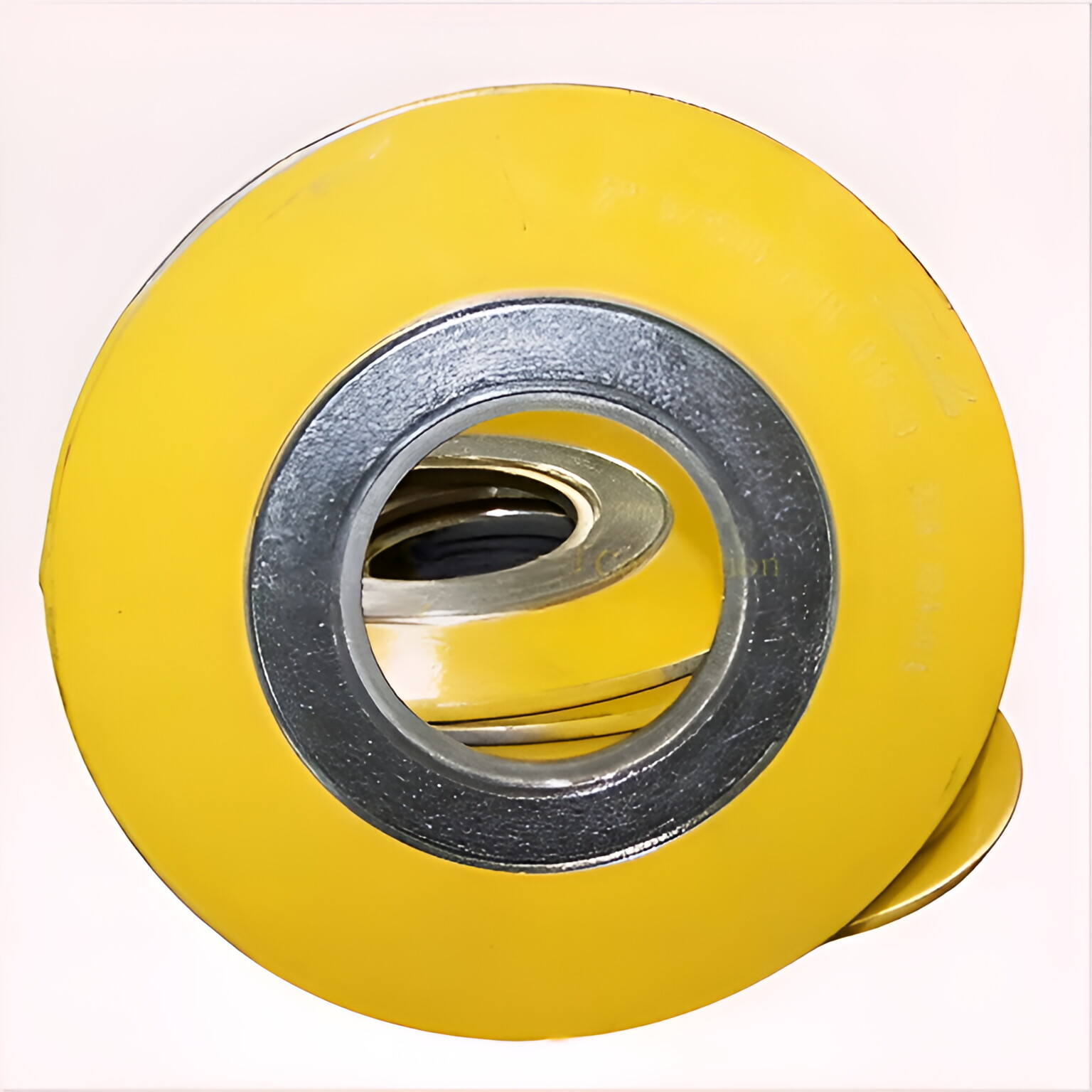
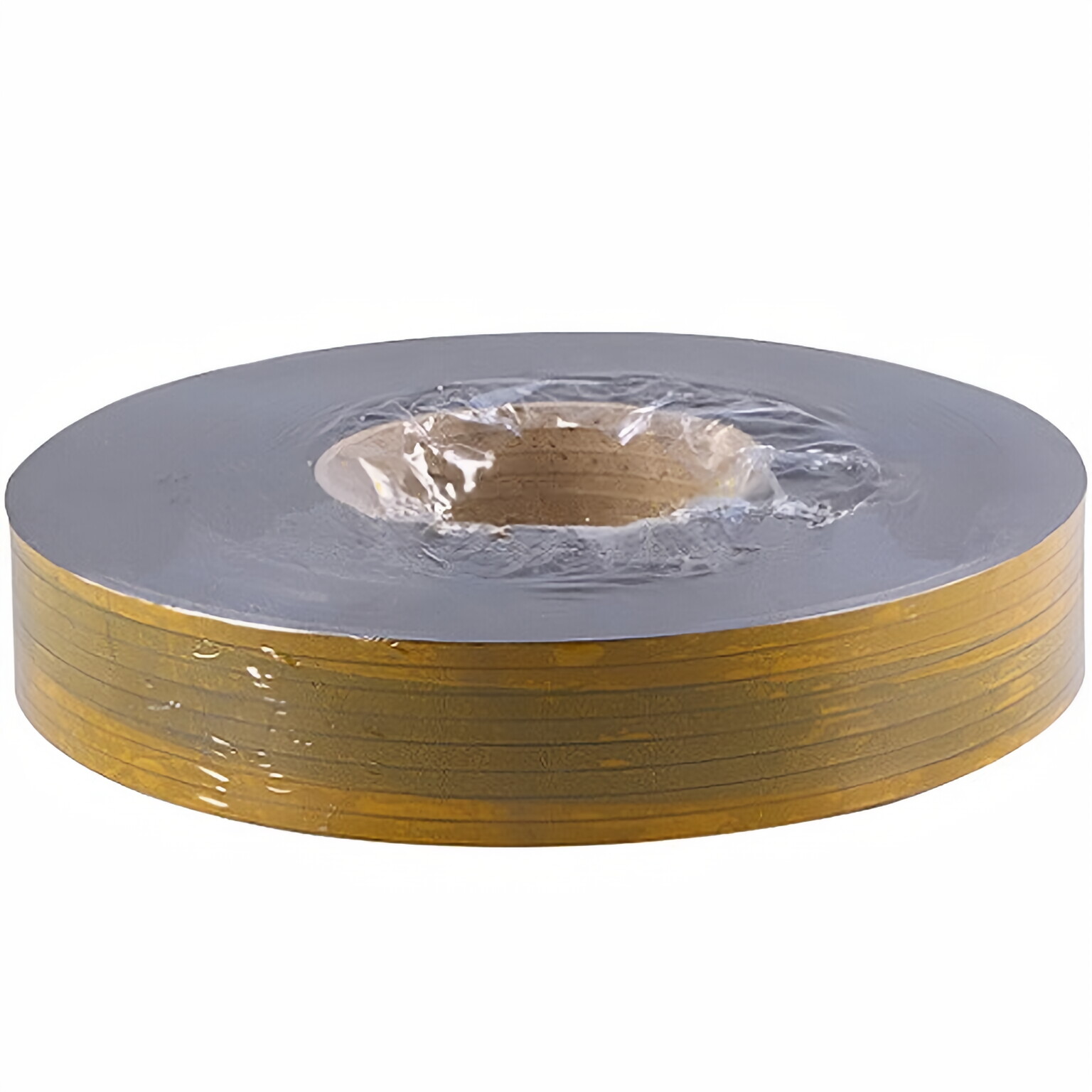
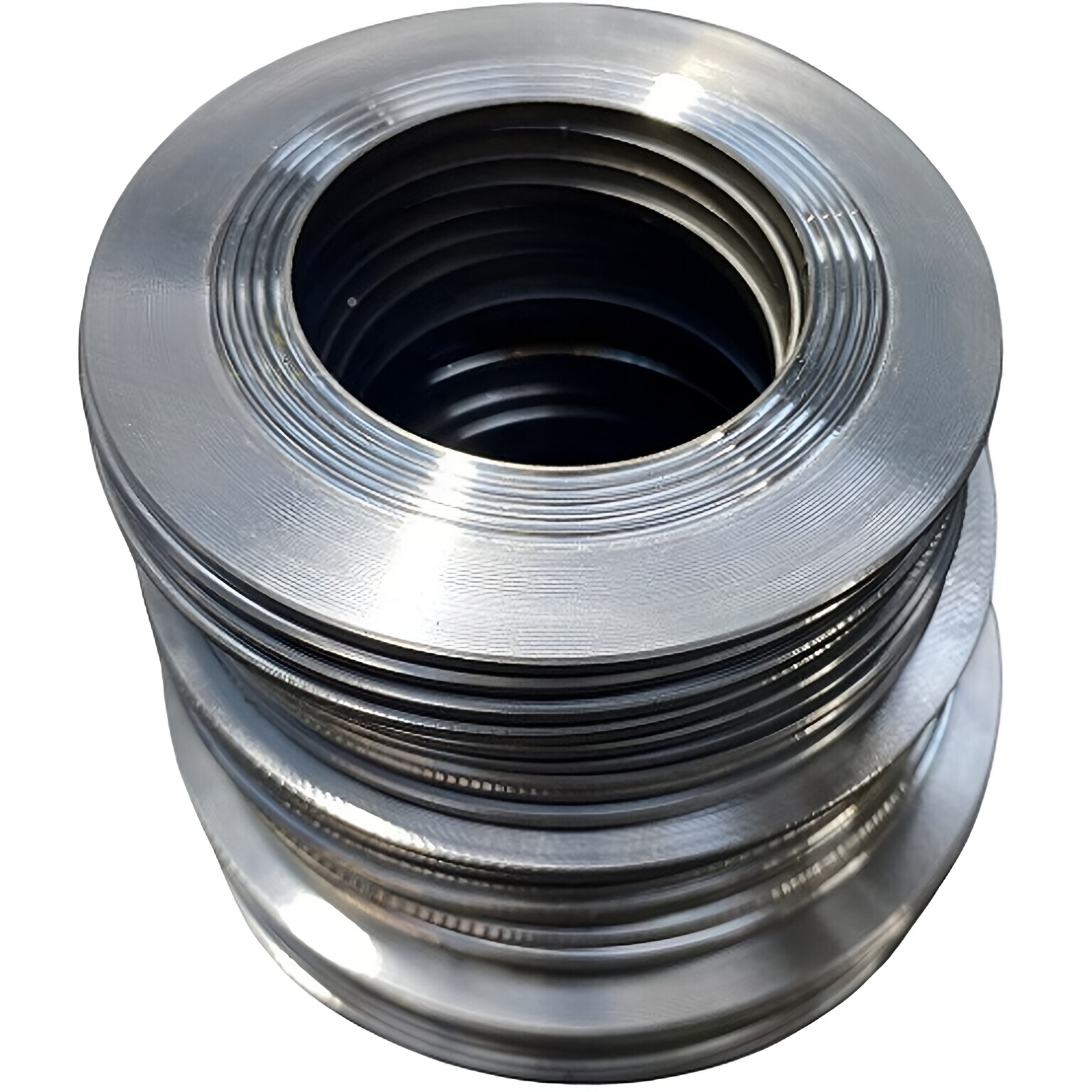
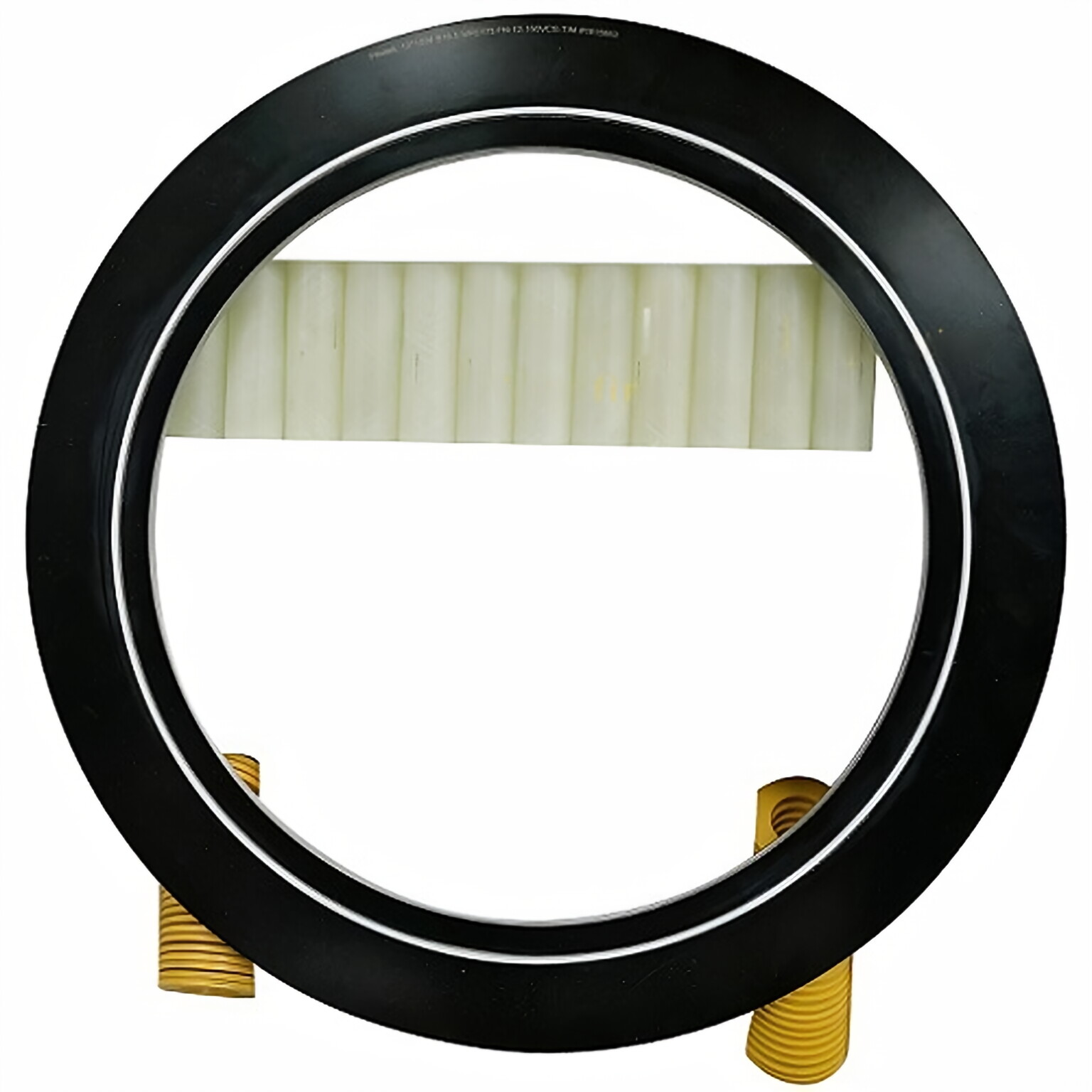
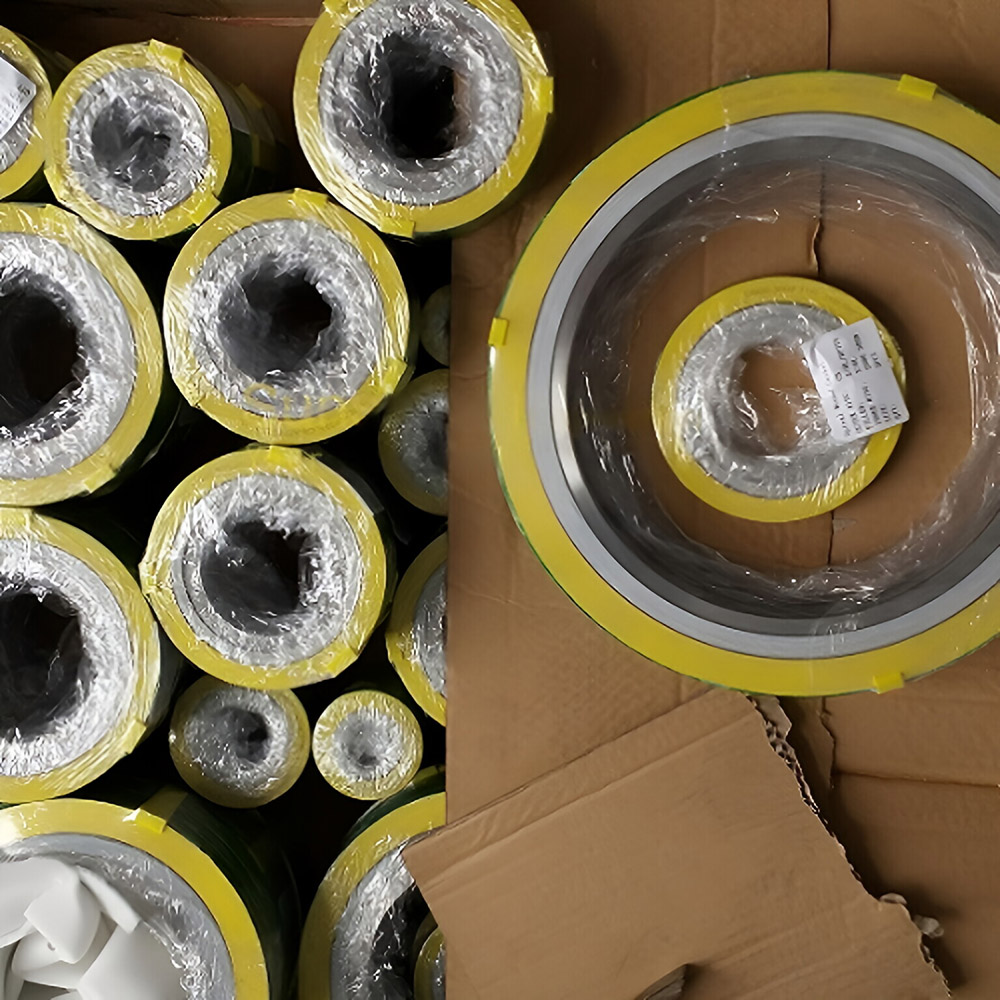
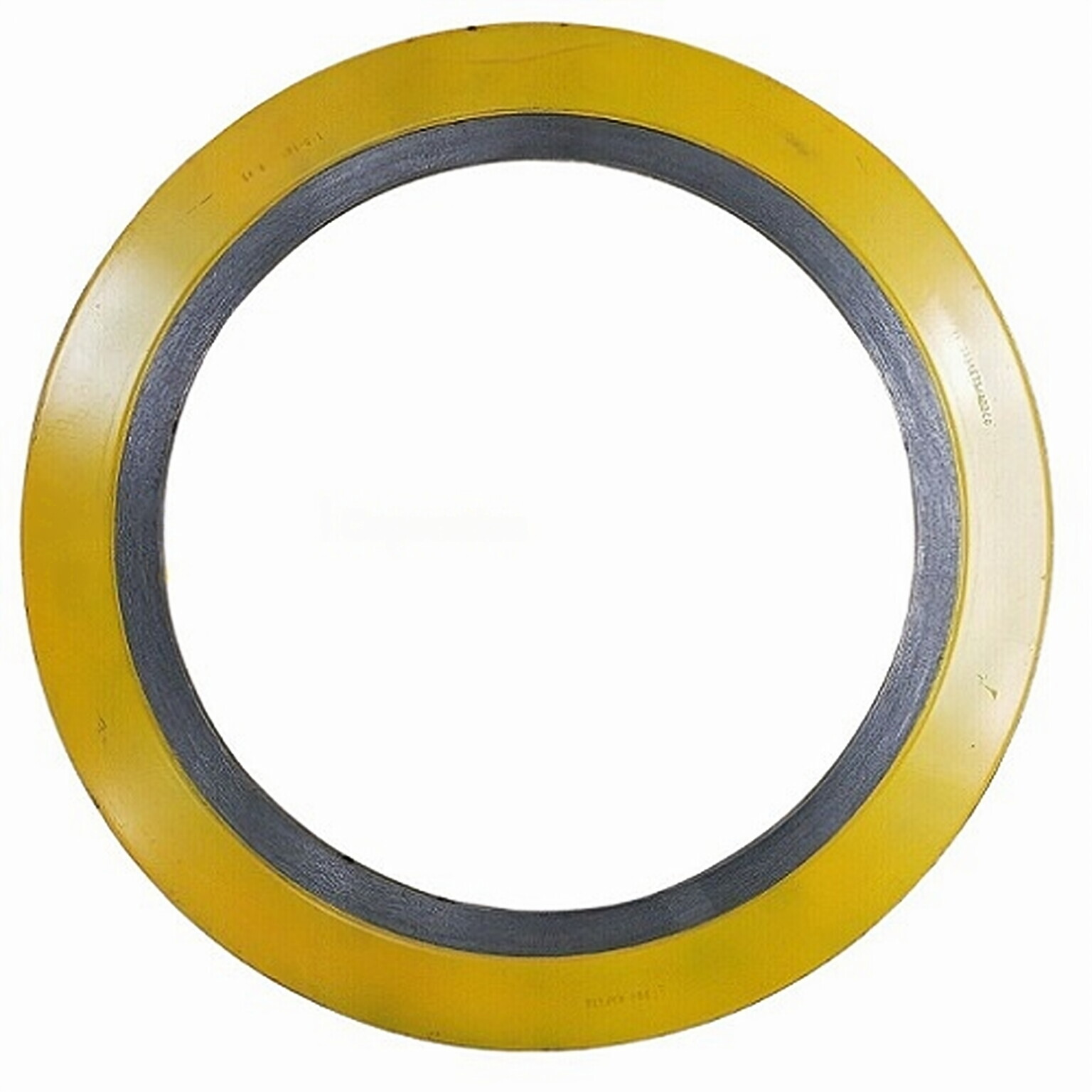
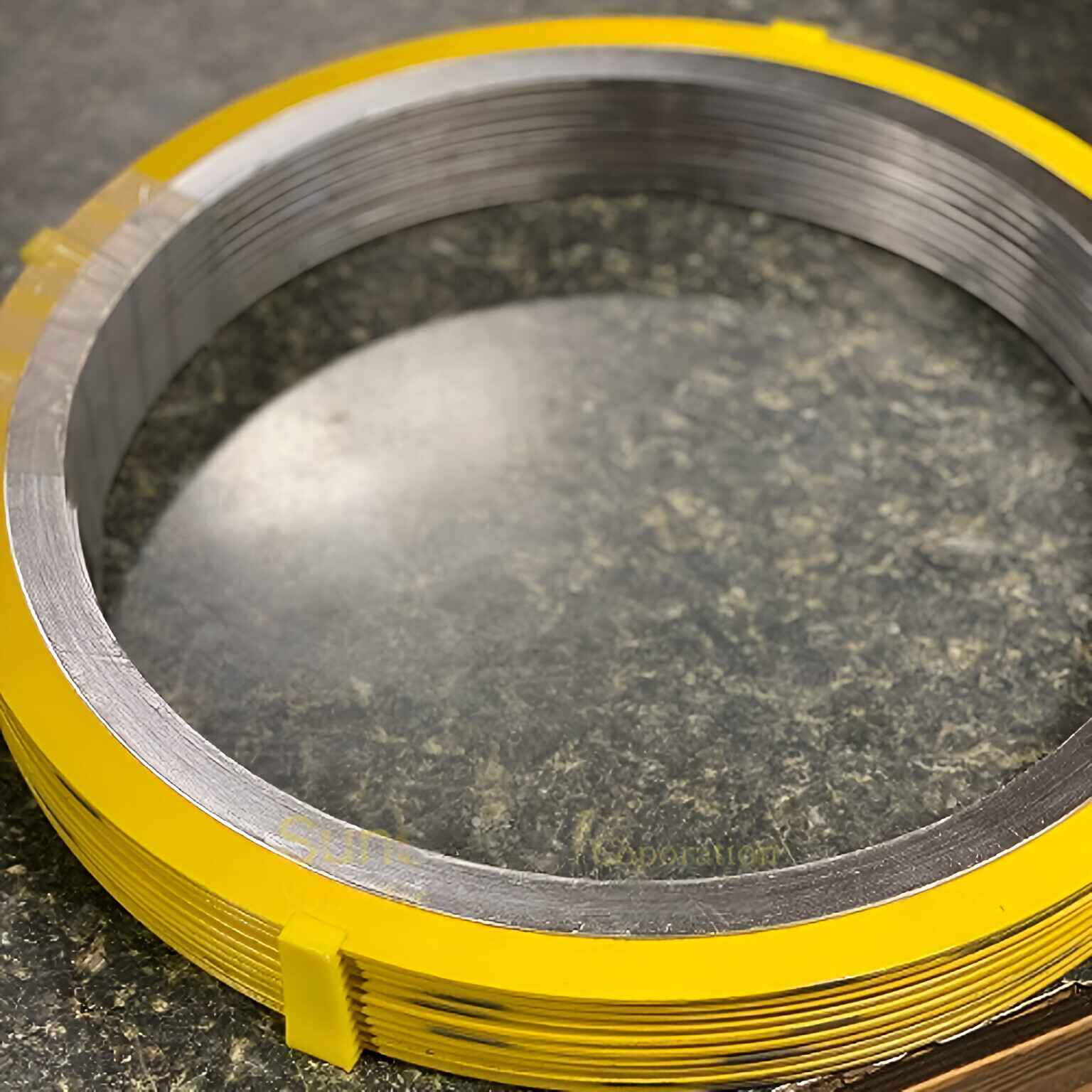
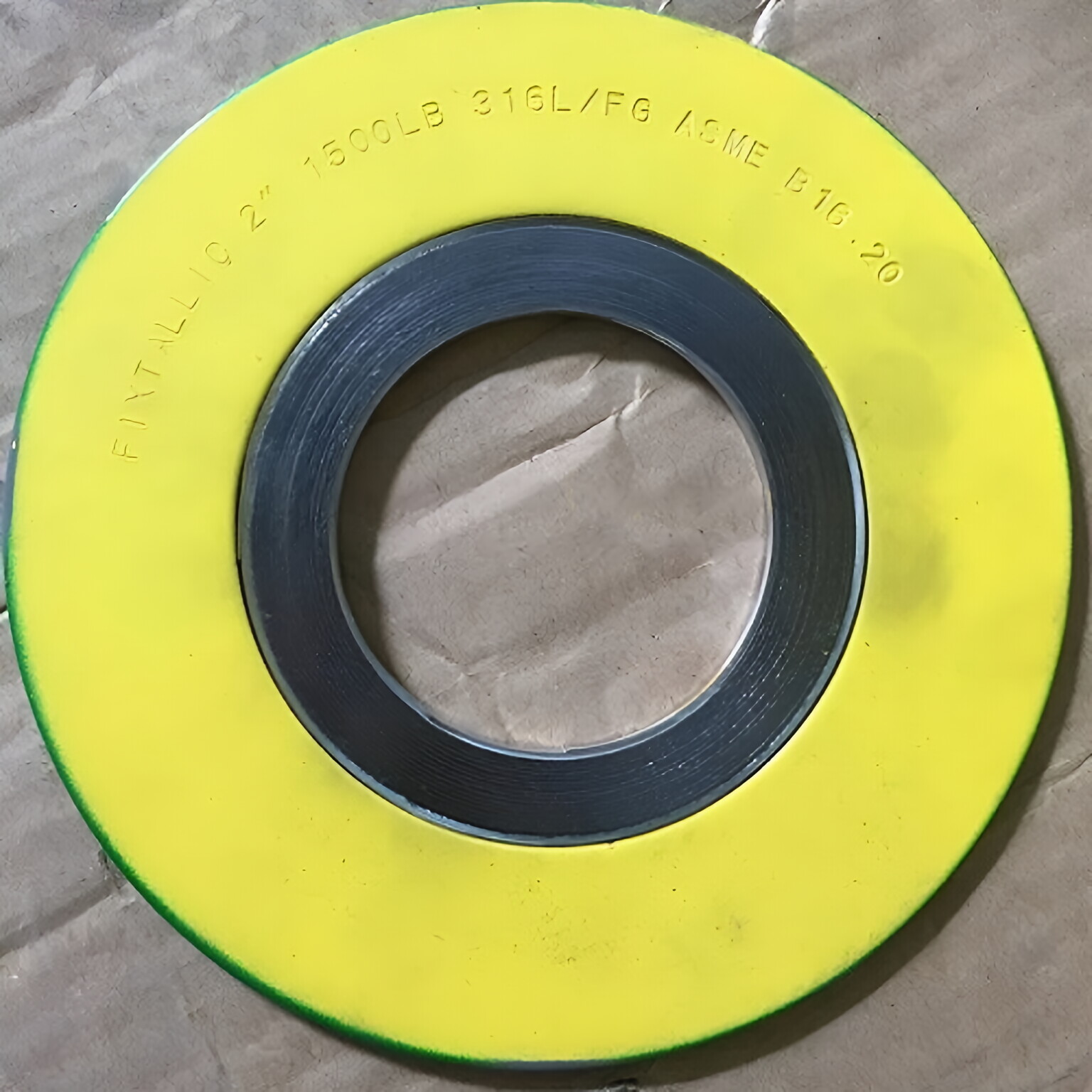
Imagine this: a procurement manager named Jack is staring at a pipeline specification sheet, stress mounting by the minute. The project demands PGE flange isolating gasket kits that can withstand corrosive chemicals and extreme temperatures, yet the last batch he sourced failed within months, causing costly leaks and unplanned shutdowns. He’s not alone — every day, engineers and buyers wrestle with the same critical question: What materials are used in PGE flange isolating gasket kits? Understanding the material science behind these kits isn’t just academic; it directly determines safety, reliability, and long-term operational costs. At Ningbo Kaxite Sealing Materials Co., Ltd., we see this confusion as an opportunity to educate and equip you with the right solutions, ensuring your pipelines stay sealed and compliant. In this guide, we’ll break down the core materials, show how they solve real field problems, and give you a clear comparison so you can make informed purchasing decisions with confidence.
Article Quick Navigation:
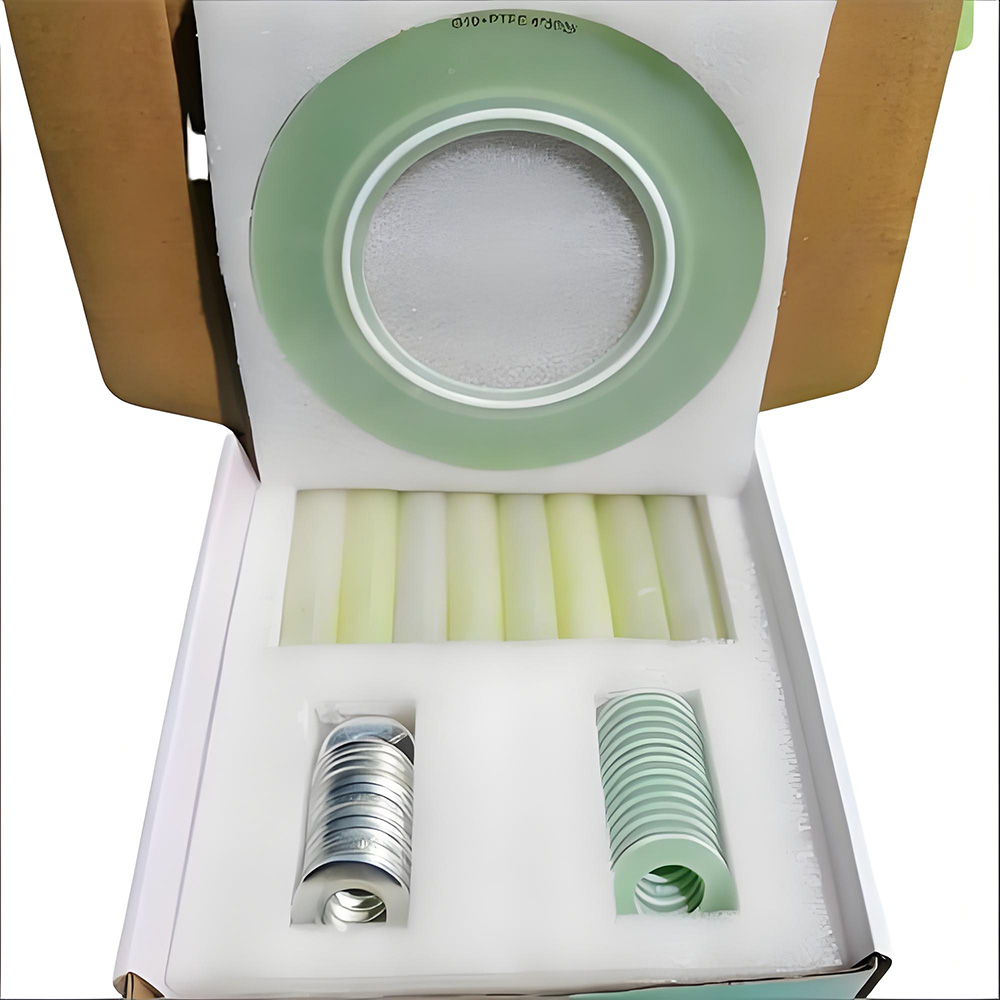
What materials are used in PGE flange isolating gasket kits? At their heart, these kits rely on a carefully engineered combination of dielectric strength, chemical resistance, and mechanical resilience. The primary sealing layer is often composed of glass-reinforced epoxy resin (G10 or FR4), prized for its exceptional electrical insulation and compressive strength. This is bonded to a resilient elastomer like nitrile rubber (NBR) or polytetrafluoroethylene (PTFE), each selected based on media compatibility. For high-temperature or aggressive chemical service, PTFE dominates; for oil and gas where hydrocarbon resistance is key, NBR often takes the lead. The metal core — typically 316 stainless steel or carbon steel with an anti-corrosion coating — provides structural integrity and prevents blowout under pressure fluctuations. Ningbo Kaxite Sealing Materials Co., Ltd. goes a step further by offering customized laminations, ensuring that the gasket’s material stack matches the exact flange class, medium, and temperature demands of your installation.
Frequently Asked:
Q: What materials are used in PGE flange isolating gasket kits for cryogenic applications?
A: For cryogenic environments, the kits typically use a combination of PTFE with a low-temperature-grade stainless steel core, often 304L or 316L, to maintain toughness without sacrificing sealing integrity. The insulating layer remains FR4, but the elastomer is carefully selected to remain pliable even at -196°C.
Another critical component is the phenolic resin-based laminate, sometimes used as an alternative to FR4 when higher thermal stability is required. These materials are all designed to work together: the insulating barrier interrupts galvanic corrosion paths while the elastomer conforms to flange irregularities, preventing media seepage.
To illustrate, here is a typical material breakdown for a standard PGE kit:
| Component | Common Material | Key Property |
|---|---|---|
| Insulating layer | G10/FR4 glass epoxy | Dielectric strength > 500 V/mil |
| Sealing elastomer | NBR / PTFE | Compatibility with hydrocarbons / aggressive chemicals |
| Metal backing ring | 316 Stainless Steel | Pressure rating up to Class 2500 |
| Release film (optional) | PFA or FEP | Non-stick surface for easy disassembly |
Field engineers often face a recurring nightmare: the insulating gasket in a critical flange pair starts degrading much sooner than expected, leading to fugitive emissions or a complete electrical isolation failure. The root cause is usually a mismatch between the construction material and the actual service conditions. For instance, using a standard NBR seal in a stream containing aromatic hydrocarbons can lead to rapid swelling and loss of sealing force. Ningbo Kaxite Sealing Materials Co., Ltd. addresses this by guiding customers through a detailed service questionnaire, then proposing the exact material combination — whether that’s an FR4 core with expanded PTFE seal for acidic media or an NBR-based kit with a 316 core for refinery hydrocarbon lines. The solution lies in understanding the material science: PTFE withstands pH 0-14, while NBR excels in aliphatic hydrocarbon resistance up to 120°C. By mapping these properties to your process fluid, we eliminate guesswork.
Another pain point is installation damage. Over-torquing can crush the insulating laminate, creating a leak path. That’s why we reinforce our kits with high-compressive-strength G10 and include a stainless steel compression limiter in some designs. Below is a comparison of material performance under typical stress scenarios:
| Challenge | Material Mismatch Consequence | Recommended Material from Kaxite |
|---|---|---|
| High pressure (≥Class 900) | Gasket extrusion or core failure | Thicker FR4 with 316 ring & PTFE seal |
| Corrosive chemical (e.g., H₂S) | Metal core stress cracking | PTFE envelope with carbon steel or Inconel core |
| Extreme thermal cycling | Delamination of laminate | Phenolic-based laminate with flexible graphite filler |
Another Reader’s Question:
Q: What materials are used in PGE flange isolating gasket kits to prevent galvanic corrosion in offshore platforms?
A: For offshore and subsea applications, the kits rely on a robust FR4 or G10 insulating layer coupled with a zinc-nickel plated steel core or 316 stainless steel, plus a PTFE sealing element to resist seawater and brine. The combination ensures the gasket maintains dielectric isolation even under high humidity and salt spray conditions.
When you face the procurement of PGE flange isolating gasket kits, the material data sheet tells only part of the story. What separates a reliable supplier from the rest is how they help you interpret those parameters for your specific application. Ningbo Kaxite Sealing Materials Co., Ltd. provides comprehensive technical support, turning complex specifications into straightforward selection criteria. You need to examine three core parameters: dielectric breakdown voltage (should exceed 500 V/mil for most insulating grades), maximum operating temperature (PTFE up to 260°C, NBR up to 120°C), and pressure class compatibility. Additionally, verify that the material combination meets industry standards like ASME B16.20 for metallic and non-metallic flat gaskets, or NACE TM0177 for sour service if applicable. Our kits are designed with these benchmarks in mind, and we regularly share independent test reports to back up our claims — because we know that for a buyer, third-party validation is the ultimate peace of mind.
We also urge you to consider the lifecycle cost, not just the upfront price. A cheaper FR4/NBR kit might save you a few dollars today, but if it delaminates in six months due to a chemical incompatibility you didn’t foresee, the replacement and downtime expenses dwarf any initial savings. This is precisely why we invest in tailoring the gasket material stack — so you receive a kit that you can install and forget, rather than one that keeps you up at night. As you navigate your next purchase, ask your supplier specific questions about core-grade FR4 versus industrial-grade, PTFE modification (virgin vs. filled), and metal traceability. When you’re ready to experience the difference firsthand, simply drop us a line.
We hope this deep dive into PGE Flange Isolating Gasket Kit materials has been valuable. If you have a tricky application or need a custom material combination, the experts at Ningbo Kaxite Sealing Materials Co., Ltd. are here to help. With over 20 years of manufacturing and engineering experience in spiral wound gaskets, PTFE sheet products, and flange isolation solutions, we take pride in solving the sealing challenges that others avoid. Visit our website at https://www.spiral-wound-gasket.com to explore our full range, or contact our specialist Cindy directly at [email protected] for technical support, pricing, or free samples. Let’s build a leak-free connection together.
Related Research Papers
J. M. Gentil, 2019, "Dielectric performance of glass-reinforced epoxy laminates in flange isolation kits," Journal of Composite Materials, Vol. 53(12), pp. 1687–1701.
A. R. Bhattacharya, S. K. Dhawan, 2020, "Corrosion-resistant metallic cores for insulating gaskets in aggressive environments," Materials and Corrosion, Vol. 71(4), pp. 512–525.
L. Zhang, H. Wang, 2018, "PTFE-based sealants for high-temperature flange isolation in chemical plants," Industrial & Engineering Chemistry Research, Vol. 57(30), pp. 9876–9888.
R. K. Singh, P. N. Patel, 2021, "Effect of lamination structure on mechanical integrity of FR4/NBR gasket assemblies," Tribology International, Vol. 154, 106714.
M. T. Al-Harbi, 2017, "Polymeric insulating gaskets for cathodic protection — long-term field assessment," Progress in Organic Coatings, Vol. 109, pp. 45–55.
F. Müller, E. W. Hoffmann, 2022, "Creep relaxation behavior of non-asbestos fiber gaskets in bolted flange joints under thermal cycling," Journal of Pressure Vessel Technology, Vol. 144(1), 011401.
C. Y. Chen, B. Liu, 2019, "Electrochemical impedance evaluation of flange isolation materials in saline solutions," Corrosion Science, Vol. 153, pp. 315–326.
N. O. Adebayo, 2020, "Material selection criteria for flange isolation gaskets in oil and gas pipelines: A review," Engineering Failure Analysis, Vol. 115, 104668.
J. R. Davis, 2016, "Stainless steels and nickel alloys for bolted flange isolation components," ASM Handbook, Vol. 13B, pp. 194–210.
S. O. Isehunwa, P. I. Obi, 2018, "Performance analysis of phenolic-epoxy laminates used in electrical isolation gasket kits," Polymer Testing, Vol. 67, pp. 234–243.