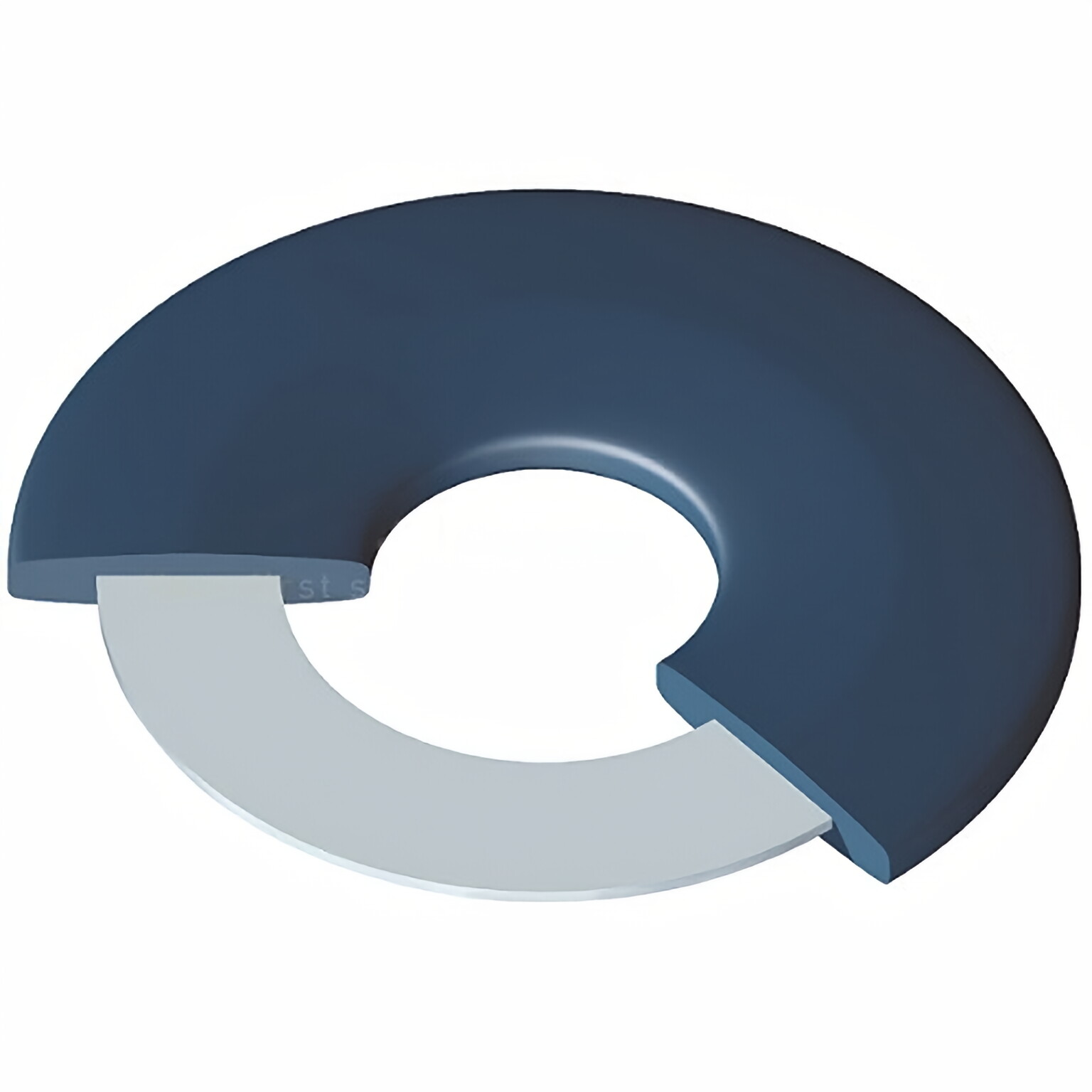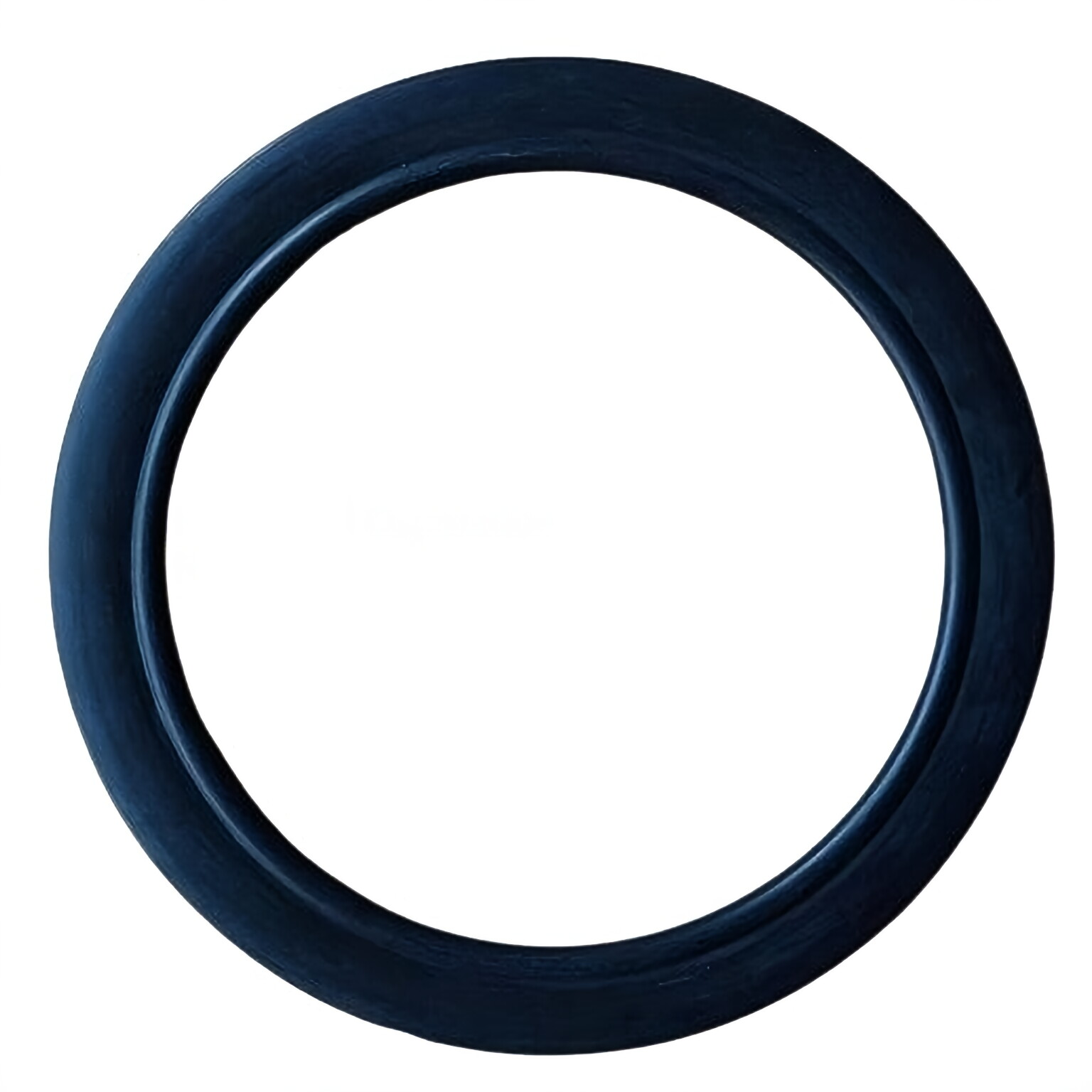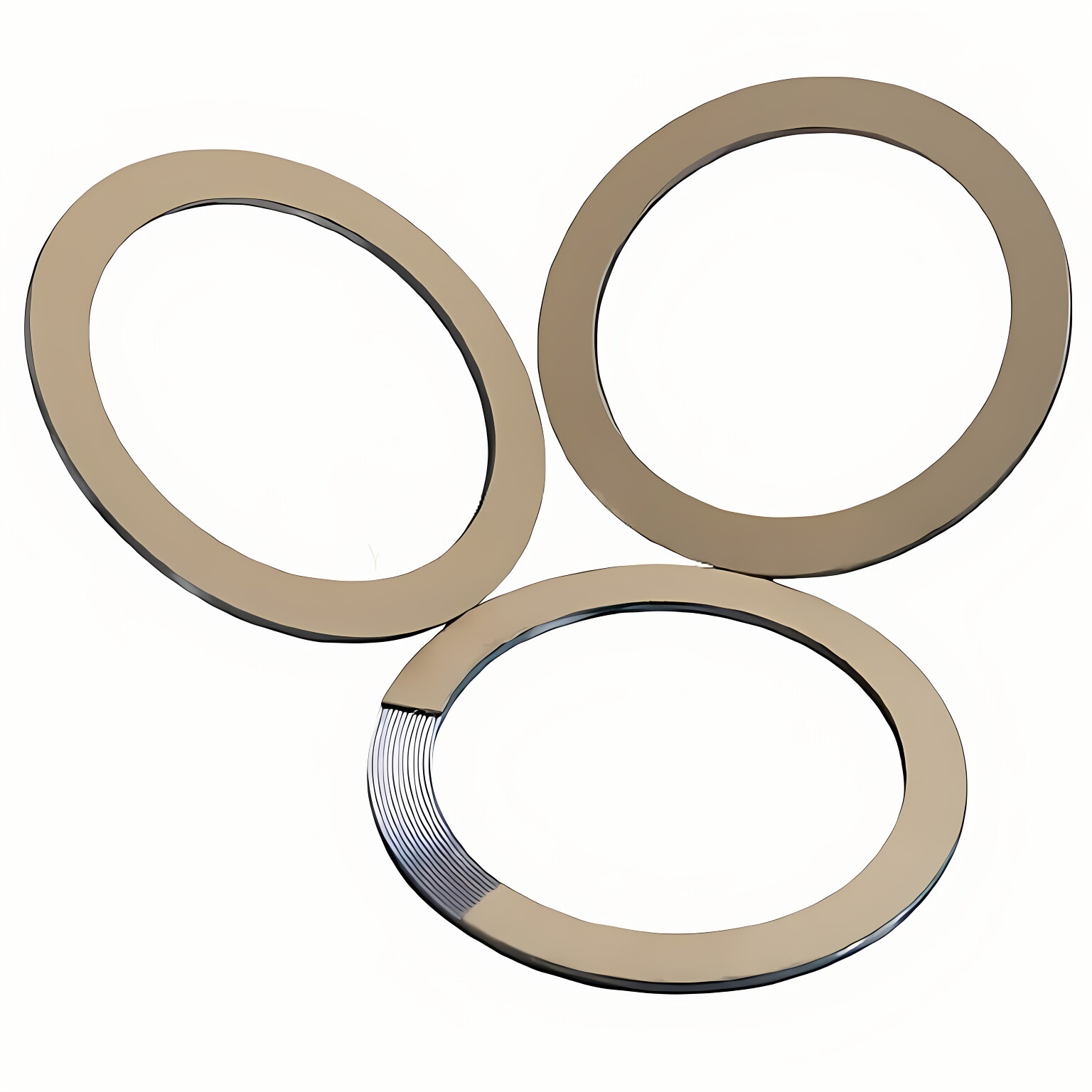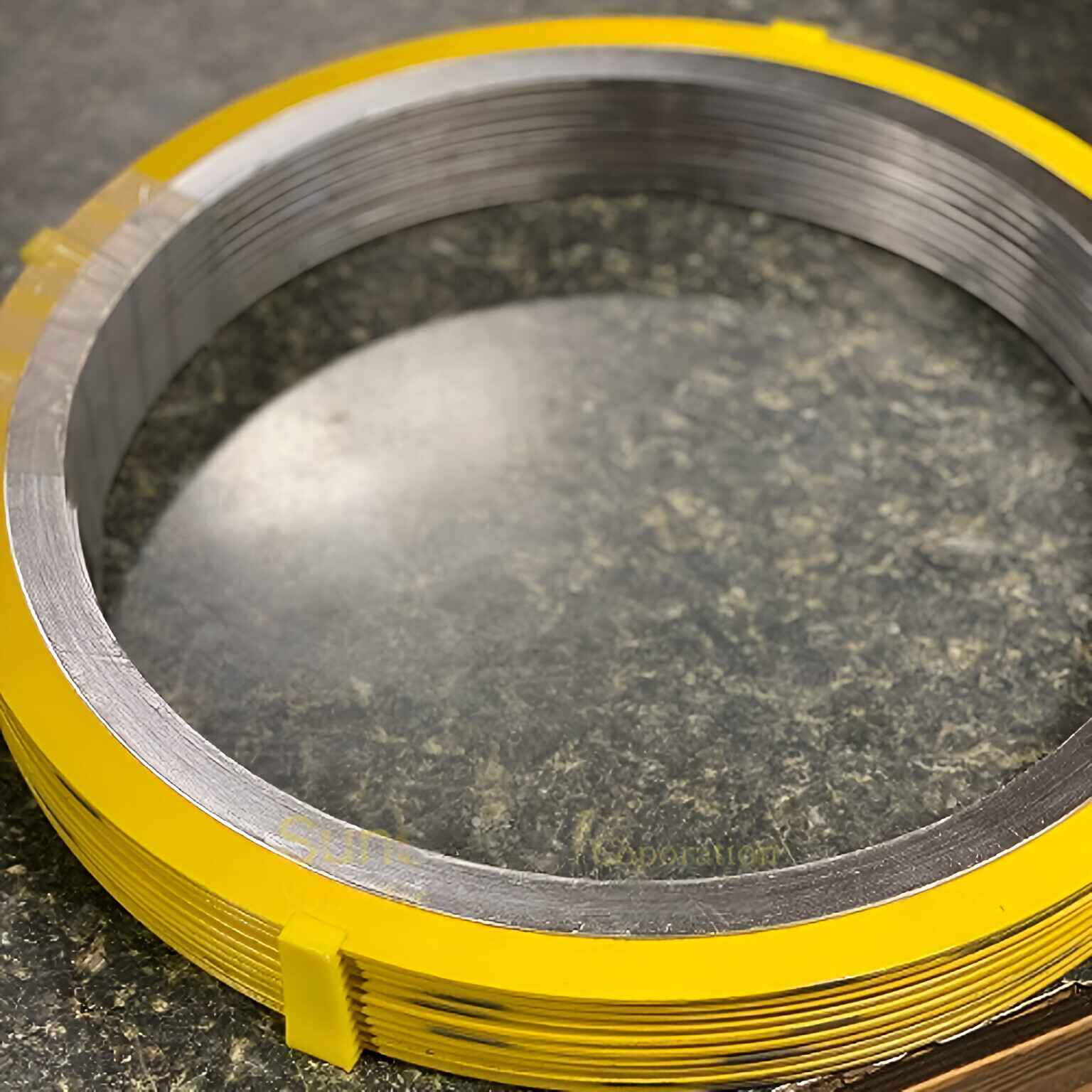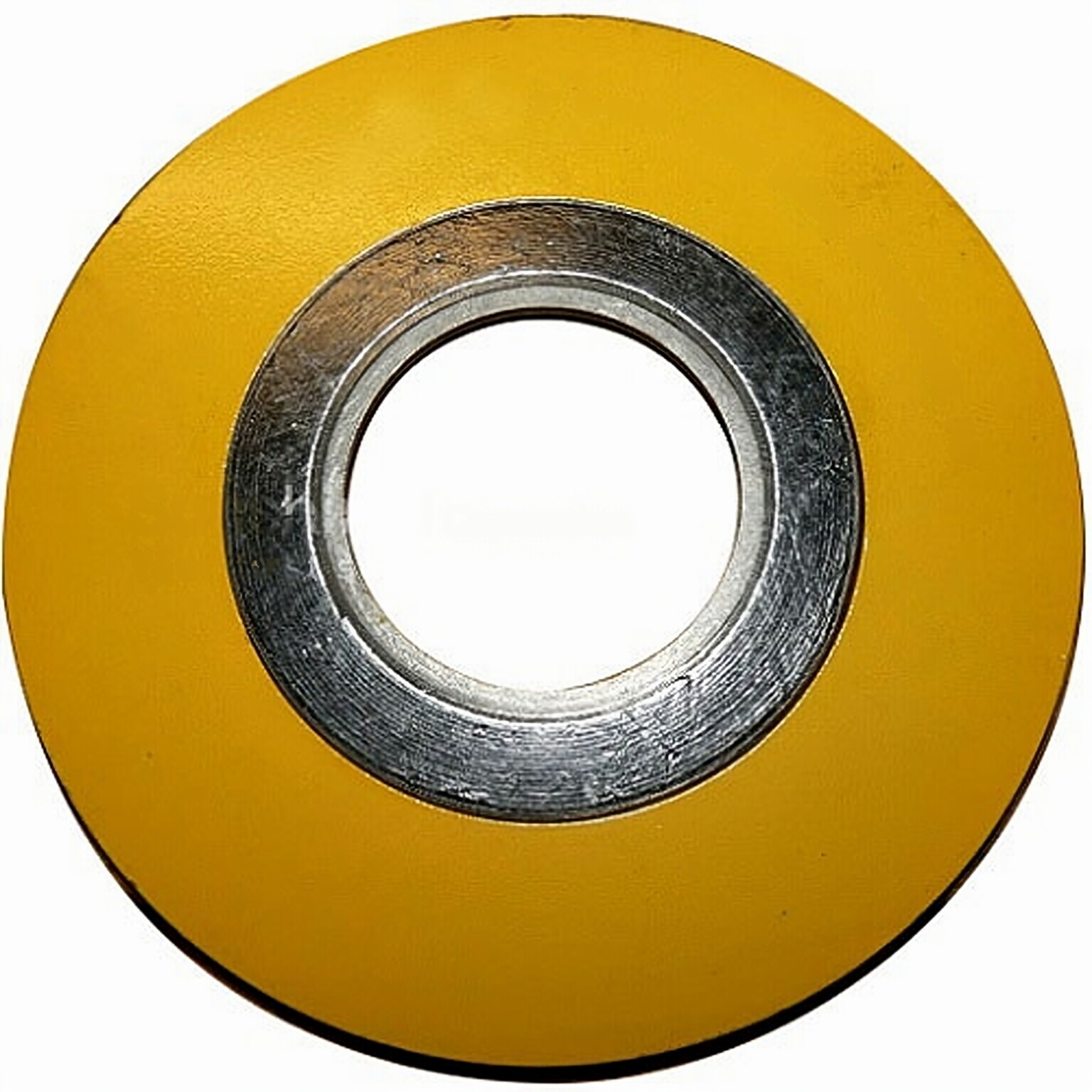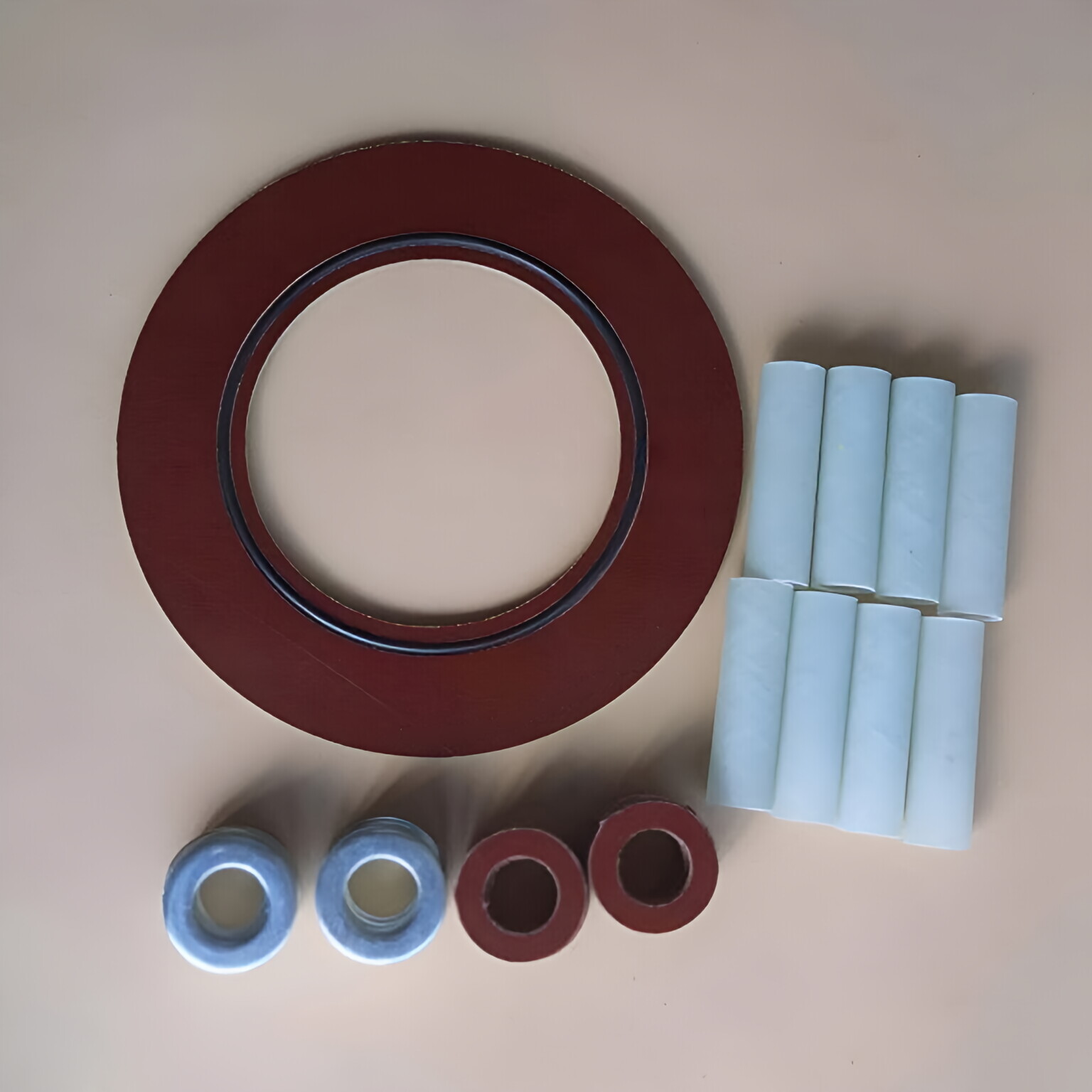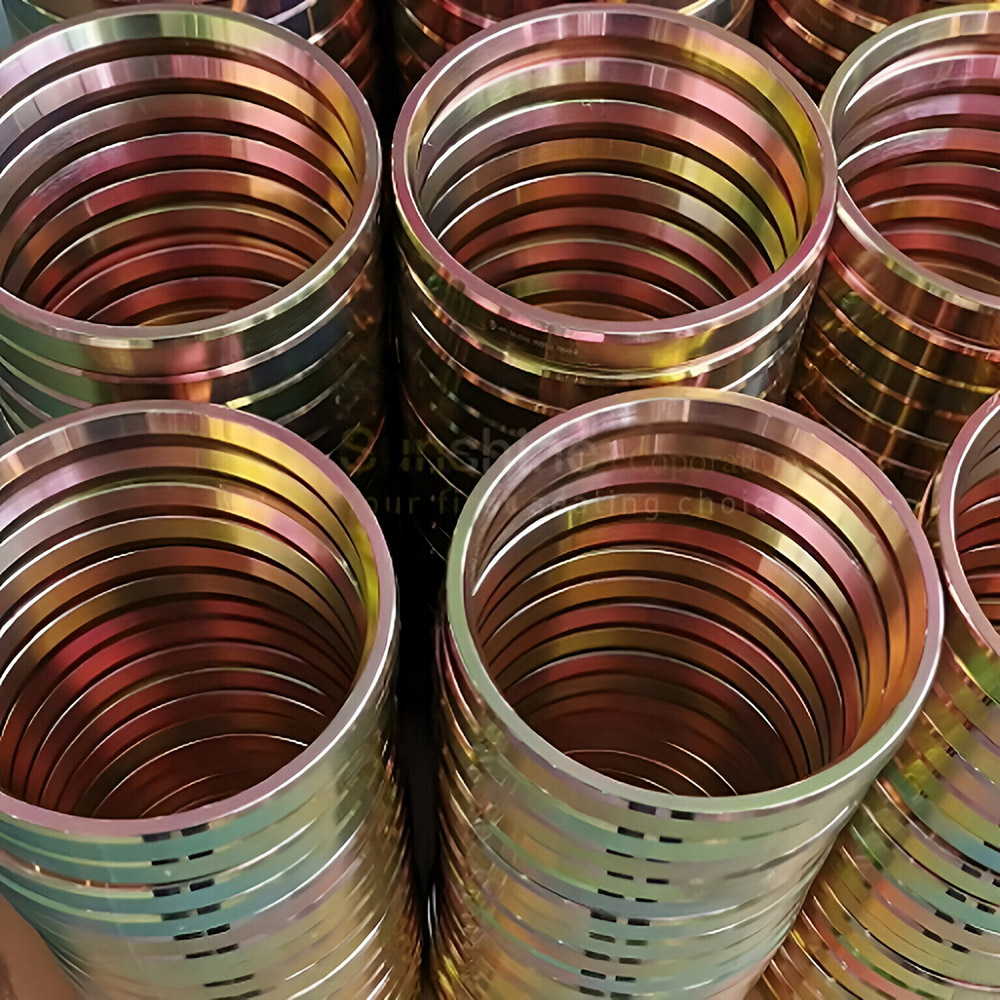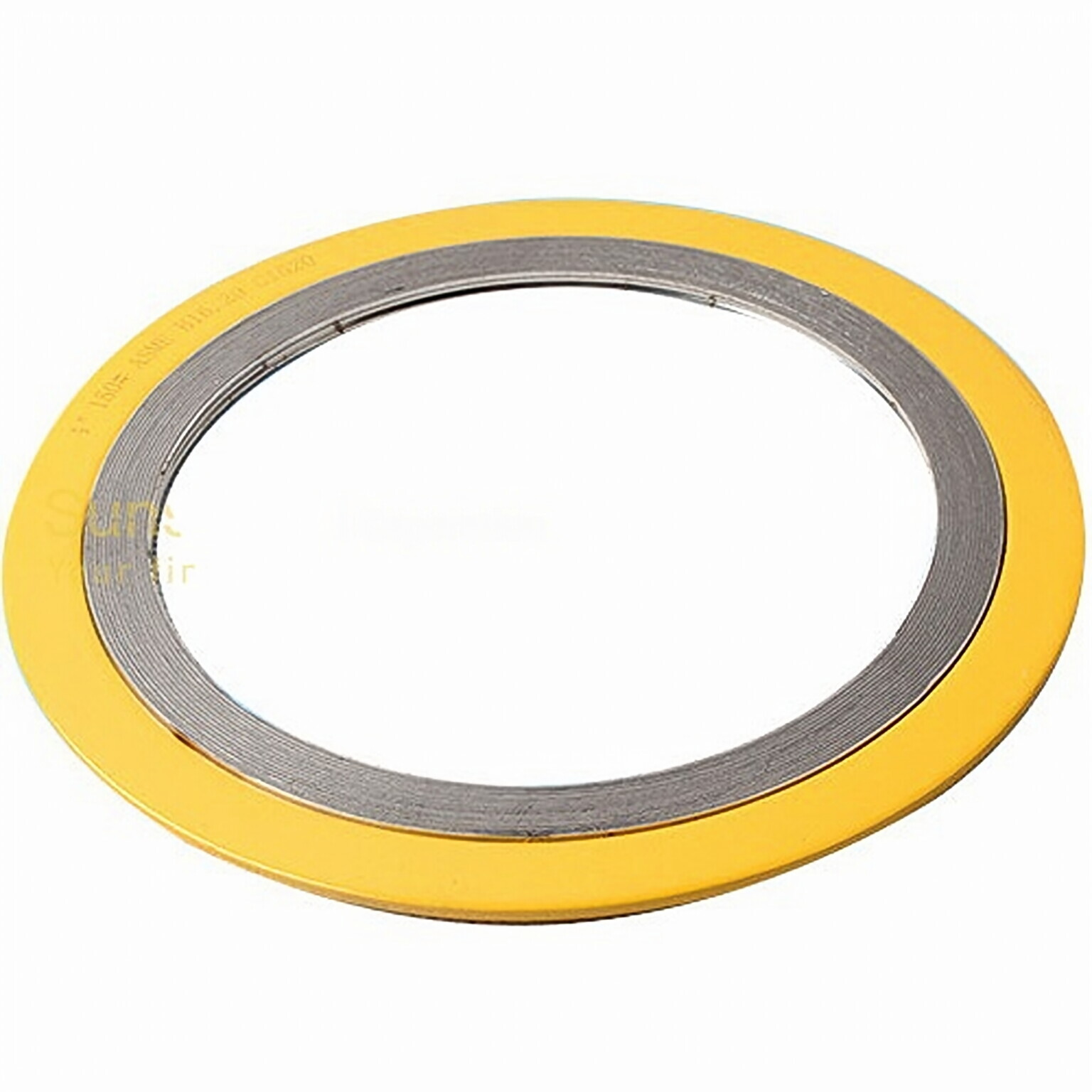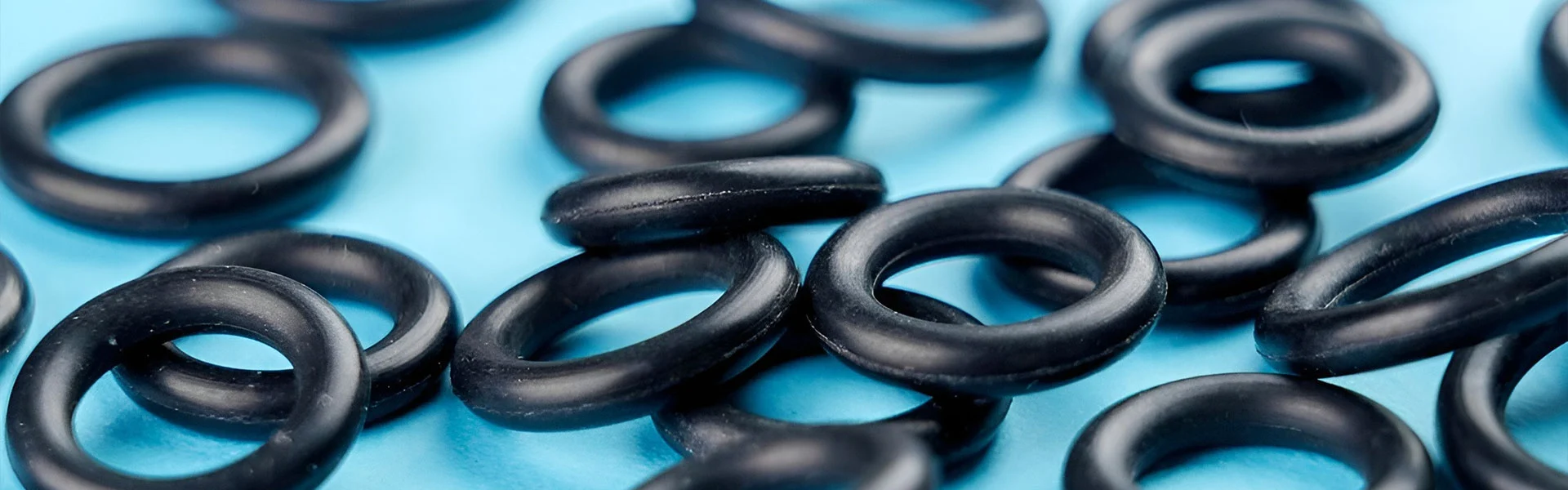
In the demanding world of industrial piping and fluid systems, ensuring a leak-proof seal at flange connections is paramount for safety, efficiency, and environmental compliance. Among the various sealing solutions available, Rubber-steel flange gaskets stand out as a superior choice for a wide range of medium-pressure applications. These gaskets combine the resilience and sealing properties of elastomers with the structural strength and thermal stability of metal, creating a robust barrier against fluid and gas leakage. At Kaxite Sealing, we have engineered our Rubber-steel flange gaskets to meet the rigorous standards of industries such as chemical processing, water treatment, HVAC, and general plant piping, providing a reliable and cost-effective sealing solution.
Unlike plain rubber gaskets that can extrude under high bolt load, the internal steel ring in a Rubber-steel gasket acts as a compression limiter. This critical feature prevents over-compression, protects the rubber from excessive cold flow, and ensures an even distribution of sealing stress across the flange face. The result is a durable seal that maintains its integrity over numerous thermal cycles and under variable pressure conditions. Kaxite Sealing utilizes premium-grade materials and advanced manufacturing techniques to produce gaskets that deliver consistent performance, reducing downtime and maintenance costs for our clients worldwide.
The design philosophy behind Kaxite Sealing's Rubber-steel flange gaskets focuses on delivering unmatched reliability and versatility. Below are the core features that define our product line:
Kaxite Sealing manufactures Rubber-steel flange gaskets to precise specifications, ensuring compatibility with international flange standards. Our product parameters are detailed below for engineering and procurement teams.
| Component | Material Options | Key Properties & Applications |
|---|---|---|
| Rubber Layer | EPDM (Ethylene Propylene Diene Monomer) | Excellent weather, ozone, steam, and water resistance. Ideal for HVAC, plumbing, and outdoor applications. Temperature range: -50°C to +150°C. |
| NBR (Nitrile Butadiene Rubber) | Superior resistance to oils, fuels, and aliphatic hydrocarbons. Common in petrochemical, fuel handling, and automotive. Temperature range: -30°C to +100°C. | |
| CR (Neoprene/Chloroprene) | Good all-purpose resistance to weather, ozone, moderate oils, and flames. Used in general industrial and marine settings. Temperature range: -40°C to +100°C. | |
| VMQ (Silicone Rubber) | Excellent flexibility at high and low temperatures, suitable for food and medical grade. Temperature range: -60°C to +200°C. | |
| FKM (Viton®/Fluoroelastomer) | Exceptional chemical and high-temperature resistance for aggressive acids, solvents, and oils. Temperature range: -20°C to +200°C. | |
| Steel Ring | Carbon Steel (CRS) | Standard grade for most applications with water, air, and non-corrosive media. Zinc or yellow chromate plating available for corrosion protection. |
| Stainless Steel 304/316 | Used for corrosive environments, chlorinated water, or when specified for hygienic (food, pharmaceutical) applications for enhanced durability. |
Kaxite Sealing Rubber-steel gaskets are manufactured to fit standard ASME B16.21 and EN 1514-1 flange facings (raised face, flat face).
| Nominal Pipe Size (NPS) | Inner Diameter (ID) mm | Outer Diameter (OD) mm | Thickness (mm) | Pressure Class Rating (Typical) |
|---|---|---|---|---|
| 1/2" | 22 | 89 | 1.5 / 3.0 | Class 150 / PN10 |
| 1" | 35 | 108 | 1.5 / 3.0 | Class 150 / PN10 |
| 2" | 60 | 152 | 1.5 / 3.0 | Class 150 / PN16 |
| 4" | 114 | 229 | 1.5 / 3.0 | Class 150 / PN16 |
| 6" | 168 | 279 | 1.5 / 3.0 | Class 150 / PN16 |
| 8" | 219 | 343 | 1.5 / 3.0 | Class 150 / PN16 |
| 10" | 273 | 406 | 1.5 / 3.0 | Class 150 / PN10 |
| 12" | 324 | 483 | 1.5 / 3.0 | Class 150 / PN10 |
Note: Custom sizes, thicknesses, and special shapes (e.g., oval, square) are available upon request. Thicker gaskets (3.0mm) are often used for larger diameters or uneven flanges.
Q: How do I choose the right rubber material for my application?
A: Material selection depends on the media (fluid/gas), temperature, and environmental conditions. For hot water or steam, EPDM is ideal. For oils and fuels, choose NBR. For aggressive chemicals or very high temperatures, FKM (Viton®) is recommended. Always consult the chemical resistance chart and temperature limits for the specific Kaxite Sealing compound. Our technical team can assist with selection.
Q: Can Kaxite Sealing Rubber-steel gaskets be used for high-pressure applications?
A: They are designed for low to medium-pressure applications, typically up to Class 150/300 (ASME) or PN10/16/25 (DIN). For higher pressure classes (Class 600 and above), spiral wound, ring joint, or solid metal gaskets are more appropriate. The steel ring provides good resistance to blow-out, but pressure limits must not exceed the rating for the specific size and material.
Q: Are these gaskets suitable for food, potable water, or pharmaceutical services?
A: Yes, but with specific material choices. For such applications, Kaxite Sealing offers gaskets made with FDA-compliant or USP Class VI approved elastomers like EPDM or Silicone, paired with a 304 or 316 stainless steel insert. Proper certification documentation is provided upon request.
Q: What is the proper installation torque for these gaskets?
A: Do not use a gasket-specific torque. Always follow the bolt torque specification for the flange standard, material, and pressure class as per ASME PCC-1 or EN 1591 guidelines. The steel ring prevents over-compression, but under-torquing can cause leaks. Use a cross-bolt tightening pattern to ensure even compression across the flange face.
Q: Can a Rubber-steel gasket be reused?
A: Kaxite Sealing does not recommend reusing any compressed flange gasket. Once compressed, the rubber layer has taken a permanent set to conform to the flange surface. Reusing it may compromise the seal integrity and lead to leakage. Always install a new gasket during any disassembly and reassembly procedure.
Q: How should I store Kaxite Sealing gaskets?
A: Store gaskets in a cool, dry, and dark place away from direct sunlight, ozone sources (like electric motors), and extreme temperatures. Keep them flat and avoid hanging or bending to prevent deformation. Optimal storage temperature is between 10°C and 25°C (50°F and 77°F).
Q: Do Kaxite Sealing Rubber-steel gaskets comply with industry standards?
A> Yes. Our gaskets are manufactured to meet or exceed the requirements of relevant standards such as ASME B16.21 for non-metallic flat gaskets and EN 1514-1. They are also tested for performance characteristics like compressibility, recovery, and creep relaxation to ensure reliable service.
Q: What is the temperature and pressure range for these gaskets?
A> The operational range depends on the rubber compound. Generally, the temperature range is from -60°C to +200°C, with specific limits for each material (see Material Specifications table). The maximum pressure rating is typically 150 psi (10 bar) for Class 150 flanges, but this is also size-dependent. Always refer to the detailed technical data sheet for the specific product.
Q: How does the steel ring affect performance compared to a full-face rubber gasket?
A> The steel ring provides critical structural benefits: it centers the gasket in the flange, prevents inward buckling into the pipeline, and most importantly, acts as a compression stop. This allows for higher bolt loads to be applied without crushing the rubber, creating a more robust seal with less stress relaxation over time compared to a full-face rubber gasket, which can easily be over-compressed.