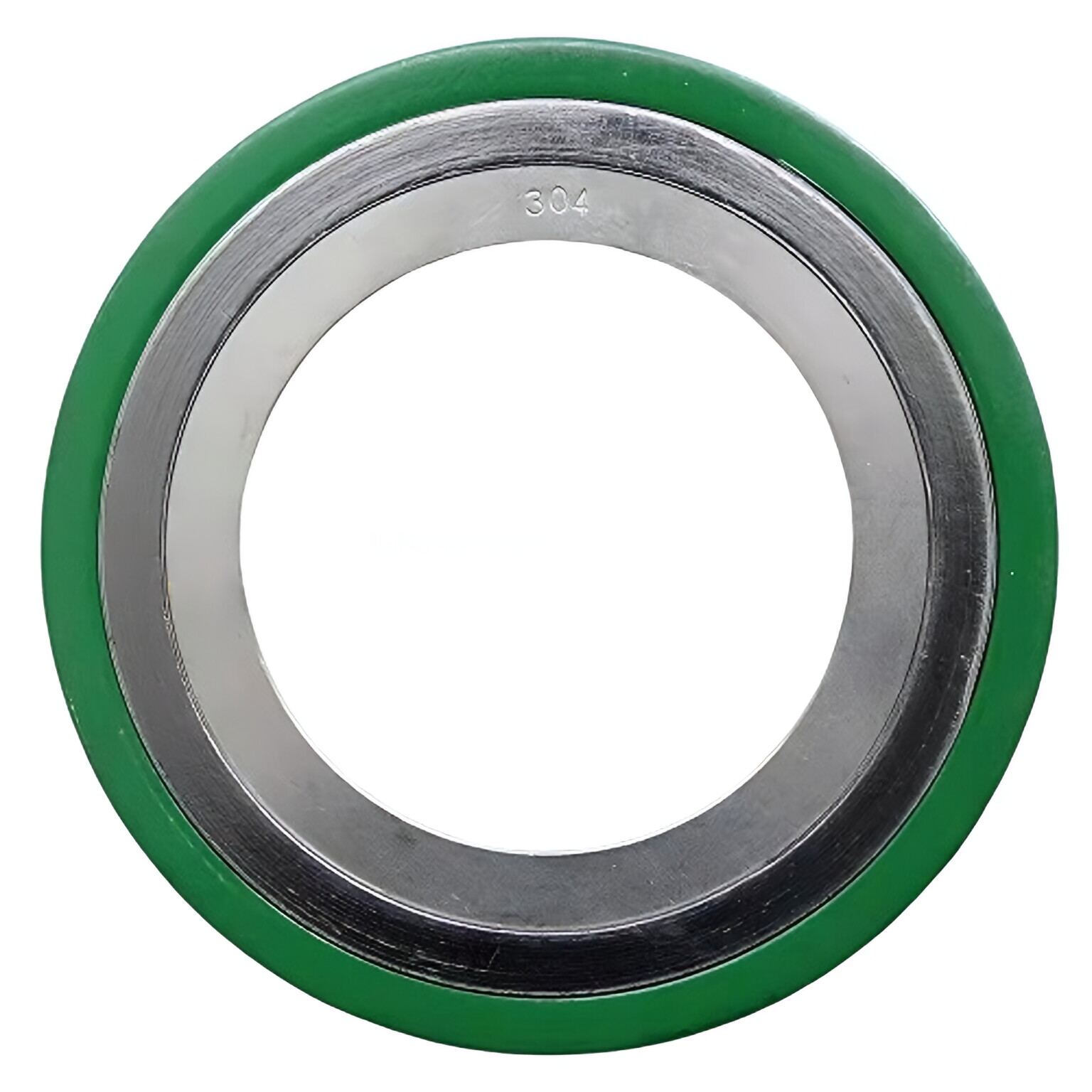
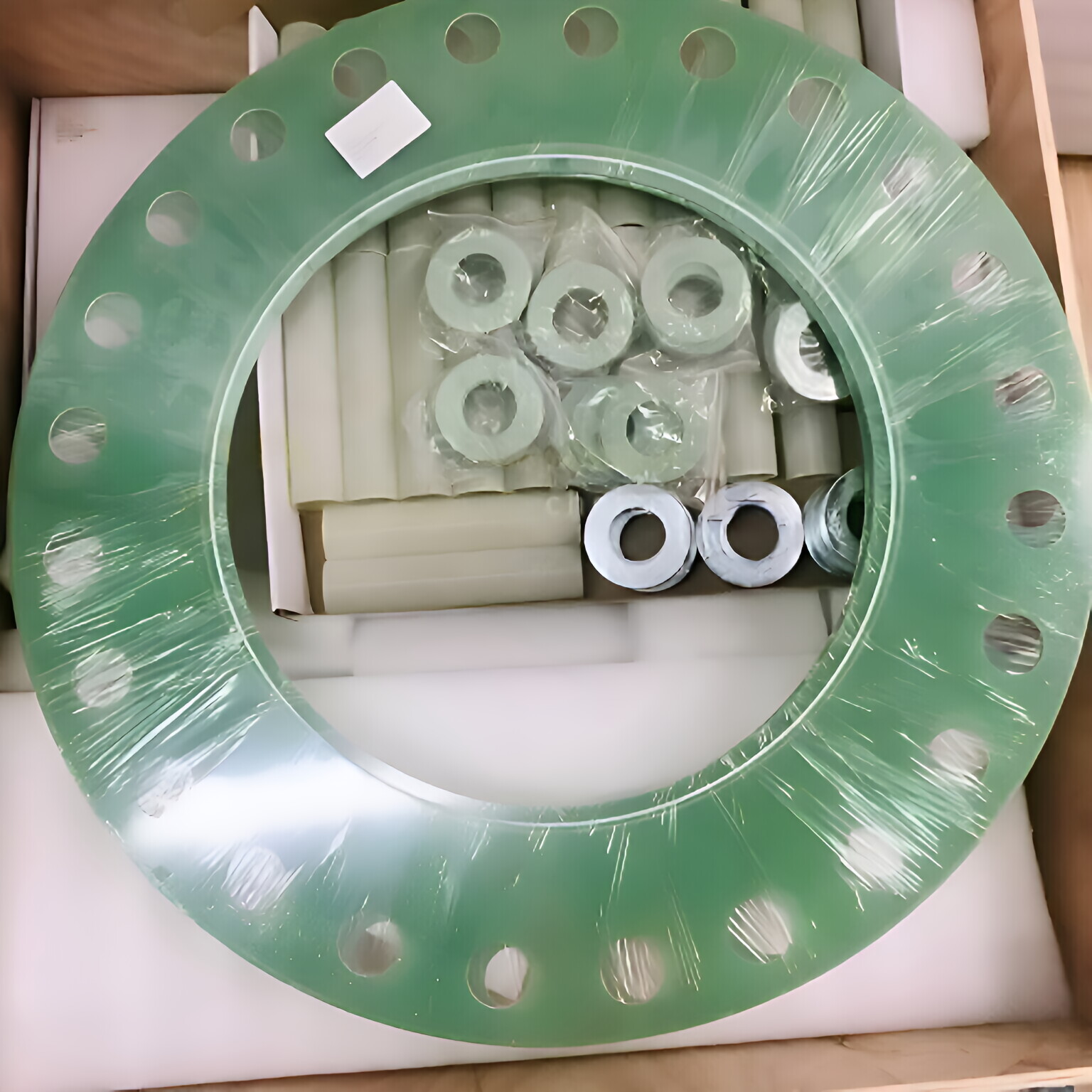
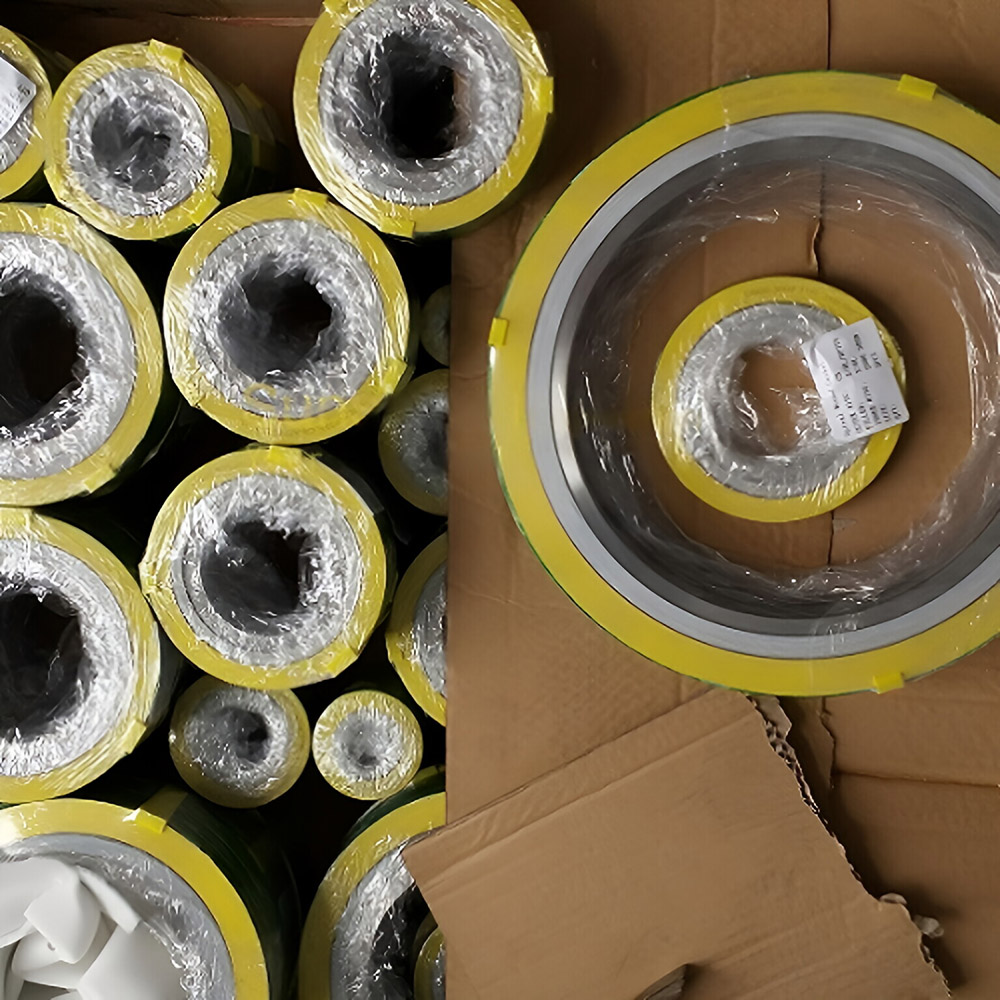
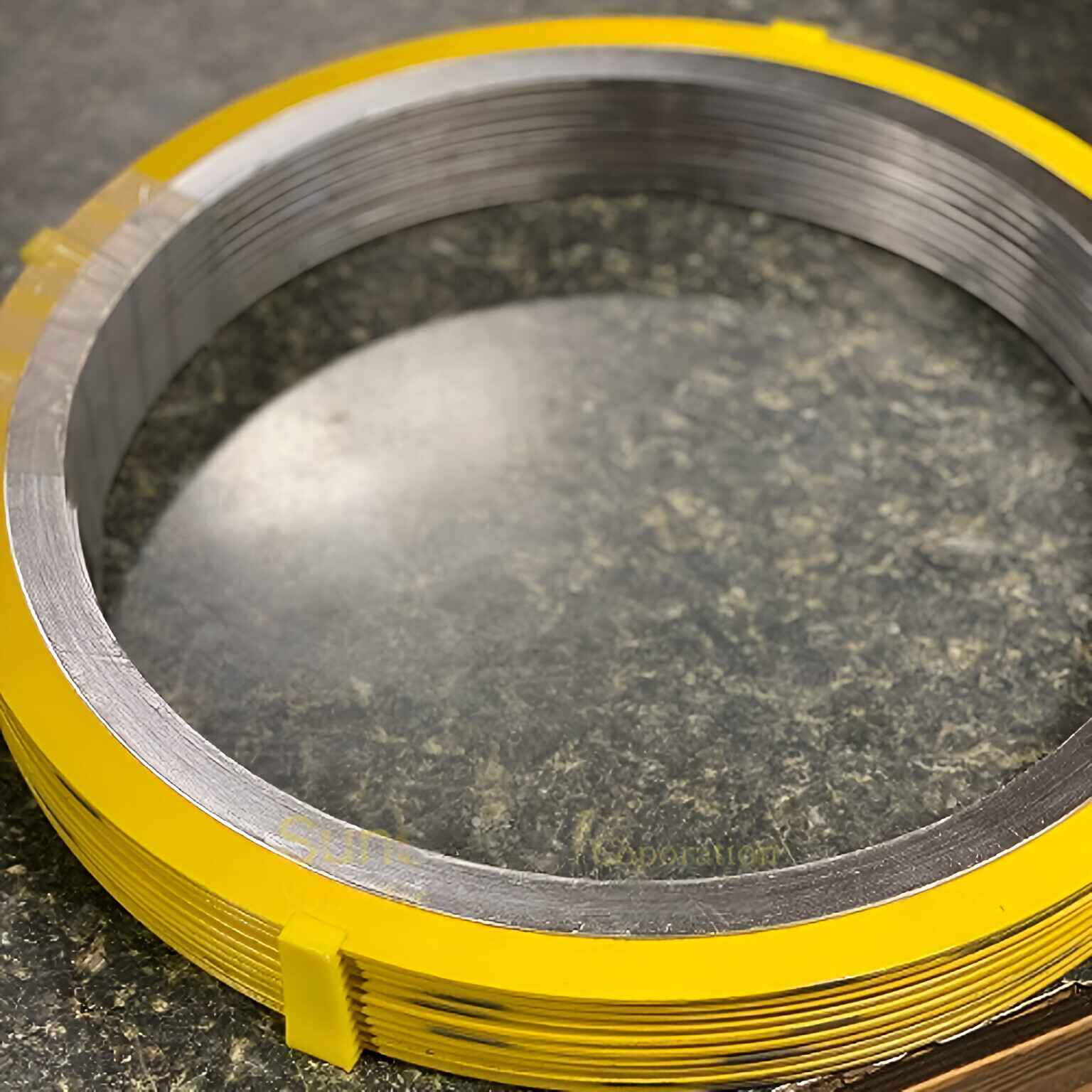
If you're managing industrial pipeline systems, you've likely encountered the critical challenge of corrosion under insulation (CUI) or stray electrical currents degrading your flanges. This is where the specific choice of an isolating gasket kit becomes paramount. So, what is the difference between VCS flange isolating gasket kits and other types? Unlike standard gaskets or basic isolation kits, VCS kits offer a comprehensive, pre-engineered solution. They are meticulously designed to provide superior electrolytic isolation, combining durable materials and precise component integration to ensure long-term reliability, prevent galvanic corrosion, and maintain system integrity in harsh environments. This fundamental difference can mean avoiding costly shutdowns and catastrophic failures.
Article Outline:
Imagine a refinery's critical pipeline. The exterior looks fine, but hidden beneath the insulation, electrochemical reactions are silently eating away at the flange faces. A standard gasket seals the pressure but does nothing to stop this galvanic corrosion. Months later, a leak is detected, forcing an unplanned, expensive emergency shutdown for flange replacement. The real problem wasn't the sealing—it was the lack of proper electrical isolation. This scenario is preventable.
Solution: A dedicated flange isolating gasket kit is the answer. It introduces a high-resistance barrier within the joint, breaking the electrical circuit that drives corrosion. VCS kits take this further by ensuring every component—gasket, sleeves, washers—works in unison to provide complete isolation integrity.
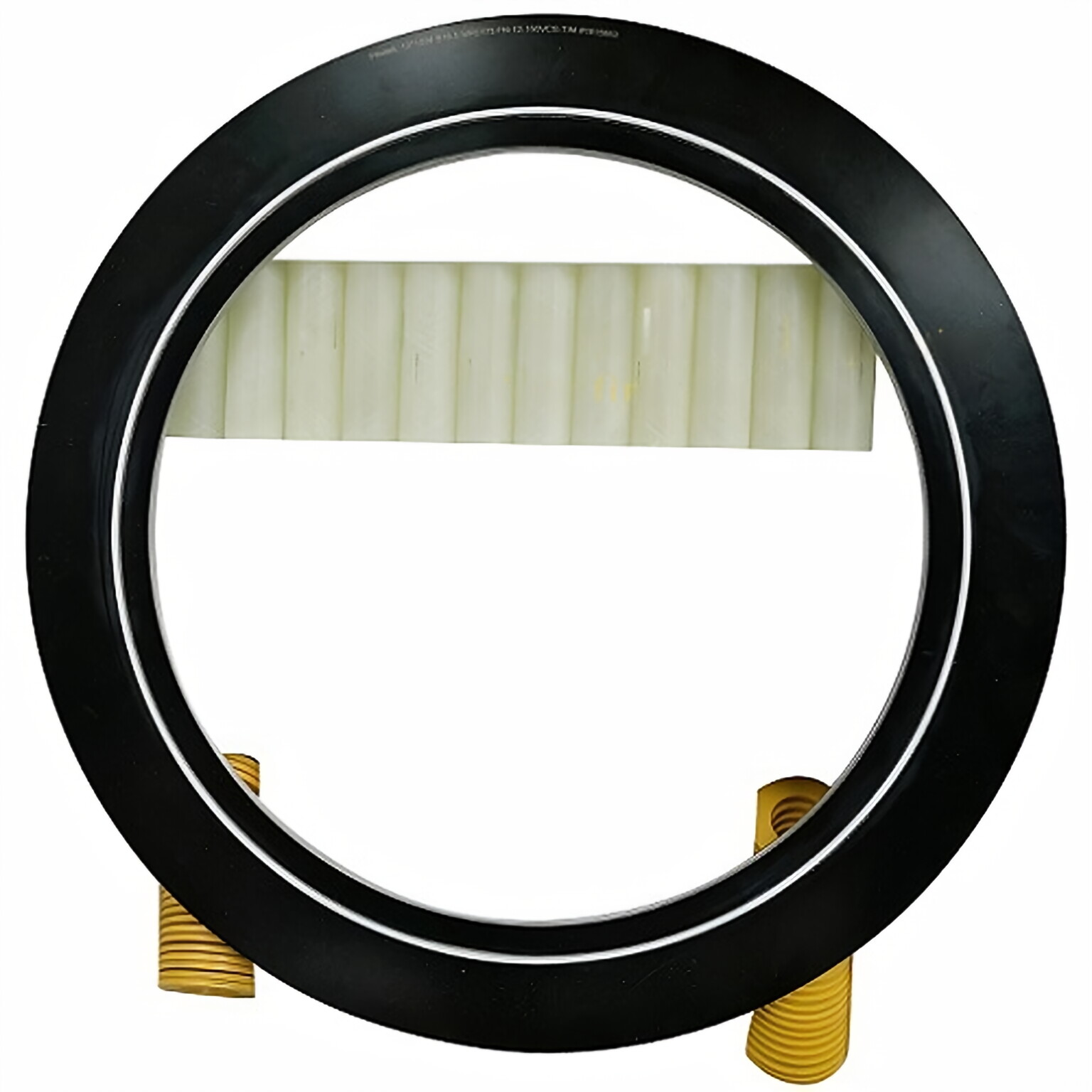
For procurement specialists, choosing the right kit means evaluating key parameters:
| Parameter | Standard Gasket | Basic Isolation Kit | VCS Flange Isolating Kit |
|---|---|---|---|
| Primary Function | Pressure Sealing | Basic Electrical Isolation | Complete Electrolytic Isolation & Sealing |
| Corrosion Prevention | None | Partial | Comprehensive (Full Circuit Break) |
| Component Integration | Single Component | Multiple, often loose parts | Pre-assembled, engineered system |
| Long-Term Reliability | Low (for isolation) | Moderate | High |
| Ideal Application | Non-corrosive, neutral environments | Low-risk, temporary fixes | Critical pipelines, CUI areas, cathodic protection systems |
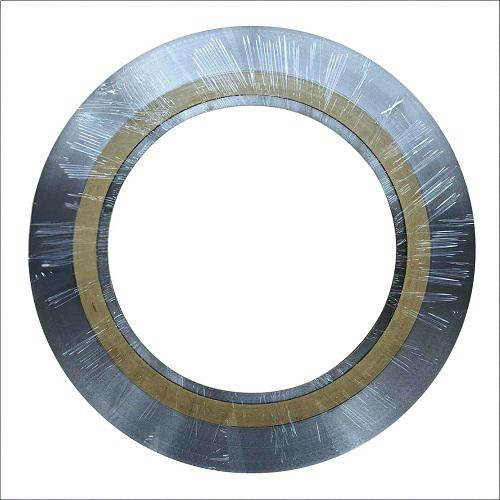
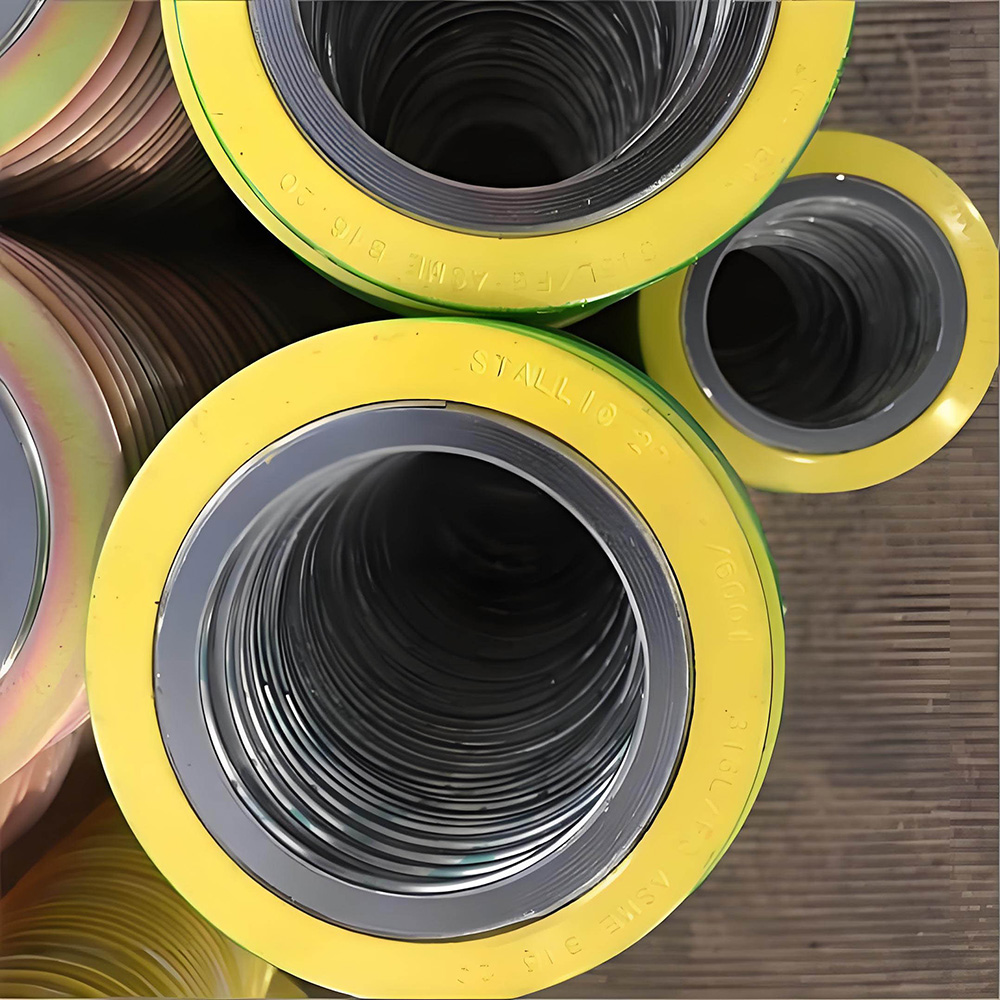
The distinction lies in the holistic design. Other types might use a phenolic gasket with separate sleeves, risking misalignment during installation. A VCS kit from a specialist like Ningbo Kaxite Sealing Materials Co., Ltd. is engineered as a unit. The gasket material, often a composite like PTFE or specially formulated elastomers bonded to a robust core, offers exceptional dielectric strength and chemical resistance. The insulating sleeves and washers are precision-sized to fit standard bolt holes perfectly, preventing short-circuiting and ensuring the isolation layer remains intact even under bolt load and thermal cycling.
This integrated approach solves the installer's headache of sourcing compatible parts and guarantees the specified isolation performance. For the procurement professional, it translates to a single, reliable SKU, reduced risk of installation error, and demonstrable lifecycle cost savings by extending flange service intervals.
When reviewing specifications, here is a clear, actionable comparison to guide your decision. This table highlights why VCS kits are the superior choice for demanding applications.
| Feature | Standard Spiral Wound Gasket | PTFE Coated Gasket | Phenolic Isolation Gasket | VCS Flange Isolating Kit |
|---|---|---|---|---|
| Isolation Rating | Not Applicable | Low to Moderate | High | Very High (Engineered System) |
| Mechanical Strength | High | Moderate (coating can be damaged) | High | Very High (protected components) |
| Chemical Resistance | Depends on filler/winding | Excellent (PTFE) | Good | Excellent (material optimized) |
| Ease of Installation | Standard | Standard (risk of coating damage) | Requires careful handling of sleeves/washers | Optimized (pre-aligned components) |
| Total Cost of Ownership | Low (but fails for isolation) | Medium (potential for premature failure) | Medium-High | Low (preventive, long-life solution) |
Selecting the correct VCS kit requires precise information. Always specify the flange standard (ASME B16.5, B16.47), size, pressure class (150#, 300#, etc.), and the service temperature and media. The goal is to match the kit's material composition to the chemical and thermal environment. Ningbo Kaxite Sealing Materials Co., Ltd. provides expert technical support to help cross-reference these requirements, ensuring you get a kit that performs as expected. During installation, emphasize the use of a calibrated torque wrench and the recommended bolt tightening pattern to apply even load without compromising the insulating components. Proper installation is key to activating the full design potential of the VCS kit.
Q: What is the difference between VCS flange isolating gasket kits and other types when it comes to preventing crevice corrosion?
A: While all isolating gaskets aim to prevent galvanic corrosion, VCS kits are specifically designed to also minimize crevice gaps. Their precise component fit-up and use of non-absorbent, sealing materials reduce the micro-gaps where corrosive electrolytes can pool, offering a dual defense against both galvanic and crevice corrosion mechanisms.
Q: What is the difference between VCS flange isolating gasket kits and other types in terms of documentation and traceability?
A> For critical applications in oil & gas or chemical processing, material traceability is vital. Reputable manufacturers like Ningbo Kaxite Sealing Materials Co., Ltd. provide comprehensive material test certificates (MTCs) for their VCS kits, documenting the dielectric properties, material grades, and batch numbers. Many standard or generic isolation products lack this level of quality assurance and documentation.
Choosing the right isolation solution is a strategic decision that impacts safety, maintenance budgets, and operational continuity. By understanding the engineered superiority of VCS flange isolating gasket kits, you can specify with confidence and achieve true long-term value.
We encourage you to share your specific flange isolation challenges or scenarios in the comments below. For tailored technical data sheets or a direct consultation on your application, please reach out.
For robust and reliable sealing solutions, consider Ningbo Kaxite Sealing Materials Co., Ltd., a specialist in engineered gaskets and isolation kits. With a focus on quality and technical support, they provide products designed to solve complex industrial sealing problems. Contact their team for expert advice at [email protected].
Smith, J., & Reynolds, D. (2021). Electrochemical Isolation Methods for Mitigating Corrosion Under Insulation in Process Pipelines. Journal of Process Safety and Environmental Protection, 145, 321-330.
Zhang, L., et al. (2020). Long-term Performance Evaluation of Composite Materials for Flange Isolation in Seawater Cooling Systems. Materials & Design, 192, 108742.
International Association of Engineering Insulation. (2019). Guideline for Prevention of Corrosion Under Thermal Insulation. IAEI Publication, 4th Edition.
Kumar, A., & Patel, R. (2018). Finite Element Analysis of Stress Distribution in Bolted Flange Joints with Insulating Gasket Kits. International Journal of Pressure Vessels and Piping, 168, 258-267.
European Federation of Corrosion. (2017). Working Party 15: Corrosion in the Refining Industry - Case Studies on Cathodic Protection Interference. EFC Publications, 65.
Brown, C. M., et al. (2016). Dielectric Properties and Ageing of Polymer-Based Gasketing Materials in Aggressive Chemical Environments. Polymer Testing, 55, 1-9.
ASME PCC-1. (2015). Guidelines for Pressure Boundary Bolted Flange Joint Assembly. The American Society of Mechanical Engineers.
Li, H., & Wang, F. (2014). A Review of Galvanic Corrosion and Protection Strategies for Dissimilar Metal Joints. Corrosion Science, 87, 1-10.
NACE International. (2013). Standard Practice SP0296-2013: Mitigation of Corrosion Under Thermal Insulation and Fireproofing Materials.
Jones, R. H., ed. (2012). Stress-Corrosion Cracking: Materials Performance and Evaluation. ASM International.