In the critical world of industrial sealing, where pressure, temperature, and chemical resistance define success or failure, the Raw Materials for Spiral Wound Gasket are the unsung heroes. The performance, longevity, and reliability of the entire gasket hinge on the precise selection and quality of its constituent materials. At Kaxite Sealing, with decades of engineering expertise, we understand that a spiral wound gasket is only as good as the raw materials from which it is crafted. This comprehensive guide delves into the core materials, their properties, and the technical specifications that define premium sealing solutions for demanding applications across oil & gas, chemical processing, power generation, and beyond.
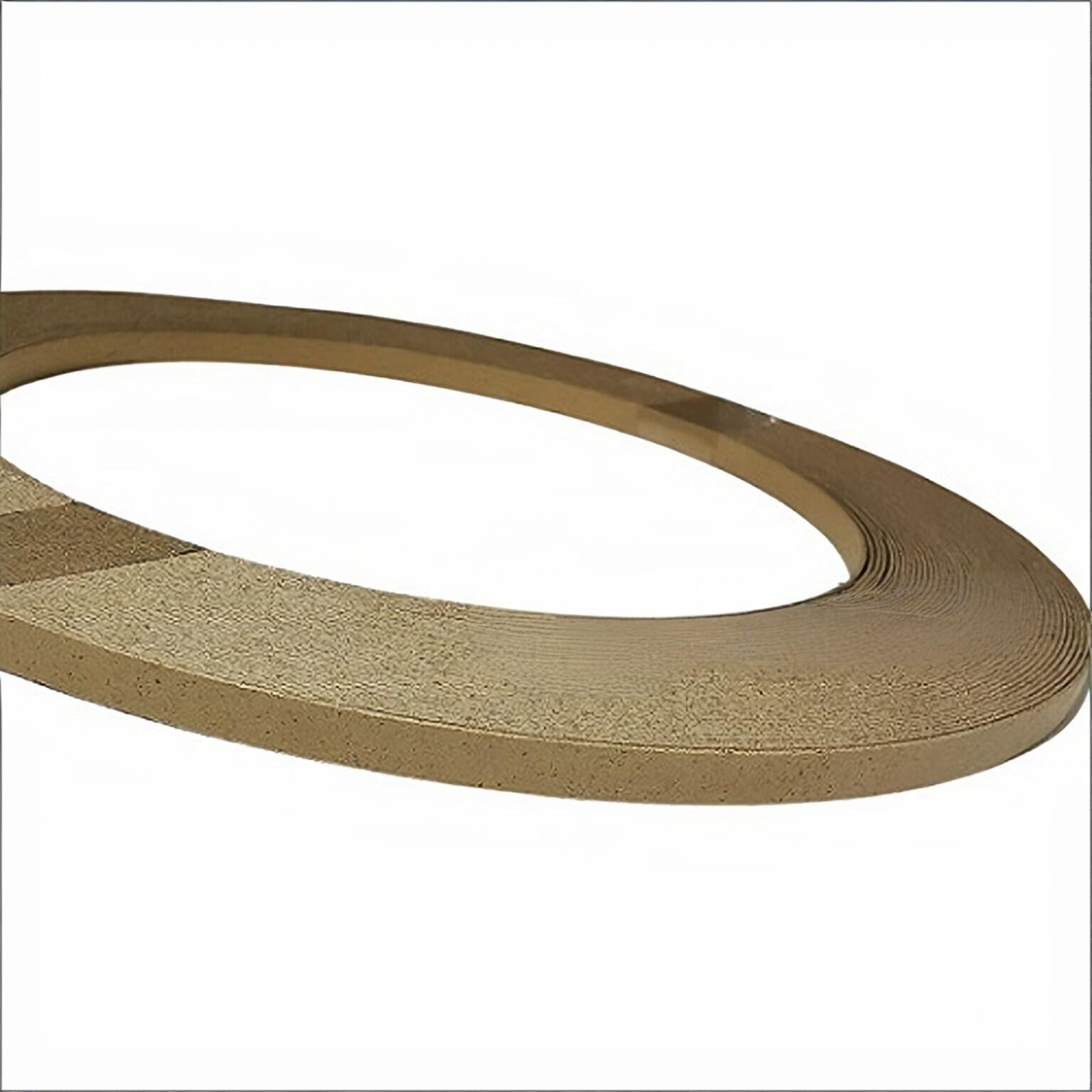
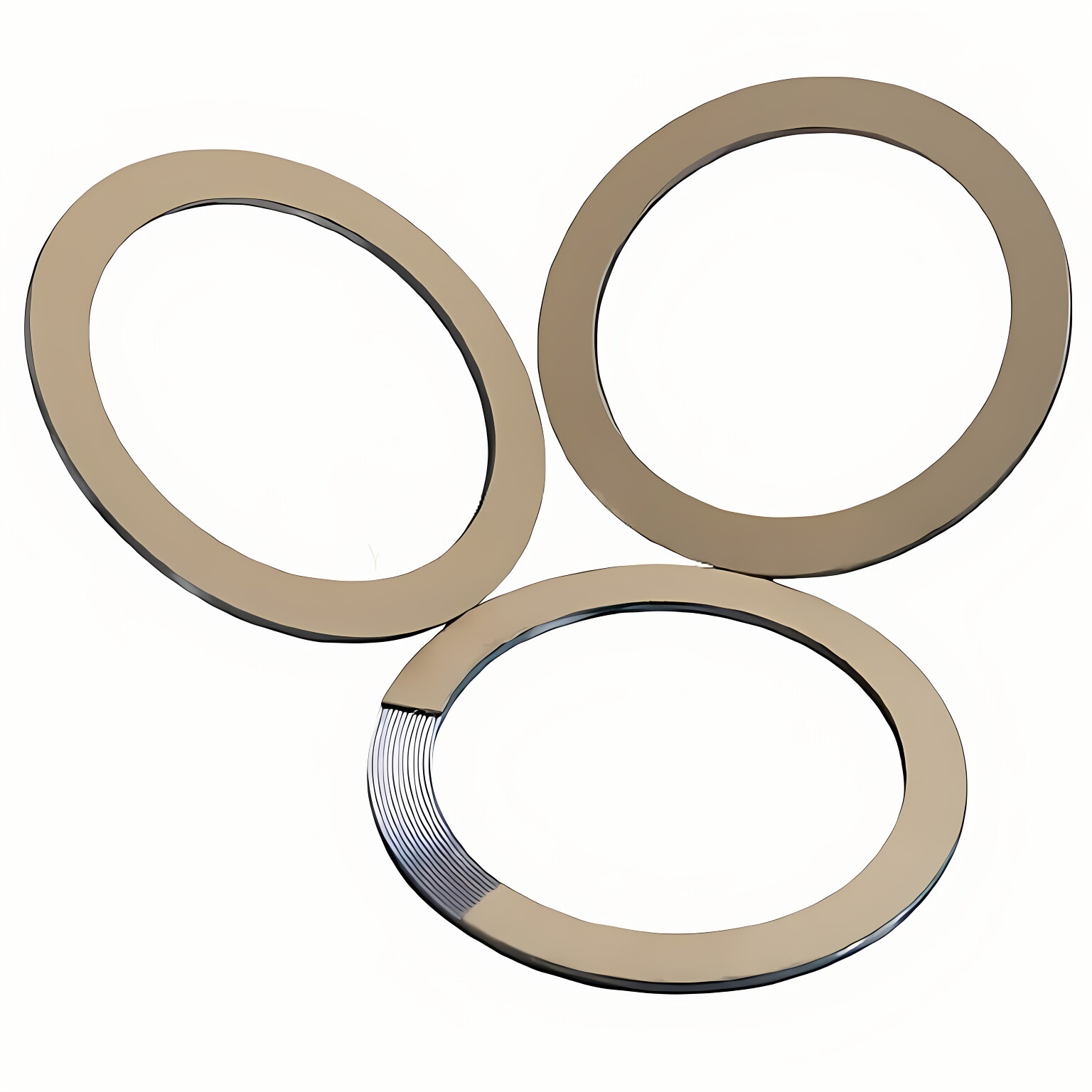
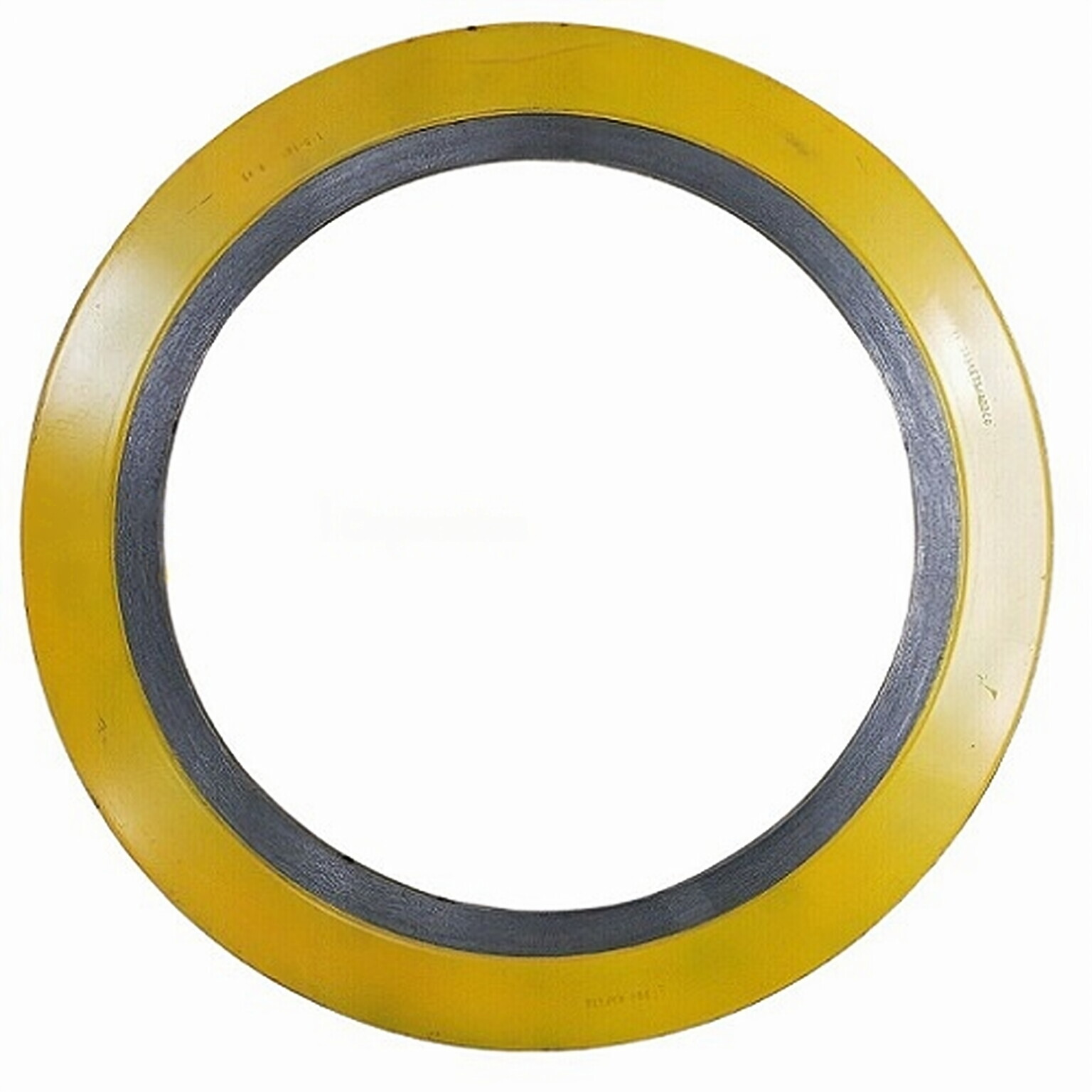
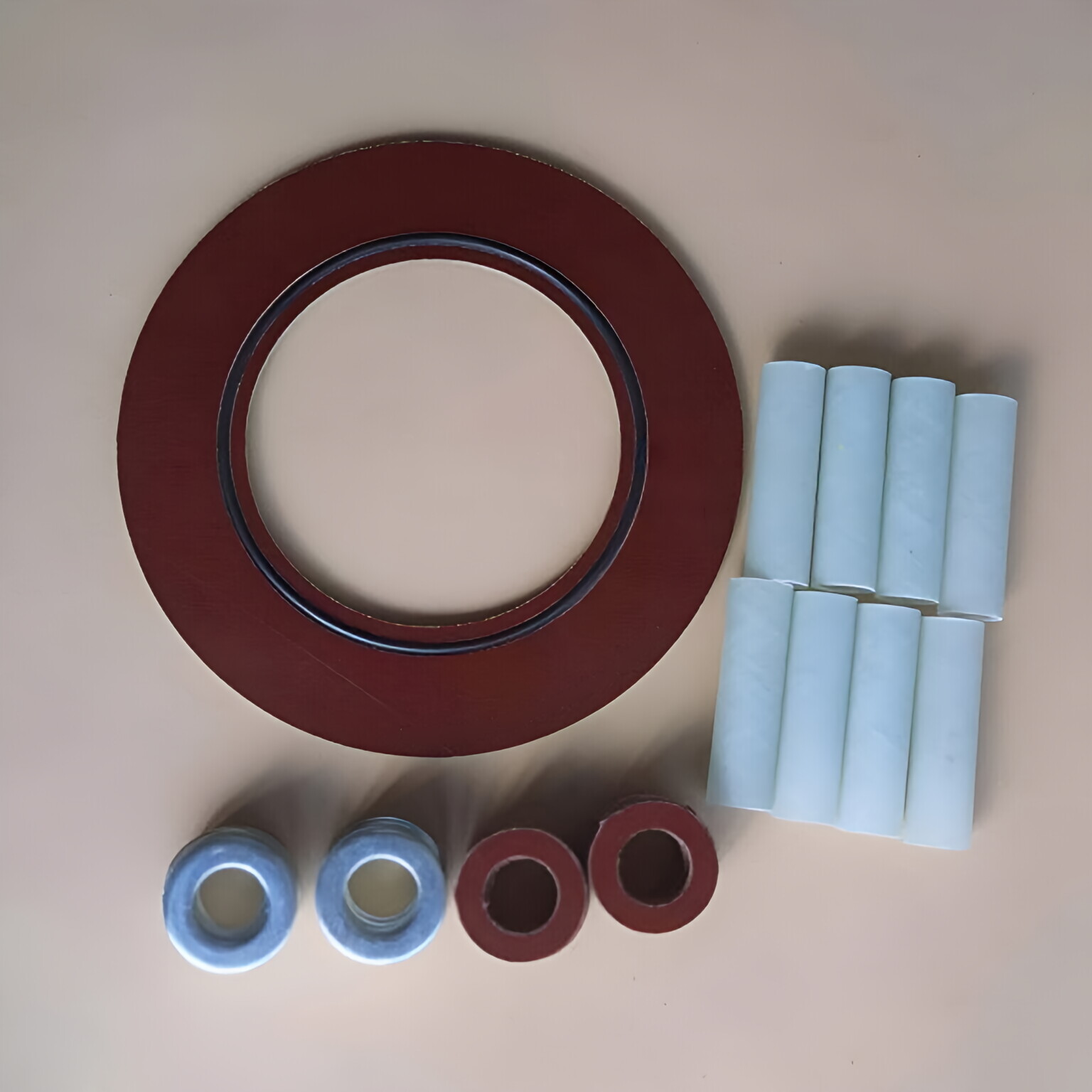
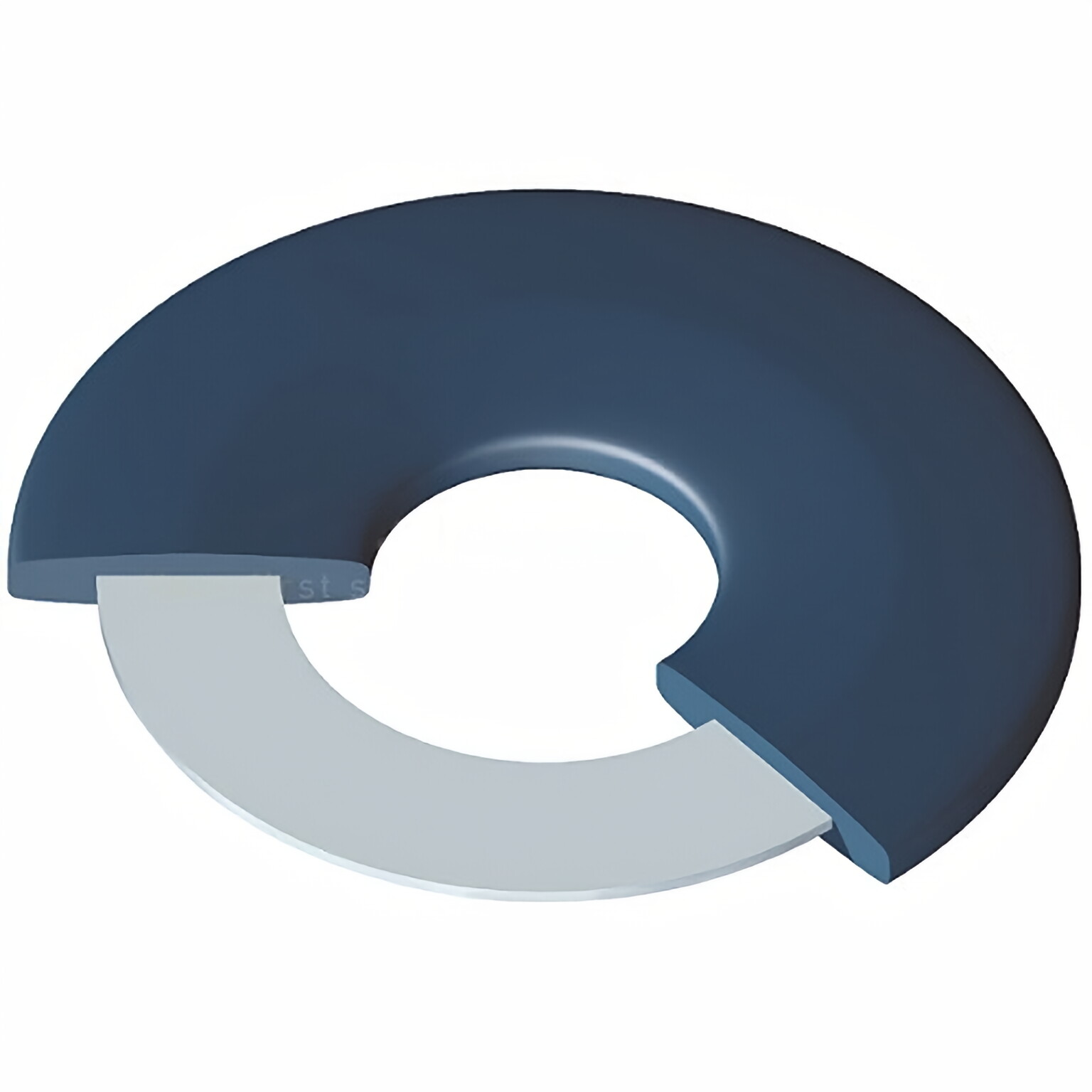
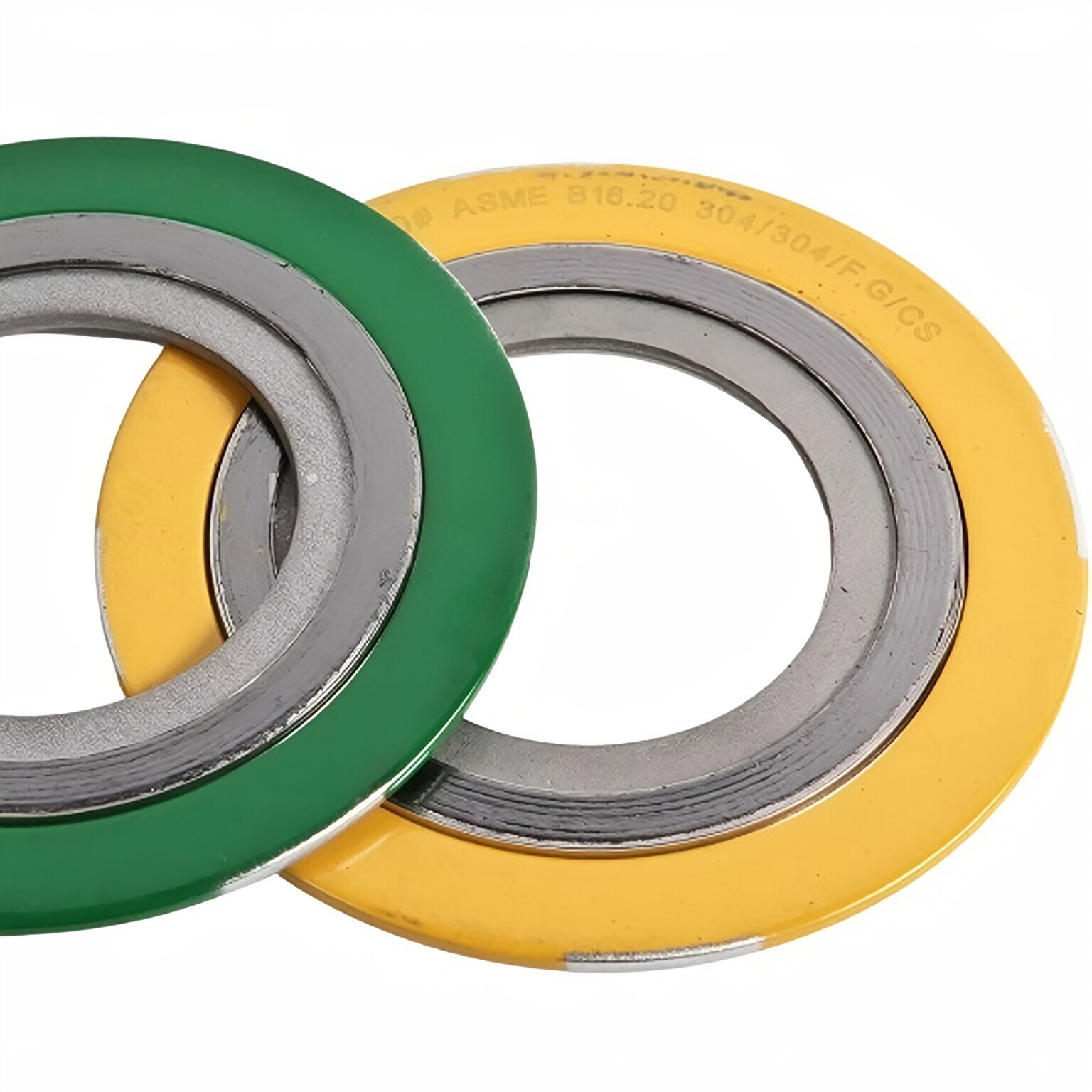
A spiral wound gasket is a mechanically robust seal created by winding a pre-formed metal strip and a filler material in a V-shaped spiral around a metal centering ring. This combination creates a resilient, spring-like structure that compensates for flange irregularities, bolt stress relaxation, and thermal cycling. The choice of raw materials for each component is paramount.
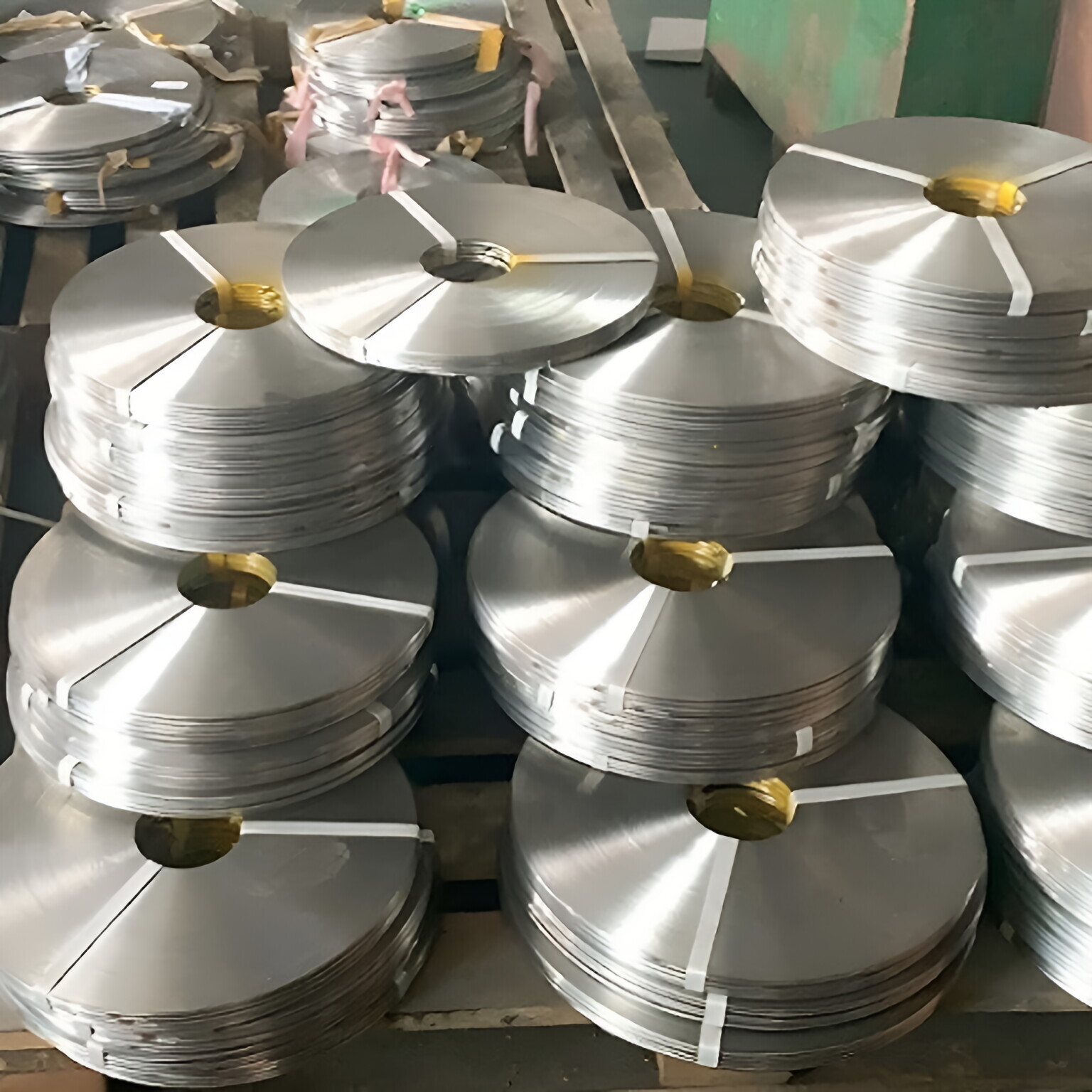
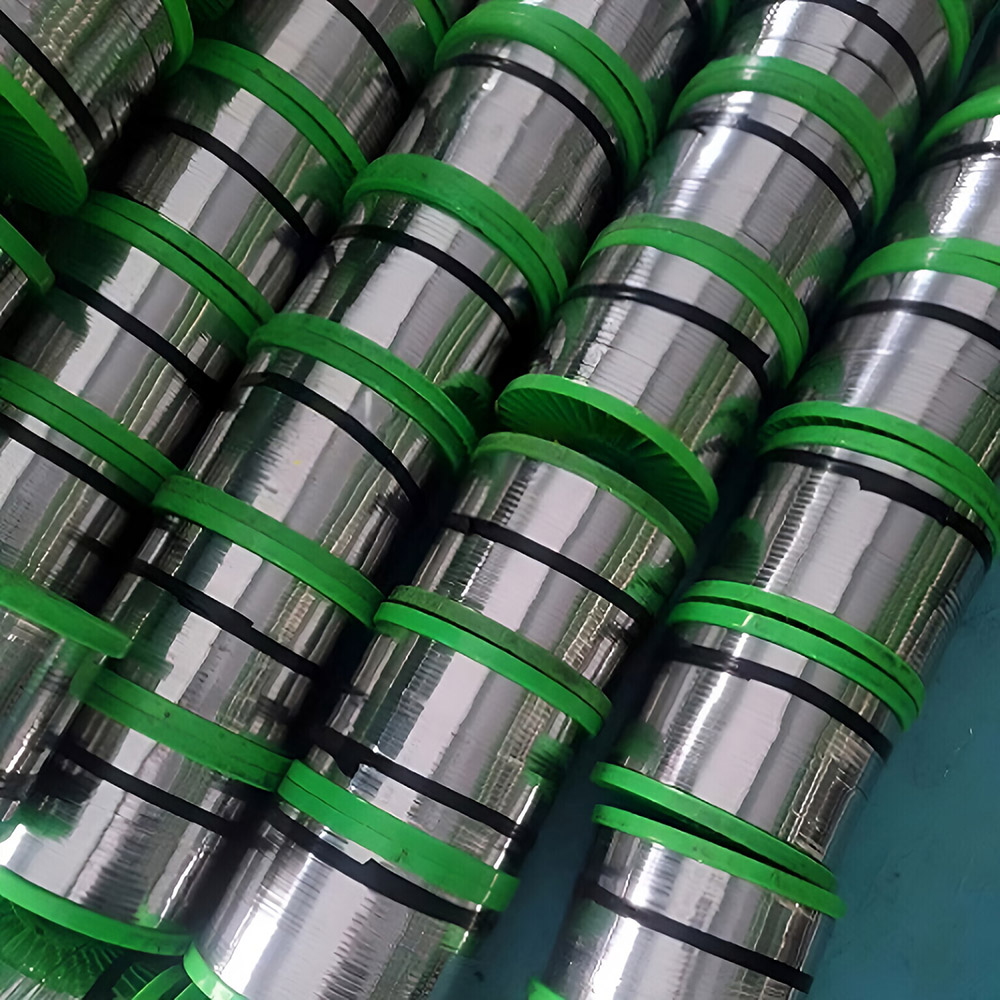
The metal winding provides the gasket's mechanical strength, spring-back, and structural integrity. The selection is based on corrosion resistance, temperature capability, and strength.
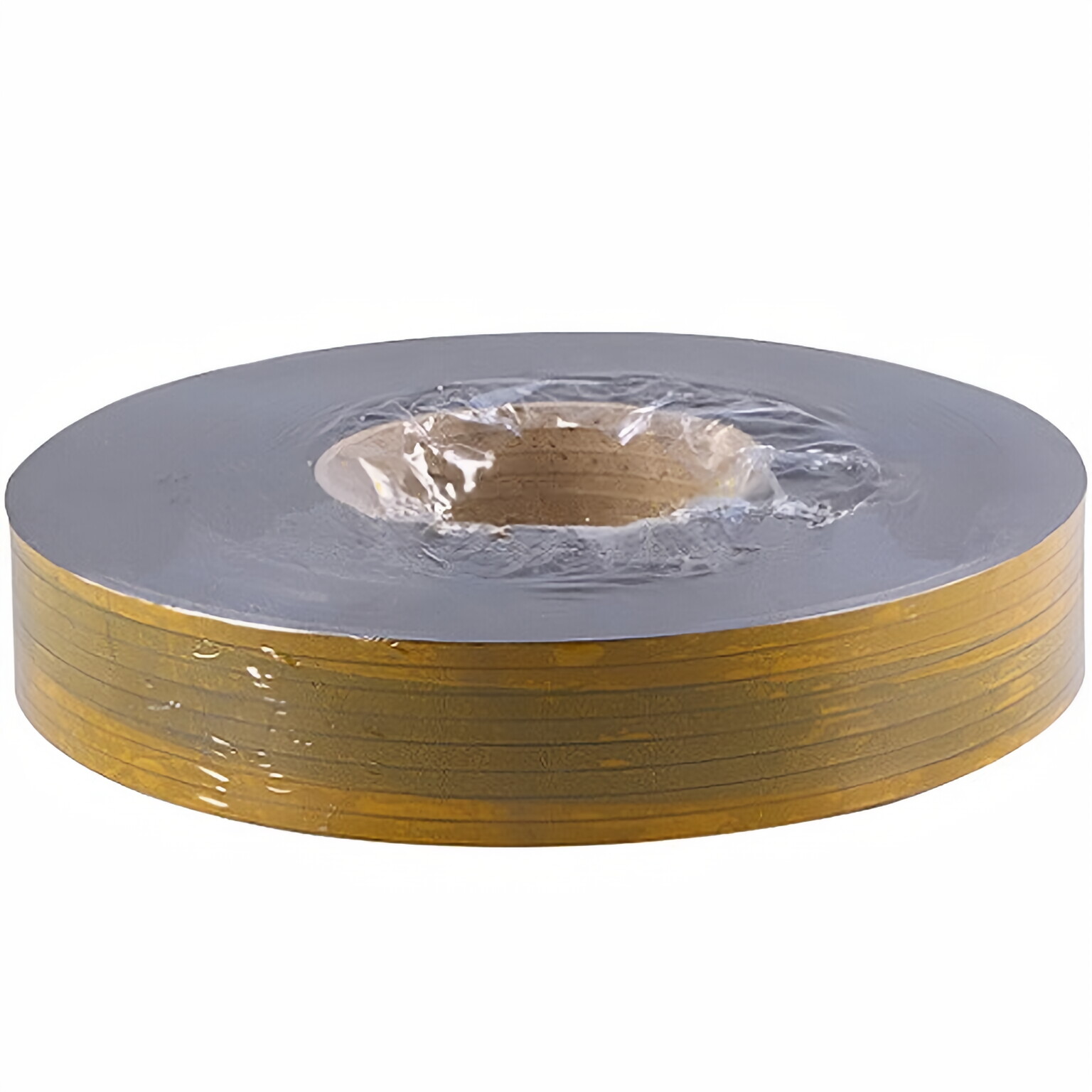
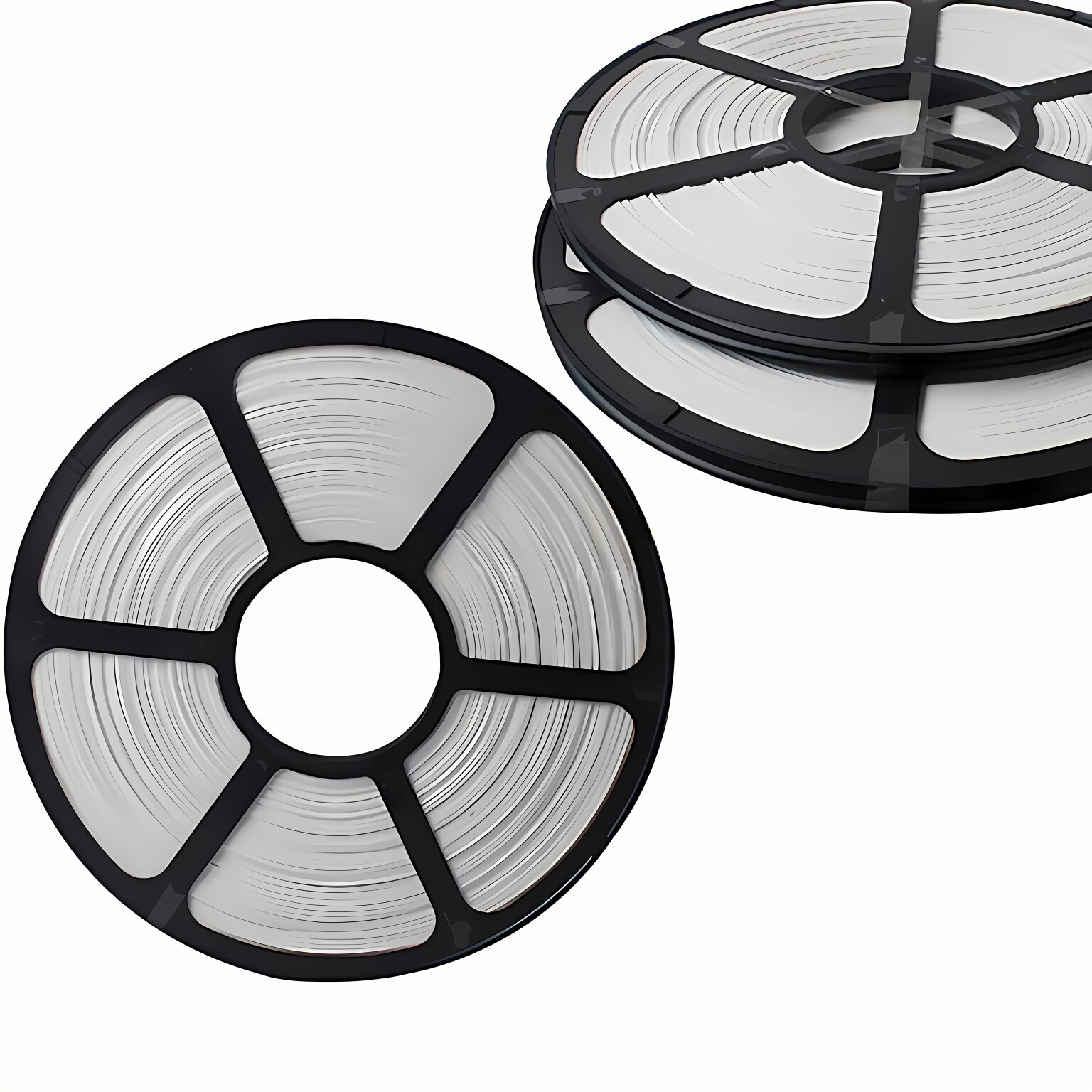
The filler material is wound concurrently with the metal strip, providing the primary seal by filling microscopic flange imperfections. It must be chemically compatible with the medium and capable of withstanding process temperatures.
This outer ring holds the spiral wound element, centers it between flanges, and provides a compression stop to prevent over-stressing the winding.
The table below outlines common standard combinations offered by Kaxite Sealing. Custom combinations are available for specialized applications.
| Metal Winding Material | Typical Filler Material | Centering Ring Material | Max. Temp. (°C/°F)* | Primary Application Suitability | Kaxite Product Series Code |
|---|---|---|---|---|---|
| 304/304L Stainless Steel | Expanded Graphite | Carbon Steel / 304 SS | 450°C / 842°F | General Petrochemical, Refining, Hot Oil | KX-SWG-304Gr |
| 316/316L Stainless Steel | Expanded Graphite | 316 SS | 450°C / 842°F | Chemical Processing, Chloride Environments | KX-SWG-316Gr |
| 316/316L Stainless Steel | PTFE | 316 SS | 260°C / 500°F | Aggressive Acids, Caustics, High Purity | KX-SWG-316PT |
| 321 Stainless Steel | Expanded Graphite | 321 SS | 540°C / 1004°F | High-Temp Steam, Heat Exchangers | KX-SWG-321Gr |
| 347 Stainless Steel | Ceramic Fiber | 347 SS | 1000°C / 1832°F | Furnace, Exhaust, Extreme Heat | KX-SWG-347CF |
| Alloy 20 | PTFE | Alloy 20 | 260°C / 500°F | Sulfuric Acid, Phosphate, Chemical Reactors | KX-SWG-A20PT |
| Monel 400 | Expanded Graphite | Monel 400 | 450°C / 842°F | Marine, HF Acid, Alkaline Services | KX-SWG-MONGr |
| Titanium | Expanded Graphite | Titanium | 450°C / 842°F | Seawater, Chlorine, Oxidizing Media | KX-SWG-TIGr |
*Temperature limits are approximate and depend on pressure, media, and continuous vs. cyclic service. Always consult Kaxite Sealing engineering data.
Beyond material selection, precise engineering defines gasket performance. Kaxite Sealing gaskets are manufactured to ASME B16.20, API 601, and other international standards.
Q: What is the most important factor when selecting raw materials for a spiral wound gasket?
A: The single most critical factor is chemical compatibility between the process media and both the metal winding and the filler material. A material selection error here leads to rapid gasket degradation and failure. Always consult chemical resistance charts and, when in doubt, conduct compatibility tests or consult with Kaxite Sealing engineers for recommendations based on the exact service conditions.
Q: Why is Expanded Graphite so commonly used as a filler material?
A: Expanded Graphite offers an exceptional balance of properties: it is highly compressible and resilient (excellent recovery), seals effectively on relatively rough flange surfaces, has outstanding thermal conductivity, and resists a very broad range of chemicals (except strong oxidizers like nitric acid or saturated chlorine). Its wide temperature range makes it suitable for most common industrial applications.
Q: Can I use a 316 Stainless Steel gasket with Graphite filler for any chemical service?
A: No. While 316/Graphite is a versatile combination, it is not universal. The metal 316 is susceptible to corrosion from hydrochloric acid, sulfuric acid at certain concentrations and temperatures, and chlorides at elevated temperatures. The graphite filler is attacked by strong oxidizers. The selection must always be cross-referenced with the specific media, concentration, and temperature.
Q: What is the purpose of the inner ring on some spiral wound gaskets?
A: An inner ring, typically matching the winding metal, serves two key purposes. First, it prevents the spiral wound coil from buckling inward under high internal pressure, which could restrict flow or cause failure. Second, it provides a barrier that protects the filler material from direct exposure to erosive or high-velocity flow, extending gasket life. It is highly recommended for Class 600 and higher pressures and for erosive services.
Q: How does temperature affect the choice of raw materials?
A: Temperature impacts both metal and filler. Metals can lose strength or be subject to creep at high temperatures. Fillers have strict upper (and lower) temperature limits; for example, PTFE begins to soften above 260°C, while graphite can oxidize rapidly in air above 450°C. For very high temperatures, ceramic fiber filler with alloys like 347 or Inconel is necessary. Thermal cycling also demands materials with good fatigue resistance and recovery.
Q: My application involves thermal cycling. What material characteristics are vital?
A: For thermal cycling, the spring-back (recovery) of the gasket is paramount. The metal winding must maintain its elastic properties over the temperature range. Alloys like 321 and 347 are excellent for this. The filler must also maintain its integrity and not become brittle or degrade. Expanded Graphite generally performs well in cyclic service due to its resilience.
Q: What certifications or traceability does Kaxite Sealing provide for raw materials?
A: Kaxite Sealing is committed to full material traceability. We provide Mill Test Certificates (MTCs/CofC) for all metal winding and centering ring materials upon request. Our filler materials are sourced from reputable global suppliers with their own quality certifications. This documentation is crucial for quality assurance and compliance in regulated industries like oil & gas and nuclear power.
Q: Are there non-standard combinations available for unique challenges?
A: Absolutely. While the table above shows standard combinations, Kaxite Sealing specializes in engineering custom solutions. This can include special metal alloys (Hastelloy, Incoloy), proprietary filler blends, custom densities, or unique winding patterns to address specific challenges of extreme pressure, cryogenic temperature, ultra-high vacuum, or unique chemical cocktails.