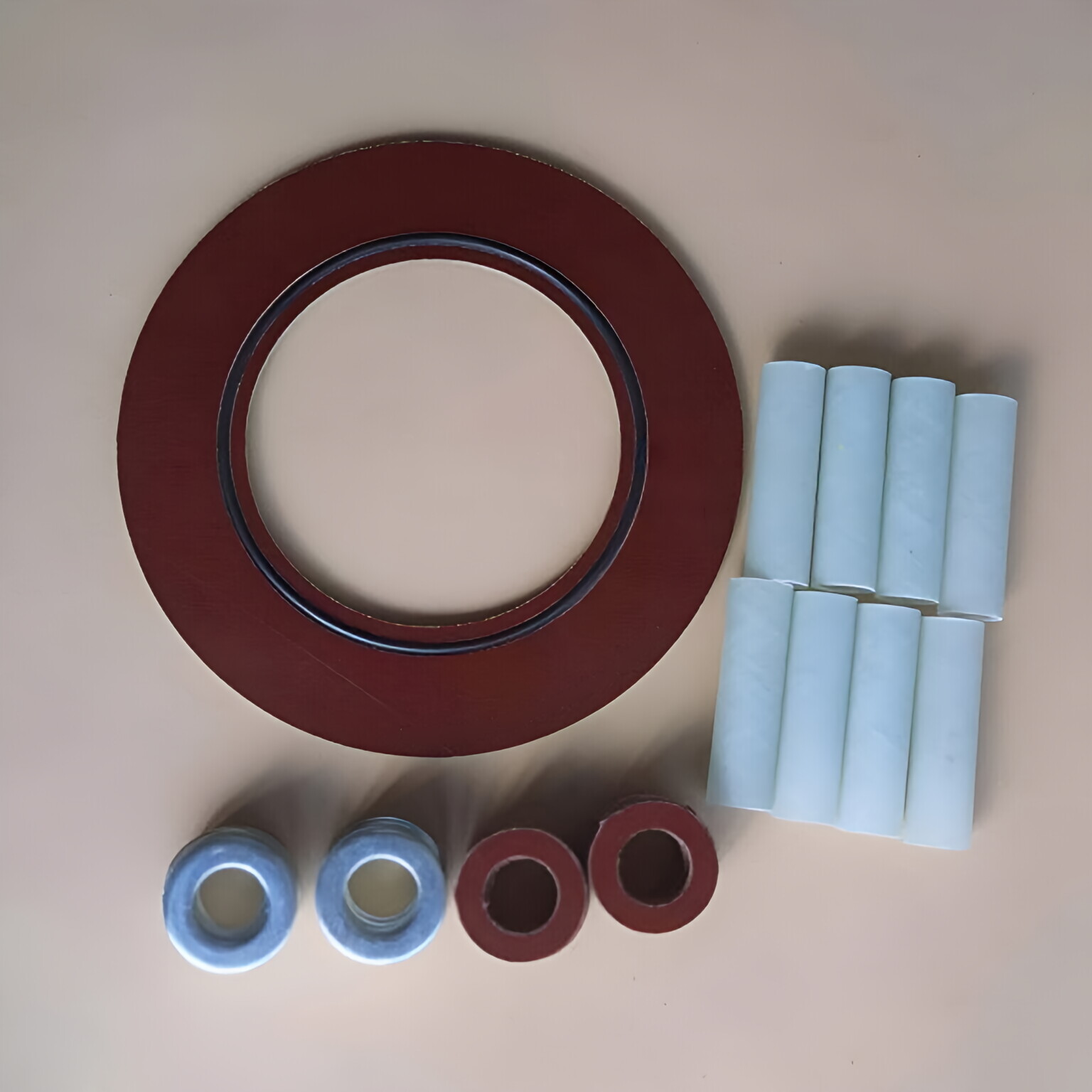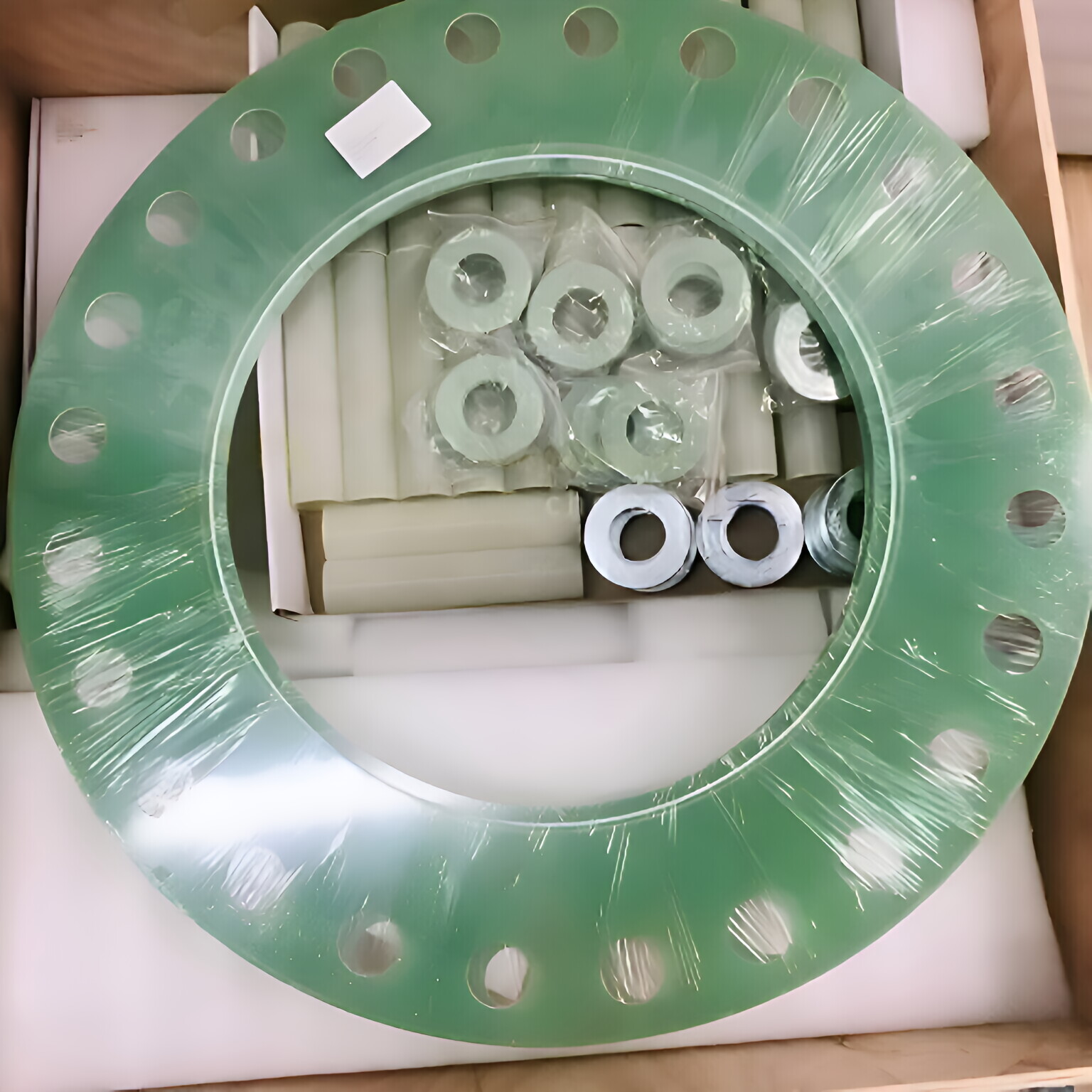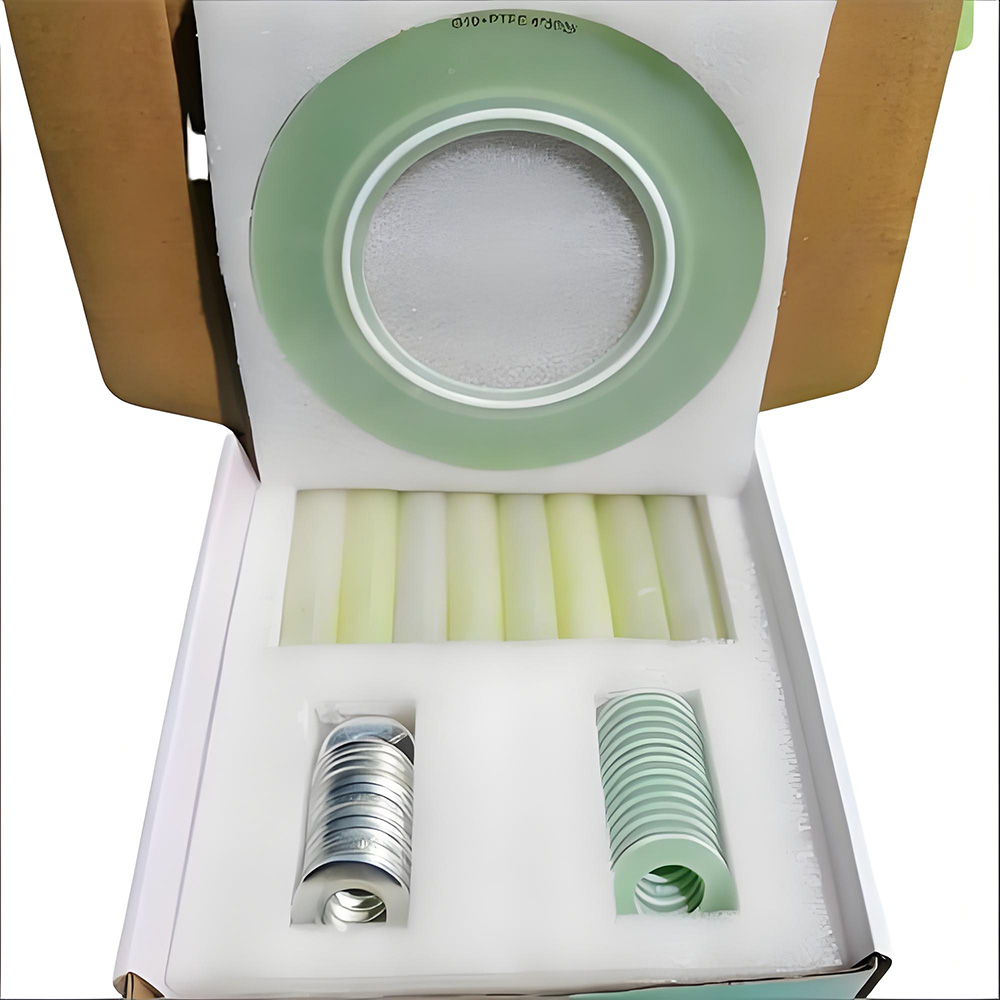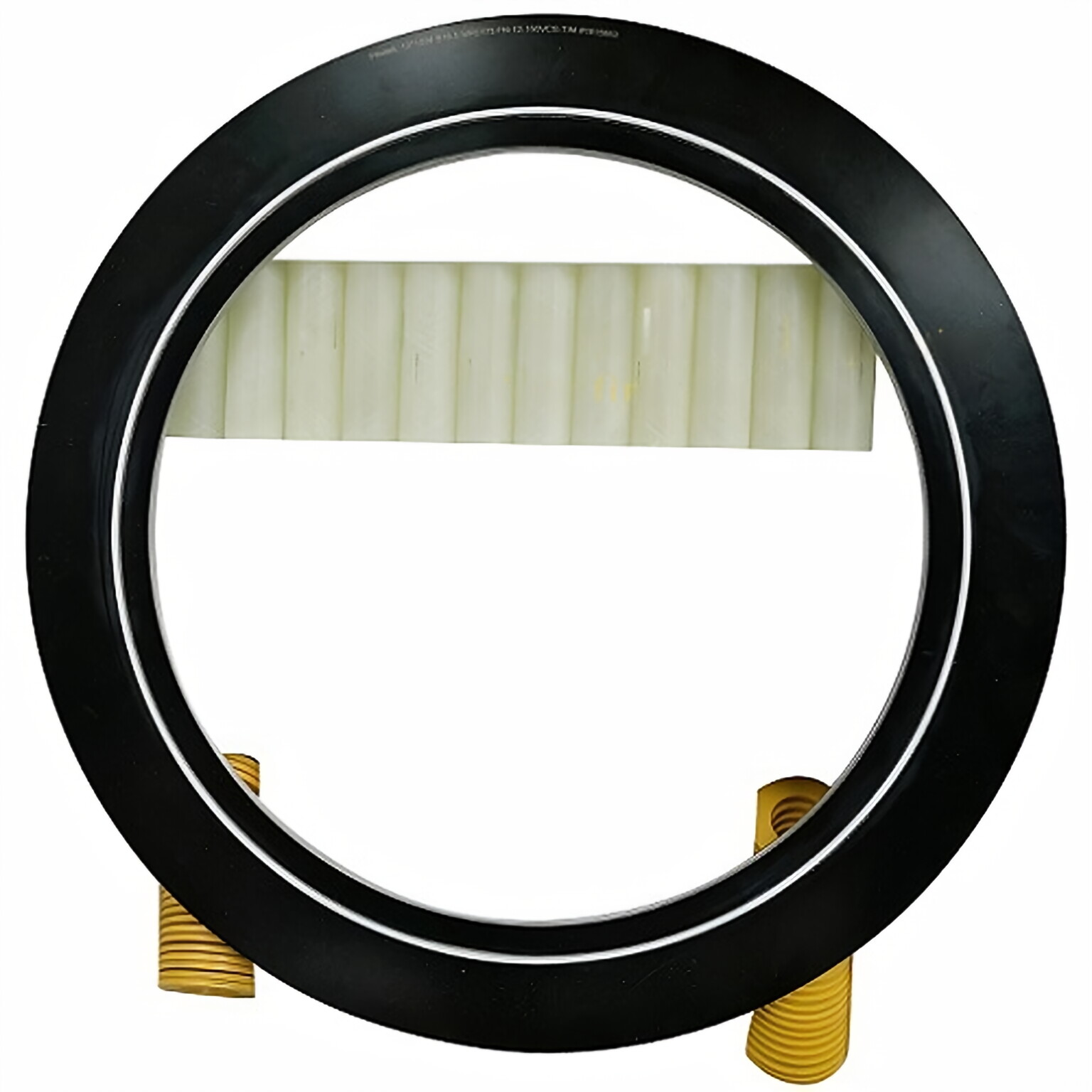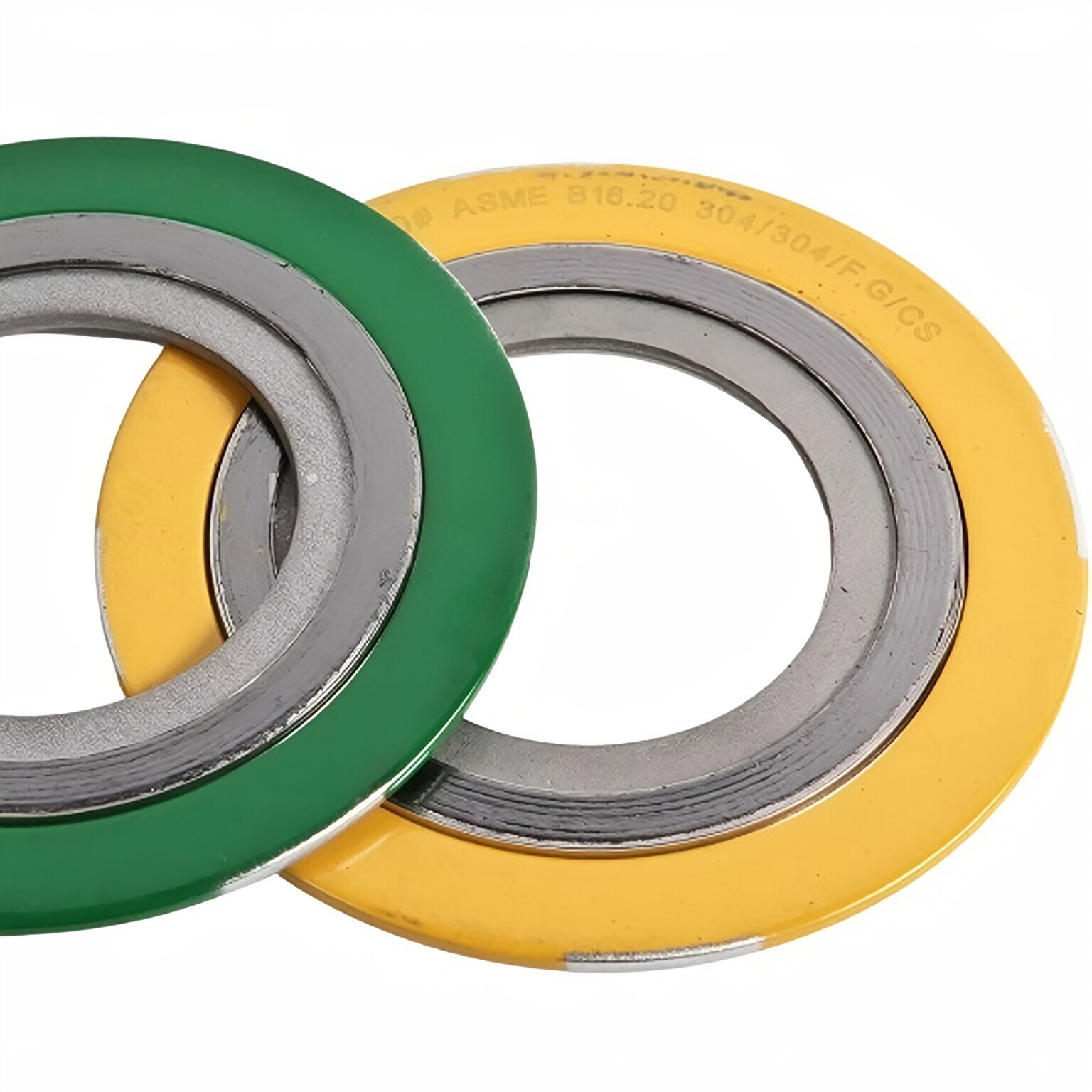
In industrial piping and flange systems, controlling corrosion and ensuring electrical isolation are paramount for safety, longevity, and system integrity. This is where Flange Isolation Gasket Kits become an indispensable engineering solution. A Flange Isolation Gasket Kit is a comprehensive assembly designed to prevent galvanic corrosion and block the passage of electrical currents between flanged connections while maintaining a leak-proof seal. These kits are essential in industries such as oil & gas, water treatment, chemical processing, and marine applications, where dissimilar metals are joined, or where cathodic protection systems are in use.
Kaxite Sealing specializes in designing and manufacturing high-performance isolation kits that meet the most demanding specifications. Our kits are engineered not just to isolate but to provide superior sealing under high pressure and temperature variations, ensuring your assets are protected from costly corrosion damage and operational failures.
A typical isolation kit is more than just a gasket. It's a system. The primary components include:
Kaxite Sealing kits are supplied as complete, ready-to-install units, with all components precisely sized and matched for your specific flange dimensions (ASME B16.5, B16.47, EN/DIN standards, etc.), eliminating guesswork and ensuring a perfect fit.
Selecting the correct isolation kit requires careful consideration of service conditions. Below are the key parameters that define Kaxite Sealing Flange Isolation Gasket Kits.
The selection of gasket material is dictated by the process fluid, temperature, and pressure.
| Gasket Material | Max Continuous Temp. | Primary Chemical Resistance | Pressure Range (Typical) | Best For |
|---|---|---|---|---|
| Virgin PTFE (Teflon®) | 500°F (260°C) | Excellent resistance to almost all chemicals and solvents. | Up to 300 psi (20 bar) | Aggressive chemicals, high purity services. |
| Filled PTFE (e.g., Glass, Graphite) | 500°F (260°C) | Excellent chemical resistance, improved creep resistance. | Up to 450 psi (31 bar) | Higher pressure services with corrosive media. |
| FEP | 400°F (204°C) | Similar to PTFE, excellent chemical resistance. | Up to 250 psi (17 bar) | Moderate temperature chemical services. |
| Modified PTFE Composite | 400°F (204°C) | Good to excellent chemical resistance, superior sealing at lower bolt loads. | Up to 600 psi (41 bar) | Standard oil & gas, water, and utility services. |
Kaxite Sealing kits are manufactured to conform to international standards. The following table outlines common flange ratings and compatible kit configurations.
| Flange Standard | Pressure Class (ASME) | Nominal Size Range | Recommended Kit Type (Kaxite) | Tested Dielectric Strength (Min.) |
|---|---|---|---|---|
| ASME B16.5 | 150#, 300#, 600# | 1/2" to 24" | Standard Full-Face Isolation Kit | 1000 Volts AC |
| ASME B16.47 Series A/B | 150#, 300#, 600# | 26" to 60" | Heavy-Duty Isolation Kit with Reinforced Retainer | 1000 Volts AC |
| EN 1092-1 (PN Series) | PN6, PN10, PN16, PN25, PN40 | DN15 to DN600 | Metric Standard Isolation Kit | 1000 Volts AC |
| API 6A / 6B | 5000 psi, 10000 psi | 1-13/16" to 7-1/16" | High-Pressure Wellhead Isolation Kit | 1500 Volts AC |
Q: What is the primary purpose of a Flange Isolation Gasket Kit?
A: The primary purpose is twofold: to prevent galvanic corrosion caused by the electrochemical reaction between two dissimilar metals in contact within an electrolyte (like water), and to provide electrical isolation to block stray currents, which can accelerate corrosion and interfere with cathodic protection systems. It creates a complete dielectric barrier within the flanged joint while maintaining a pressure-tight seal.
Q: How do I know if my application requires an isolation kit?
A: You likely need an isolation kit if: 1) Your piping system connects pipes or equipment made of different metals (e.g., carbon steel to stainless steel, bronze to steel). 2) The system is part of, or located near, an impressed current cathodic protection system. 3) There is a history of unexplained corrosion at flanged joints. 4) Specifications or engineering standards for your project mandate electrical isolation. When in doubt, consult with a corrosion engineer or a specialist like Kaxite Sealing.
Q: Can I use a standard gasket with plastic sleeves and washers instead of a full kit?
A: While it might seem similar, using mismatched components is highly discouraged. A properly engineered kit from Kaxite Sealing ensures all components—gasket thickness, sleeve length, washer inner/outer diameter—are precisely calculated to work together. This guarantees uniform bolt loading, correct compression of the gasket, and a continuous isolation barrier. Improvised solutions risk gasket blow-out, insufficient isolation, or leakage.
Q: What is the difference between a "Full-Face" and an "Inner-Bolt-Circle" (IBC) isolation gasket?
A: A Full-Face gasket covers the entire flange face from the inner diameter (ID) to the outer diameter (OD), covering all bolt holes. It is always used with a steel retainer ring for support. An IBC gasket sits inside the bolt circle and does not cover the bolt holes. Full-face kits with retainers are standard for most ASME B16.5 flanges as they provide excellent stability and prevent over-compression. IBC gaskets are often used with lap joint flanges or specific European standards.
Q: How do I properly install a Flange Isolation Gasket Kit?
A: Proper installation is critical. First, ensure flange faces are clean, undamaged, and aligned. Slide isolation sleeves into each bolt hole. Place the isolation gasket (assembled with its steel retainer, if applicable) carefully onto the flange face, aligning it with the sleeves. Insert the bolts through the sleeves. Place an isolation washer, followed by a steel washer (if supplied), onto each bolt before threading the nut. Tighten bolts in a star-pattern (cross-bolting) sequence to the recommended torque value in multiple passes to ensure even compression. Never use impact wrenches for final tightening.
Q: What are the torque requirements, and why are they so important?
A: Correct bolt torque is essential to compress the gasket sufficiently to create a seal without crushing the isolation components or causing the gasket material to creep and fail. The required torque depends on the gasket material, size, pressure class, and bolt grade. Kaxite Sealing provides detailed, material-specific torque tables with every kit. Under-torquing leads to leaks; over-torquing can damage sleeves, split washers, or over-compress the gasket, destroying its sealing and isolating properties.
Q: Are Kaxite Sealing isolation kits reusable?
A: As a general rule, isolation gasket kits are considered one-time use, especially the gasket component. Once compressed during installation, the gasket material has undergone permanent deformation (cold flow). Reusing it will not guarantee the same sealing performance or dielectric integrity. Isolation sleeves and washers may be reused if inspected and found to be undamaged, but for guaranteed reliability, Kaxite Sealing recommends using a completely new kit for any reassembly.
Q: Can these kits be used for high-temperature and high-pressure applications?
A: Absolutely. Kaxite Sealing offers engineered solutions for extreme conditions. For high temperatures, we offer kits with filled PTFE or alternative high-temp polymers. For very high pressures (e.g., wellhead applications), we design kits with robust steel retainers, high-strength isolation components, and precise thickness control to withstand extreme clamping forces. Always provide your full service conditions (P, T, media) for a correct recommendation.
Q: How does Kaxite Sealing ensure the quality and performance of its kits?
A> Kaxite Sealing employs a rigorous quality management system. We source high-grade raw materials and subject them to batch testing. Every kit component is manufactured to precise tolerances. Finished kits are often sample-tested for dielectric strength (e.g., 1000V AC for 1 minute) and compression performance. Certifications like Material Test Reports (MTRs) and compliance with NACE MR0175/ISO 15156 for sour service are available upon request, providing full traceability and assurance of performance.