Imagine an offshore production platform. Piping systems, often insulated, are exposed to marine atmospheres rich in chlorides and moisture. This creates a perfect storm for Corrosion Under Insulation (CUI), a pervasive and costly issue. Standard stainless steel gaskets can suffer from pitting and stress corrosion cracking in these sour, chloride-laden environments, leading to undetected leaks, unplanned shutdowns, and severe safety hazards. The financial and operational impact is staggering.
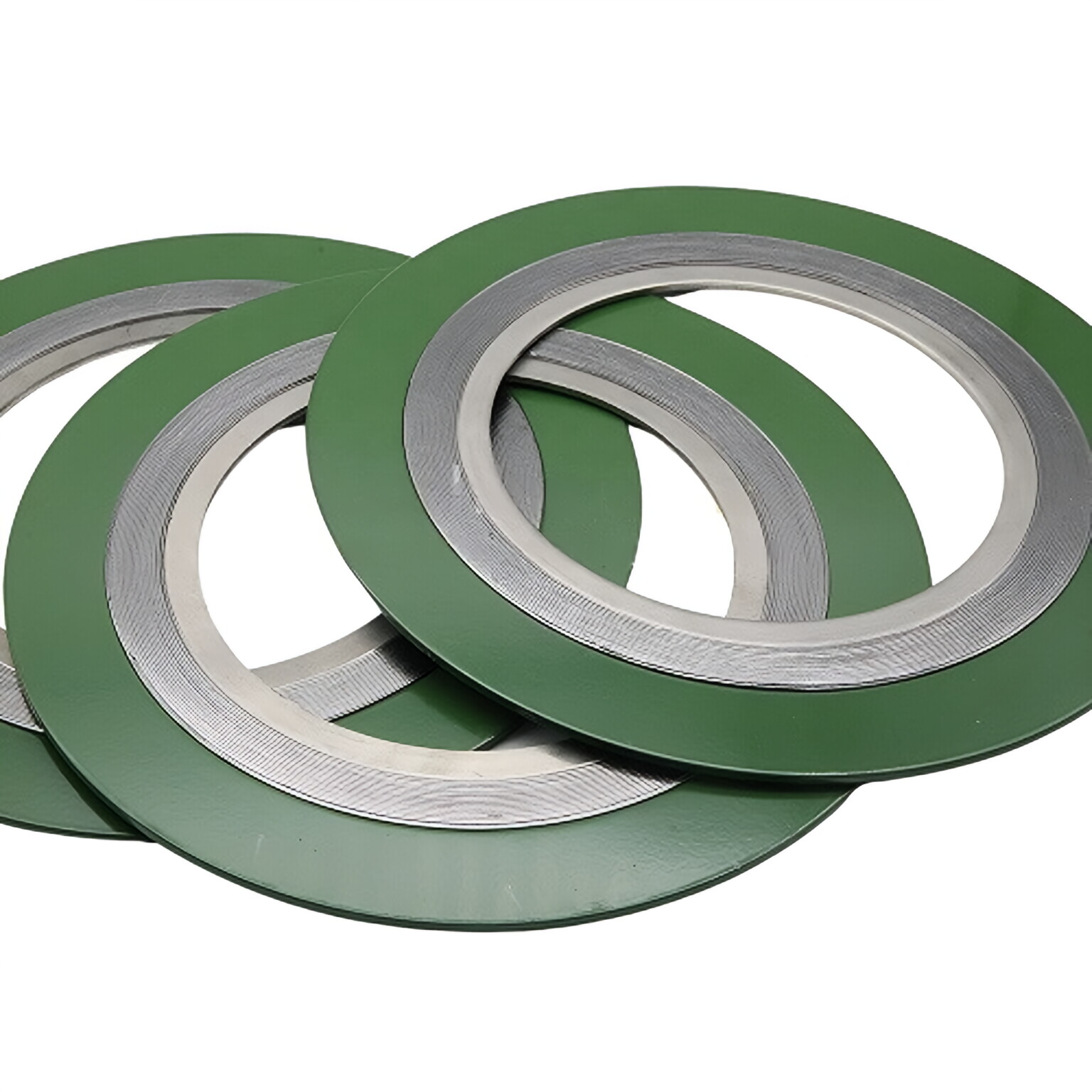
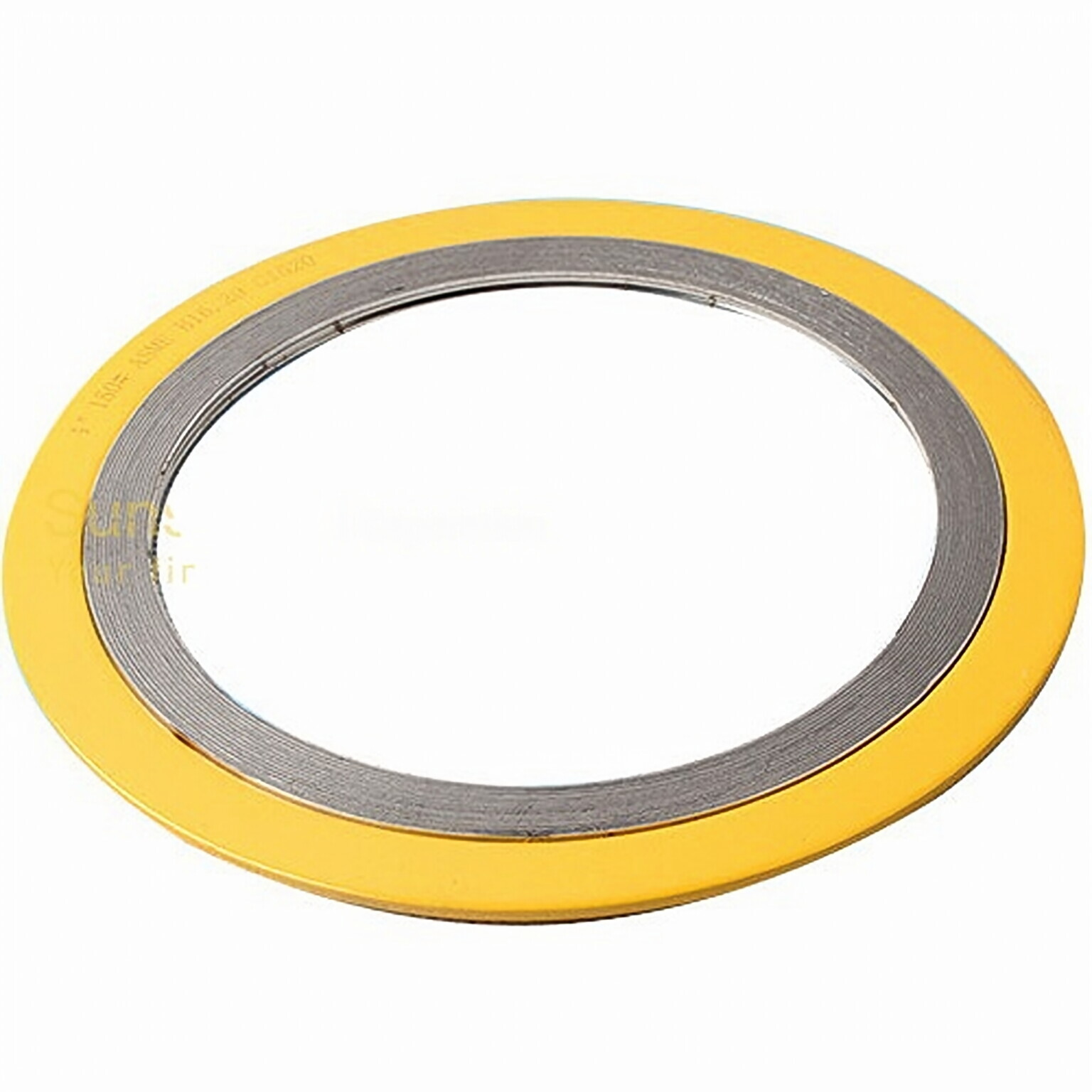
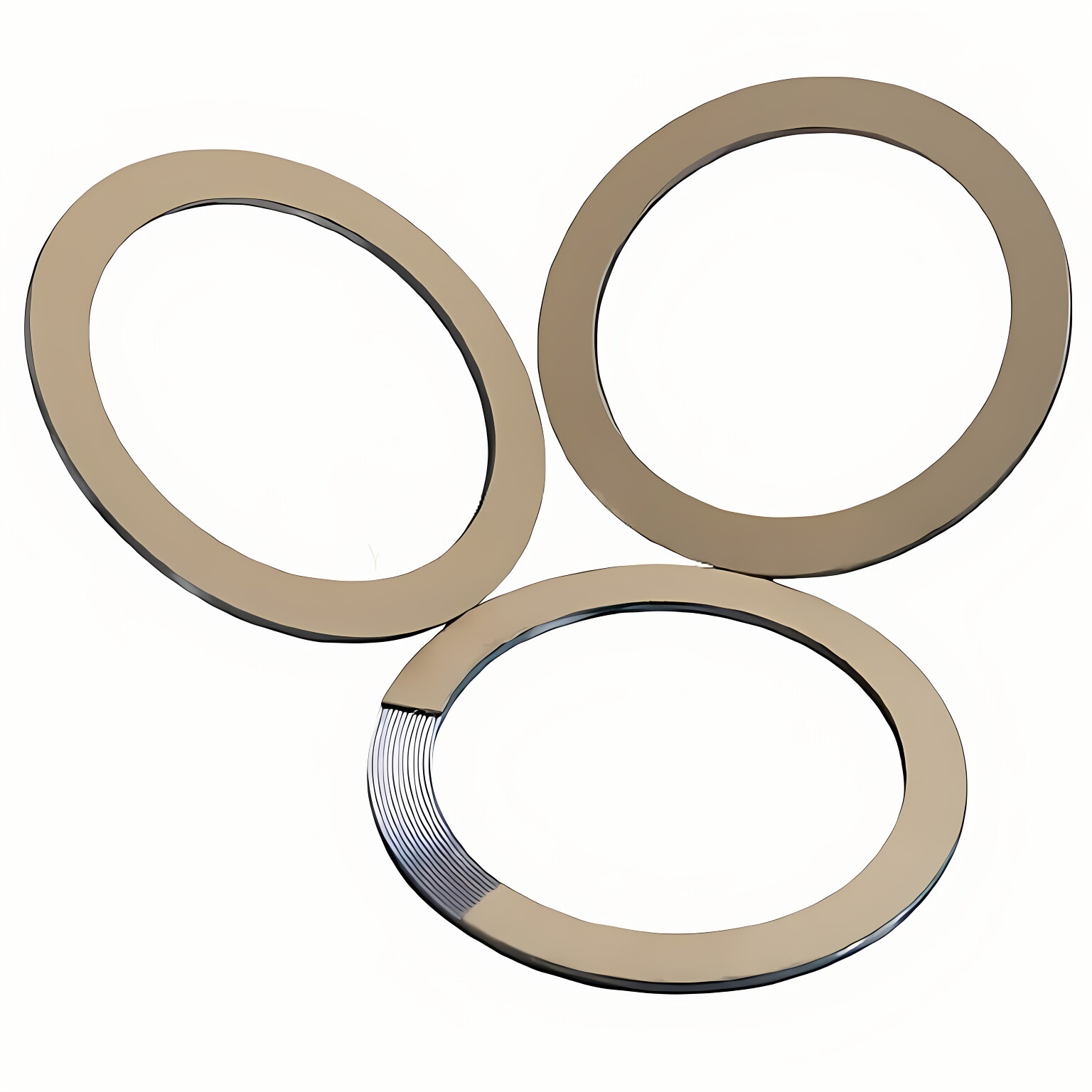
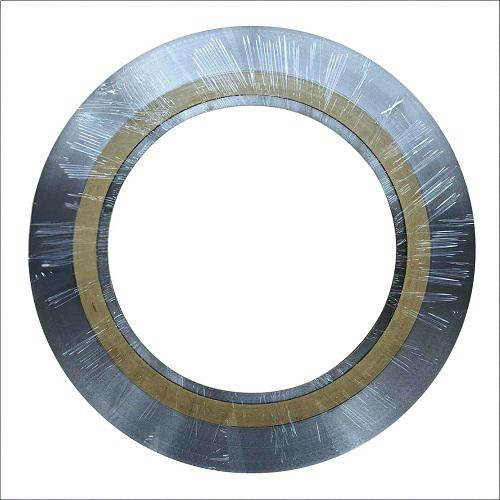
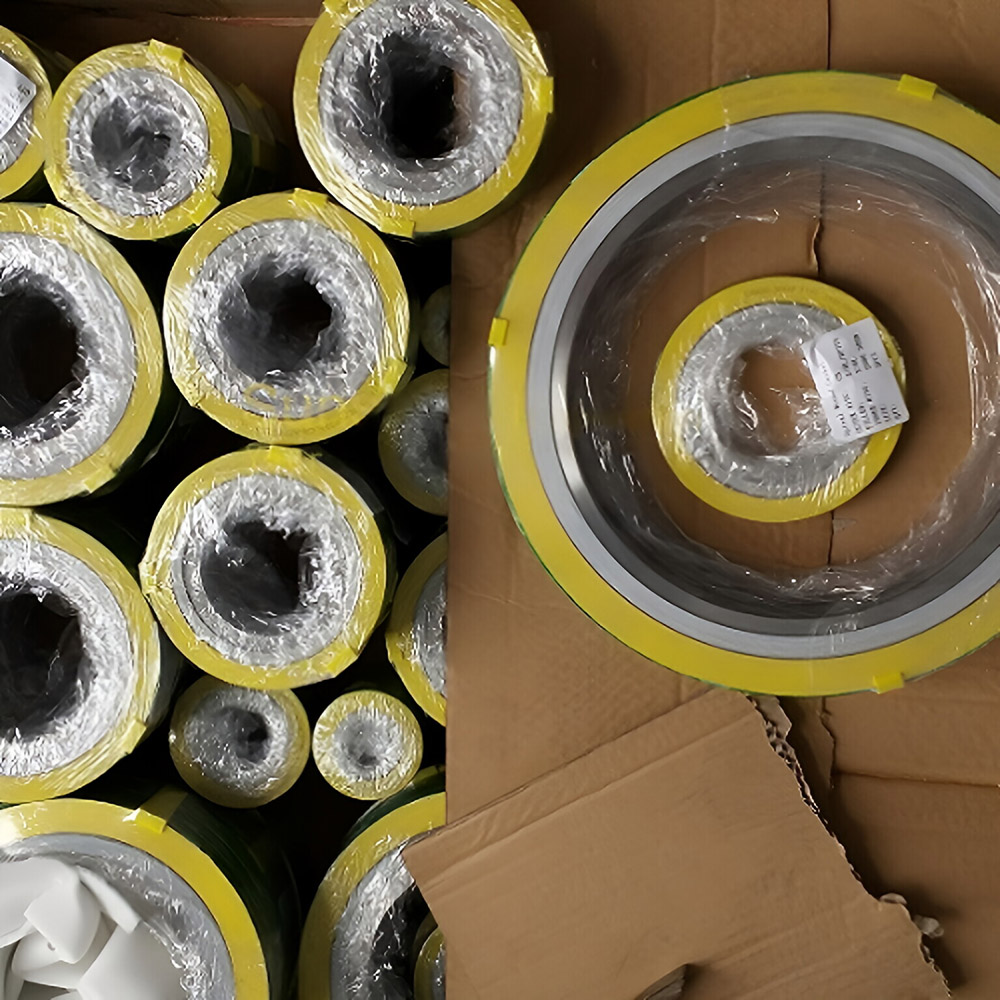
The solution lies in specifying gaskets with superior chloride stress-corrosion cracking (SCC) resistance. This is where Inconel 625 spiral wound gaskets excel. The nickel-chromium-molybdenum-niobium alloy offers outstanding resistance to a wide range of corrosive media, including chlorides, sour gas (H2S), and acidic condensates. For such demanding applications, partnering with a specialized manufacturer like Ningbo Kaxite Sealing Materials Co., Ltd. is crucial. They provide not just the material but the engineering expertise to ensure the gasket is wound with the correct density, thickness, and filler material (often flexible graphite or PTFE) to handle the specific pressure and temperature cycles of offshore service.
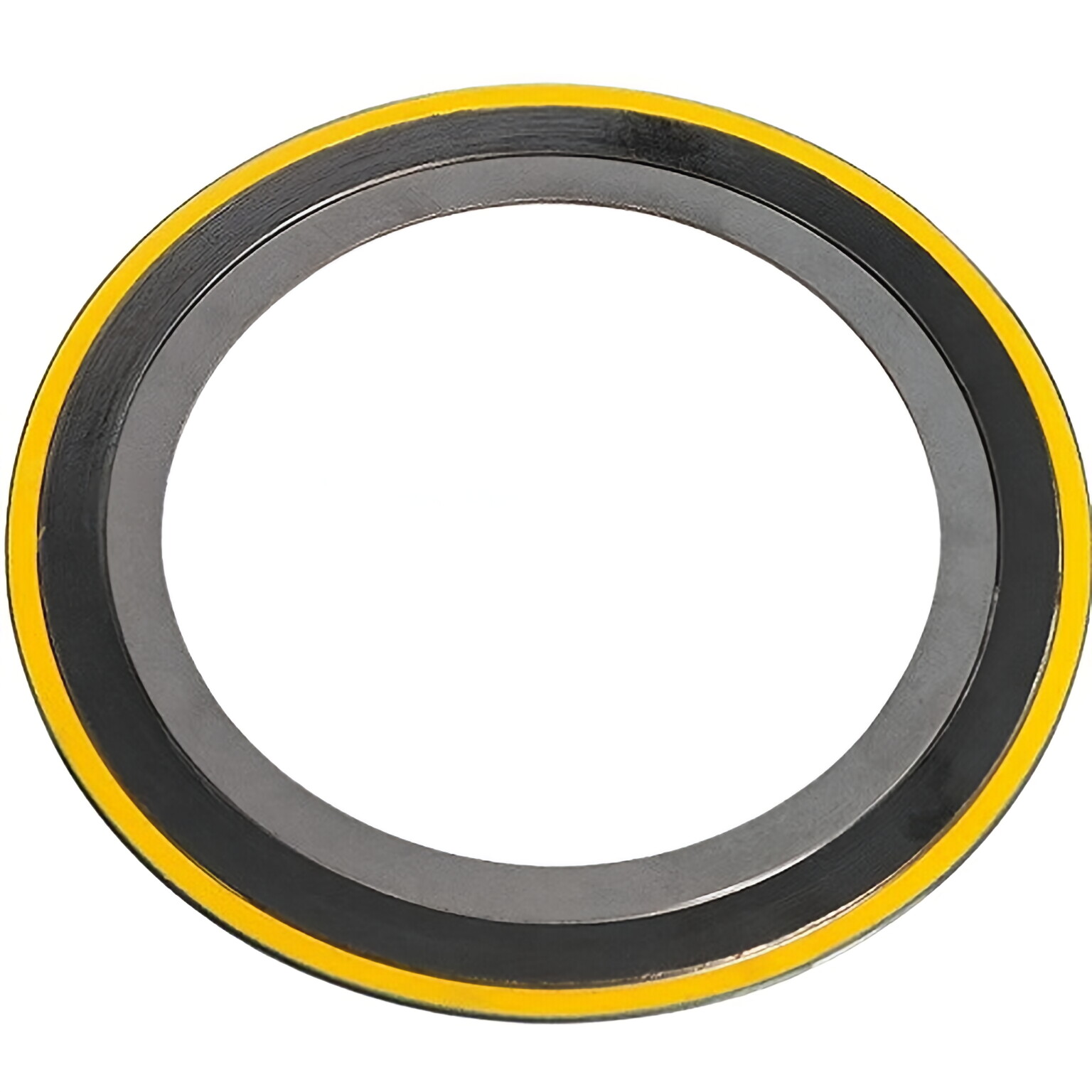
Key parameters for Inconel 625 gaskets in offshore/sour service:
| Parameter | Value / Property | Importance for Sour Service |
|---|---|---|
| Core Material | Inconel 625 (UNS N06625) | Excellent resistance to pitting, crevice corrosion, and SCC in chloride environments. |
| Maximum Temperature | Approx. 1000°C (1832°F) for short periods | Maintains strength in high-temperature flare lines or process streams. |
| pH Range | Highly resistant from acidic to mildly alkaline | Withstands acidic crudes and wash-down chemicals. |
| NACE MR0175/ISO 15156 | Compliant for H2S service | Mandatory for equipment handling sour hydrocarbons. |
| Filler Options | Flexible Graphite, PTFE, Mica | Graphite offers high temp. stability; PTFE for broader chemical resistance. |
In coal-fired power plants, Flue Gas Desulfurization (FGD) systems scrub SO2 using limestone slurry, creating an extremely corrosive environment of sulfuric acid, chlorides, and fluorides at elevated temperatures. Gaskets in absorber towers, ductwork, and pump flanges face constant attack. Standard materials fail quickly, leading to leaks of dangerous gases and slurry, causing environmental non-compliance and costly system downtime.
Inconel 625 spiral wound gaskets are a proven engineering solution here. Their key advantage is maintaining high strength and corrosion resistance in temperatures ranging from cryogenic up to about 900°C (1650°F) in oxidizing atmospheres. This makes them ideal for the hot, acidic zones within an FGD system. Ningbo Kaxite Sealing Materials Co., Ltd. understands these application nuances. They can supply gaskets with customized winding patterns and filler combinations to ensure optimal sealing force retention and creep relaxation resistance under the thermal cycling typical of FGD operations, providing a reliable, long-term seal.
Critical specifications for FGD/acidic environment gaskets:
| Parameter | Value / Property | Importance for Acidic Environments |
|---|---|---|
| Corrosion Rate | <0.05 mm/year in boiling 10% H2SO4 | Quantifies exceptional resistance to sulfuric acid, a primary FGD contaminant. |
| Oxidation Resistance | Excellent up to 1175°C (2150°F) | Prevents scaling and degradation in hot flue gas streams. |
| Filler Compatibility | Flexible Graphite (standard) | Graphite is inert to most acids and handles the temperature. |
| Pressure Rating | Class 150 to 2500 (ASME B16.20) | Suitable for both low-pressure ducting and high-pressure pump flanges. |
| Outer Ring (Optional) | Carbon Steel or 316SS | Provides centering and anti-blowout protection; material chosen for external corrosion. |
Q1: Can Inconel 625 spiral wound gaskets be used in sour service or acidic environments?
A1: Absolutely. Inconel 625 is specifically engineered for severe corrosive conditions. Its high nickel, chromium, and molybdenum content provides outstanding resistance to sour gas (H2S), chlorides (preventing stress corrosion cracking), and a wide spectrum of acids including sulfuric, hydrochloric, and phosphoric acids. It is a preferred material for NACE MR0175/ISO 15156 compliant applications in oil & gas and chemical processing.
Q2: Are there any limitations for using Inconel 625 spiral wound gaskets in acidic environments?
A2: While exceptionally resistant, Inconel 625 is not universally immune. Performance depends on concentration, temperature, and presence of oxidizers. For example, in highly oxidizing acids like nitric acid at high concentrations, other alloys might be more suitable. Consulting with material specialists like those at Ningbo Kaxite Sealing Materials Co., Ltd. is essential. They can analyze your specific service media (pH, concentration, temperature) and recommend the optimal gasket configuration, including the most compatible filler material, to ensure long-term sealing integrity.
Specifying the right gasket for sour or acidic service is more than choosing a material grade—it's about understanding the application's full context. Inconel 625 spiral wound gaskets offer a robust solution, but their performance is maximized through precise engineering and manufacturing. For procurement professionals seeking reliability and total cost of ownership savings, partnering with an expert supplier is key.
Ningbo Kaxite Sealing Materials Co., Ltd. specializes in manufacturing high-performance spiral wound gaskets for the most challenging applications. With a deep understanding of metallurgy and sealing dynamics, they provide not just products, but sealing solutions backed by technical support. Visit https://www.spiral-wound-gasket.com to explore their capabilities or contact their engineering team directly at [email protected] for a project-specific consultation.
Reference Scientific Literature:
Rebak, R. B., & Crook, P. (1999). Nickel Alloys for Corrosive Environments. Advanced Materials & Processes, 155(2), 37-42.
Shankar, V., & Rao, K. B. S. (2003). Stress corrosion cracking behavior of nickel base superalloys. Transactions of the Indian Institute of Metals, 56(4), 297-318.
Crum, J. R., et al. (2004). Corrosion Resistance of Nickel-Containing Alloys in Marine Environments. Materials Performance, 43(10), 56-61.
Asphahani, A. I. (1985). Corrosion Resistance of High-Performance Alloys. Materials Science and Engineering, 76(1-2), 1-12.
Kane, R. D., & Cayard, M. S. (1995). Improve Corrosion Control in Refining Processes. Hydrocarbon Processing, 74(11), 129-142.
Streicher, M. A. (1979). Corrosion of Nickel-Base Alloys. In ASM Handbook: Corrosion (Vol. 13, pp. 641-657). ASM International.
Sridhar, N., & Kolts, J. (1987). Effects of Hydrogen Sulfide on the Corrosion of Nickel-Base Alloys. Corrosion, 43(11), 646-655.
Heubner, U., et al. (1991). Nickel Alloys for Aggressive Environments. NACE International Conference, Paper No. 113.
Badwe, S. B., et al. (2016). A study on corrosion behavior of Inconel 625 weld overlay. Journal of Materials Engineering and Performance, 25(8), 3245-3253.
Singh, P. M., & Mahmood, T. (2008). Corrosion in Flue Gas Desulfurization Systems. Journal of Materials Engineering and Performance, 17(2), 214-223.