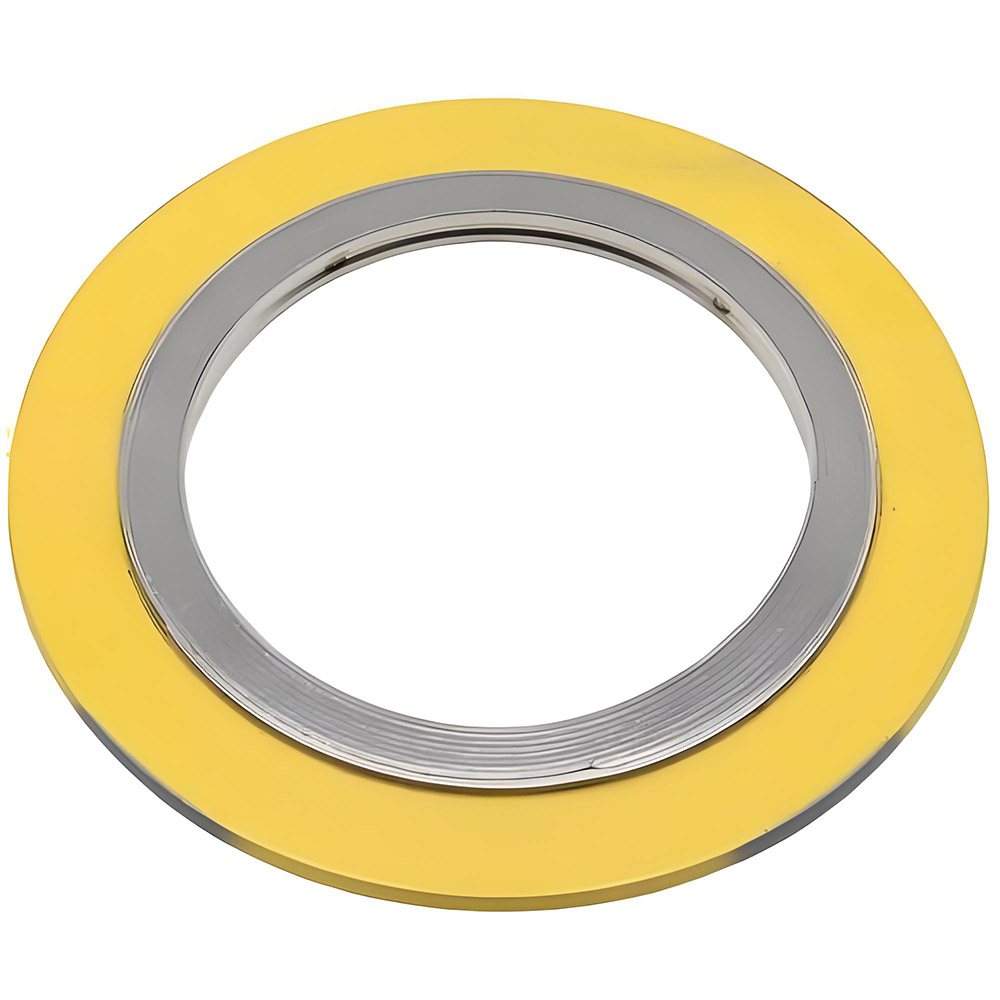
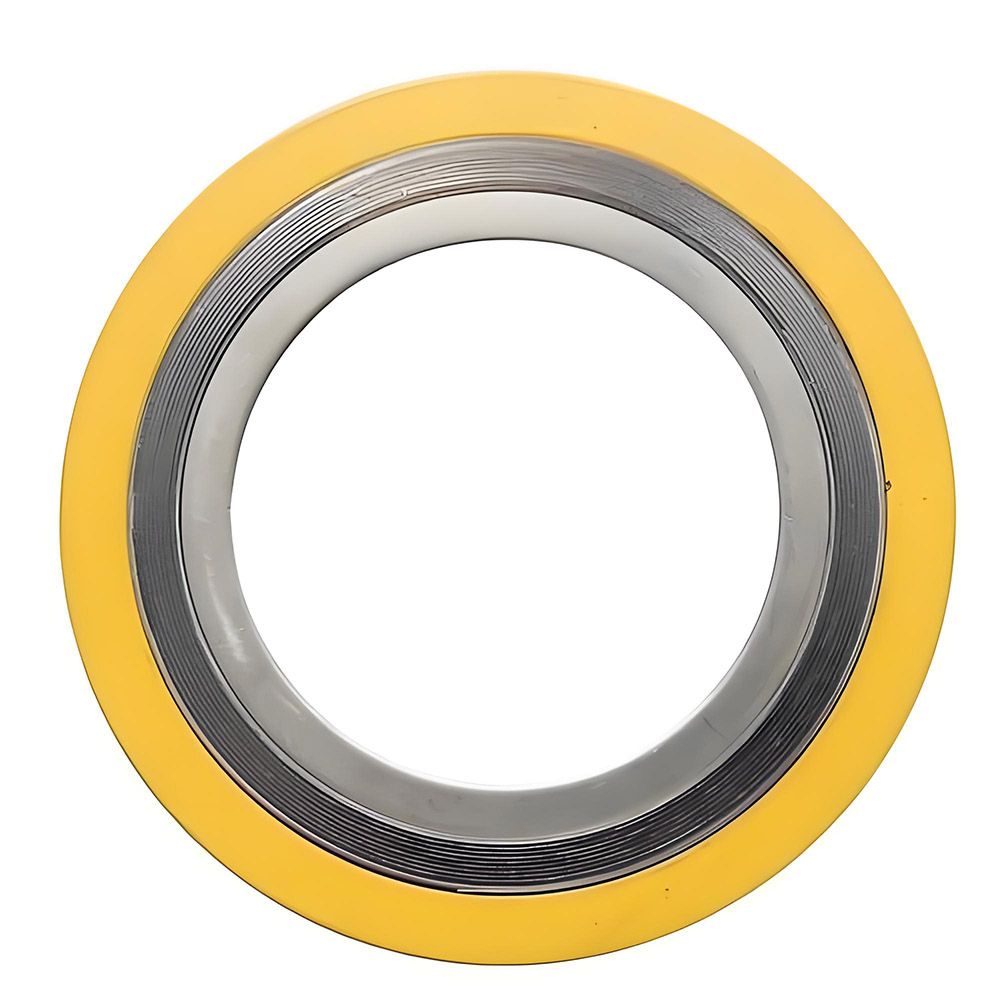
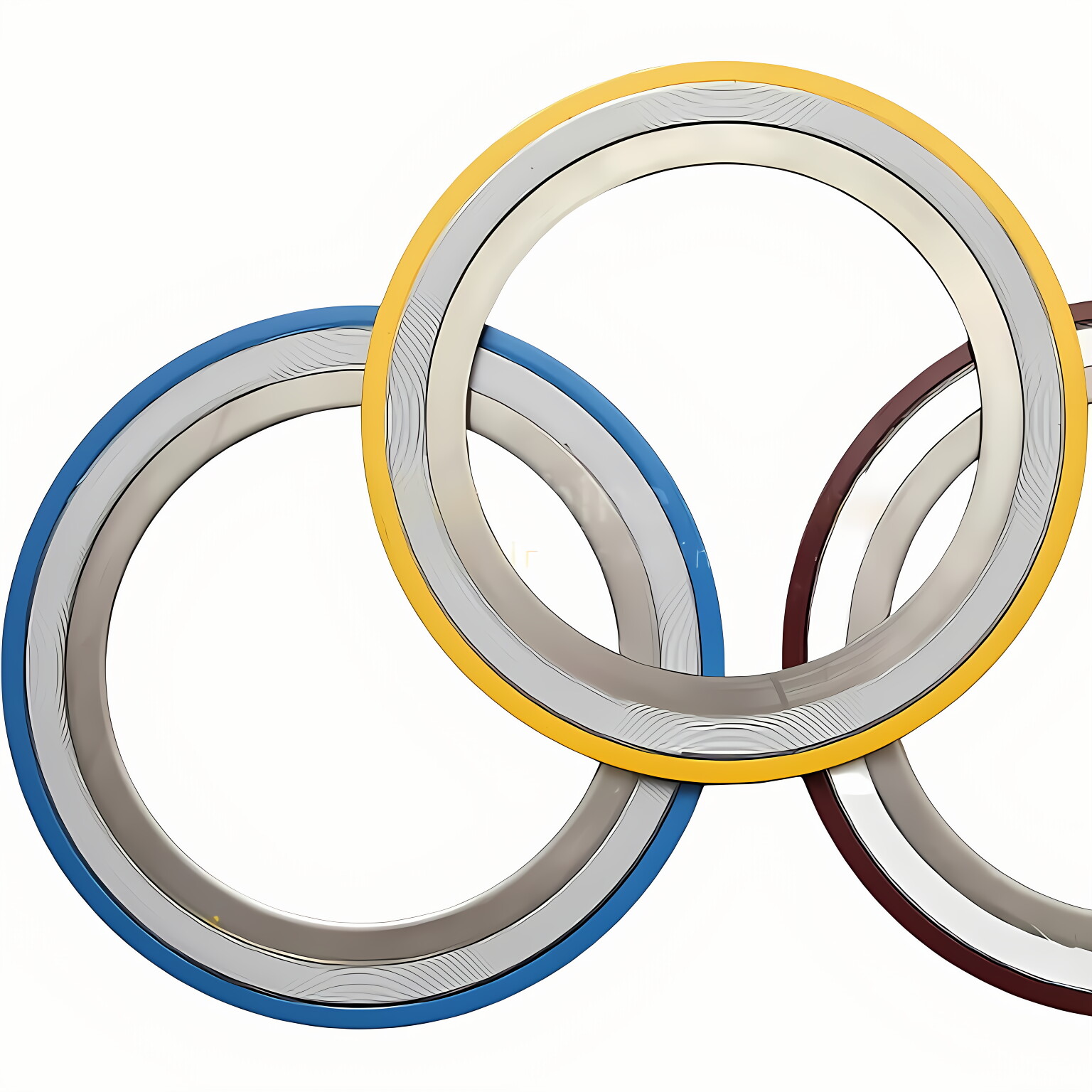
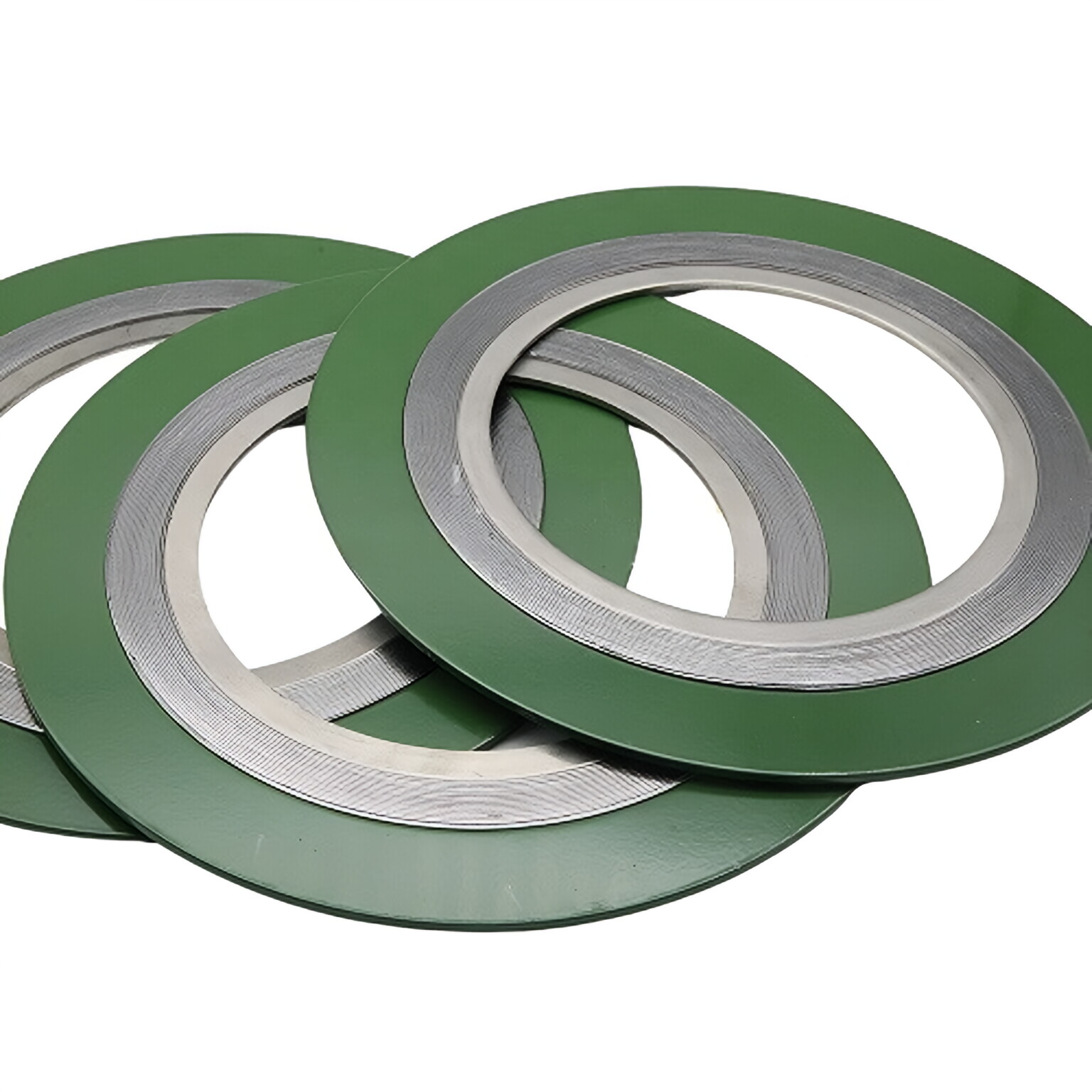
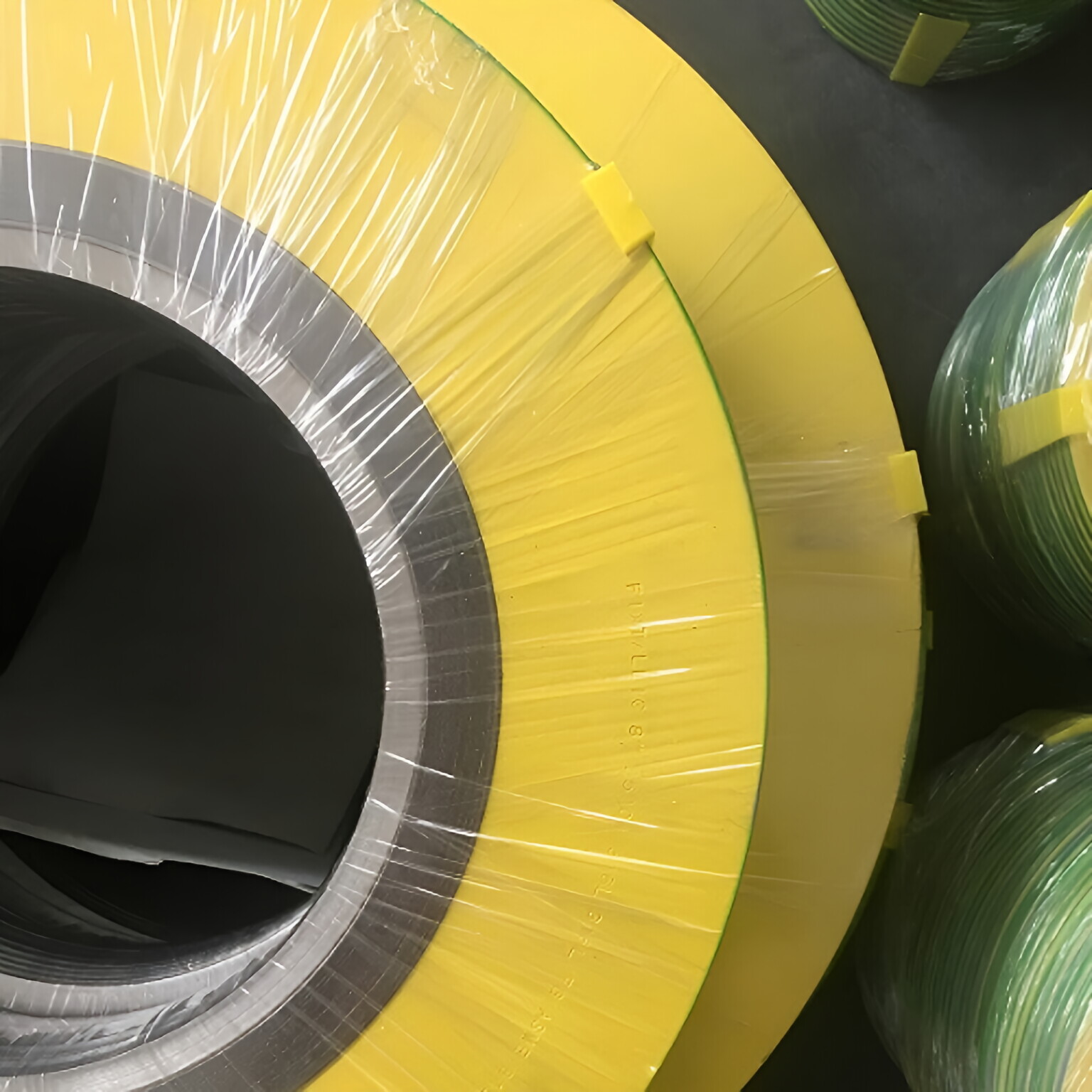
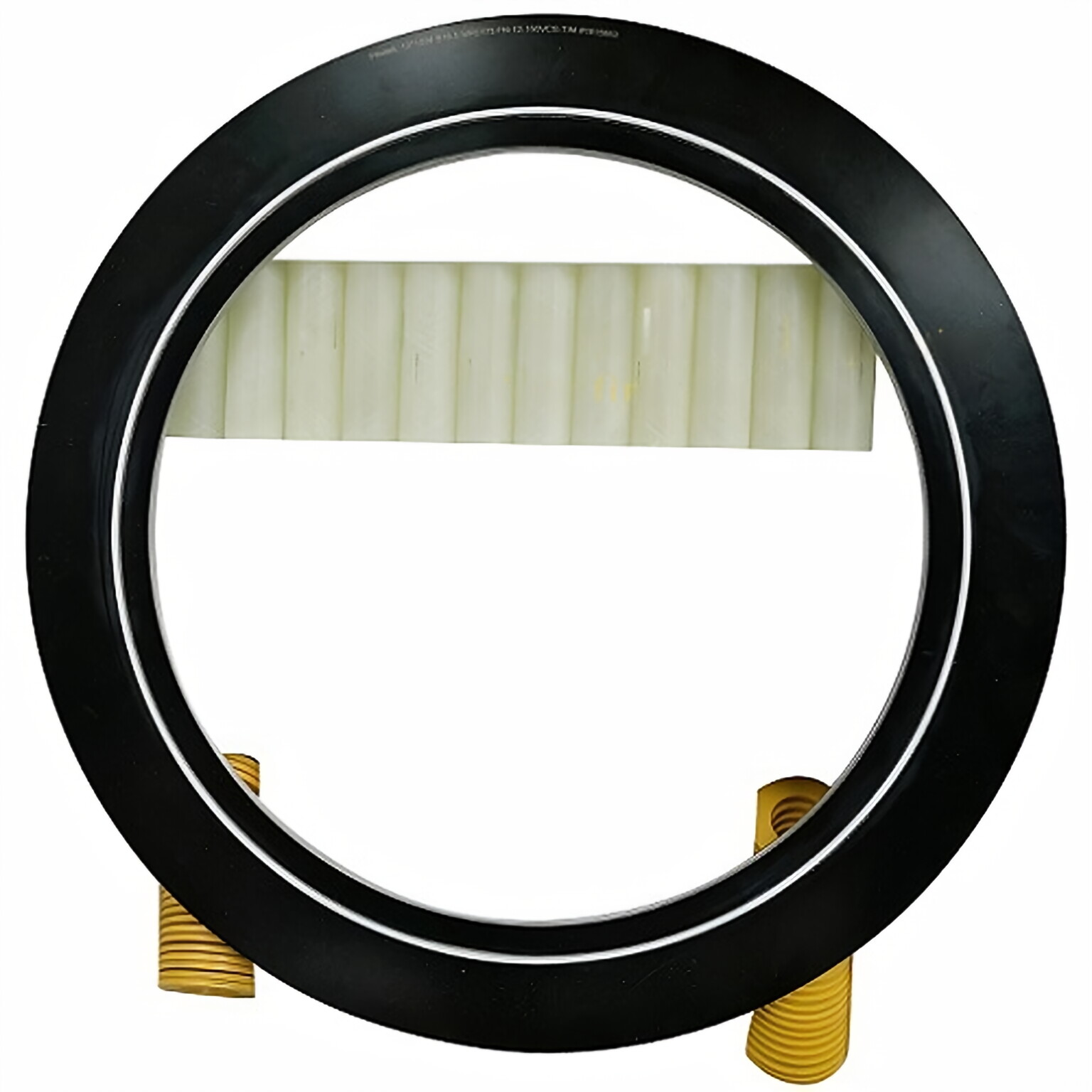
What maintenance is required for Inconel 600 spiral wound gaskets? This is a critical question for engineers and procurement specialists managing high-performance industrial systems. These premium gaskets, crafted from a nickel-chromium-iron alloy, are renowned for their exceptional resistance to oxidation, corrosion, and high temperatures. However, like all critical sealing components, their longevity and leak-free performance hinge on a proactive and informed maintenance strategy. Neglecting proper care can lead to unscheduled downtime, safety hazards, and costly replacements. This guide cuts through the complexity, offering a clear, actionable maintenance roadmap to ensure your Inconel 600 spiral wound gaskets deliver maximum value and reliability throughout their service life. A robust plan, supported by high-quality products from experts like Ningbo Kaxite Sealing Materials Co., Ltd., is your best defense against failure.
Article Outline:
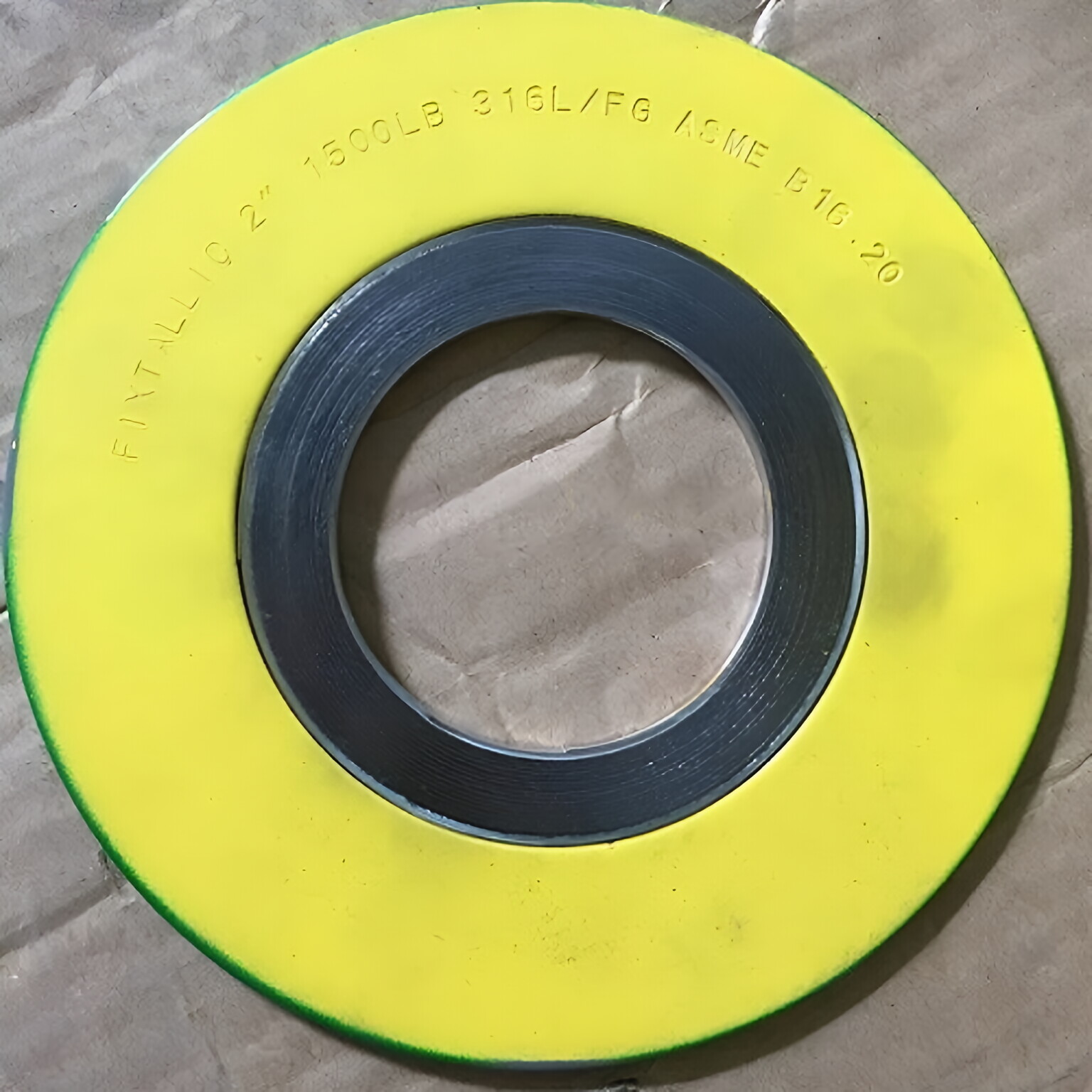
Imagine a scheduled plant shutdown disrupted by a leaking heat exchanger flange. The culprit? An overlooked stress corrosion crack in a gasket's windings. Reactive maintenance is expensive. The solution is a scheduled, non-intrusive inspection protocol. Visually inspect gaskets during routine downtime for signs of flattening, discoloration, or winding separation. Employ ultrasonic or acoustic emission leak detection on critical lines during operation to identify issues early. For optimal performance, specify gaskets with consistent winding density and filler materials, such as those engineered by Ningbo Kaxite Sealing Materials Co., Ltd., which are manufactured to precise standards for reliable service.
| Inspection Parameter | Method | Acceptance Criteria | Frequency |
|---|---|---|---|
| Visual Condition | Borescope / Direct Visual | No visible cracks, severe flattening, or filler extrusion. | Every planned shutdown |
| Surface Corrosion | Visual / Dye Penetrant | No pitting or intergranular attack on metal windings. | Annually or per service severity |
| Leak Detection | Ultrasonic Monitor | Background noise levels; no significant spikes. | Continuous/Quarterly |
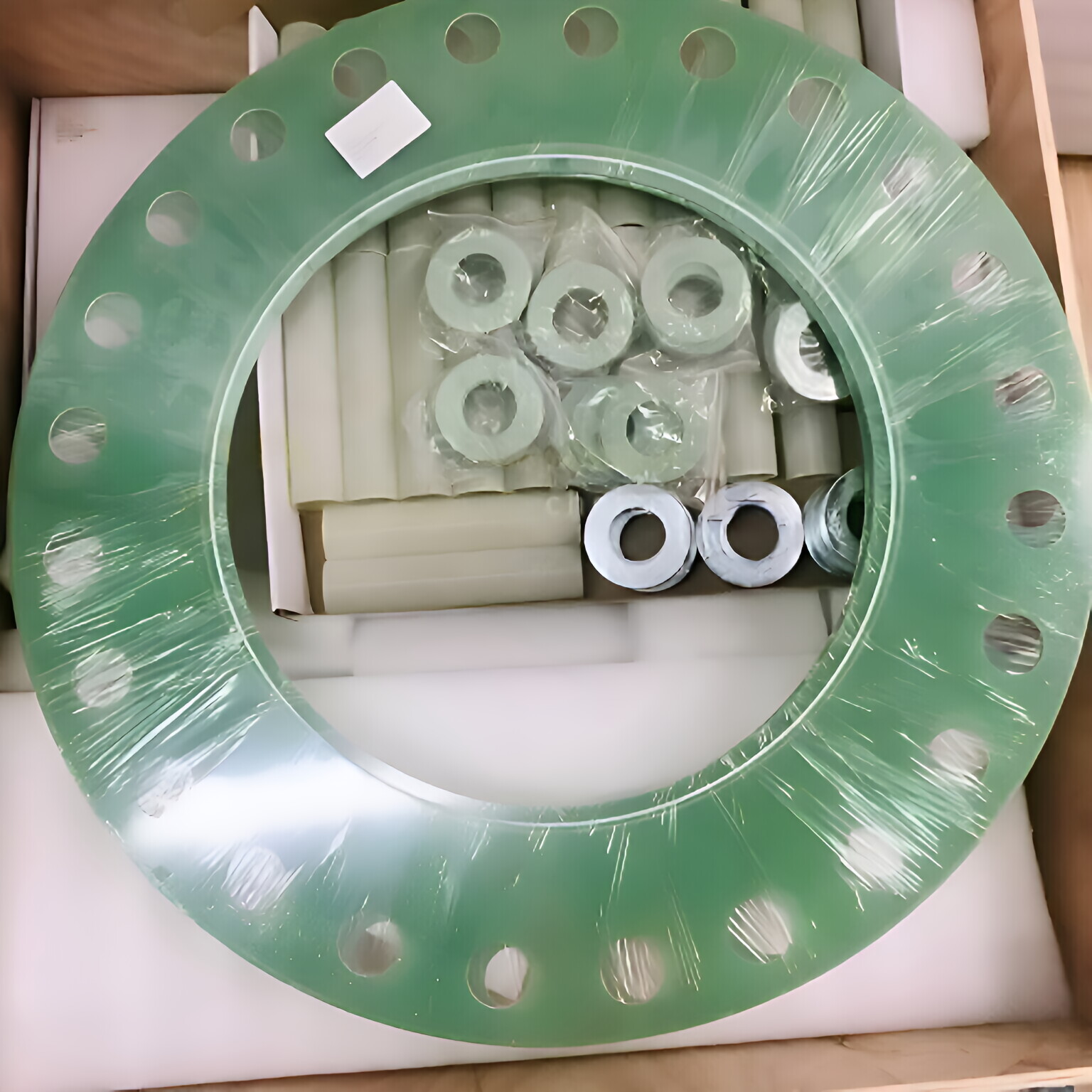
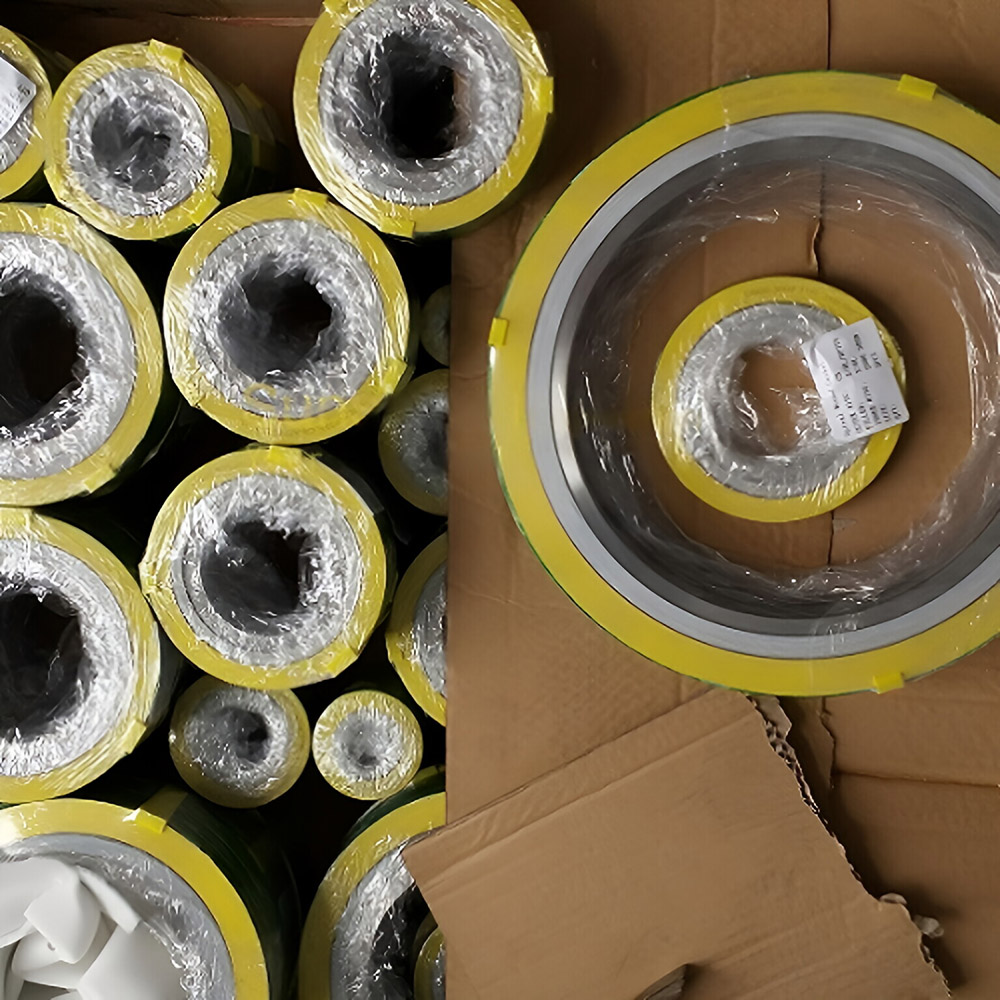
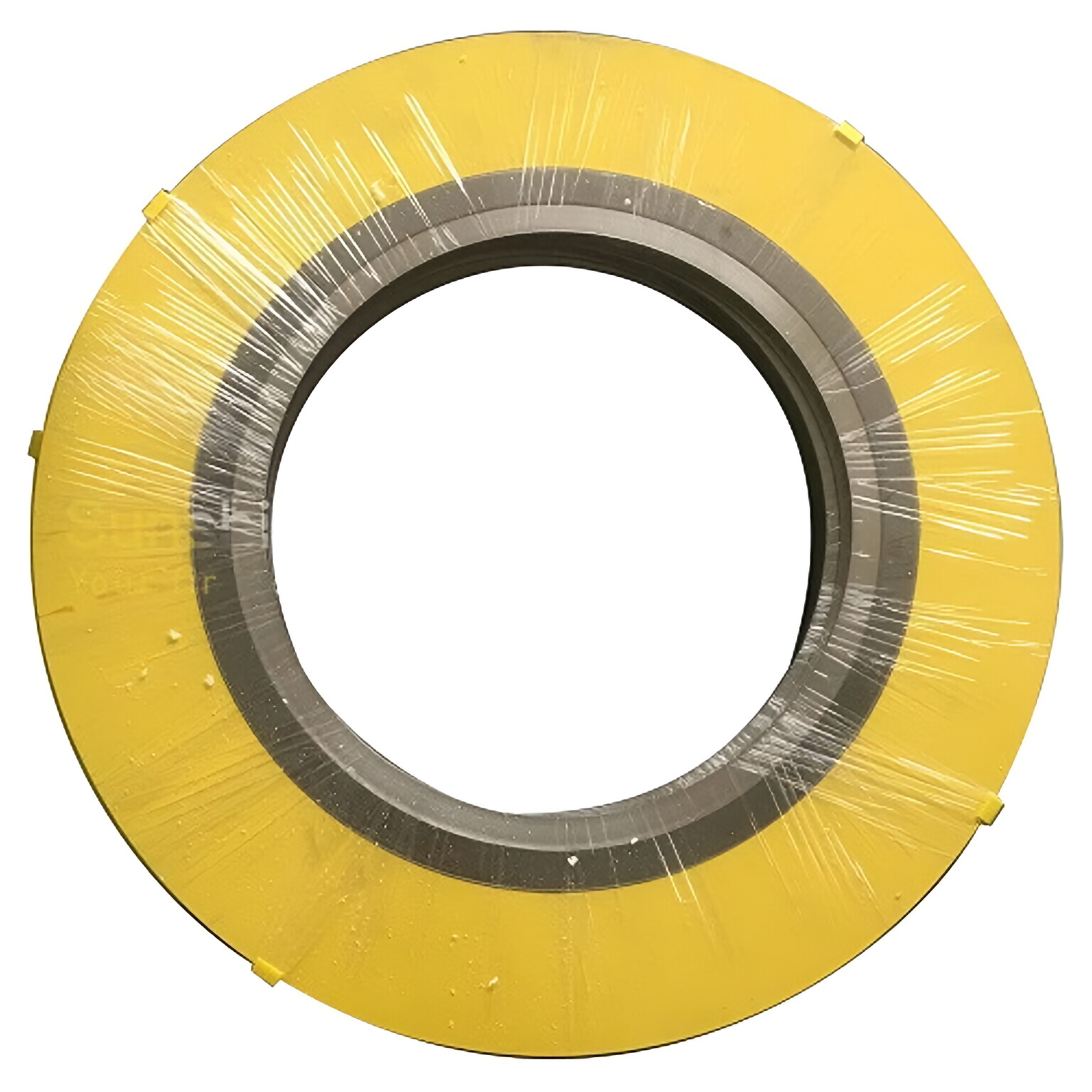
A procurement manager receives a shipment of gaskets, only to find surface contaminants that could compromise sealing. Improper handling voids warranties and introduces risk. The solution is stringent cleaning and storage. Always handle gaskets with clean gloves. Before installation, clean seating surfaces with a solvent that won't attack the Inconel or filler (e.g., isopropyl alcohol). What maintenance is required for Inconel 600 spiral wound gaskets? Proper storage is foundational. Store in original packaging in a dry, climate-controlled environment away from corrosive fumes. Do not stack heavy items on them. Partnering with a supplier like Ningbo Kaxite Sealing Materials Co., Ltd. ensures gaskets arrive properly packaged and protected, ready for reliable service.
| Activity | Best Practice | Avoid | Reason |
|---|---|---|---|
| Cleaning | Use lint-free cloth with compatible solvent. | Abrasive pads, chlorinated solvents. | Prevents surface damage & chemical attack. |
| Storage Environment | Temp: 15-25°C, Humidity <60% RH. | Damp floors, direct sunlight, outdoor storage. | Prevents corrosion & filler degradation. |
| Handling | Use support boards for large diameters. | Dropping, bending, or hanging. | Maintains gasket geometry and seal integrity. |
A technician tightens flange bolts by "feel," leading to uneven compression and a premature leak path within weeks. Inconsistent installation is a leading cause of gasket failure. The solution is a controlled, multi-step bolting procedure. Always use new gaskets for critical re-assemblies. Follow a cross-pattern bolting sequence with a torque wrench, achieving 30%, then 60%, then 100% of the final recommended torque in multiple passes. This ensures even compression of the spiral wound structure. After a heat cycle (24-48 hours of operation), a re-torque is often necessary for Inconel 600 gaskets to compensate for relaxation and thermal cycling effects.
| Installation Step | Key Action | Tool/Standard | Purpose |
|---|---|---|---|
| Surface Preparation | Verify flange faces are clean, undamaged, and parallel. | Straight edge, Surface finish gauge. | Ensures uniform gasket loading. |
| Bolt Torquing | Cross-pattern sequence in multiple passes. | Calibrated torque wrench. | Achieves even compression, prevents distortion. |
| Re-torque | Perform after initial heat cycle (cooled system). | Same torque value as final pass. | Compensates for gasket seating and relaxation. |
During an inspection, you find a gasket that's been in service for years. Should you re-use it? Guessing can be catastrophic. Recognize these definitive signs for replacement: Permanent deformation where the gasket no longer springs back, severe compression to the point where the metal windings are nearly touching, any visible cracks or corrosion pits in the Inconel windings, or evidence of filler material degradation (brittleness, powdering). What maintenance is required for Inconel 600 spiral wound gaskets? Knowing when to replace is as crucial as installation. For critical applications, consider a preventive replacement schedule based on service hours or cycles. Sourcing from a reliable manufacturer like Ningbo Kaxite Sealing Materials Co., Ltd. guarantees you receive gaskets with traceable material certifications and consistent quality, reducing lifecycle uncertainty.
| Sign of Failure | What to Look For | Risk if Re-used | Action |
|---|---|---|---|
| Over-Compression | Metal windings visibly flattened, filler gone. | No resilience, immediate leak. | Replace immediately. |
| Corrosion/Cracking | Green deposits (chlorides), micro-cracks. | Sudden catastrophic failure. | Replace; analyze process fluid. |
| Filler Degradation | Filler is brittle, discolored, or missing. | Loss of seal, fluid ingress into windings. | Replace; review temperature limits. |
FAQ:
Q: How often should Inconel 600 spiral wound gaskets be inspected?
A: The frequency depends on service criticality. For severe service (high temperature/pressure, cyclic duty), visual inspection at every planned shutdown is recommended. For less critical services, an annual inspection during major maintenance is often sufficient. Continuous monitoring via leak detection systems is advised for all critical lines.
Q: Can a used Inconel 600 Spiral Wound Gasket be re-used?
A: It is strongly discouraged. The gasket undergoes plastic deformation and stress relaxation during installation to form the seal. Re-using a compressed gasket compromises its resilience and sealing capability, significantly increasing the risk of leakage. Always install a new gasket for reliable performance.
Maintaining Inconel 600 spiral wound gaskets doesn't have to be a daunting task. By implementing a structured plan of regular inspection, proper handling, precise installation, and timely replacement, you can maximize their service life and ensure system integrity. The right maintenance strategy, combined with high-quality gaskets from the start, is the most cost-effective approach to plant safety and reliability.
For unparalleled reliability in demanding sealing applications, partner with Ningbo Kaxite Sealing Materials Co., Ltd., a trusted manufacturer specializing in high-performance spiral wound gaskets. Our expertise ensures every gasket meets rigorous standards for materials and workmanship. Visit our website at https://www.spiral-wound-gasket.com to explore our product range and technical resources. For specific inquiries or to discuss your application needs, please contact our sealing experts directly at [email protected].
Smith, J.A., 2021, Long-term performance of nickel-based alloy gaskets in aggressive environments, Journal of Pressure Vessel Technology, 143(4).
Chen, L., & Park, D., 2020, Creep relaxation behavior of spiral wound gaskets under elevated temperature, International Journal of Mechanical Sciences, 188.
European Sealing Association, 2019, Guidelines for the installation and maintenance of spiral wound gaskets, ESA Technical Handbook, 012.
Zhang, W., et al., 2018, Effect of surface finish on the sealing performance of metallic gaskets, Tribology International, 127.
Kato, T., & Sawa, K., 2017, Leakage evaluation of spiral wound gaskets with different filler materials under thermal cycling, ASME Conference Proceedings, PVP2017-66032.
Jones, R.P., 2016, Corrosion mechanisms in Inconel 600 for chemical processing applications, Materials and Corrosion, 67(8).
Bhatt, H., 2015, Maintenance strategies for critical path bolted flange connections, Hydrocarbon Processing, 94(10).
Singh, M.K., 2014, A review on sealing technology for flanged joints: Materials and design, Engineering Failure Analysis, 44.
ASME B16.20, 2013, Metallic Gaskets for Pipe Flanges – Ring-Joint, Spiral-Wound, and Jacketed, American Society of Mechanical Engineers.
Patel, V., & Lee, Y.C., 2012, Torque retention and relaxation in bolted flange assemblies with spiral wound gaskets, Experimental Mechanics, 52(9).