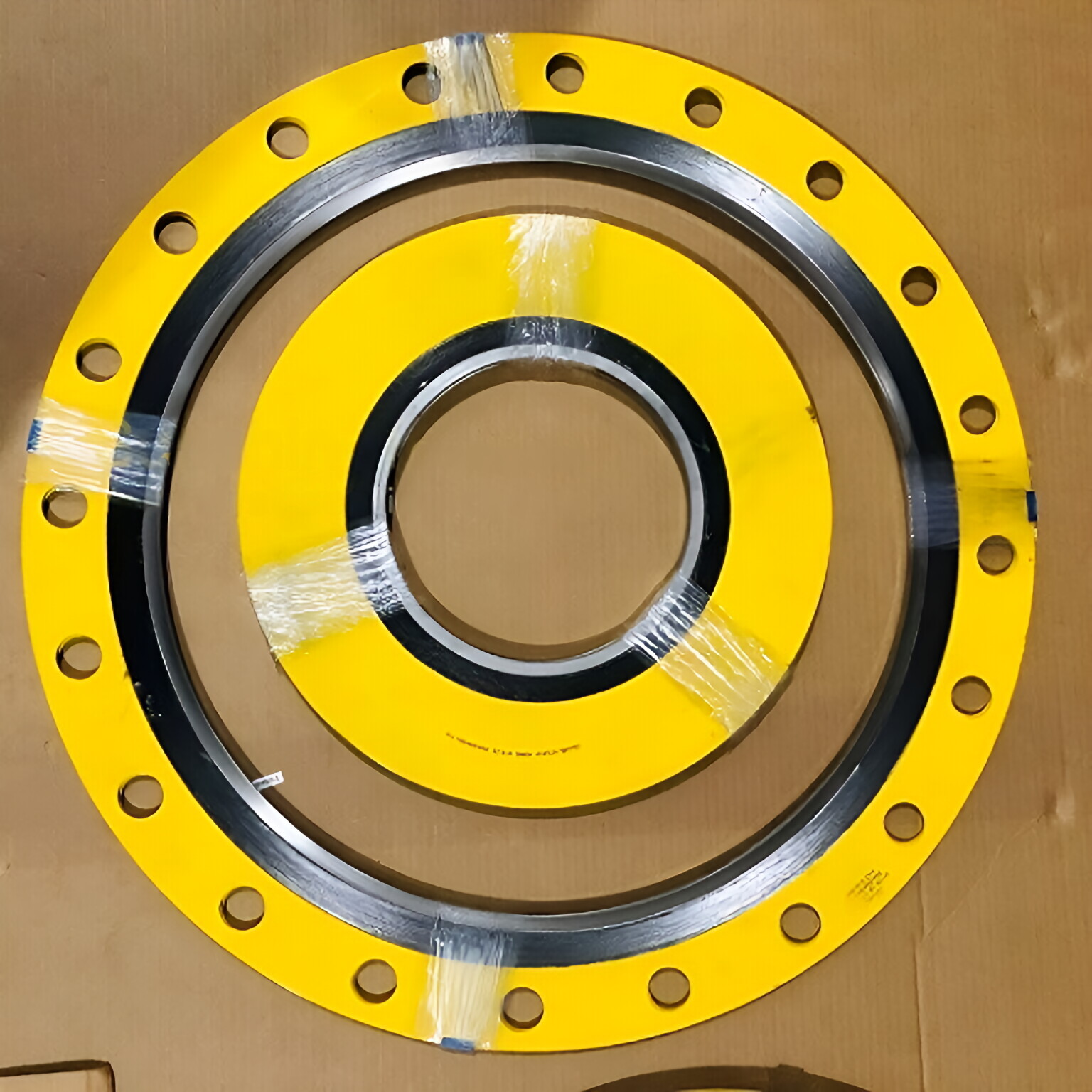
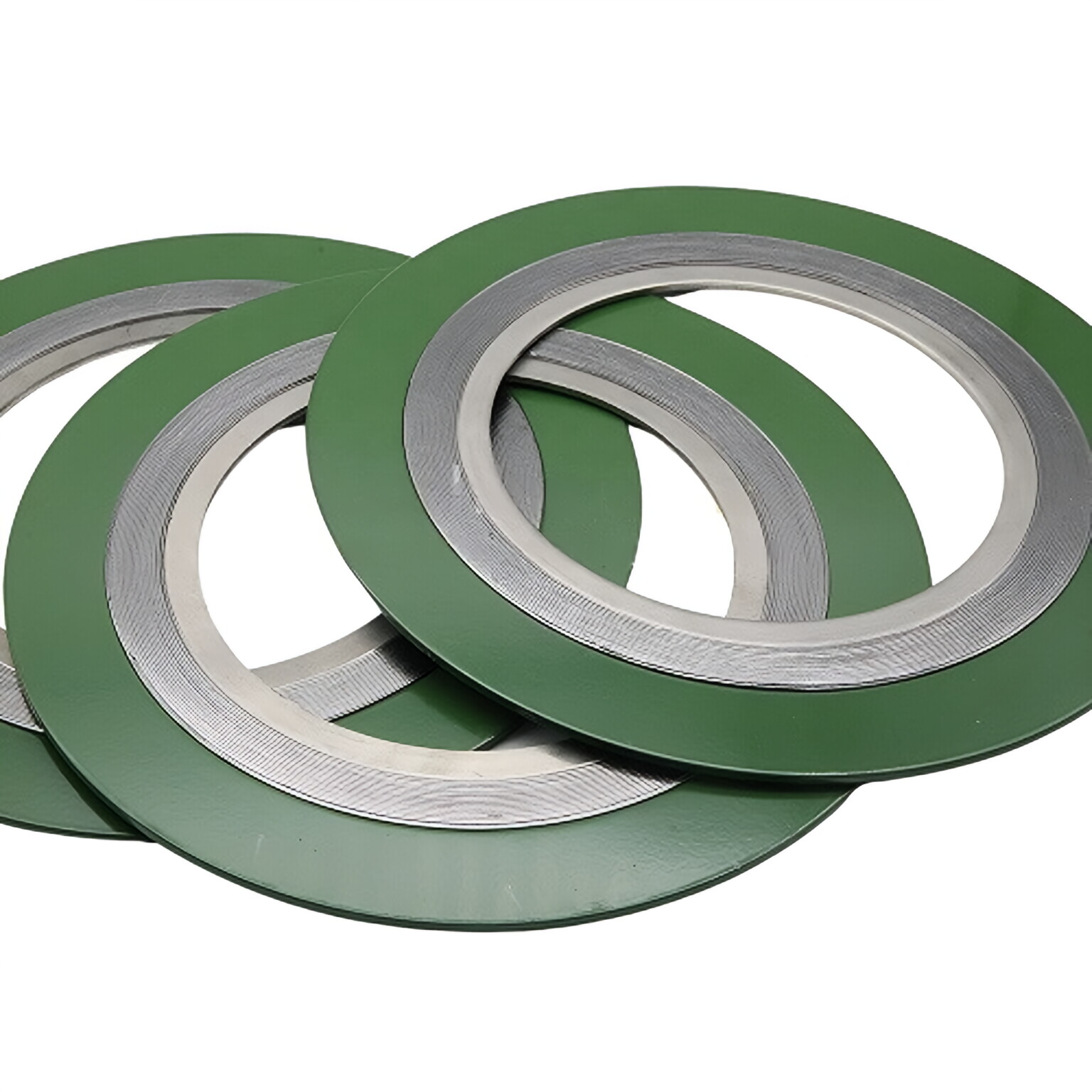
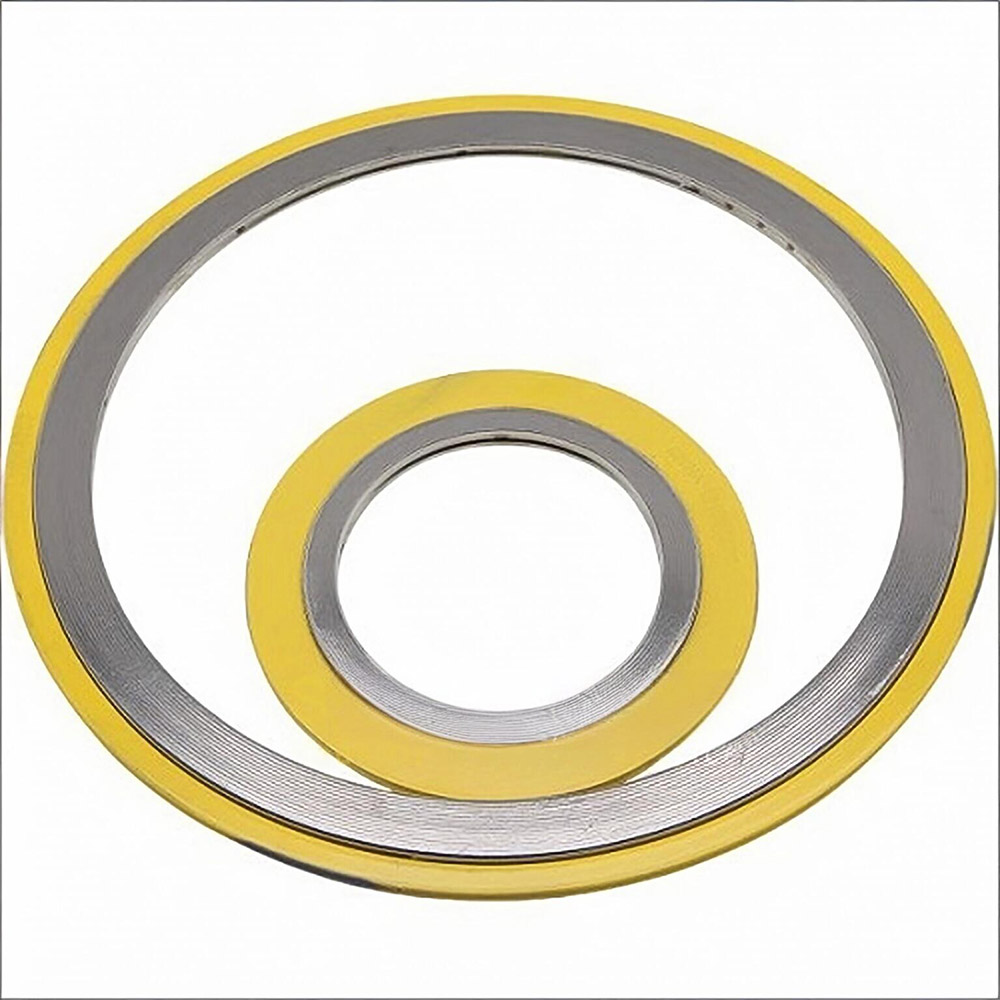
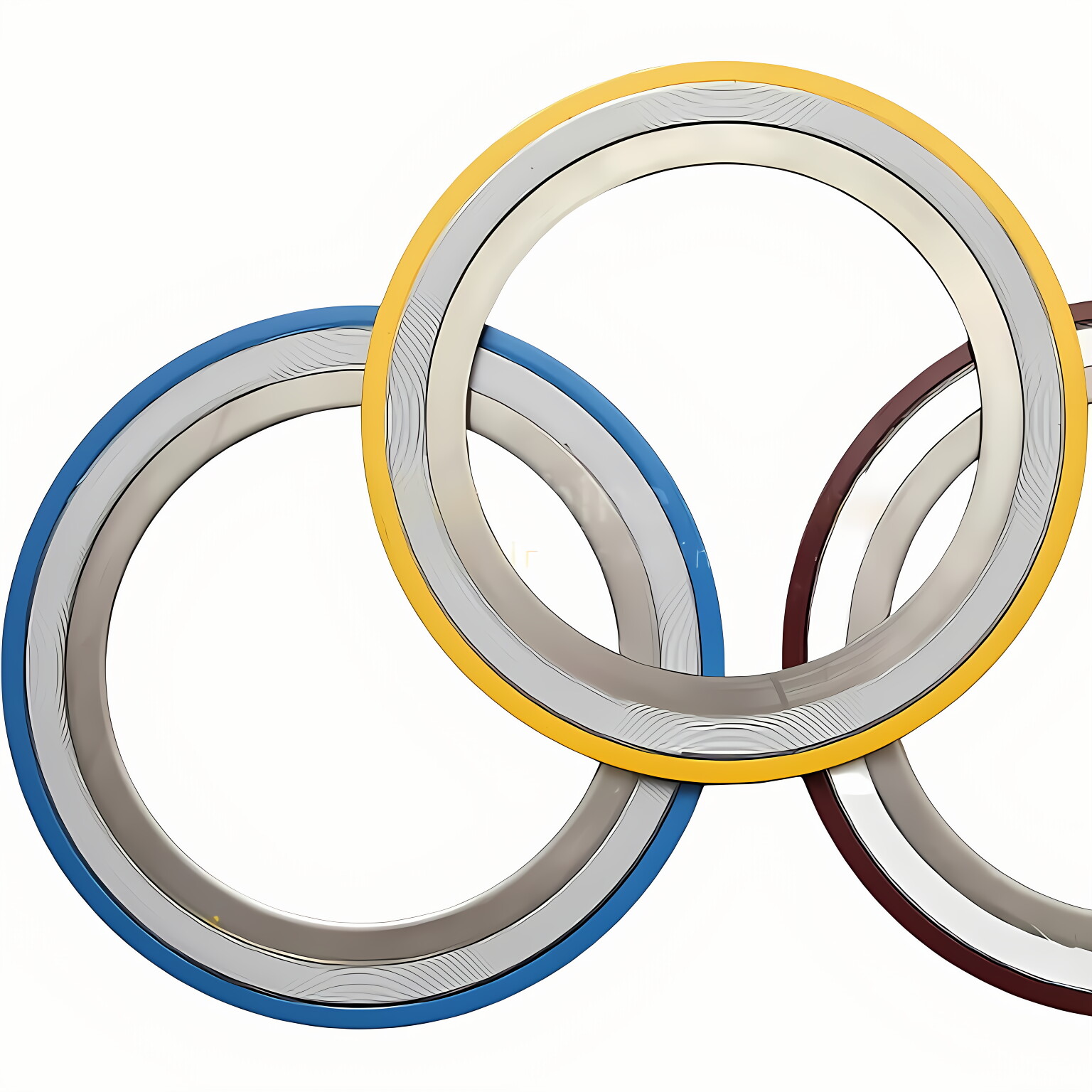
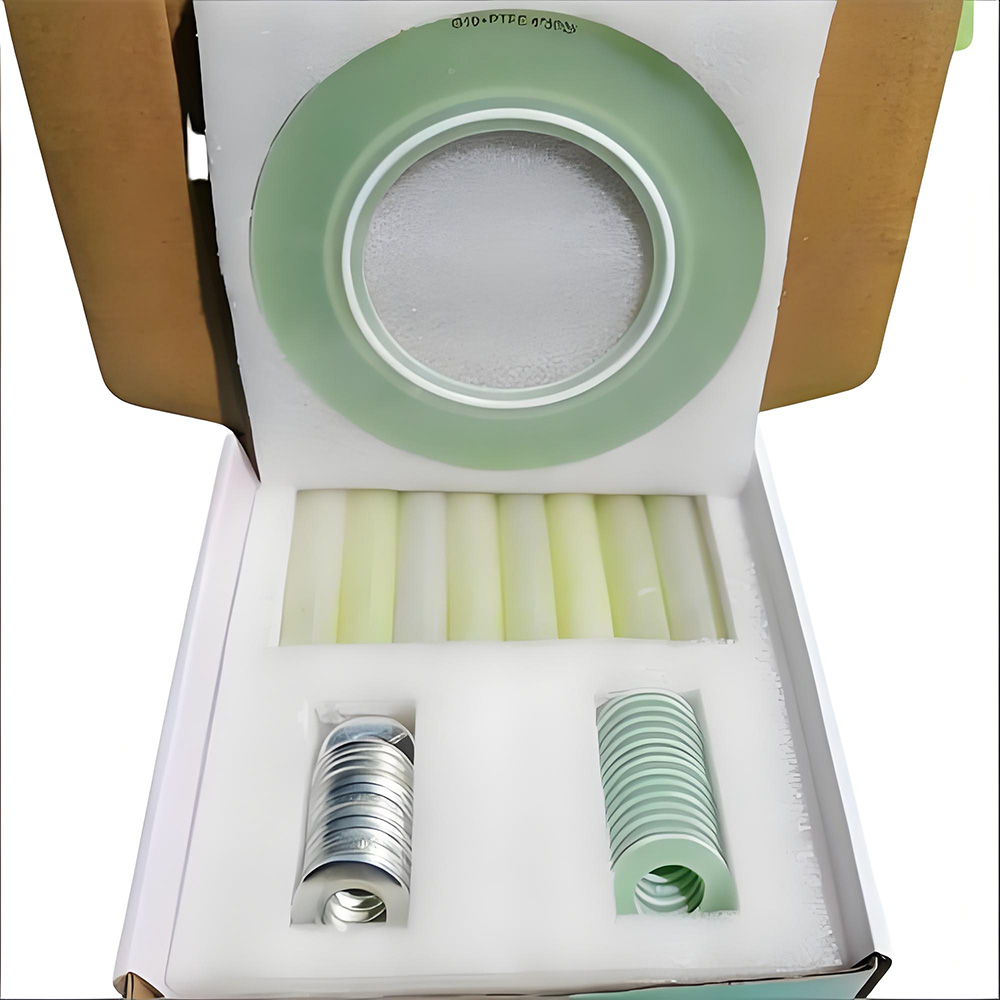
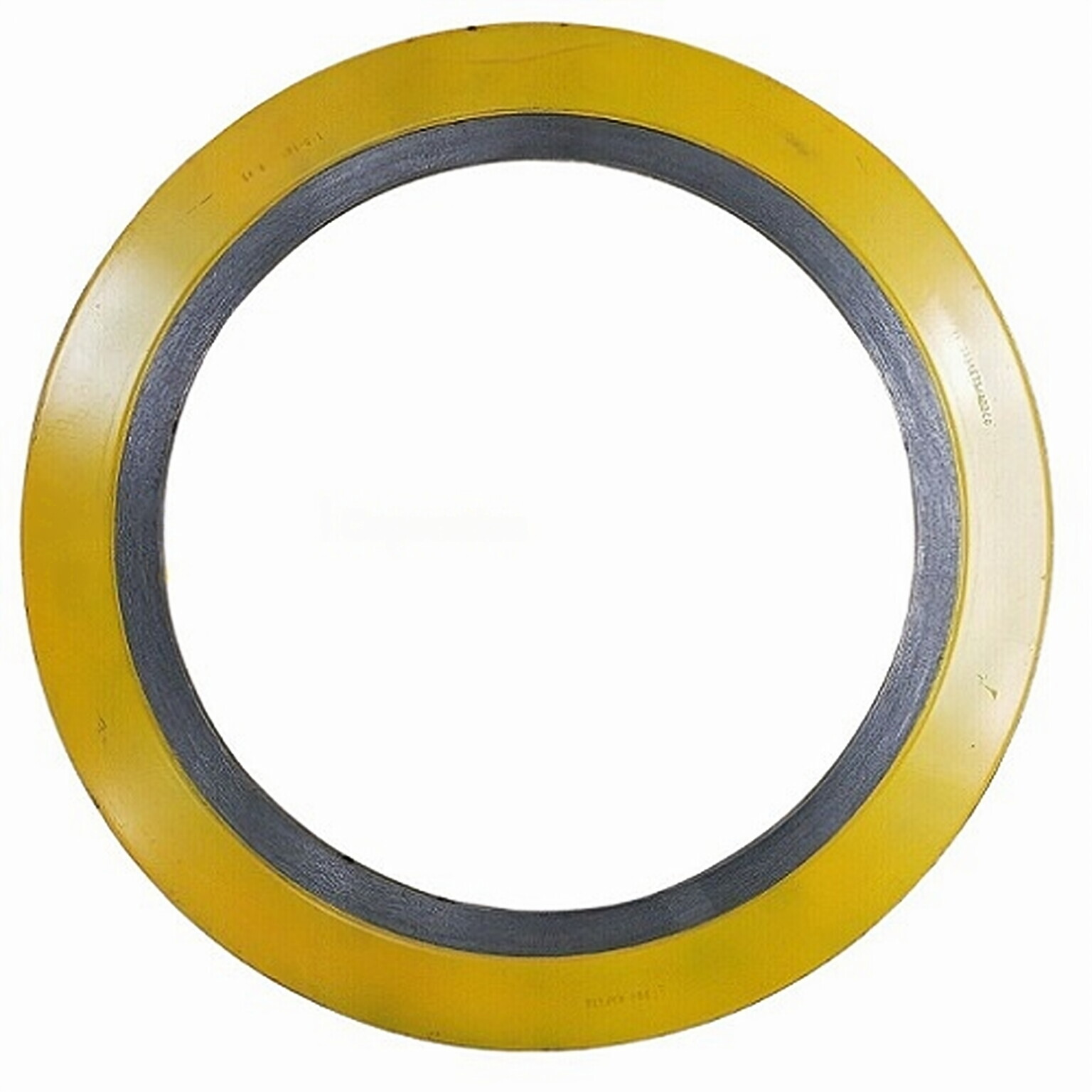
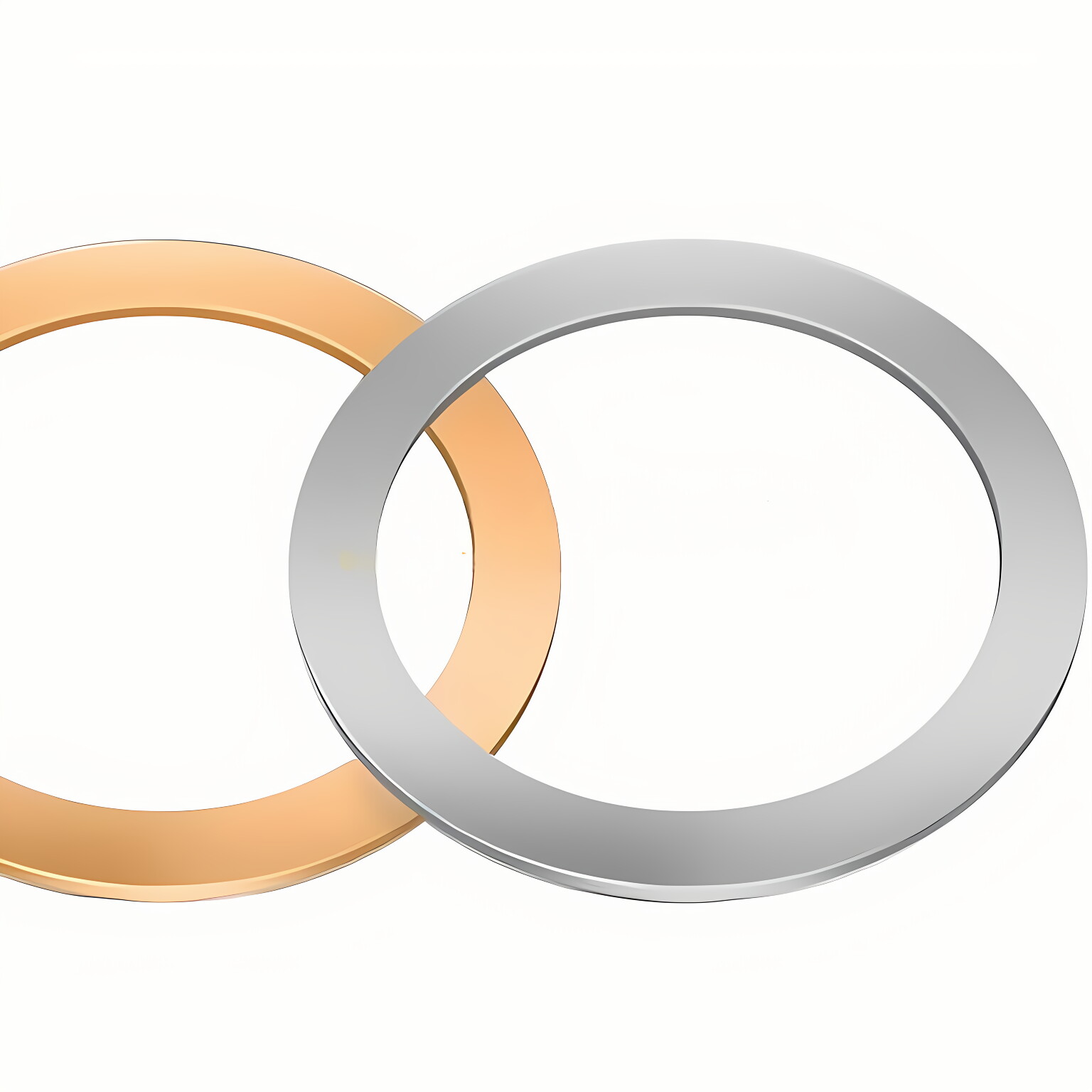
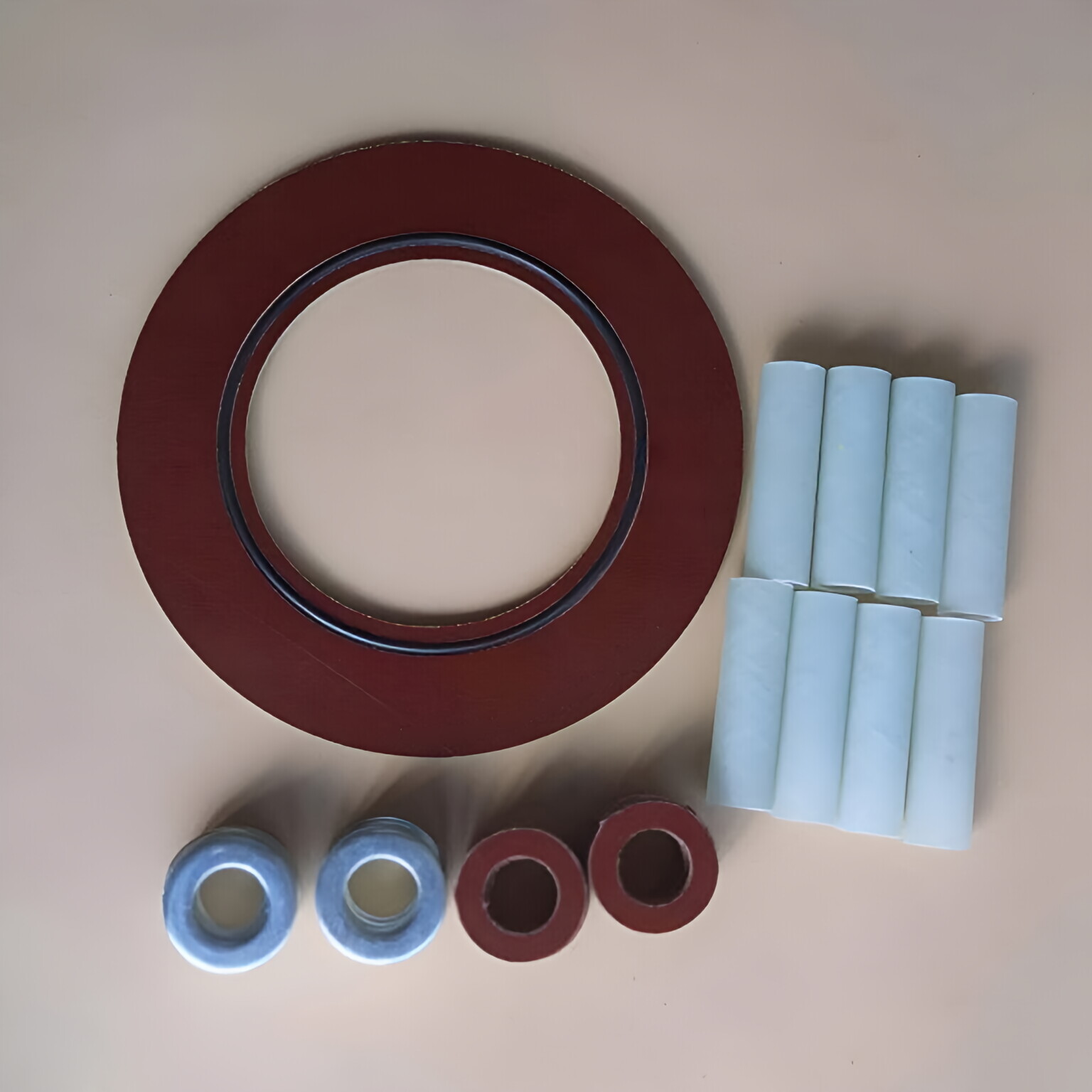
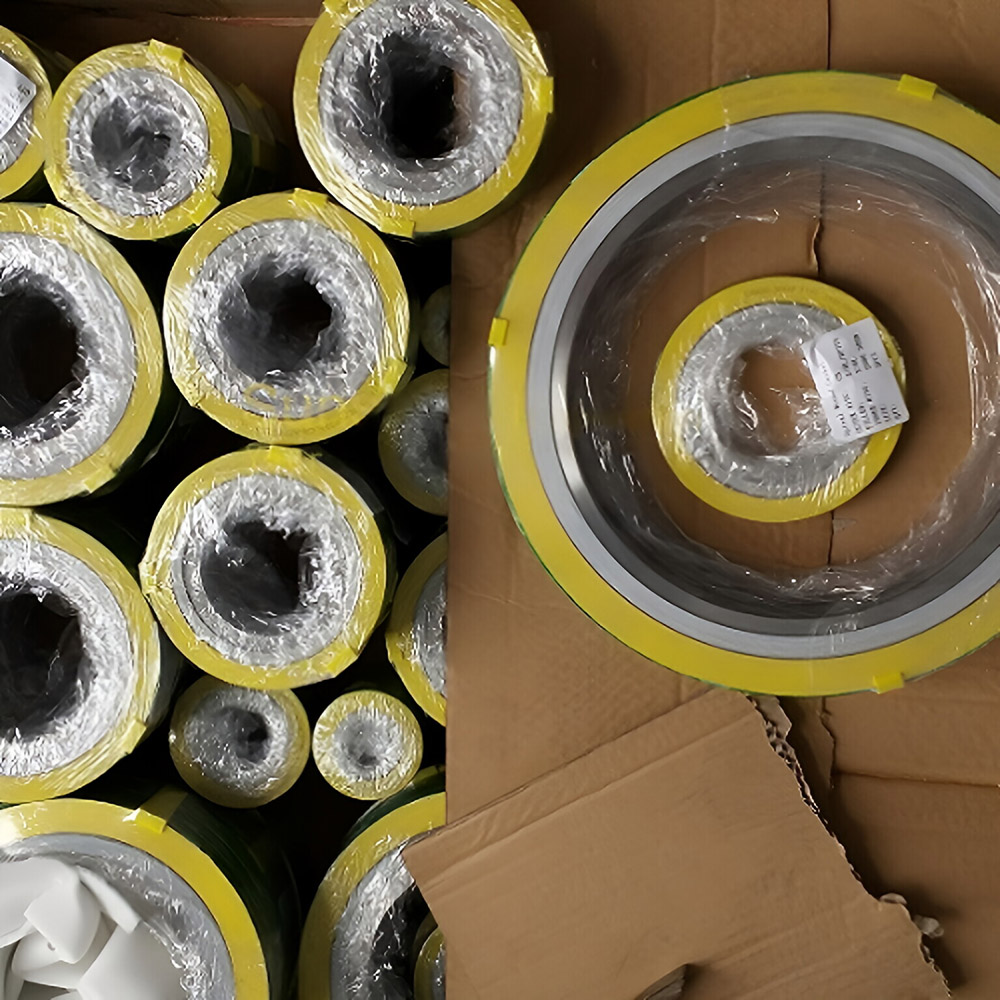
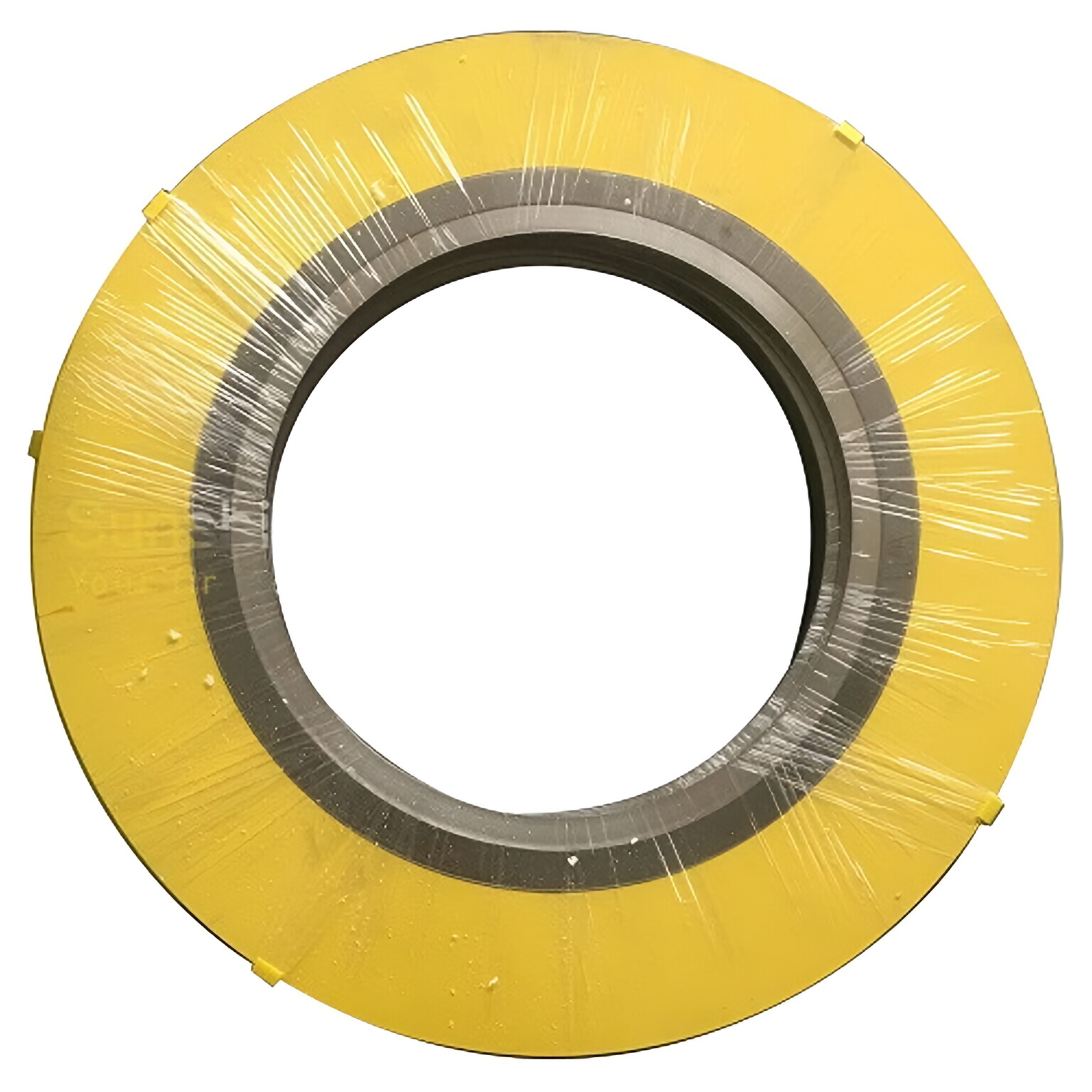
When you're sourcing gaskets for a high-pressure, high-temperature piping system, the question inevitably surfaces: What is the typical cost range for SS 316Ti spiral wound gaskets? Imagine you are a procurement manager at a chemical plant in Texas, staring at a spreadsheet filled with varying quotes that range from $2 to over $200 per piece. That wild span can be nerve-wracking. You're not just buying a piece of metal and graphite, you’re buying safety, uptime, and compliance. A low-ball price might come from a supplier who cuts corners on filler material or uses inadequate winding tension, leading to blowouts in your steam line. The true cost of a single failed gasket can exceed $15,000 in unplanned downtime. That’s why understanding the pricing factors—dimensions, metallic strip thickness, filler type, and certification requirements—isn’t just accounting; it’s risk management. At Ningbo Kaxite Sealing Materials Co., Ltd., we’ve helped supply chain teams across 40 countries eliminate this guesswork by delivering engineer-verified SS 316Ti spiral wound gaskets where the price you see is tightly aligned with the performance you need, from standard ASME B16.20 dimensions to custom 60-inch flanges.
Scenario: Your maintenance engineer just told you that the existing gaskets on the sulfuric acid line are corroding after only six months. You need replacements, and you need them fast—but the budget is tight. You call five suppliers and get five wildly different numbers. The confusion stems from invisible variables.
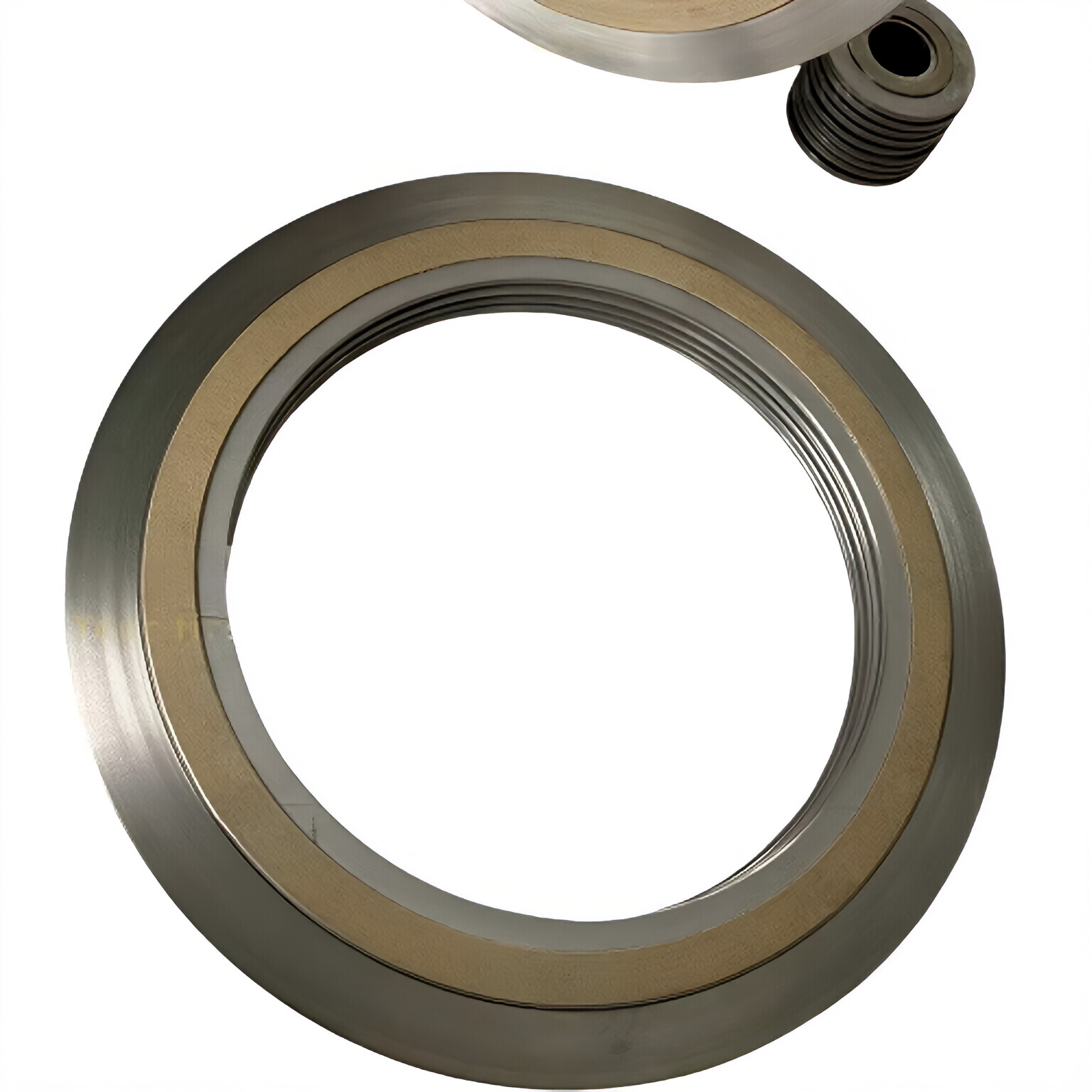
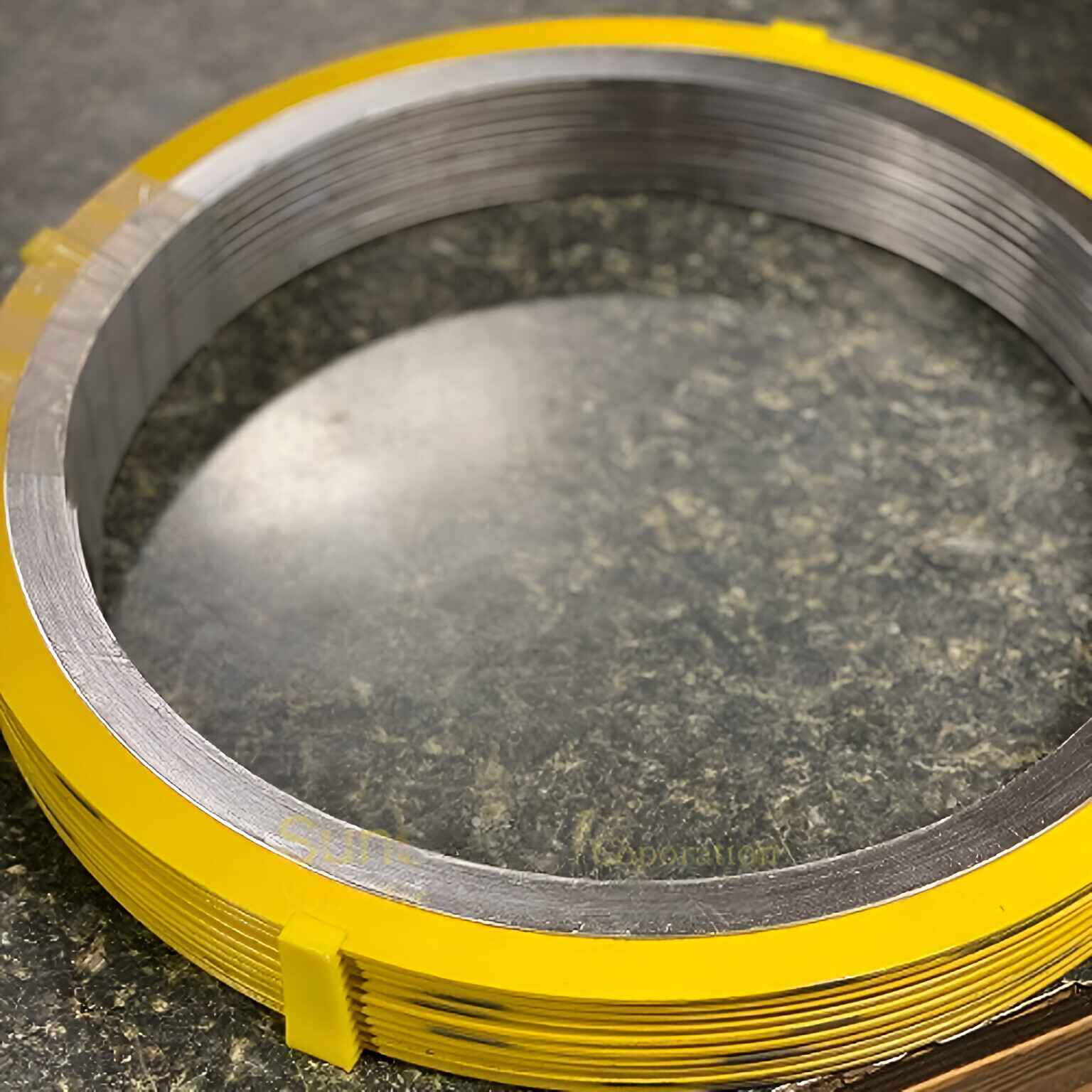
The cost of an SS 316Ti Spiral Wound Gasket isn’t linear. Raw material accounts for roughly 50–65% of the total piece price. 316Ti stainless steel, with its titanium stabilization, costs 15–20% more than standard 316L, but it resists intergranular corrosion after welding or high-temperature cycling. The filler—flexible graphite, PTFE, or mica—can triple the cost. A 4-inch, 150# gasket with graphite filler might sit at $8–$12, but switch to PTFE for chemical resistance and you’re suddenly at $18–$25. Add an inner ring for vacuum service or an outer ring made from carbon steel versus 304, and the price can jump again. The Kaxite insight: we pre-engineer common combinations so you don’t pay for unnecessary customization, and our dual-ring inventory allows mixed-ring specifications without a custom surcharge.
For quick reference, here are typical ex-works price ranges for SS 316Ti spiral wound gaskets with flexible graphite filler and CS outer ring, CE certified to EN 1514-2. These are for volume quantities (100+ units). Actual quotes depend on order size, testing, and delivery terms.
| Nominal Pipe Size | Pressure Class | Outer Ring | Price per Piece (USD) | Lead Time |
|---|---|---|---|---|
| 2" | 150# | Carbon Steel | $4.20 – $6.80 | 3 days |
| 4" | 300# | Carbon Steel | $9.50 – $14.00 | 3 days |
| 8" | 600# | 304 SS | $28.00 – $42.00 | 5 days |
| 12" | 900# | 304 SS + Inner Ring | $85.00 – $125.00 | 7 days |
| 24" | 150# | Carbon Steel | $35.00 – $55.00 | 7 days |
Picture a refinery in Southeast Asia running a hydrocracker at 700°F. The purchasing team saved $1.20 per gasket by switching to a supplier who reduced the winding density. Six weeks later, a gasket in the recycle hydrogen loop fails, releasing a vapor cloud. The immediate repair cost was $300,000, not to mention reputational damage. That’s the cruel math of gasket procurement: a fraction of a cent saved on graphite purity translates into a catastrophic variable cost later.
Another common pitfall: using a gasket without inner ring in a system where thermal cycling causes the graphite to erode and buckle inward. The inner ring typically adds only $2–$10 to a unit price but might be omitted to hit a target cost. When selecting SS 316Ti spiral wound gaskets, you need a supplier who flags these design mismatches before production. Ningbo Kaxite Sealing Materials runs an automated design review for every RFQ, checking against service temperature, media, and flange standards to recommend the safest, most cost-effective configuration. You’re not just quoted a price; you’re given a compliance shield.
Q: What is the typical cost range for SS 316Ti spiral wound gaskets in high-chloride seawater applications?
A: When you need SS 316Ti for the metallic strip and a PTFE filler to handle seawater and chemical washdowns, expect to pay between $12 and $45 for sizes from 2″ to 12″. The real cost driver here is the PTFE filler thickness and the requirement for an outer ring made of 316Ti as well to avoid galvanic corrosion. At Kaxite, we stock PTFE-filled 316Ti gaskets with 316Ti solid outer rings for DN25 to DN300, which reduces lead times and eliminates the custom charge that some distributors add. For a 6″ 150# configuration, Kaxite’s price typically lands at $22–$28, ex-works, and we include PMI test reports for the 316Ti strip at no extra cost.
Q: What is the typical cost range for SS 316Ti spiral wound gaskets when you need NACE MR0175 compliance?
A: Sour service mandates strict hardness controls on the metallic components, so the 316Ti winding strip itself must be annealed to a maximum hardness of HRB 90, and the outer ring is often supplied in 316Ti or Monel. This pushes the price bracket up significantly. A 4″ 300# gasket that normally costs $14 might become $28–$35 once you add full NACE certification, Charpy impact testing for the ring, and documentation. Ningbo Kaxite offers a NACE kit for SS 316Ti gaskets that pre-certifies common sizes, so you can order a 6″ 600# NACE-compliant gasket with all paper trails for around $45 per piece, a 30% saving compared to many make-to-order mills. Contact our team and What is the typical cost range for SS 316Ti spiral wound gaskets? will no longer be a vague number; we’ll give you a line-item quote within 4 hours.
Reliability doesn’t have to be expensive. Our manufacturing model reduces the typical cost leakage that inflates gasket prices: we own our rolling mill for the stainless steel strip, which allows us to control the exact thickness and profile of the 316Ti winding material. This vertical integration eliminates a markup layer and gives you a consistent, traceable product. We’ve delivered over 5 million spiral wound gaskets to projects ranging from North Sea platforms to LNG terminals, and the feedback is consistent: Kaxite gaskets seat on the flange with fewer torque iterations, cutting installation time by up to 20%.
Beyond the piece price, we assign a dedicated quality dossier to every shipment. No more hunting for EN 10204 3.1 certificates months after delivery. That’s the difference between buying a part and buying a partnership. If you're tired of What is the typical cost range for SS 316Ti spiral wound gaskets? delivering unreliable quotes, let’s fix that today.
For a customized cost analysis and free sample of our SS 316Ti spiral wound gasket with the filler of your choice, reach out directly. We are Ningbo Kaxite Sealing Materials Co., Ltd., your global partner in mission-critical sealing solutions. Visit our dedicated resource center at https://www.spiral-wound-gasket.com or email our technical sales at [email protected]. We read every message and respond with practical, money-saving answers.
L. Wang, Y. Zhang, and H. Li, 2021. "Corrosion behavior of 316Ti stainless steel in chloride environments: Effect of titanium stabilization." Journal of Materials Engineering and Performance, vol. 30, no. 4, pp. 2810-2822.
M. Tanaka, S. Fujimoto, and K. Nishimoto, 2020. "Metallurgical design parameters for spiral wound gasket reliability in hydrogen service." International Journal of Pressure Vessels and Piping, vol. 185, article 104130.
J. Davis and R. Clarke, 2019. "Cost-benefit analysis of upgraded gasket materials in refinery turnaround programs." Hydrocarbon Processing, vol. 98, no. 11, pp. 45-52.
A. B. Oliveira, F. H. Oliveira, and L. P. Moreira, 2022. "FEA simulation of spiral wound gasket stress distribution under non-uniform flange loading." Engineering Failure Analysis, vol. 133, article 105971.
X. Chen, P. Zhao, and J. Liu, 2018. "Comparative study of filler permeation in graphite and PTFE-filled spiral wound gaskets at elevated temperatures." Sealing Technology, vol. 2018, no. 6, pp. 7-14.
R. Kumar, 2020. "Total cost of ownership model for industrial gaskets in power generation." Energy Engineering, vol. 117, no. 3, pp. 58-70.
S. H. Lee and D. J. Kim, 2017. "Effect of winding density on leakage rates of spiral wound gaskets for ASME B16.20 flanges." Journal of Mechanical Science and Technology, vol. 31, no. 10, pp. 4773-4780.
T. Müller, A. Wagner, and R. Steinhauser, 2021. "Long-term performance of 316Ti spiral wound gaskets in high-temperature steam cycles." VGB PowerTech Journal, vol. 101, no. 4, pp. 68-76.
F. Hernandez and C. Gonzalez, 2019. "Procurement risk mitigation for bolted flange connection gaskets in oil & gas megaprojects." Proceedings of the ASME Pressure Vessels and Piping Conference, PVP2019-93562.
Y. Sato, H. Yamamoto, and T. Hayashi, 2022. "Influence of titanium carbide precipitation on intergranular corrosion of 316Ti stainless steel after welding." ISIJ International, vol. 62, no. 2, pp. 353-360.