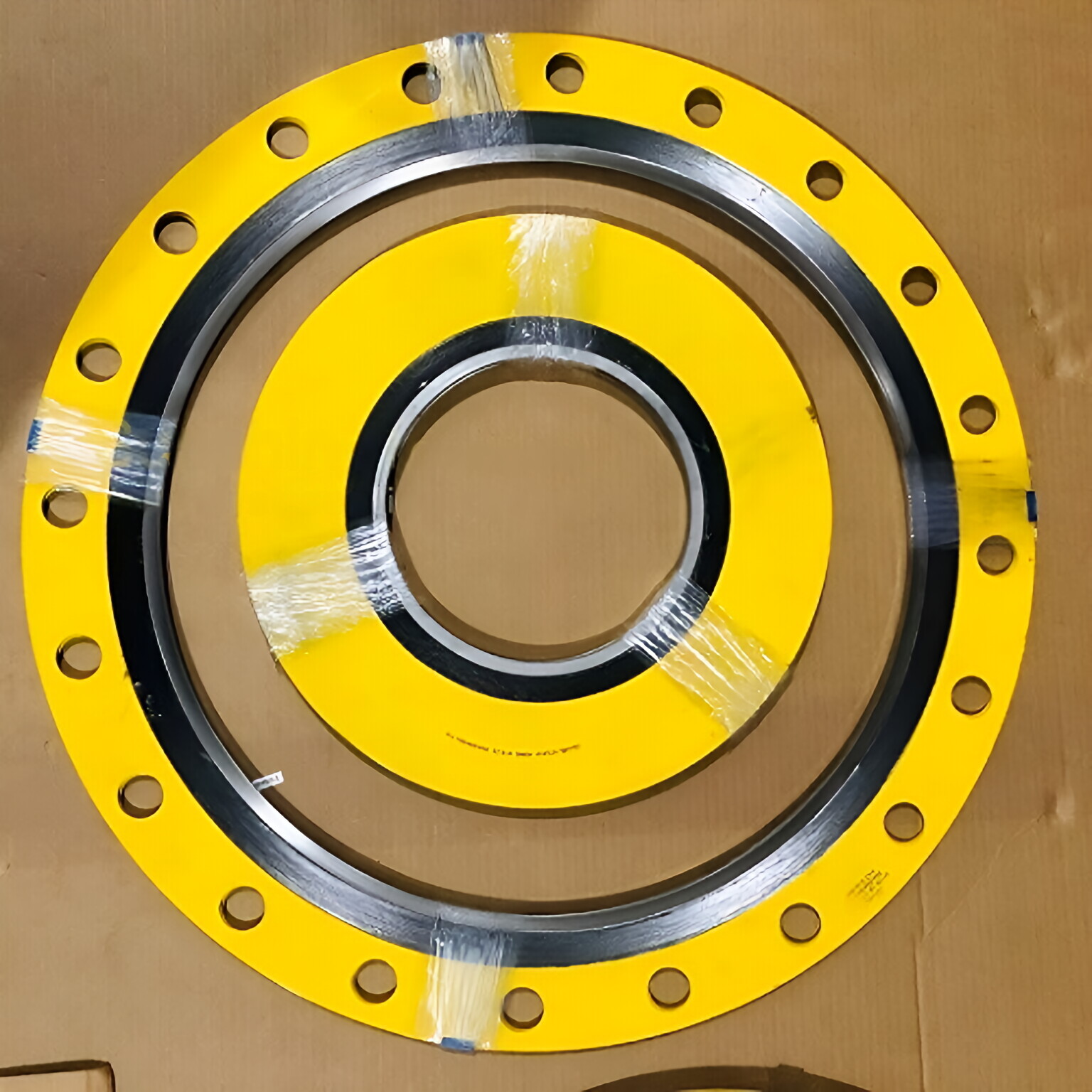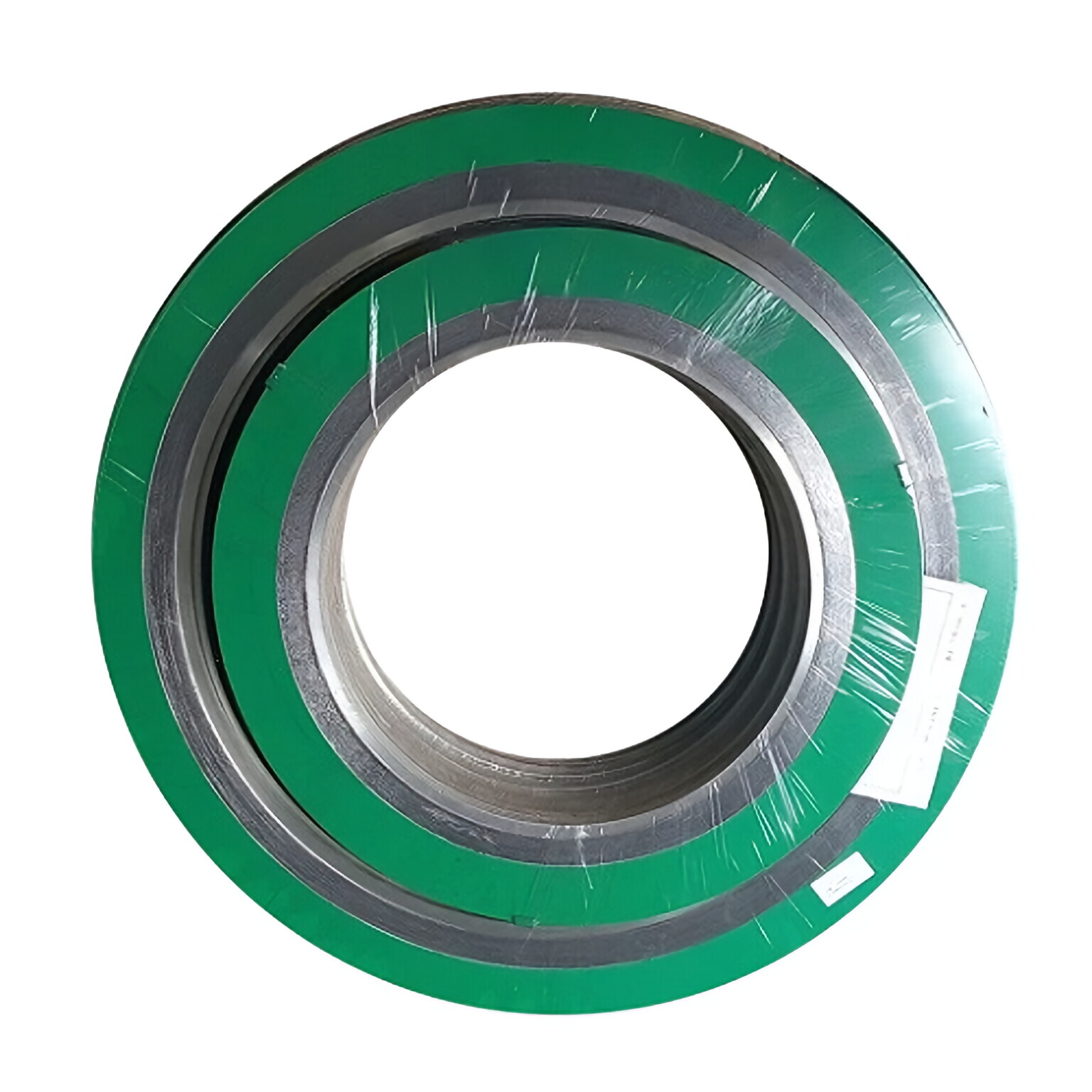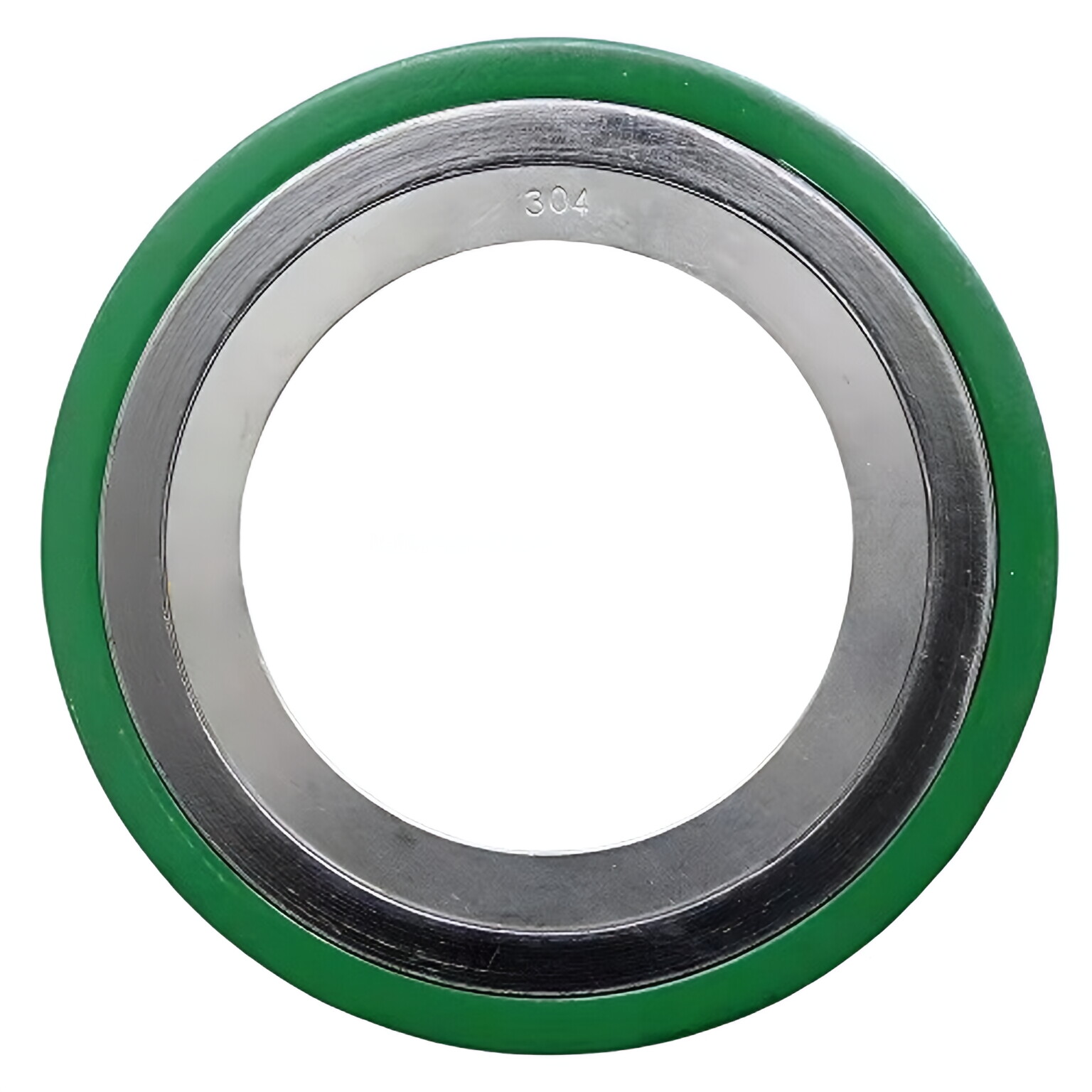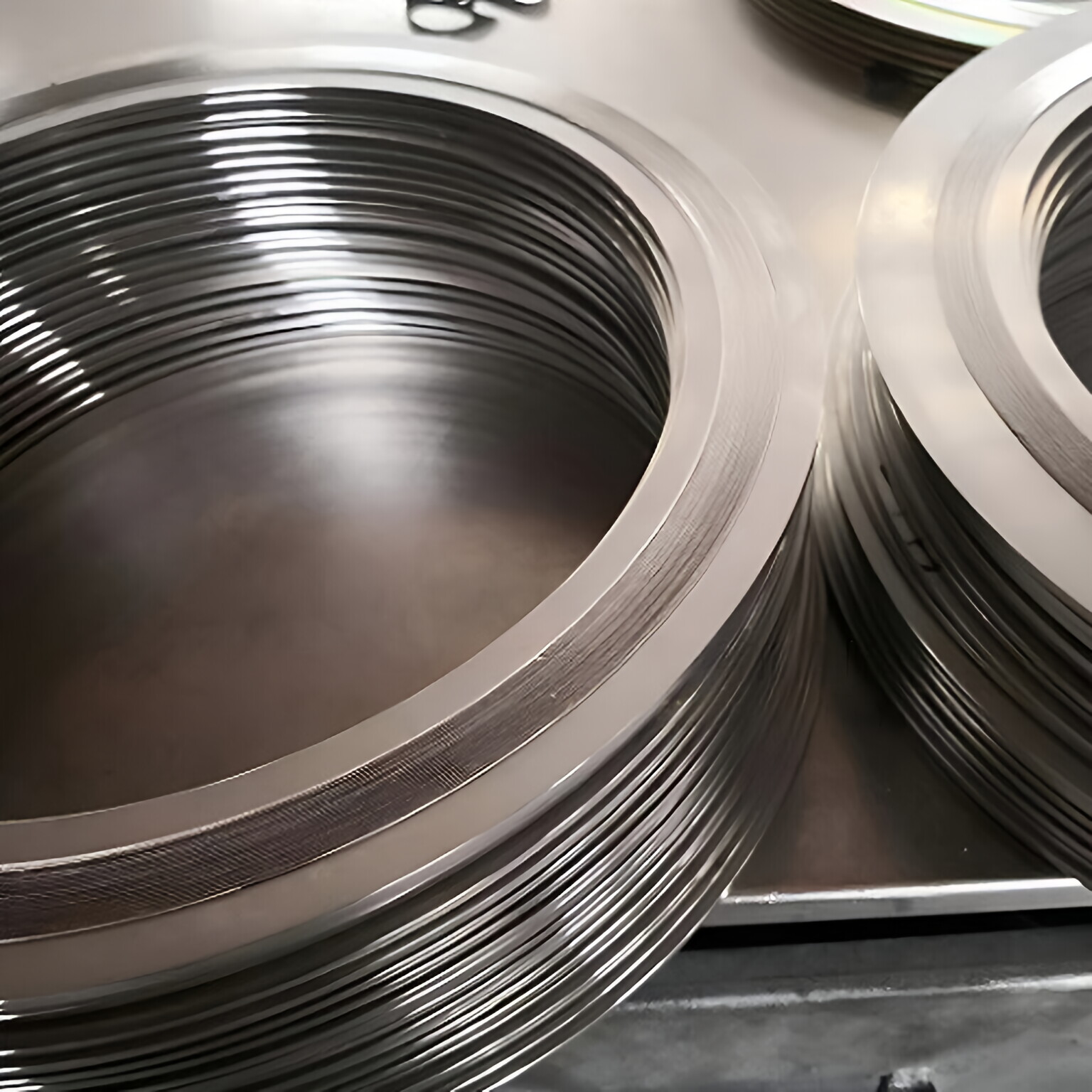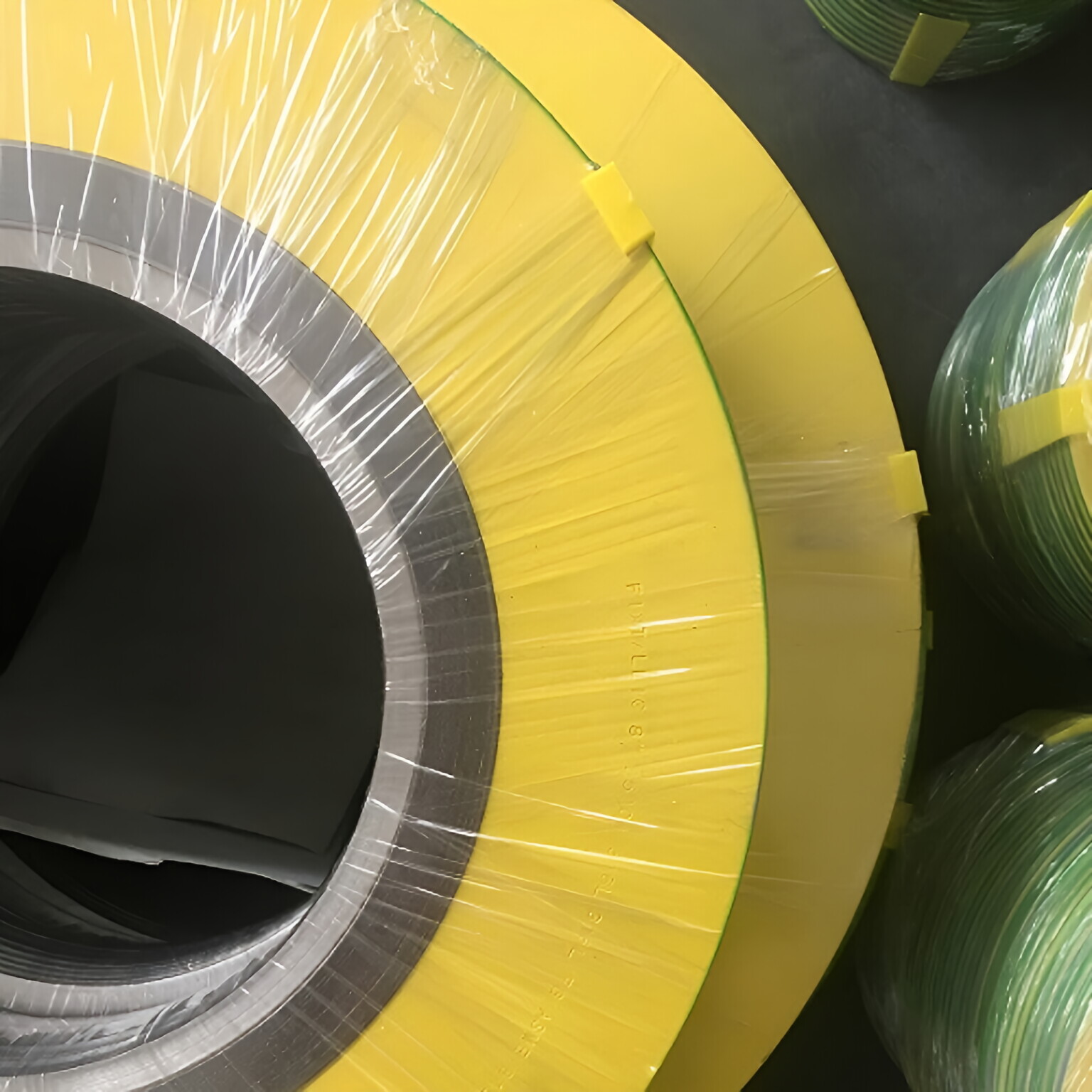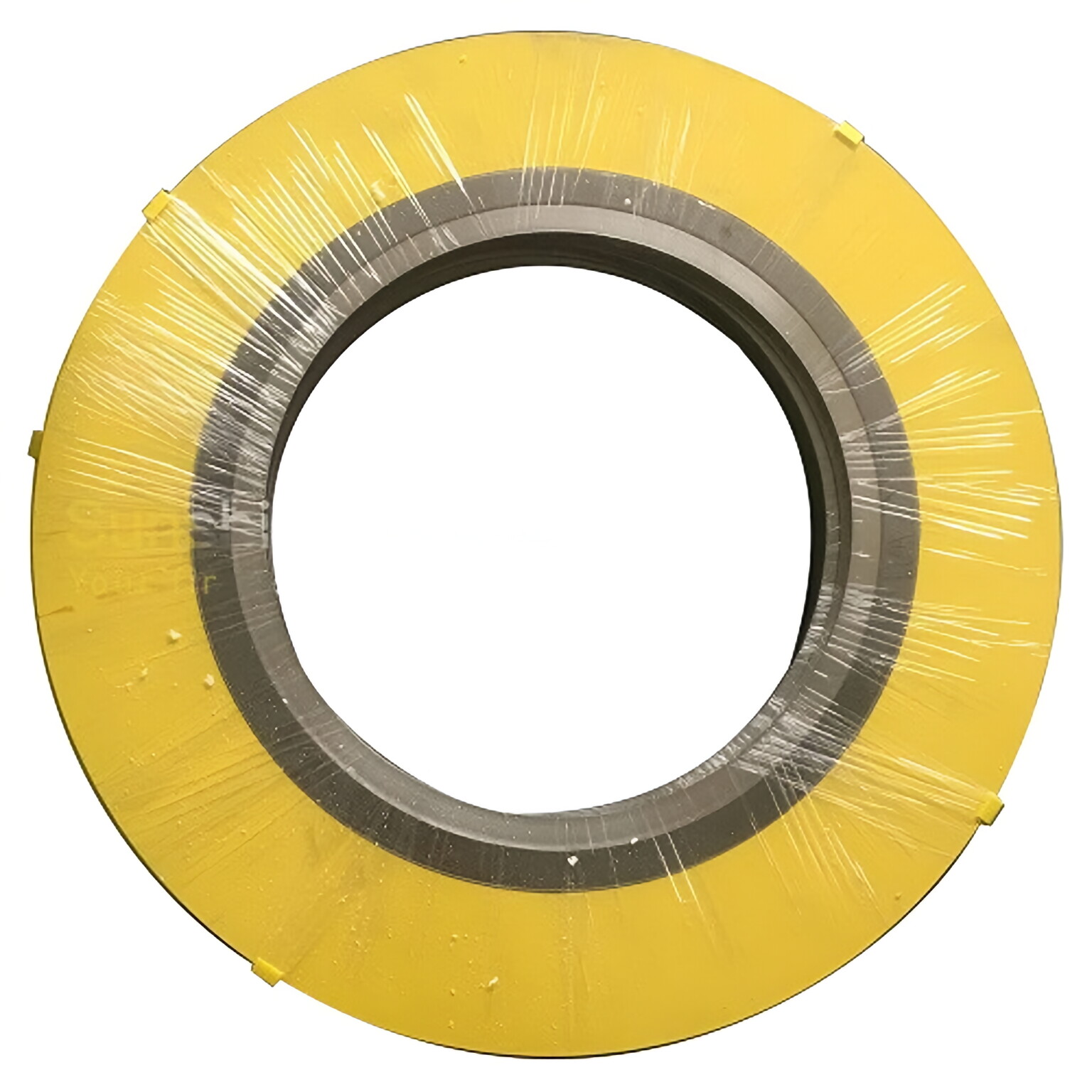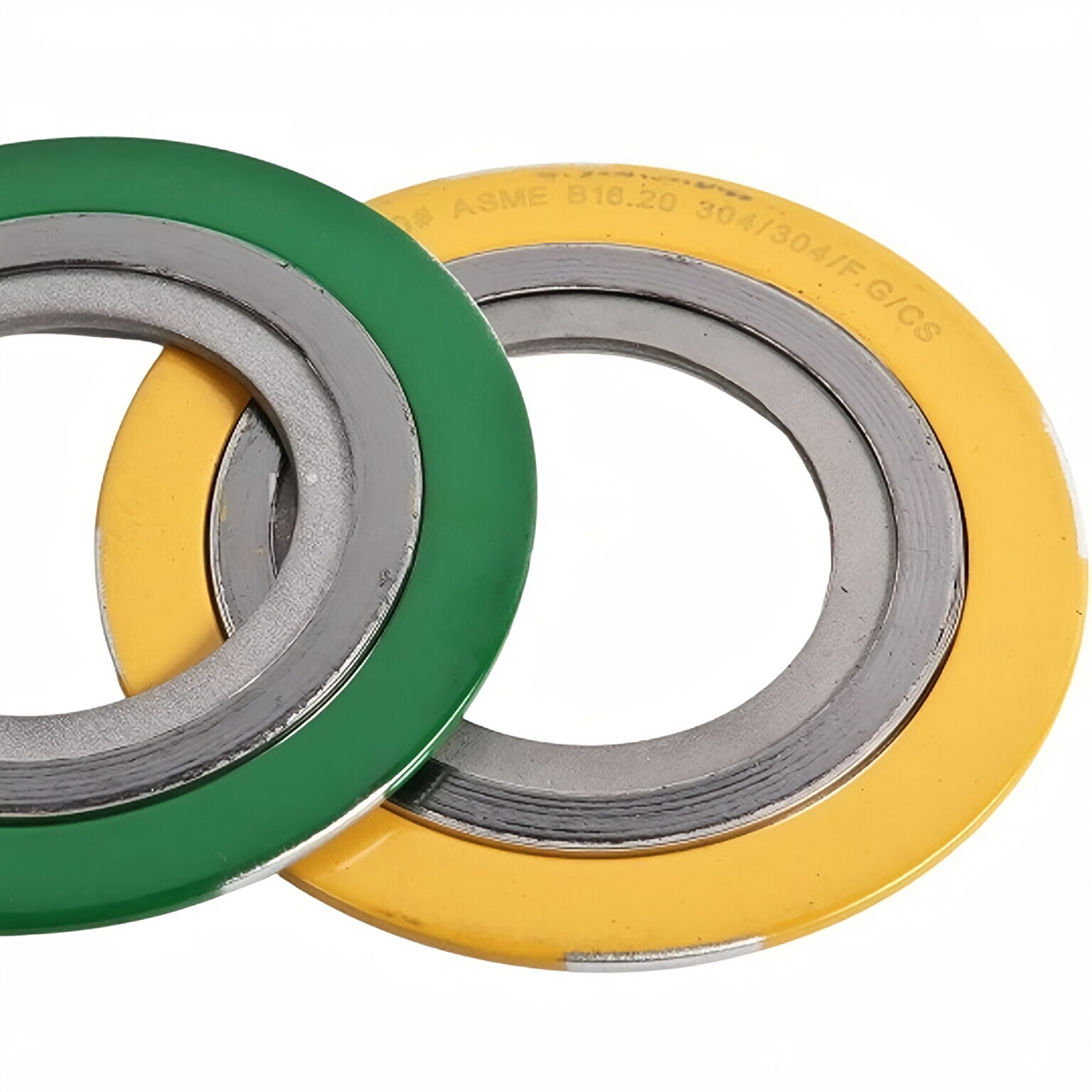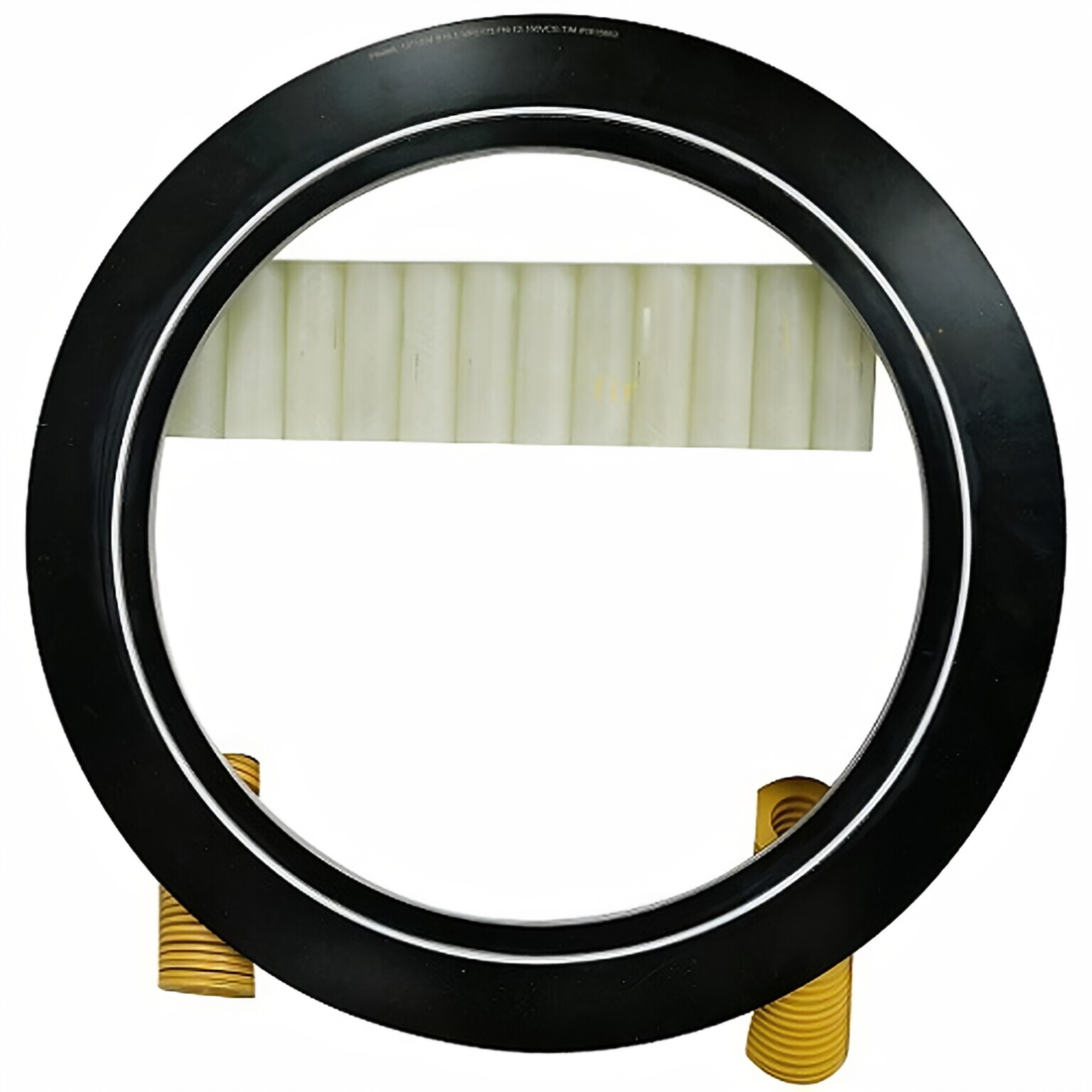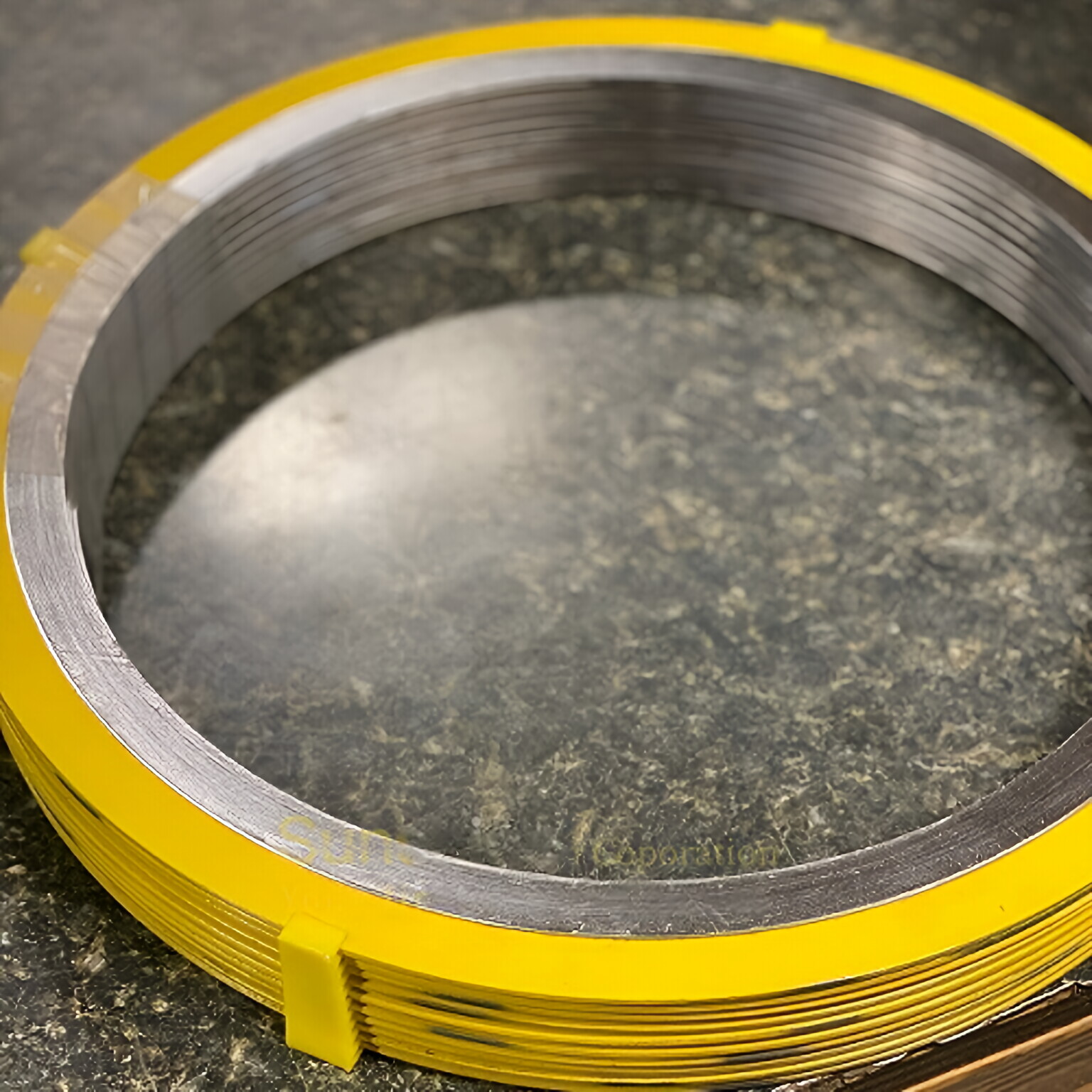
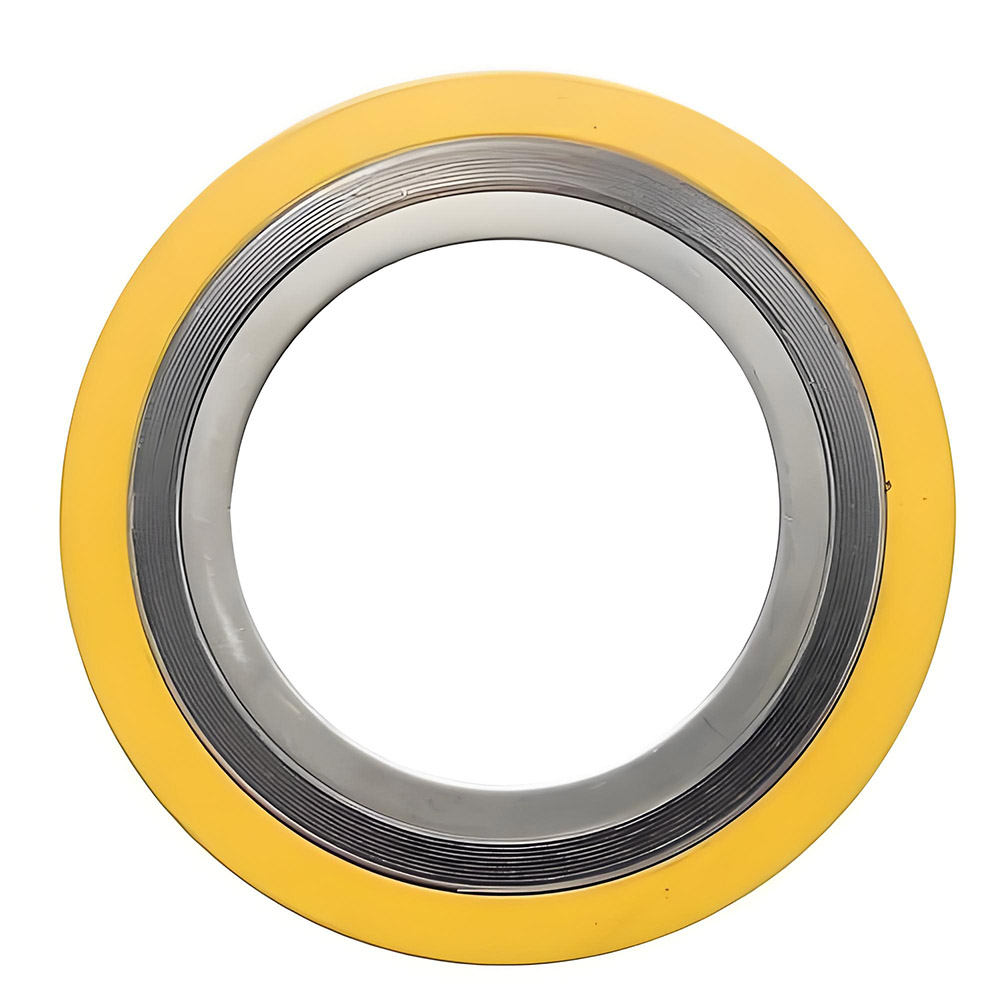
Kaxite Sealing is a China-based SS 316L graphite filler spiral wound gasket manufacturer, producing gaskets from V-shape SS 316L stainless steel tape combined with a soft graphite filler, plus inner and outer rings. SS 316L is the regular molybdenum-bearing grade, second in importance to SS 304 among the austenitic stainless steels. The molybdenum content (2–3%) gives it better overall corrosion resistance than Grade 304 — particularly higher pitting resistance and chloride crevice corrosion resistance. The low carbon content (≤0.03%) eliminates carbon precipitation during welding, so SS 316L is resistant to sensitisation and is widely used in high-gauge (over 6 mm) welded parts. Chemical composition: Cr 16–18%, Ni 10–14%, Mo 2–3%, C ≤0.03%, Mn ≤2%, Si ≤1%, P ≤0.045%, S ≤0.03%. Mechanical properties: tensile strength 485 MPa, yield strength 205 MPa, elongation 52%, density 7.9 g/cm³. This is a very common and economical spiral wound gasket. As the direct supplier and manufacturer, we can offer factory pricing on short lead times. Custom sizes, OEM private-label packaging and flexible MOQ are available for B2B buyers. Send your flange standard, nominal pipe size, pressure rating and quantity for a bulk quotation.
SS 316L Graphite Filler Spiral Wound Gasket Manufacturer — Molybdenum-Bearing Winding for Better Pitting and Chloride Crevice Corrosion Resistance than SS 304
Kaxite Sealing manufactures SS 316L with graphite filler spiral wound gaskets from V-shape SS 316L stainless steel tape combined with soft graphite filler, plus inner and outer rings. This is the regular molybdenum-bearing grade — second in importance to SS 304 among the austenitic stainless steels — and it covers severe corrosive and high temperature environments where standard 304 falls short.
The molybdenum content delivers better overall corrosion resistance than Grade 304, particularly higher pitting resistance and chloride crevice corrosion resistance. The low carbon content eliminates carbon precipitation during welding, so SS 316L resists sensitisation and is widely used in high-gauge (over 6 mm) welded parts. It is a very common and economical spiral wound gasket, and as the direct supplier and manufacturer we can offer factory pricing on short lead times.
Every spiral wound gasket buyer eventually asks the same question: why pay 40% more for 316 when 304 is available? The answer is not "higher grade = better everywhere" — it is a specific corrosion mechanism. The table below compares the two grades on the properties that matter for flanged joints in real service.
SS 304Standard austenitic
SS 316LMolybdenum bearing
18–20%Chromium
16–18%Chromium
8–10.5%Nickel
10–14%Nickel
—Molybdenum
2–3%Molybdenum
StandardPitting resistance
HigherPitting resistance
StandardChloride crevice
HigherChloride crevice
BaseRelative price
About +40%Relative price
If your service medium contains chlorides, the pitting and crevice corrosion resistance of SS 316L is not a luxury — it is the difference between a joint that lasts a campaign and a joint that pits through. If chlorides are absent and the temperature is moderate, SS 304 remains the economical choice.
Chemistry
Chemical Analysis of SS 316L
Eight elements define the SS 316L grade. Each one plays a specific role — Cr forms the passive oxide layer, Ni stabilises the austenite, Mo delivers pitting resistance, and the low C prevents sensitisation during welding. The values below match the ASME B16.20 reference composition for 316L winding tape.
Cr
16–18%Passive layer
Ni
10–14%Austenite stabiliser
Mo
2–3%Pitting resistance
C
≤ 0.03%Low carbon grade
Mn
≤ 2%Max
Si
≤ 1%Max
P
≤ 0.045%Max
S
≤ 0.03%Max
Mechanical Properties
SS 316L Mechanical Performance
The values below are measured on the annealed condition used for spiral wound gasket winding tape. SS 316L delivers a very high elongation (52%) which is the property that lets the winding deform into the flange serrations without cracking under bolt load.
Ultimate Tensile Strength485MPa
Yield Strength205MPa
Elongation52%
Density7.9g/cm³
316 vs 316L
SS 316 and SS 316L — What's the Difference?
SS 316L is the low-carbon variant of SS 316. The two grades are very similar in chemical composition and mechanical properties — the difference is in the carbon content, and that difference has a specific consequence for welded joints.
SS 316C ≤ 0.08%
Standard carbon content. Suitable for most flanged joints where welding is not a factor, or where the weld is thin (under 6 mm).
SS 316LC ≤ 0.03%
Low carbon content. Eliminates carbon precipitation in the welding process, resists sensitisation, and is the preferred grade for high-gauge (over 6 mm) welded parts.
There is usually no significant price difference between 316 and 316L stainless steel. Because 316L provides the same corrosion resistance and mechanical performance with the added benefit of weldability, we supply 316L as our standard molybdenum-bearing winding grade. If you specifically need 316 instead, we can supply that too — just specify the grade on your enquiry.
Cost
Where the 40% Price Premium Comes From
SS 316 is on average about 40% more expensive than SS 304. That premium is not arbitrary — it comes from two specific differences in the alloy composition. Understanding where the money goes helps you decide whether the grade is worth it for a given joint.
01
Higher Nickel Content
316 runs 10–14% Ni versus 8–10.5% in 304. Nickel is the single most expensive element in austenitic stainless steel, so the extra nickel alone accounts for a large share of the premium.
02
Molybdenum Addition
316 adds 2–3% Mo, which 304 does not have at all. Molybdenum is a high-value alloying element and is the reason 316L has better pitting and crevice corrosion resistance than 304.
The engineering question is not "is 316L more expensive?" — it obviously is. The right question is "will 304 survive the service?" If the answer is no, the 40% premium is small compared to a joint failure, a shutdown, or a safety incident. If the answer is yes, stick with 304 and save the money.
How to Order
Five Items We Need to Quote an SS 316L Graphite Filled Gasket
To return a firm unit price, lead time and available samples, send the following five items with your enquiry. If you already have a flange drawing or a sample of the existing gasket, attach that instead — we will match it directly.
1
Nominal Pipe Size
Or specific gasket inner / outer diameters if the joint is non-standard.
2
Pressure Rating
Class 150, 300, 600, 900, 1500, 2500 or PN10 to PN250.
3
Gasket Style
CG (outer ring only) or CGI (inner ring + winding + outer ring). CGI is the ASME B16.20 standard.
4
Inner & Outer Ring Material
Usually matched to the winding. Standard outer ring is carbon steel painted; specify stainless if the flange environment is corrosive.
5
Quantity & Port
Order quantity and destination port so we can quote freight-inclusive or FOB.
If you are not sure whether SS 316L or SS 304 is the right grade for your medium, send the chemical name, chloride concentration and operating temperature and we will recommend the correct winding material. Custom sizes, non-standard dimensions and private-label packaging are all available.
FAQ
Frequently Asked Questions from Purchasing Teams
What is the advantage of SS 316L over SS 304 for spiral wound gasket winding?
SS 316L is the regular molybdenum-bearing grade, second in importance to SS 304 among the austenitic stainless steels. The molybdenum content (2–3%) provides 316L better overall corrosion resistance than Grade 304, particularly higher pitting resistance and chloride crevice corrosion resistance. This matters in chemical plants, refineries and coastal environments where chlorides are present. SS 316L also has a low carbon content (≤0.03%) that eliminates carbon precipitation during welding, so it resists sensitisation and is widely used in high-gauge (over 6 mm) welded parts.
Which is more expensive, SS 304 or SS 316?
SS 316 is more expensive than SS 304. The increase in nickel content and the addition of molybdenum in 316 make it more expensive — on average the price of 316 stainless steel is about 40% higher than the price of 304 stainless steel. There is usually no significant price difference between 316 and 316L stainless steel.
What is the chemical composition of SS 316L used in this gasket?
SS 316L chemical composition: Cr 16–18%, Ni 10–14%, Mo 2–3%, C ≤0.03%, Mn ≤2%, Si ≤1%, P ≤0.045%, S ≤0.03%. The nickel and molybdenum are what make the alloy corrosion resistant. The very low carbon content (≤0.03%) is what makes the low-carbon version resistant to sensitisation.
What are the mechanical properties of SS 316L?
SS 316L mechanical properties: ultimate tensile strength 485 MPa, yield strength 205 MPa, elongation 52%, density 7.9 g/cm³. These values are measured on the annealed condition used for spiral wound gasket winding tape.
What is the difference between SS 316 and SS 316L?
SS 316L is a low-carbon variant of SS 316. It is very similar to Grade 316 in chemical composition and mechanical properties, but the carbon content is capped at 0.03% instead of 0.08%. This low carbon content eliminates carbon precipitation in the welding process, so 316L is resistant to sensitisation (precipitation of grain boundary carbide) and is the preferred grade for high-gauge welded parts over 6 mm thick. There is usually no significant price difference between 316 and 316L.
What information do you need to quote an SS 316L graphite filled spiral wound gasket?
Five items: (1) nominal pipe size or specific gasket dimensions, (2) pressure rating (Class or PN), (3) gasket style (CG with outer ring only, or CGI with inner and outer rings), (4) inner and outer ring material, (5) quantity and destination port. With these five items we can return a firm unit price, lead time and available samples.
Need pricing on SS 316L graphite filled spiral wound gaskets?
Send your flange standard, nominal pipe size, pressure rating, gasket style and quantity. Our sales engineers reply with a quotation, available samples and the packing options for your market.
Kaxite sealing has been in business for many years, providing our customers with exceptional service, quality products, and fast delivery times. Our team has a combined many years experience in the industry and we work hard to ensure our customers are completely satisfied with their orders. Please feel free to contact us at any time if you have any questions or would like to submit a quote. We welcome the opportunity to build relationships with new customers and exceed their expectations.
We use cookies to offer you a better browsing experience, analyze site traffic and personalize content. By using this site, you agree to our use of cookies. Privacy Policy