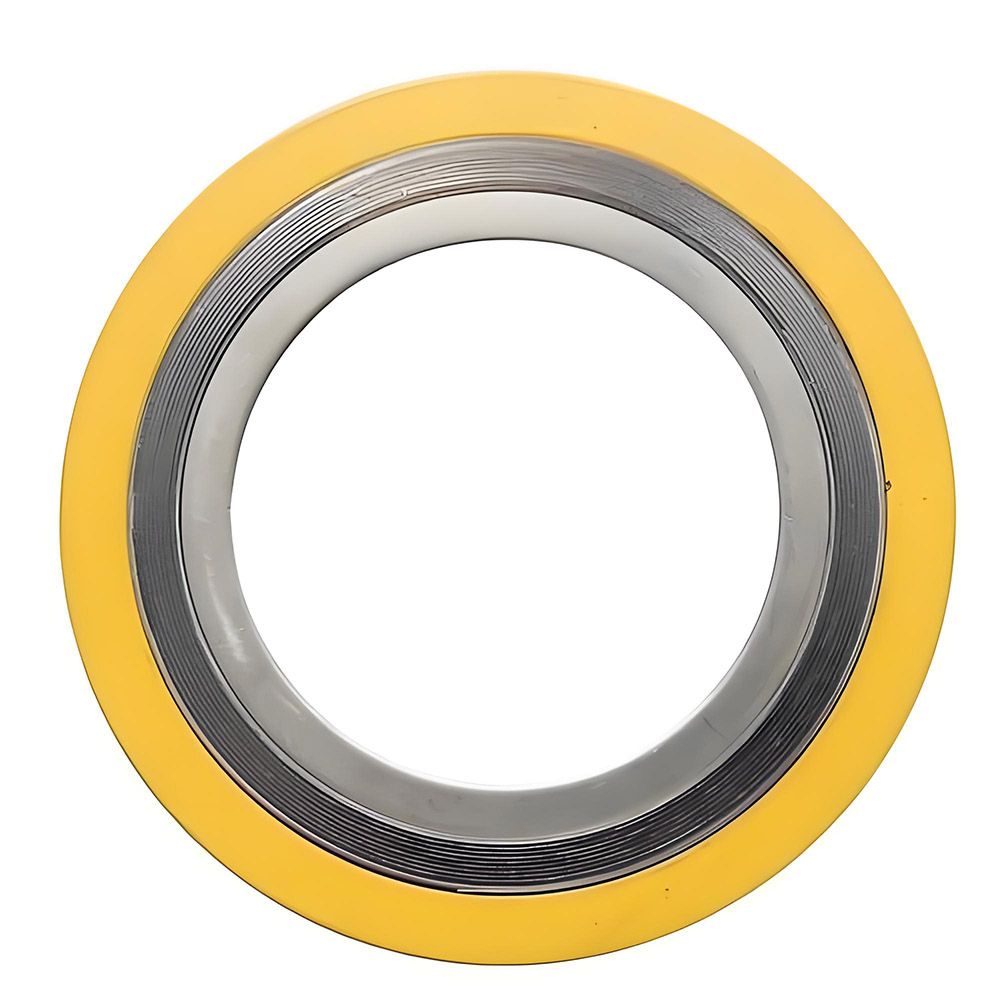
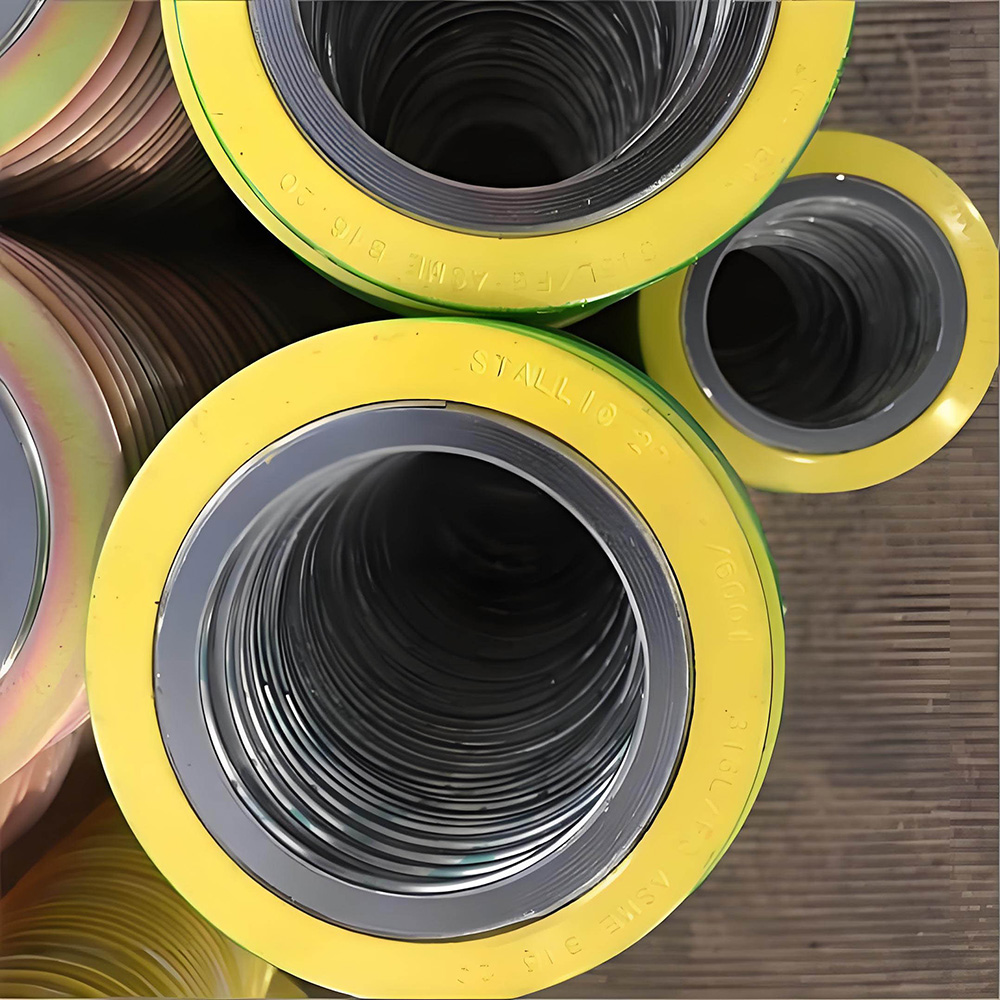
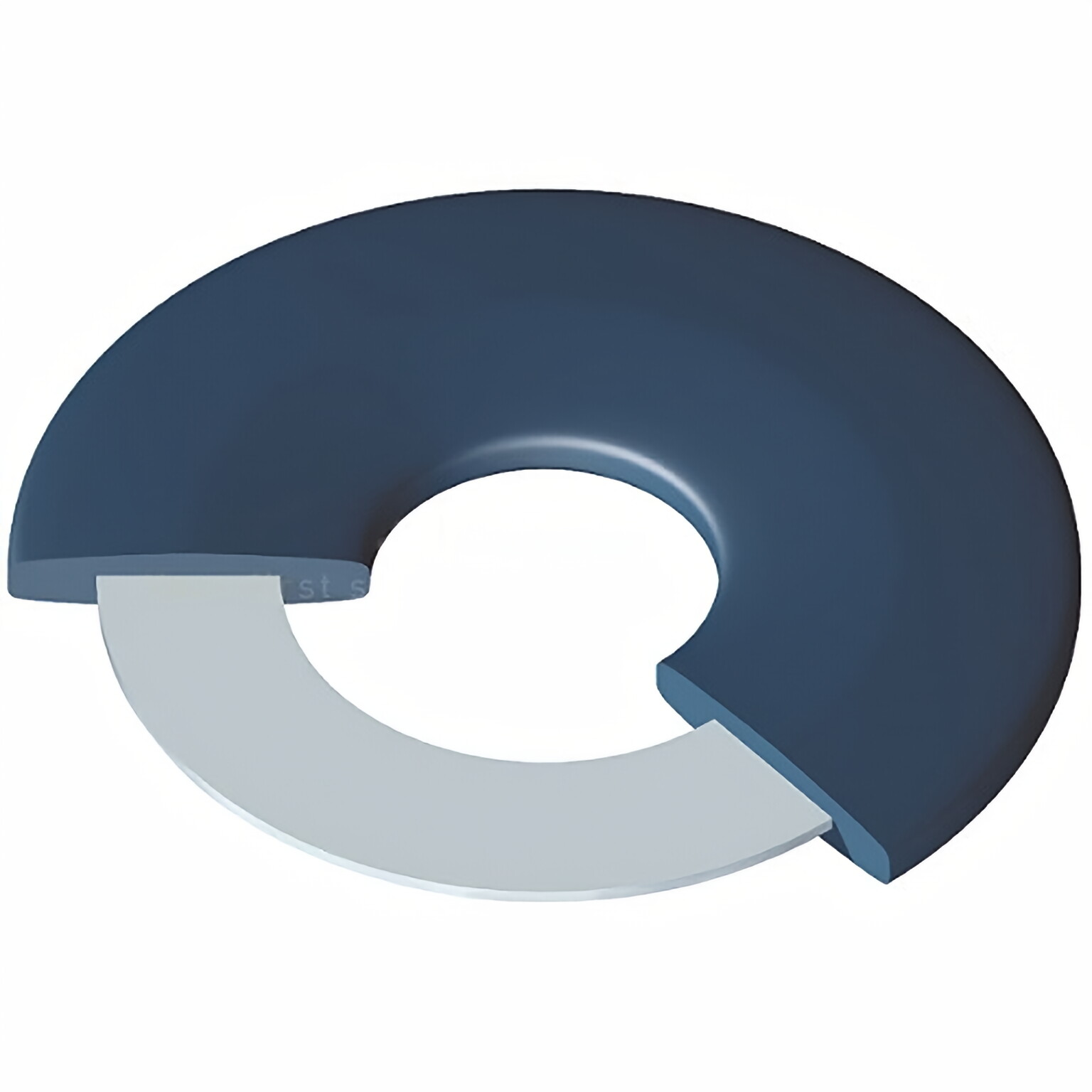
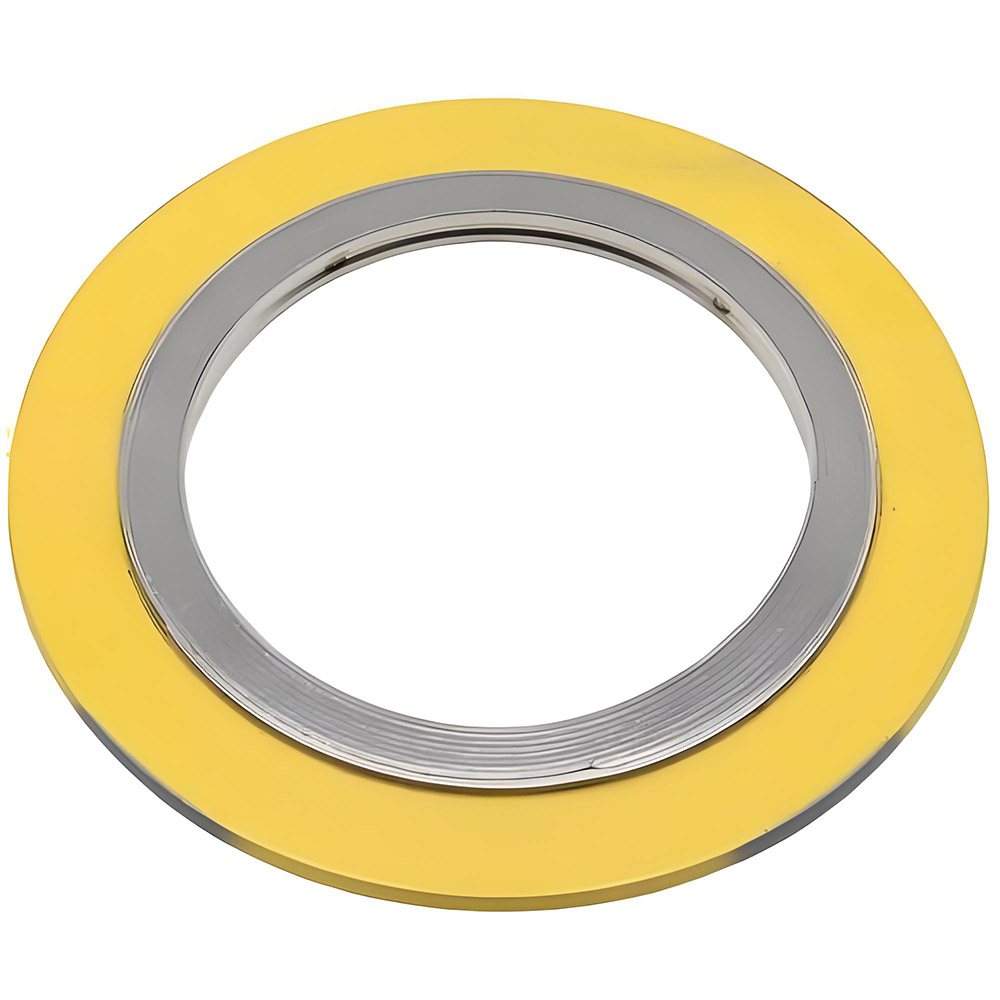
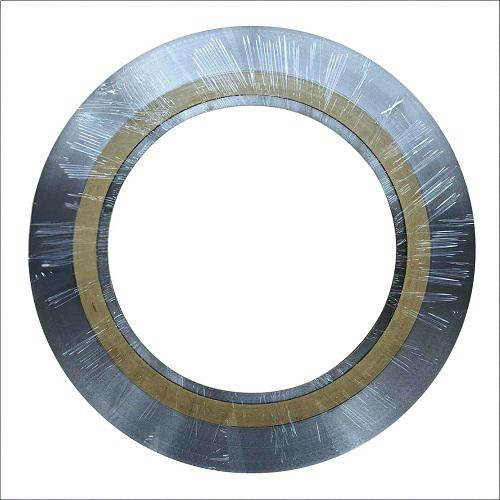
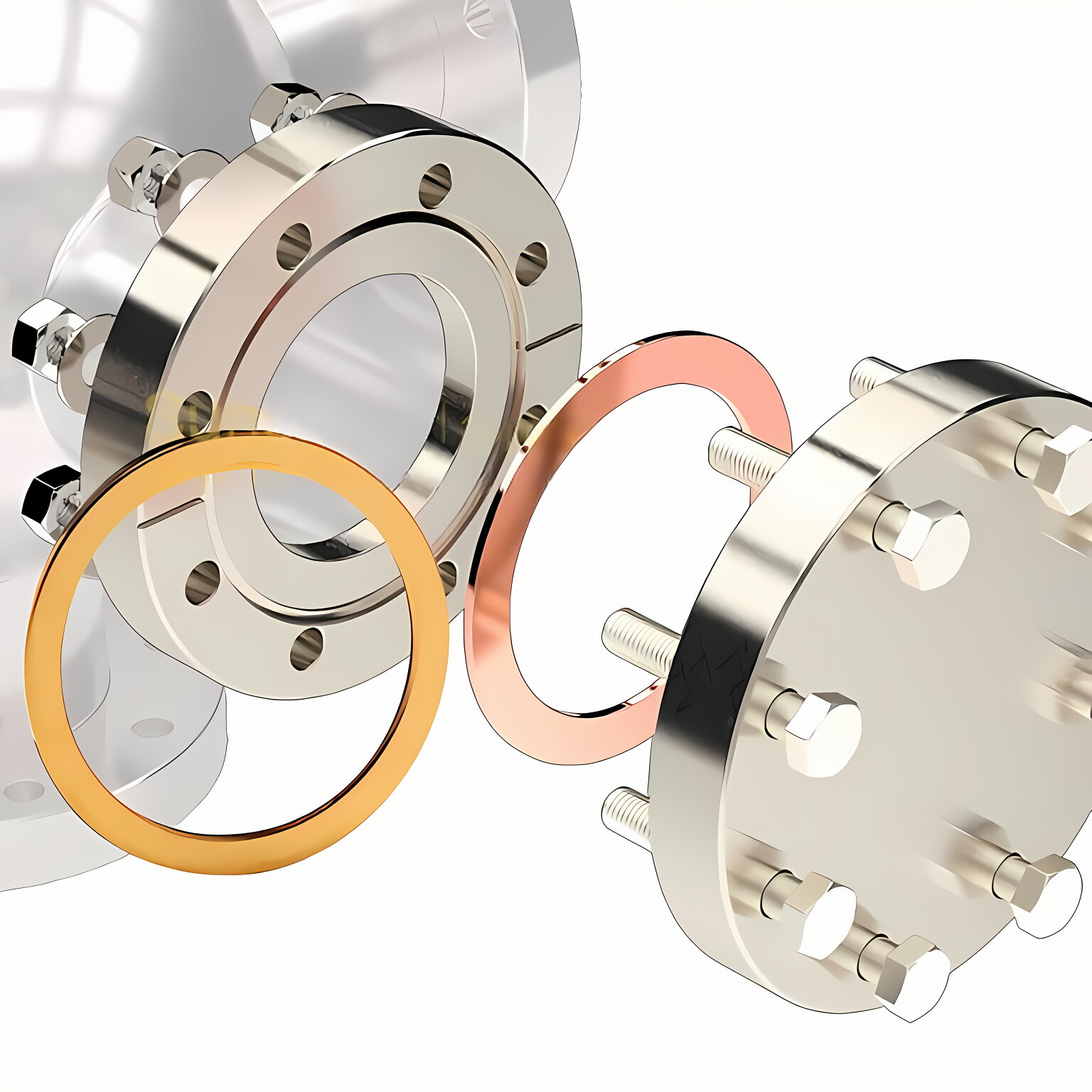
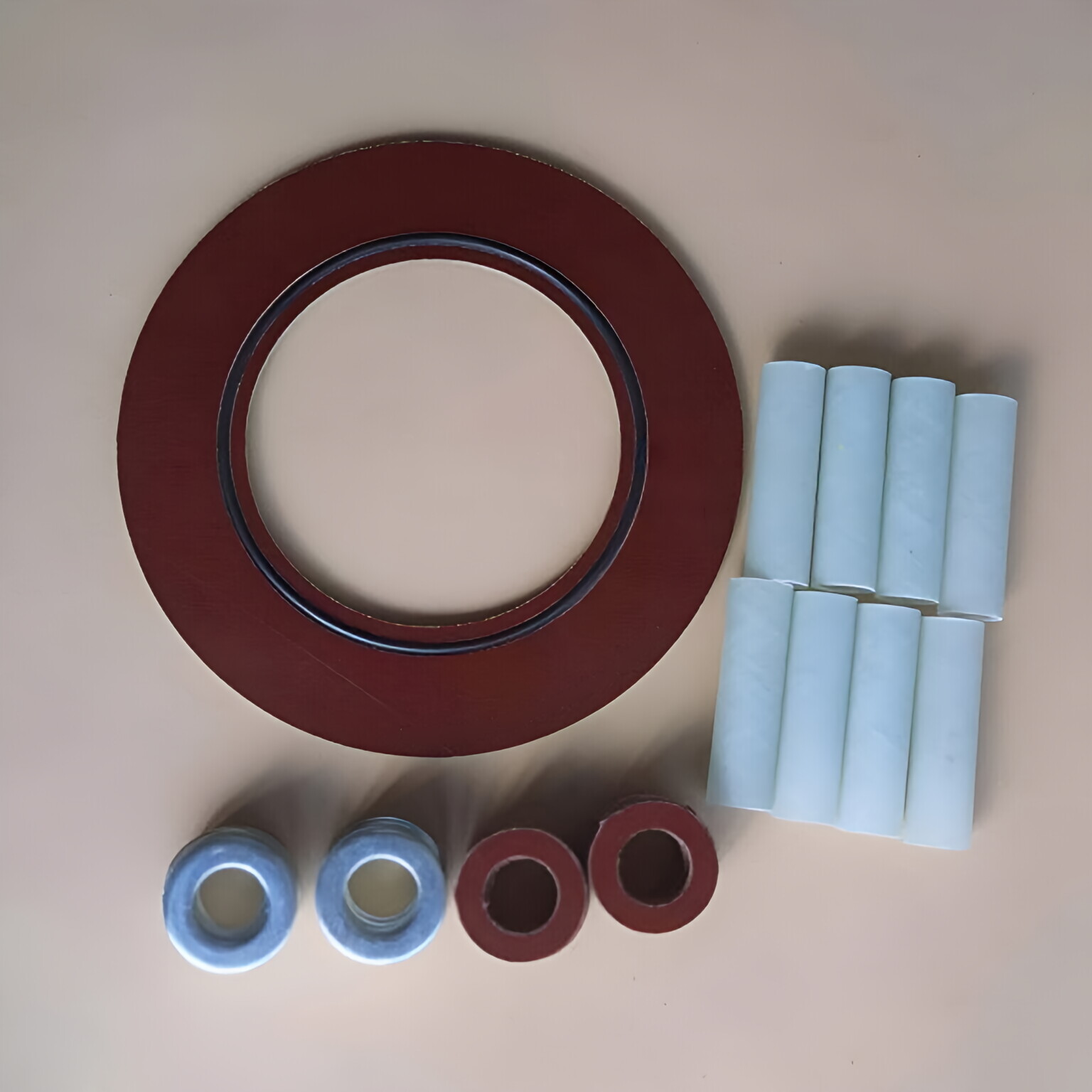
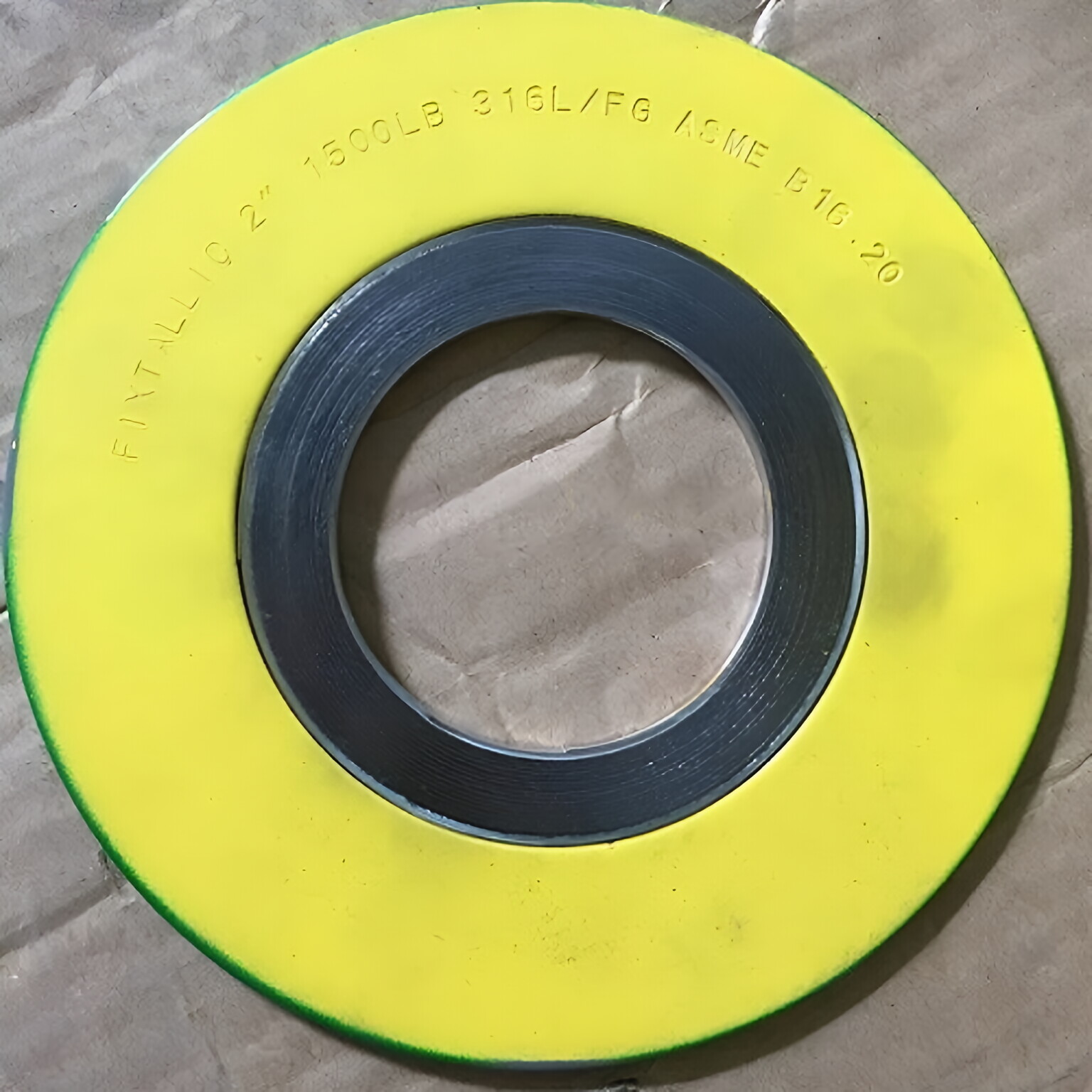
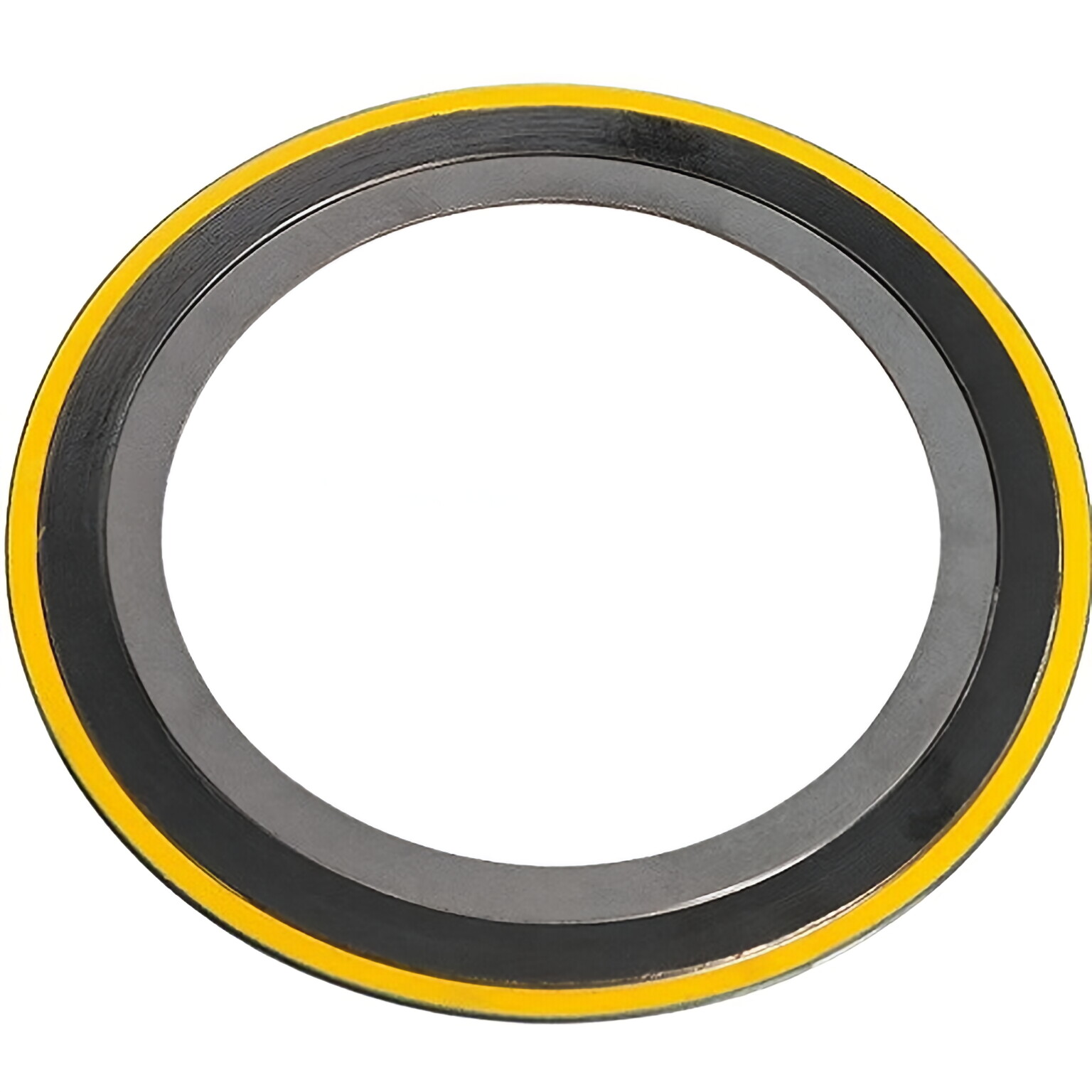
How does a Linebacker-seal flange isolation gasket kit work? This is a crucial question for engineers and procurement specialists dealing with complex piping systems prone to corrosion and electrical interference. At its core, this specialized kit creates a physical and electrical barrier between connected flanges. It prevents galvanic corrosion caused by dissimilar metals and stops damaging electrical currents, known as stray currents, from traveling through the pipeline. A typical linebacker-seal kit combines a non-conductive isolation gasket, insulating sleeves for bolts, and washers. When installed, this assembly completely separates the metallic flanges, interrupting the path for both ionic and electronic current flow. This not only protects expensive equipment but also enhances safety and reduces maintenance costs. For industrial buyers seeking reliable, long-term sealing solutions, understanding this mechanism is the first step toward preventing costly system failures. The innovative design from companies like Ningbo Kaxite Sealing Materials Co., Ltd. ensures a precise fit and robust performance, directly addressing the operational headaches faced in chemical plants, offshore platforms, and water treatment facilities.
Article Outline:
Imagine a critical cooling water line in a coastal power plant. The system combines carbon steel pipes with stainless steel valves. Over time, saltwater acts as an electrolyte, triggering galvanic corrosion at the flange connections. This unseen deterioration leads to leaks, unplanned shutdowns, and emergency repairs costing tens of thousands in downtime and parts replacement. Traditional gaskets fail to address the root cause—the electrical potential between different metals.
The solution is a strategically designed isolation gasket kit. Products like the Linebacker-seal flange isolation kit from Ningbo Kaxite Sealing Materials Co., Ltd. are engineered specifically for this scenario. The kit introduces a high-dielectric-strength barrier that stops the electrochemical reaction cold. By electrically isolating the flanges, it prevents metal ion transfer, effectively eliminating galvanic corrosion at its source. This proactive approach transforms a high-maintenance connection into a reliable, long-lasting seal.
Critical Parameters for Corrosion Prevention:
| Parameter | Importance for Buyers |
|---|---|
| Dielectric Strength | Must withstand system voltage spikes (typically 5kV-10kV min) to prevent electrical breakdown. |
| Material Compatibility | Gasket material (e.g., PTFE, FKM) must resist process chemicals and temperatures. |
| Bolt Sleeve & Washer Material | Often POM or PTFE; ensures complete circuit isolation around bolts. |
| Pressure & Temperature Rating | Must match or exceed the pipeline's operational P/T class (e.g., ASME B16.5 Class 150). |
Beyond corrosion, many facilities face issues with cathodic protection interference or stray currents from welding and DC systems. These currents can accelerate corrosion at unexpected locations, cause measurement errors, and even pose safety risks. The challenge is creating a seal that is both pressure-tight and perfectly insulating across the entire flange face and bolt circle.
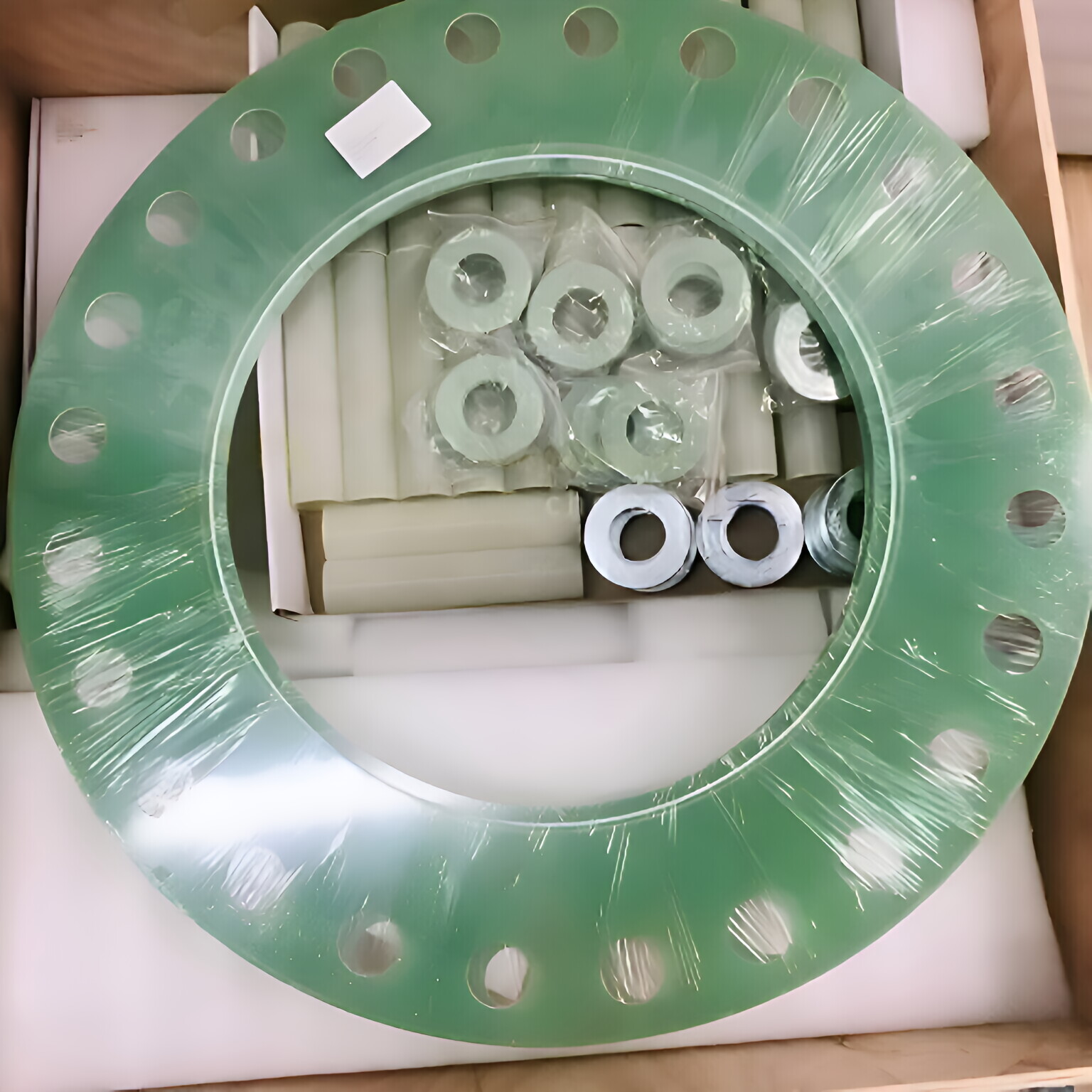
The working principle of a complete linebacker-seal kit provides this total isolation. The isolation gasket is placed between the flange faces. Simultaneously, insulating sleeves are fitted over the bolts, and washers are placed under the bolt heads and nuts. This engineered system from Kaxite ensures no metallic contact occurs between the two flanges or across the bolts, breaking all potential electrical paths. It functions as a unified isolation unit, maintaining a seal under fluctuating pressures and temperatures.
Key Working Principle Components & Specs:
| Component | Function & Procurement Focus |
|---|---|
| Isolation Gasket | Core sealing element; check for full-face or ring-type design based on flange standard. |
| Insulating Sleeves | Prevent bolt-to-flange contact; length must be precise for correct flange thickness. |
| Insulating Washers | Prevent contact at bolt head/nut; often color-coded for easy installation verification. |
| Kit Completeness | Ensure all components for specified bolt size/quantity are included for hassle-free installation. |
For procurement professionals, selecting the right kit is about matching detailed specifications to the application. A common mistake is ordering a standard gasket without verifying the electrical and physical properties, leading to premature failure. The goal is to secure a kit that guarantees performance and simplifies inventory management.
Ningbo Kaxite Sealing Materials Co., Ltd. addresses this by providing kits with clear, certified specifications. Their linebacker-seal kits are designed per international standards like ISO, ASME, and DIN, with material certifications available. This gives buyers confidence in the product's reliability for critical applications, from oil and gas to pharmaceutical pipelines, ensuring compliance and reducing technical risk.
Essential Procurement Checklist Table:
| Specification Category | Details to Confirm with Supplier |
|---|---|
| Flange Standards | ASME B16.5, B16.47, EN 1092-1, JIS, etc., and exact size (NPS/DN). |
| Pressure-Temperature Class | Rating (e.g., Class 150, PN16) and maximum operational temperature. |
| Electrical Properties | Dielectric strength (V/mil or kV/mm), surface and volume resistivity. |
| Material Certifications | Mill test reports for gasket, MTRs or chemical resistance charts for non-metallics. |
The ultimate test of any isolation solution is long-term performance under real-world conditions. Failure can mean environmental spills, safety hazards, and catastrophic financial loss. The need is for a product that doesn't just work on day one but lasts for the entire maintenance cycle.
This is where the quality and design of the linebacker-seal kit prove vital. Kaxite's kits are engineered for durability, with materials selected for creep resistance and long-term stability under load. Proper installation following their guidelines ensures the isolation integrity is maintained, preventing the slow degradation that can compromise safety systems and lead to regulatory non-compliance.
Long-Term Performance & Safety Metrics:
| Performance Aspect | How a Quality Kit Ensures It |
|---|---|
| Leak Prevention | Consistent sealing force from non-collapsing sleeves/washers prevents relaxation. |
| Safety Compliance | Helps meet safety standards (e.g., OSHA, PSM) by preventing ignition sources from stray currents. |
| Maintenance Cycle | Extends time between planned shutdowns, reducing lifetime operational costs. |
| System Reliability | Protects sensitive instrumentation from ground loops and electrical noise. |
Q: How does a Linebacker-seal flange isolation gasket kit work to prevent both galvanic and stray current corrosion?
A: It works as a comprehensive insulation system. The isolation gasket blocks current flow between the two flange faces. The insulating sleeves and washers prevent current from traveling along the bolts, which would otherwise create a parallel electrical path. This complete 360-degree isolation ensures that neither ionic current (causing galvanic corrosion) nor electronic stray currents can pass through the joint, protecting the pipeline on all fronts.
Q: How does a Linebacker-seal flange isolation gasket kit work in high-pressure applications? Is sealing compromised for insulation?
A: Not when designed correctly. A high-performance kit balances both functions. The gasket material (like PTFE composite) is chosen for its sealing capability under compressional load, while the integrated design of sleeves and washers maintains bolt load without crushing. Suppliers like Ningbo Kaxite Sealing Materials Co., Ltd. engineer their kits to meet specific pressure classes (e.g., ASME Class 600, 900), ensuring the seal remains tight and the insulation intact even under extreme pressure, preventing leaks and maintaining isolation.
Selecting the right flange isolation solution is a critical decision that impacts your plant's safety, efficiency, and bottom line. We hope this guide has clarified the workings and benefits of a linebacker-seal gasket kit. Have you encountered specific corrosion or electrical isolation challenges in your operations? Share your experience or questions below.
For robust and reliable sealing solutions, consider Ningbo Kaxite Sealing Materials Co., Ltd., a specialist in advanced gasket technology. With a focus on quality and performance, Kaxite provides engineered sealing products designed to solve complex industrial challenges. Visit https://www.spiral-wound-gasket.com to explore their product range or contact their team directly at [email protected] for expert consultation on your application requirements.
Research References:
Jones, D. A., & principle, N. D. (1996). Electrochemical basis for corrosion prevention. Materials Performance, 35(8), 56-61.
Roberge, P. R. (2008). Corrosion inspection and monitoring. In Wiley Series in Corrosion (pp. 223-245). John Wiley & Sons.
Fontana, M. G. (2005). Corrosion prevention by design and material selection. Corrosion Engineering, 4th ed., McGraw-Hill, 112-145.
Schweitzer, P. A. (2007). Fundamentals of metallic corrosion in piping systems. In Corrosion of Linings and Coatings (pp. 78-102). CRC Press.
Baboian, R. (2005). Galvanic series and its application in industry. NACE International, Paper No. 05234.
Peabody, A. W. (2001). Control of pipeline corrosion, 2nd ed. NACE International, Chapter 7.
Trevillion, E. A. (1999). The mechanism of stray current corrosion in industrial plants. British Corrosion Journal, 34(3), 193-197.
Powell, D. E., & Michels, H. T. (2006). The use of non-conductive gaskets to mitigate galvanic corrosion. ASTM Special Technical Publication, STP 1476, 45-58.
Munn, R. S. (1992). Using nonmetallic materials to solve corrosion problems. Chemical Engineering Progress, 88(5), 33-37.
Houghton, C. J., & Brown, R. W. (1984). Determining electrical isolation requirements for flanged joints. Proceedings of the Institution of Mechanical Engineers, Part E: Process Mechanical Engineering, 198(2), 127-134.