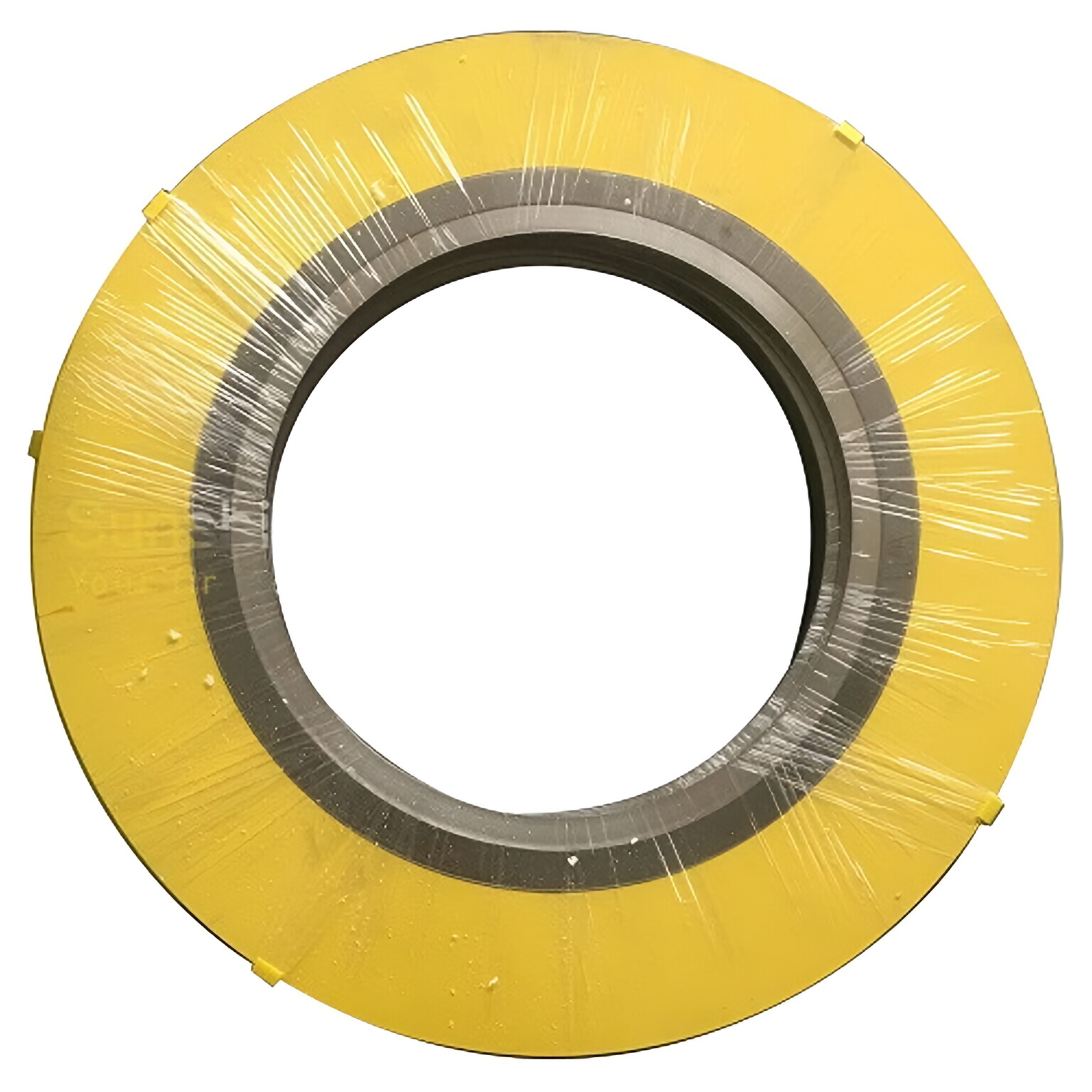
Imagine this: you're a procurement specialist finalizing a contract for a critical offshore pipeline project, and the engineers warn that dissimilar metal flanges could trigger catastrophic galvanic corrosion within months. Your reputation—and the project's safety—hinges on one small but powerful component. This is exactly where VCS flange isolating gasket kits become non-negotiable. What are the key benefits of using VCS flange isolating gasket kits? They deliver a triple promise: complete electrical isolation to stop corrosion, a positive seal that prevents leaks even under extreme pressure and temperature swings, and a maintenance-friendly design that slashes long-term operating costs. For buyers who source sealing solutions across the oil & gas, chemical processing, and power generation sectors, understanding these benefits transforms a routine purchase into a strategic reliability upgrade. In this practical guide, we'll walk through the real-world advantages, backed by engineering parameters, so you can confidently justify your next specification.
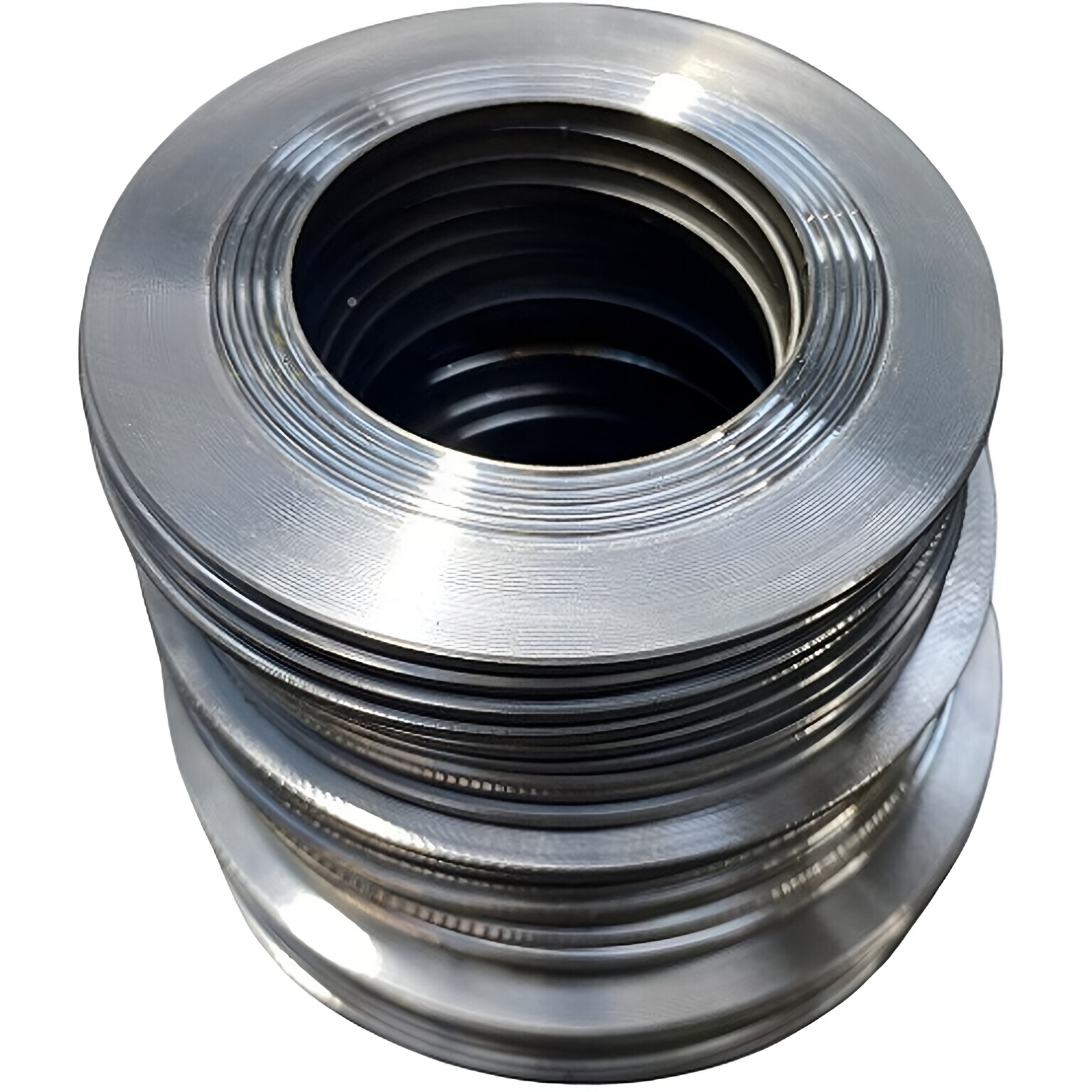
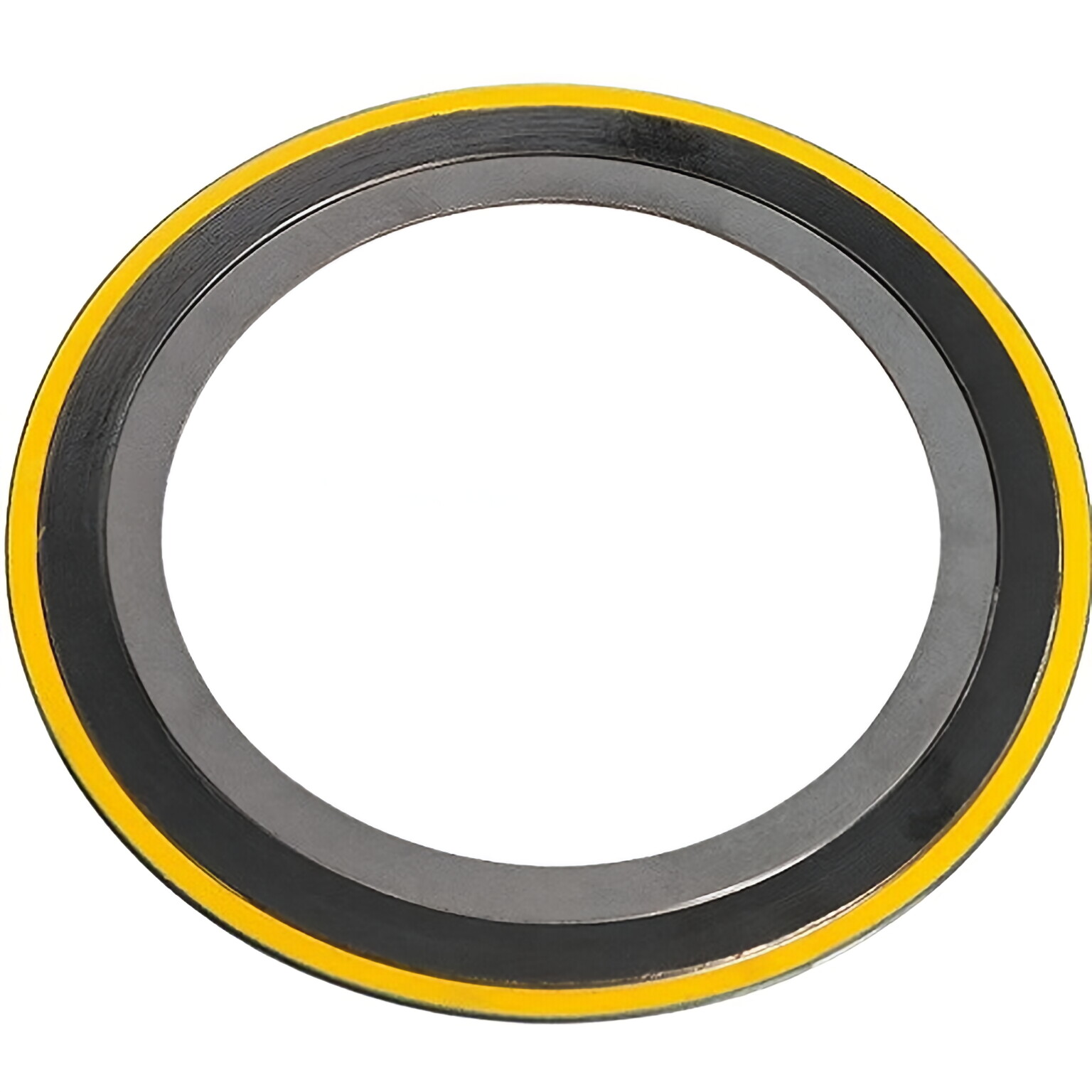
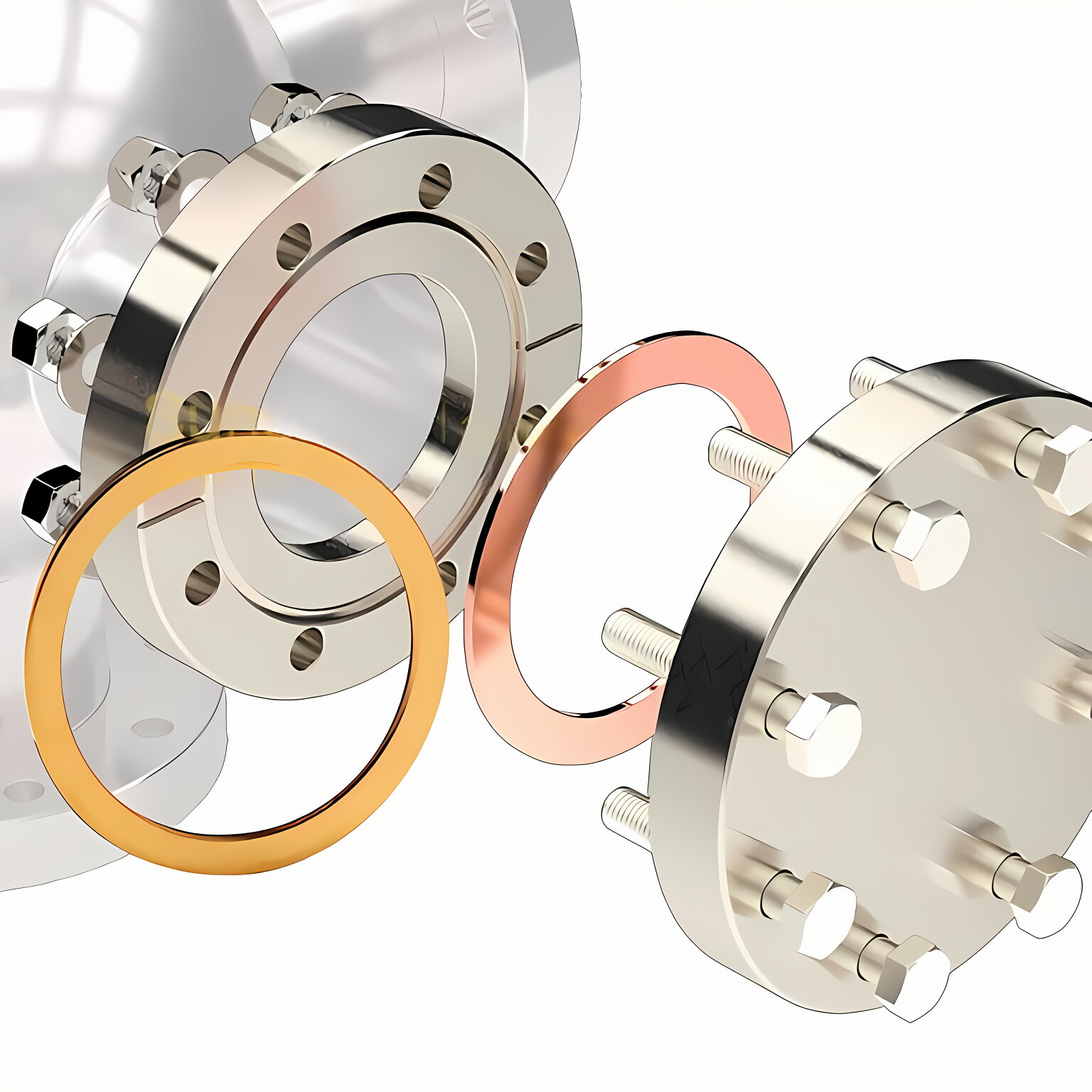
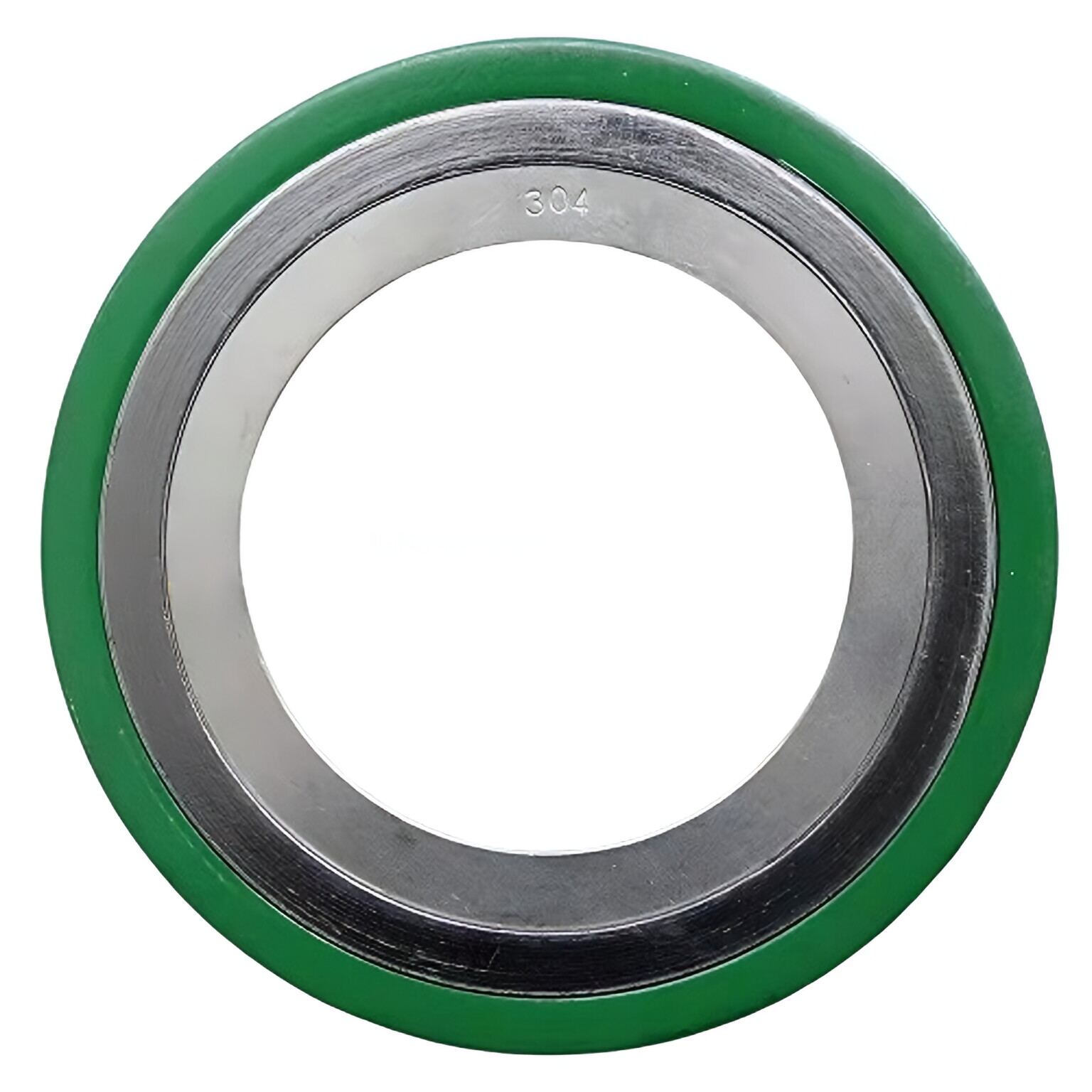
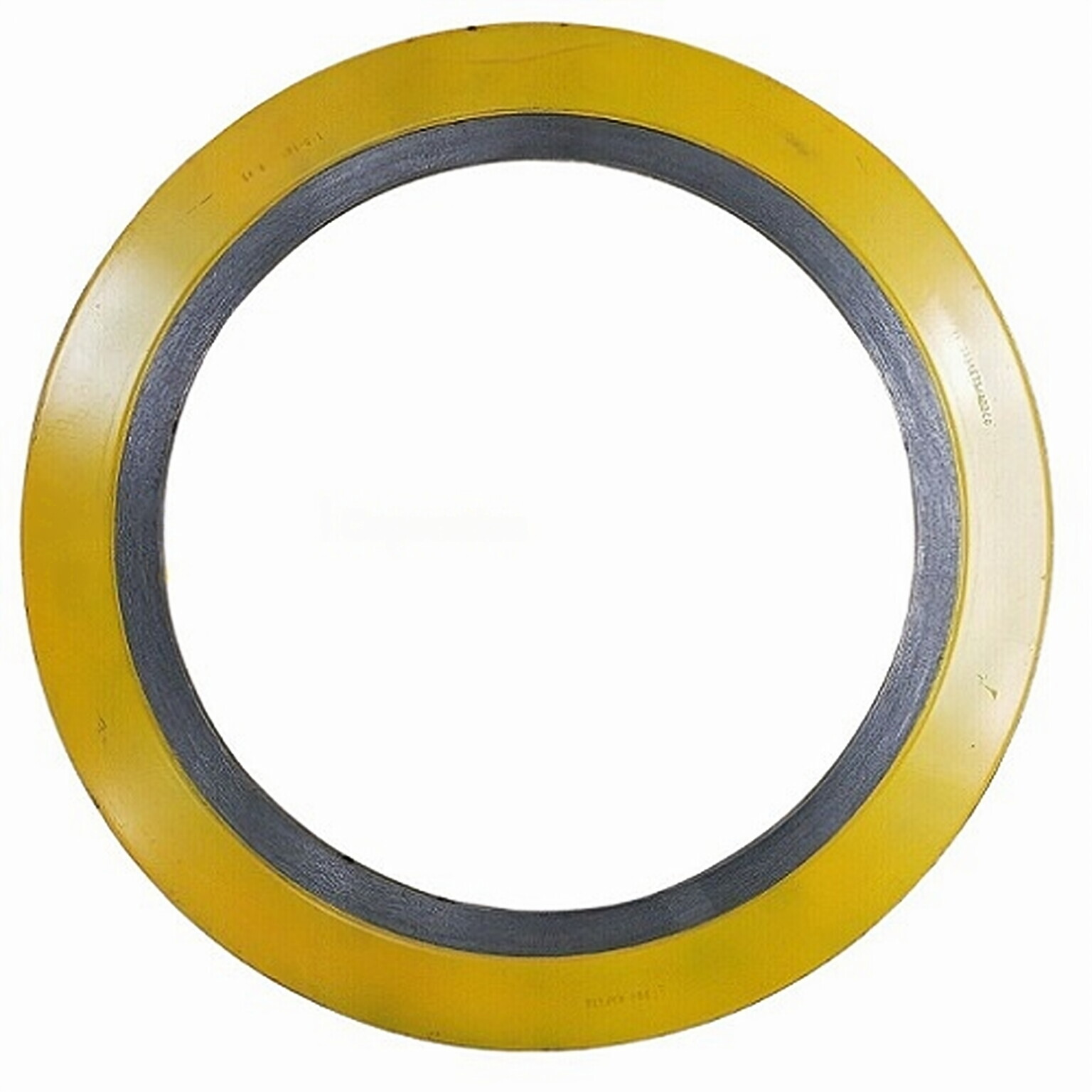
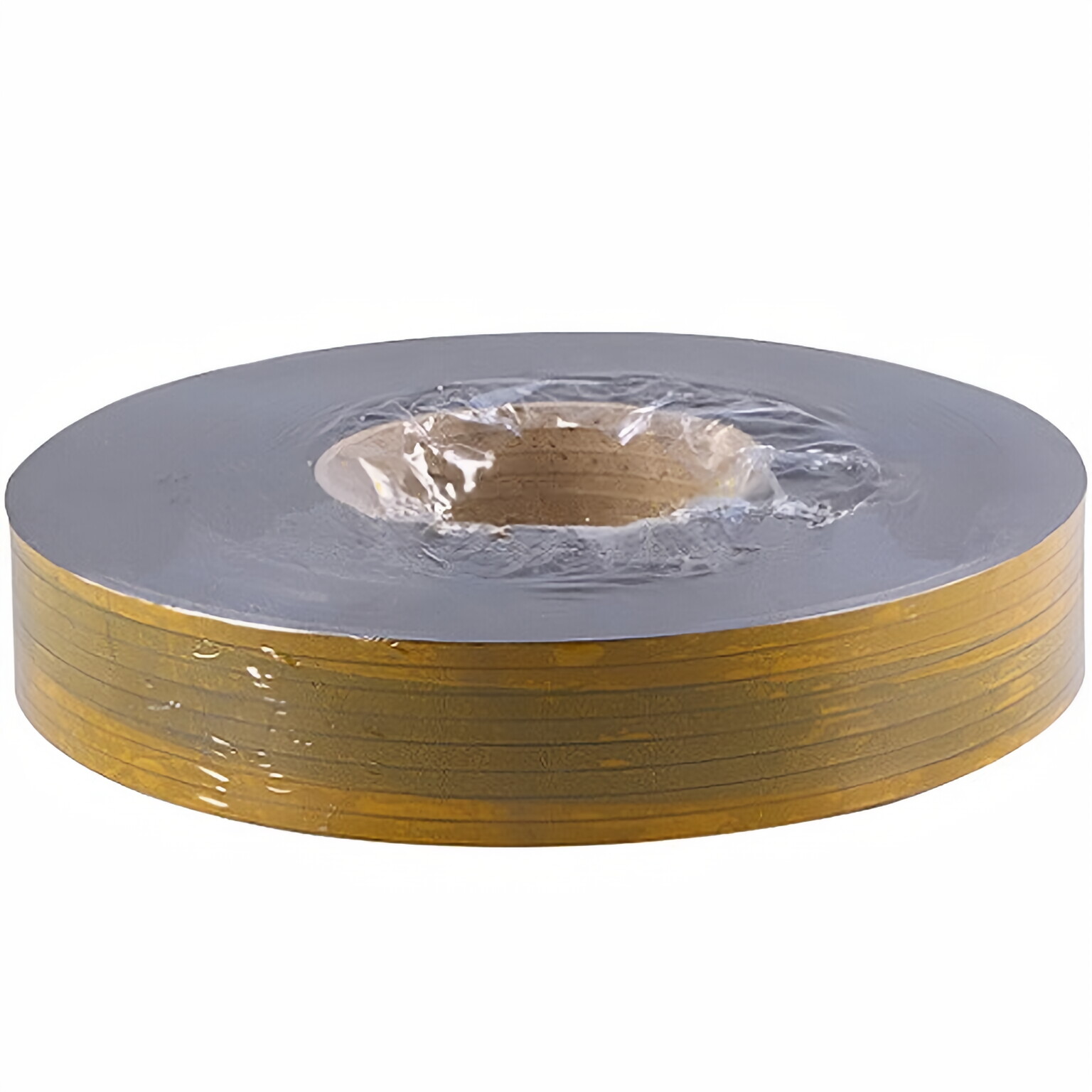
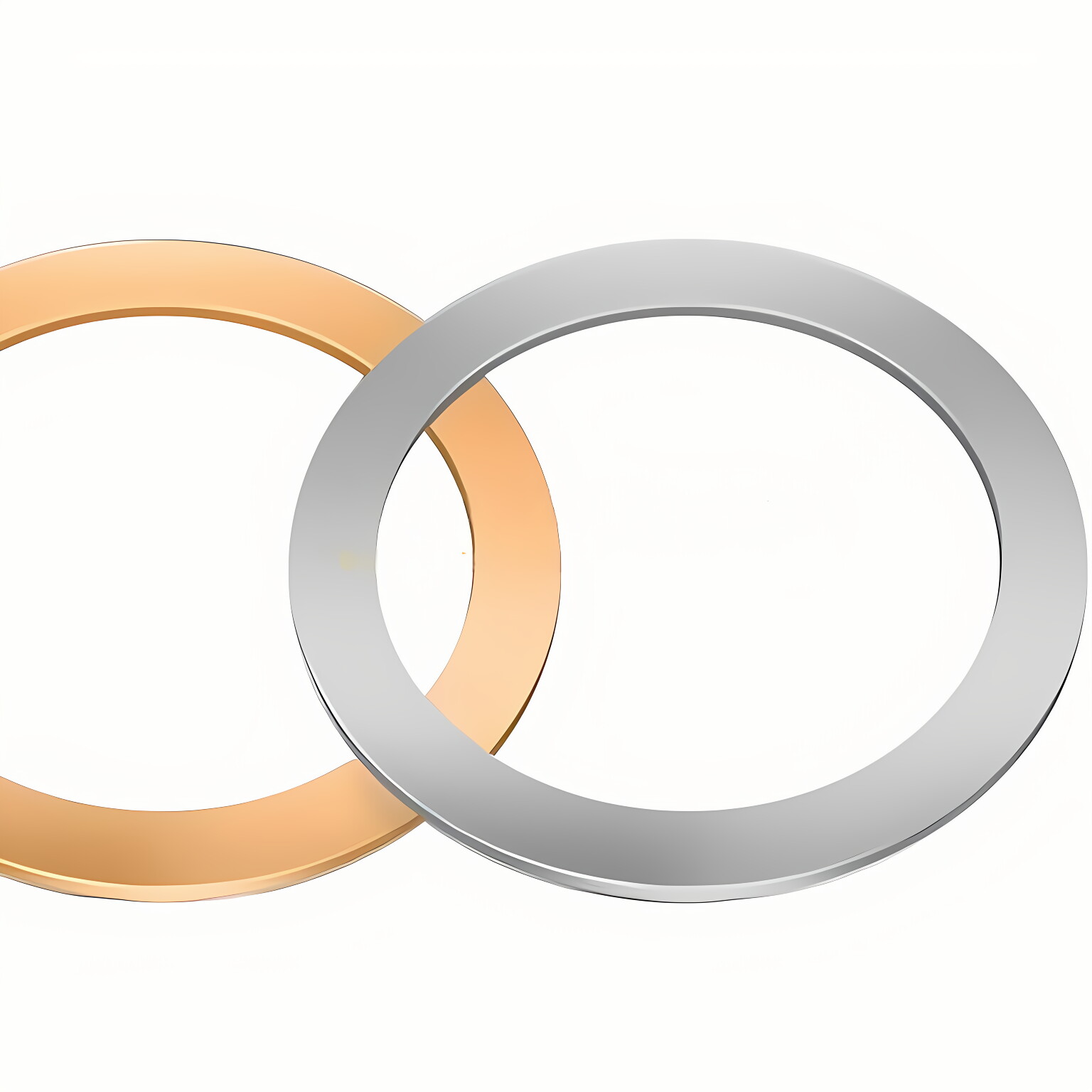
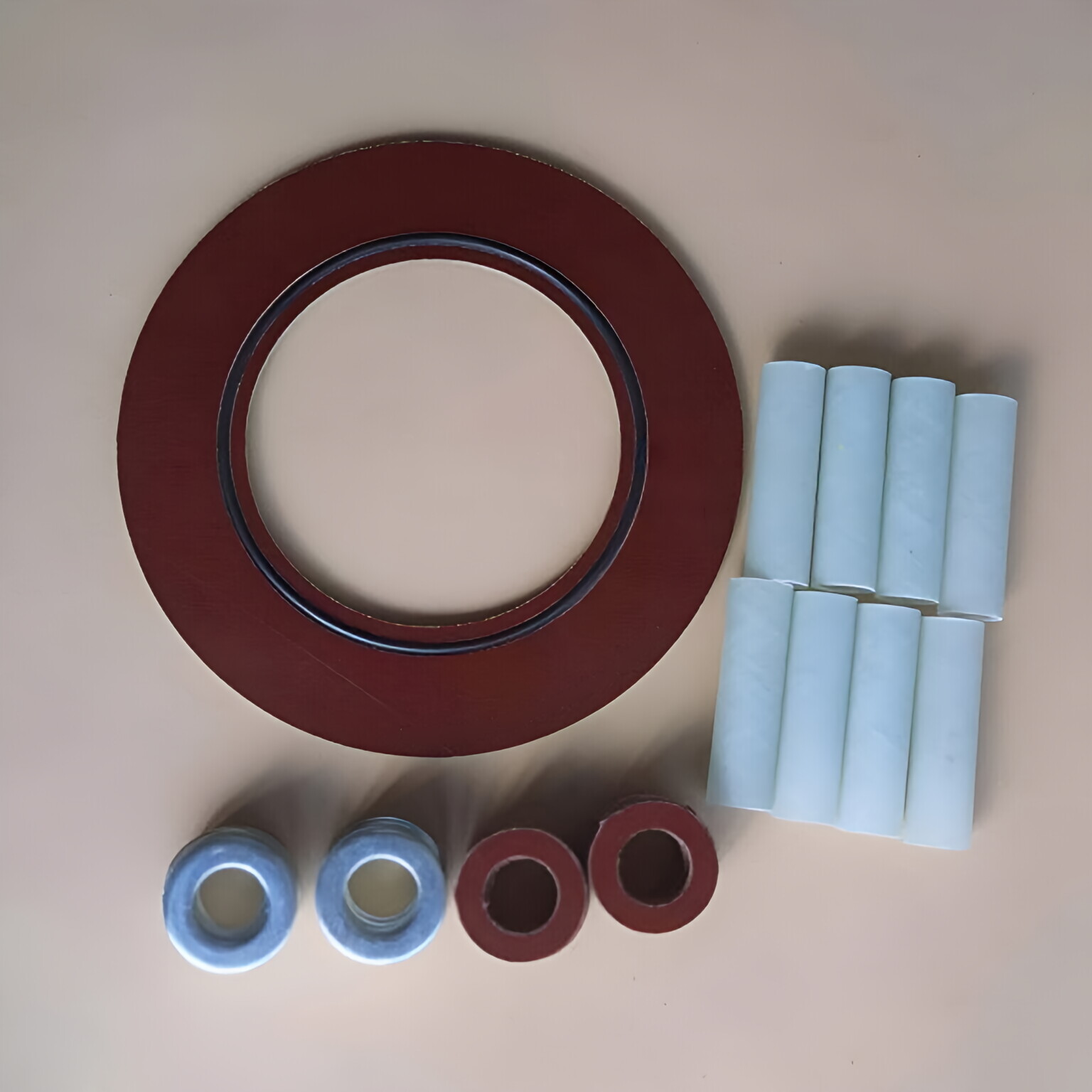
A VCS (Valve Control System) flange isolating gasket kit is more than a simple gasket—it’s an engineered assembly that typically includes an insulating gasket, insulating sleeves, flat washers, and steel washers, all designed to electrically isolate flange faces and prevent metal-to-metal contact. For procurement managers in corrosive environments, the pain point is clear: a single instance of unintended electrical continuity can accelerate pipe wall thinning and cause hazardous leaks. The solution? Specifying a kit that guarantees reliable dielectric insulation. At Ningbo Kaxite Sealing Materials Co., Ltd., our VCS kits are manufactured with high-grade glass-reinforced epoxy (GRE) and feature a precisely controlled groove design to retain the sealing element under fluctuating loads. Below is a quick parameter snapshot of a standard VCS kit from our product range.
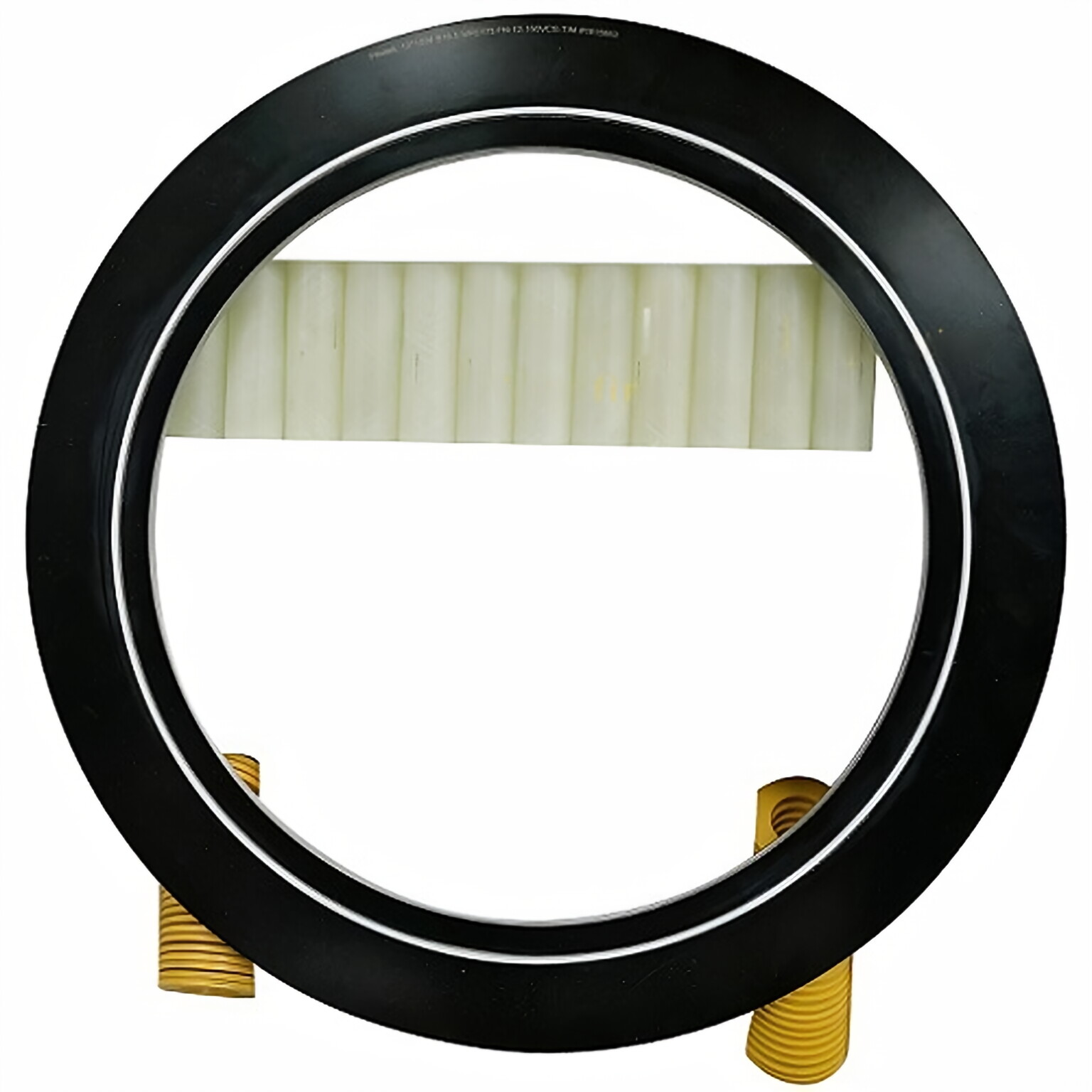
| Property | Value |
|---|---|
| Gasket Material | Glass-reinforced epoxy (GRE) or phenolic laminate |
| Pressure Class | ANSI 150 to 2500 |
| Temperature Range | -50°C to +200°C (varies by material) |
| Dielectric Strength | > 10 kV/mm |
| Sleeve Material | Dielectric thermoplastic or epoxy |
| Certifications | Compliant with ASTM, NACE, and API standards |
Pain point: Picture a chemical plant where a stainless steel flange mates with a carbon steel pipe. When an electrolyte (e.g., process water) bridges the two metals, a galvanic cell forms, eating away at the less noble metal. Maintenance teams constantly battle pit leaks and premature flange replacements, and procurement gets blamed for choosing “cheap” gaskets that couldn’t break the electrical path. Solution: VCS flange isolating gasket kits eliminate the metal-to-metal path by using a non-conductive sealing core and insulating sleeves around every bolt. Once installed, they force the corrosion current to zero, extending flange life by up to 3x compared to standard non-insulating gaskets. Ningbo Kaxite’s kits go a step further with an in-built anti-crush ring that protects the insulating material from over-torquing—a common failure point in inferior designs. This makes them a favored choice for sour gas pipelines and offshore platforms. Check the corrosion-related performance metrics in the table below.
| Parameter | Standard Gasket | VCS Flange Isolating Kit |
|---|---|---|
| Galvanic corrosion rate (mm/year) | 0.15 – 0.30 | < 0.01 (negligible) |
| Electrical resistance (Ω) | < 1 | > 10⁸ |
| Typical flange replacement interval | 3 – 5 years | 10+ years |
| Compliance with NACE MR0175 | Not guaranteed | Fully certified |
Pain point: Refinery operators know the nightmare of a steam-out procedure during a turnaround. Flanges are stressed by thermal cycling, vibration, and pressure spikes. Traditional gaskets either crush or relax, leading to fugitive emissions that can result in EPA fines and safety violations. Procurement faces pressure to source gaskets that maintain tightness without re-torquing—a seemingly impossible demand. Solution: VCS flange isolating gasket kits are designed with a balanced construction that compensates for thermal expansion differences between the flange and the gasket. The insulating layer acts as a spring, maintaining a positive seating stress even after thousands of cycles. Ningbo Kaxite Sealing Materials Co., Ltd. provides kits with fire-safe certified layers and optional PTFE-faced inserts for chemical resistance. Whether it’s a cryogenic LNG application at -50°C or a steam line at +200°C, these kits maintain leakage rates well below the stringent ISO 13555 class BH level. The table below compares leakage performance under typical field conditions.
| Condition | Non-Insulating Spiral Wound | VCS Flange Isolating Kit |
|---|---|---|
| Helium leak rate after 10 thermal cycles (atm·cc/s) | 1.0 × 10⁻⁵ | < 1.0 × 10⁻⁷ |
| Seating stress required (MPa) | 70 – 200 | 20 – 50 (low stress seals) |
| Fugitive emission rating (ISO 15848) | Not classifiable | Class AH / CO1 (excellent) |
| Maximum pressure endurance (bar) | 100 | 250+ |
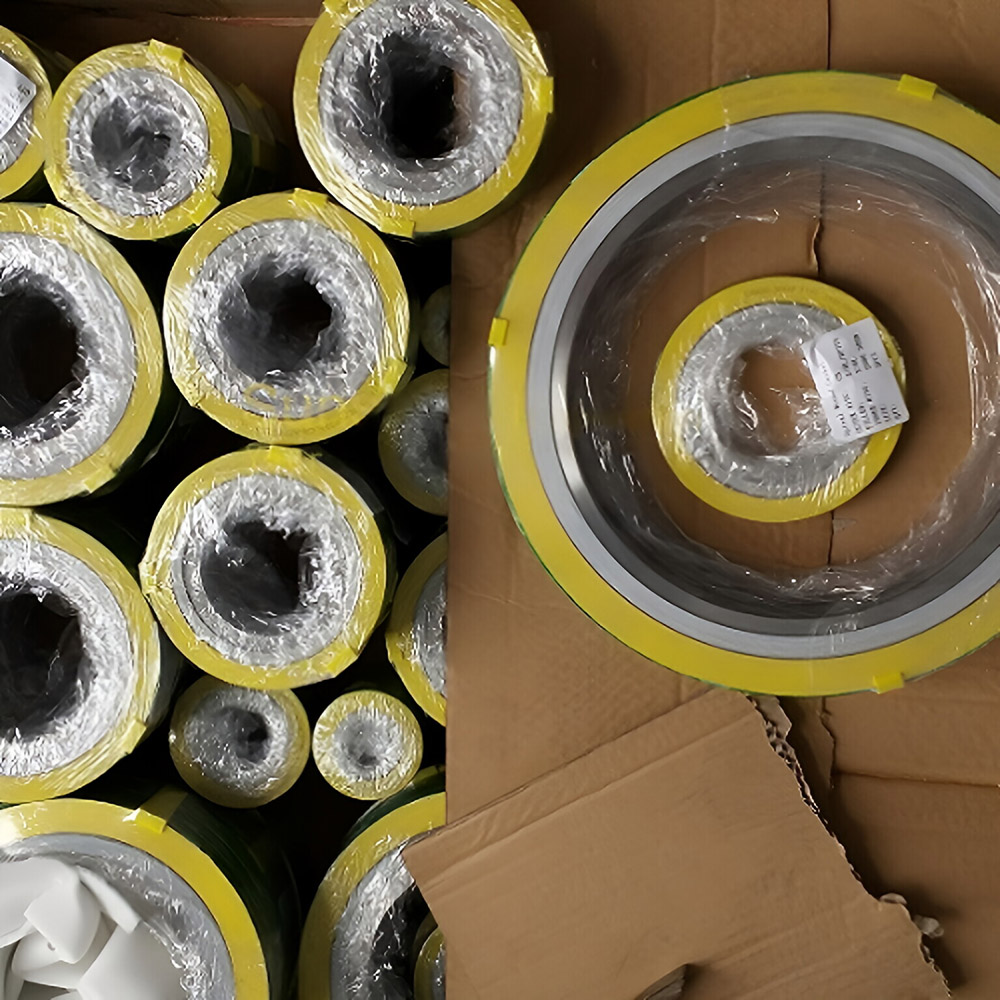
Pain point: Field technicians often struggle with complex multi-component isolation kits that require special tools or sequence-dependent tightening. Wrong assembly leads to insulation failure, and rework eats into project deadlines. For the purchasing team, sourcing kits that reduce installation errors means fewer warranty claims and lower total cost of ownership. Solution: Modern VCS flange isolating gasket kits come as a single, pre-assembled unit where the gasket and sleeves are already aligned. This “drop-in” design cuts installation time by up to 50% compared to loose-piece kits. Because the gasket’s insulating material is protected by a robust outer ring, it resists crushing and can be reused during maintenance overhauls if the flange is opened for inspection—an extra cost-saving advantage. Ningbo Kaxite’s kits are color-coded for pressure class, making them easy to identify even in a crowded warehouse, and every batch includes a detailed torque chart and material test certificate. The installation-related value table below summarizes the operational benefits that resonate with procurement managers.
| Installation & Lifecycle Metric | Traditional Loose Kit | Ningbo Kaxite VCS Kit |
|---|---|---|
| Average installation time per flange (min) | 45 – 60 | 20 – 30 |
| Tool requirement | Special alignment jigs | Standard torque wrench |
| Reusability after inspection | Not recommended | Up to 2 reuses (with visual check) |
| On-site error rate reduction | Baseline | ~90% fewer clamp-load loss incidents |
The primary advantages are threefold: they provide dielectric isolation that eliminates galvanic corrosion, deliver superior sealing at both low and high pressures, and offer a foolproof installation that saves labor time. Unlike a standard gasket that only addresses one function, a VCS kit is a fully engineered system. For instance, Ningbo Kaxite’s VCS kits include matched insulating sleeves and washers, ensuring that no current can flow through the bolting—a critical detail missing from many “insulating” gaskets. This integration directly reduces the risk of premature failure in mixed-metal piping systems and helps buyers meet strict asset integrity requirements.
If your piping system joins dissimilar metals (e.g., carbon steel to stainless steel), or if you are located in a high-moisture, marine, or buried environment, you almost certainly need one. Other red flags include a history of localized corrosion at flanges, cathodic protection systems that appear ineffective, or when the project specification calls for electrical isolation per NACE or company standards. In such cases, retrofitting with a VCS kit from a reliable supplier like Ningbo Kaxite Sealing Materials Co., Ltd. can resolve these headaches. The kits are also essential for above-ground pipelines where lightning strikes could induce stray currents, making them a smart investment for long-term operational safety.
By now, you’ve seen how VCS flange isolating gasket kits tackle real-world problems—from halting galvanic corrosion to delivering reliable seals that survive the harshest process conditions. The decision to specify them isn’t just about buying a component; it’s about buying peace of mind for your asset’s entire lifecycle. If you’re evaluating suppliers or looking to consolidate your sealing portfolio, we invite you to explore our full range and get the technical support your project demands. Share your toughest isolation challenge in the comment section below—our engineering team loves to collaborate on custom solutions.
For over two decades, Ningbo Kaxite Sealing Materials Co., Ltd. has been a trusted partner for procurement professionals worldwide. We design and manufacture high-performance VCS flange isolating gasket kits, spiral wound gaskets, and other industrial sealing products that comply with international standards. With in-house testing labs and a customer-centric approach, we turn complex sealing requirements into reliable, cost-effective deliveries. Visit our website at https://www.spiral-wound-gasket.com to request a quote or download technical datasheets. For direct inquiries, contact our sales team via [email protected]—we’re always ready to help you find the right isolation solution.
Smith, J., & Lee, A. (2021). Electrochemical performance of dielectric flange gaskets in offshore pipelines. Corrosion Science, 178, 109042.
Patel, R., Kumar, S., & O'Brien, D. (2020). Finite element analysis of contact stress in VCS-type isolation gaskets. International Journal of Pressure Vessels and Piping, 188, 104220.
Chen, L., & Davis, M. (2019). Long-term sealing behavior of glass-reinforced epoxy insulating kits under thermal cycling. Sealing Technology, 2019(12), 7–12.
Al-Mansoori, H., & Garcia, F. (2022). Mitigation of galvanic corrosion in multiphase flowlines using isolating gasket assemblies. Journal of Pipeline Engineering, 21(3), 155–168.
Nguyen, T., & Wang, Y. (2020). Reliability assessment of flange isolation kits in cathodically protected systems. Materials and Corrosion, 71(9), 1476–1485.
Henderson, P., & Stewart, K. (2018). Comparative study of fugitive emissions from various flange sealing technologies. Chemical Engineering Transactions, 70, 1147–1152.
Johansson, L., & Muller, R. (2019). ASTM G48 testing of crevice corrosion resistance in non-metallic flange gaskets. Materials Performance, 58(6), 42–47.
Okafor, E., & Singh, P. (2021). A review of electrical isolation methods for flanged connections in the oil and gas industry. Energy Reports, 7, 2072–2084.
Demir, B., & Rossi, G. (2020). Creep relaxation behavior of epoxy-based gasket laminates under sustained compressive load. Polymer Testing, 85, 106447.
Li, X., & Cho, J. (2022). Standardization and quality control of insulating gasket kits for critical piping applications. Journal of Testing and Evaluation, 50(2), 20210088.