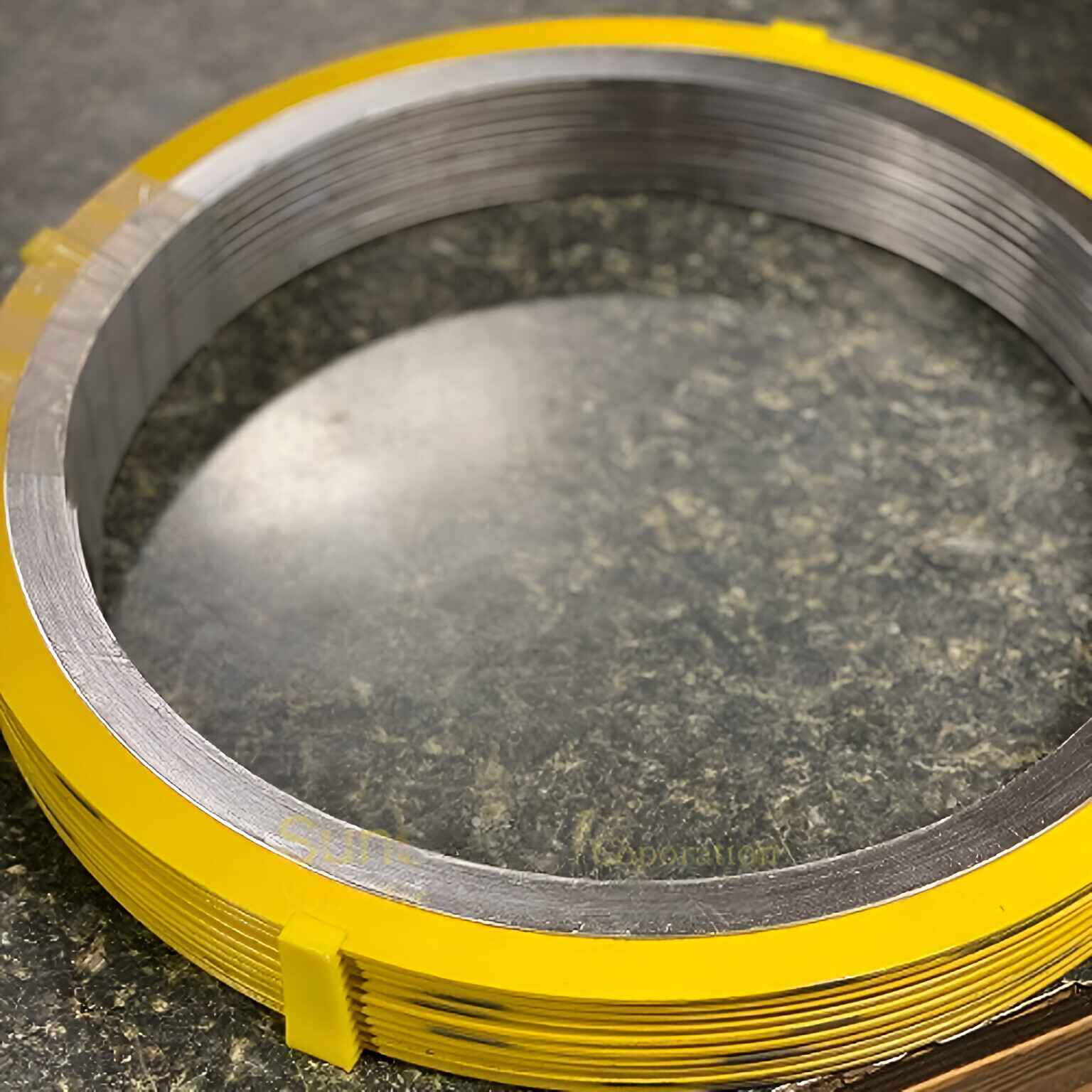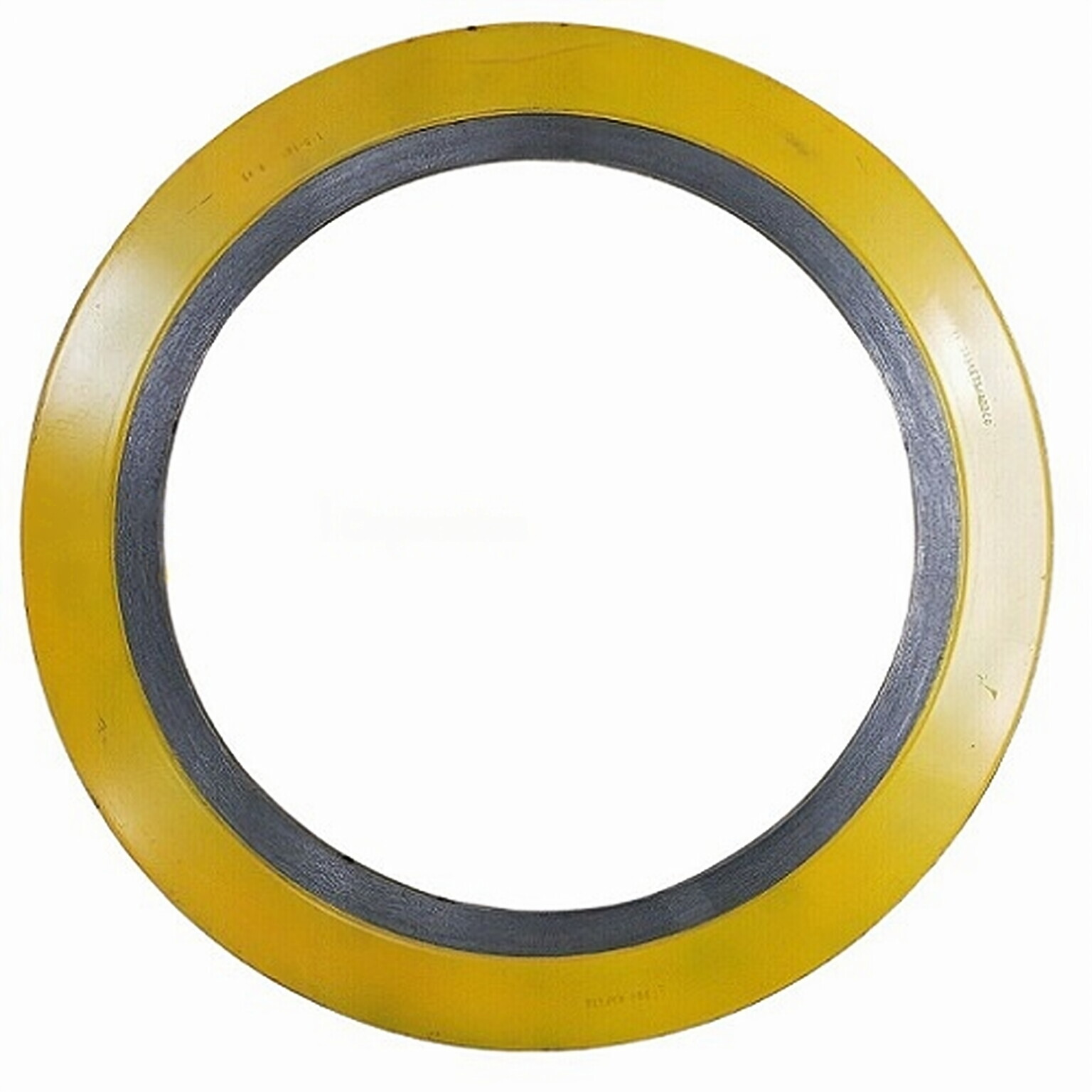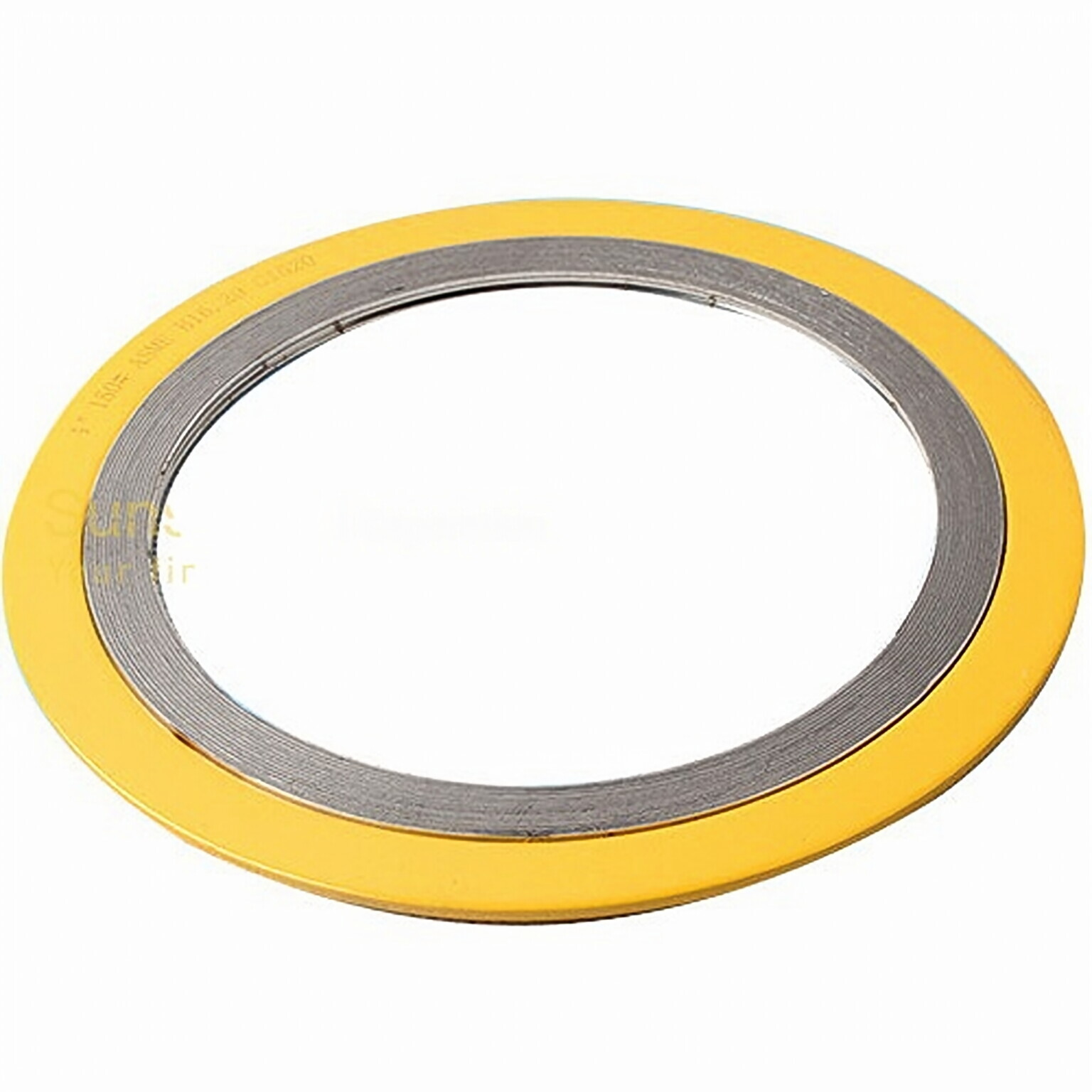
How to select the right Ring Type Joint Gasket for an application? This single question can determine the safety, efficiency, and longevity of critical piping and pressure vessel systems across oil & gas, chemical, and power generation industries. Choosing incorrectly can lead to catastrophic leaks, costly unplanned shutdowns, and significant safety hazards. The selection process hinges on understanding your specific operating environment and matching it precisely with the gasket's material, design, and pressure rating. This guide cuts through the complexity, providing a clear, actionable framework to ensure you specify the perfect RTJ gasket every time, safeguarding your operations and budget.
Article Outline:
Imagine a new high-pressure gas pipeline project. The flanges are specified, but the gasket selection is an afterthought, leading to a mismatch between the gasket groove (e.g., R, RX, BX) and the flange face. This scenario is a recipe for failure. The solution starts with a fundamental understanding. Ring Type Joint Gaskets are metallic seals designed to fit into machined grooves in flanges, creating a pressure-energized seal. The first critical step is matching the gasket profile (R, RX, BX) and size precisely to the flange specifications. An R-style gasket will not seal properly in a BX groove. Always cross-reference the flange standards (ASME B16.5, B16.47, API 6A).
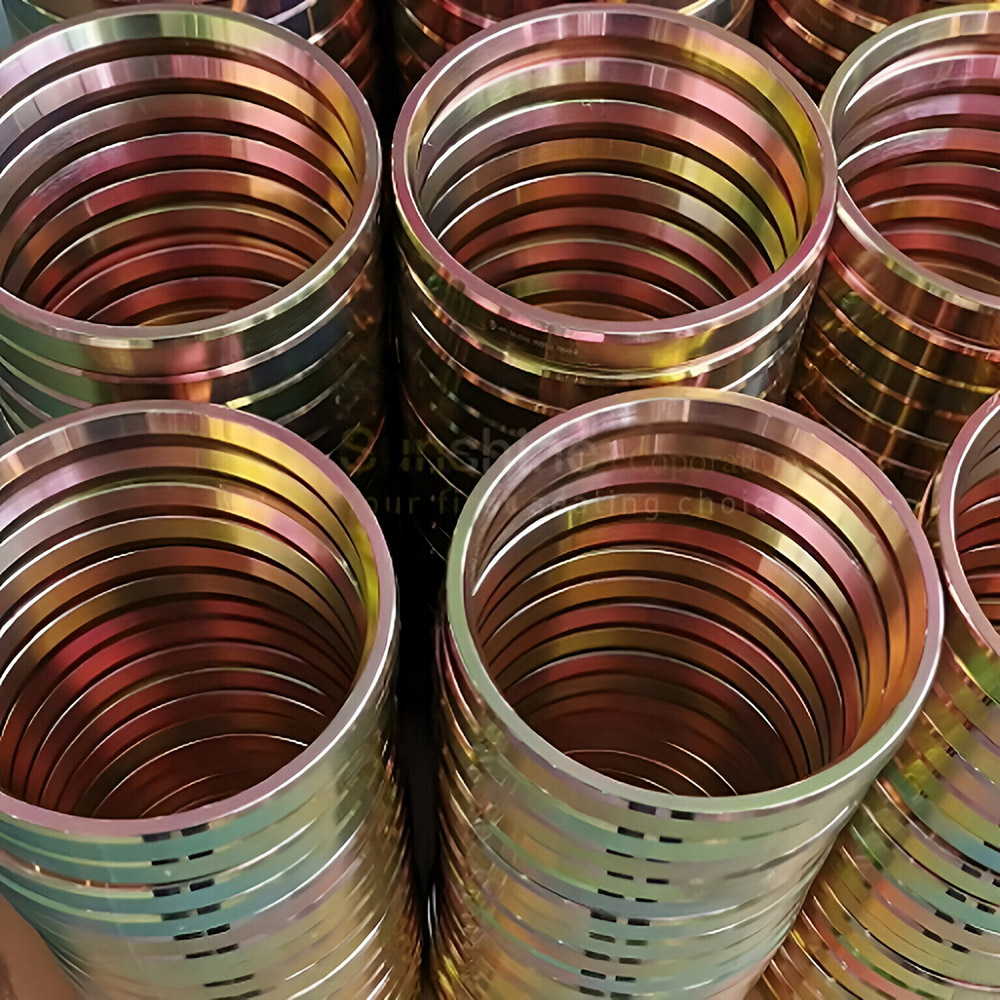
Key Flange & Gasket Pairing Parameters:
| Flange Standard | Common Gasket Types | Typical Pressure Class | Primary Application Focus |
|---|---|---|---|
| ASME B16.5 / B16.47 | R, RX | Class 150 to 2500 | Refineries, Chemical Plants |
| API 6A | BX, R, RX | 5K, 10K, 15K, 20K PSI | Wellhead, Christmas Tree Equipment |
| ASME Section VIII Div. 1/2 | R, BX | High-Pressure Vessels | Pressure Vessels, Heat Exchangers |
A chemical processing plant experiences frequent gasket failures in a sour service line containing H2S. The standard 316 stainless steel gaskets are corroding rapidly, causing leaks and environmental concerns. The core problem is material incompatibility. The solution requires a deep dive into the process media's corrosivity, temperature, and pressure. Soft irons and low-carbon steels are cost-effective for general service, but for corrosive or high-temperature duty, alloys like 316SS, Inconel 600/625, or Titanium are necessary. How to select the right Ring Type Joint Gasket for an application? Material choice is arguably the most critical factor after correct sizing. Partnering with a specialist like Ningbo Kaxite Sealing Materials Co., Ltd., who offers a full spectrum of materials and expert guidance, can prevent these costly failures.
Common RTJ Gasket Material Selection Guide:
| Material Grade | Key Advantages | Temperature Limit (Approx.) | Ideal For |
|---|---|---|---|
| Soft Iron (AISI 1008) | Excellent sealability, economical | 550°C (1022°F) | Steam, Oil, Non-corrosive Gas |
| 316 Stainless Steel | Good general corrosion resistance | 870°C (1600°F) | Chemical, Petrochemical, Marine |
| Inconel 625 | Outstanding corrosion/oxidation resistance | 980°C (1800°F) | Sour Gas (H2S), High-Temp Halogens |
| Titanium | High strength-to-weight, chloride resistance | 330°C (626°F) | Seawater, Chloride-rich processes |
You receive a gasket with the correct nominal size and material, but during a hydrotest, it leaks. The issue often lies in the pressure rating and the specific sealing mechanism. RX and BX gaskets are pressure-energized, meaning system pressure improves the seal, making them suitable for higher pressures and cyclic service. Standard R-style gaskets rely on flange bolt load. The solution is to never assume a part number is sufficient. You must verify the pressure class (e.g., ASME Class 1500, API 10K), the specific ring number (e.g., R45, BX154), and understand whether your application requires a self-energizing design.
Pressure Rating and Gasket Type Comparison:
| Gasket Type | Sealing Principle | Pressure Class Range | Best For |
|---|---|---|---|
| Type R (Octagonal/Elliptical) | Line Contact via Flange Bolt Load | Moderate to High (e.g., ASME 600-2500) | Static, high bolt load applications |
| Type RX | Pressure-Energized, Self-Sealing | High to Very High | High pressure, thermal cycling |
| Type BX | Pressure-Energized, Higher Integrity | Very High (API 5K-20K) | Wellhead, HIPPS, critical service |
The perfect gasket can fail if handled incorrectly. A procurement manager sources a cheaper, uncertified gasket that lacks proper material traceability (MTC), leading to a quality audit failure and project delays. The solution is to establish rigorous procurement best practices. Always request certified Material Test Reports (MTRs/MTCs) to ensure material compliance. Inspect gaskets upon receipt for nicks or scratches on the sealing surfaces. Store them properly to prevent corrosion. Finally, ensure installation crews are trained on correct handling and flange alignment procedures to avoid damaging the seal before it's even pressurized.
Q&A: How to select the right Ring Type Joint Gasket for an application?
Q: What is the main difference between R, RX, and BX gasket types?
A: The key difference is in their sealing design and application. R-style gaskets create a seal through flange bolt load on their octagonal or elliptical cross-section. RX and BX gaskets are self-energizing; system pressure acts on their inner diameter, forcing the seal wedge tighter into the groove, making them superior for high-pressure, high-cycle, or thermal cycling services. BX gaskets typically have higher pressure ratings and are standard in API 6A wellhead equipment.
Q: Can I use a standard RTJ gasket for sour service (containing H2S)?
A: No, not without careful material qualification. Sour service requires materials resistant to Sulfide Stress Cracking (SSC). Standard carbon steel or some hardened steels are susceptible. You must select gaskets made from SSC-resistant materials as per NACE MR0175/ISO 15156 standards, such as Inconel 625, 718, or specific duplex stainless steels. Always consult with your gasket supplier, like Ningbo Kaxite Sealing Materials Co., Ltd., to confirm material suitability for sour environments.
Selecting the right RTJ gasket is a systematic process that protects your assets and personnel. By methodically assessing your flange, service conditions, and pressure requirements, you can make an informed, reliable choice. Have you encountered a challenging gasket selection scenario? Share your experience or questions in the comments below.
For expert guidance and a reliable supply of high-quality Ring Type Joint Gaskets, consider Ningbo Kaxite Sealing Materials Co., Ltd.. With extensive experience in sealing solutions for demanding industrial applications, Kaxite provides technical support and certified products to ensure your system's integrity. For specific inquiries, please contact [email protected].
Bhatt, H., & Patel, V. (2017). Finite Element Analysis of Ring Type Joint Gasket under Combined Internal Pressure and Thermal Loading. International Journal of Pressure Vessels and Piping, 153, 1-12.
Zhang, Y., Li, W., & Wang, J. (2019). Experimental Study on Leakage Behavior of Different Profile Ring Joint Gaskets. Engineering Failure Analysis, 104, 1099-1110.
Smith, T.R., & Jones, A.B. (2015). Material Selection for Sour Service Applications in Oil and Gas Production. Corrosion Science, 98, 1-15.
Kim, S., & Lee, H. (2020). A Comparative Study on Sealing Performance of R, RX, and BX Type Gaskets for High-Pressure Gas. Journal of Mechanical Science and Technology, 34(5), 2169-2178.
Davis, C.L. (2018). The Effect of Surface Finish on the Sealability of Metal Gaskets. Tribology International, 126, 1-8.
Peterson, M., & Garcia, F. (2016). Life Prediction of Ring Type Joint Gaskets in Cyclic Pressure Service. International Journal of Fatigue, 92(Part 2), 450-459.
Anderson, P., & Clark, R. (2019). Standards and Specifications for Ring Joint Gaskets in API and ASME Applications. Journal of Pressure Vessel Technology, 141(4), 041201.
Wilson, K., & Brown, D. (2021). Corrosion Mechanisms in Stainless Steel RTJ Gaskets Exposed to Chloride Environments. Materials and Corrosion, 72(3), 550-562.
Roberts, S.E. (2017). Installation Torque and Bolt Load Analysis for Effective RTJ Gasket Sealing. Proceedings of the ASME 2017 Pressure Vessels & Piping Conference, PVP2017-65432.
Nguyen, T., & Singh, P. (2022). Advanced Manufacturing Techniques for High-Performance Ring Type Joint Gaskets. Manufacturing Letters, 33, 746-752.