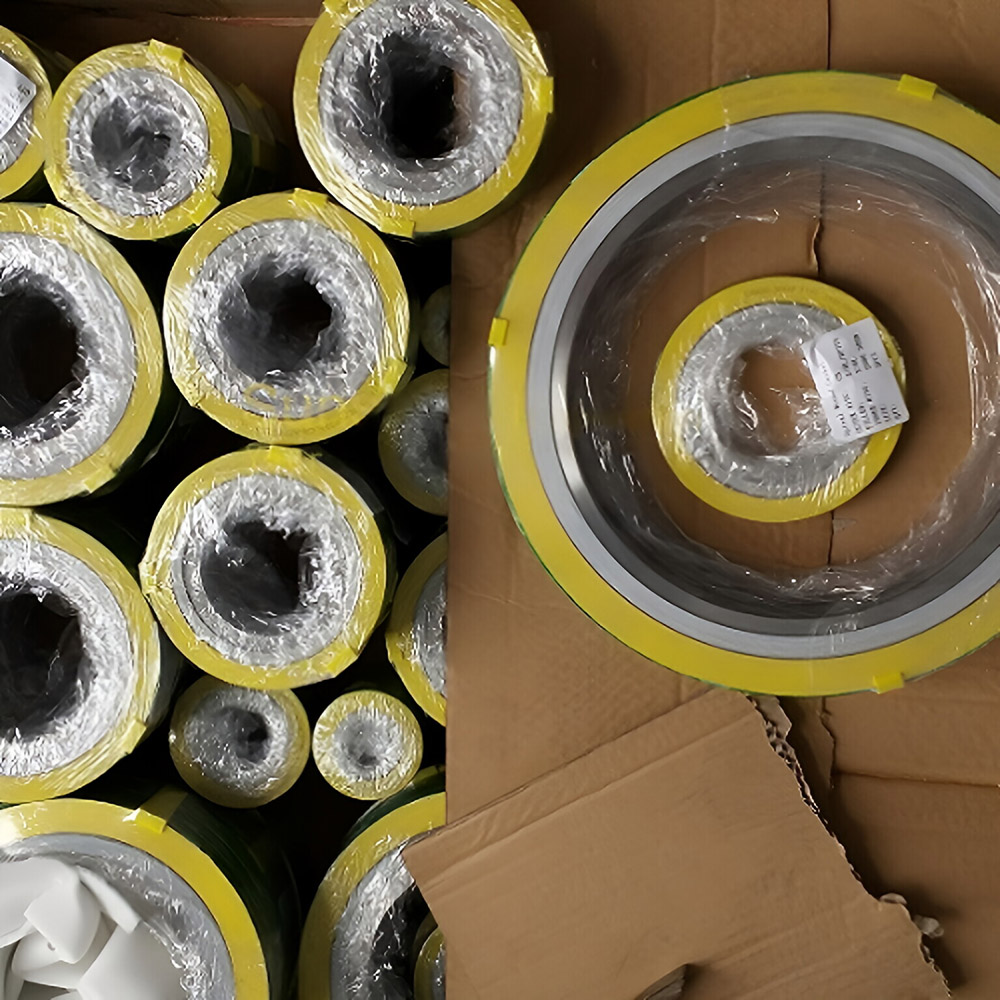
When a critical pipeline in your plant springs a leak due to a failed gasket, the costs skyrocket—not just in product loss, but in costly downtime and safety hazards. For handling the most aggressive chemicals like hydrochloric acid at high temperatures, only the best sealing solution will do. This is where the precision of a Hastelloy B2 Spiral Wound Gasket becomes non-negotiable. But with various sizes, pressure ratings, and configurations, how do you ensure you're selecting the perfect gasket for your specific application? How to select the right size and type of Hastelloy B2 spiral wound gasket? This guide cuts through the complexity, offering clear, actionable steps for procurement professionals to make confident, long-lasting decisions that protect their operations and bottom line.
Article Outline:
Imagine a chemical reactor vessel processing hot, concentrated sulfuric acid. Standard stainless steel gaskets would corrode rapidly, leading to frequent replacements and dangerous leaks. The solution lies in the material's core composition. Hastelloy B2 is a nickel-molybdenum alloy specifically engineered for exceptional resistance to reducing environments like hydrochloric and sulfuric acids. Its low carbon content minimizes carbide precipitation during welding, maintaining corrosion resistance in the heat-affected zones. For procurement specialists, specifying Hastelloy B2 isn't an upgrade; it's essential insurance for equipment handling non-oxidizing acids, ensuring gasket integrity where others fail.
Typical Applications and Media for Hastelloy B2 Gaskets:
| Application Industry | Common Media | Key Benefit |
|---|---|---|
| Chemical Processing | Hydrochloric Acid, Sulfuric Acid | Resists pitting and general corrosion |
| Pharmaceutical | Organic Acids, Chlorinated Solvents | Prevents contamination and ensures purity |
| Pollution Control | Waste Streams, Acid Gases | Withstands harsh, variable environments |
A project manager faces a shutdown because a newly installed gasket doesn't fit the flange properly, causing an immediate leak. This costly error stems from overlooking fundamental selection criteria. The right choice hinges on three pillars. First, size and class: Accurately measure the flange's inner diameter, outer diameter, bolt circle, and bolt hole size. The pressure class (150#, 300#, etc.) dictates the gasket's thickness and winding density. Second, operating conditions: Document the exact temperature, pressure (both operating and test), and the full chemical composition of the media. Third, the filler material (like PTFE or Grafoil®) must be compatible with both the media and the temperature. How to select the right size and type of Hastelloy B2 spiral wound gasket? It starts with gathering this precise data from your engineering team.
Critical Parameters for Gasket Specification:
| Parameter | What to Determine | Why It Matters |
|---|---|---|
| Flange Standards | ASME B16.5, B16.47, DIN, JIS | Ensures dimensional compatibility |
| Pressure & Temperature | Max operating and test values | Determines gasket density and robustness |
| Media Compatibility | Full chemical name and concentration | Guides alloy (B2) and filler selection |
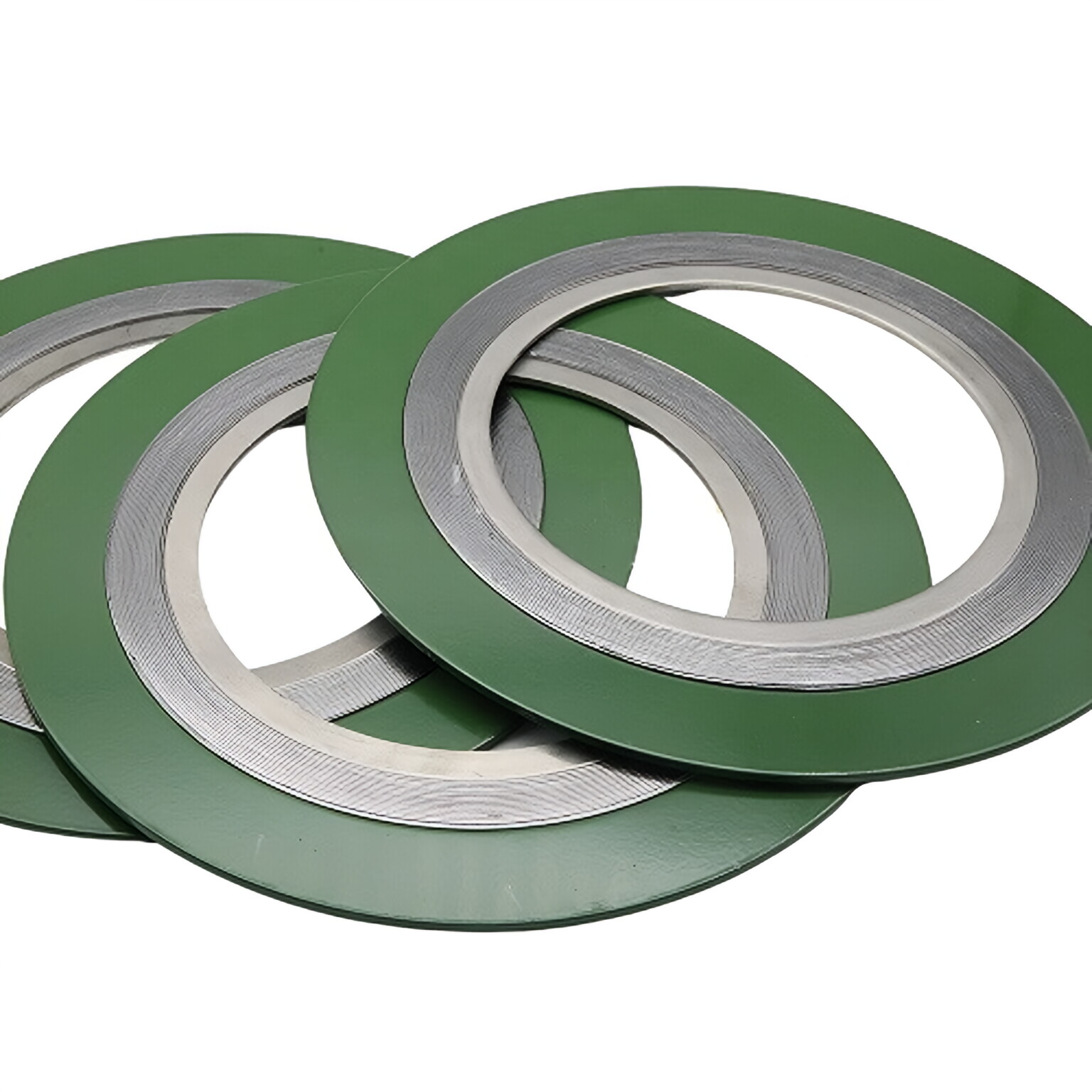
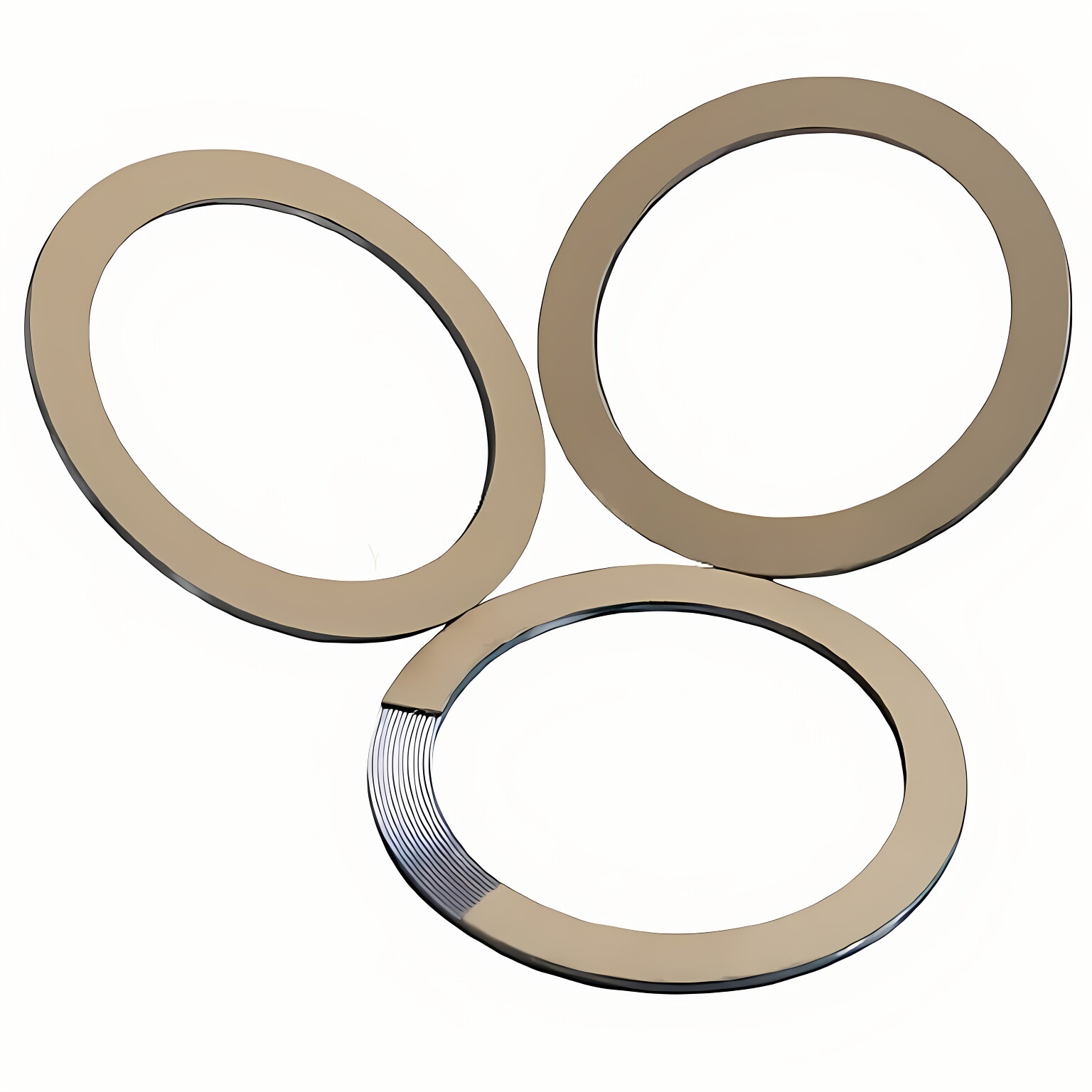
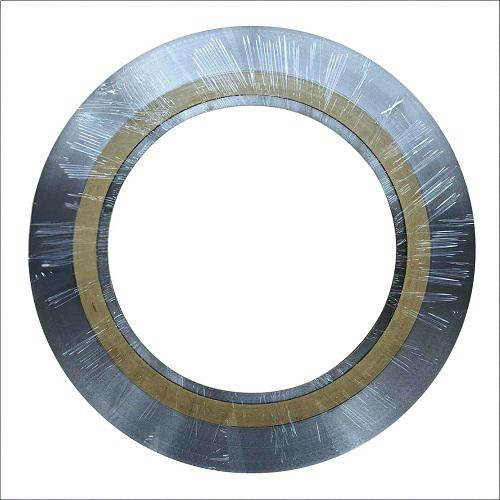
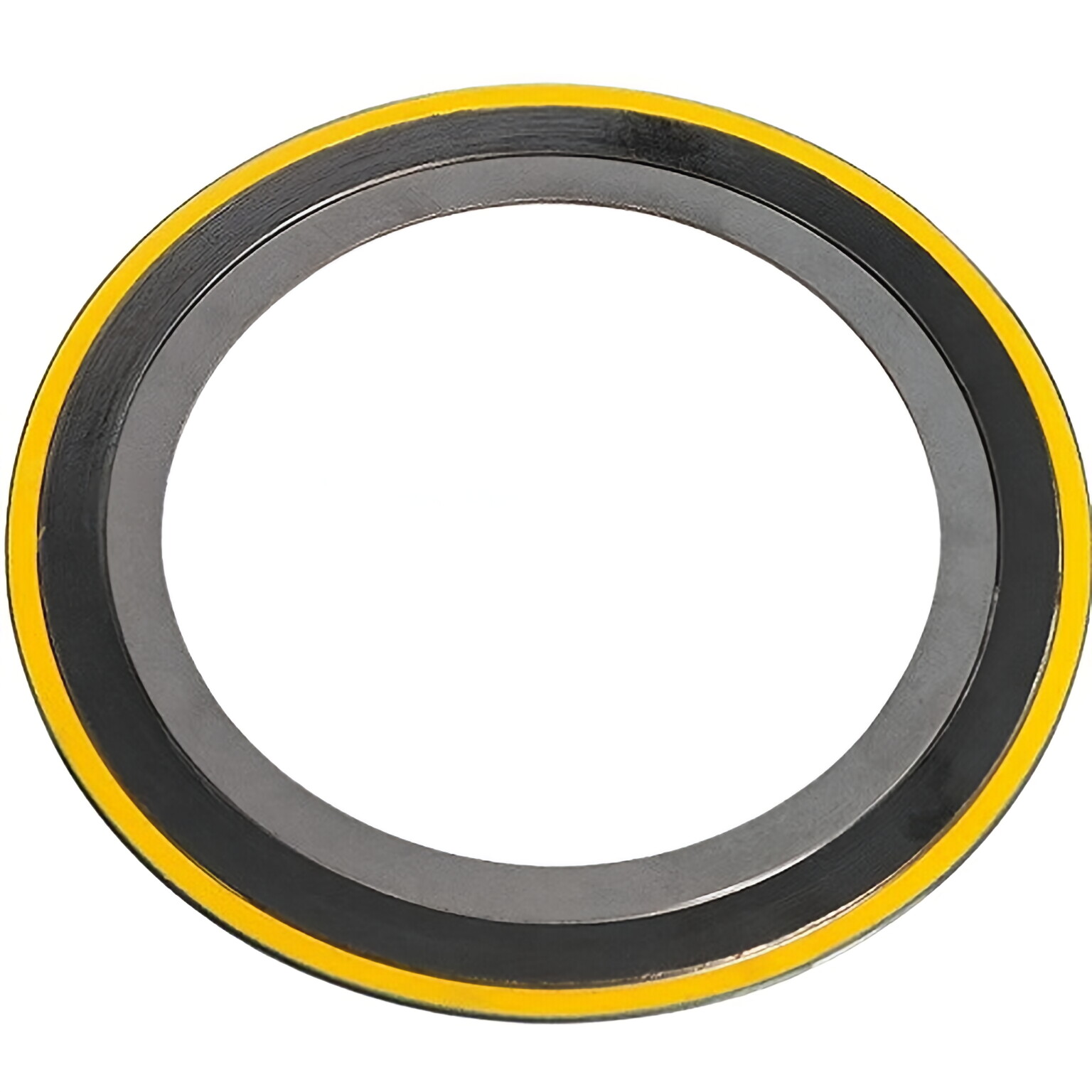
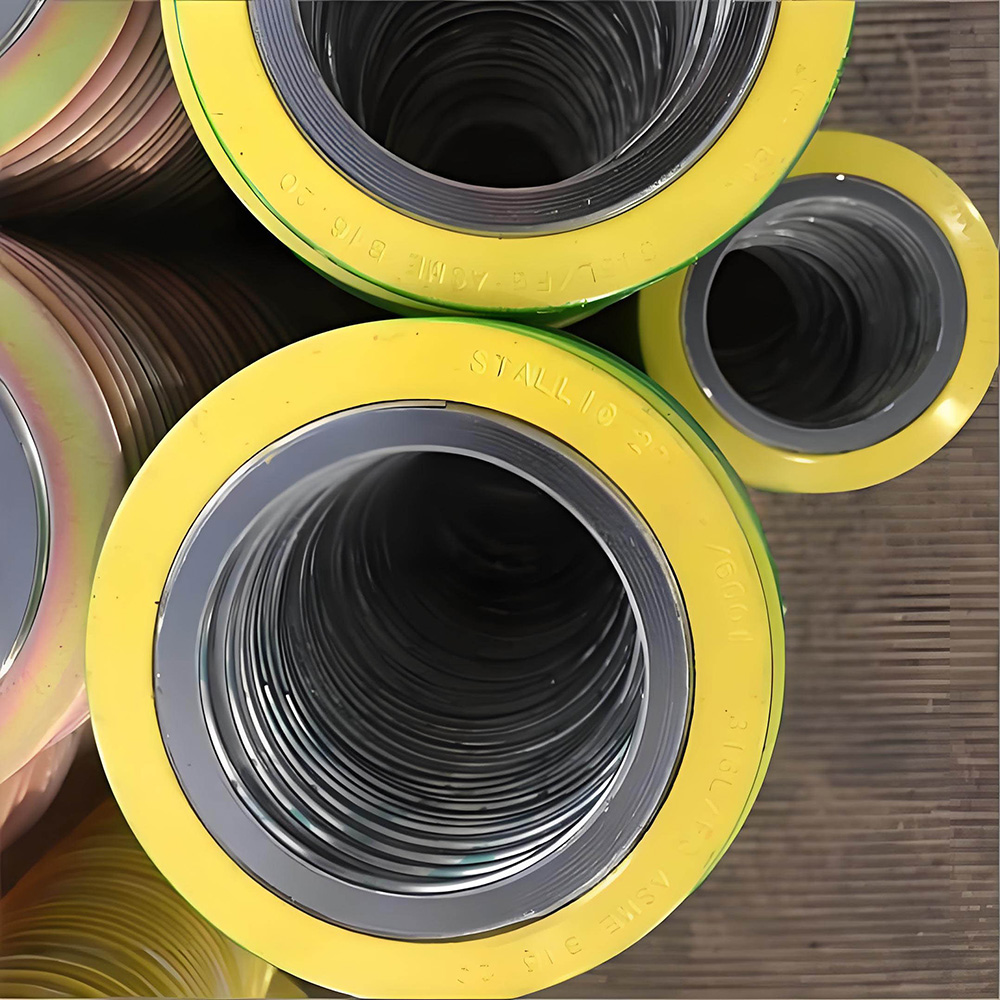
During a routine audit, a plant engineer finds recurring leaks on high-pressure steam lines. The issue is traced to gaskets missing a critical inner ring, allowing the winding to buckle under pressure. Understanding gasket construction is vital. A spiral wound gasket is a "V"-shaped metal strip (Hastelloy B2) wound concentrically with a soft filler. Key elements include the Centering Ring (usually carbon steel) for alignment, and optional Inner and Outer Rings. The inner ring prevents winding collapse, crucial for high-pressure or vacuum service. The outer ring contains the winding. Specifications must reference standards like ASME B16.20 or EN 1514-2. Partnering with a knowledgeable manufacturer like Ningbo Kaxite Sealing Materials Co., Ltd. ensures these details are correctly specified, preventing field failures.
Common Gasket Styles and Their Use:
| Style | Description | Ideal Application |
|---|---|---|
| Style 1000 (Basic) | Winding only, no rings | Low-pressure, non-critical services |
| Style 2000 (Inner Ring) | Winding + Inner Ring | High pressure, vacuum, to prevent buckling |
| Style 3000 (Outer Ring) | Winding + Outer Ring | Containment, alignment, standard flange |
Q: How to select the right size and type of Hastelloy B2 spiral wound gasket for a high-temperature hydrochloric acid service?
A: For this demanding application, focus on the complete data triad. Confirm the exact acid concentration and maximum operating temperature. Hastelloy B2 excels here, but ensure the filler material (like flexible graphite) is also rated for the temperature. Select a gasket style with an inner ring (Style 2000) to handle potential pressure fluctuations and prevent winding collapse. Always provide the flange standard, size, and pressure class to your supplier for precise manufacturing.
Q: What's the main difference between Hastelloy B2 and B3 alloys for gaskets, and how does it affect selection?
A: While both are nickel-molybdenum alloys, Hastelloy B3 offers improved thermal stability and corrosion resistance in welded applications compared to B2. For most standard gasket applications in reducing acid environments, B2 is highly effective and cost-efficient. However, if the gasket will be near extensively welded fabrications or in services with extreme thermal cycling, specifying B3 might be advised for long-term security. Consulting with an expert at Ningbo Kaxite Sealing Materials Co., Ltd. can help you navigate this choice based on your specific process conditions.
The final, critical step is sourcing from a manufacturer that translates your technical requirements into a reliable, certified product. Inconsistent quality or incorrect dimensions from a generic supplier can nullify all your careful selection work. This is where Ningbo Kaxite Sealing Materials Co., Ltd. provides the definitive solution. With deep expertise in high-performance sealing, they don't just supply gaskets; they deliver assurance. Their technical team can review your application data, recommend the optimal Hastelloy B2 spiral wound gasket configuration, and manufacture it to exacting international standards like ASME, DIN, and ISO. They ensure traceability with material certifications, giving procurement professionals the documentation needed for quality audits and peace of mind.
Ready to secure your critical piping and vessel connections with confidence? For expert guidance on selecting the perfect Hastelloy B2 spiral wound gasket and to request a quote, reach out to the sealing specialists at Ningbo Kaxite Sealing Materials Co., Ltd. Visit their website at https://www.spiral-wound-gasket.com or contact them directly via email at [email protected] for personalized support.
Craig, B. D., & Anderson, D. B. (1995). Handbook of Corrosion Data. ASM International.
Fontana, M. G. (1986). Corrosion Engineering. McGraw-Hill.
Schweitzer, P. A. (2010). Fundamentals of Metallic Corrosion: Atmospheric and Media Corrosion of Metals. CRC Press.
Bauer, A. L. (1991). The Design and Application of Spiral Wound Gaskets for High Pressure Service. Journal of Pressure Vessel Technology, 113(2).
Patel, S. J., & Tator, K. B. (2002). Hastelloy Alloys: Properties and Performance in Severe Corrosion Environments. NACE International Conference.
ASME Boiler and Pressure Vessel Committee. (2017). ASME B16.20: Metallic Gaskets for Pipe Flanges – Ring-Joint, Spiral-Wound, and Jacketed. The American Society of Mechanical Engineers.
European Committee for Standardization. (2015). EN 1514-2: Flanges and their joints — Gaskets for PN-designated flanges — Part 2: Spiral wound gaskets for use with steel flanges.
Perez, T. E. (2008). Corrosion Resistance of Nickel-Based Alloys in Reducing Acid Environments. Materials Performance, 47(7).
Kumar, R., & Singh, J. (2015). Failure Analysis of Spiral Wound Gaskets in Chemical Industry Heat Exchangers. Engineering Failure Analysis, 56.
Moniz, B. J. (2014). Process Industries Corrosion: Theory and Practice. NACE International.