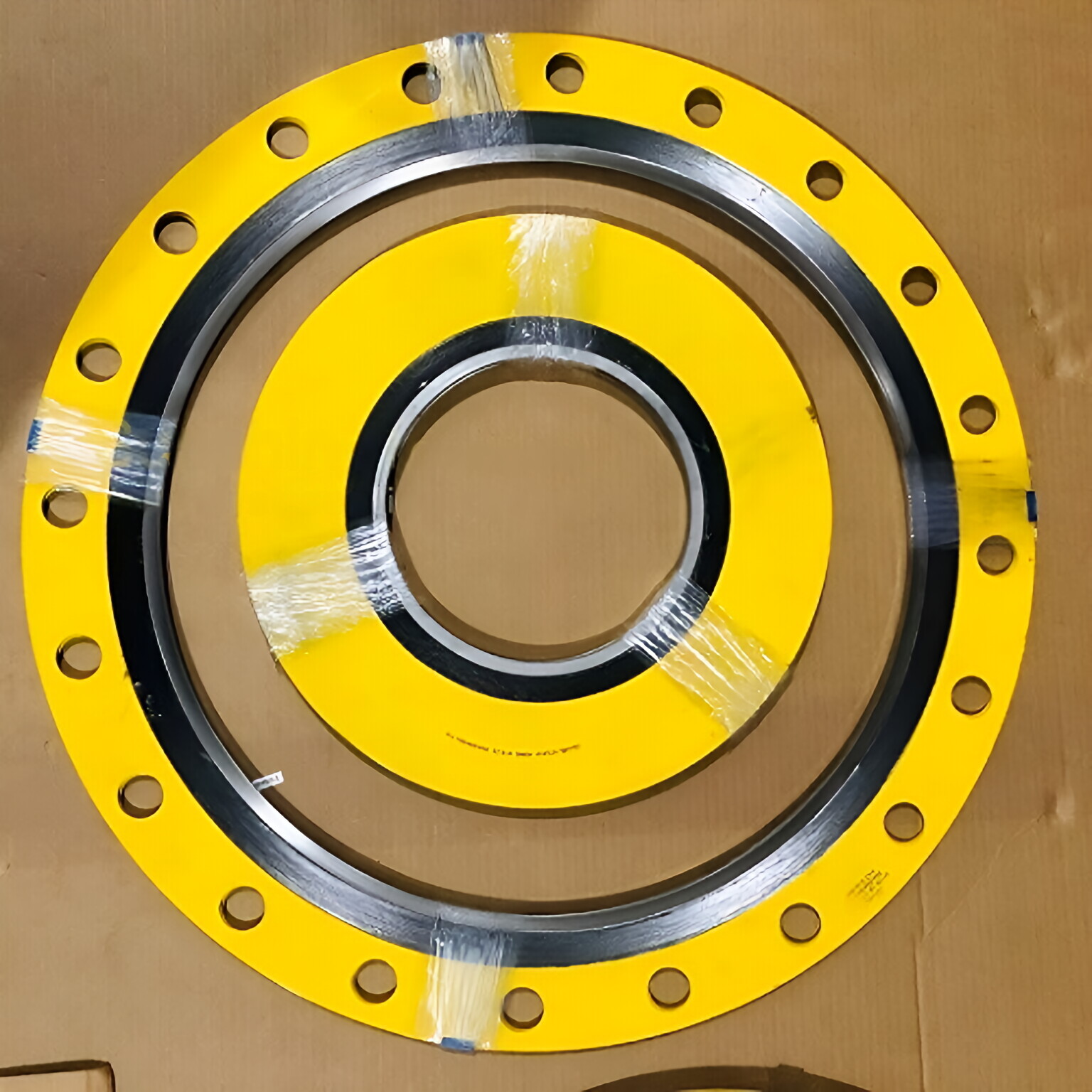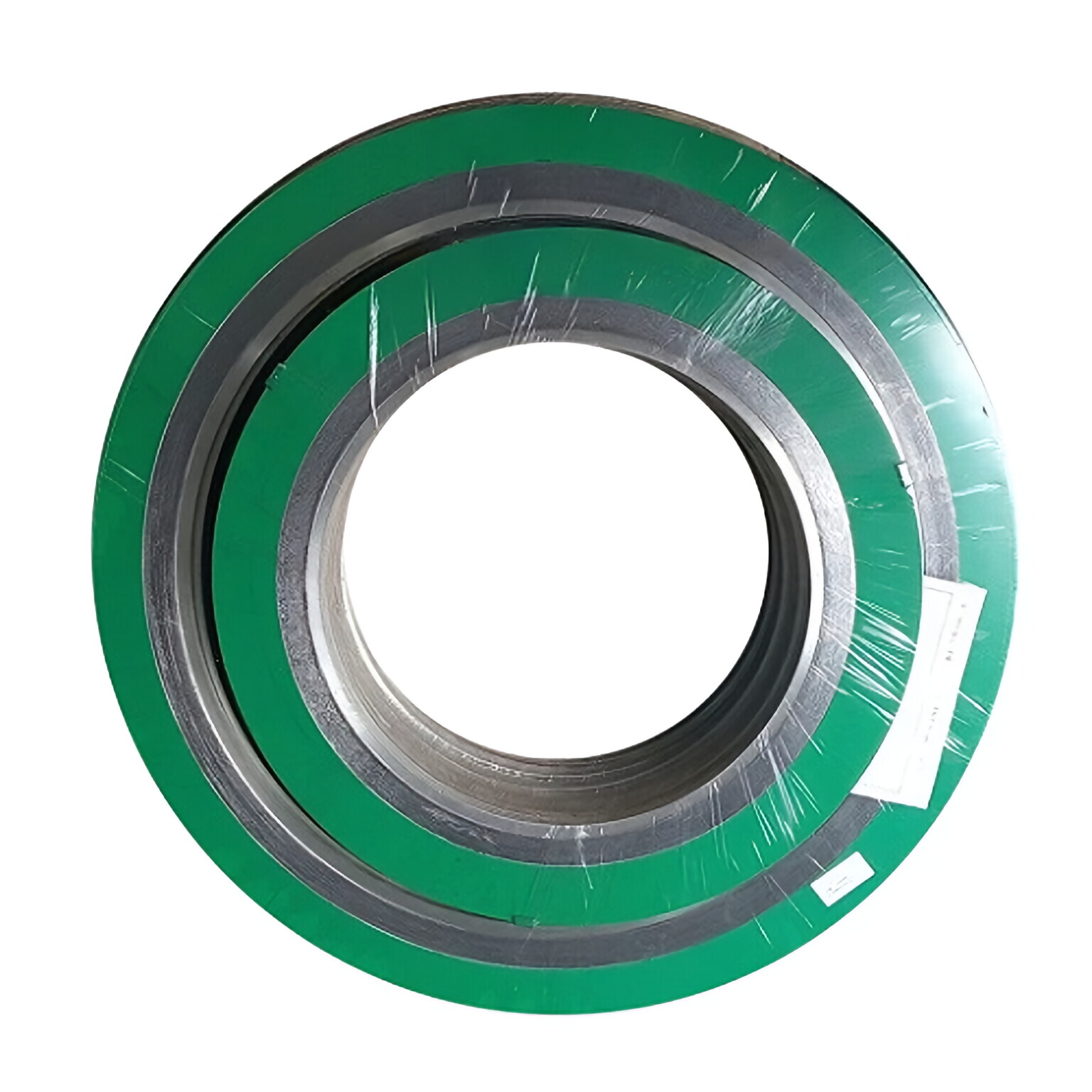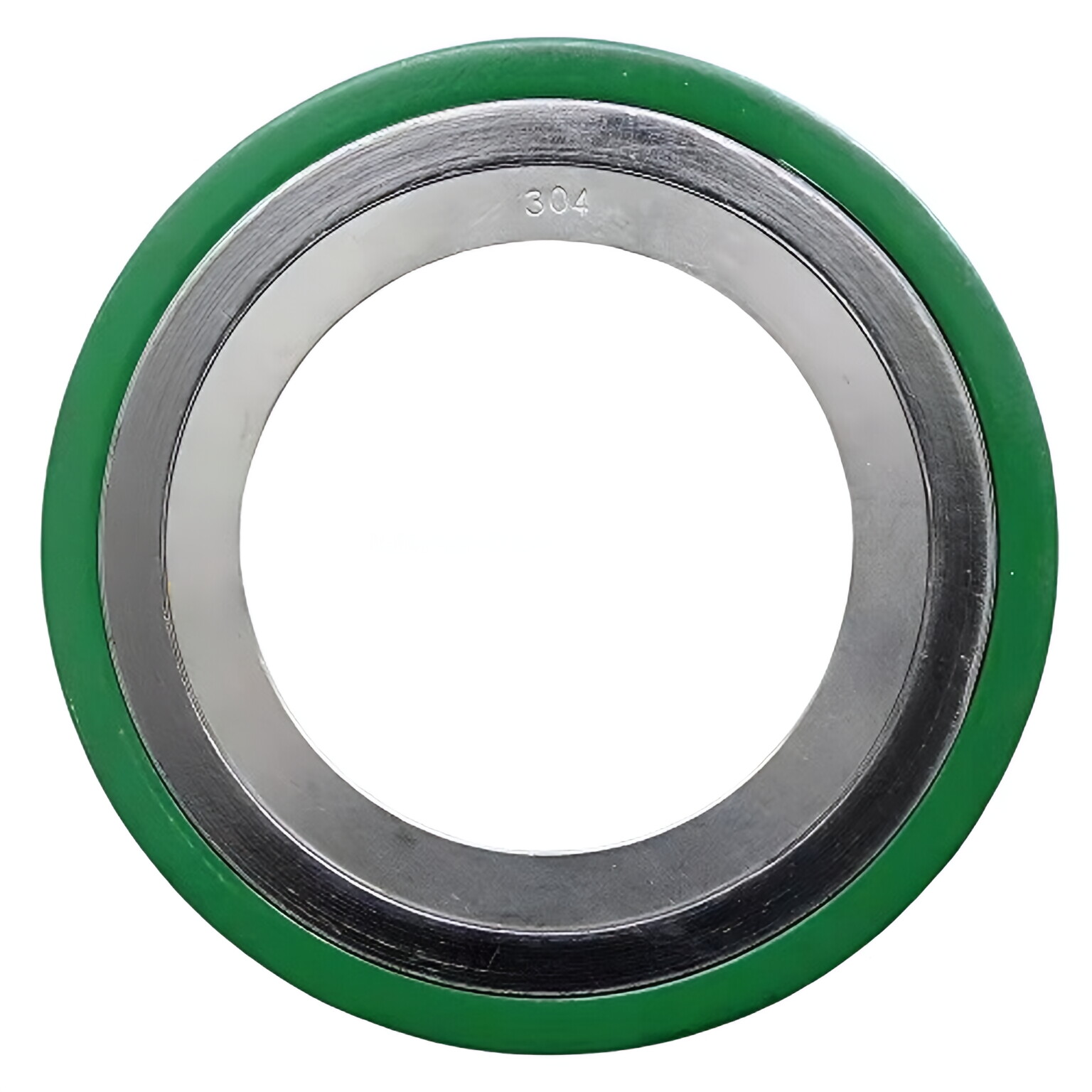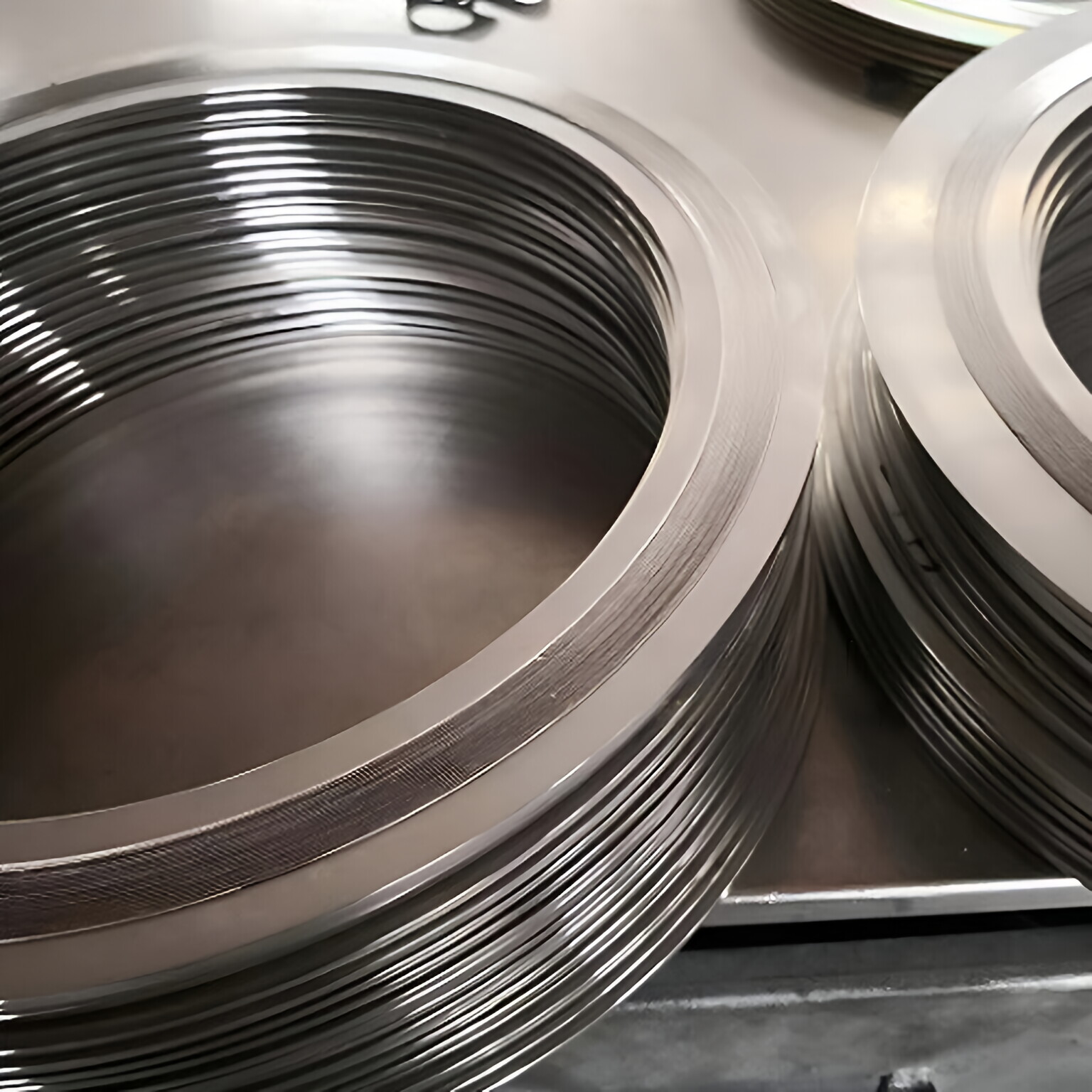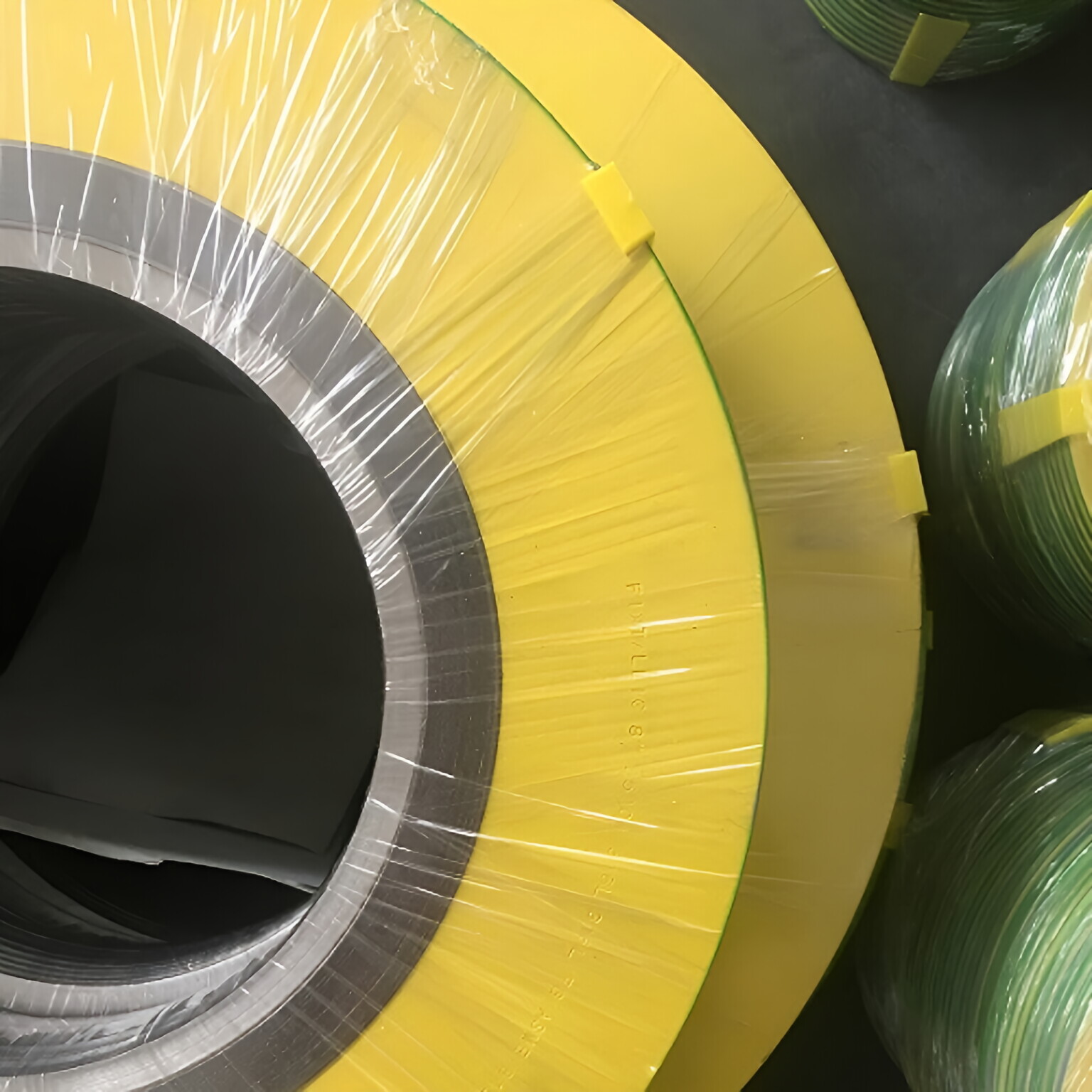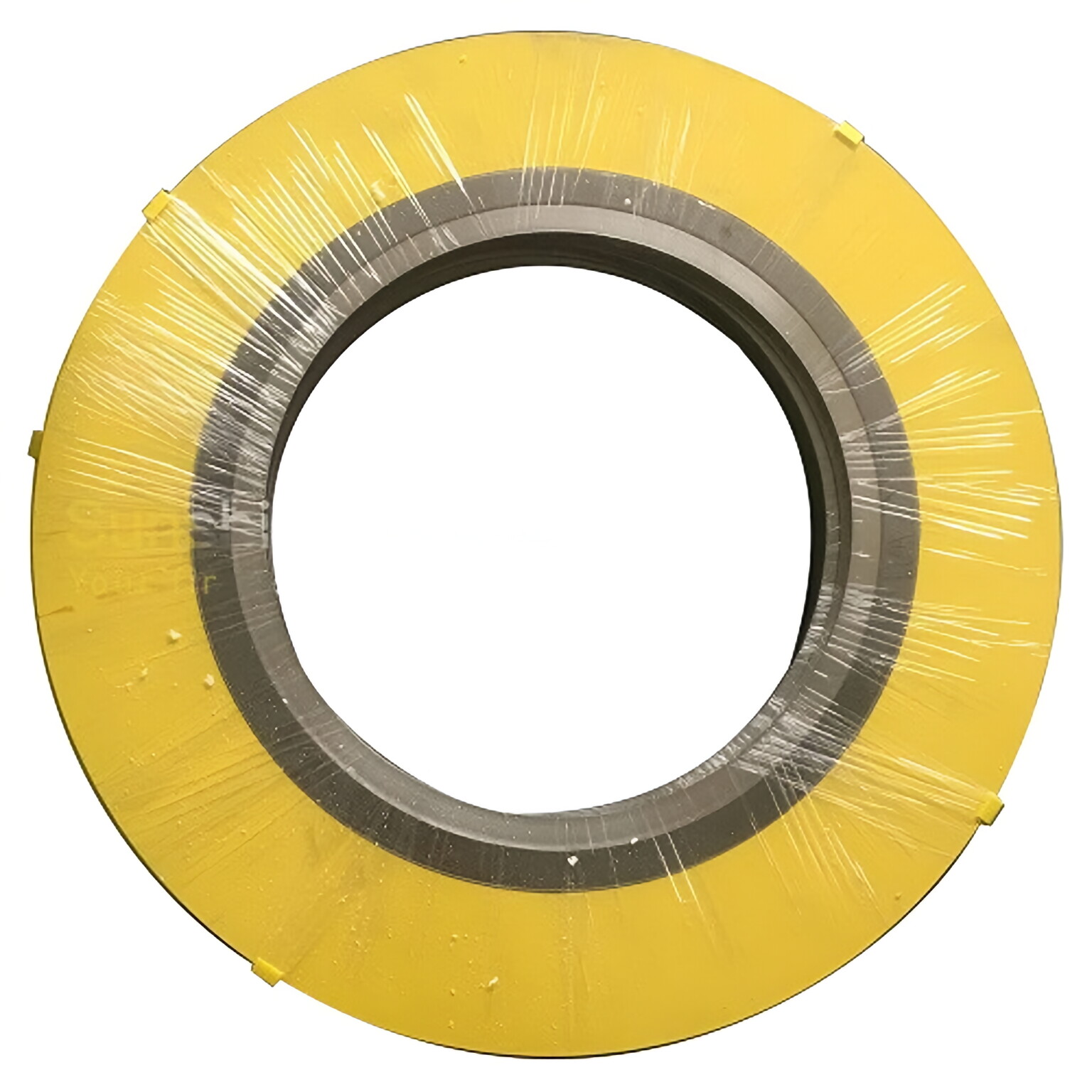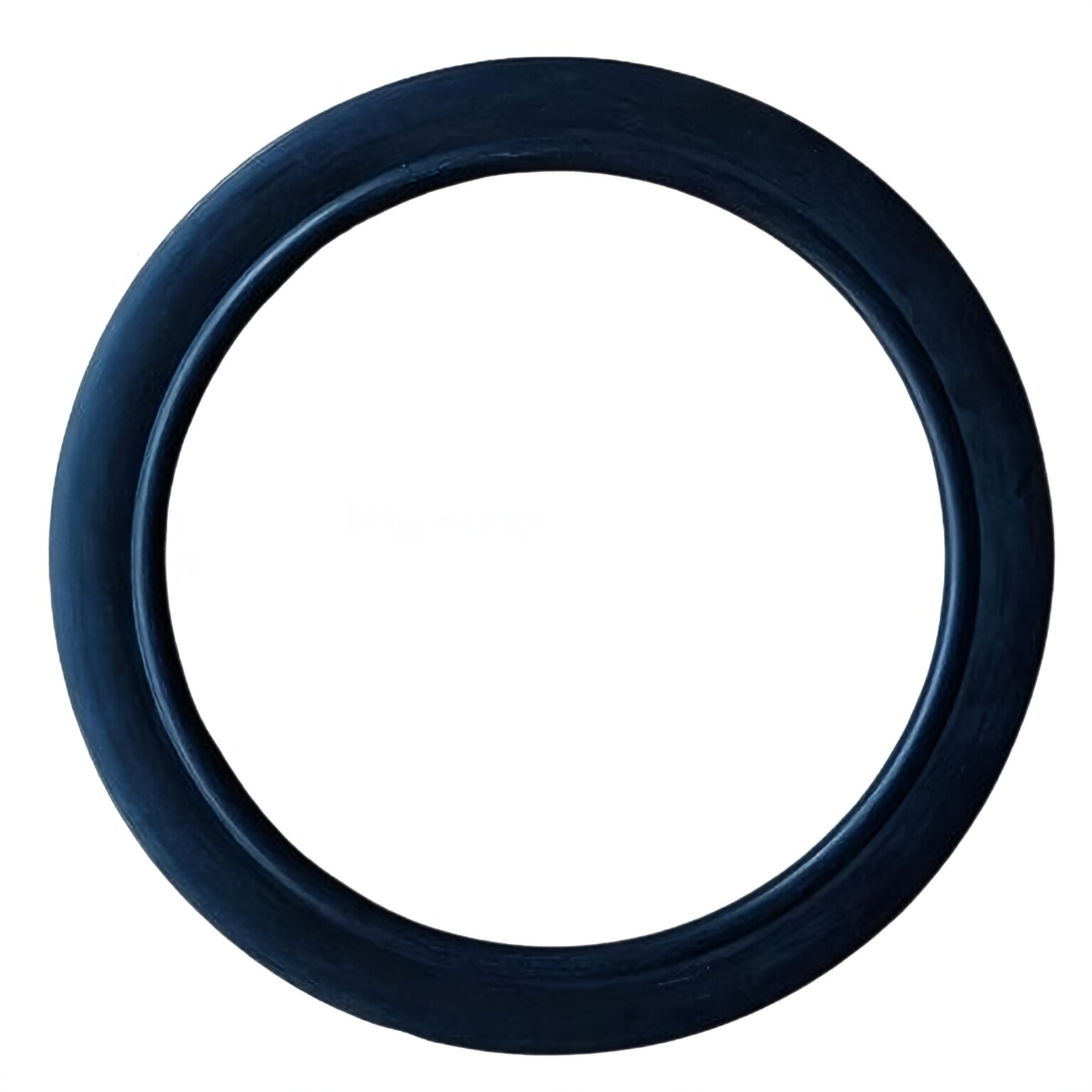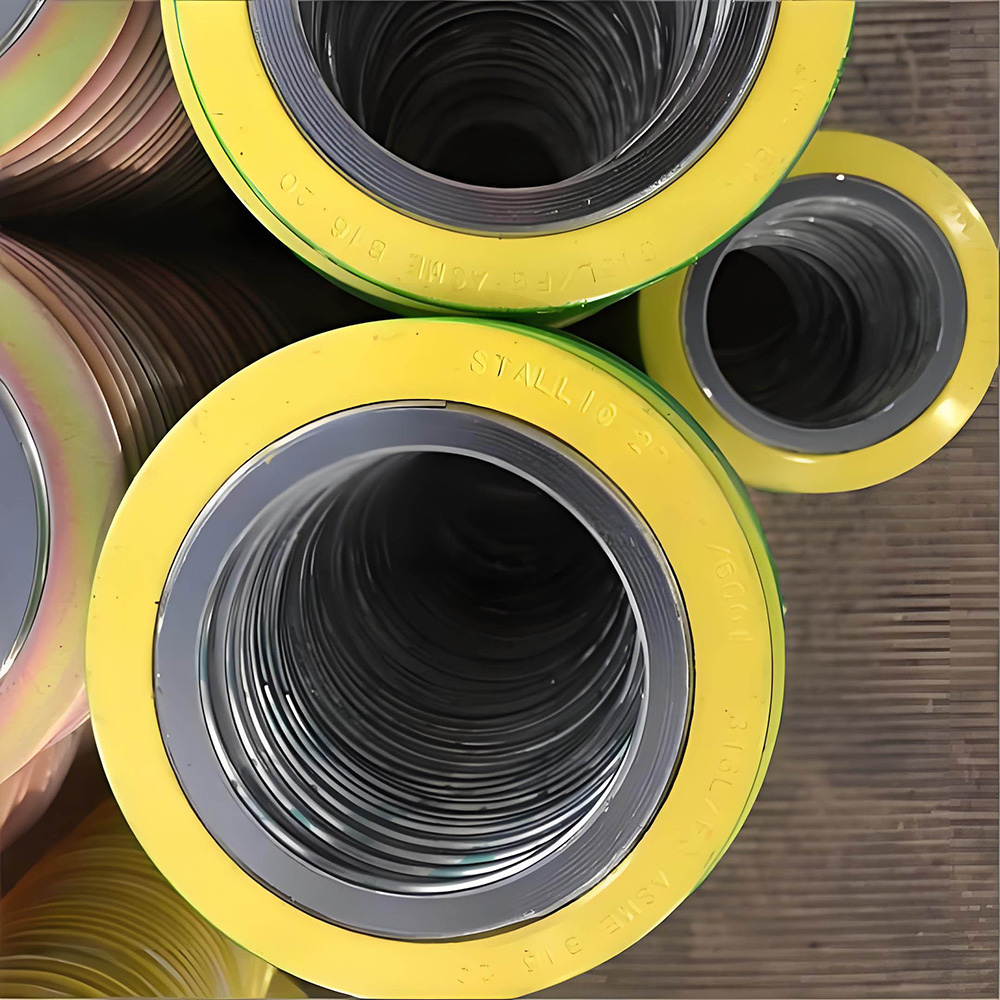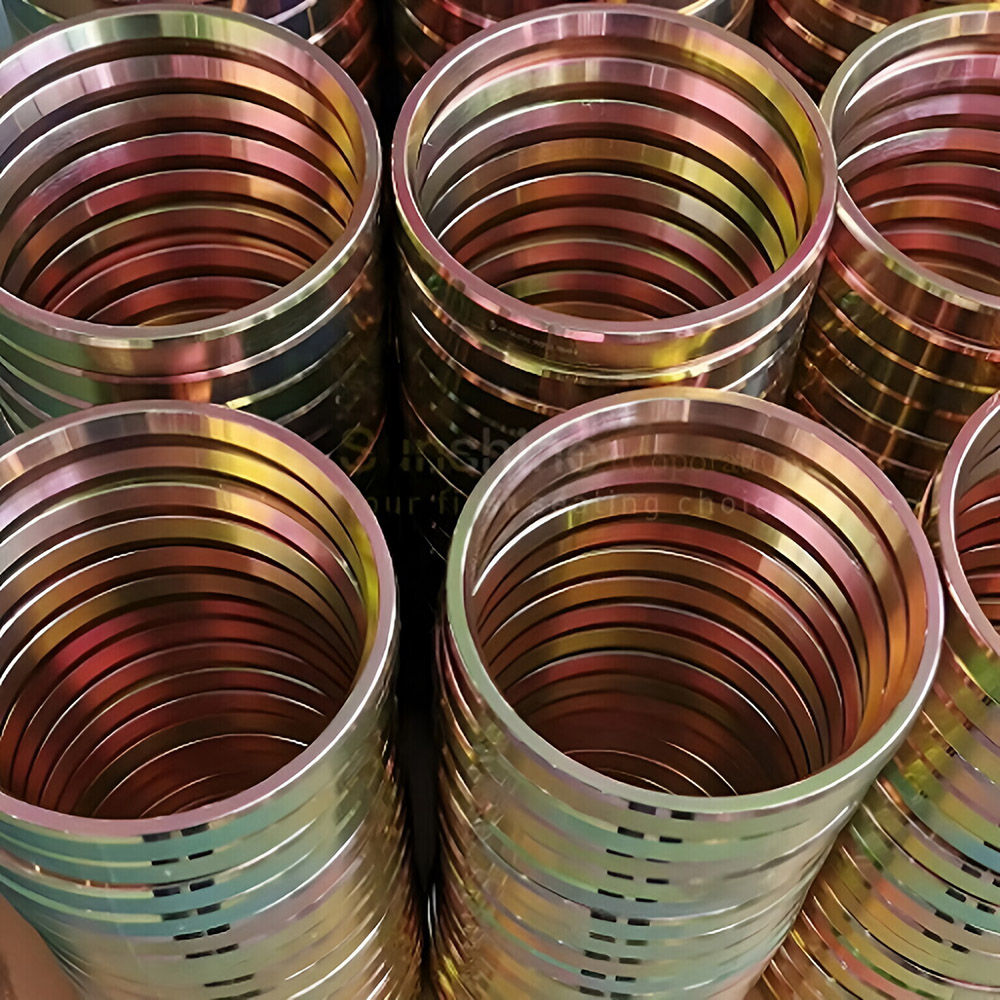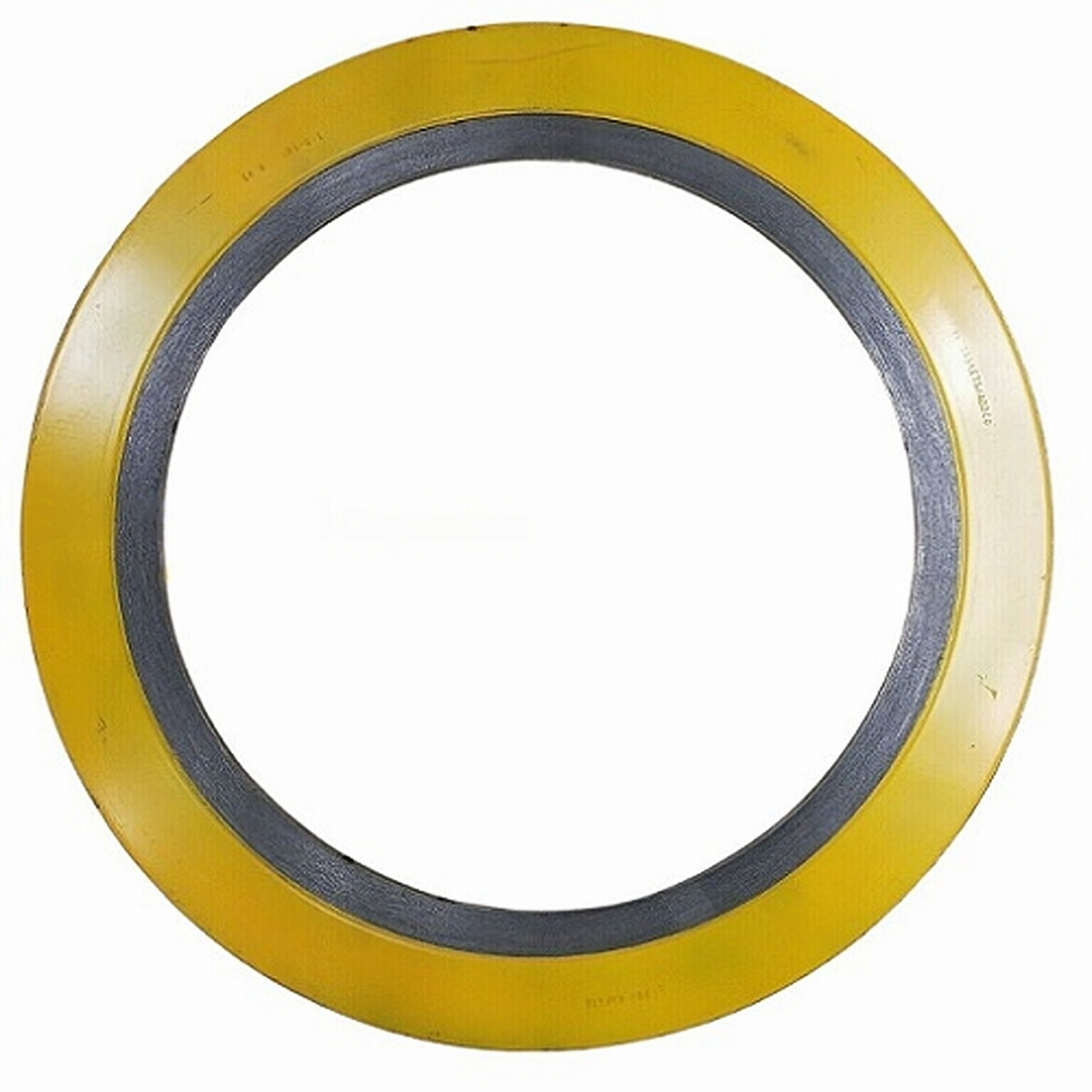
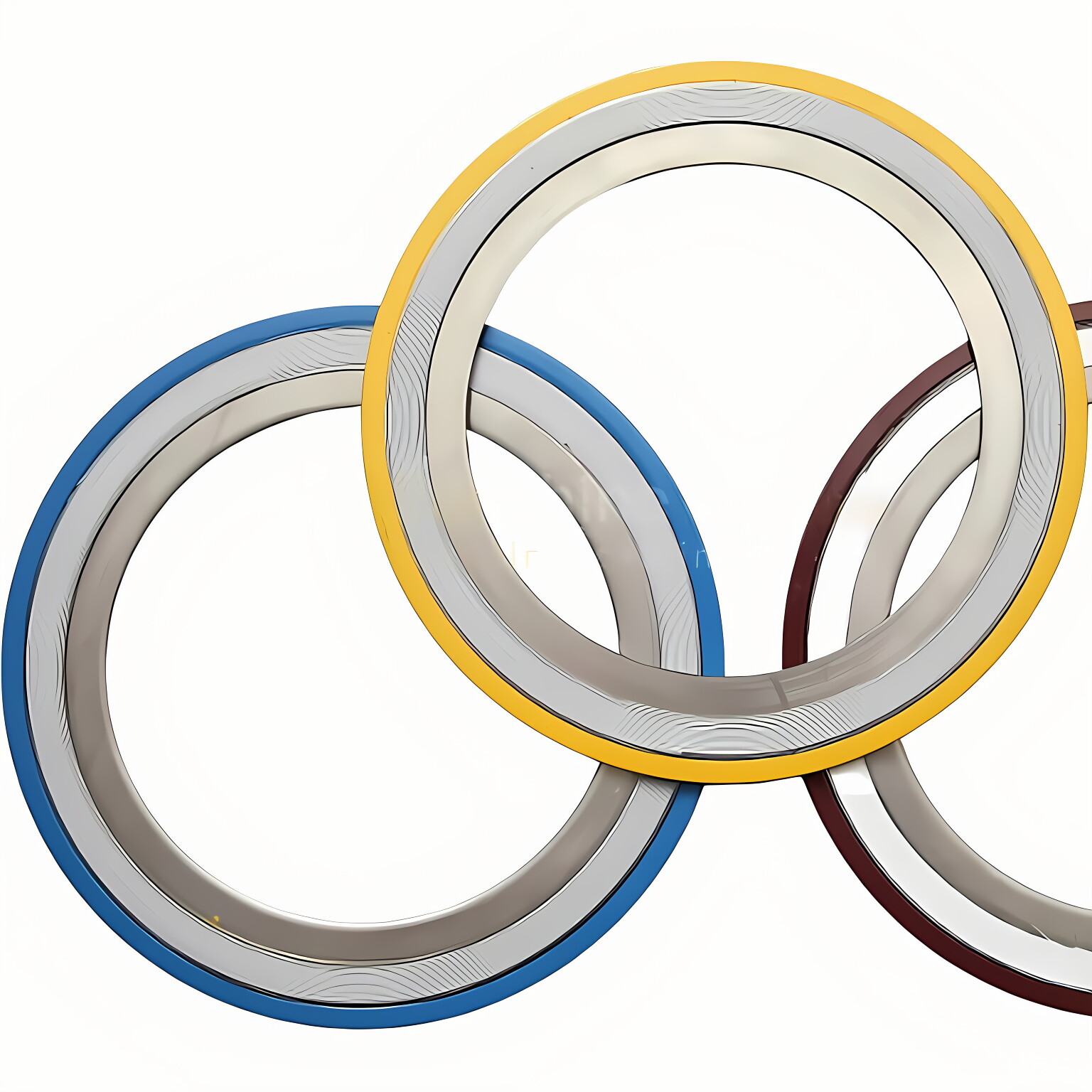
Kaxite Sealing manufactures Monel 400 CGI spiral wound gaskets from V-shape Alloy 400 tape combined with a soft filler — graphite, PTFE or vermiculite. The CGI construction carries a winding ring plus both an inner ring and an outer centering ring, so the winding is protected from inward buckling under high bolt load and the gasket centres itself on the flange bolt circle.
Alloy 400 is a nickel-base alloy specified across a wide range of corrosive conditions — from mildly oxidizing through neutral and in moderately reducing service. Its major application area is marine environments and other non-oxidizing chloride solutions, where it delivers excellent performance against rapidly flowing brackish water and seawater, and outstanding resistance to chloride stress corrosion cracking — the failure mode that limits stainless steel windings in warm chloride service.
Mechanically the alloy delivers tensile strength 520 MPa, yield strength 240 MPa, elongation 48%, density 8.8 g/cm³ and hardness 70 HRB, with excellent properties from sub-zero temperatures up to 1020 °F (approximately 550 °C). Custom sizes, OEM private-label packaging and flexible MOQ are available for B2B buyers. Send your flange standard, nominal pipe size, pressure rating and filler material and we will quote.
A Monel 400 CGI spiral wound gasket consists of a winding ring, an inner ring and an outer centering ring, built from V-shape Alloy Monel 400 tape combined with a soft filler such as graphite filler, PTFE filler or vermiculite filler. The spiral wound gasket was developed in the early 20th century to meet the increasingly demanding conditions encountered in oil refinery operations, and the CGI configuration is the modern ASME B16.20 standard — the same bolt pattern and gasket dimensions used across the industry.
This type of gasket is commonly used with flange surface finishes created using a flange facing machine, which is why we put together this simple overview as an introductory guide for the on-site machinist and the procurement engineer.

The high nickel content is what gives Alloy 400 its resistance to chloride stress corrosion cracking and its performance in seawater. The copper content gives it resistance to reducing conditions. This combination is what makes the alloy the standard choice for marine flanged joints and chloride-rich process lines.
Each property below is measured on the annealed condition used for spiral wound gasket winding tape. The visual bars compare each value against the typical range for standard stainless steel windings, so the performance advantage is visible at a glance.
Alloy 400 is more corrosion resistant than commercially pure nickel Monel 200 under reducing conditions, and more resistant than refined copper alloys under oxidizing conditions. It is resistant to most alkalies, salts, organic substances and atmospheric conditions, and is exceptionally resistant to chloride stress corrosion cracking. Application in water, including sea and brackish water, is a major use of the material.
More corrosion resistant than commercially pure nickel Monel 200 under reducing conditions — the copper content does the work here.
More resistant than refined copper alloys under oxidizing conditions — the nickel content is what delivers this advantage.
Exceptionally resistant to chloride stress corrosion cracking — the failure mode that limits austenitic stainless steels in warm chloride service.
Excellent performance against rapidly flowing brackish water and seawater — major use of the material in marine and offshore applications.
The gasket also has some capability in hydrochloric and sulfuric acids at moderate temperatures and concentrations, but it is seldom the material of choice for these acids. For strong acid service, a Hastelloy grade is usually specified instead.
Monel 400 CGI spiral wound gaskets used in the oil, gas and petrochemical industries need to be engineered to cope with high pressures, extreme temperatures and chemical attack. Fluctuations in the above, along with temperature differential across the flange face and bolt stress relaxation, demand a gasket with flexibility and recovery. The need for the gasket to recover from changing conditions cannot be overemphasized.
Flanged joints on offshore platforms, FPSO vessels, seawater cooling lines and marine piping systems exposed to chloride attack.
Desalination plants, seawater injection lines and brackish water service where chloride SCC would destroy a stainless winding.
Refinery process piping where high pressures, extreme temperatures and chemical attack all act on the same joint.
Process equipment where the medium combines chlorides with moderate temperature — the worst case for standard stainless steel.
HF alkylation units where Alloy 400 is the established standard for its resistance to hydrofluoric acid service.
Steam and cooling water flanged joints where the combination of temperature and chloride content rules out standard stainless windings.
To return a firm unit price, lead time and available samples, send the following five items with your enquiry. If you already have a flange drawing or a sample of the existing gasket, attach that instead — we will match it directly.
Or specific gasket inner / outer diameters if the joint is non-standard.
Class 150, 300, 600, 900, 1500, 2500 or PN10 to PN250.
Graphite (high temp and aggressive chemical), PTFE (low temp and highly corrosive) or vermiculite (oxidizing high temp).
Usually matched to the winding. Standard outer ring is carbon steel painted; specify stainless if the flange environment is corrosive.
Order quantity and destination port so we can quote freight-inclusive or FOB.
If you are not sure which filler suits your medium, send the chemical name, concentration and operating temperature and we will recommend the correct combination. Custom sizes, non-standard dimensions and private-label packaging are all available.
Ideally, spiral wound gaskets should be treated as single-use gaskets and replaced once wear and tear or leaks start to occur. It is not advised to reuse spiral wound gaskets — the winding deforms to the flange serrations during compression and cannot recover its original sealing profile.
If reuse is a hard requirement for the project, a solid metal gasket can be specified instead. Solid metal gaskets are slightly more expensive per unit, but they can be reused, which changes the lifecycle cost calculation for joints that are opened frequently.

Send your flange standard, nominal pipe size, pressure rating, filler material and quantity. Our sales engineers reply with a quotation, available samples and the packing options for your market.
Address
No 432 Zhenhai Middle Road, Luotuo Street, Zhenhai District, Ningbo City, Zhejiang China