As a procurement professional sourcing critical sealing components for demanding chemical processing environments, you’ve likely encountered a pressing question during vendor evaluations: What certifications are available for Hastelloy B3 spiral wound gaskets? Imagine standing in a control room overlooking a reactor filled with hot hydrochloric acid, knowing that a single seal failure could cause a catastrophic leak, production downtime, and safety violations. This scene is all too familiar for engineers and buyers in refineries, pharmaceutical plants, and offshore platforms. The Hastelloy B3 Spiral Wound Gasket is the go-to choice for exceptional resistance to pitting, stress-corrosion cracking, and aggressive acids. But without verifiable certifications, even the best alloy becomes a liability. Procurement teams often face a maze of supplier claims, ambiguous test reports, and the risk of counterfeit materials. The right certifications not only guarantee material integrity and manufacturing consistency but also streamline compliance with international codes like ASME B16.20, NACE TM0284, and API 607. Yet, many buyers still struggle to identify which certifications truly matter and how to validate them. In this guide, we break down every essential certification, map them to real-world failure scenarios, and show how Ningbo Kaxite Sealing Materials Co., Ltd. eliminates the guesswork by providing fully traceable, multi-certified Hastelloy B3 spiral wound gaskets. Whether you are upgrading a sulfuric acid alkylation unit or standardizing gasket specifications across multiple plants, understanding certification requirements is your first line of defense against unplanned shutdowns.
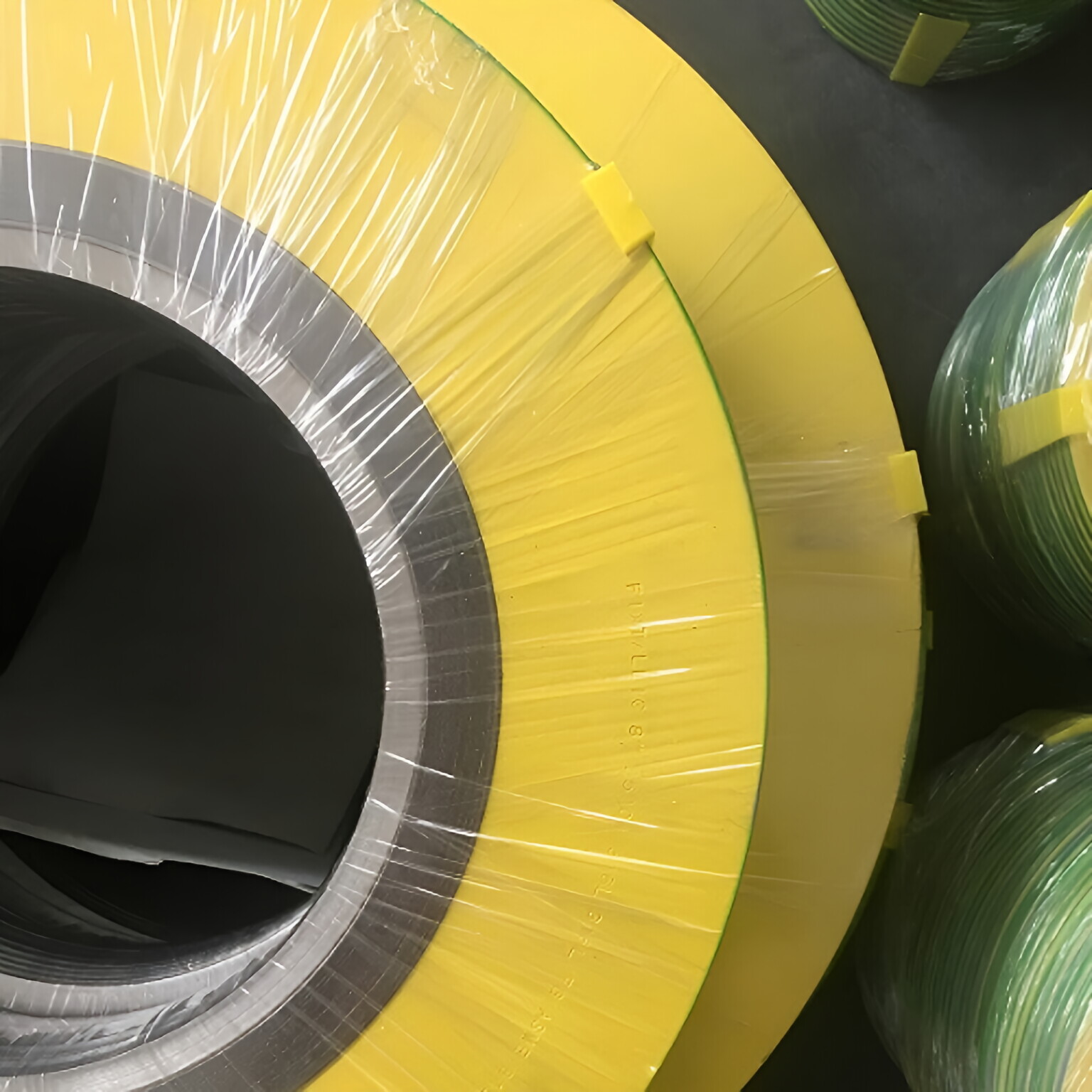
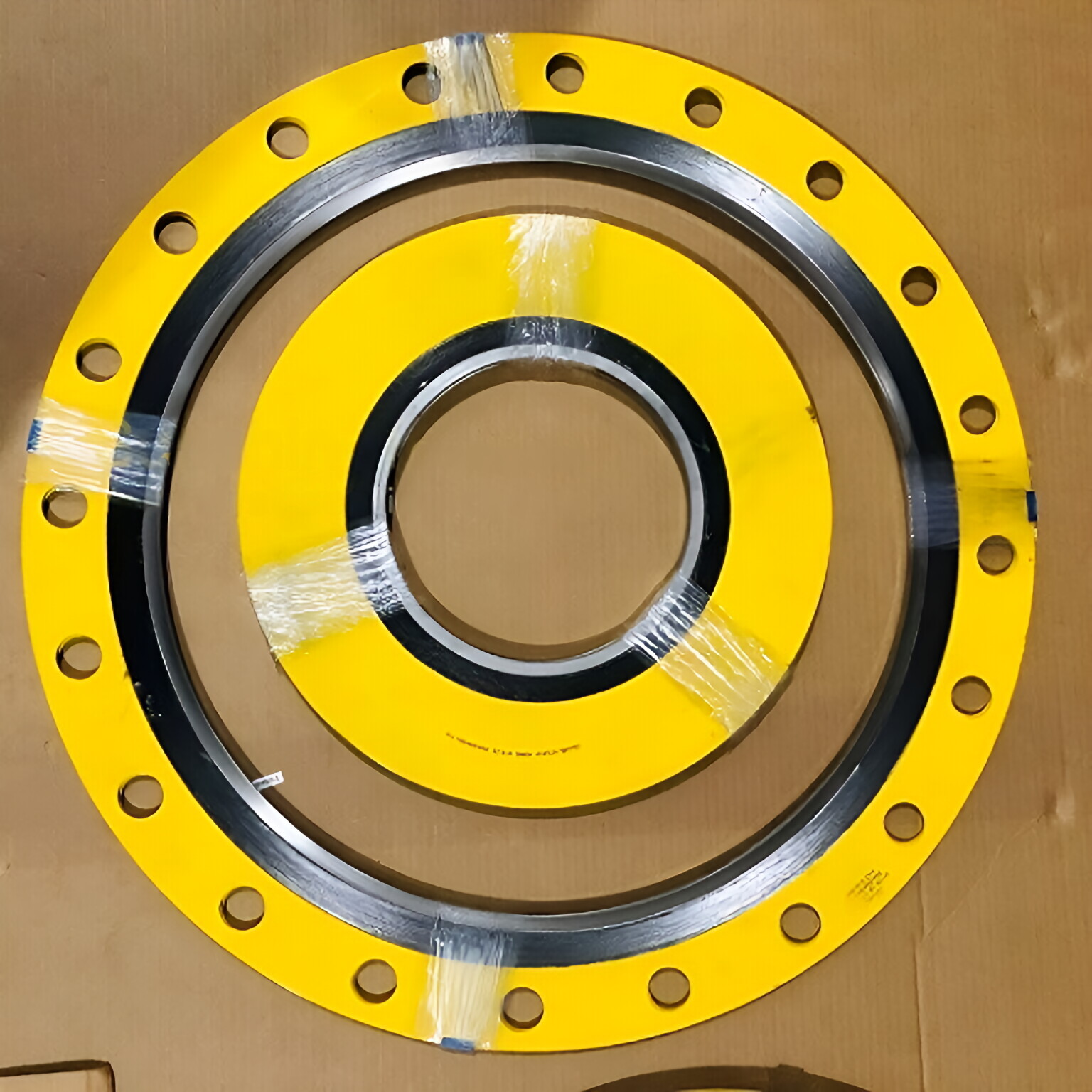
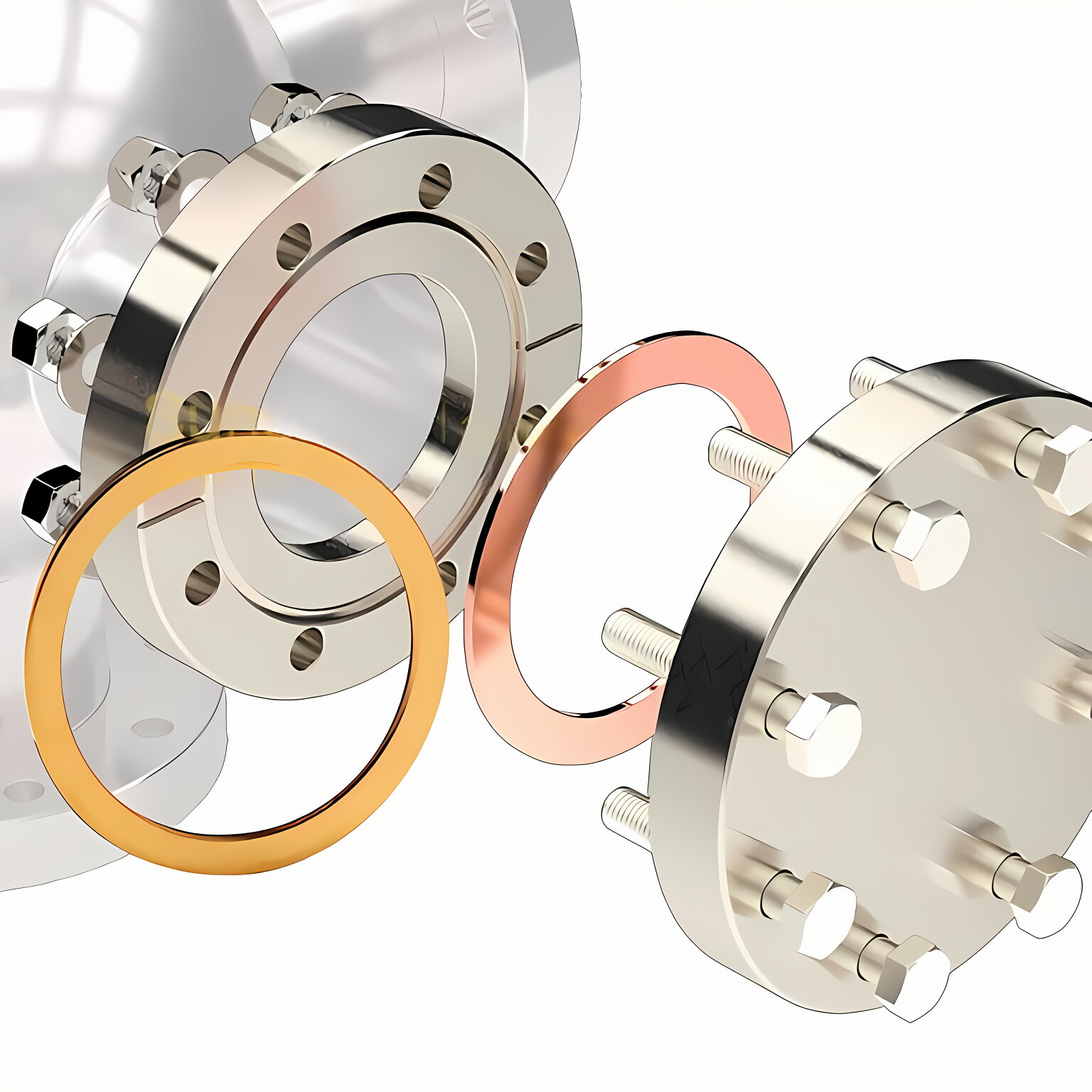
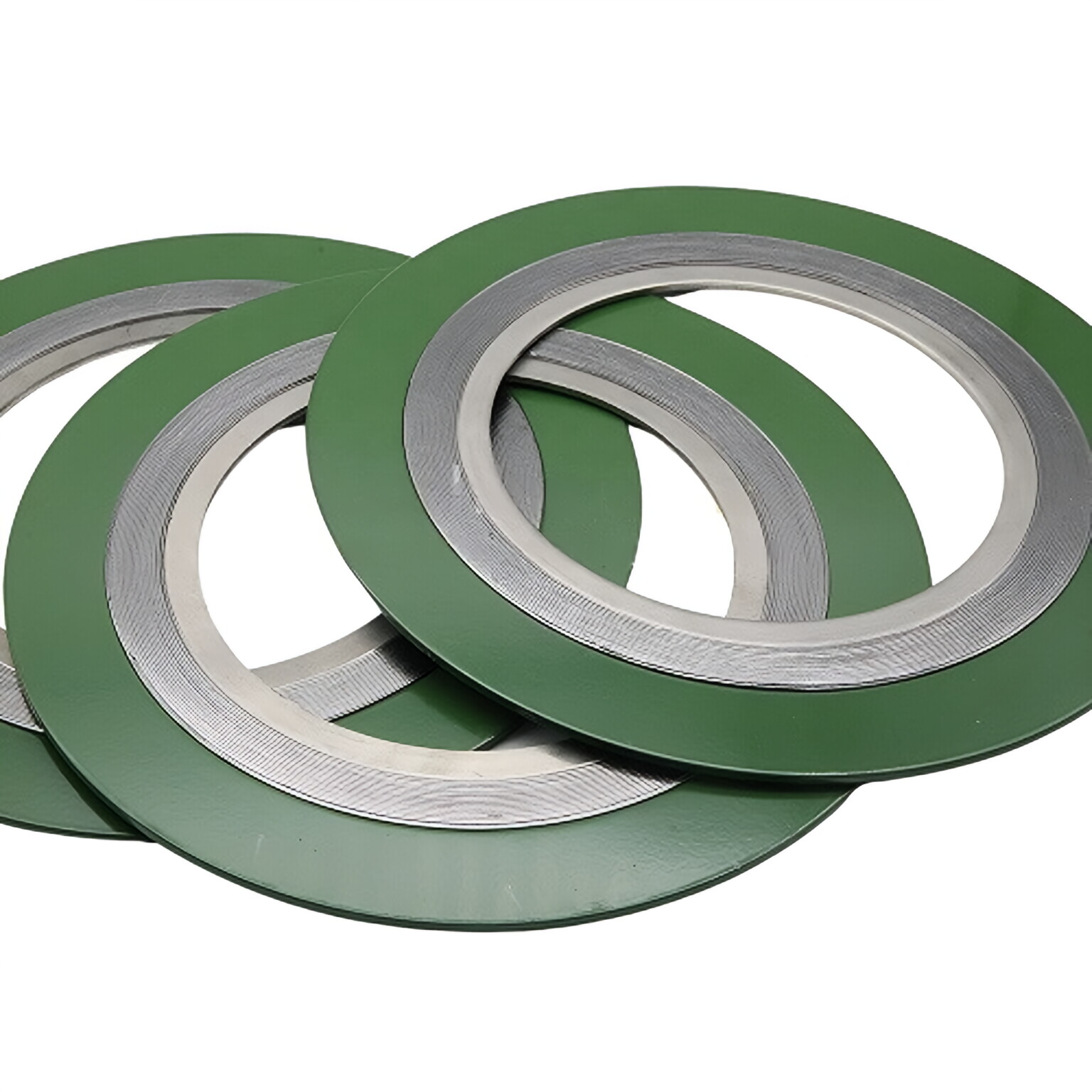
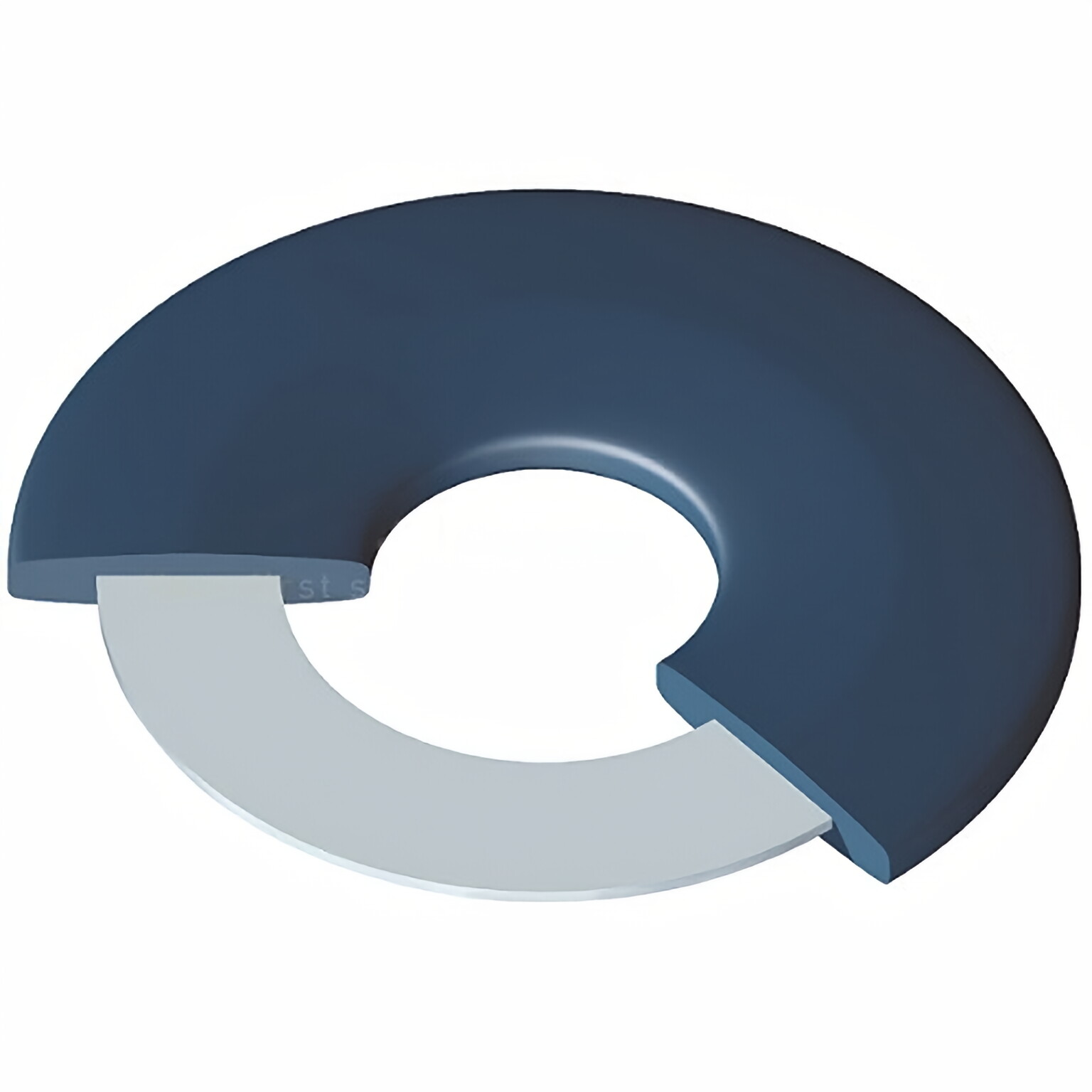
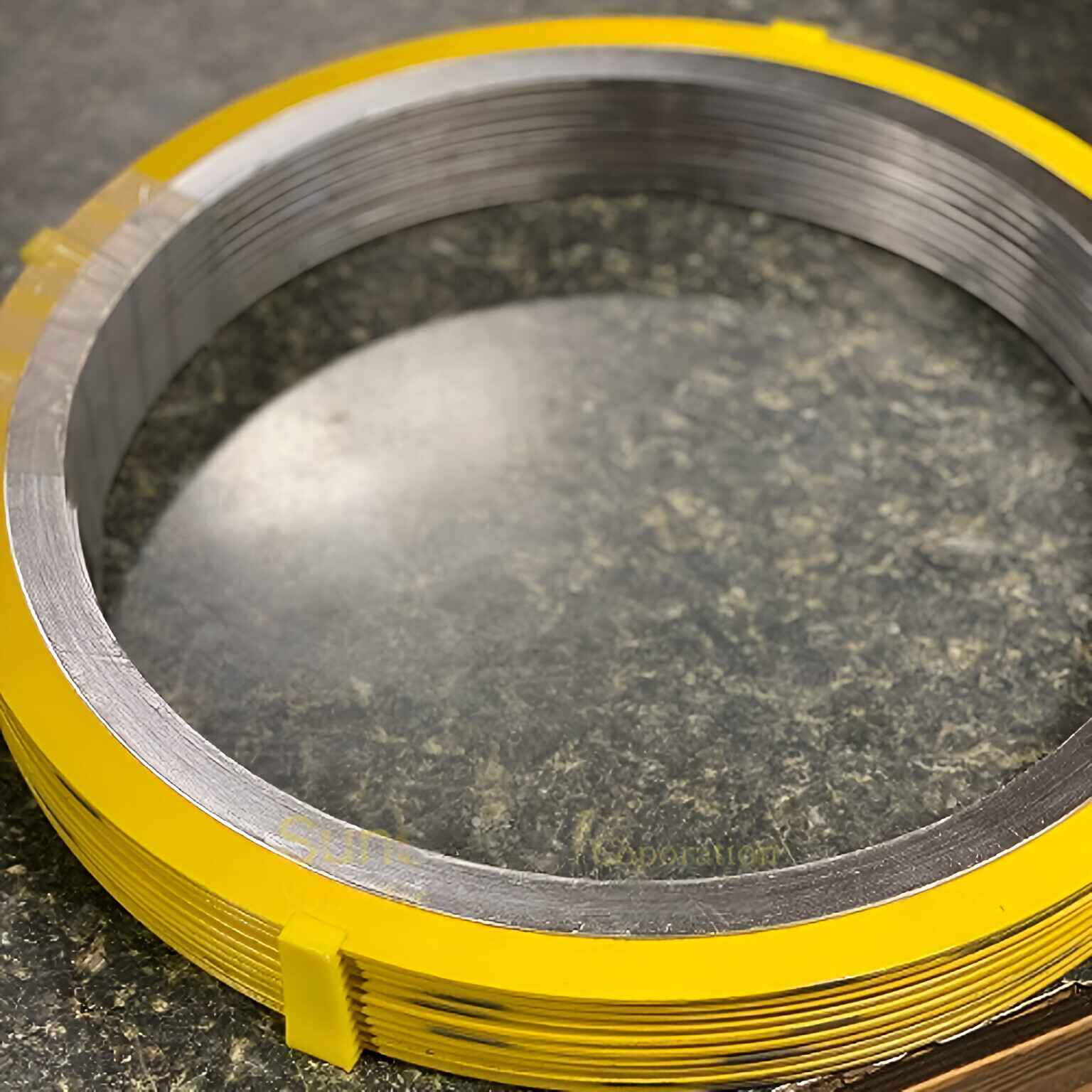
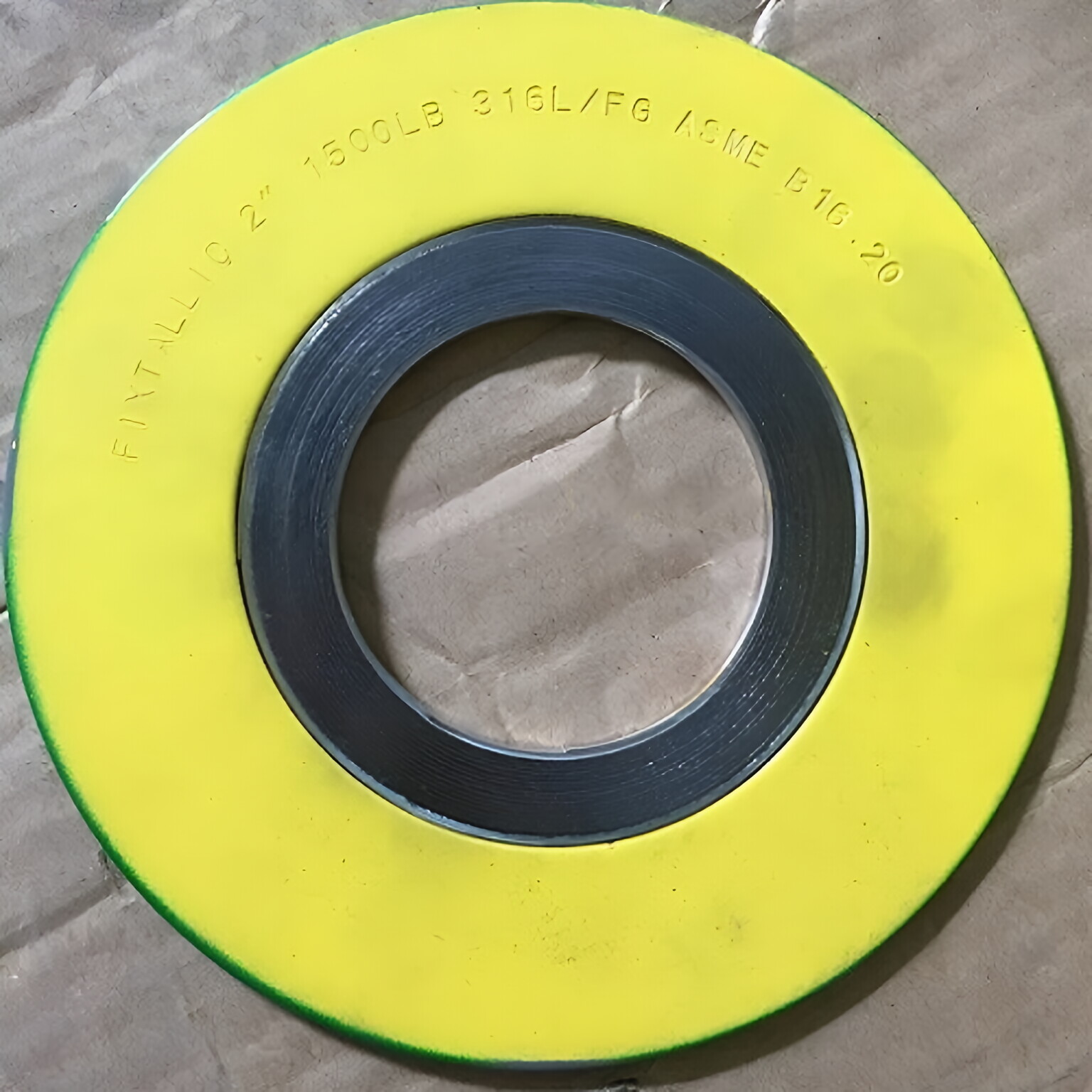
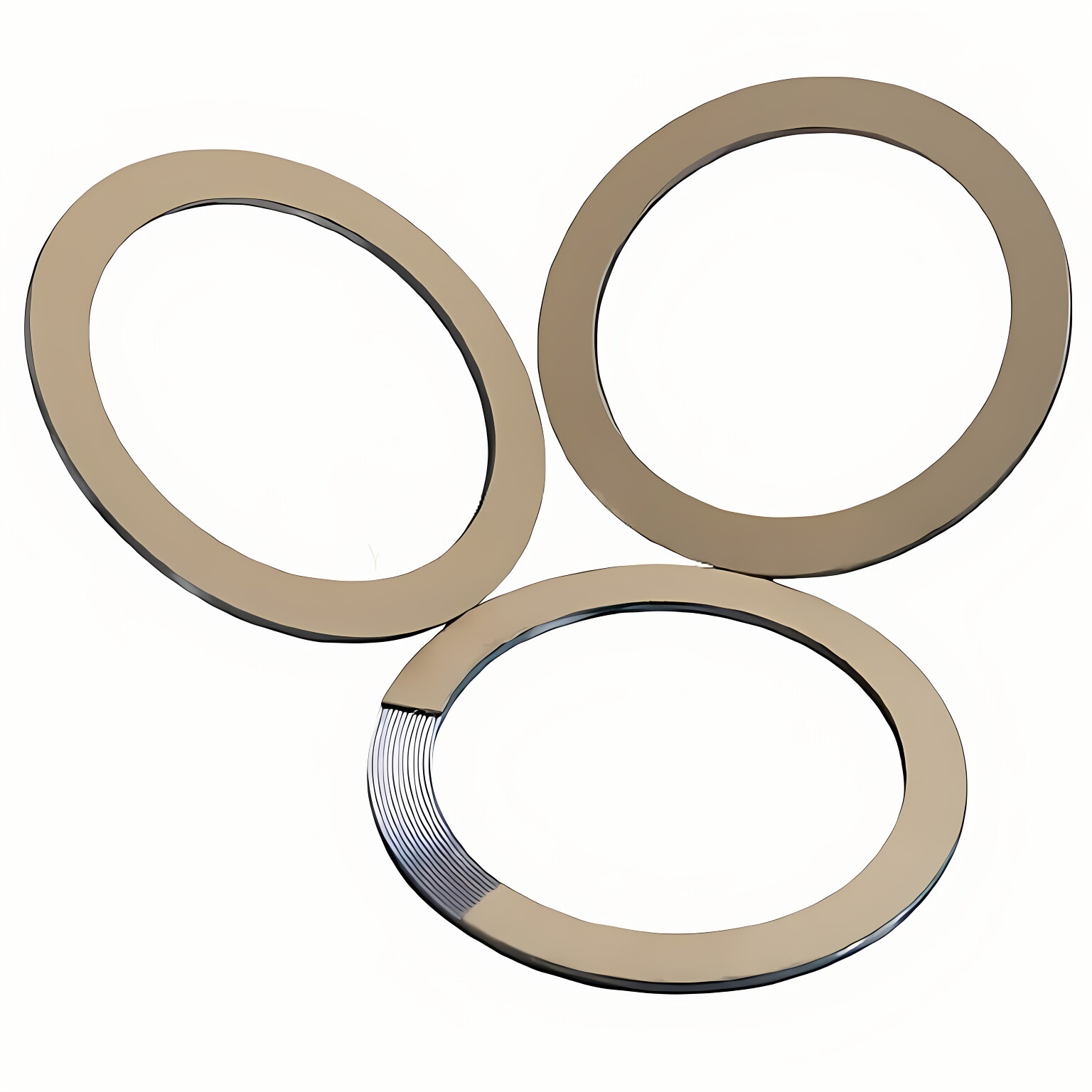
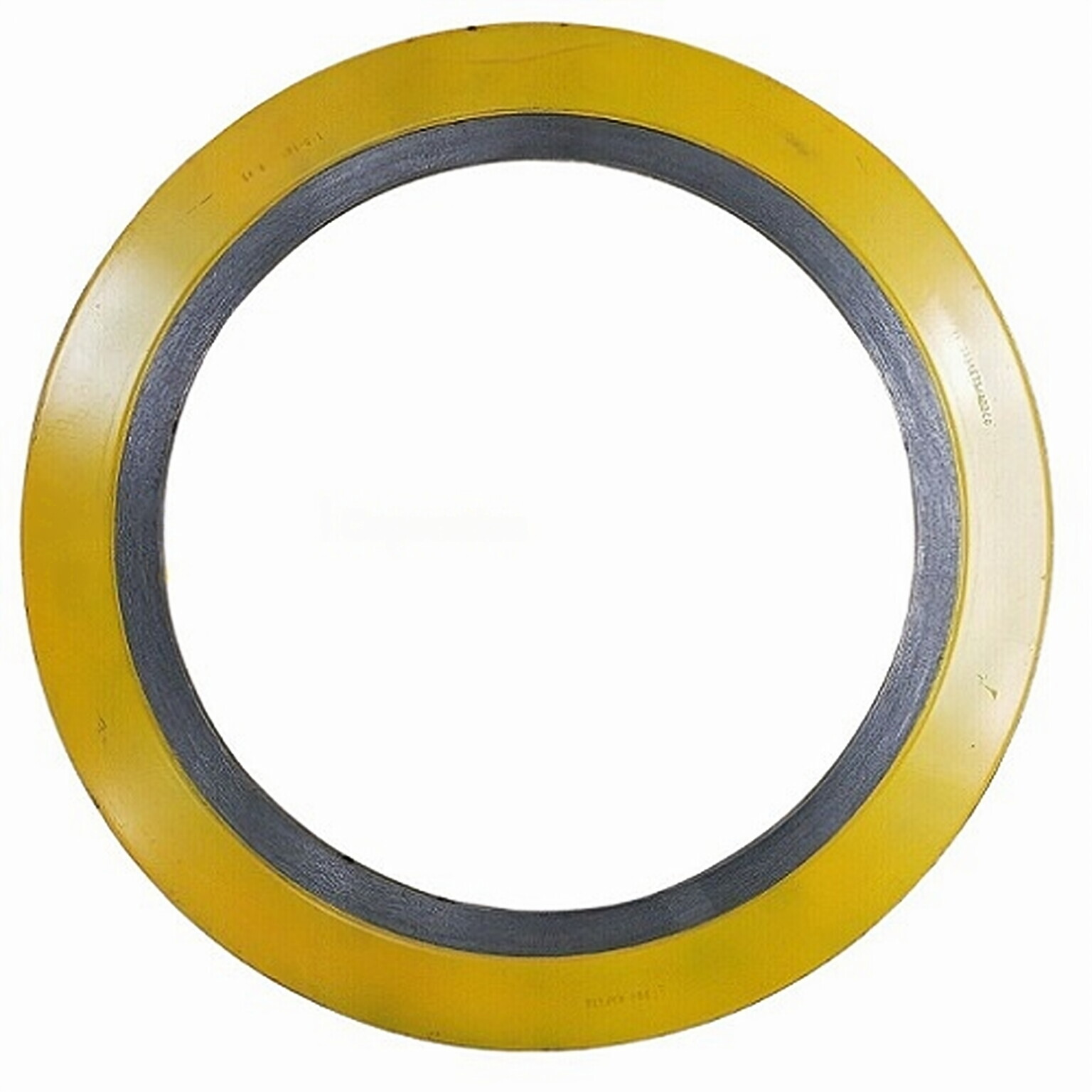
Before diving into certifications, it’s worth clarifying the product itself. A Hastelloy B3 spiral wound gasket consists of a V-shaped metal strip wound in alternating layers with a soft filler material, typically flexible graphite or PTFE. The metal strip is made from Hastelloy B3 (UNS N10675), a nickel-molybdenum alloy engineered for superior resistance to highly reducing environments. Unlike its predecessor B2, B3 offers enhanced thermal stability and resistance to knife-line attack in the heat-affected zones of welds. This makes it indispensable for sealing flanged connections in acetic acid distillation, HCl processing, and sulfuric acid concentrators. The spiral wound design provides excellent resilience under fluctuating temperature and pressure conditions. However, the performance of such a gasket hinges entirely on the quality of raw materials and manufacturing precision—which is precisely why certifications exist.
Picture a mid-size chemical plant in Texas that recently commissioned a new methyl chloride reactor. The procurement team selected Hastelloy B3 spiral wound gaskets from a low-cost supplier that claimed “equivalent certification.” Six weeks into operation, a flange joint started weeping at 180°C and 40 bar. The investigation revealed the metal winding contained only 2.1% molybdenum instead of the required 28–30%—a clear case of material substitution. The total loss exceeded $450,000 when factoring in emergency shutdown, environmental fines, and replacement installation. This nightmare underscores why formal certifications are non-negotiable. Buyers need independent verification of chemical composition, mechanical properties, and manufacturing process control. For Hastelloy B3, this typically includes certifications such as ASTM B906 for the alloy strip, EN 10204 Type 3.1 material certificates, and NACE TM0284 for sulfide stress cracking resistance. The solution is to partner with a supplier like Ningbo Kaxite Sealing Materials Co., Ltd., that provides full traceability from raw material melting to final dimensional inspection, with every certificate backed by an accredited laboratory.
| Parameter | Uncertified Gasket | Certified Gasket (Kaxite) |
|---|---|---|
| Alloy Composition Compliance | Often off-spec; risk of premature corrosion | 100% within UNS N10675 limits, verified by OES |
| Leak Rate (ISO 15848-1) | Exceeds 10⁻³ mg/(s·m) | <1×10⁻⁵ mg/(s·m), tight sealing |
| Documented Traceability | Partial or missing | Full EN 10204 3.1 with heat numbers |
| Warranty Support | None or unenforceable | 12-month corrosion resistance warranty |
When asking what certifications are available for Hastelloy B3 spiral wound gaskets, the answer is layered. Here are the most critical ones you should demand on every purchase order:
Each certification addresses a distinct failure mode. For example, an API 607 certificate proves the gasket won’t blow out during a hydrocarbons fire, while EN 10204 traceability prevents receiving an alloy like C-276 masquerading as B3. Ningbo Kaxite supplies gaskets with all these certifications as standard, and can provide additional ones like PMI (Positive Material Identification) reports per customer request.
A certified gasket should always come with an MTR. Many buyers file it without checking, but savvy procurement engineers know how to spot red flags. Look for the UNS designation N10675 clearly stated, and compare the heat number on the report with the tag attached to each gasket. The MTR should include quantitative results for nickel (min. 65%), molybdenum (28.5–30%), chromium (1.0–3.0%), and iron (1.0–3.0%). Any deviation may indicate a recycled or counterfeit material. Tensile strength should be at least 760 MPa, with elongation around 40%. At Ningbo Kaxite Sealing Materials Co., Ltd., every shipment includes a detailed MTR issued by an ISO/IEC 17025 accredited laboratory. We also digitally archive these reports for 10 years, so if you lose paperwork during a plant turnaround, you can retrieve it instantly. This level of transparency directly answers the buyer’s anxiety around What certifications are available for Hastelloy B3 spiral wound gaskets? by turning certifications from abstract code numbers into verifiable, actionable documents.
Fire scenarios are the ultimate test. In refineries, a flange fire can expose gaskets to temperatures exceeding 800°C. Without certified fire-safe design, the soft filler burns away and the metal winding loses compression, causing a massive leak that fuels the fire. API 607 fire testing validates that the gasket withstands a 30-minute burn period at 760°C and then undergoes a thermal shock quench without leaking above a specified rate. Additionally, many end-users require BS 6755-2 or ISO 10497 certifications. Kaxite’s Hastelloy B3 spiral wound gaskets regularly pass these fire tests because we use high-purity graphite filler with a minimum carbon content of 99% and apply a controlled winding density. Below is a comparison of fire-safe certification parameters for our products:
| Test Standard | Burn Temperature | Burn Duration | Max Allowed Leakage | Kaxite Result |
|---|---|---|---|---|
| API 607 7th Ed. | 760°C ±50°C | 30 min | 100 ml/min per in. OD | 22 ml/min |
| ISO 10497 | 800°C ±50°C | 30 min | External leakage ≤100 ml/min | 18 ml/min |
| Shell SPE 77/300 | Up to 650°C | 20 min | No visible leakage | Pass, no leakage |
Being able to demonstrate such margins builds confidence. When a procurement manager asks What certifications are available for Hastelloy B3 spiral wound gaskets?, they are really asking, “Will this gasket protect my plant in a worst-case scenario?” With Kaxite, the answer is documented and independently verified.
For pressure equipment under the EU Pressure Equipment Directive (PED 2014/68/EU), you must have EN 10204 Type 3.1 material certification. Additionally, the gasket manufacturer should hold ISO 9001 quality management certification, and the material itself should comply with ASTM B906. If the service involves hydrocarbons, many European end-users also require fugitive emission certification per VDI 2440 or TA Luft. Ningbo Kaxite Sealing Materials Co., Ltd. provides all these documents as a standard package for EU shipments, and our technical team can assist with PED conformity assessments.
Yes, and it’s a common combination for sour service applications. A gasket can be certified to NACE TM0284 for HIC resistance specific to the alloy, while also carrying API 607 fire-safe approval. At Kaxite, we consolidate these certifications into a single data book per order, simplifying your compliance audit. Simply mention both requirements when requesting a quotation, and we will include them in the scope of supply without long lead-time penalties.
Whether you are managing a grassroots chemical plant or executing a maintenance shutdown with tight deadlines, the certification maze around Hastelloy B3 gaskets can slow you down. Instead of chasing test reports from multiple intermediaries, work with a manufacturer that has embedded certification into its production DNA. At Ningbo Kaxite Sealing Materials Co., Ltd., every Hastelloy B3 spiral wound gasket is produced from certified raw material, tested in-house or through partner labs, and shipped with a comprehensive documentation package that answers exactly the question you started with. Our team understands that behind every certification request is a real concern about safety, reliability, and audit confidence. We are ready to provide references, sample certificates, and technical consultation to validate our claims before you place a trial order.
Contact our international sales team today at [email protected] or visit our website https://www.spiral-wound-gasket.com to discuss your next project. Ningbo Kaxite Sealing Materials Co., Ltd. is not just a gasket supplier; we are your long-term technical partner for fugitive emission control and corrosion-resistant sealing solutions across the global oil & gas, chemical, and power generation industries.
Haynes, J. D., & Klarstrom, D. L. (2005). Development of Hastelloy B-3® alloy for improved thermal stability and corrosion resistance. Journal of Materials Engineering and Performance, 14(6), 726–731.
Rebak, R. B., & Koon, N. D. (2010). Stress corrosion cracking behavior of nickel-molybdenum alloys in HCL solutions. Corrosion Science, 52(9), 2920–2928.
Pineau, A., & Benzerga, A. A. (2011). Failure of metals II: Creep and fatigue of gasketed joints. International Journal of Pressure Vessels and Piping, 88(5), 203–214.
Muralidharan, G., & Delgado, J. (2018). Fugitive emissions from bolted flange joints: influence of gasket type and certification standards. Process Safety and Environmental Protection, 116, 292–300.
Li, X., & Engel, R. (2017). Fire resistance of spiral wound gaskets under API 607 testing: a comparative study. Journal of Loss Prevention in the Process Industries, 47, 89–97.
Brossia, C. S., & Shoesmith, D. W. (2020). A review of certification requirements for corrosion-resistant alloys in chemical plant service. Materials and Corrosion, 71(3), 345–358.
Sridhar, N., & Minachi, A. (2019). Hydrogen induced cracking susceptibility of nickel-base alloys: NACE TM0284 evaluation. Corrosion Engineering, Science and Technology, 54(1), 45–53.
ASME B16.20 Committee. (2012). Metallic Gaskets for Pipe Flanges: Ring-Joint, Spiral-Wound, and Jacketed. ASME Standard, B16.20-2012.
Kumar, A., & Gupta, R. K. (2016). Traceability and certification in the supply chain of industrial gaskets: a reliability perspective. International Journal of Quality & Reliability Management, 33(7), 890–905.
Patel, M. R., & Singh, R. (2021). Role of EN 10204 Type 3.1 certification in preventing material substitution in pressure equipment. Engineering Failure Analysis, 121, 105143.