What are the temperature and pressure ratings for INCOLOY 800 spiral wound gaskets? This is a crucial question for engineers and procurement specialists working with demanding high-temperature applications like those found in petrochemical plants, power generation, or heat exchangers. Selecting a gasket with insufficient ratings can lead to catastrophic failure, causing unplanned downtime, safety hazards, and significant financial loss. Understanding the exact performance boundaries of INCOLOY 800—a nickel-iron-chromium alloy known for its strength and resistance to oxidation and carburization—is the first step toward ensuring system integrity and operational reliability. This guide will break down the key ratings, explain the influencing factors, and show you how to specify the right gasket for your most challenging services.
Article Outline
Understanding Core Temperature & Pressure Ratings
Key Factors Influencing Real-World Performance
Practical Selection & Application Guide
Expert Q&A on INCOLOY 800 Gaskets
Conclusion and Further Resources
Imagine a hydrocracker unit operating continuously at 450°C. A gasket failure here isn't just a leak; it's a potential fire risk and a production stoppage costing thousands per hour. The solution lies in a gasket engineered for the specific combination of temperature, pressure, and medium. INCOLOY 800 spiral wound gaskets, with their robust alloy windings and flexible filler, are designed for such extremes. For reliable sealing, you need to reference the gasket's certified pressure-temperature (P-T) rating, which is determined by the construction standards (like ASME B16.20) and the specific filler material used.
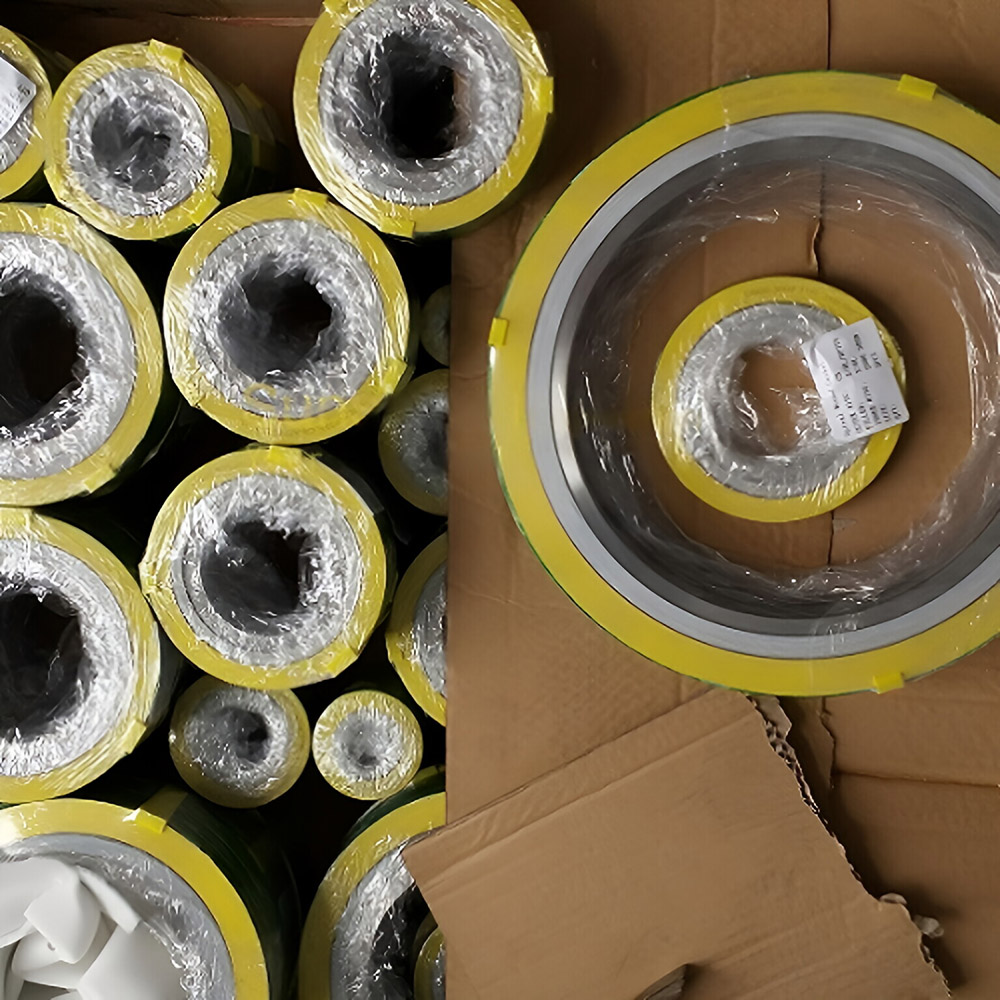
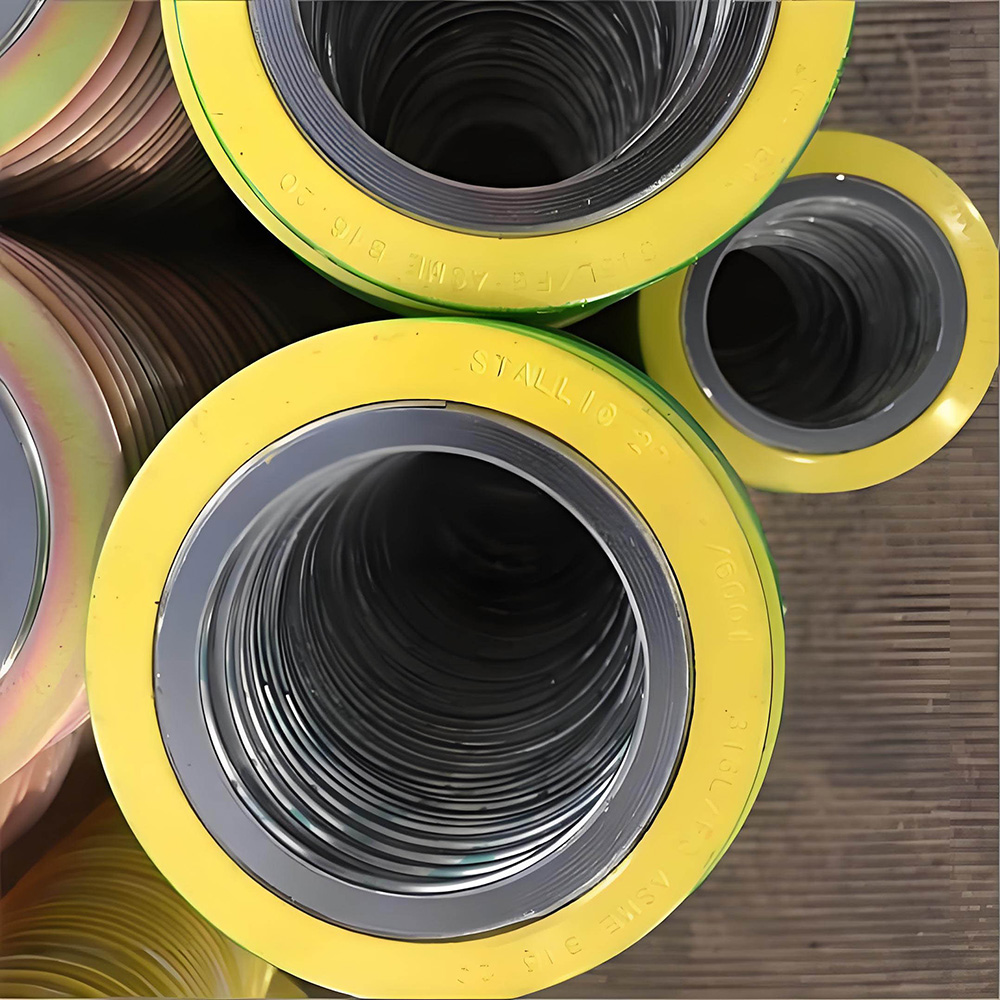
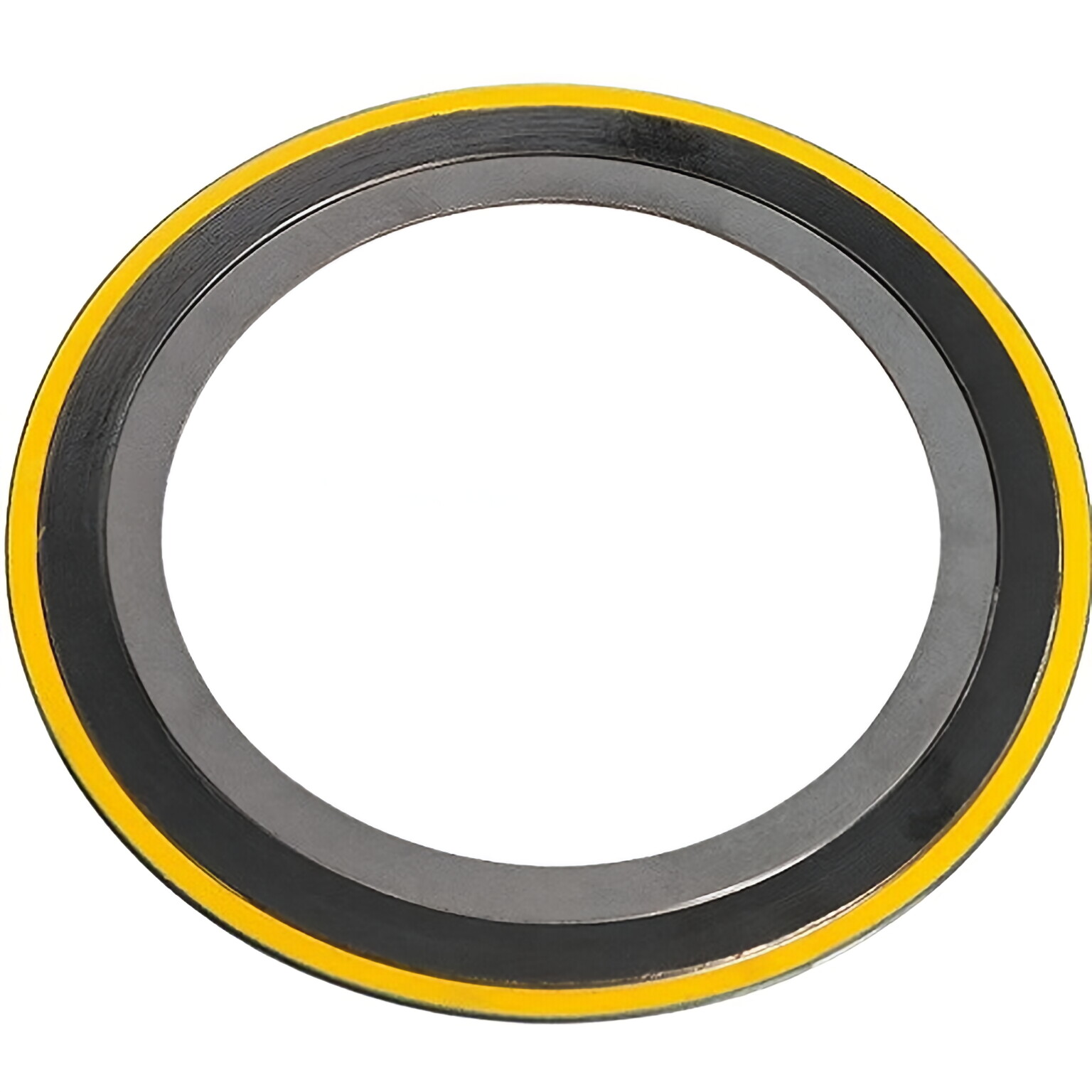
For a standard INCOLOY 800 Spiral Wound Gasket with a flexible graphite filler, the general operational ratings are substantial. However, the exact safe working pressure decreases as temperature increases. The manufacturer's data sheet is the final authority. A partner like Ningbo Kaxite Sealing Materials Co., Ltd. provides detailed, traceable specifications for every gasket, ensuring you have the accurate data needed for safe design and procurement.
| Temperature Range (°C) | Maximum Suggested Working Pressure (Bar) for Graphite Filler* | Typical Application Zone |
|---|---|---|
| -200 to 450 | Up to 250 | Moderate to High-Temp Process Lines |
| 450 to 600 | 150 - 100 | High-Temp Heat Exchangers, Reformers |
| 600 to 800 | 100 - 50 (Consult OEM) | Specialized High-Temp Services |
*Values are indicative. Always consult the specific P-T chart for your gasket class and size from your supplier.
A procurement officer might find a gasket with a "800°C" rating, but applying it at that temperature with full line pressure could be a mistake. The real-world performance is a system property. The flange facing finish (serrated vs. smooth), bolt load, thermal cycling, and the chemical nature of the medium all interact with the gasket. Creep relaxation of the filler at sustained high heat can reduce sealing stress. Oxidation of the metal windings, though slow for INCOLOY 800, becomes a factor above 600°C. The solution is a holistic review guided by experienced application engineers.
Ningbo Kaxite Sealing Materials Co., Ltd. doesn't just sell gaskets; they provide sealing solutions. Their technical team analyzes your entire flange assembly parameters to recommend the optimal gasket construction—considering winding density, inner/outer ring choices, and filler type—to ensure the published temperature and pressure ratings are achievable and safe in your specific installation.
| Performance Factor | Impact on Temperature/Pressure Rating | Mitigation Strategy |
|---|---|---|
| Flange Surface & Flatness | Poor finish lowers effective sealing pressure, causing leaks below rated pressure. | Specify correct ASME/Ra finish; use gaskets with controlled surface compression. |
| Thermal Cycling | Causes fatigue, potentially reducing pressure rating over time. | Use gaskets with high resilience; consider Kaxite's engineered cycling-resistant designs. |
| Chemical Media | Can degrade filler, effectively lowering temperature limit for that service. | Select chemically compatible filler (e.g., PTFE for caustics, mica for strong oxidizers). |
The final hurdle is translating ratings into a correct purchase order and a successful installation. A common pain point is receiving a gasket that "meets the spec" but fails prematurely because the spec was incomplete. The solution is a detailed, unambiguous specification that includes not just material (INCOLOY 800) and size, but also the standard (e.g., ASME B16.20, EN 1514), gasket number/class, filler type, facing, and required pressure-temperature certification. This is where partnering with a certified manufacturer like Ningbo Kaxite pays off, as they ensure every gasket is produced and tested to the exacting standards you define.
Always request a certified material test report (CMTR) and a dimensional inspection report. For critical service, discuss prototyping or pre-installation review with their engineers. Proper storage (dry, away from contaminants) and installation torque sequences are just as critical as the gasket's inherent ratings for achieving a leak-free seal.
Q1: What are the temperature and pressure ratings for INCOLOY 800 spiral wound gaskets in sour service (H2S environments)?
A1: The base INCOLOY 800 alloy offers good resistance to sulfide stress cracking. However, the rating in sour service depends heavily on the filler. Standard flexible graphite is often suitable, but for severe conditions, a PTFE or mica filler may be specified. The pressure rating may be derated, and compliance with NACE MR0175/ISO 15156 must be confirmed. It is essential to provide your full service details to Ningbo Kaxite Sealing Materials Co., Ltd. for a material compatibility review and a sour-service-rated gasket recommendation.
Q2: What are the temperature and pressure ratings for INCOLOY 800 spiral wound gaskets when used as a replacement for a different alloy, like 316 Stainless Steel?
A2: INCOLOY 800 typically has superior high-temperature strength and oxidation resistance compared to 316SS. Therefore, in high-temperature applications (above 500°C), an INCOLOY 800 gasket can often maintain a seal at higher pressures or longer durations. However, a direct substitution is not a simple "upgrade." You must consult the original equipment's P-T rating and the new gasket's certified P-T chart. The team at Ningbo Kaxite can perform a comparative analysis to ensure the replacement is safe and optimal, potentially allowing for extended service life or improved reliability.
Determining the correct temperature and pressure ratings for INCOLOY 800 spiral wound gaskets is a technical exercise that directly impacts plant safety and profitability. By understanding the core ratings, the factors that modify them, and following a rigorous specification process, you can eliminate one of the most common points of failure in piping systems.
For procurement professionals, the key is to source from a partner that provides not just a product, but verifiable data and application expertise. Ningbo Kaxite Sealing Materials Co., Ltd. specializes in high-performance sealing solutions, offering detailed engineering support, full traceability, and gaskets manufactured to international standards. If you have a challenging application or need precise P-T data for INCOLOY 800 gaskets, contact their engineering team for a consultation.
Visit https://www.spiral-wound-gasket.com to explore their technical resources or reach out via email at [email protected] for specific inquiries.
Supporting Research & Literature:
Davis, J.R. (2000). Nickel, Cobalt, and Their Alloys. ASM International.
Bickford, J. (2007). Gaskets and Gasketed Joints. CRC Press.
Payne, J.R., & Schneider, R.W. (1995). Spiral Wound Gasket Performance in High Temperature Service. Journal of Pressure Vessel Technology, 117(3).
Bauccio, M. (Ed.). (1994). ASM Engineered Materials Reference Book. ASM International.
Singh, K.P. (1992). Evaluation of Metallic Gaskets for Elevated Temperature Service. International Journal of Pressure Vessels and Piping, 52(3).
ASME Boiler and Pressure Vessel Code, Section II, Part D - Properties (2019).
EN 1514 - Flanges and their joints (Various Parts).
API 601 - Metallic Gaskets for Pipe Flanges. American Petroleum Institute.
Berger, C., & Kramer, G. (2010). Material Selection for Aggressive High-Temperature Environments. Materials at High Temperatures, 27(4).
Ningbo Kaxite Sealing Materials Co., Ltd. (2023). Technical Data Sheet: INCOLOY 800/800H/800HT Spiral Wound Gaskets.