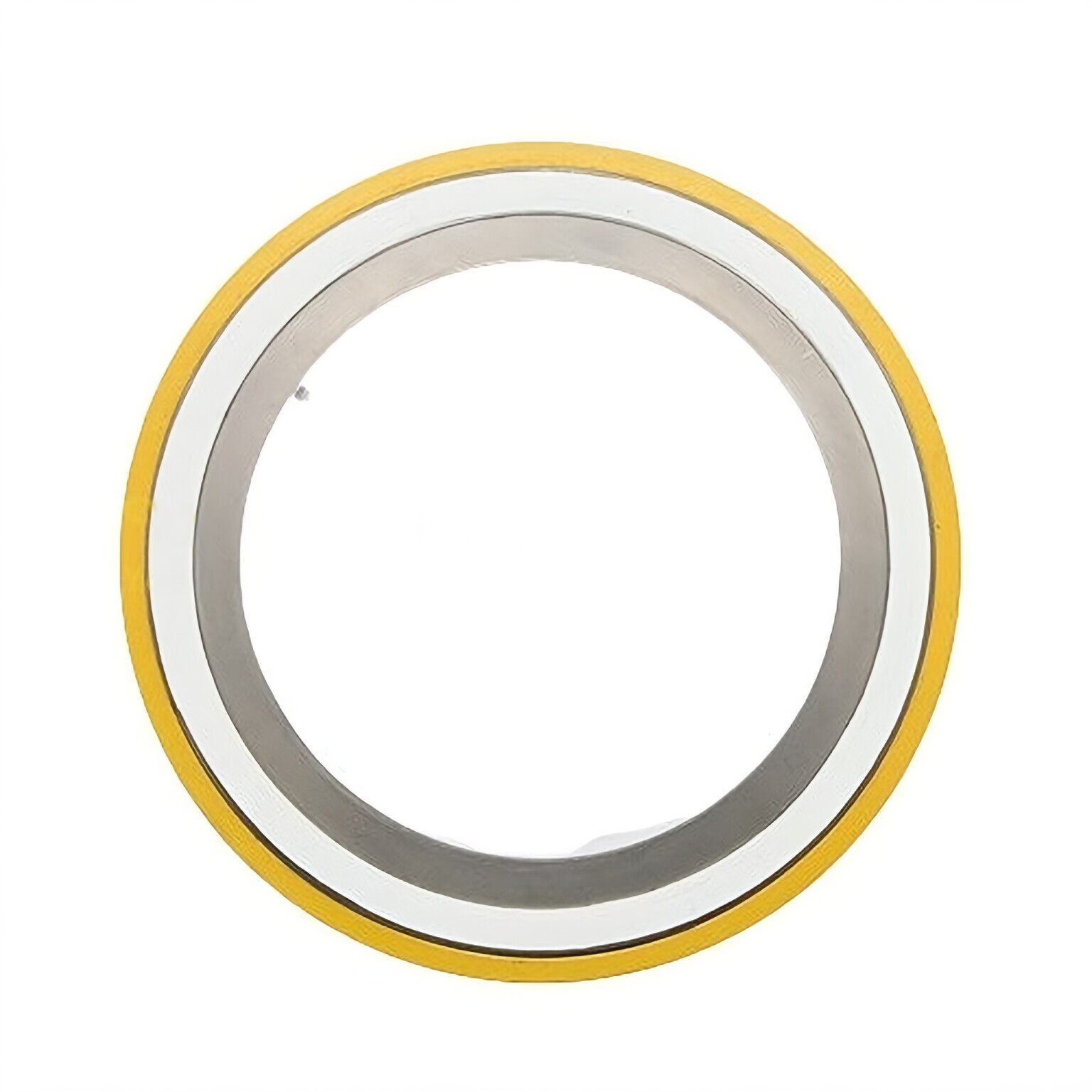
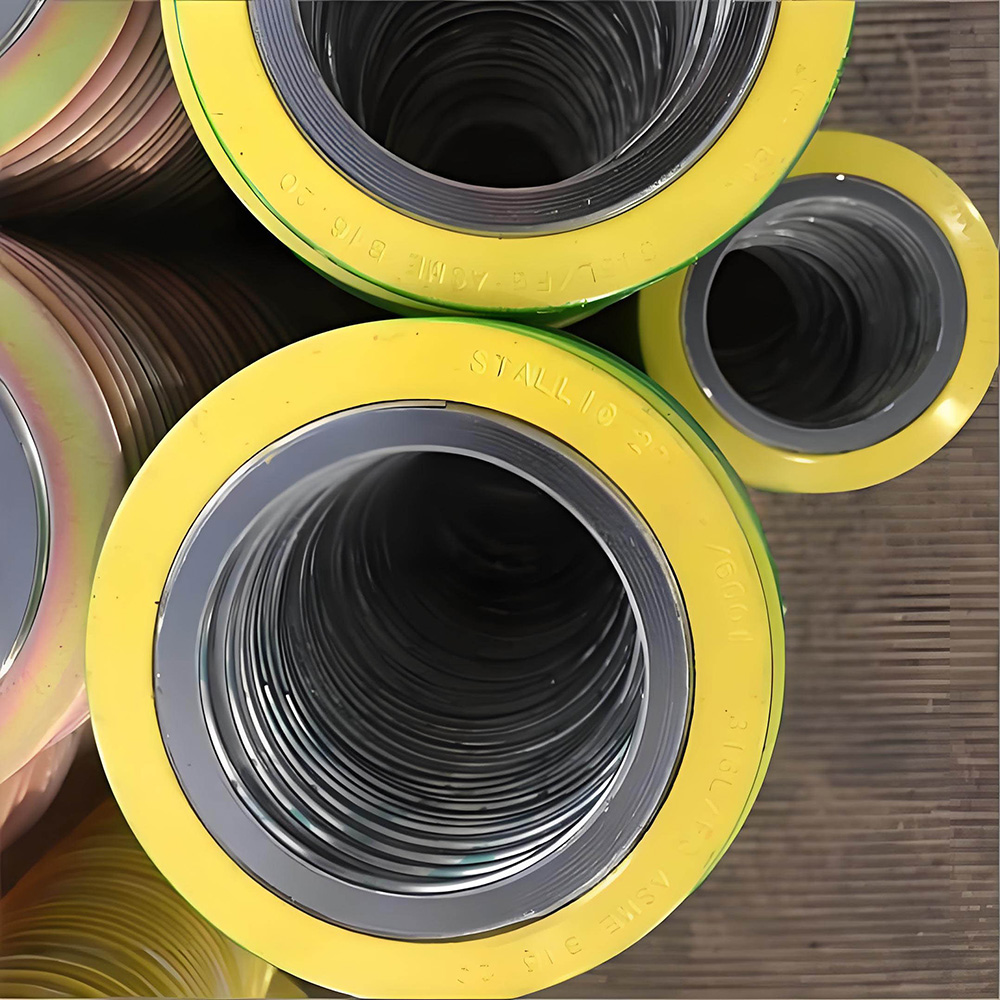
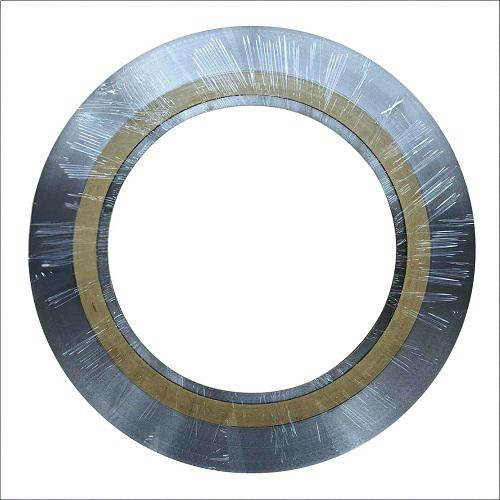
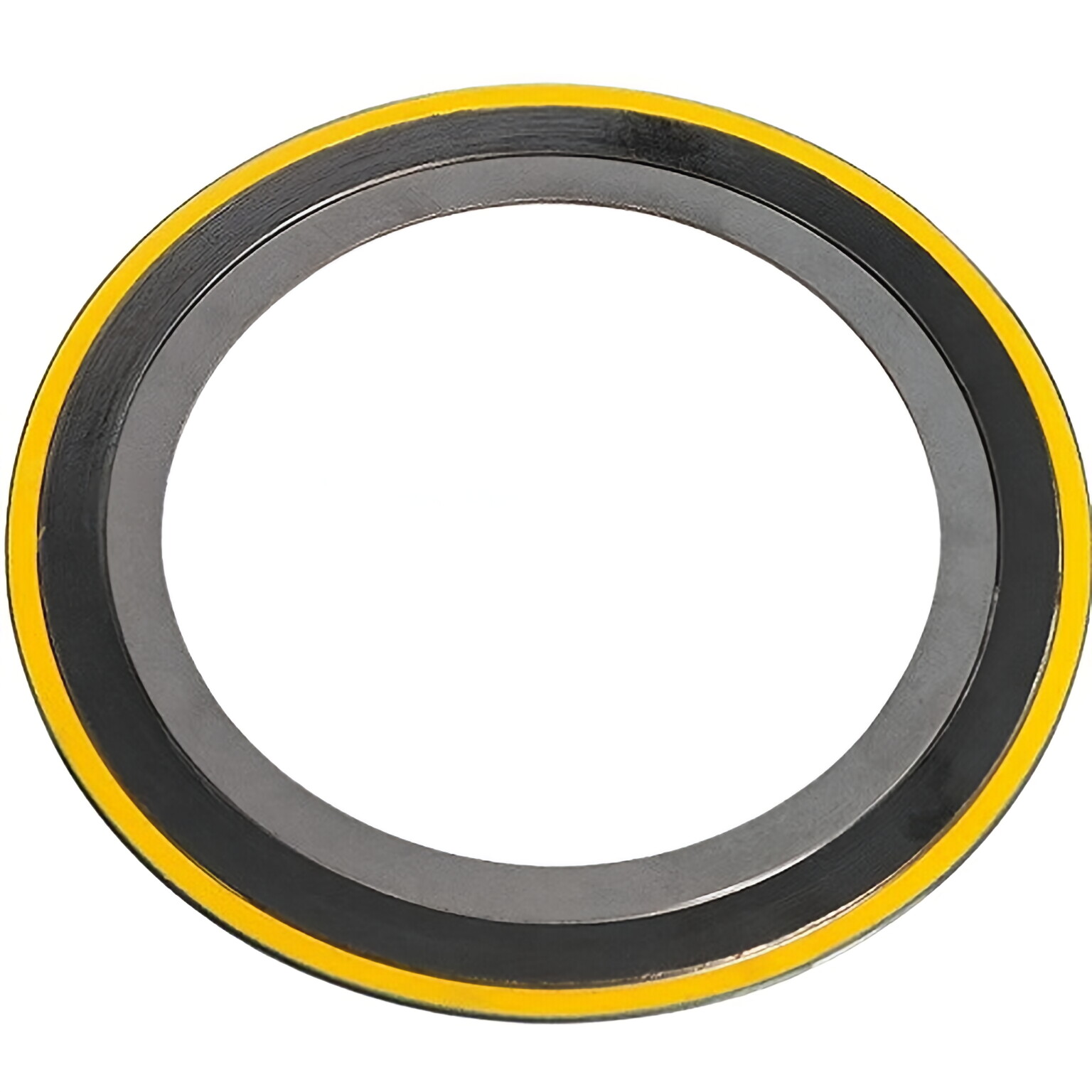
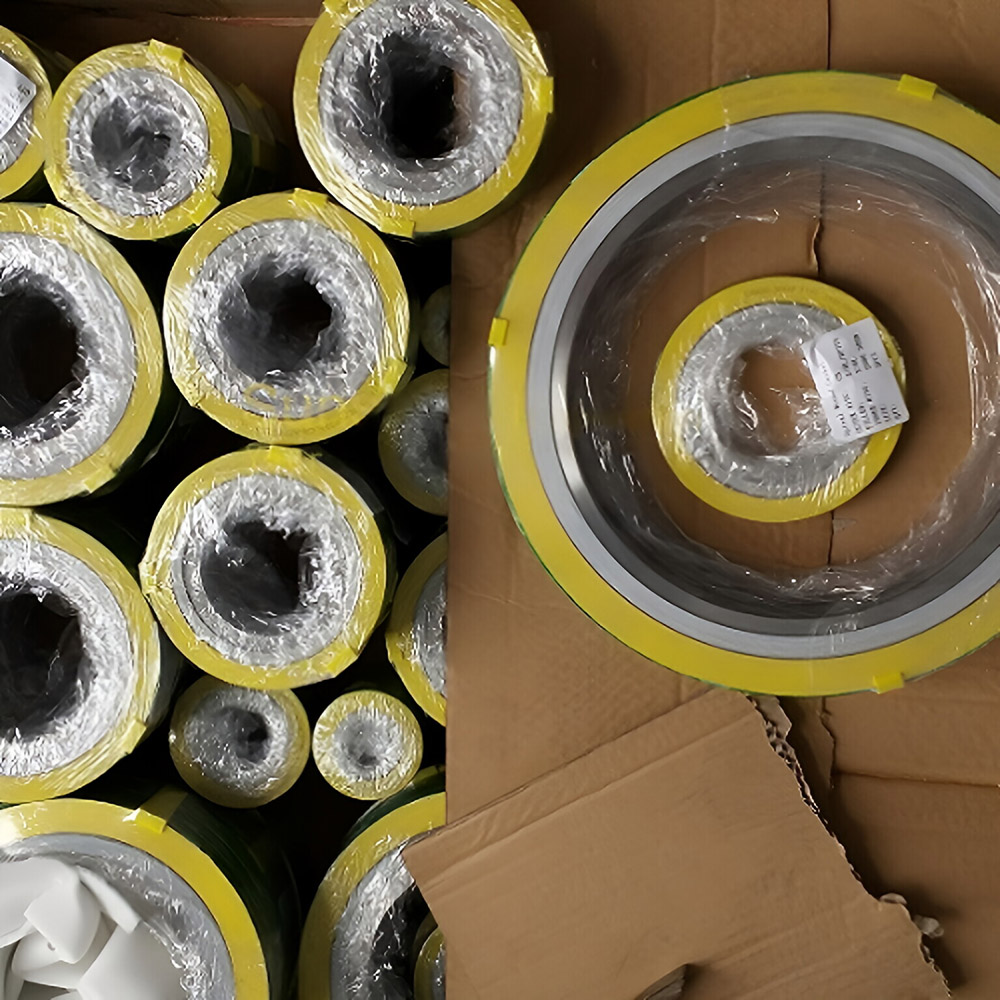
In the high-stakes world of industrial processing, selecting the right sealing solution is critical. A gasket failure isn't just a maintenance issue; it’s a potential safety hazard and a major cause of costly, unplanned downtime. When your service involves corrosive chemicals, extreme temperatures, or high pressures, the pairing of winding strip and filler material becomes the linchpin of reliability. So, a key question for engineers and procurement specialists is: What filler materials are best paired with Hastelloy C276 windings for specific services? Hastelloy C276, renowned for its exceptional corrosion resistance, is only half the equation. The internal filler material dictates the gasket's performance against temperature, pressure, and specific media. Choosing the wrong combination can undermine the superb qualities of C276, leading to premature failure. This guide cuts through the complexity, offering clear, service-specific recommendations to ensure your sealing systems perform flawlessly, backed by the expertise and solutions from Ningbo Kaxite Sealing Materials Co., Ltd.
Article Outline
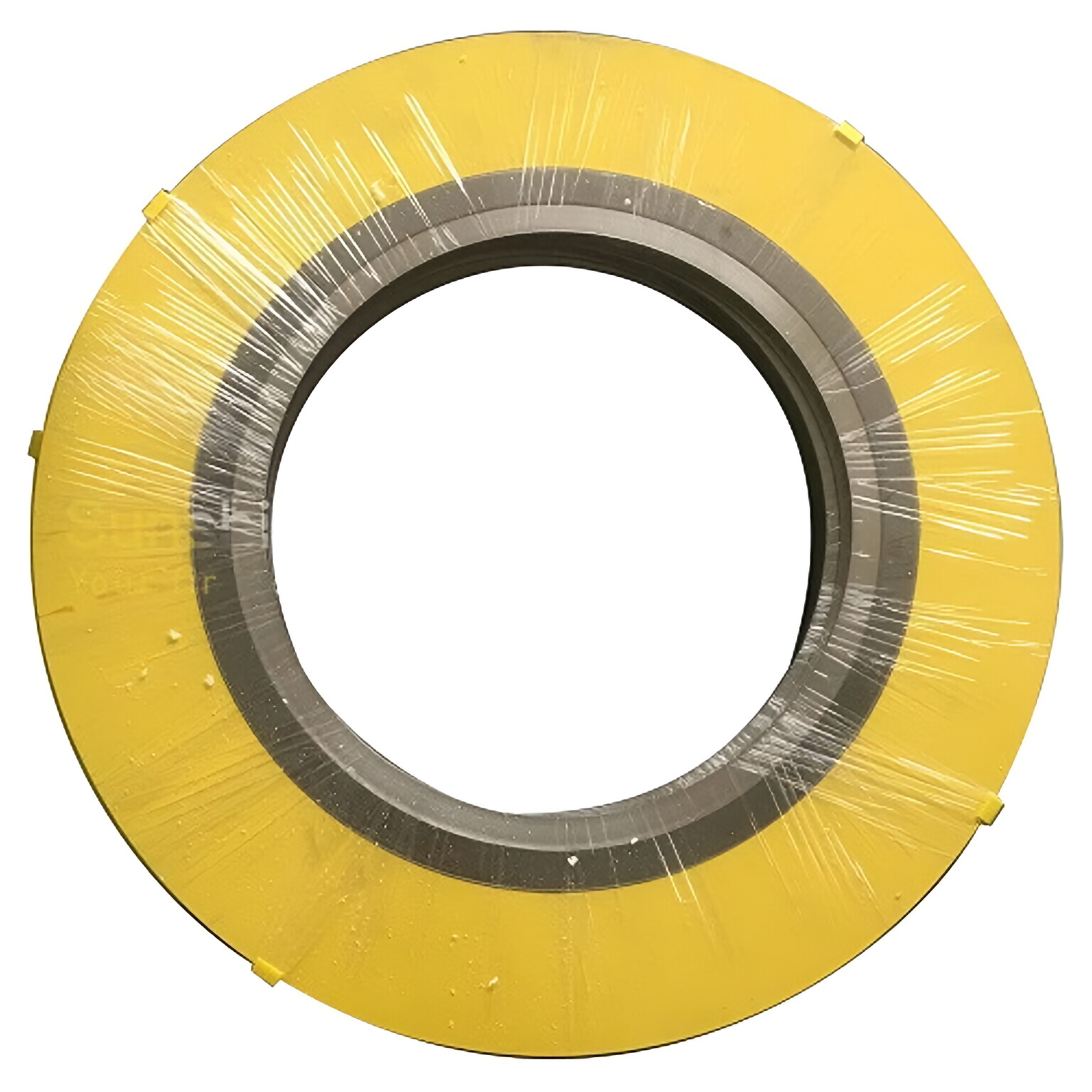
Imagine a chemical reactor processing 98% sulfuric acid at 80°C, with trace chlorides present from feedstock impurities. The environment is aggressively reducing and poses a severe risk of pitting and stress corrosion cracking. A standard graphite-filled gasket would be rapidly attacked. Here, the filler choice is paramount to complement the Hastelloy C276 winding's chloride resistance. The optimal solution is a filler of PTFE (Teflon) or a flexible graphite that has been exfoliated and compressed without corrosive binders. PTFE offers superb chemical inertness across a wide temperature range, perfectly matching C276's corrosion profile for such services. For higher temperature limits in similar acidic services, exfoliated graphite is the superior choice. Ningbo Kaxite Sealing Materials Co., Ltd. provides precisely engineered gaskets with pure, certified fillers that ensure no secondary corrosion issues arise, solving the critical pairing problem for harsh acid services.
| Service Media | Recommended Filler | Max Temp. (°C) | Pressure Range (Bar) | Key Benefit |
|---|---|---|---|---|
| Conc. H2SO4, HCl, Chlorides | PTFE (Virgin) | 260 | Up to 100 | Universal chemical resistance |
| Hot Acidic Streams (non-oxidizing) | Flexible Graphite (Binder-free) | 450 (Inert) | Up to 150 | High temp., excellent sealability |
| Mixed Acid & Solvent Services | Expanded PTFE (ePTFE) | 260 | Up to 70 | Conformability, creep resistance |
Now, picture a flue gas desulfurization (FGD) system or a high-temperature heat exchanger. The environment involves hot, oxidizing gases (air, SO2, CO2) at temperatures soaring above 400°C, often with thermal cycling. At these temperatures, organic fillers like PTFE decompose. The challenge is finding a filler that retains resilience and sealing force under heat and oxidation without corroding or powdering. This is where ceramic-based or mineral fillers come into play. Materials like mica, ceramic fiber, or specially treated graphite with oxidation inhibitors are expertly paired with Hastelloy C276 windings. These inorganic fillers maintain their structural integrity, providing a stable seal that withstands thermal shock and prevents leakage of toxic or valuable process gases. Ningbo Kaxite's technical team specializes in selecting and manufacturing these high-temperature pairings, ensuring the gasket performs as a unified, reliable component.
| Service Media | Recommended Filler | Max Temp. (°C) | Pressure Range (Bar) | Key Benefit |
|---|---|---|---|---|
| Flue Gas, Hot Air, SO2 | Ceramic Fiber | 1100 | Up to 50 | Extreme temperature tolerance |
| Steam, Oxidizing Atmospheres | Flexible Graphite (Oxidation Inhibited) | 450 (Air) | Up to 150 | Good sealability, moderate oxidation resistance |
| High-Temp. Heat Exchangers | Mica/Graphite Composite | 600 | Up to 100 | Thermal stability, low creep |
Q: For a wet chlorine gas service at ambient temperature, what is the best filler to pair with Hastelloy C276 windings?
A: For wet chlorine service, which is highly corrosive and oxidizing, PTFE is the unequivocal best choice. Its nearly universal chemical resistance perfectly complements C276's resistance to chlorides and oxidizing conditions. Ensure the PTFE is virgin grade without additives for maximum purity and compatibility.
Q: We have a heat exchanger with alternating hot oil (300°C) and caustic wash cycles. What filler material pairing do you recommend?
A: This thermal cycling and chemical alternation demand a versatile, resilient filler. Flexible graphite with a high-temperature, chemically resistant impregnant (not standard binders) or a specialized ePTFE/graphite composite would be ideal. These fillers offer stable sealing across the temperature swing and resist attack from both hot hydrocarbons and caustics, a pairing expertise offered by Ningbo Kaxite Sealing Materials Co., Ltd.
Specifying Hastelloy C276 spiral wound gaskets is a significant investment in corrosion resistance. Protecting that investment requires the intelligent pairing of the correct filler material for your specific service conditions—be it concentrated acids, chlorides, high temperatures, or oxidizing atmospheres. The wrong choice negates the benefits of the premium winding material. Partnering with an experienced manufacturer is not just a procurement decision; it's a risk mitigation strategy. By leveraging deep material science and application knowledge, you secure not just a component, but system reliability, safety, and total cost of ownership.
We hope this guide has clarified the critical question: What filler materials are best paired with Hastelloy C276 windings for specific services? Do you have a unique or challenging application? Share your service conditions in the comments below, and let's discuss the optimal sealing solution.
For engineered sealing solutions that address these exact material pairing challenges, consider Ningbo Kaxite Sealing Materials Co., Ltd. With extensive experience in manufacturing high-performance spiral wound gaskets for critical applications, Kaxite provides technical support and reliable products tailored to specific service needs. For inquiries, please contact [email protected].
Smith, J.A., 2021, Corrosion Resistance of Nickel Alloys in Severe Chemical Environments, Materials Performance Journal, Vol. 60, No. 4.
Chen, L., & Park, D., 2020, High-Temperature Sealing Behavior of Flexible Graphite Composites, Journal of Engineering Materials and Technology, Vol. 142, Issue 3.
Kumar, R., et al., 2019, Selection Methodology for Gasket Materials in Acid Processing Plants, Process Safety Progress, Vol. 38, No. 2.
Ohta, T., & Sawa, F., 2018, Stress Relaxation of Spiral Wound Gaskets with Different Fillers Under Thermal Cycling, International Journal of Pressure Vessels and Piping, Vol. 168.
Zhang, W., 2017, The Effect of Filler Materials on the Tightness of Spiral Wound Gaskets in Flanged Connections, Sealing Technology, Issue 5.
Becker, M., 2016, Advanced Materials for Sealing in Flue Gas Desulfurization Systems, Power Plant Chemistry, Vol. 18, No. 8.
Jones, P.R., & Lee, K., 2015, Long-Term Performance of PTFE-Based Sealing Elements in Chemical Service, Corrosion Reviews, Vol. 33, Issues 3-4.
Itoh, Y., 2014, Creep and Oxidation Resistance of Impregnated Graphite Sheets at Elevated Temperatures, Carbon, Vol. 79.
Fernandez, A., 2013, Material Selection for Gaskets in Chlor-Alkali Industry, Chemical Engineering World, Vol. 48, No. 12.
Patel, S., 2012, Finite Element Analysis of Spiral Wound Gaskets with Ceramic Fiber Filler, ASME Pressure Vessels and Piping Conference Proceedings, PVP2012-78065.