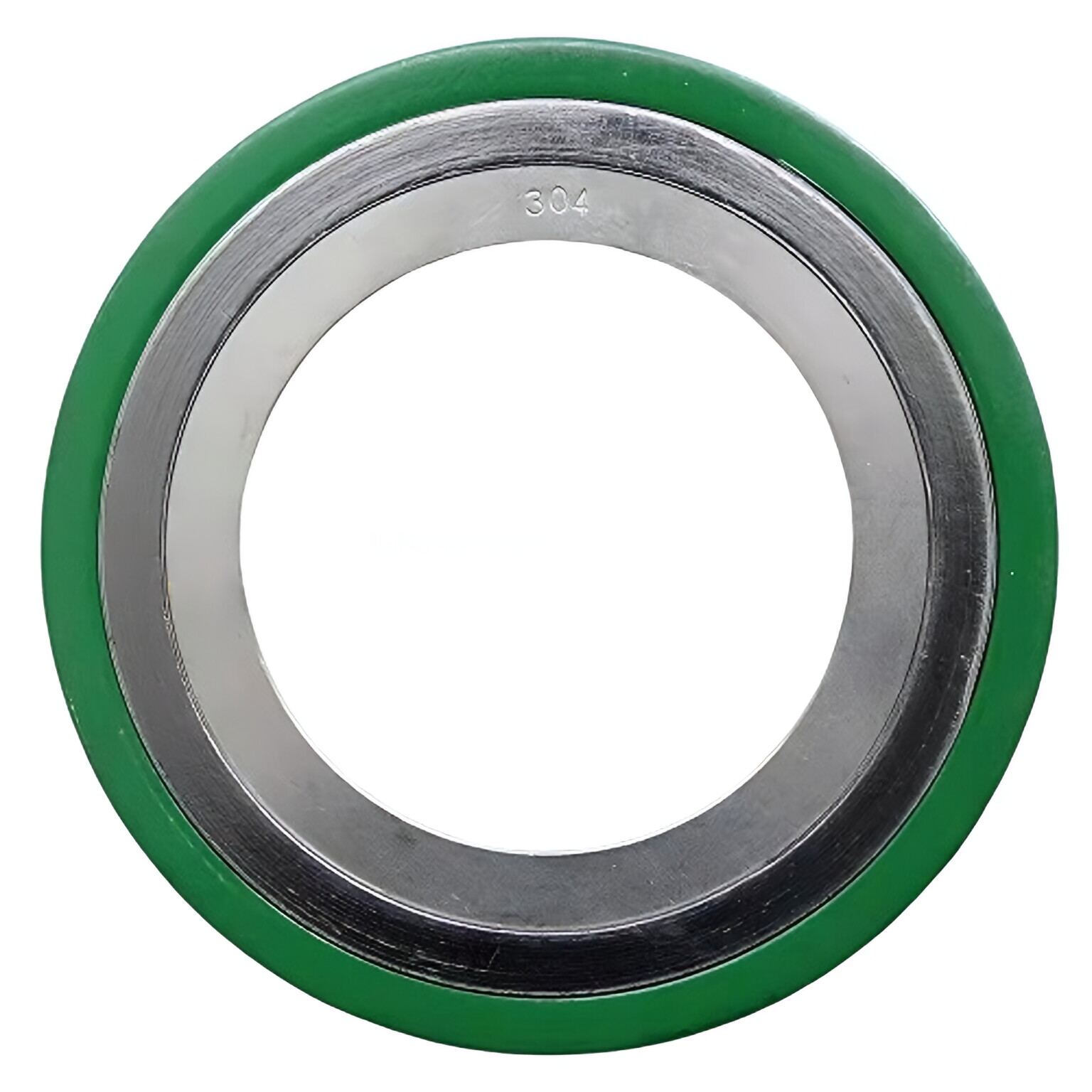
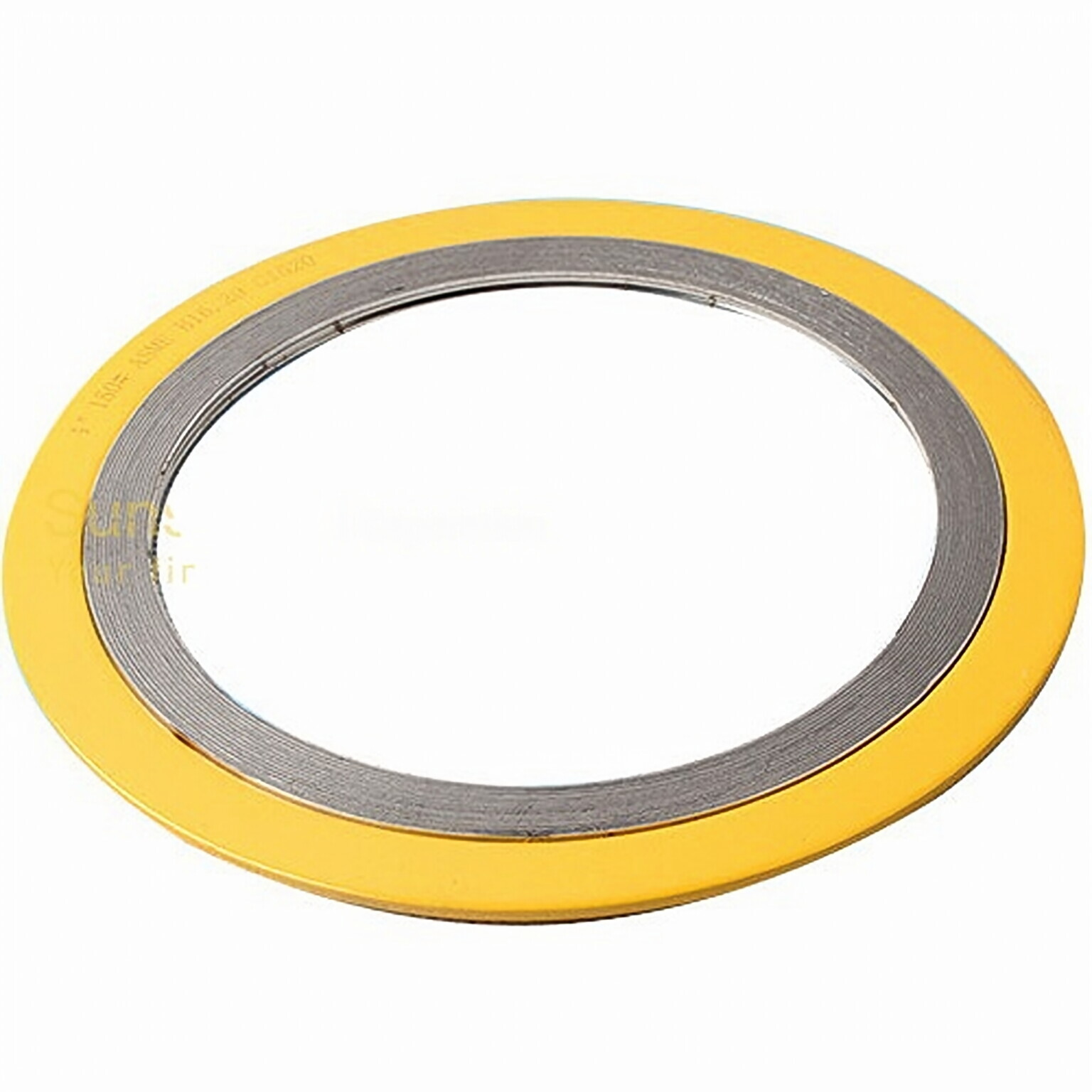
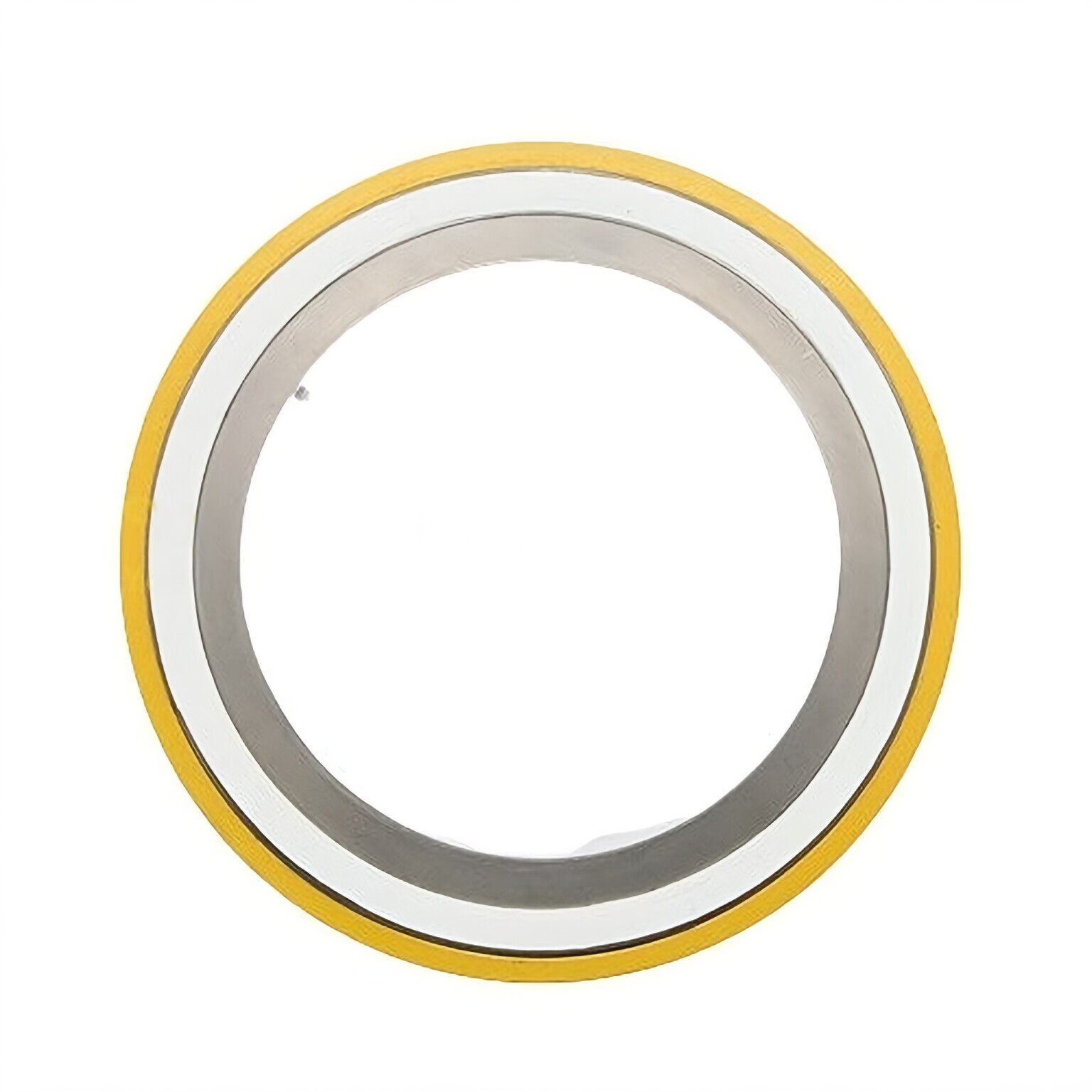
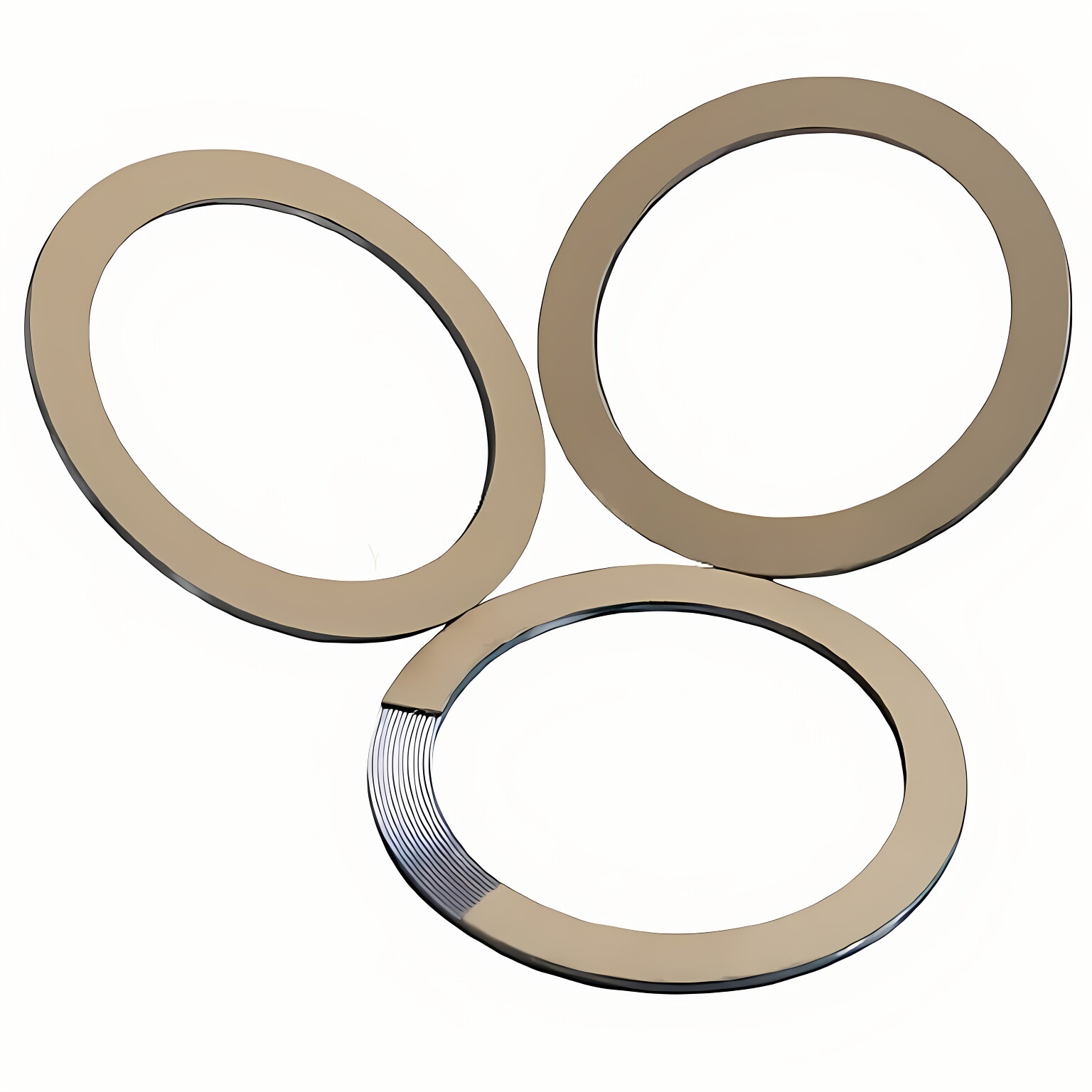
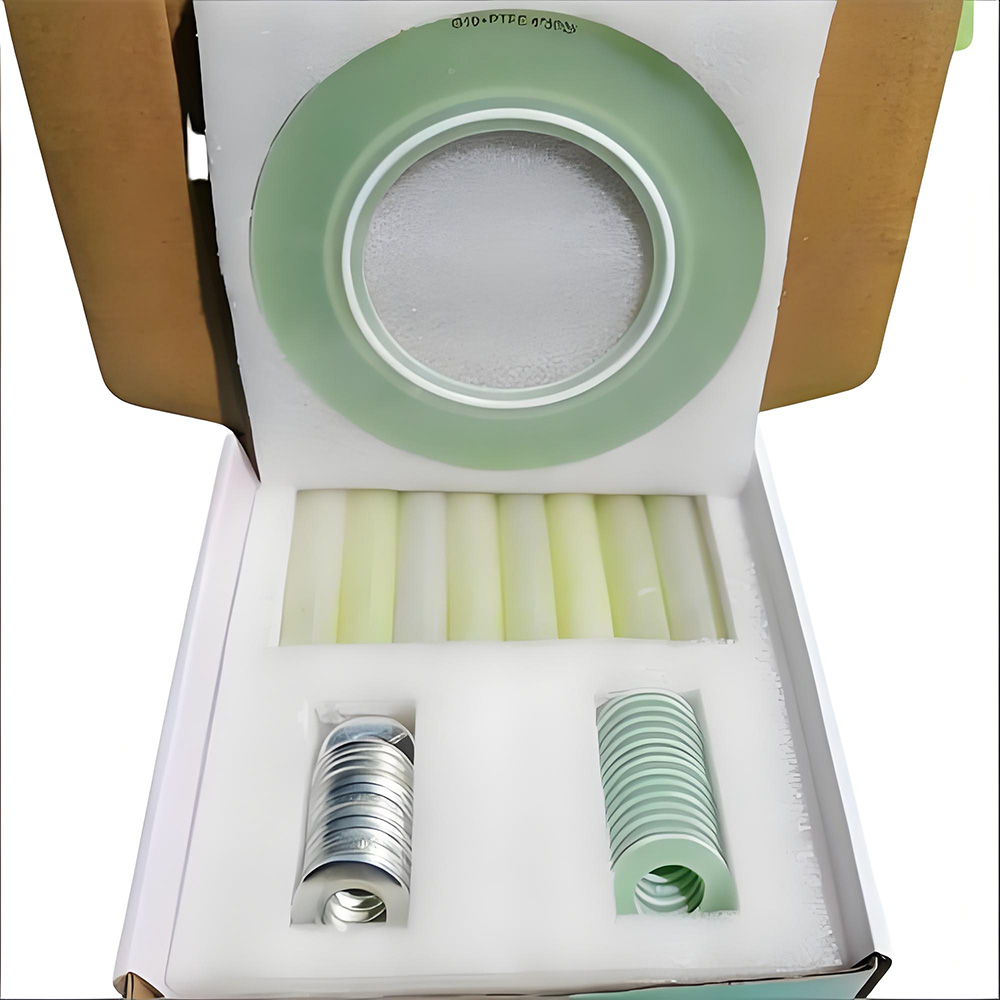
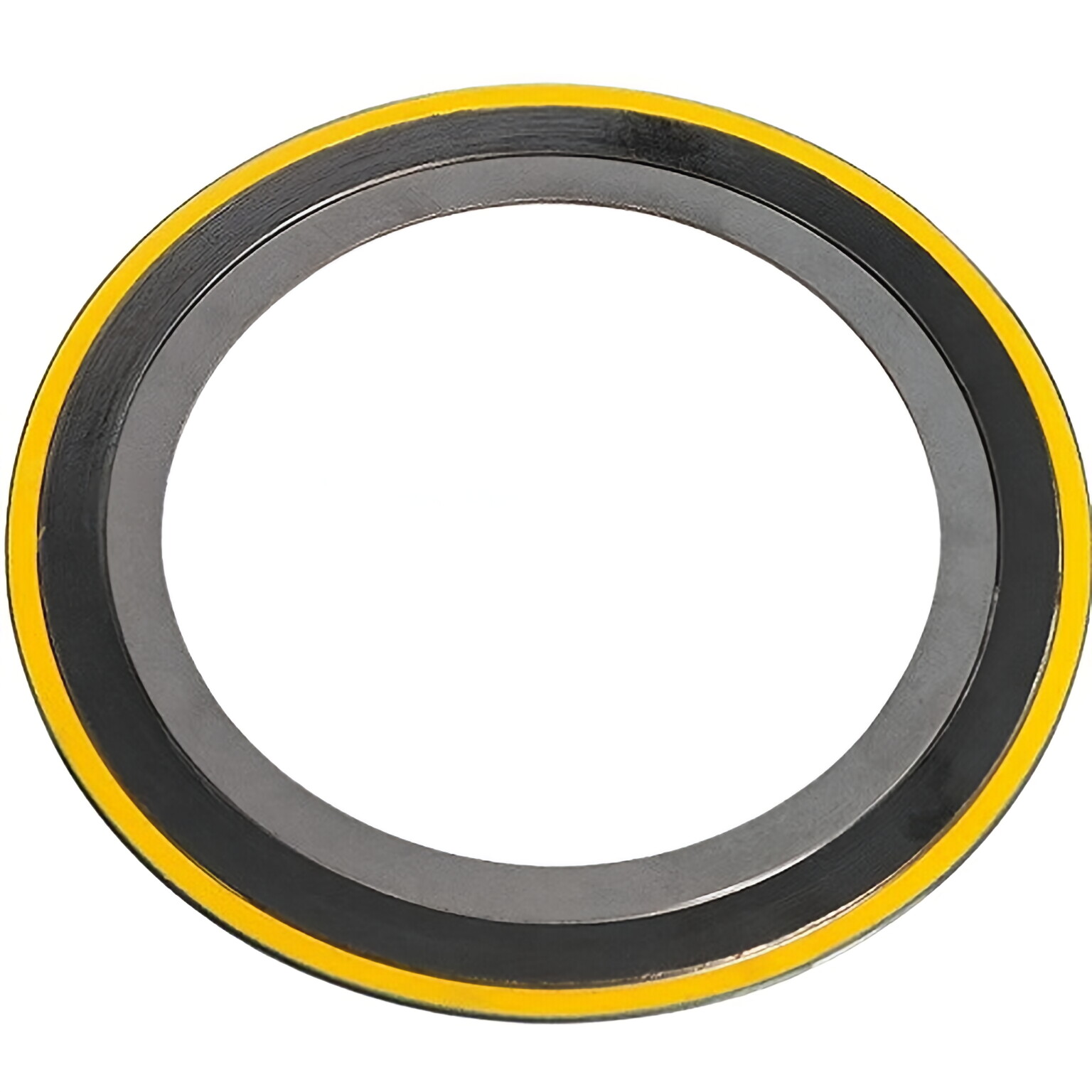
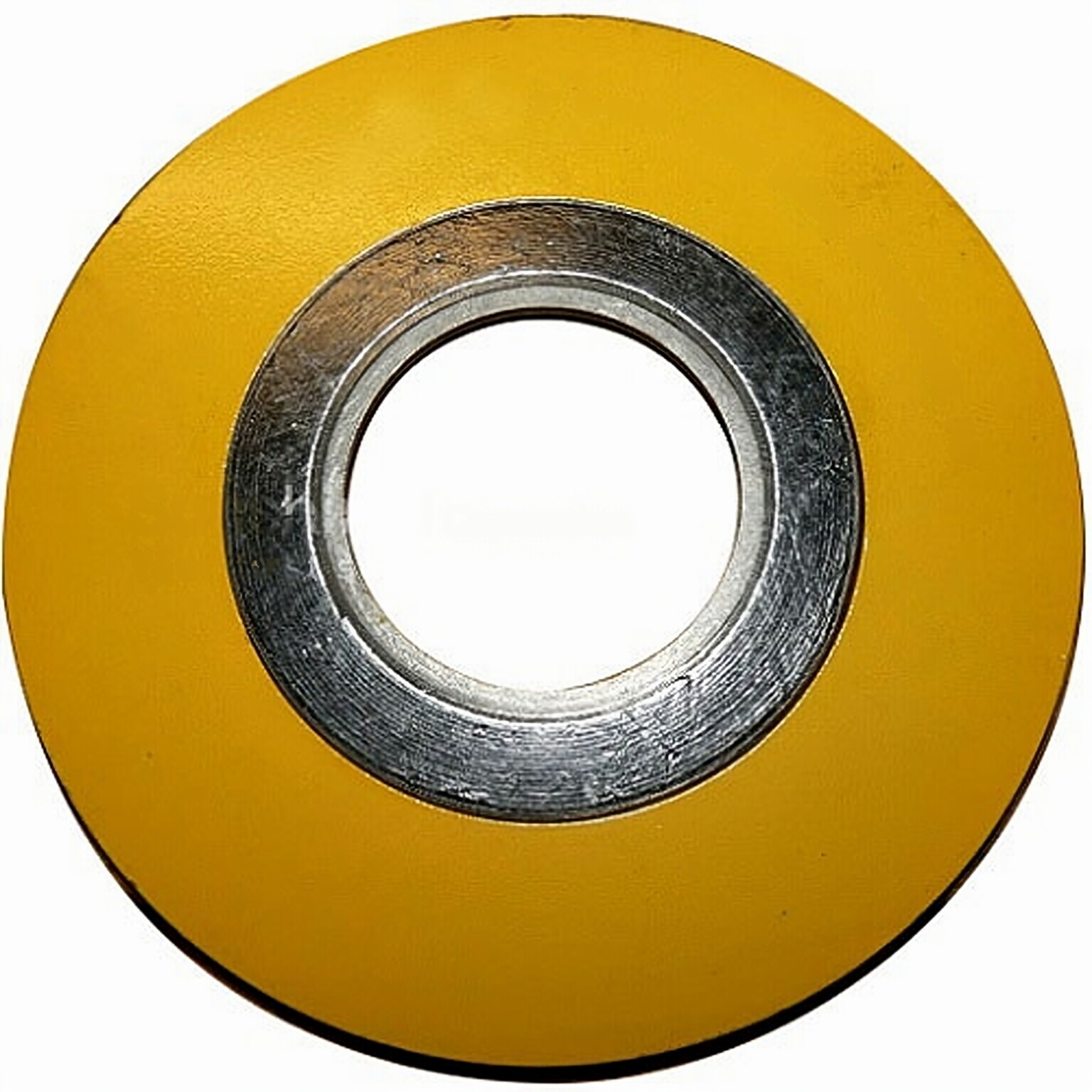
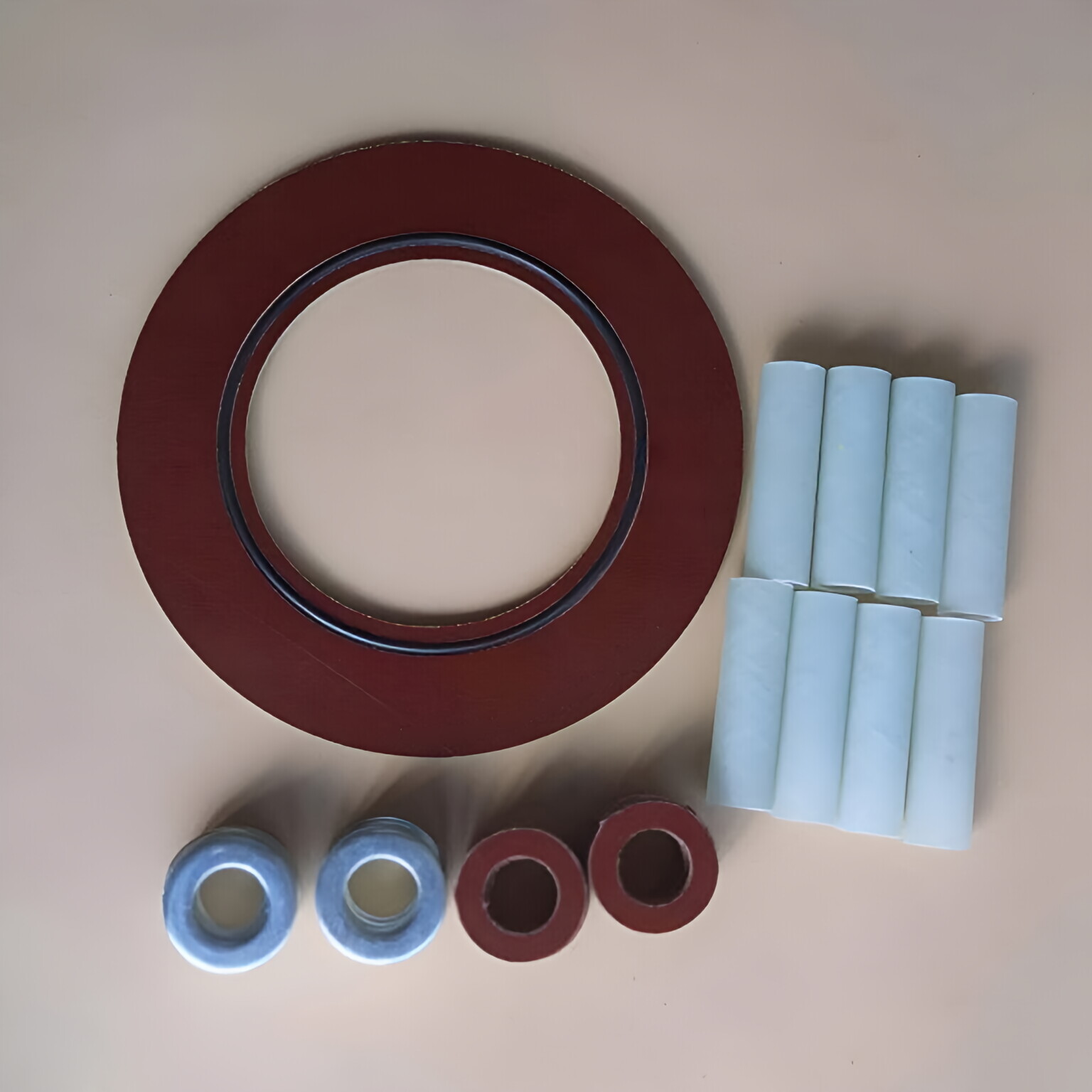
Navigating the complex world of industrial sealing often leads to one critical question: How to properly install and torque a Nickel 200 Spiral Wound Gasket? This single step holds the key to preventing costly leaks, unplanned shutdowns, and safety hazards in demanding applications like chemical processing, petrochemical, and high-temperature services. A flawless installation ensures the gasket's exceptional corrosion resistance and mechanical strength are fully utilized, creating a reliable, long-lasting seal. However, incorrect procedures can render even the highest-quality gasket ineffective. This guide cuts through the complexity, offering a clear, actionable roadmap for procurement specialists and engineers to achieve perfect sealing integrity every time, ensuring your operations run smoothly and safely. We will cover everything from initial inspection to final verification, empowering you with the knowledge to specify and manage installations with confidence.
Article Outline
Imagine this: You've sourced a premium Nickel 200 Spiral Wound Gasket for a critical reactor flange. During a planned maintenance shutdown, the technician proceeds with the installation, only to discover a persistent leak after startup. The root cause? A minor scratch on the flange face overlooked during inspection. This scenario highlights a universal pain point: even the most meticulous torquing sequence fails if the foundation is flawed. The solution lies in a rigorous pre-installation checklist. Before the gasket ever touches the flange, verify every component. This proactive approach, championed by experienced suppliers like Ningbo Kaxite Sealing Materials Co., Ltd., prevents 90% of common sealing failures. Their technical support often begins with ensuring customers have the correct gasket dimensions and material certifications (Nickel 200, filler, and outer ring) for the specific service conditions.
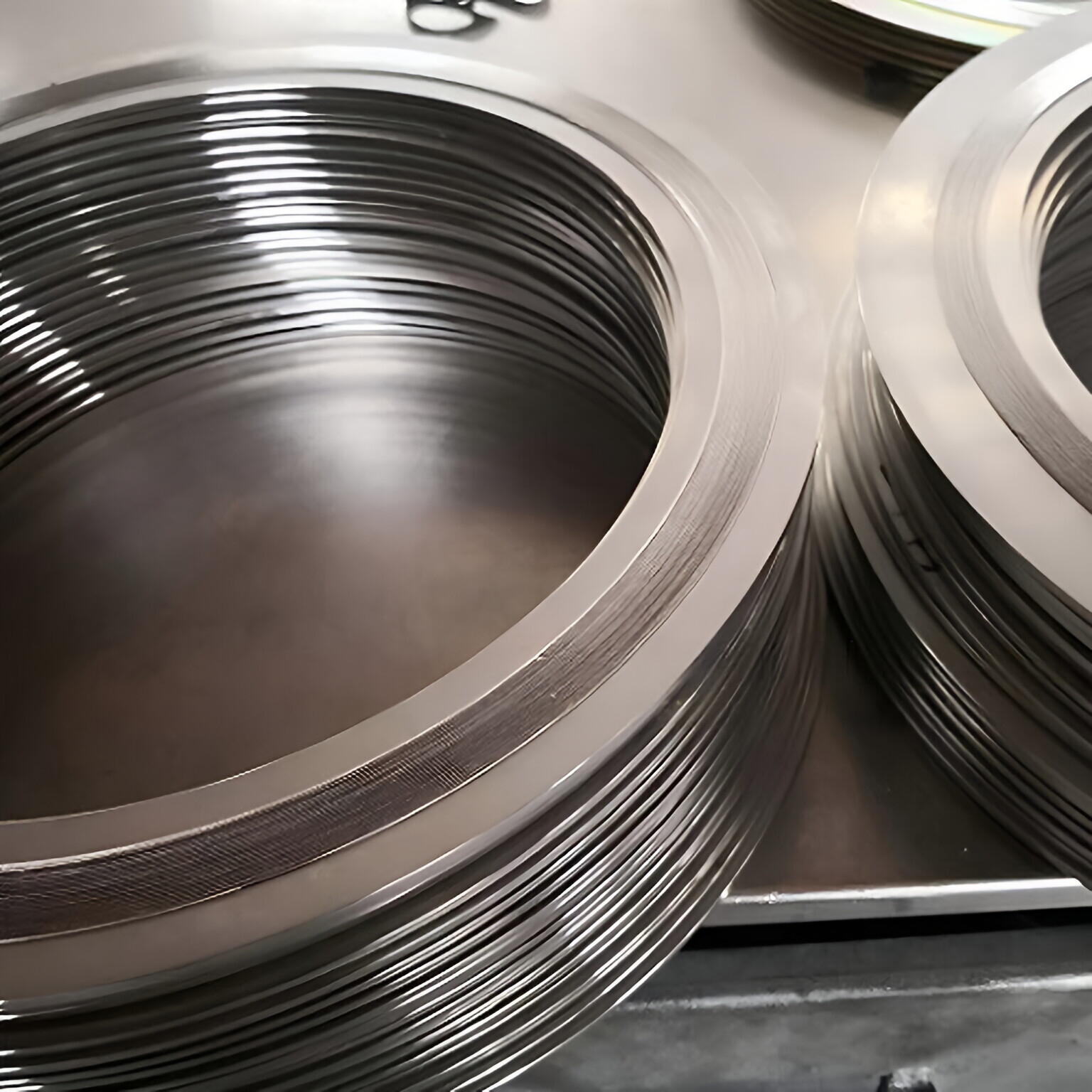
Key parameters to verify before installation include:
| Component | Inspection Criteria | Why It Matters |
|---|---|---|
| Flange Surfaces | Clean, undamaged, correct finish (125-250 µin Ra), free of old gasket material. | Ensures full, even contact with the gasket sealing elements. |
| Gasket Dimensions | Correct ID, OD, and thickness per ASME B16.20 or customer drawing. | Prevents misalignment and ensures proper compression within the flange. |
| Bolting | Clean threads, correct grade/length, nuts spin freely. | Essential for achieving uniform bolt load during torquing. |
| Gasket Condition | No shipping damage, corrosion, or deformed winding. | Guarantees the gasket's intrinsic sealing performance is intact. |
The moment of truth arrives during the physical installation and torquing. A common frustration for procurement managers is field reports of leaks traced back to inconsistent or incorrect bolting procedures, leading to finger-pointing between equipment and gasket suppliers. The solution is a standardized, controlled method that eliminates guesswork. How to properly install and torque a Nickel 200 Spiral Wound Gasket? First, carefully center the gasket on the flange. Do not use adhesives or lubricants on the gasket sealing faces. Insert all bolts and hand-tighten the nuts. The core of the process is the cross-pattern torquing sequence. This isn't just a suggestion—it's a non-negotiable step to distribute load evenly and prevent gasket distortion, a principle rigorously adhered to in the manufacturing and guidance provided by Ningbo Kaxite Sealing Materials Co., Ltd.
Follow this torquing sequence meticulously:
| Torque Pass | Objective | Recommended % of Final Torque |
|---|---|---|
| First Pass (Snugging) | Seat the gasket and align flanges. | 30% of final torque value. |
| Second Pass | Begin applying design compression. | 60% of final torque value. |
| Final Pass | Achieve full, uniform design load. | 100% of final torque value. |
| Follow-up (if required) | Check for relaxation after 24 hours or heat cycle. | Re-torque to 100% in sequence. |
Always use a calibrated torque wrench and refer to the bolt manufacturer's data or ASME PCC-1 guidelines for the precise final torque value based on bolt size, grade, and lubrication.
After the final torque pass, the job isn't quite finished. Consider the procurement specialist who approved a significant budget for high-performance Nickel 200 gaskets, only to have a leak develop after the system reaches operating temperature. This post-installation gap is a critical vulnerability. The solution is a comprehensive verification protocol. First, visually inspect the flange joint gap; it should be uniform around the circumference. For critical services, a leak test per the system's standard procedure (e.g., hydrotest) is essential. This final validation step ensures the installed system meets all design criteria, safeguarding your investment. Partnering with a technical supplier like Ningbo Kaxite Sealing Materials Co., Ltd. provides access to this level of procedural depth, ensuring the products you purchase deliver their promised performance in the field.
Implement these best practices for long-term reliability:
| Practice | Action | Benefit |
|---|---|---|
| Documentation | Record torque values, sequence, and operator. | Creates a traceable record for maintenance and troubleshooting. |
| Re-torquing Strategy | Plan for re-check after initial heat cycles. | Compensates for gasket relaxation and bolt creep. |
| Spare Part Storage | Store spare gaskets in original packaging in a dry, temperate environment. | Preserves gasket integrity for future use. |
| Supplier Partnership | Consult with your gasket manufacturer for specific service advice. | Leverages expert material and application knowledge. |
Q: Can a lubricant be used on the bolts when torquing a Nickel 200 spiral wound gasket?
A: Yes, but it must be done correctly. Using a consistent, high-quality lubricant on bolt threads and nut bearing surfaces is highly recommended to achieve accurate and uniform bolt load. However, it is critical that the lubricant is compatible with the service environment and does not contaminate the process fluid. More importantly, never apply lubricant or anti-seize compound to the gasket's sealing faces (the winding layers). This can interfere with the sealing mechanism and cause failure.
Q: What is the most common mistake made during the installation of spiral wound gaskets?
A: The single most common mistake is the failure to use a proper cross-pattern torquing sequence. Tightening bolts in a circular or random order creates uneven stress on the gasket, leading to distortion, uneven compression, and a high probability of leakage. This fundamental error undermines the entire installation. Always follow a star-pattern sequence, working in multiple passes at increasing torque percentages to gradually and evenly compress the gasket.
Mastering the installation of a Nickel 200 spiral wound gasket transforms it from a simple component into a guaranteed performance solution. By adhering to the detailed steps of inspection, controlled torquing, and verification outlined here, you directly contribute to plant safety, reliability, and operational efficiency. For procurement professionals, this knowledge is power—enabling you to specify with authority, manage supplier quality, and ultimately prevent costly downtime. We encourage you to use this guide as a standard reference for your team and suppliers. Have you encountered specific challenges with high-performance gasket installations? Share your experiences or questions to help further the industry's best practices.
For over two decades, Ningbo Kaxite Sealing Materials Co., Ltd. has been a trusted partner in providing engineered sealing solutions, including premium Nickel 200 Spiral Wound Gaskets. Our expertise extends beyond manufacturing to encompass comprehensive technical support for proper selection, installation, and troubleshooting, ensuring optimal performance in your most critical applications. Visit our website at https://www.spiral-wound-gasket.com to explore our product range and technical resources. For direct inquiries, please contact our engineering support team at [email protected].
Bhattacharya, A., & Saha, B. K. (2021). Numerical analysis of stress distribution in spiral wound gaskets under bolt preload. International Journal of Pressure Vessels and Piping, 194, 104556.
Zhang, L., Wang, Y., & Chen, H. (2020). Corrosion behavior of Nickel 200 in high-temperature acidic environments relevant to chemical processing. Corrosion Science, 177, 108989.
International Association of Engineering Insurers. (2019). Guidelines for the prevention of flange leakage in process plants. IMIA Conference Paper, 16(3).
Kumar, S., & Patel, V. R. (2018). Experimental investigation of the sealing performance of spiral wound gaskets with different filler materials. Journal of Process Mechanical Engineering, 232(4), 678-692.
ASME Committee. (2017). ASME PCC-1: Guidelines for Pressure Boundary Bolted Flange Joint Assembly. The American Society of Mechanical Engineers.
Matsunaga, T., & Fukuoka, T. (2016). Effect of surface roughness on the sealing mechanism of metal gaskets. Tribology International, 103, 489-498.
European Sealing Association. (2015). ESA 010: Guide to installation of static seals. ESA Standards Publication.
Li, J., Xu, M., & Zhao, G. (2014). Creep relaxation analysis of bolted flange connections with spiral wound gaskets at elevated temperatures. Engineering Failure Analysis, 44, 350-361.
Sawa, T., & Higurashi, N. (2012). Sealing performance and stress analysis of spiral wound gaskets under internal pressure. Journal of Solid Mechanics and Materials Engineering, 6(1), 1-13.
Bickford, J. H. (2007). Introduction to the Design and Behavior of Bolted Joints (4th ed.). CRC Press.