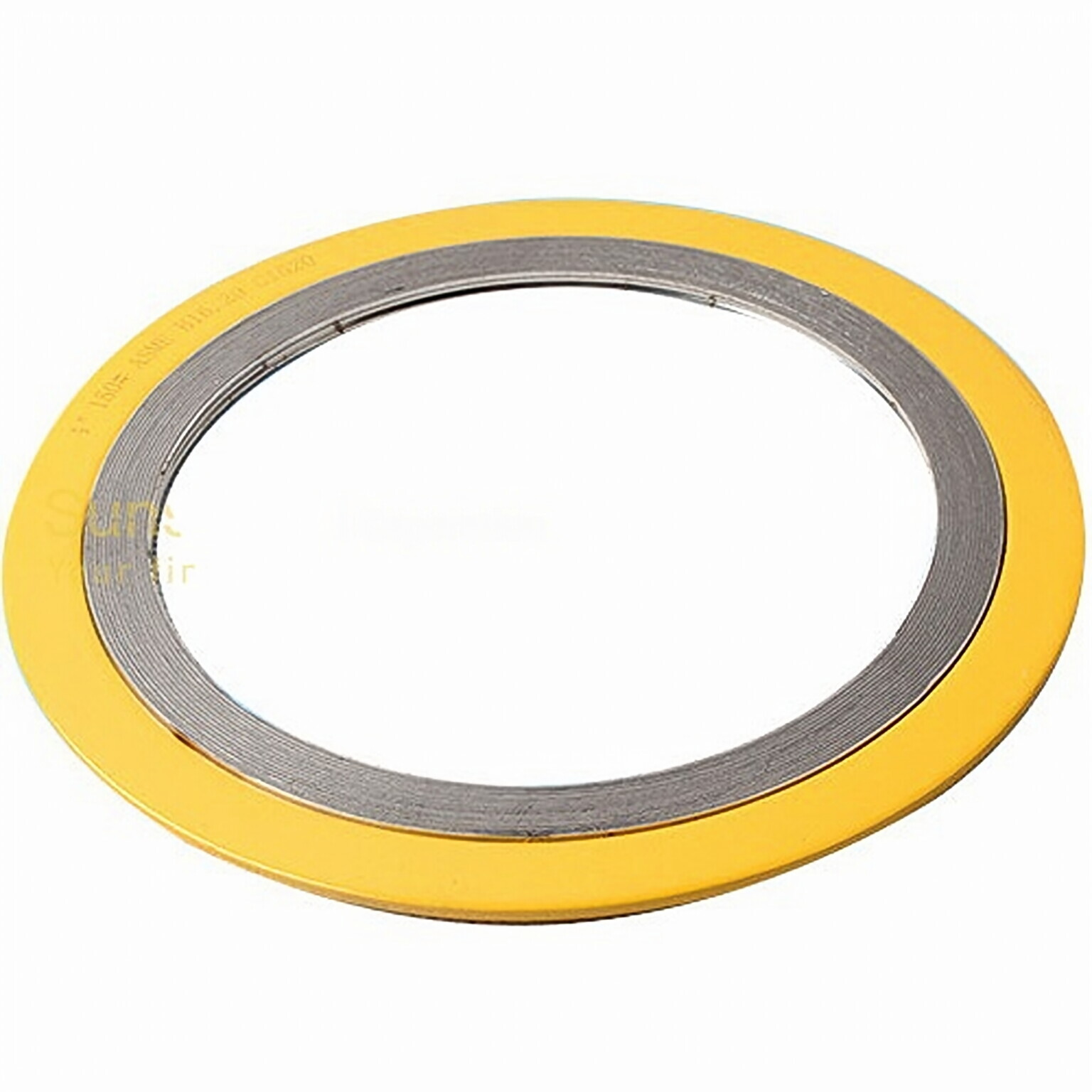
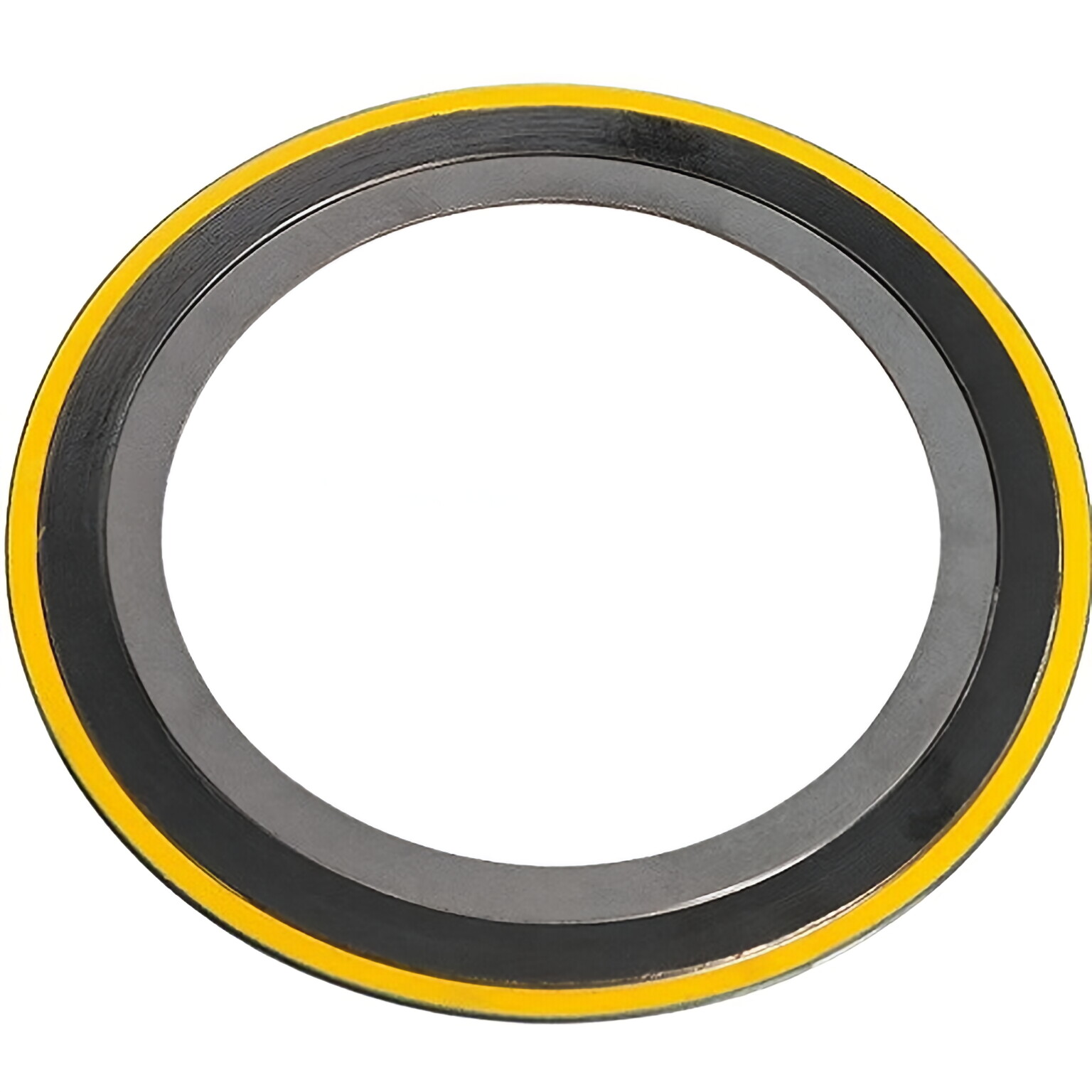
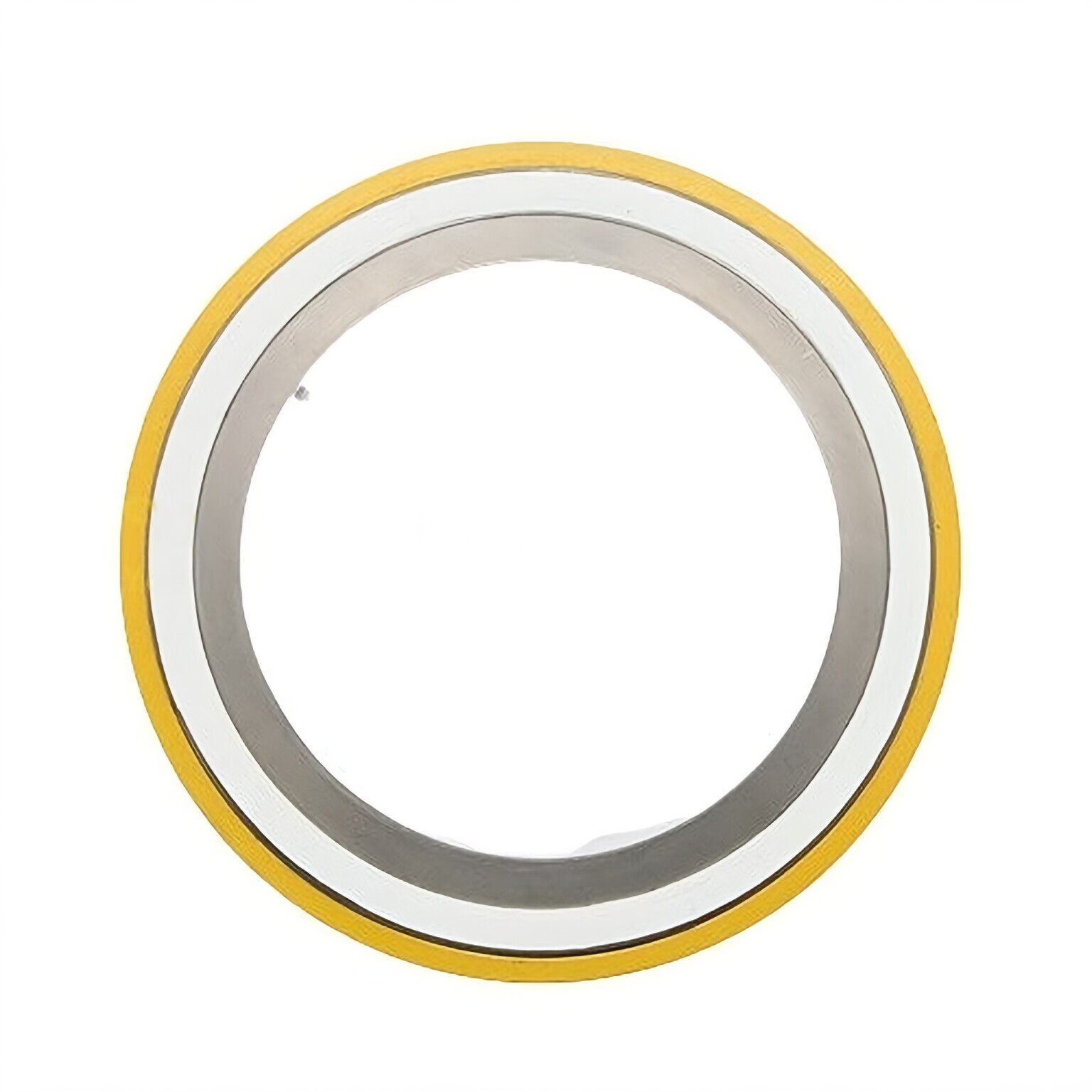
What are the best installation and torque procedures for SS 316Ti Spiral Wound Gaskets? For procurement professionals sourcing critical sealing components, this question is paramount. An improper installation can lead to catastrophic leaks, costly downtime, and significant safety hazards, even when using a premium gasket like one made from SS 316Ti. This guide cuts through the complexity, offering clear, actionable steps. We'll walk you through a proven methodology, from meticulous preparation to final torque sequences, ensuring you achieve a leak-free, reliable seal every time. By mastering these procedures, you safeguard your operations and maximize the performance of your investment.
Article Outline:
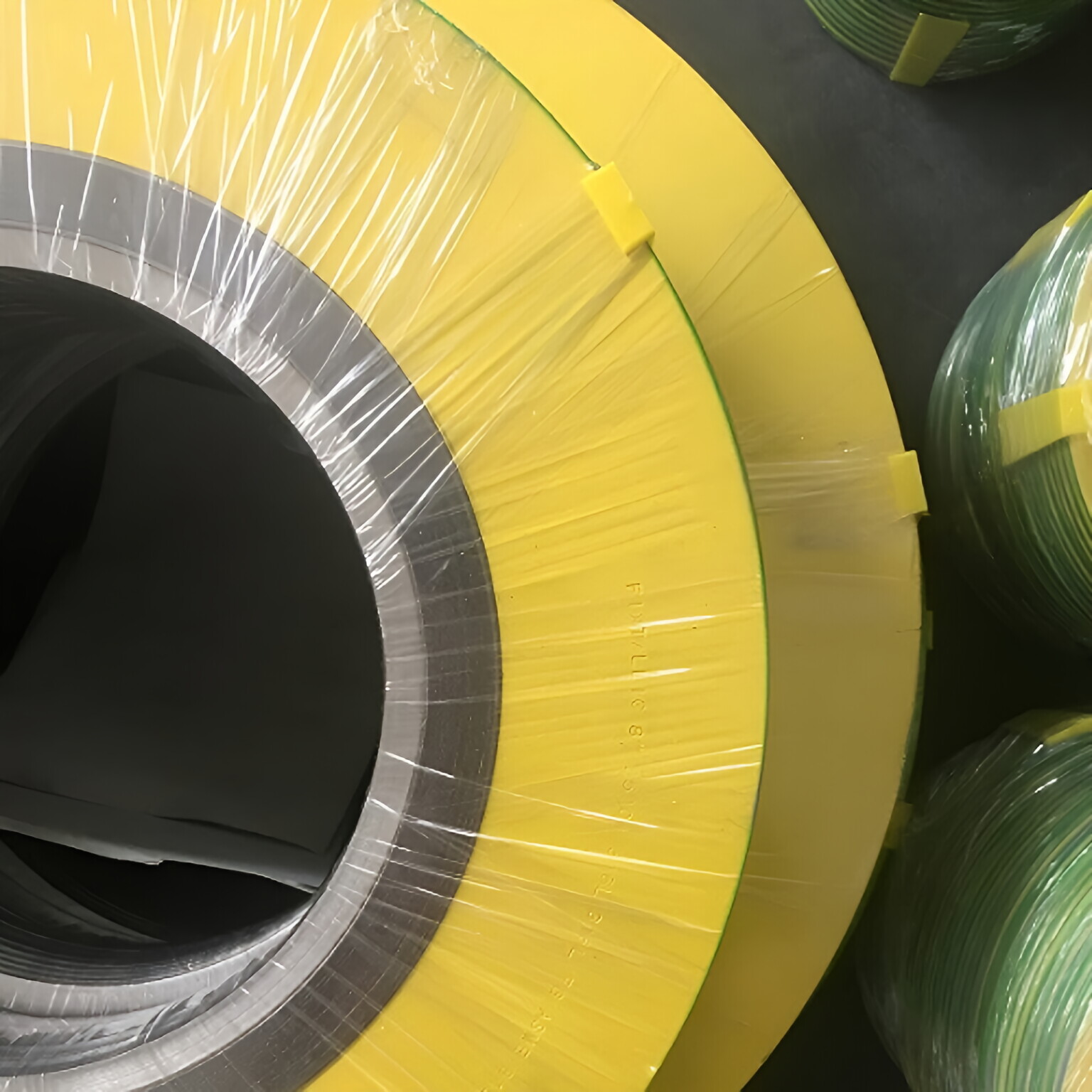
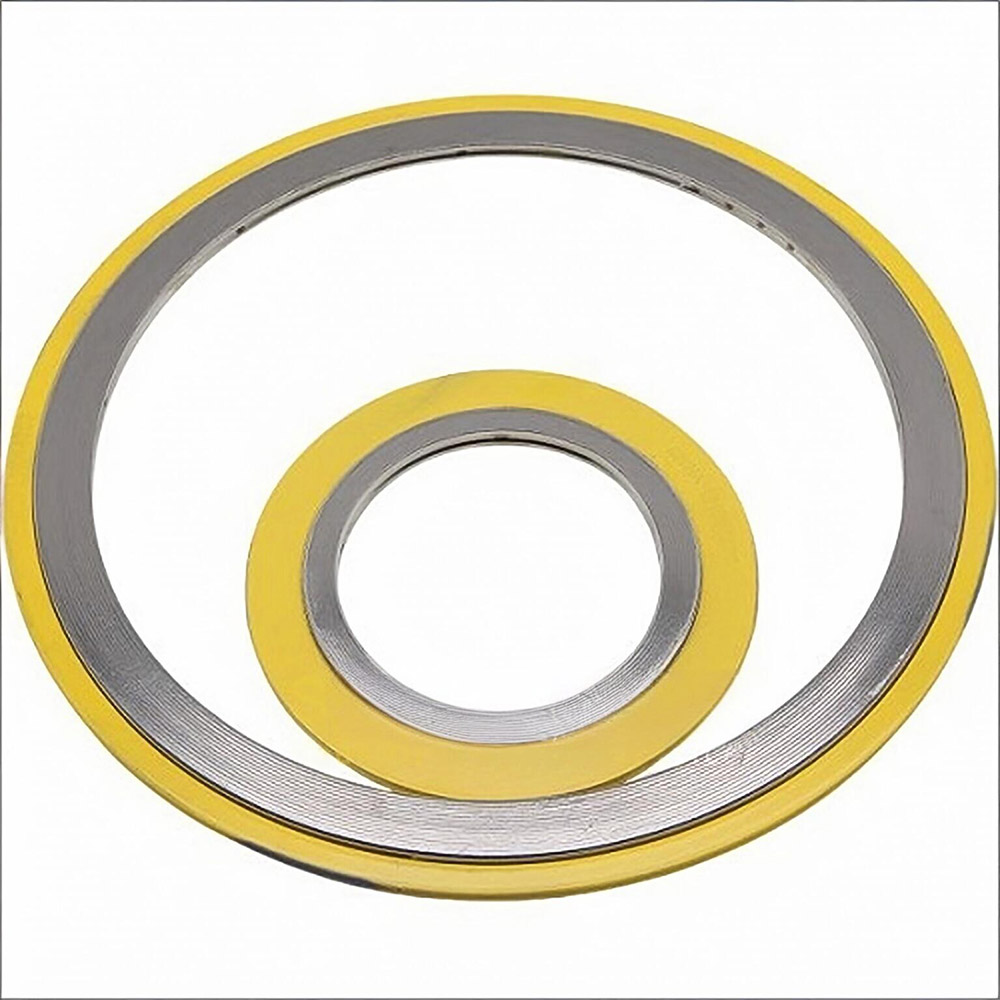
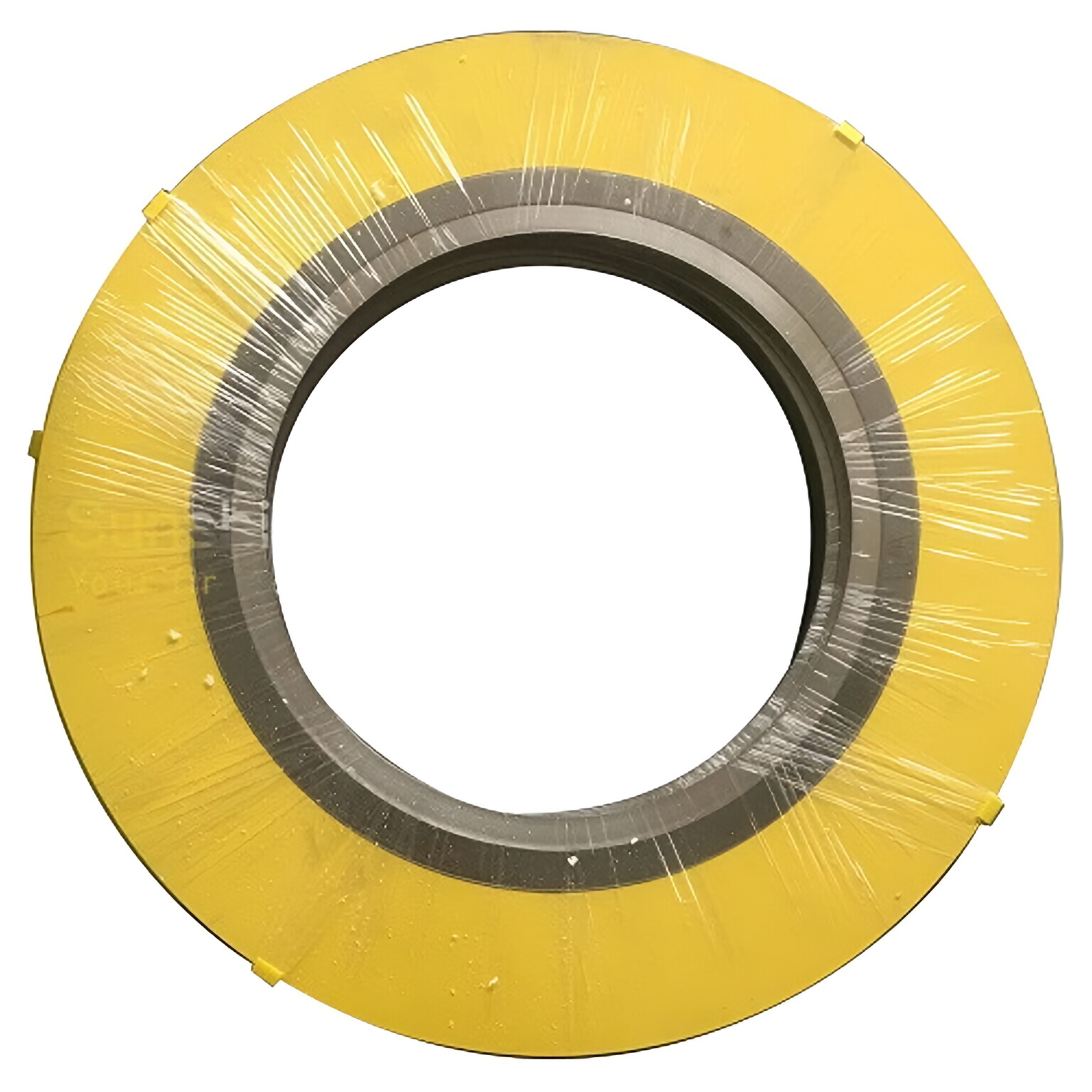
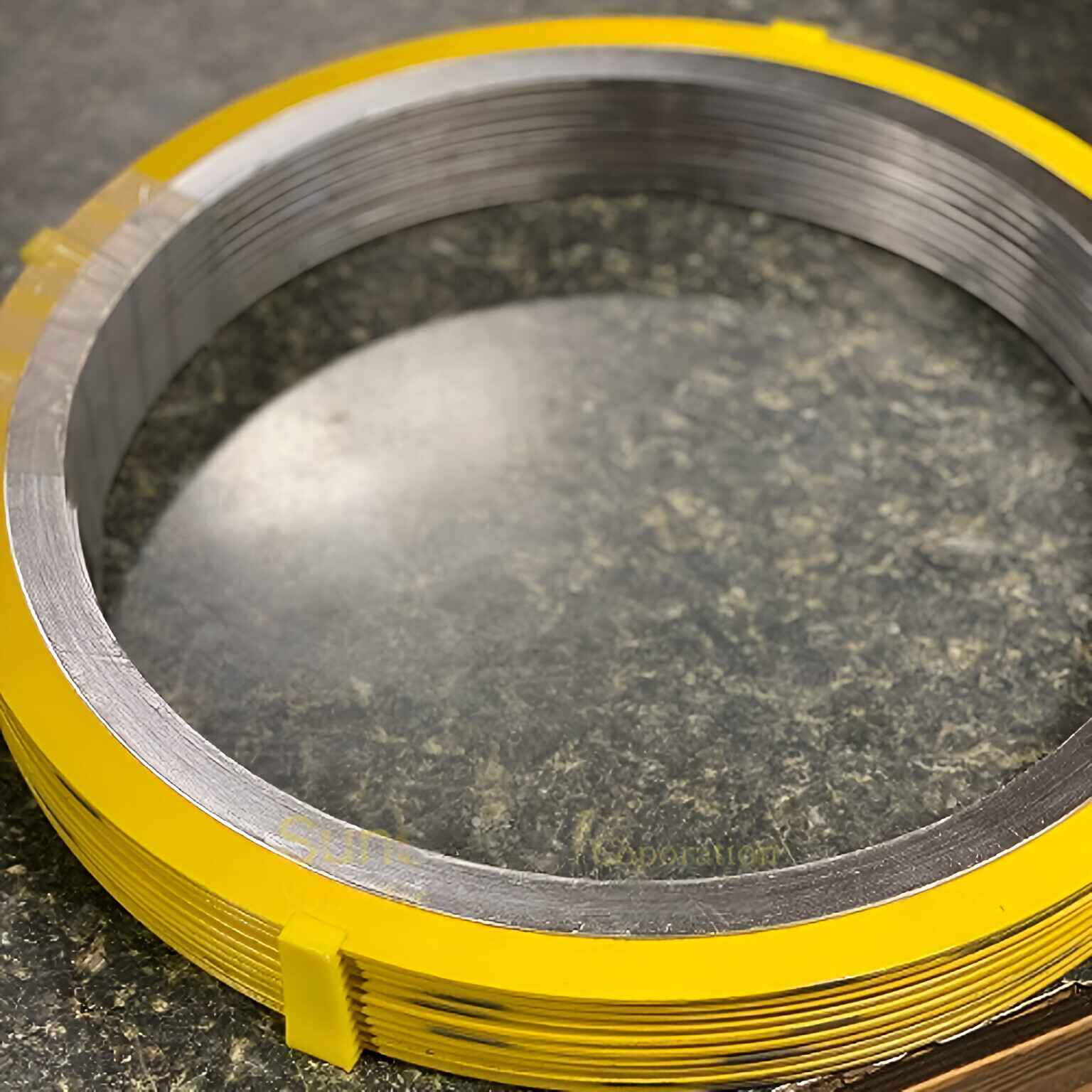
Imagine receiving a shipment of SS 316Ti spiral wound gaskets. The pressure is on to get a reactor back online. The temptation is to grab the first gasket and bolt it down. This is where failures begin. The gasket and flange surfaces are a matched system; ignoring preparation dooms the seal. The solution is a disciplined, multi-point inspection routine. First, visually inspect the gasket for any shipping damage, ensuring the winding is uniform and the centering ring (if present) is secure. Next, and most crucially, examine the flange faces. They must be clean, free of old gasket material, rust, and radial scratches. A light pass with a non-abrasive pad may be necessary. Finally, verify the bolt/nut condition. This upfront diligence, championed by quality suppliers like Ningbo Kaxite Sealing Materials Co., Ltd., prevents the vast majority of installation-related leaks.
Key Pre-Installation Parameters to Verify:
| Component | Acceptance Criteria | Tool/Action |
|---|---|---|
| Gasket (SS 316Ti) | No dents, loose winds, or filler protrusion. Dimensions match flange ASME B16.20 or customer spec. | Visual inspection, calipers. |
| Flange Faces | Clean, smooth, with proper serration (e.g., concentric serrated finish). No pitting or radial scores > 0.8mm deep. | Visual inspection, straight edge, feeler gauge. |
| Bolts & Nuts | Correct grade (e.g., ASTM A193 B7), clean threads, no corrosion. Lubricate threads and nut bearing surfaces. | Wire brush, approved anti-seize lubricant. |
The scene: the flanges are prepared, and the new SS 316Ti gasket from Ningbo Kaxite Sealing Materials Co., Ltd. is carefully centered. Now, the critical phase begins. Applying torque haphazardly will distort the flange and create uneven compression, leading to a path for leakage. The solution is a cross-torquing pattern executed in multiple incremental steps. Begin by hand-tightening all nuts to seat the gasket. Then, using a calibrated torque wrench, follow a star or cross pattern. Apply 30% of the final recommended torque value on the first pass. Follow with a second pass at 60%, and a final pass at 100%. This method ensures the flanges draw together parallelly, applying even, consistent pressure across the entire gasket face for a perfect seal.
Recommended Torque Procedure Summary:
| Torque Pass | Objective | Action | Pattern |
|---|---|---|---|
| Pass 1 (30%) | Initial seating and alignment. | Snug all bolts in sequence. | Cross/Star Pattern |
| Pass 2 (60%) | Major compression of filler material. | Re-torque in same pattern. | Cross/Star Pattern |
| Pass 3 (100%) | Achieve final design compression and stress. | Final torque in same pattern. | Cross/Star Pattern |
| Final Check | Ensure uniformity. | Re-check every bolt in circular order. | Clockwise Circle |
After the final torque pass, the job isn't quite finished. For systems that will operate at high temperatures, a "hot tightening" procedure is often required. As the system heats up, the flanges, bolts, and gasket expand at different rates, which can relax the initial bolt load. The solution is to monitor the system after reaching its operating temperature (typically during the first heat-up cycle) and re-torque the bolts according to the same cross pattern, following the manufacturer's or engineering specification. For critical applications, partnering with an experienced manufacturer like Ningbo Kaxite Sealing Materials Co., Ltd. provides access to detailed technical support for these specific scenarios, ensuring long-term sealing integrity.
Q: Can I re-use an SS 316Ti Spiral Wound Gasket after it has been compressed?
A: It is generally not recommended. The gasket is engineered to yield and flow into the flange imperfections during the first compression to create a seal. Reusing a compressed gasket means it has already taken a "set" and may not have enough resilience to seal effectively a second time, especially under thermal cycling. For guaranteed performance and safety, always install a new gasket.
Q: How do I determine the correct final torque value for my specific flange and gasket?
A: The target torque is calculated based on the bolt material, size, required gasket stress (y), and flange design. It is not a one-size-fits-all value. Always consult the original equipment manufacturer (OEM) specifications, the applicable piping code (like ASME B31.3), or the gasket manufacturer's data sheet. Reputable suppliers like Ningbo Kaxite Sealing Materials Co., Ltd. provide detailed technical data and support to help you calculate the correct bolt load for their products.
Mastering the installation and torque procedures for SS 316Ti Spiral Wound Gaskets is a non-negotiable skill for ensuring plant safety and efficiency. By adhering to a rigorous pre-check, a disciplined cross-torquing sequence, and proper post-installation protocols, you transform a simple component into a reliable barrier against leaks. For projects demanding uncompromising quality and technical expertise, consider specifying gaskets from a trusted source.
For expert guidance and high-performance sealing solutions, consider Ningbo Kaxite Sealing Materials Co., Ltd.. With extensive experience in manufacturing precision spiral wound gaskets for demanding applications, Kaxite provides not only premium products but also the technical support necessary for successful installation. Contact their team at [email protected] for customized solutions to your sealing challenges.
Bhatt, H., & Mistry, C. (2019). Stress Analysis and Performance Evaluation of Metallic Gaskets under Combined Internal Pressure and Thermal Loading. Journal of Pressure Vessel Technology, 141(4), 041205.
Sun, W., et al. (2021). Leakage Mechanism and Sealing Performance Optimization of Spiral Wound Gaskets with Different Fillers. Engineering Failure Analysis, 125, 105439.
Peng, X., Li, Y., & Zhang, J. (2018). Experimental Study on the Sealing Behavior of Spiral Wound Gaskets During Thermal Cycling. International Journal of Pressure Vessels and Piping, 168, 258-267.
ASME Boiler and Pressure Vessel Committee. (2021). ASME BPVC Section II, Part D - Properties (Customary). The American Society of Mechanical Engineers.
Kumar, S., & Singh, R. (2020). Effect of Bolt Preload Scatter on the Fatigue Life of Flanged Joints with Spiral Wound Gaskets. Procedia Structural Integrity, 28, 1973-1980.
European Sealing Association. (2017). ESA 010:2017 - Gasket Installation Procedures.
Zhang, L., Wang, H., & Zhao, F. (2022). Numerical Simulation of Contact Stress Distribution in Spiral Wound Gaskets Considering Surface Roughness. Tribology International, 165, 107298.
Bickford, J. H. (2021). Introduction to the Design and Behavior of Bolted Joints (5th ed.). CRC Press.
Patil, A., & Kulkarni, S. (2019). Comparative Leakage Rate Analysis of Various Gasket Types for High-Temperature Service. Materials Today: Proceedings, 18, 2976-2982.
Nash, D. H., & Abid, M. (2016). A Review of Flanged Joint Integrity and Gasket Testing. Journal of Process Mechanical Engineering, 230(5), 347-365.