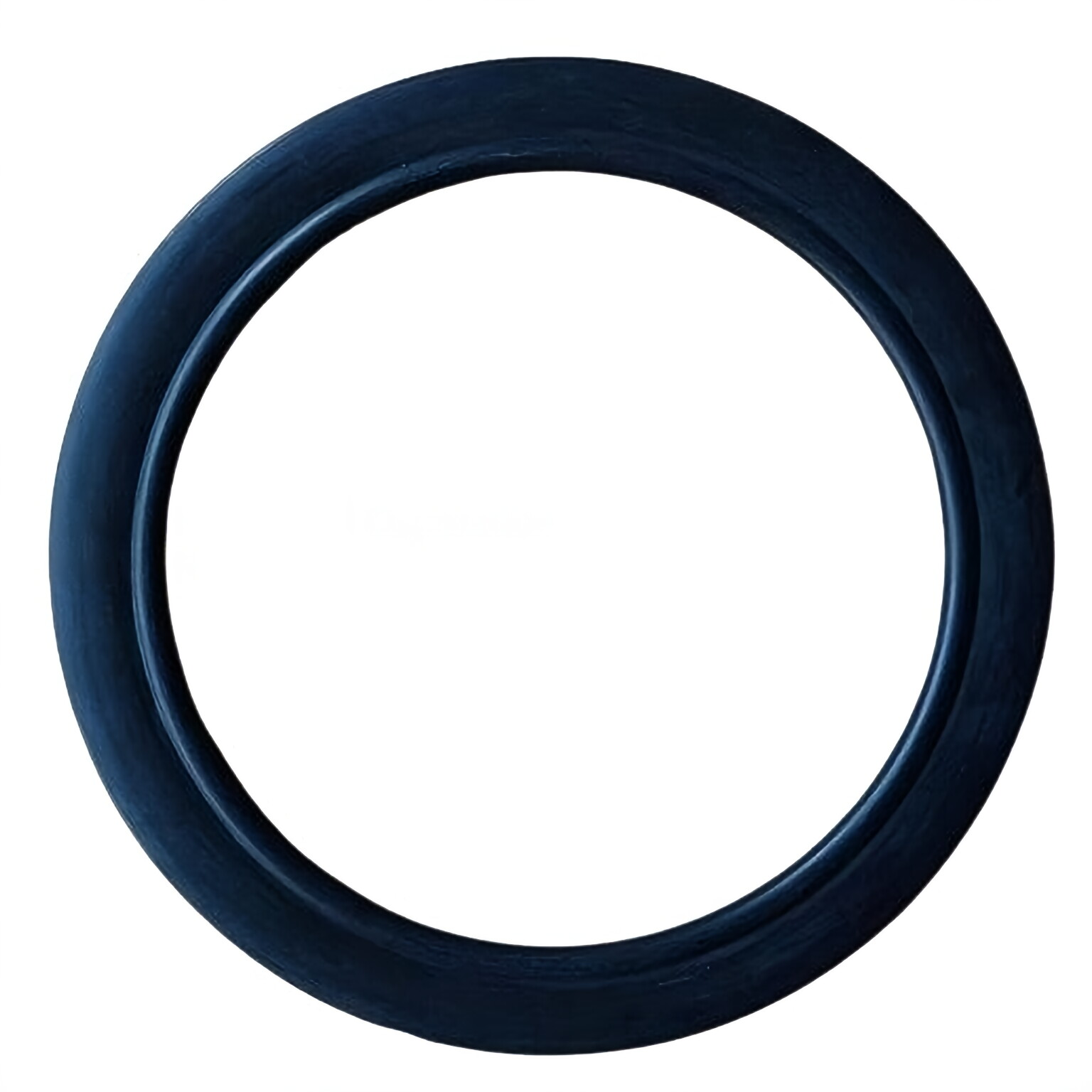
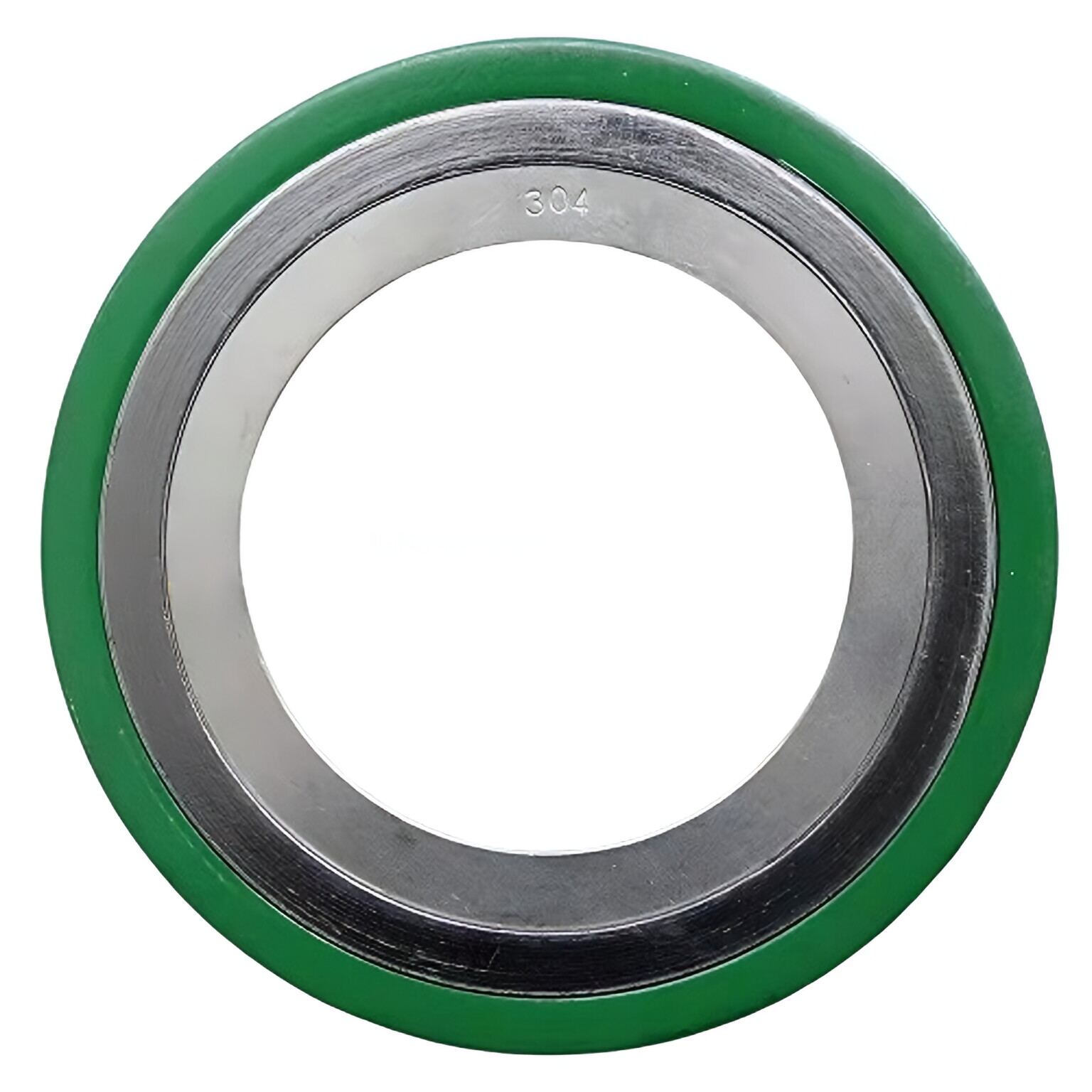
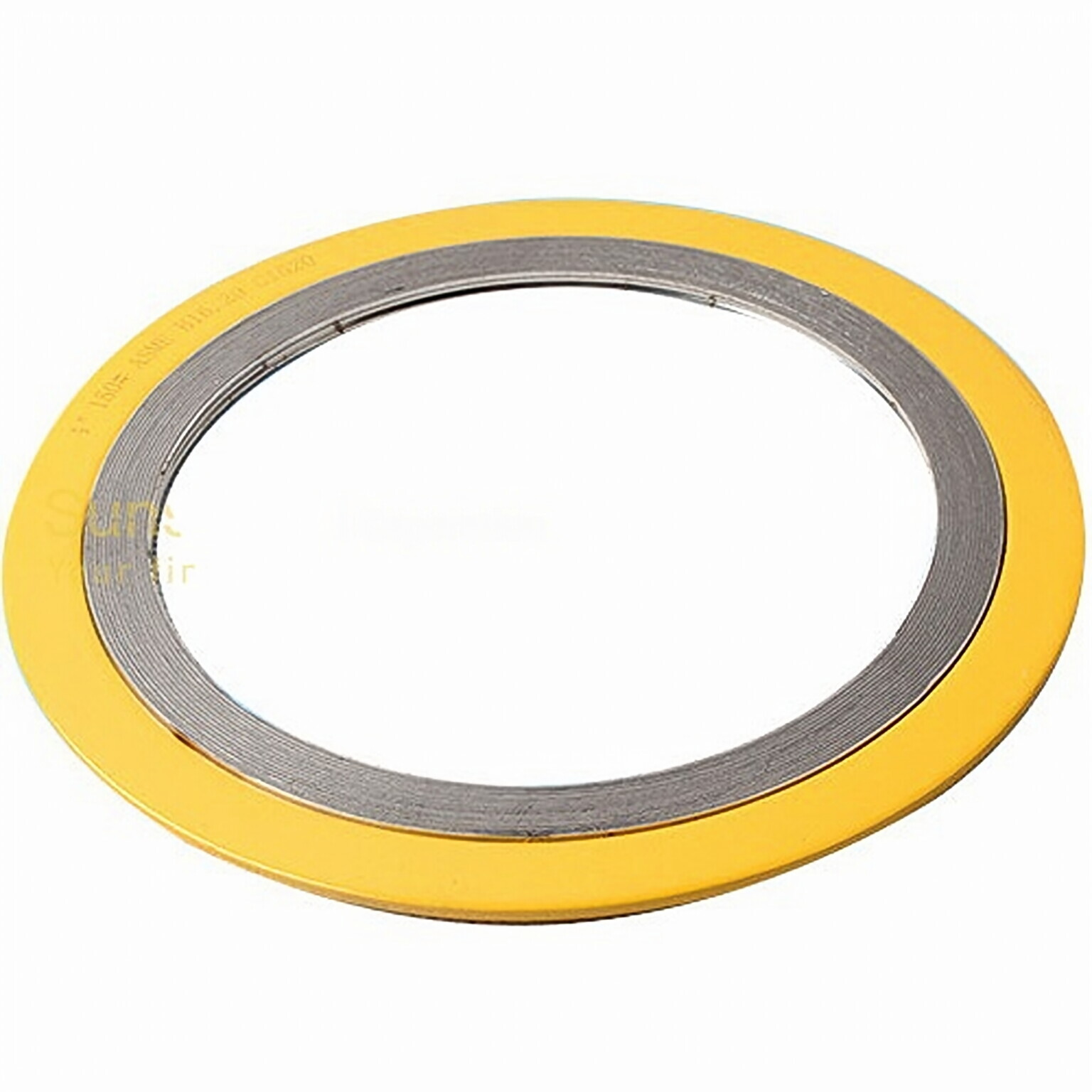
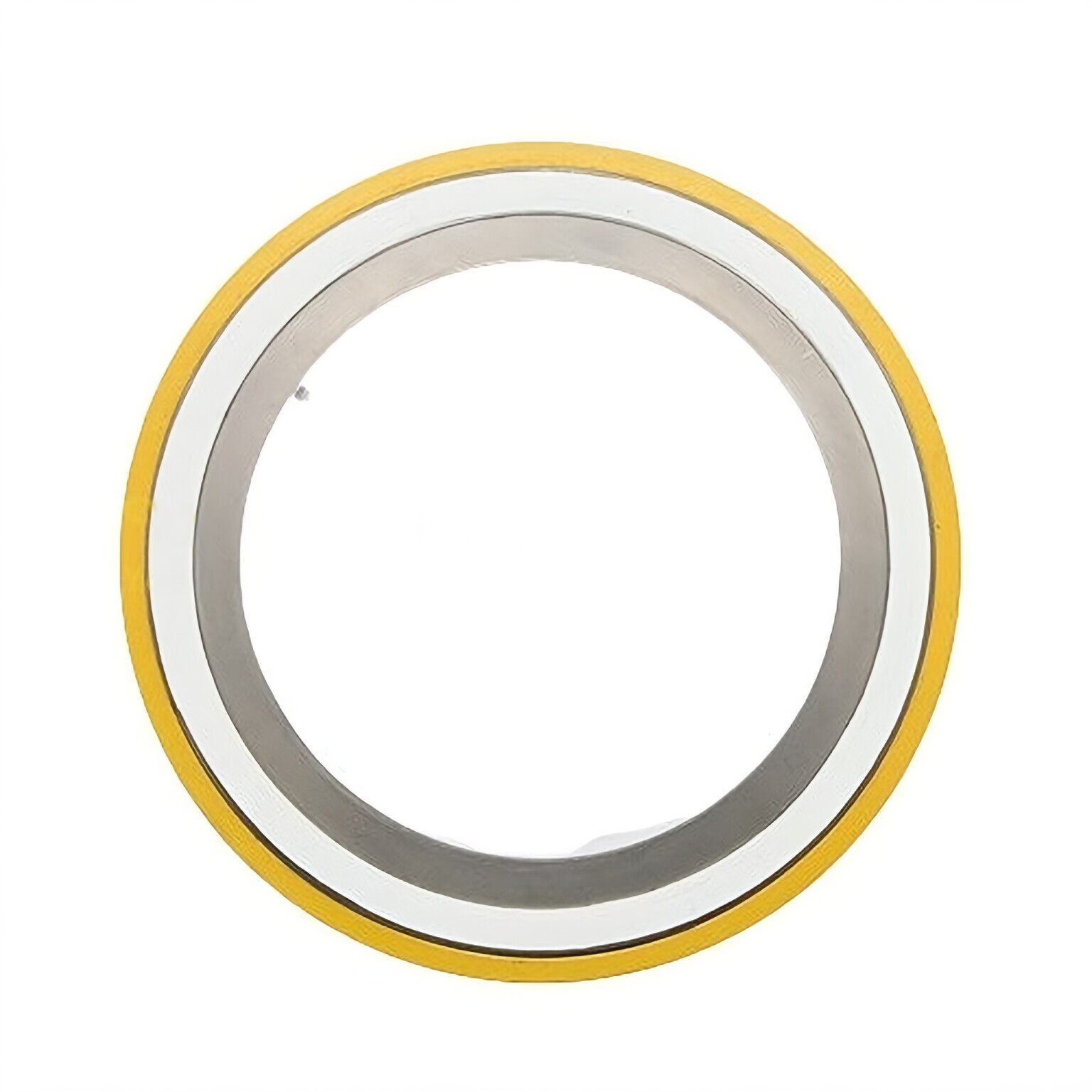
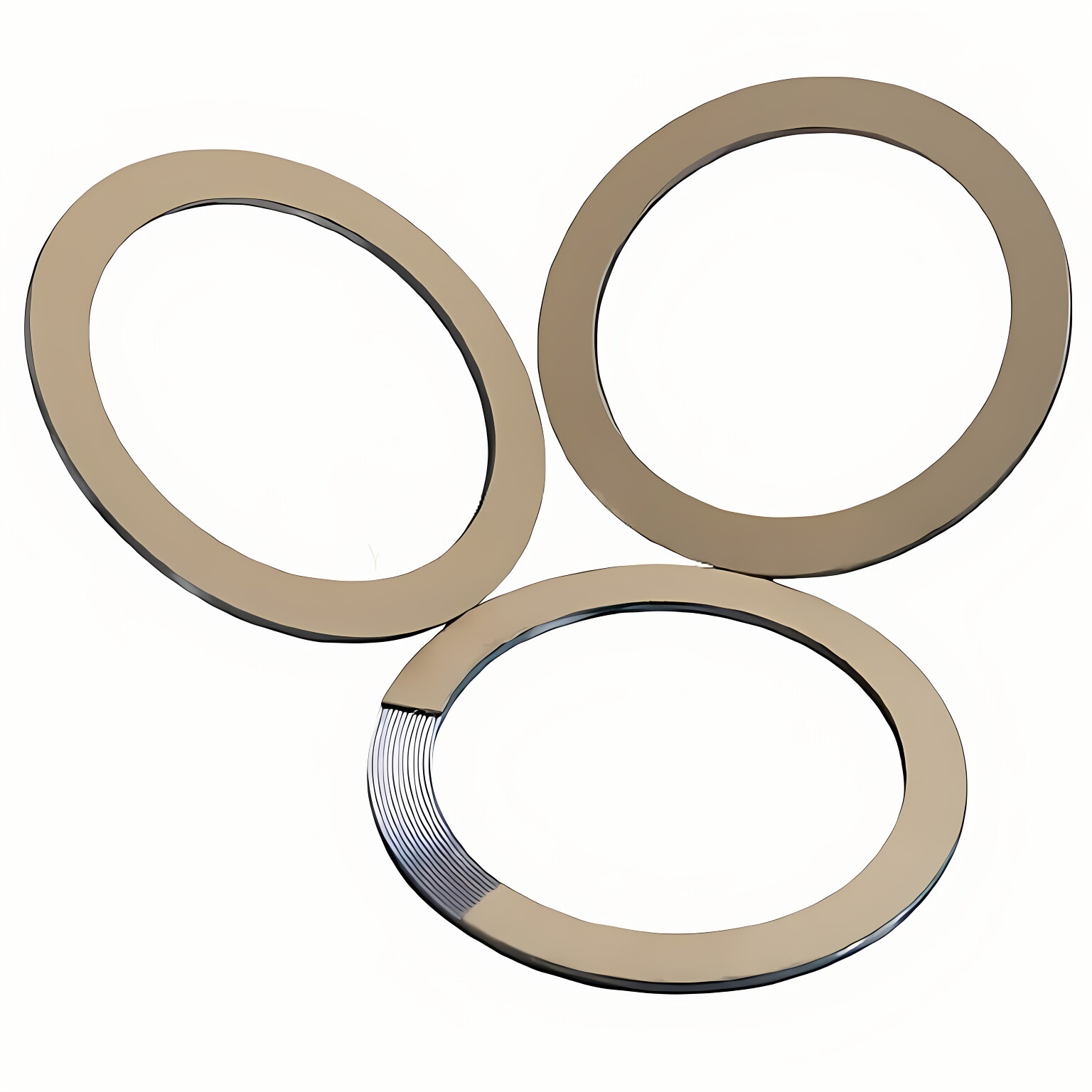
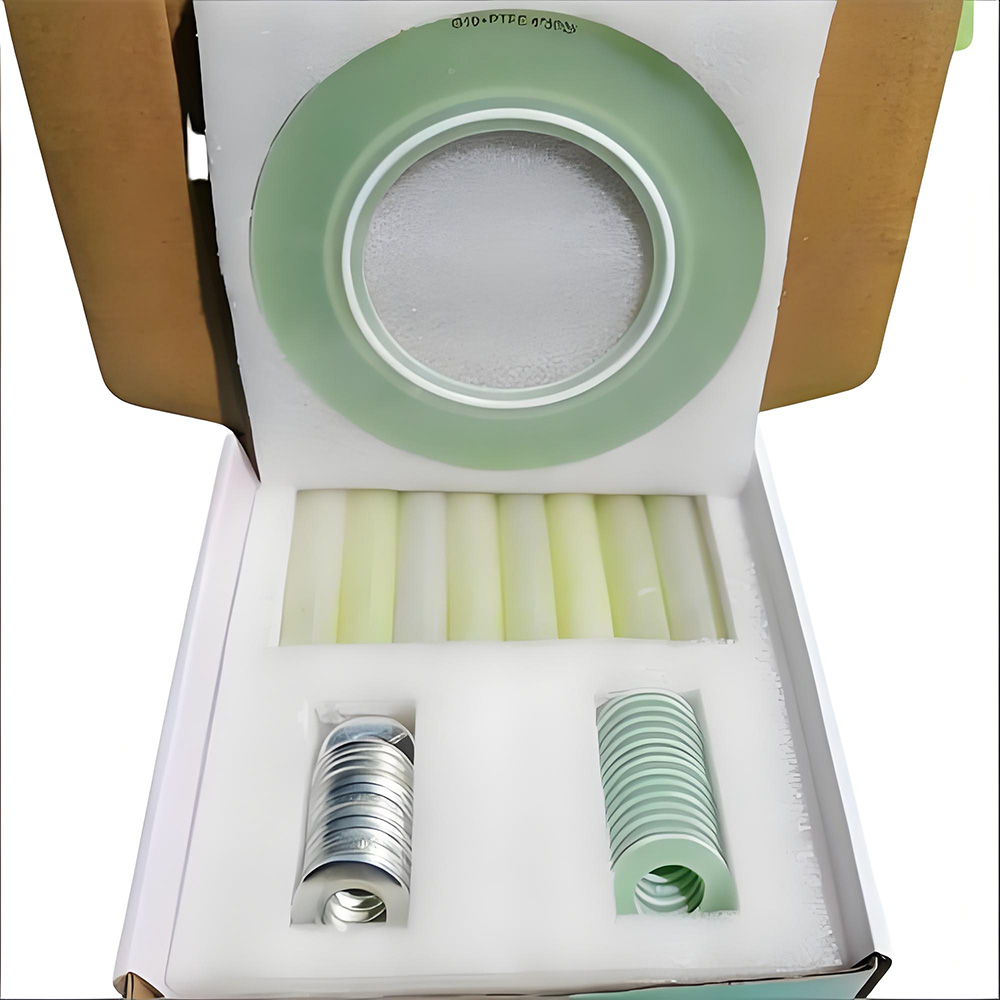
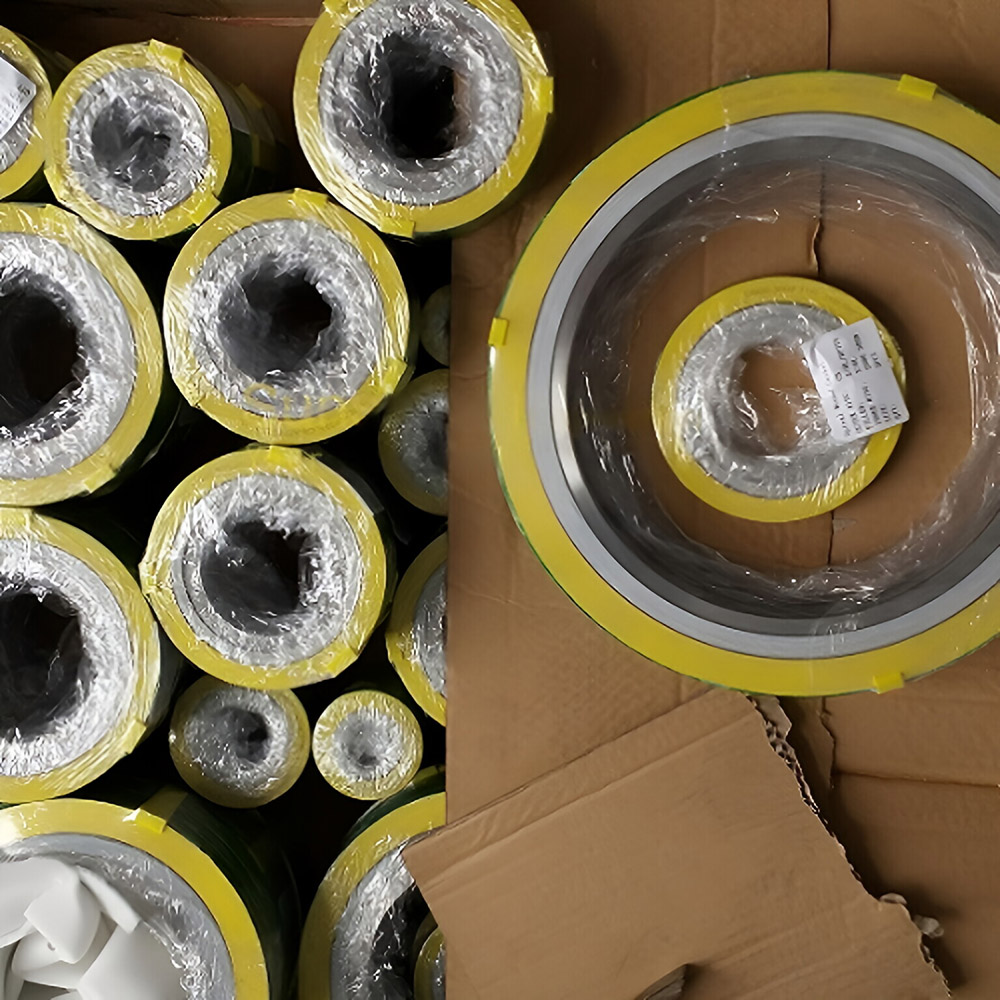
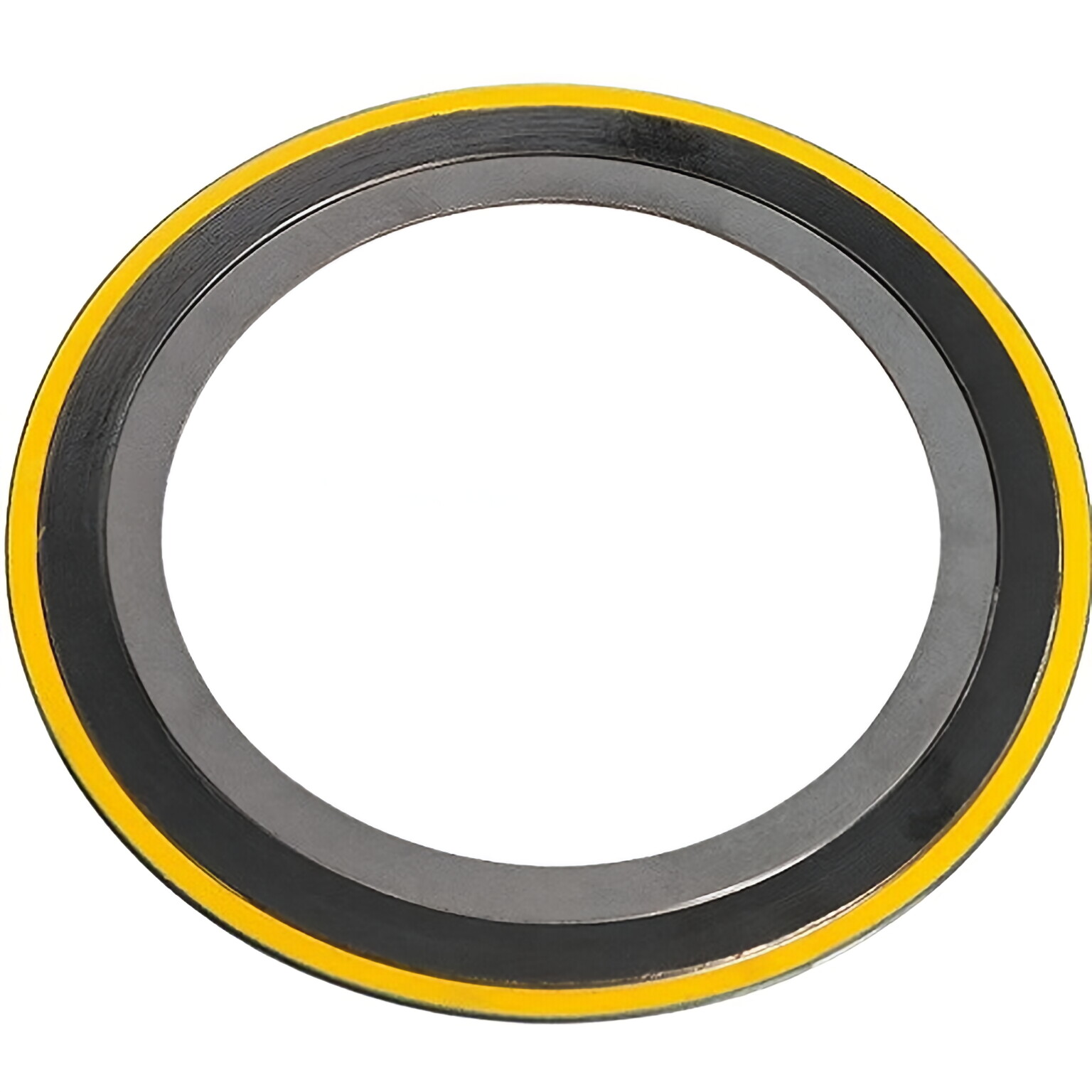
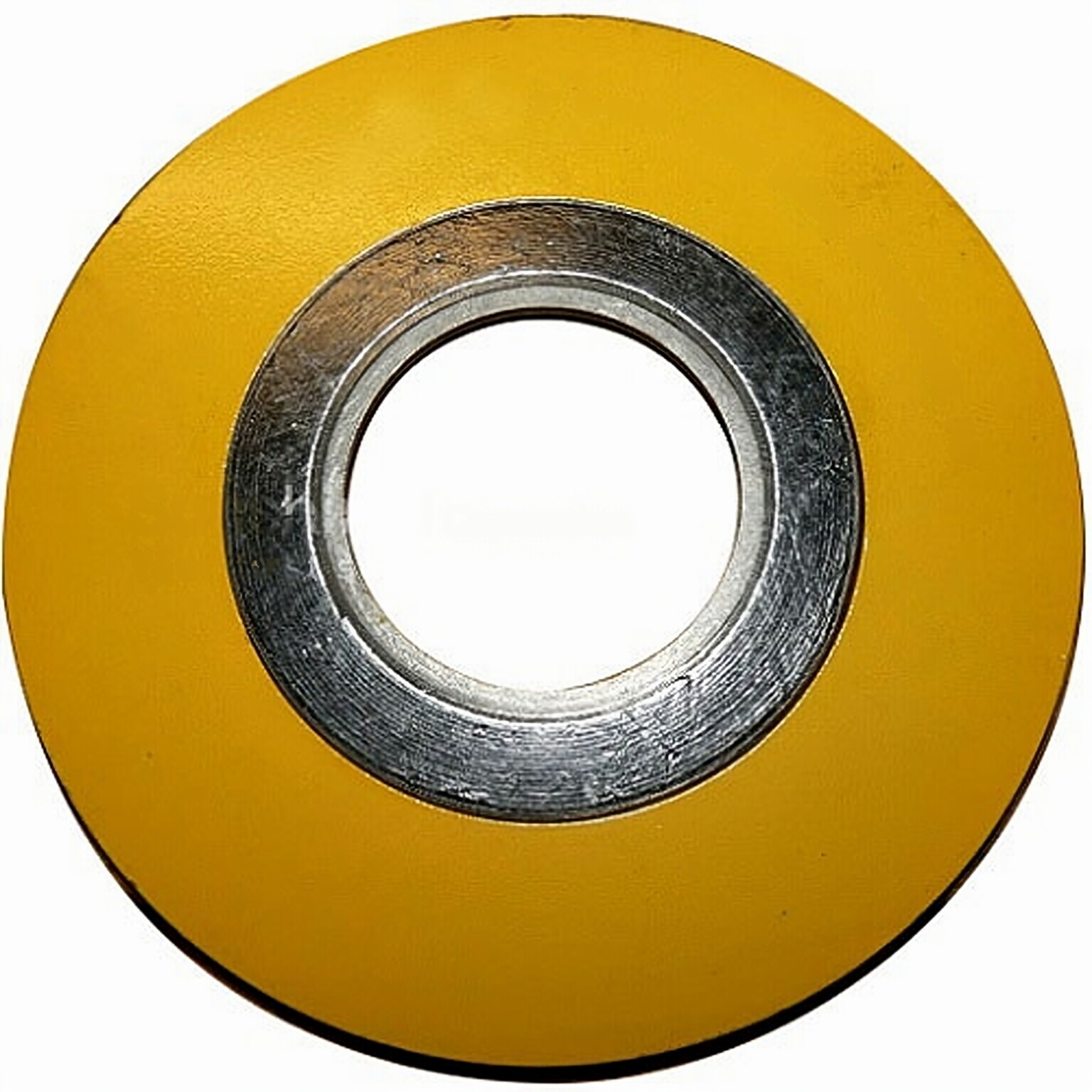
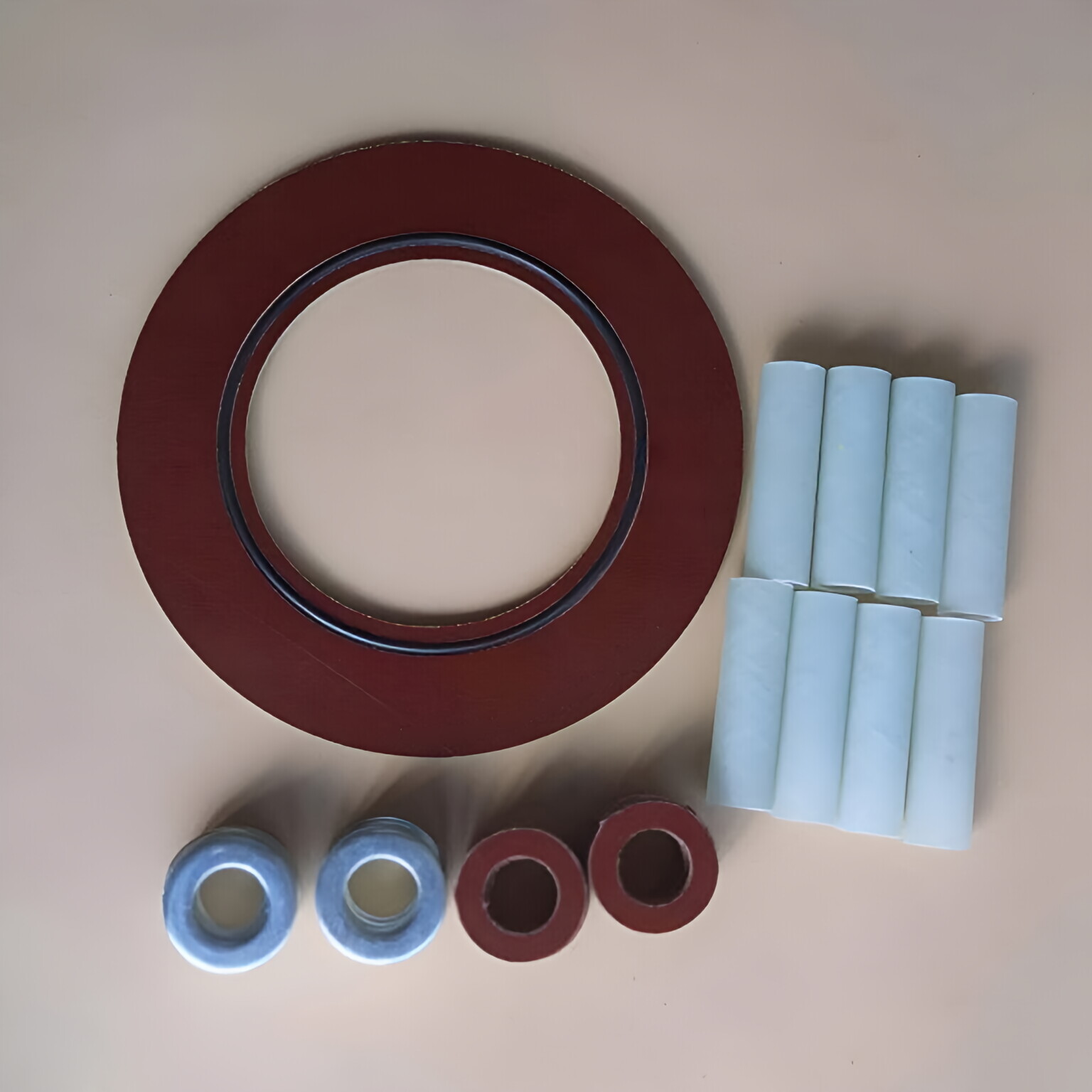
Can a Silver Plated OFHC Copper Gasket be reused? This is a critical question for engineers and procurement specialists managing high-performance sealing systems in industries like aerospace, semiconductor manufacturing, and power generation. The straightforward answer is often "it depends," but the real-world cost of guessing wrong is immense—leading to system failures, unplanned downtime, and significant financial loss. Understanding the reuse potential isn't just about the material; it's about ensuring operational integrity and controlling lifecycle costs. This guide will break down the factors determining reusability, from visual inspection criteria to performance thresholds, and introduce how partnering with an expert manufacturer like Ningbo Kaxite Sealing Materials Co., Ltd. provides not just parts, but reliable, data-driven sealing solutions.
Article Outline
You've just completed a scheduled maintenance shutdown. The pressure is on to reassemble the system quickly, but you hesitate before reinstalling the silver-plated OFHC copper gasket. The temptation to reuse is high to save time and money. However, a systematic inspection is non-negotiable. Look for these clear signs of wear that mandate replacement:
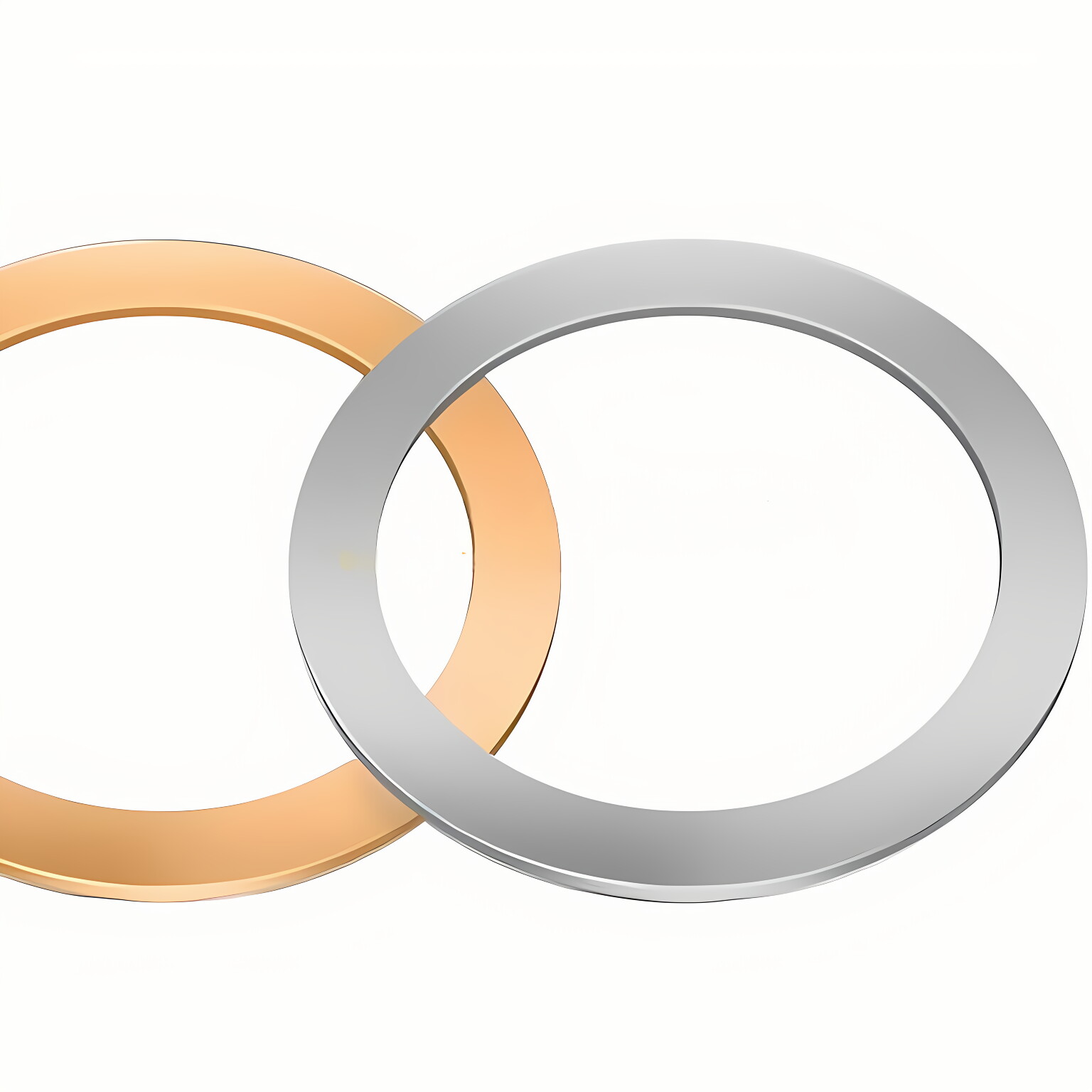
Beyond a visual check, precise dimensional verification is crucial. Use micrometers to measure thickness at multiple points. A variation exceeding 5-10% of the original thickness often indicates non-uniform compression and high risk of leakage upon re-torquing. For critical applications, partner with a manufacturer who provides detailed inspection guidelines. Ningbo Kaxite Sealing Materials Co., Ltd. offers comprehensive technical data sheets that specify exact tolerances and inspection protocols for their gaskets, removing guesswork for your team.
| Inspection Parameter | Acceptable for Reuse | Requires Replacement |
|---|---|---|
| Silver Plating Integrity | Intact, uniform coating with minor polishing marks | Flaking, exposing copper substrate, severe galling |
| Thickness Variation | Within ±5% of nominal thickness | Exceeds ±10% or shows significant taper |
| Surface Condition | Light, shallow scratches parallel to sealing face | Deep grooves, cracks, or corrosion pits |
| Permanent Set (Compression) | Minimal, springs back slightly | Clearly flattened, bolt hole impressions deep |
Imagine a scenario in a cryogenic plant. A gasket has performed well for one cycle, and the initial inspection seems okay. The operational team decides to reuse it to avoid waiting for a new shipment. Weeks later, a small leak develops at a joint, triggering a safety sensor and forcing a costly emergency shutdown. This highlights that visual inspection alone isn't enough. The gasket's material memory and performance under specific service conditions are paramount. OFHC copper with silver plating is chosen for its excellent thermal conductivity and ductility, but these properties degrade with each compression cycle, especially under extreme temperatures and pressures.
The risk of "leak before break" in reusable scenarios is real. For applications involving ultra-high vacuum, aggressive media, or thermal cycling, the consensus leans heavily toward single-use. The micro-yield strength of the copper core changes after compression, and the re-flow properties of the silver diminish. Can a silver plated OFHC copper gasket be reused in a standard industrial flange with moderate conditions? Possibly, but only with stringent checks and an acceptance of slightly higher leak risk. For mission-critical applications, the safe and reliable choice is always a new, certified gasket from a trusted supplier like Ningbo Kaxite Sealing Materials Co., Ltd., whose products are engineered for consistent, predictable performance.
Procurement decisions are driven by Total Cost of Ownership (TCO), not just unit price. Let's analyze a real cost scenario. Reusing a gasket might save $200 on the part cost. However, consider the potential costs: additional labor for meticulous inspection ($150), risk of a small leak causing incremental energy loss ($?/year), and the catastrophic cost of an unplanned shutdown due to seal failure—which can easily exceed $50,000 in lost production and emergency repairs. The financial equation quickly tilts in favor of replacement with a high-quality, reliable component.
This is where a strategic partnership with a specialized manufacturer adds immense value. Ningbo Kaxite Sealing Materials Co., Ltd. doesn't just sell gaskets; they provide sealing security. Their expertise in material science and manufacturing precision ensures that every gasket delivers optimal performance, reducing the hidden risks and costs associated with reuse. By offering consistent quality, certified materials (like certified OFHC copper), and detailed application support, they help procurement teams make decisions that optimize long-term operational costs and minimize downtime risk.
| Cost Factor | Reusing Old Gasket | Using New Kaxite Gasket |
|---|---|---|
| Part Cost | $0 (saved) | $200 - $500 |
| Inspection Labor | $100 - $300 | Minimal |
| Risk of Leak/Energy Loss | Moderate to High | Very Low |
| Risk of Unplanned Downtime | Significantly Higher | Minimized |
| Total Cost of Ownership (TCO) | Potentially Very High | Predictable and Lower |
Navigating the reuse versus replacement dilemma requires more than a generic guide; it requires access to expert knowledge and guaranteed product quality. For procurement professionals sourcing critical sealing components, the goal is to eliminate uncertainty. This is the core value offered by Ningbo Kaxite Sealing Materials Co., Ltd.. As a specialist manufacturer, Kaxite provides more than just standard catalog items. They deliver engineered solutions, offering in-depth technical consultation to determine the optimal gasket specification for your specific pressure, temperature, and media conditions—advising definitively on reusability limits.
Their manufacturing process ensures every silver-plated OFHC copper gasket meets stringent standards for dimensional accuracy, plating uniformity, and material purity. This consistency is what gives engineers the confidence to specify a Kaxite gasket, knowing it will perform as intended from the first installation. When you choose Kaxite, you're investing in system reliability and purchasing peace of mind, ensuring that the critical seal in your assembly is never the weakest link.
Q: Can a silver plated OFHC copper gasket be reused in high-vacuum applications?
A: It is generally not recommended. High-vacuum and ultra-high-vacuum systems require absolute integrity with minimal outgassing. The mechanical history and potential micro-leak paths in a used gasket pose an unacceptable risk. For such critical applications, always install a new, certified gasket to guarantee system performance and safety.
Q: How many times can I safely reuse a silver-plated OFHC copper gasket?
A: There is no universal safe number of reuses. It entirely depends on the application conditions (pressure, temperature cycles, media), the initial torque applied, and the results of each post-removal inspection. For non-critical, static, low-pressure applications with perfect inspection results, one reuse might be possible. However, most engineering standards and experts, including those at Ningbo Kaxite Sealing Materials Co., Ltd., advise treating them as single-use for all critical services to ensure reliability.
We hope this detailed guide helps clarify the complex decision of reusing silver-plated OFHC copper gaskets. Have you encountered specific challenges with gasket reusability in your operations? What factors weigh most heavily in your maintenance decisions? Share your experiences or questions with our community of engineers and procurement experts.
For unparalleled reliability in your sealing applications, trust the expertise of Ningbo Kaxite Sealing Materials Co., Ltd.. As a leading manufacturer specializing in high-performance spiral wound gaskets and metallic gaskets, Kaxite is committed to delivering precision-engineered sealing solutions that meet the most demanding industrial standards. Visit our website at https://www.spiral-wound-gasket.com to explore our product range and technical resources. For direct consultation and to discuss your specific sealing requirements, please contact our engineering support team at [email protected].
Smith, J.A., & Reynolds, D.K. (2018). Deformation Characteristics and Leakage Performance of Reused Metallic Gaskets Under Thermal Cycling. Journal of Pressure Vessel Technology, 140(3).
Chen, L., & Patel, R. (2020). The Effect of Silver Plating Degradation on the Contact Conductivity and Sealing Ability of Copper Gaskets. Materials & Design, 192.
Zhang, W., et al. (2019). Experimental Analysis of the Reusability Limit for Spiral Wound and Solid Metal Gaskets in Flanged Connections. International Journal of Mechanical Sciences, 157-158.
Kawasaki, T., & Yamada, H. (2017). Evaluation of Sealing Performance and Lifecycle Cost of Reused vs. New Metallic Gaskets in Petrochemical Plants. Process Safety and Environmental Protection, 109.
O'Connell, P., & Müller, G. (2021). Microstructural Changes in OFHC Copper After Cyclic Compression and Their Impact on Gasket Function. Materials Science and Engineering: A, 802.
Ibrahim, M.N., et al. (2016). A Comparative Study on Leak Rate Prediction Models for Bolted Flange Connections with Used Gaskets. ASME Conference Proceedings.
Jones, S.R., & Lee, F.C. (2022). Total Cost of Ownership Model for Sealing Components in LNG Applications: Emphasizing the Risk of Reuse. Energy Reports, 8.
Tanaka, Y., et al. (2015). The Role of Surface Finish and Plating Integrity on the Re-sealing Capability of Metal Gaskets. Wear, 332-333.
European Sealing Association. (2019). Best Practice Guideline: Gasket Selection, Installation, and Reuse. ESA Publication No. 012/19.
Fischer, E., & Scholz, A. (2018). Advanced Non-Destructive Testing Methods for Assessing the Reusability of Critical Sealing Elements. NDT & E International, 100.