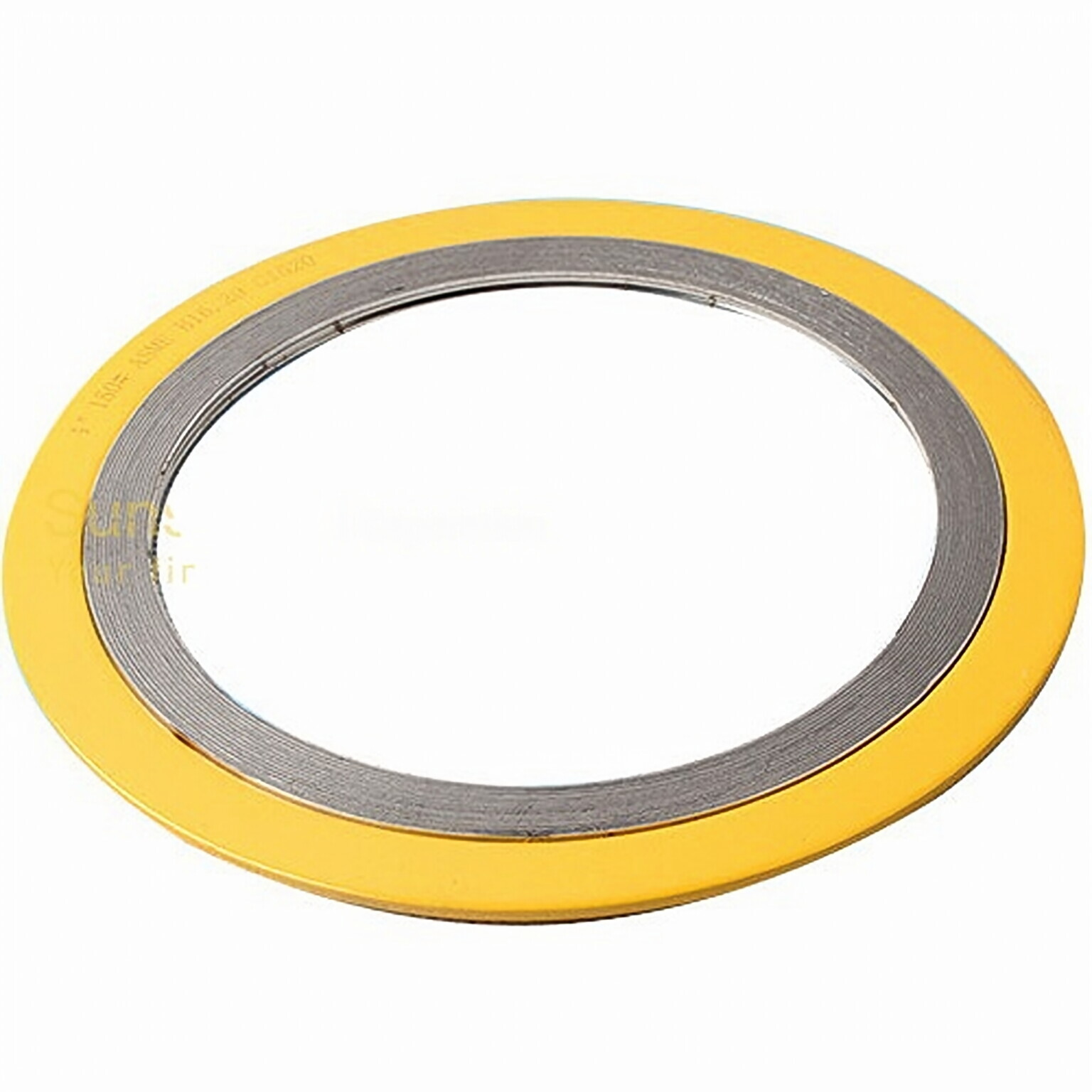
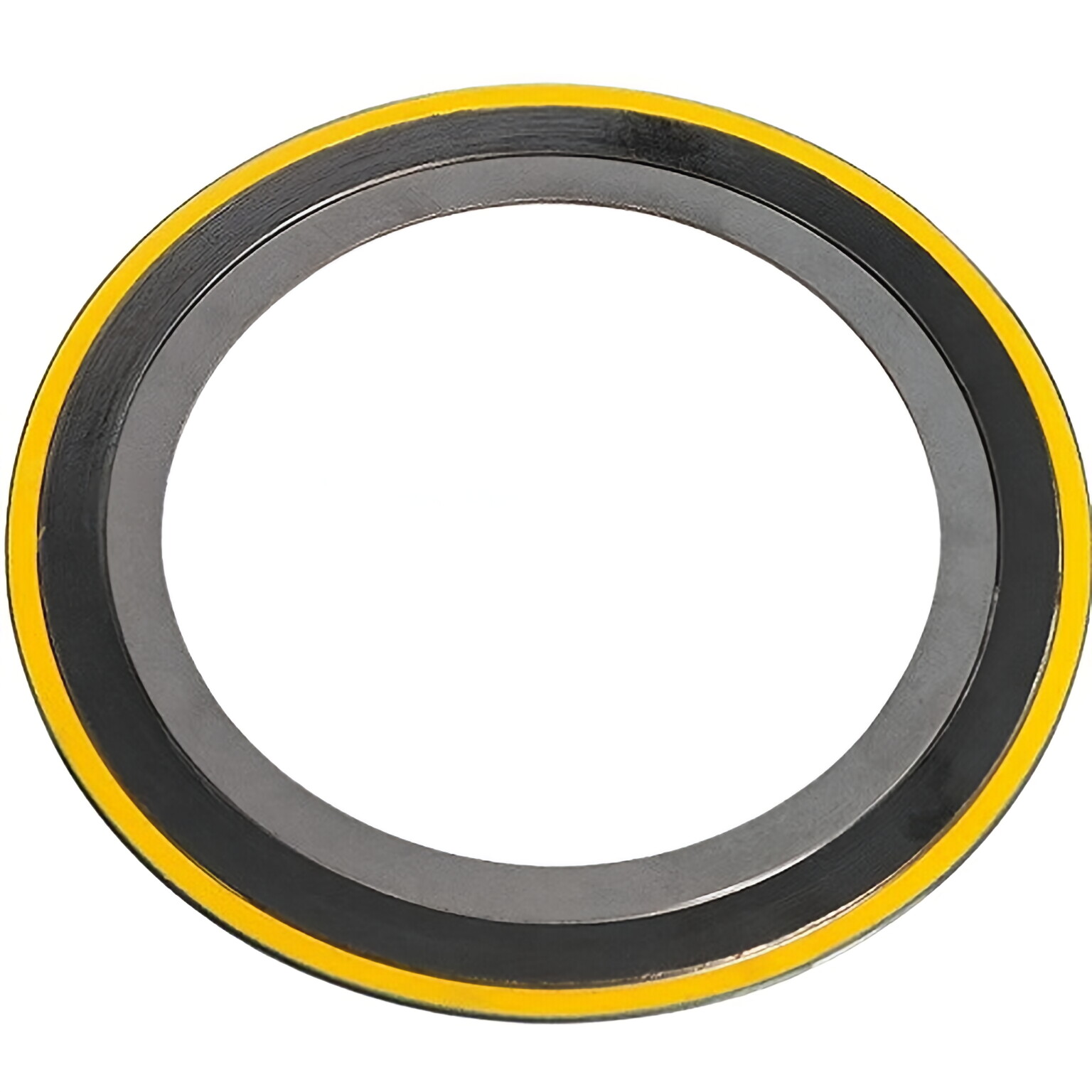
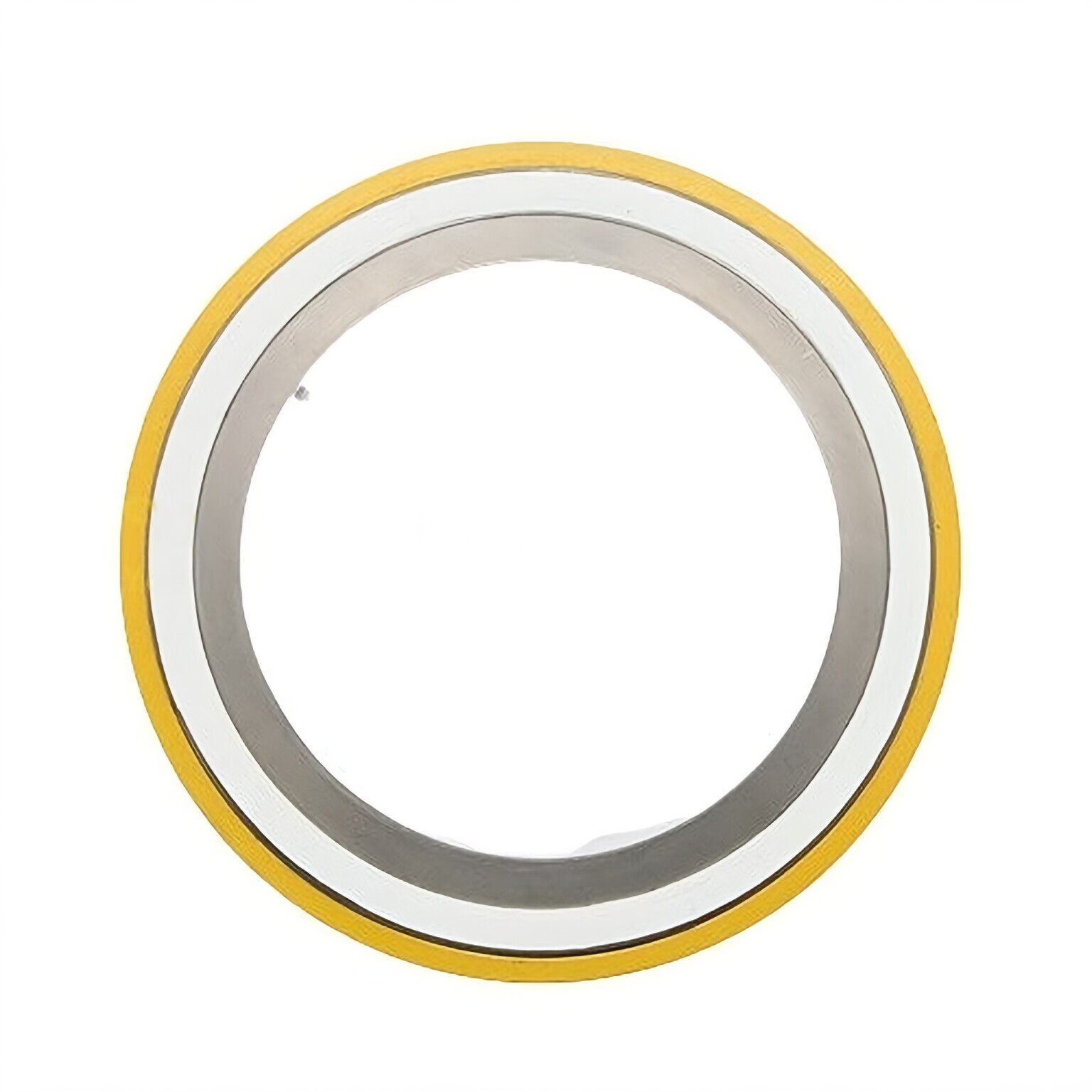
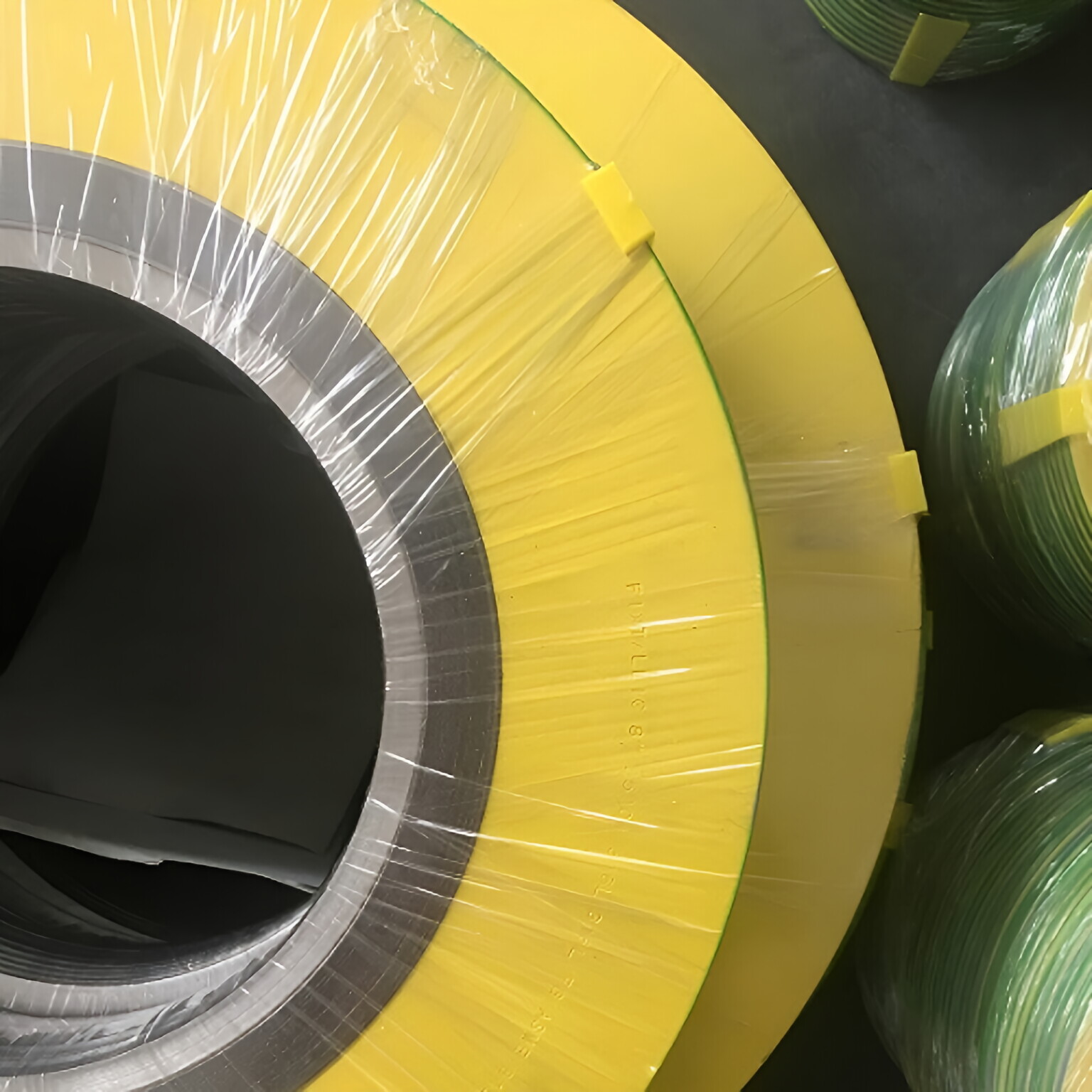
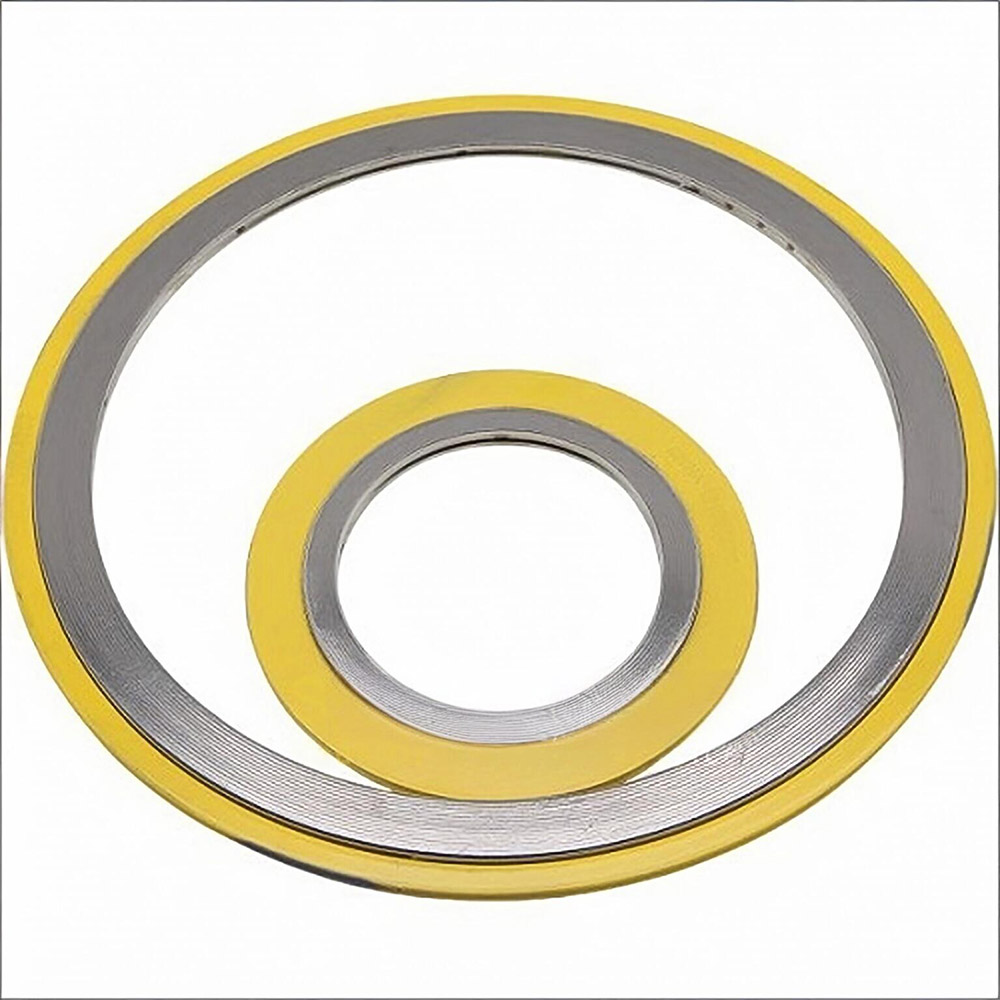
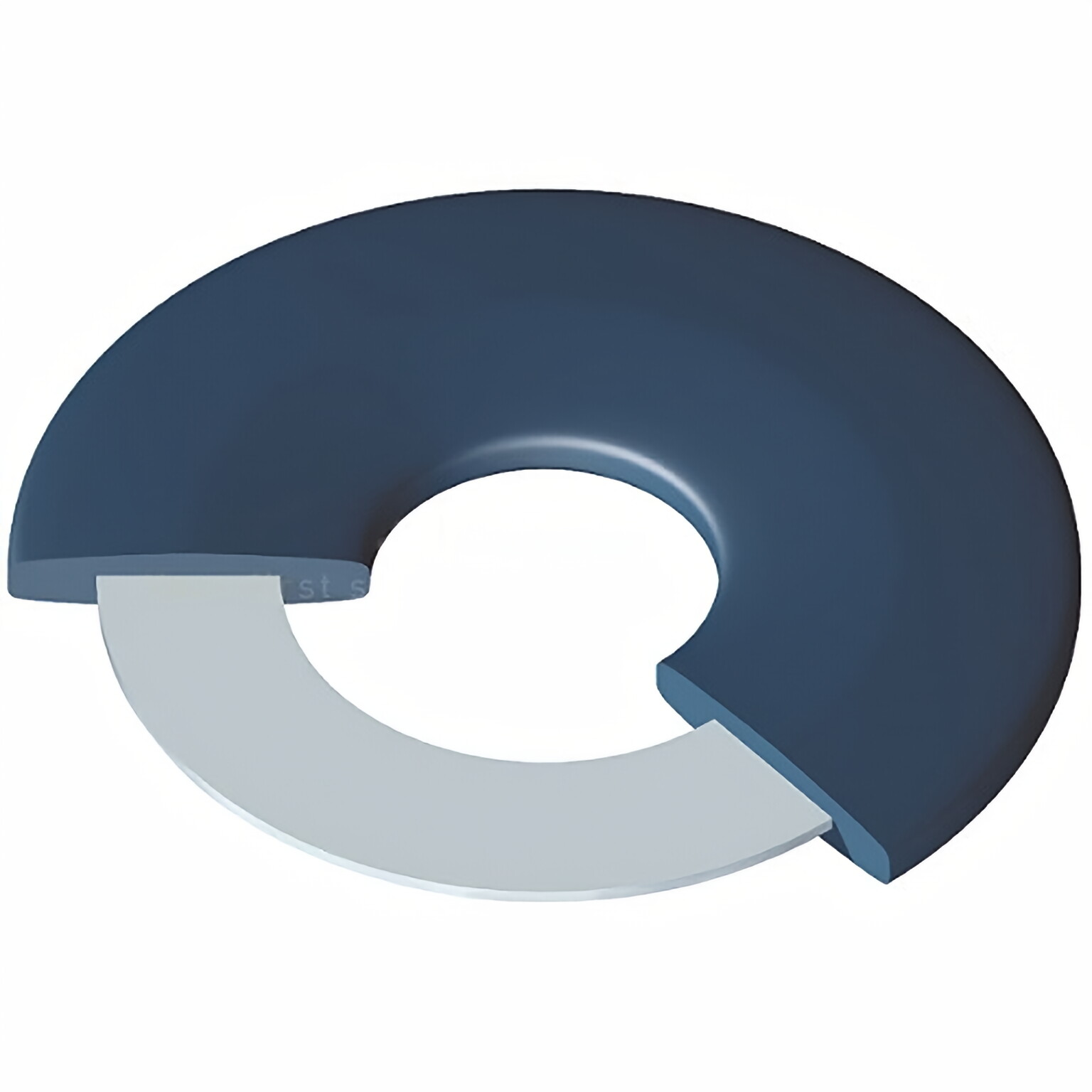
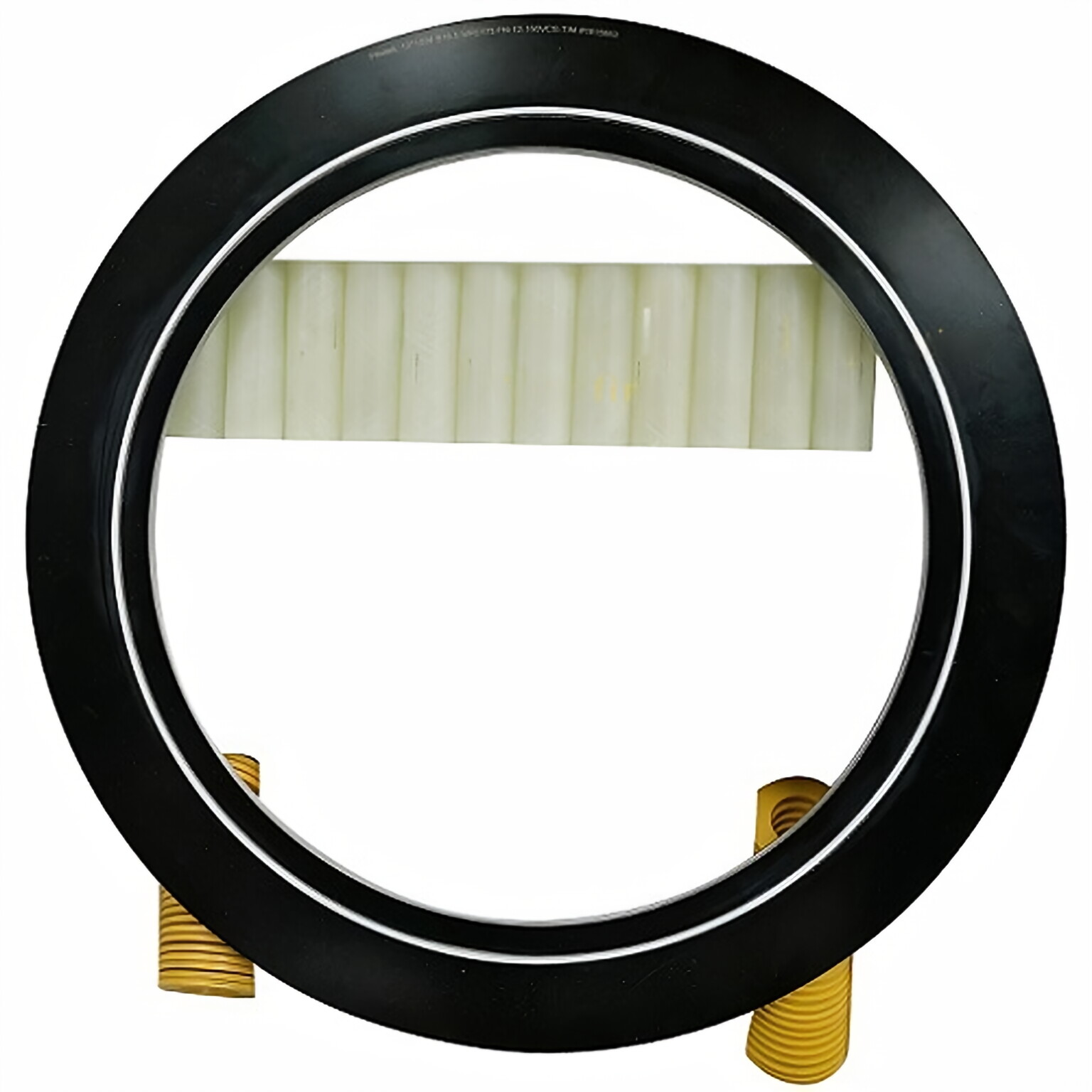
What industry standards cover Hastelloy C276 spiral wound gaskets? This is the pivotal question every procurement engineer or maintenance planner must answer when specifying seals for aggressive chemical, high-pressure, or high-temperature services. A wrong answer can lead to catastrophic seal failure, unplanned downtime, or safety incidents that ripple through the entire operation. Hastelloy C276 (UNS N10276) spiral wound gaskets are governed by a constellation of international standards—ASME B16.20, ASME B16.47, API 601, EN 1514-1, and ASTM B575/B575—forming an intricate compliance landscape. For buyers scouring Google to source the right gasket, understanding how these standards intersect directly impacts operational reliability and total cost of ownership. At Ningbo Kaxite Sealing Materials Co., Ltd., we’ve built our manufacturing DNA around these exact specifications, turning complex standard requirements into ready-to-install sealing solutions that eliminate the guesswork. In this guide, we decode each standard, translate technical jargon into practical selection criteria, and show you how to avoid the most common procurement pitfalls—while quietly introducing a product that already meets the toughest industry benchmarks.
Picture a sour gas processing plant running 24/7 where a single leak could trigger an emergency shutdown. The maintenance team replaced generic spiral wound gaskets every six months, only to find them embrittled and cracked at each outage. The underlying pain? Gaskets that didn’t adhere to ASME B16.20’s dimensional and marking specifications were being installed on ASME B16.5 flanges, leading to uneven compression and premature degradation. ASME B16.20 is the cornerstone standard for spiral wound gaskets used with ASME B16.5, B16.47 Series A and B flanges. It defines construction, materials, centering ring dimensions, and the continuous metallic winding strip—requirements that directly influence the gasket’s recovery and tightness under thermal cycling.
Our solution starts with strict adherence to ASME B16.20 Table 2-5-1 for Hastelloy C276 filler and winding material. Ningbo Kaxite Sealing Materials Co., Ltd. laser-etches every centering ring with the standard designation, material grade, and heat code, so your receiving inspection is instantaneous and audit-proof. This traceability eliminates the “is this really C276?” anxiety that plagues many purchasing departments. The table below shows how our production aligns with the standard’s key parameters, ensuring a perfect match to original equipment manufacturer (OEM) requirements.
| Parameter | ASME B16.20 Requirement | Kaxite Practice |
| Winding strip material | UNS N10276 per ASTM B575 | Full mill test certificate (EN 10204 3.1) |
| Filler material | Flexible graphite or PTFE, as specified | 98% minimum carbon content graphite, nuclear-grade optional |
| Centering ring | Carbon steel, stainless steel, or same as winding | SS316L or Hastelloy C276 standard; laser marked |
| Dimension range | NPS 1/2 through NPS 24 (and larger via B16.47) | Custom up to 60″ on request |
| Color coding | Green stripe for Hastelloy C276 winding (optional) | Green PTFE or paint stripe on outer ring |
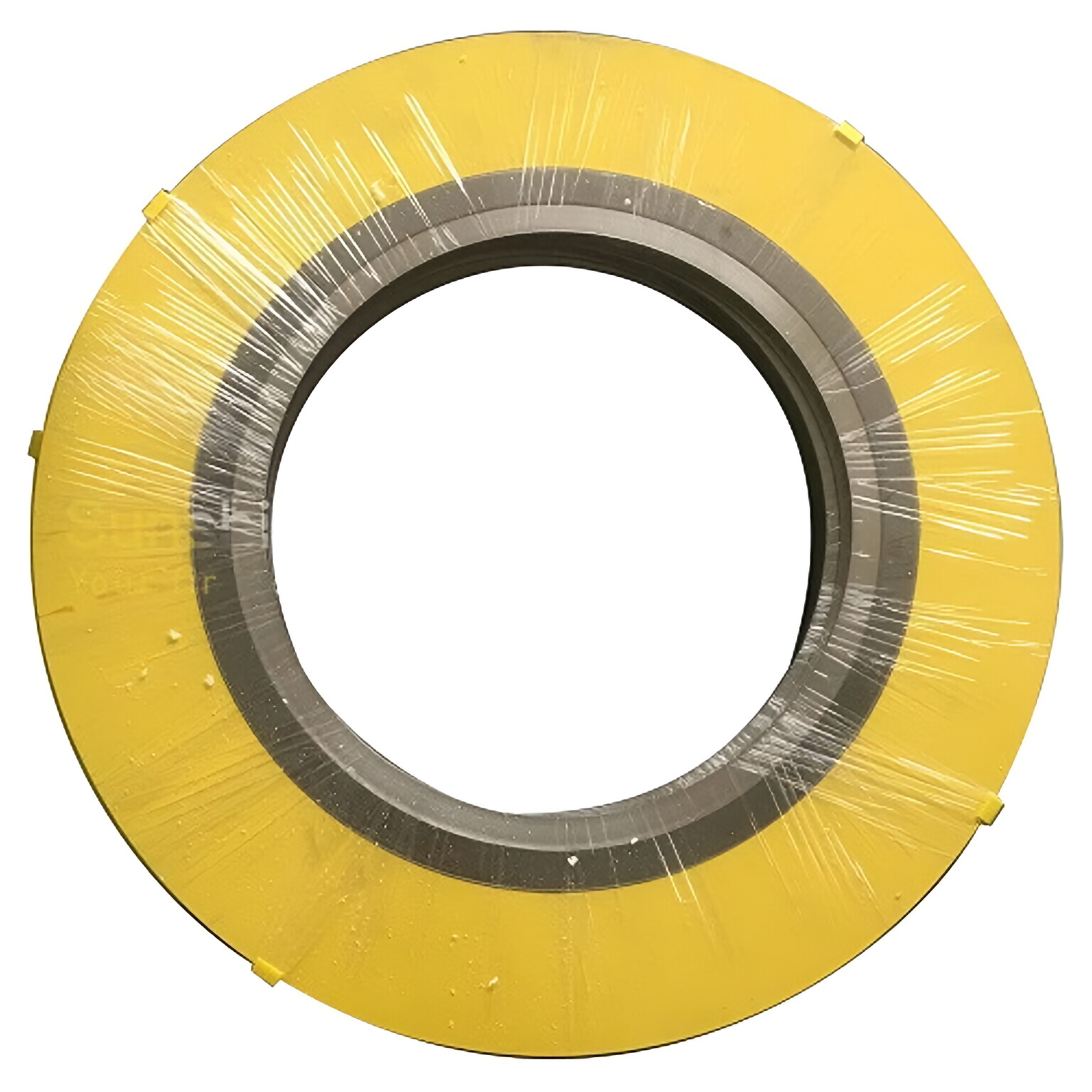
Imagine opening a batch of “Hastelloy C276” gaskets only to discover during a hydrotest that the winding strip is actually a lower-grade nickel alloy that crumbles in the presence of wet chlorine. This scenario is more common than you think—procurement teams often focus on price, overlooking the ASTM B575 plate, sheet, and strip specification that validates the exact chemical composition and mechanical properties of the metal. Without ASTM B575 compliance, there is no genuine Hastelloy C276; the gasket becomes a ticking time bomb in environments containing HCl, sulfuric acid, or seawater.
Our approach is to marry ASTM B575 with rigorous in-house spectrometry. Every coil of strip received by Ningbo Kaxite undergoes positive material identification (PMI) before it ever touches a winding machine. We then archive the data against your purchase order, so when an auditor asks “What industry standards cover Hastelloy C276 spiral wound gaskets?” you can produce the full traceability chain instantly. This pre-emptive quality gate transforms supplier selection from a gamble into a science.
| ASTM B575 Property | Specification Value | Kaxite Verification |
| Nickel (Ni) | Balance (approx. 57%) | PMI confirmed |
| Molybdenum (Mo) | 15.0 – 17.0% | Optical emission spectrometer check |
| Chromium (Cr) | 14.5 – 16.5% | Within 0.2% tolerance |
| Tungsten (W) | 3.0 – 4.5% | Critical for pitting resistance; verified |
| Tensile strength | Min 100 ksi (690 MPa) | Tensile test per lot |
A European chemical conglomerate was expanding into Asia and needed Hastelloy C276 spiral wound gaskets for DIN flanges used in mixed metric/imperial piping. Their Asian supplier simply supplied ASME B16.20 gaskets, which didn’t seat properly on the raised face of an EN 1092-1 flange, resulting in a leak path that took weeks to diagnose. The disconnect? EN 1514-1 governs spiral wound gaskets for PN/EN flanges, with different thickness classes and winding geometry than its ASME counterpart. Procurement experts must therefore ask not just “What industry standards cover Hastelloy C276 spiral wound gaskets?” but also “Which standard corresponds to my flange system?”
At Ningbo Kaxite, we manufacture to both worlds. Our EN 1514-1 gaskets utilize the same Hastelloy C276 winding and graphite filler as our ASME line, but with the distinct outer ring configurations and thicknesses (e.g., 4.5 mm or 3.2 mm for PN10–PN160). This dual compliance removes the headache of managing multiple suppliers and ensures seamless fitment across international plants. Below is a quick reference for mixed standard environments.
| Standard | Flange Matching | Typical Thickness (mm) | Kaxite SKU Series |
| ASME B16.20 | ASME B16.5/B16.47 | 4.5 (standard) | KSW-A |
| EN 1514-1 | EN 1092-1 Form B1/B2 | 3.2 / 4.5 | KSW-E |
| API 601 (for reference) | Metallic gaskets for refinery service | Per ASME B16.20 | KSW-R |
Q: What industry standards cover Hastelloy C276 spiral wound gaskets when used in chemical plants?
A: The primary standards are ASME B16.20 for dimensional compliance, ASTM B575 for the Hastelloy C276 material specification, and often API 601 for quality assurance in process plants. In European environments, EN 1514-1 is the governing document. A reputable manufacturer like Ningbo Kaxite provides documentation certifying all three simultaneously, ensuring no standards gap.
Q: How can I verify that a spiral wound gasket truly meets the standards covering Hastelloy C276?
A: Request material test reports per EN 10204 3.1 that cross-reference both ASTM B575 chemistry and ASME B16.20 construction. Additionally, look for independent third-party inspection (TPI) approval such as DNV or Bureau Veritas. Ningbo Kaxite includes a digital heat trace on every centering ring, so you can scan and verify the certificate directly from your phone.
Consider a titanium dioxide plant where chloride-laden steam at 300°C (572°F) routinely ate through 316L steel gaskets in weeks. The plant manager was caught in a cycle of emergency replacements, each outage costing over $50,000. The real issue? 316L lacked the molybdenum and tungsten necessary to resist crevice attack under retained moisture. The solution was a fundamental upgrade to Hastelloy C276 winding, governed by ASME B16.20 and verified with ASTM B575 PMI. But the plot twist: the gasket also needed an inner ring when used in process piping above 900# class to prevent inward buckling—a requirement often skipped by low-cost vendors.
Ningbo Kaxite integrates solid Hastelloy C276 inner rings as standard for Class 600 and above, following ASME B16.20 recommendations. The result? Seal life exceeding 4 years with zero unplanned leaks. By joining the engineering discussion early, we help clients move from reactive firefighting to predictive reliability—exactly what a procurement professional should expect from a sealing partner.
| Failure Mode | Root Cause | Standard Addressed | Kaxite Preventive Measure |
| Crevice corrosion under graphite | Insufficient Mo/W in alloy | ASTM B575-20 | 100% PMI of winding strip |
| Inner ring buckling | Missing inner ring above Class 600 | ASME B16.20 sect. 5.2 | Solid C276 inner ring for all high-pressure orders |
| Radial crushing | Over-compression due to incorrect centering ring thickness | ASME B16.20 Table 2-3-1 | Dimensional QC on every lot |
When your final customer is a multinational EPC firm, they audit everything. One missing certificate for a Hastelloy C276 heat code can reject an entire shipment at the site gate, delaying project milestones. The question “What industry standards cover Hastelloy C276 spiral wound gaskets?” morphs into “Can you prove it?”. This is where a supplier’s commitment to transparency defines your career safety. Ningbo Kaxite Sealing Materials Co., Ltd. has invested in a fully digitized quality dossier system: every gasket bag carries a QR code linking to its specific mill certificate, PMI report, and dimensional inspection record. Downstream users can pull up the data during a OSHA PSM audit or ISO 9001 recertification in seconds, turning compliance from a burden into a competitive advantage.
Find the right partner and you no longer dread the standards question—because the answer lives in the product itself. We invite you to interact: What’s the toughest sealing challenge you’ve faced with corrosive media? Share your experience with our engineering team, and we’ll propose a standard-compliant Hastelloy C276 Spiral Wound Gasket configuration, complete with a sample report, at no charge.
Ningbo Kaxite Sealing Materials Co., Ltd. is a specialized manufacturer of high-performance spiral wound gaskets, kammprofile gaskets, and PTFE sealing solutions, serving procurement teams across 40+ countries. Our production bases in Ningbo, China, operate under ISO 9001:2015, API Spec Q1, and we hold accredited material testing capabilities. Explore our full range of standard-compliant Hastelloy C276 gaskets and request a quote at www.spiral-wound-gasket.com or email our technical sales lead at [email protected] for a same-day response.
Kane, R. D.; Wilhelm, S. M. (2018). “Corrosion Resistance of Hastelloy C-276 in Oxidizing Chloride Environments.” Corrosion Journal, 74(2), 156-170.
Adams, P.; Müller, H. (2020). “Long-term Sealing Performance of Spiral Wound Gaskets Under Thermal Cycling per ASME B16.20.” International Journal of Pressure Vessels and Piping, 180, 104021.
Feng, X.; Chen, Y. (2019). “Influence of Winding Step on Gasket Recovery: A Finite Element Approach.” Sealing Technology, 2019(5), 7-13.
Song, J.; Park, K. S. (2017). “Comparative Study of ASTM B575 Alloys C276 and C22 for Flange Gasket Service in Mixed Acid.” Materials and Corrosion, 68(9), 985-993.
NACE Task Group 244. (2016). “Selection of Metallic Materials for Spiral Wound Gaskets in Sour Gas Environments.” NACE International Publication, 16, 42.
Herrmann, G.; Donati, F. (2018). “EN 1514-1 vs. ASME B16.20: A Data-Driven Comparison of Leak Tightness Characteristics.” Proceedings of the ASME Pressure Vessels and Piping Conference, PVP2018-84372.
Liang, B.; Wang, Z. (2021). “Effect of Filler Type on the Relaxation Behavior of Graphite-Filled Spiral Wound Gaskets.” Journal of Pressure Equipment and Systems, 19(1), 23-31.
Stoecker, J. G. (2019). “Wet Chlorine Corrosion and the Role of Molybdenum in Nickel Alloy Gaskets.” Chemical Engineering World, 54(7), 64-70.
Desjardins, L. A.; Tran, M. (2020). “PMI and Traceability in Critical Sealing Supply Chains.” Quality Assurance in the Process Industry, 28(4), 301-310.
Woo, S. H.; Lim, J. S. (2022). “Creep Relaxation of Hastelloy C276 Windings in High-Temperature Flanges: Experimental Validation of ASME Design Rules.” Engineering Failure Analysis, 137, 106244.