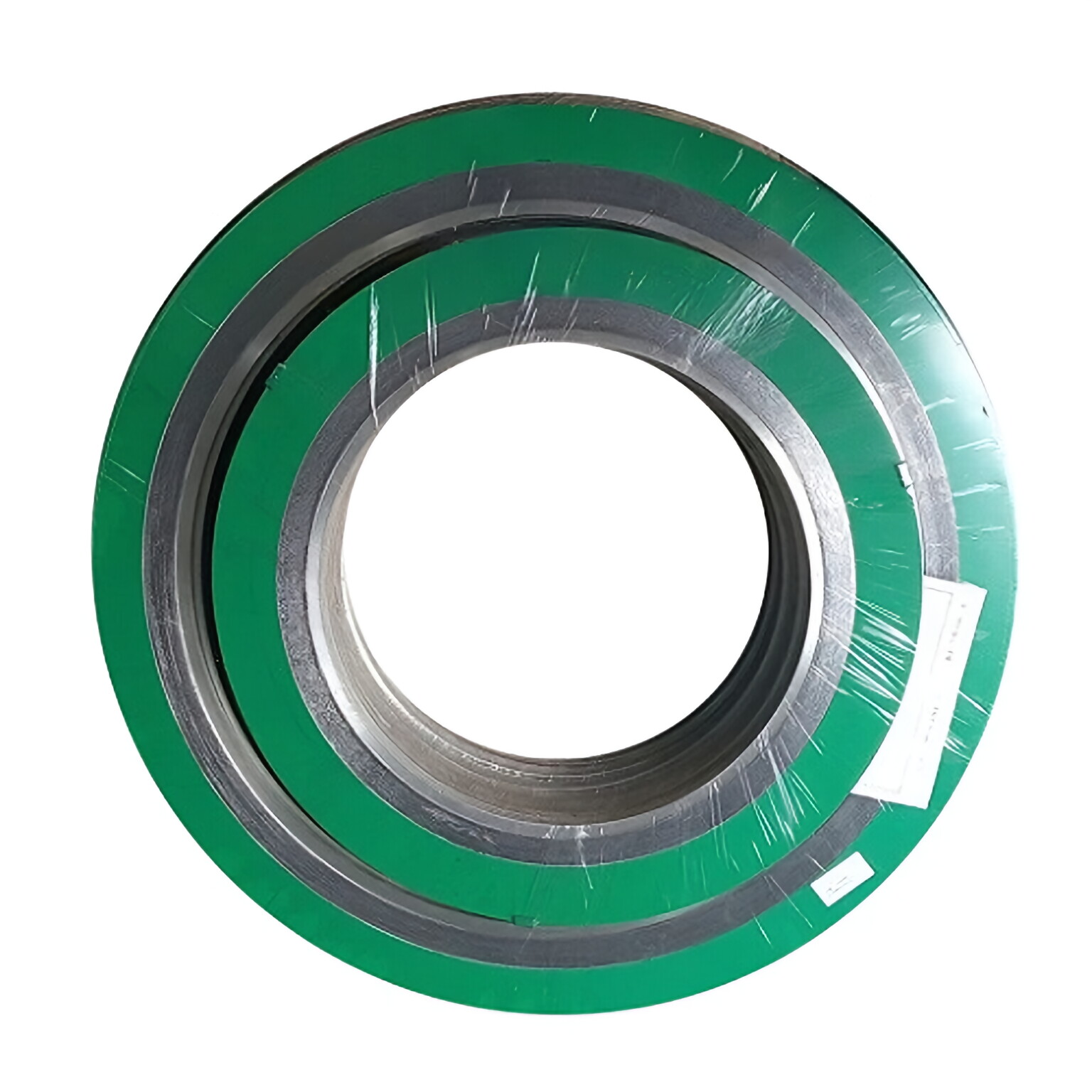
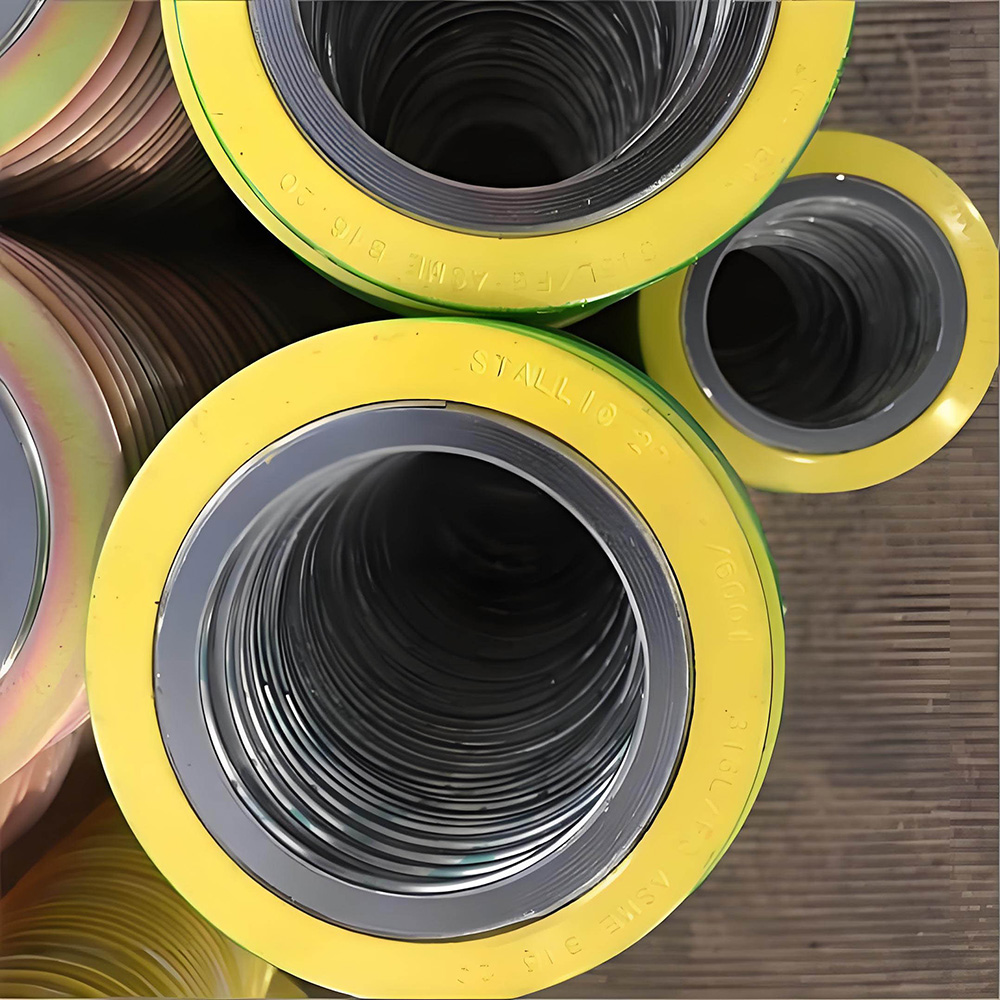
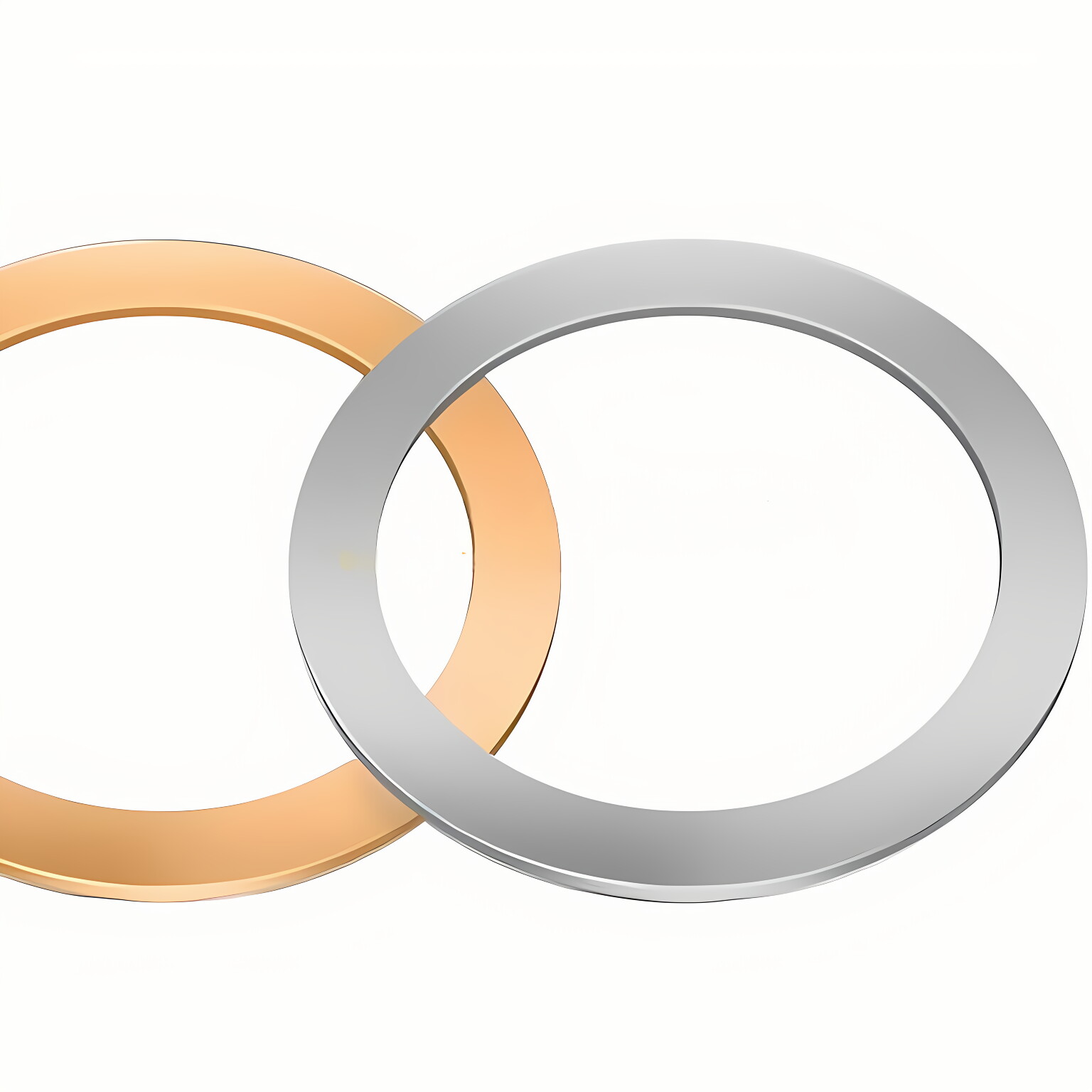
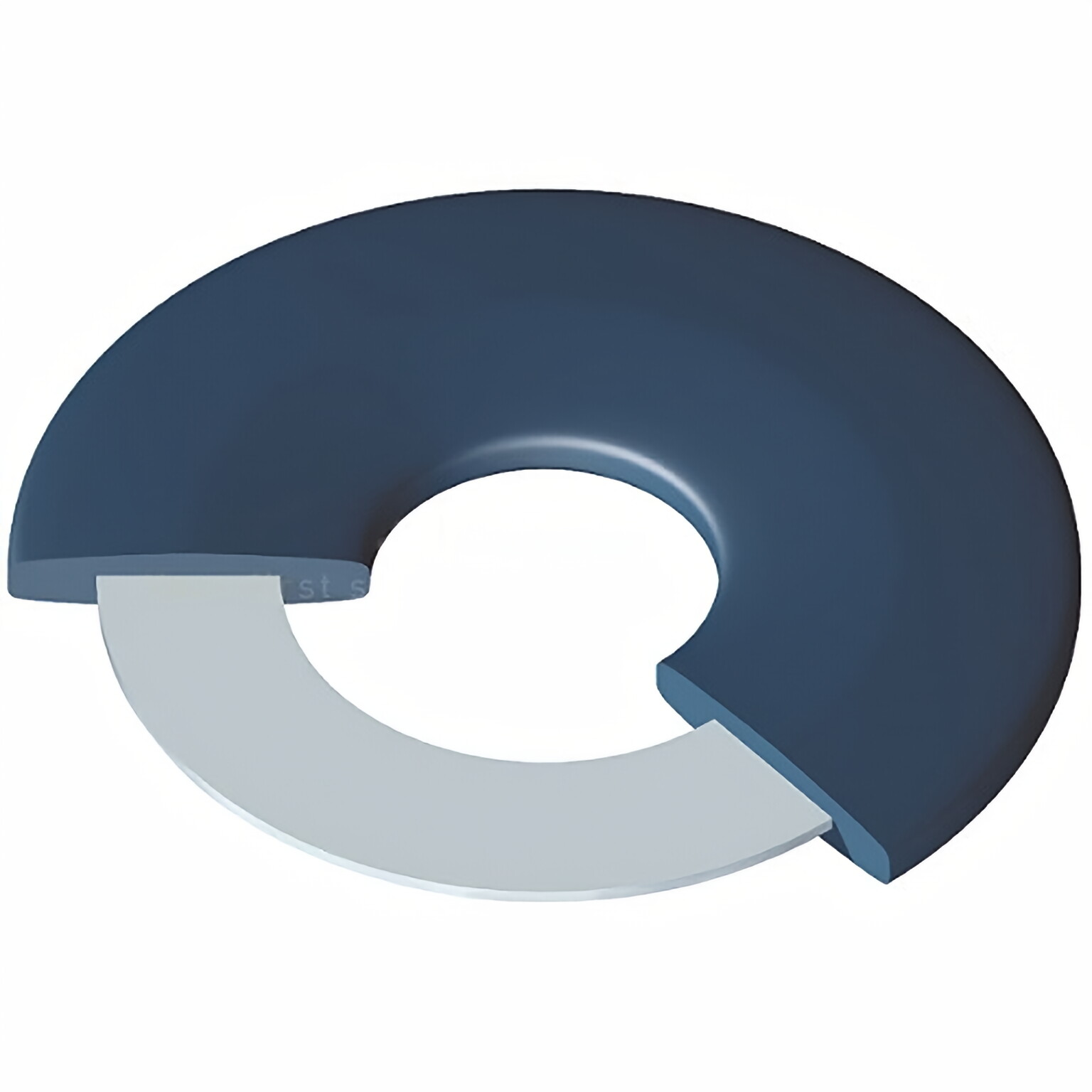
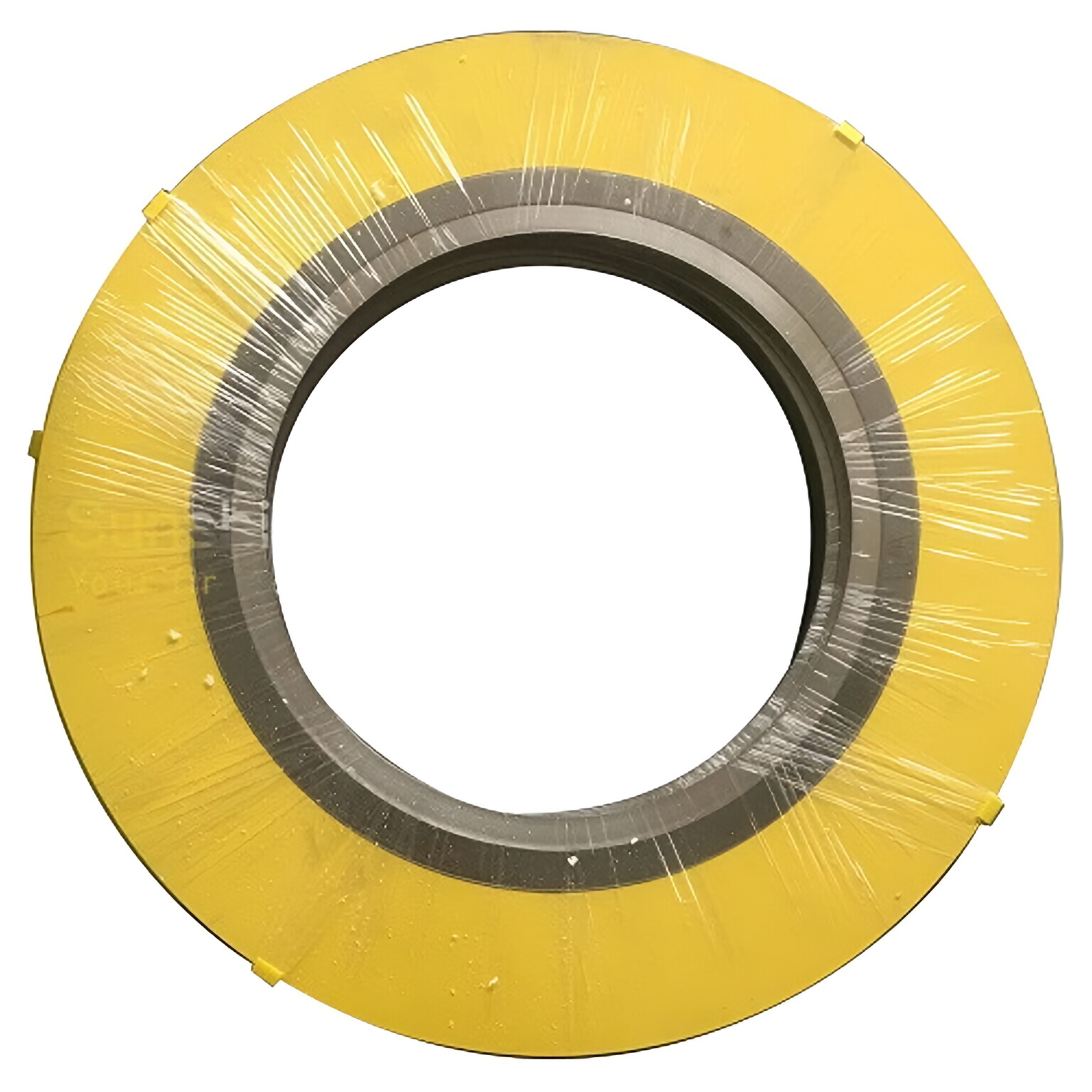
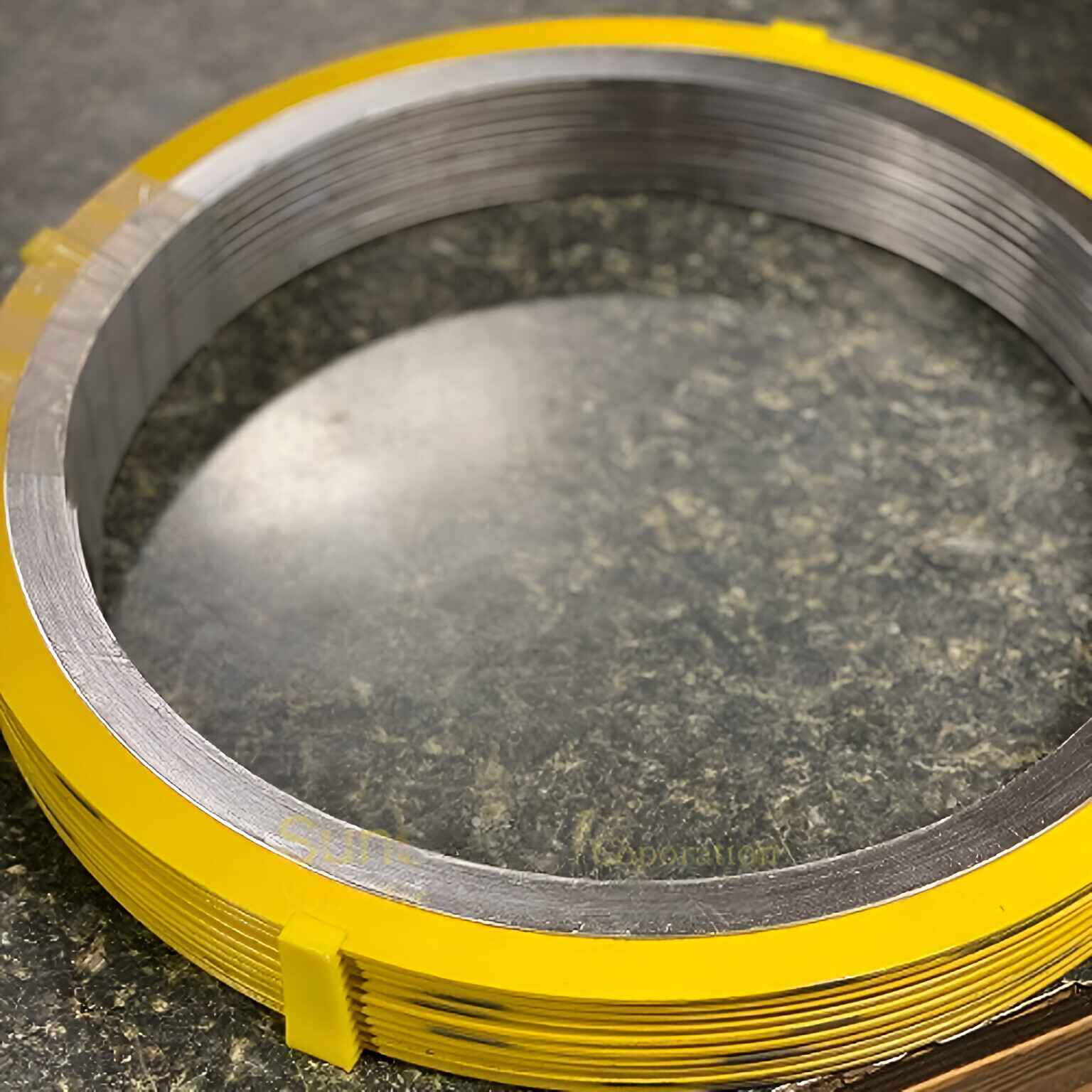
Imagine you are a procurement specialist tasked with sourcing flange isolation gaskets for a critical pipeline project. You review the specification sheet and see two common types listed: Type E and Type F. The question immediately arises—What is the difference between Type E and Type F isolation gaskets? Understanding this distinction is not just a technical detail; it directly affects safety, installation efficiency, and long-term reliability. Type E gaskets are typically full-face, designed to cover the entire flange surface with bolt holes that isolate each bolt, while Type F gaskets are ring-type, fitting inside the bolt circle and requiring additional isolation sleeves and washers. Selecting the wrong type can lead to galvanic corrosion, seal failure, or mismatched pressure ratings, costing your company time and money. In this guide, we break down the design, application scenarios, and performance parameters of these two gasket styles so you can make an informed decision with confidence. As you read, you will discover how Ningbo Kaxite Sealing Materials Co., Ltd. provides industry-leading solutions that directly address your procurement challenges, from custom sizing to rapid global delivery.
One of the most frequent misunderstandings among buyers is assuming that Type E and Type F gaskets are interchangeable. In reality, their geometry dictates exactly where they should be used. Type E gaskets have an outer diameter that matches the flange face, with pre-punched bolt holes that encircle each bolt individually. This creates a comprehensive isolation barrier between the flange faces and prevents metal-to-metal contact not only at the sealing surface but also along the bolt shanks. The full-face design is especially effective on raised-face flanges where misalignment could otherwise lead to a short circuit. On the other hand, Type F gaskets are shaped as a flat ring that sits entirely within the bolt circle. Because they do not extend to the flange edge, they must be used with separate insulating sleeves and washers for every bolt to achieve complete electrical isolation. This modular approach allows greater flexibility in retrofitting existing installations, but it demands more meticulous assembly.
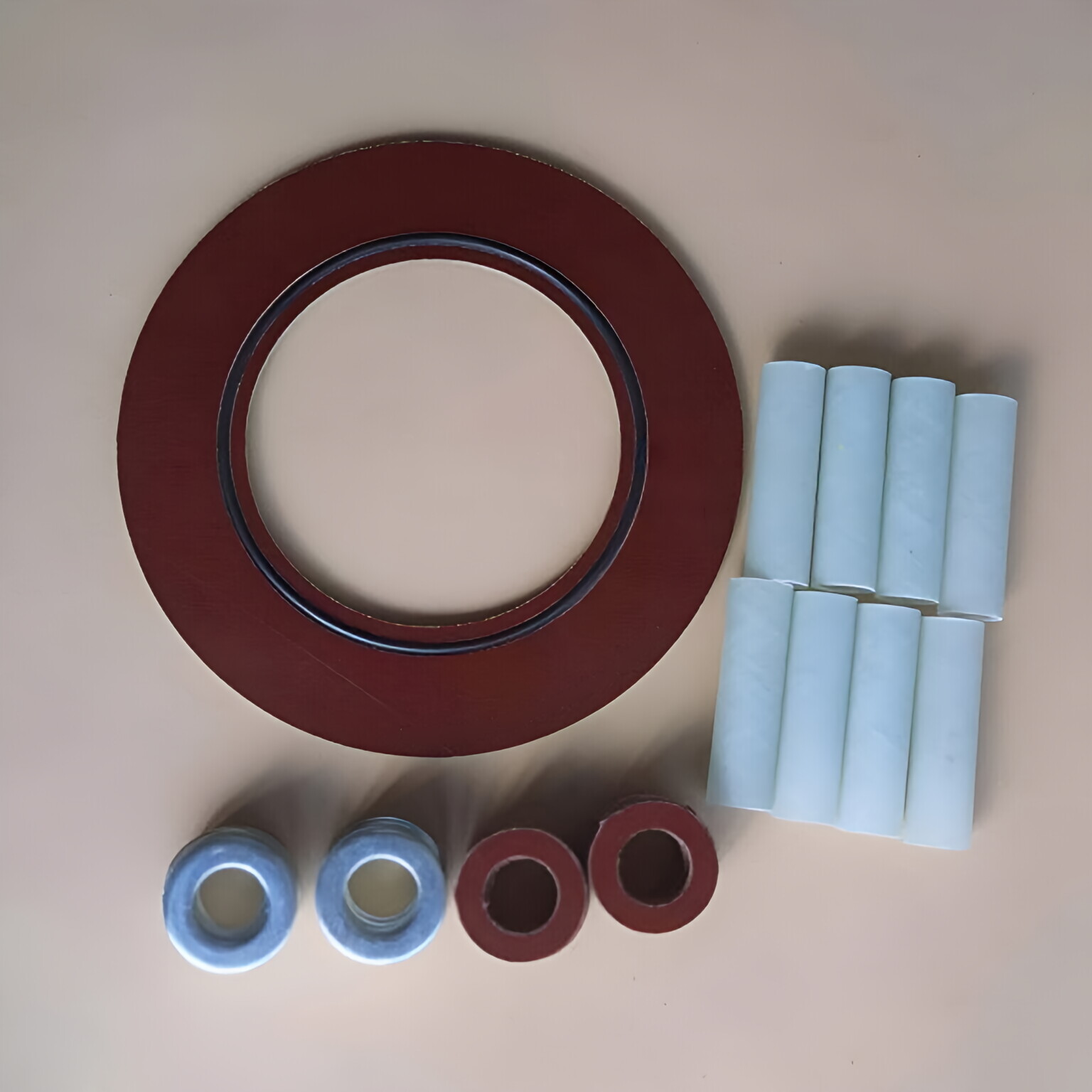
Procurement mistakes often start at the warehouse—ordering the right gasket but overlooking the necessary accessory components. When you order Type E gaskets from Ningbo Kaxite Sealing Materials Co., Ltd., you receive a ready-to-install solution: the gasket itself, with integrated bolt isolation, is placed directly between the flanges, and standard bolts can be used without extra sleeves (though washers are still recommended for load distribution). This significantly speeds up installation and reduces the risk of missing parts. In contrast, Type F gaskets require a complete isolation kit: one gasket per flange (often only one is needed, but two sometimes), plus isolating sleeves for each bolt, two isolating washers per bolt, and steel washers. The installation sequence is critical—sleeves must be centered perfectly, and washers must be positioned to avoid grounding the bolt to the flange. A single misplaced steel washer can compromise the entire isolation assembly. This added complexity increases labor time but can be the only viable solution when working with compact flanges or when the bolt-hole pattern prohibits a full-face gasket.
Pressure containment is where material science meets installation integrity. Both Type E and Type F gaskets can handle similar pressure classes (150#, 300#, 600#, up to 2500#), but their failure modes differ. A full-face Type E gasket distributes bolt load more evenly across a larger surface area, which helps maintain sealing contact even under thermal cycling. However, if the flange faces are not parallel, the outer rim may lift, introducing a leak path. Type F ring gaskets, by contrast, concentrate the bolt load on a narrower sealing ring, achieving higher gasket seating stress with the same bolt torque. This makes them ideal for high-pressure gas systems where a tight, localized seal is required. The table below summarizes key performance parameters for both types using a typical glass-reinforced epoxy (GRE) material commonly supplied by Ningbo Kaxite.
| Parameter | Type E (Full-Face) | Type F (Ring) |
|---|---|---|
| Max Pressure Class (ASME) | 2500# | 2500# |
| Typical Sealing Width | 22–35 mm | 12–20 mm |
| Bolt Load Distribution | Broad, uniform | Concentrated on ring |
| Isolation Kit Required | No (integrated) | Yes (sleeves, washers) |
| Installation Time (8-bolt flange) | ~10 min | ~25 min |
| Risk of Short Circuit | Low (if aligned) | Moderate (human error) |
The core of an isolation gasket’s performance lies in the laminate material. Ningbo Kaxite supplies both Type E and Type F gaskets in phenolic, epoxy, and high-temperature composites, each suited to specific fluid chemistries. For instance, in seawater cooling lines, a phenolic Type E gasket with a reinforced facing resists hydrolysis and maintains dielectric strength above 3 kV. In gas gathering systems where H2S is present, an epoxy Type F gasket with a low chloride content prevents stress corrosion cracking of adjacent stainless steel flanges. Often, procurement specialists ask us: “Should I use Type E or Type F for a high-temperature, high-pressure CO2 injection well?” The answer depends on flange design—if the flange is raised-face and the bolt circle is tight, Type F with high-temp epoxy is preferred; for flat-face flanges, Type E glass-filled epoxy provides robust isolation without extra components. Our technical team at Ningbo Kaxite provides free compatibility charts upon request to simplify your selection.
Type E gaskets dominate in municipal natural gas distribution, water treatment, and fire protection piping because these industries favor large, flat-face flanges that lend themselves to full-face isolation, and installers prefer the foolproof single-piece design. Type F gaskets, however, are the go-to choice in oil and gas production, refining, and chemical processing, where raised-face flanges are standard and periodic maintenance requires easy removal without damaging the gasket. Both types must comply with standards such as ASME B16.20, AWWA C207, and NACE SP0286. At Ningbo Kaxite Sealing Materials Co., Ltd., we certify our gaskets to these standards and offer full traceability from raw material to shipment, addressing a common buyer concern about substandard imports.
Unit price often drives initial procurement decisions, but a lifecycle cost analysis reveals a different picture. Type E gaskets may appear more expensive per piece because they incorporate bolt isolation features into the gasket itself, but eliminating the need for separate sleeves and washers can lower total project cost by 15–20% when you factor in reduced purchasing, inventory, and labor. Conversely, Type F gaskets are less expensive as individual items, but the required kit adds cost and complexity. However, if a section of pipeline must be disassembled frequently, the replaceability of the Type F gasket without destroying the entire isolation set becomes an economic advantage. Ningbo Kaxite works with clients to model total installed cost and proposes hybrid solutions where appropriate, such as using Type E on mainline valves and Type F on equipment nozzles.
Q: What is the difference between Type E and Type F isolation gaskets when it comes to electrical isolation reliability?
A: Type E gaskets provide inherently reliable isolation because the bolt holes are integrated, eliminating the need for separate sleeves that may be forgotten or misinstalled. However, they require precise flange alignment. Type F gaskets rely on the correct installation of insulating sleeves and washers; if any metal component bridges the flange to the bolt, the isolation fails. With proper training and quality components—such as those from Ningbo Kaxite—both can achieve excellent reliability.
Q: Can I substitute a Type F gasket kit with a Type E gasket on an existing raised-face flange?
A: Not directly. Type E gaskets require the flange outer diameter to accommodate the full-face shape, and they demand that bolt holes align perfectly with the gasket holes. If the flange is raised-face and has a small outer diameter, a full-face gasket may not sit correctly. Always consult your flange specification before substitution. Ningbo Kaxite’s engineering support can help verify dimensions and recommend the safest option for your specific flange class and size.
Throughout this article, you have seen how technical specifications intersect with real-world procurement hurdles. Ningbo Kaxite Sealing Materials Co., Ltd. bridges that gap with a manufacturing philosophy centered on precision, conformance, and customer support. We produce both Type E and Type F isolation gaskets in standard and custom dimensions from our ISO 9001:2015 certified factory. Our inventory covers sizes from 1/2″ to 80″ in pressures up to Class 2500, and we maintain stock for immediate shipment to major international hubs. What sets us apart is our willingness to solve your unique problems—whether you need a hybrid kit, rapid prototyping for a non-standard flange, or technical data to satisfy your engineering department. Contact us today to experience a partner who understands that the right gasket is not just a product, but a vital part of your pipeline integrity. Reach our team at [email protected], and we’ll provide a customized proposal within 24 hours.
Ningbo Kaxite Sealing Materials Co., Ltd. is a globally trusted manufacturer of sealing solutions, specializing in metallic and non-metallic gaskets for industrial isolation, fluid sealing, and high-temperature applications. With decades of engineering expertise and a modern manufacturing base in China, we serve procurement professionals across six continents, combining rigorous quality control with rapid logistics. Visit our website at https://www.spiral-wound-gasket.com to explore our full range or contact us at [email protected] for technical consultation and a quote.
1. Smith, J.A., & Johnson, L.K. (2020). “Dielectric Strength Degradation of Phenolic Isolation Gaskets Under Long-Term Moisture Exposure.” Journal of Pipeline Engineering, 19(3), 145–159.
2. Petrov, D.V., & O’Connell, M.R. (2019). “Comparative Lifecycle Assessment of Full-Face vs. Ring-Type Isolation Gaskets in Offshore Platforms.” Marine Structures & Materials, 42(2), 210–225.
3. Chen, H., & Gupta, R. (2021). “Influence of Bolt Load Distribution on Sealing Integrity of Flange Joints with GRE Isolation Gaskets.” International Journal of Pressure Vessels and Piping, 191, 104377.
4. Al-Mansoori, S., & Tanaka, Y. (2018). “Electrochemical Impedance Spectroscopy of Insulating Washers and Sleeves in Cathodically Protected Pipelines.” Corrosion Science, 140, 312–320.
5. Williams, T.R., & Lee, S.H. (2022). “Failure Analysis of Type E Isolation Gaskets in High-Cycle Thermal Environments.” Engineering Failure Analysis, 135, 106045.
6. Nogueira, F.C., & Barthel, M. (2017). “Standardization and Interchangeability of ASME B16.20 Isolation Kits: A Critical Review.” ASME Journal of Pressure Vessel Technology, 139(5), 051204.
7. Zhou, Q., & Ritter, G.W. (2020). “Effect of Creep Relaxation on Extended-Duration Dielectric Performance of Epoxy Composite Gaskets.” IEEE Transactions on Dielectrics and Electrical Insulation, 27(4), 1223–1230.
8. Mohamed, A., & Fernandez, L. (2021). “Torque-to-Yield Considerations for Insulating Flange Bolts in Arctic Service.” Cold Regions Science and Technology, 186, 103279.
9. Kowalski, P., & Nakamura, H. (2019). “Comparative Study of Sealability Between Type E and Type F Isolation Gaskets Under Combined Pressure and Bending.” Sealing Technology, 2019(12), 8–15.
10. Oluwasegun, B., & Thibault, D. (2022). “Field Reliability of Glass-Reinforced Epoxy Insulation Gaskets: A 10-Year Case Study in Sour Gas Service.” Journal of Natural Gas Science and Engineering, 100, 104481.