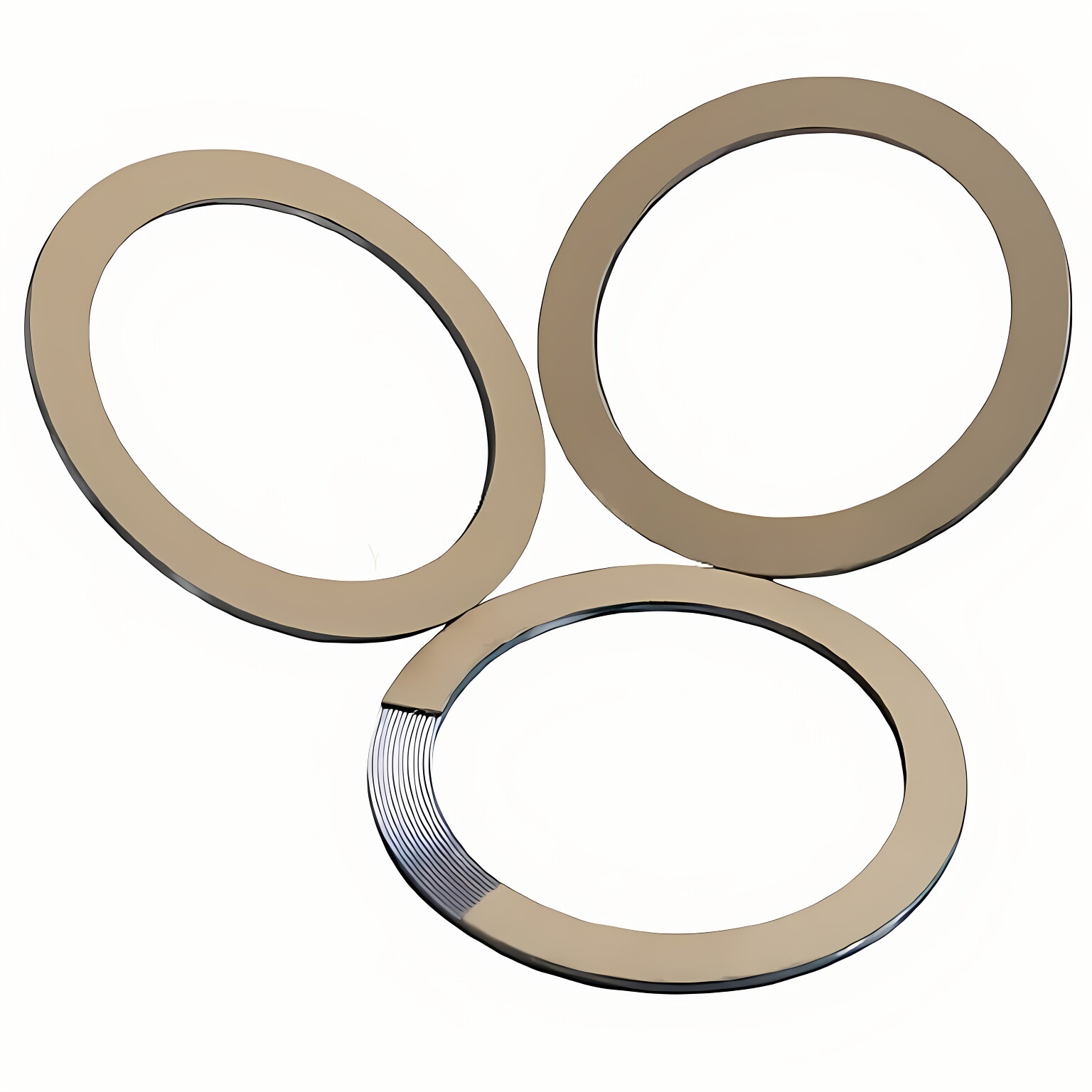
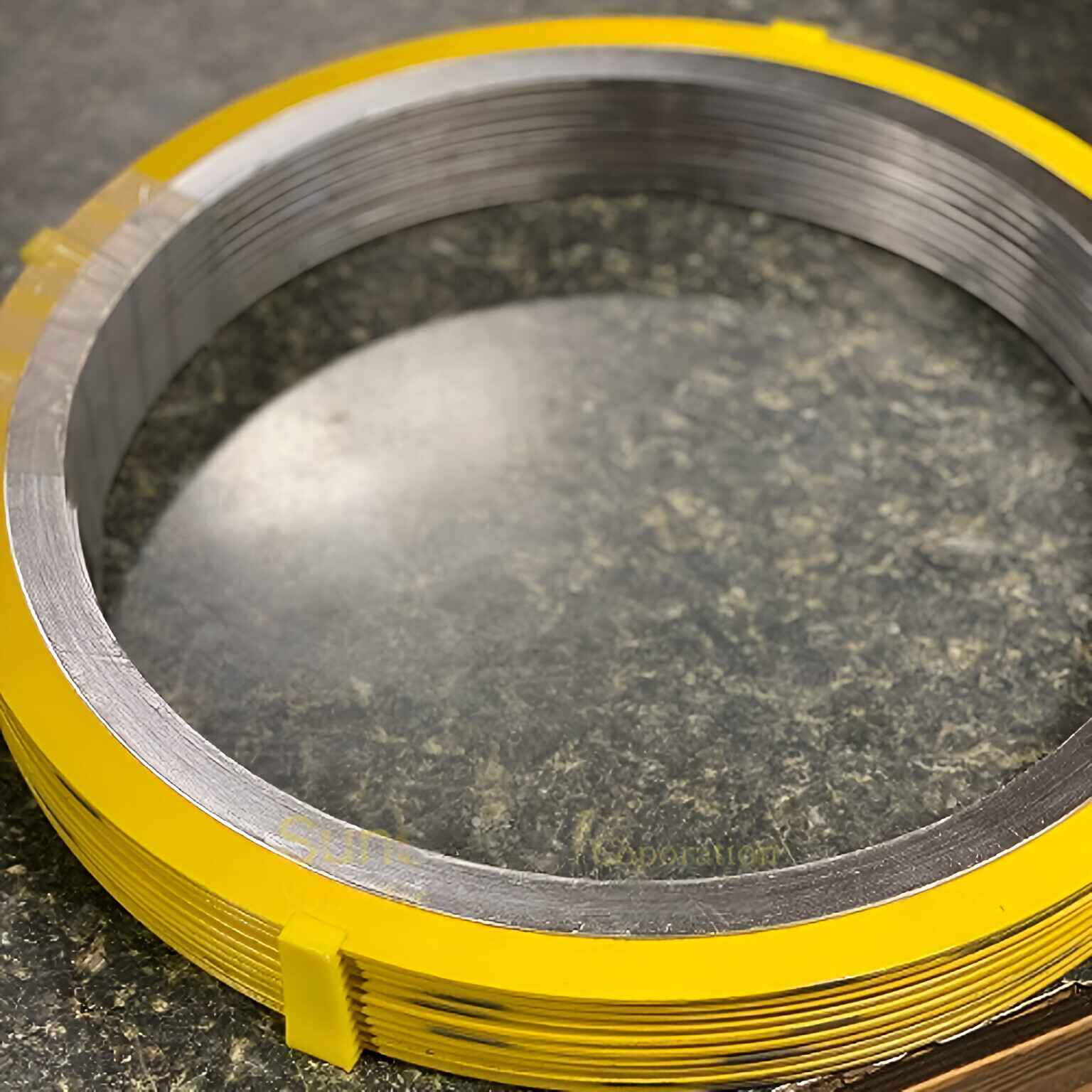
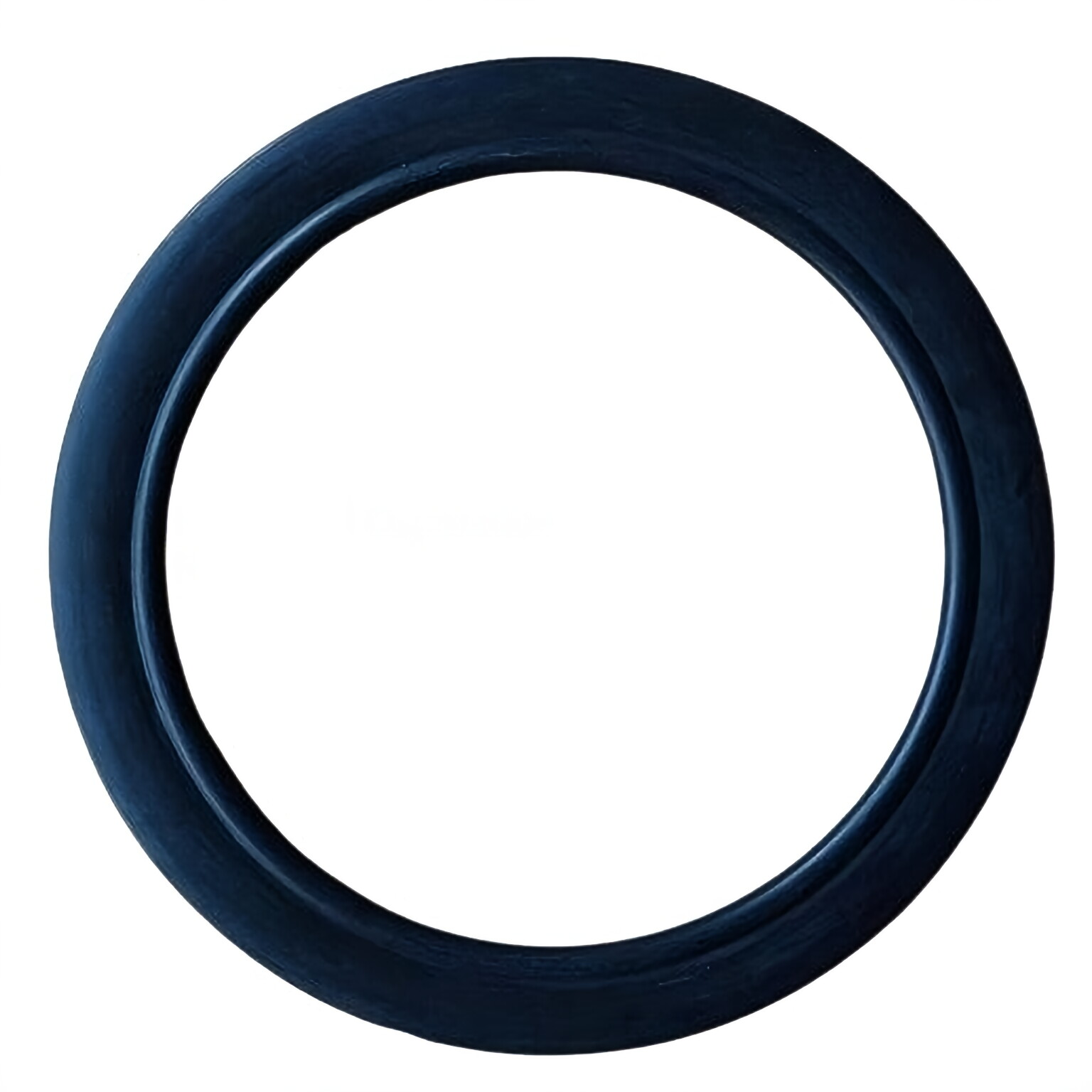
What are the environmental and safety considerations for using Hastelloy B3 Spiral Wound Gaskets? In demanding industrial environments, a failed gasket isn't just a maintenance issue—it can escalate into a catastrophic safety incident or a severe environmental violation. Hastelloy B3 spiral wound gaskets are engineered for extreme service, particularly in halogen acid, sulfuric acid, and phosphoric acid applications. Their exceptional resistance to hydrochloric acid at all concentrations and temperatures up to the boiling point makes them a critical safety component. However, proper selection and understanding of their operational limits are paramount to prevent toxic leaks, unplanned downtime, and costly environmental remediation. This guide will navigate the key environmental and safety factors to ensure your sealing solutions are reliable, compliant, and cost-effective.
Article Outline
1. The Critical Link: Chemical Resistance & Plant Safety
2. Ensuring Operational Stability Under Temperature & Pressure Extremes
3. Frequently Asked Questions (FAQ)
4. Conclusion & Partnering for Safer Operations
Imagine a scenario in a chemical processing plant: a pump handling hot hydrochloric acid begins to show signs of a minor leak at a flange connection. With a standard gasket, this small leak can rapidly corrode the sealing element, leading to a major release of toxic fumes, forcing an emergency shutdown, triggering environmental alarms, and risking worker exposure. The primary safety consideration for any gasket in such services is its absolute resistance to the process media.
Hastelloy B3 offers a solution through its superior corrosion resistance, especially in reducing environments. Its high nickel and molybdenum content, with low iron and chromium, provides outstanding performance against hydrochloric acid, sulfuric acid, and phosphoric acid across a wide range of concentrations and temperatures. This intrinsic material property is the first and most crucial line of defense against environmental contamination and personnel safety hazards. For procurement specialists, specifying Hastelloy B3 is not just about material cost; it's an investment in operational integrity and regulatory compliance.
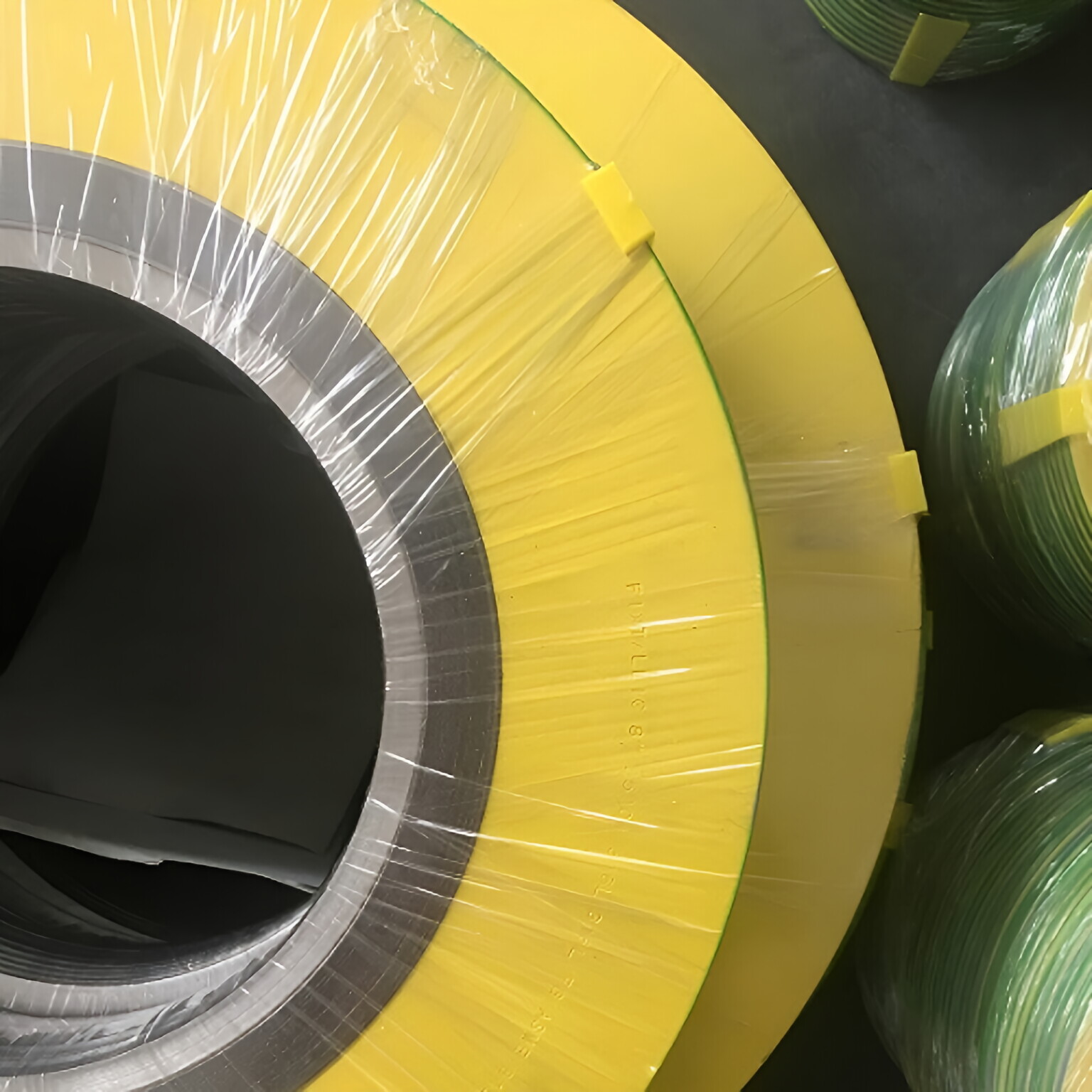
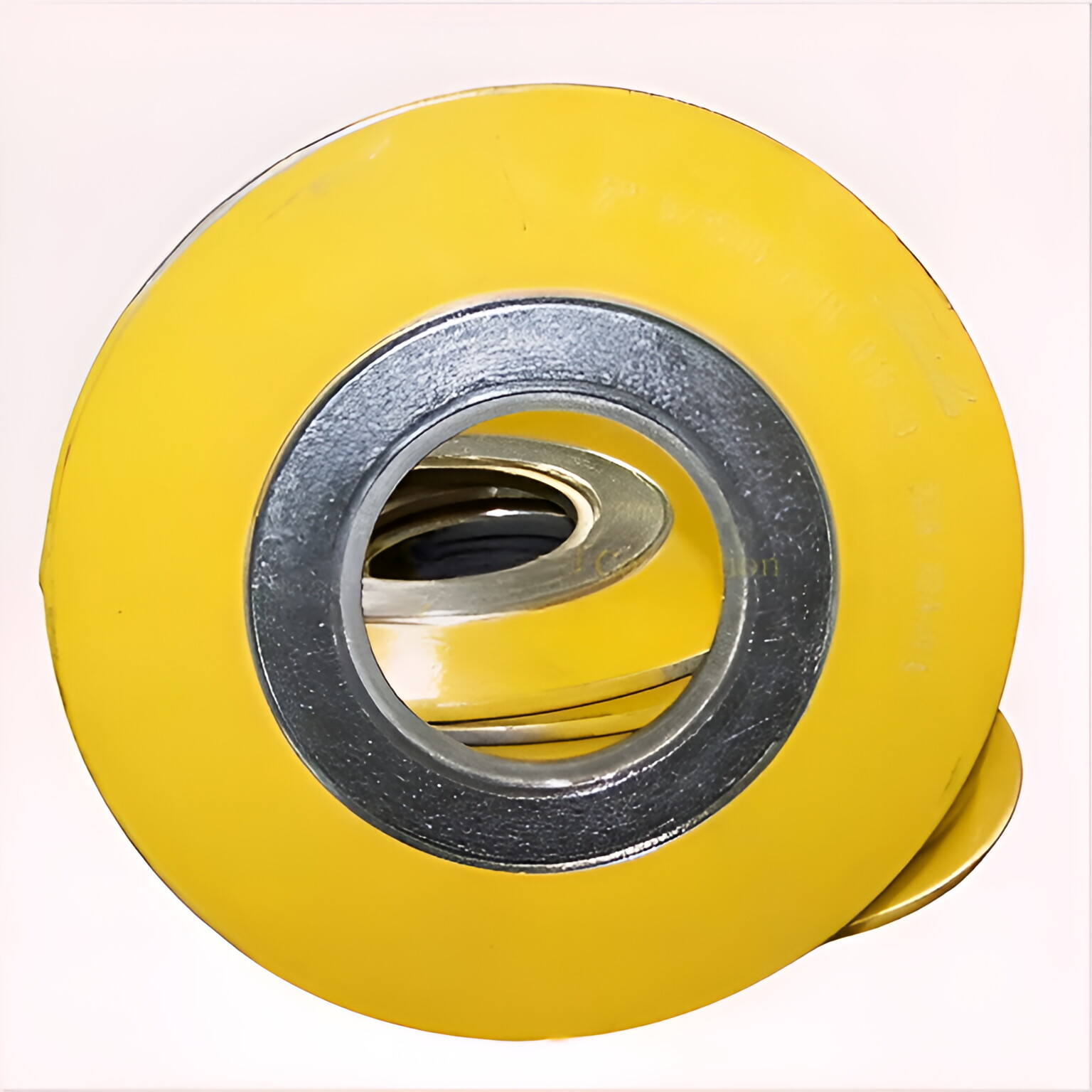
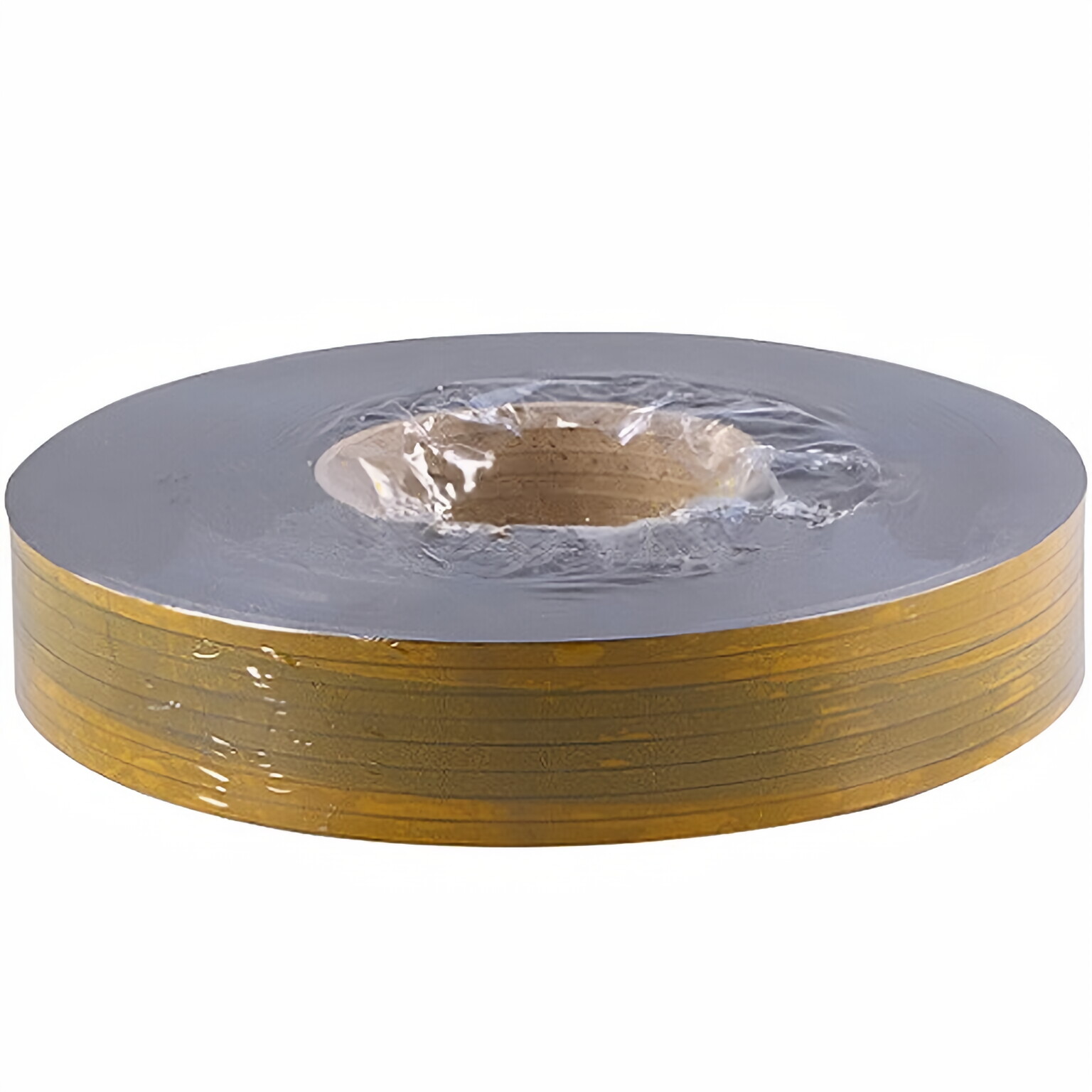
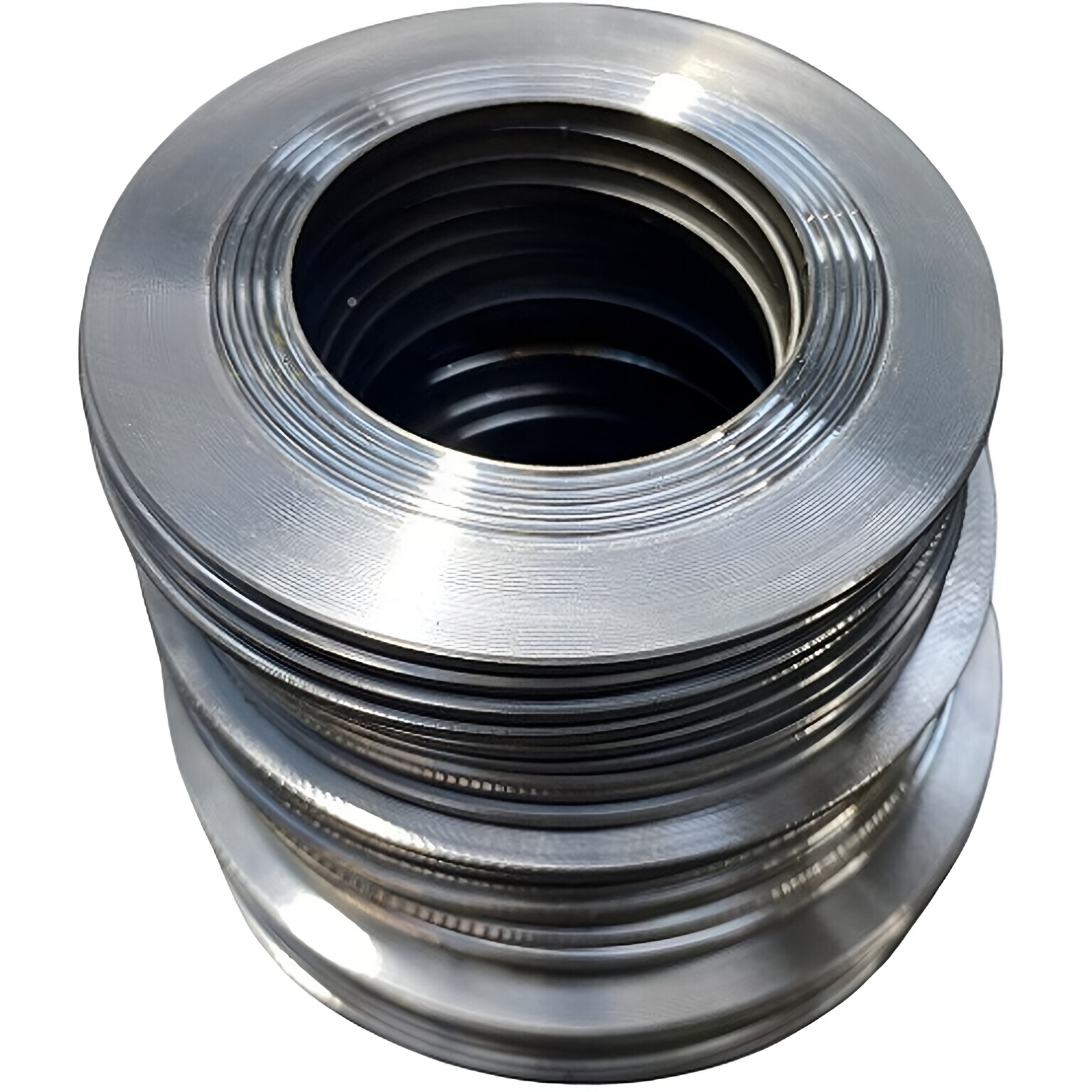
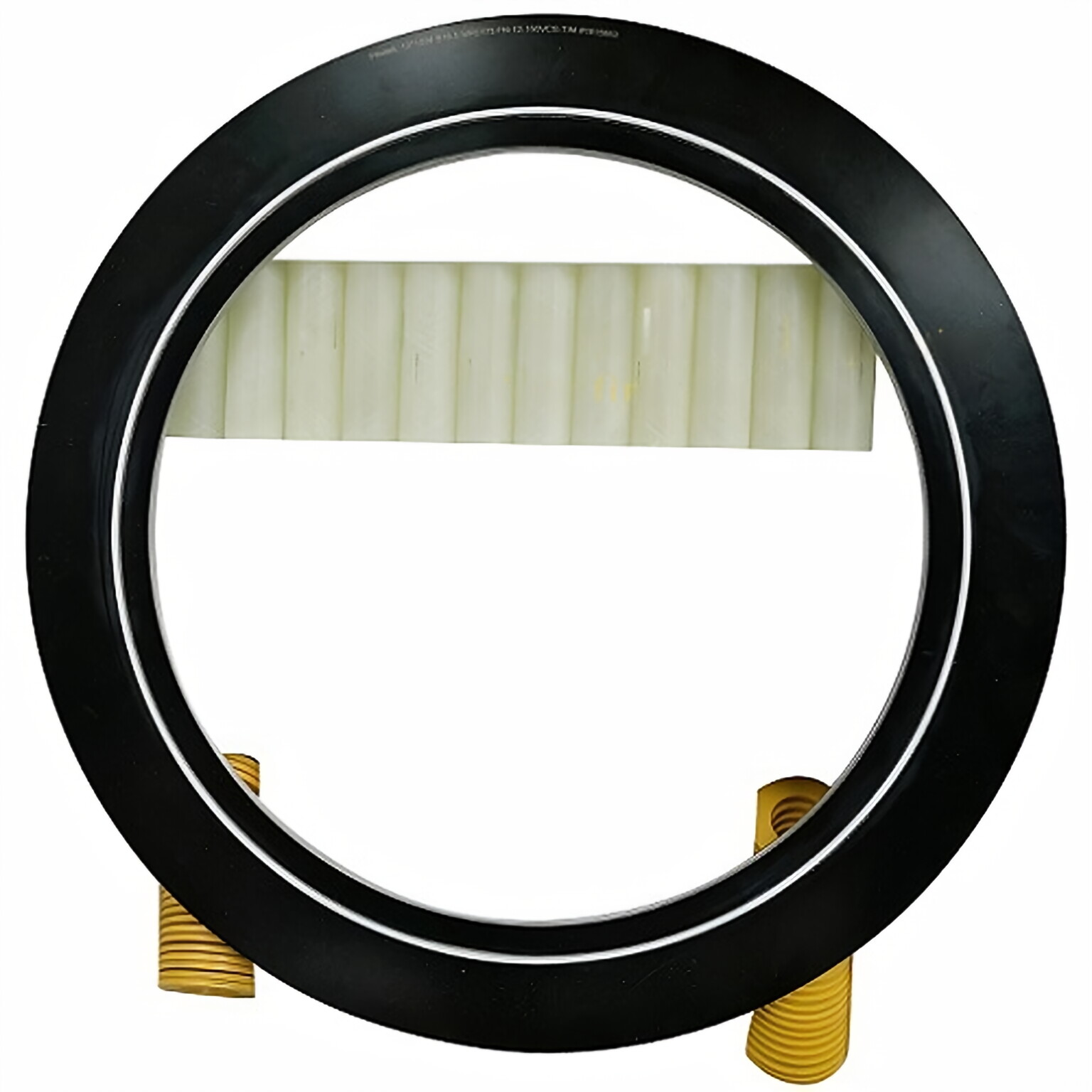
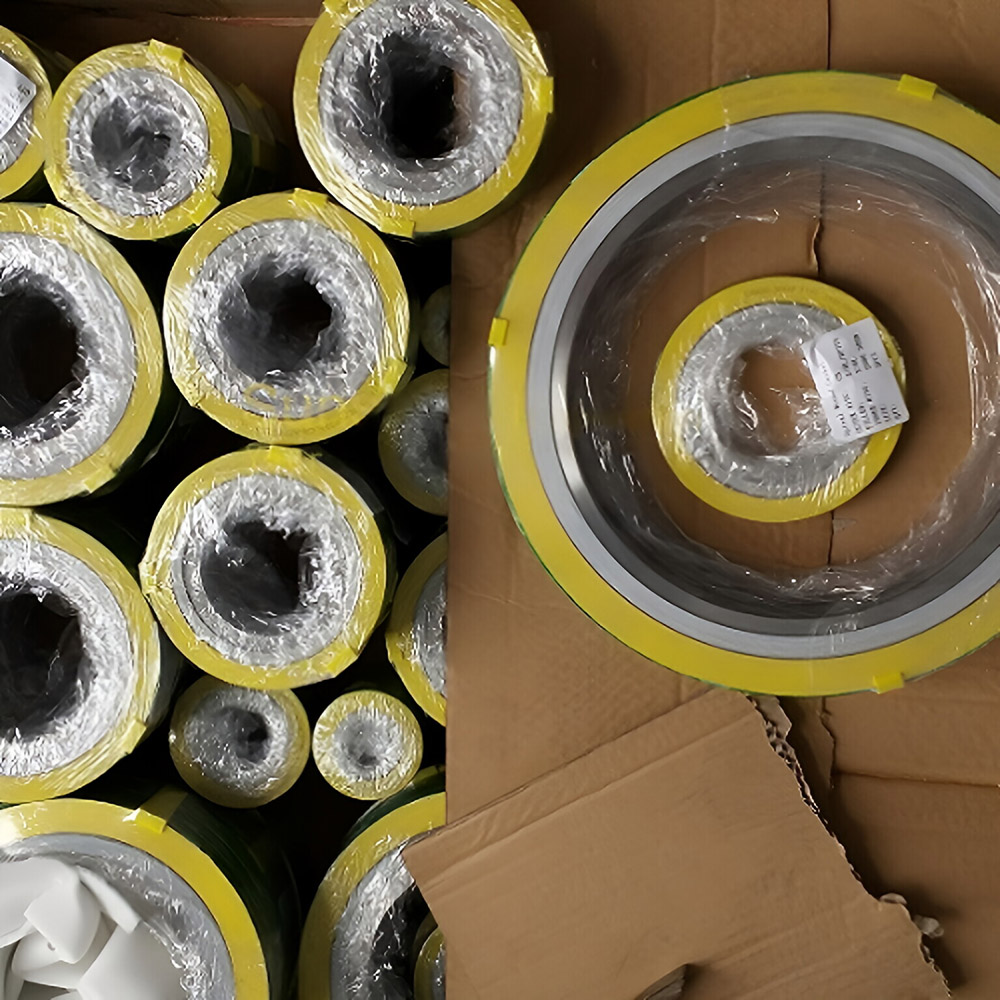
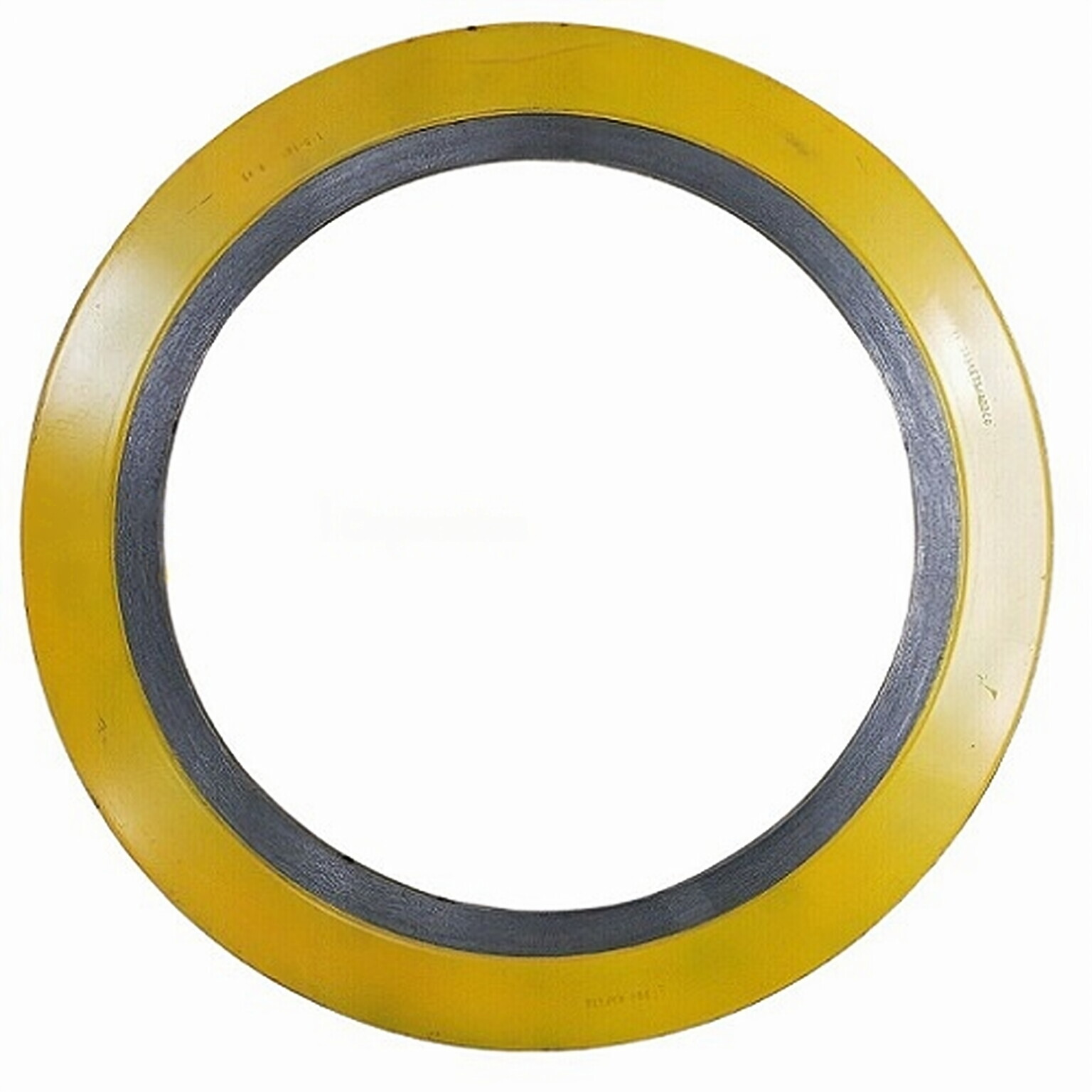
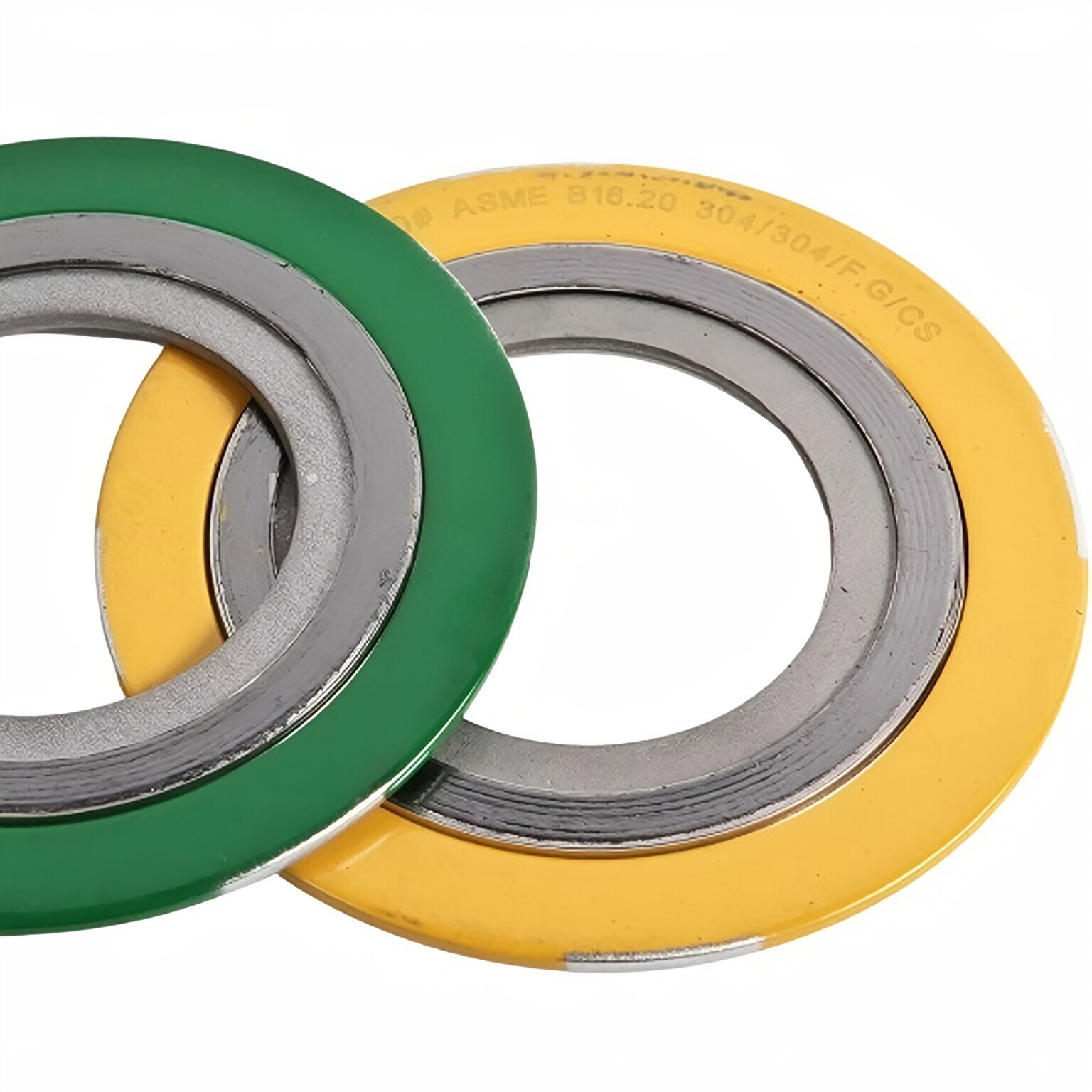
When evaluating gaskets for aggressive service, the spiral wound design adds another layer of safety. The alternating layers of Hastelloy B3 metal windings and a soft filler material (like PTFE or flexible graphite) create a resilient seal that accommodates flange rotation and uneven bolt loading better than solid metal gaskets. This mechanical adaptability helps maintain seal integrity under dynamic operating conditions, preventing the initiation of a leak. Partnering with a knowledgeable manufacturer like Ningbo Kaxite Sealing Materials Co., Ltd. is essential. They don't just supply a part; they provide a sealing system analysis to ensure the gasket configuration—including wind density, filler type, and inner/outer ring specifications—is perfectly matched to your specific chemical and pressure profile, thereby mitigating risk at the design stage.
| Key Parameter | Hastelloy B3 Advantage for Safety/Environment |
|---|---|
| Primary Corrosion Resistance | Excellent in HCl, H2SO4, H3PO4; prevents toxic media release. |
| Critical Temperature Range | Performs in most acid services up to boiling point, ensuring stability during process upsets. |
| Filler Material Options | PTFE (for purity) or Flexible Graphite (for high temp); chosen to resist specific media absorption/swelling. |
| Sealing Stress Profile | Spiral wound design requires lower bolt load to seal effectively, reducing flange stress and potential for joint failure. |
A common but often overlooked safety pitfall occurs during plant startups, shutdowns, or process transients. Rapid temperature changes (thermal cycling) can cause flanges to expand and contract at different rates, breaking the seal of an inflexible gasket. Similarly, unexpected pressure surges can blow out a gasket not designed for such dynamics. These events don't just cause leaks; they can lead to joint blowouts, fire hazards in hydrocarbon service, or the release of large volumes of process fluid.
The spiral wound construction of Hastelloy B3 gaskets provides the inherent flexibility and resilience to handle these real-world fluctuations. The gasket acts like a spring, compensating for the movement between flanges without losing its sealing force. This "spring-back" characteristic is a vital safety feature, maintaining containment during system upsets that would cause other gasket types to fail. For global procurement managers, this translates to fewer emergency purchase orders, reduced unscheduled downtime, and a stronger record of safety and environmental performance for the facilities they supply.
Implementing a robust gasket management program is part of the solution. This involves not only selecting the right material but also ensuring correct installation through proper bolt torque procedures and using gaskets from a traceable, quality-assured source. Ningbo Kaxite Sealing Materials Co., Ltd. supports this need by providing complete material certification (MTC) and traceability for their Hastelloy B3 spiral wound gaskets. Their technical team can also advise on optimal gasket dimensions and stress calculations to ensure the seal performs reliably across the entire expected operational envelope, from cold standby to full operating temperature and pressure.
| Key Parameter | Hastelloy B3 Spiral Wound Gasket Performance |
|---|---|
| Compression & Recovery | High resilience accommodates thermal cycling and flange movement, preventing leak paths. |
| Pressure-Temperature Rating | Rated for ASME B16.20/B16.5; ensures suitability for defined service conditions. |
| Creep Relaxation Resistance | Good resistance to loss of sealing stress over time at high temperature, ensuring long-term seal integrity. |
| Quality & Traceability | Certified material origin and manufacturing process (per ISO 9001) are critical for safety-critical applications. |
Q1: What is the most critical environmental consideration when using a Hastelloy B3 spiral wound gasket in acid service?
A1: The most critical consideration is ensuring the gasket's filler material is compatible with the specific acid to prevent absorption, swelling, or degradation. An incompatible filler can compromise the seal, leading to leaks. For instance, with hydrofluoric acid, a PTFE filler is typically specified over graphite. A qualified supplier like Ningbo Kaxite Sealing Materials Co., Ltd. will review your process media to recommend the safest filler option, preventing environmental releases.
Q2: How does the safety performance of a spiral wound gasket compare to a solid metal gasket in high-vibration applications?
A2: Spiral wound gaskets are generally safer and more reliable in high-vibration or thermal cycling services. Their layered, spring-like structure can absorb vibration and accommodate flange movement without losing seal contact. A solid metal gasket (like a ring-type joint) is more rigid and can lose its seal if the flanges separate slightly due to vibration or thermal changes, creating a potential leak path. The resilience of the spiral wound design is a key safety feature for dynamic piping systems.
Ultimately, the environmental and safety considerations for Hastelloy B3 spiral wound gaskets revolve around proactive risk management. By understanding chemical compatibility, dynamic operating conditions, and the importance of quality and proper selection, you can transform a simple sealing component into a cornerstone of plant safety and environmental stewardship. The goal is to move beyond reactive maintenance to predictive, reliability-centered sealing strategies.
For over two decades, Ningbo Kaxite Sealing Materials Co., Ltd. has partnered with global industries to solve complex sealing challenges. Specializing in high-performance spiral wound gaskets, including those made from Hastelloy B3, we provide not just products but engineered sealing solutions backed by technical support and full traceability. Let us help you specify the safest, most reliable gasket for your critical applications. Visit our website at https://www.spiral-wound-gasket.com to explore our capabilities, or contact our technical sales team directly via email at [email protected] for a confidential consultation on your next project.
Supporting Research & Literature
Rebak, R. B., & Crook, P. (2000). Nickel Alloys for Corrosive Environments. Advanced Materials & Processes, 157(2), 37-42.
Singbeil, D., & Prescott, R. (2006). Gasket Selection for Aggressive Chemical Services. Chemical Engineering Progress, 102(7), 30-35.
Bhatt, H. (2012). Failure Analysis of Bolted Flange Connections in Process Piping. Journal of Pressure Vessel Technology, 134(4), 041801.
Parker, J. D., & Clarke, D. R. (2008). The Mechanics of Spiral Wound Gaskets and Their Sealing Performance. Sealing Technology, 2008(5), 7-12.
ASME Committee. (2017). ASME B16.20: Metallic Gaskets for Pipe Flanges – Ring-Joint, Spiral-Wound, and Jacketed. American Society of Mechanical Engineers.
Fontana, M. G., & Greene, N. D. (2018). Corrosion Engineering. McGraw-Hill Education.
Kumar, S., & Singh, R. (2015). Environmental and Safety Regulations Impacting Sealing Technology in the Chemical Industry. Process Safety and Environmental Protection, 93, 12-20.
NORSOK Standard M-710. (2014). Qualification of Non-Metallic Sealing Materials and Manufacturers. Standards Norway.
Bauer, F., & Schmidt, M. (2010). Long-Term Performance of High-Nickel Alloys in Reducing Acid Environments. Materials and Corrosion, 61(11), 923-930.
Pawar, S. S., & Patil, A. B. (2019). A Review on Failure Analysis of Gaskets in Static Seals. Engineering Failure Analysis, 106, 104176.