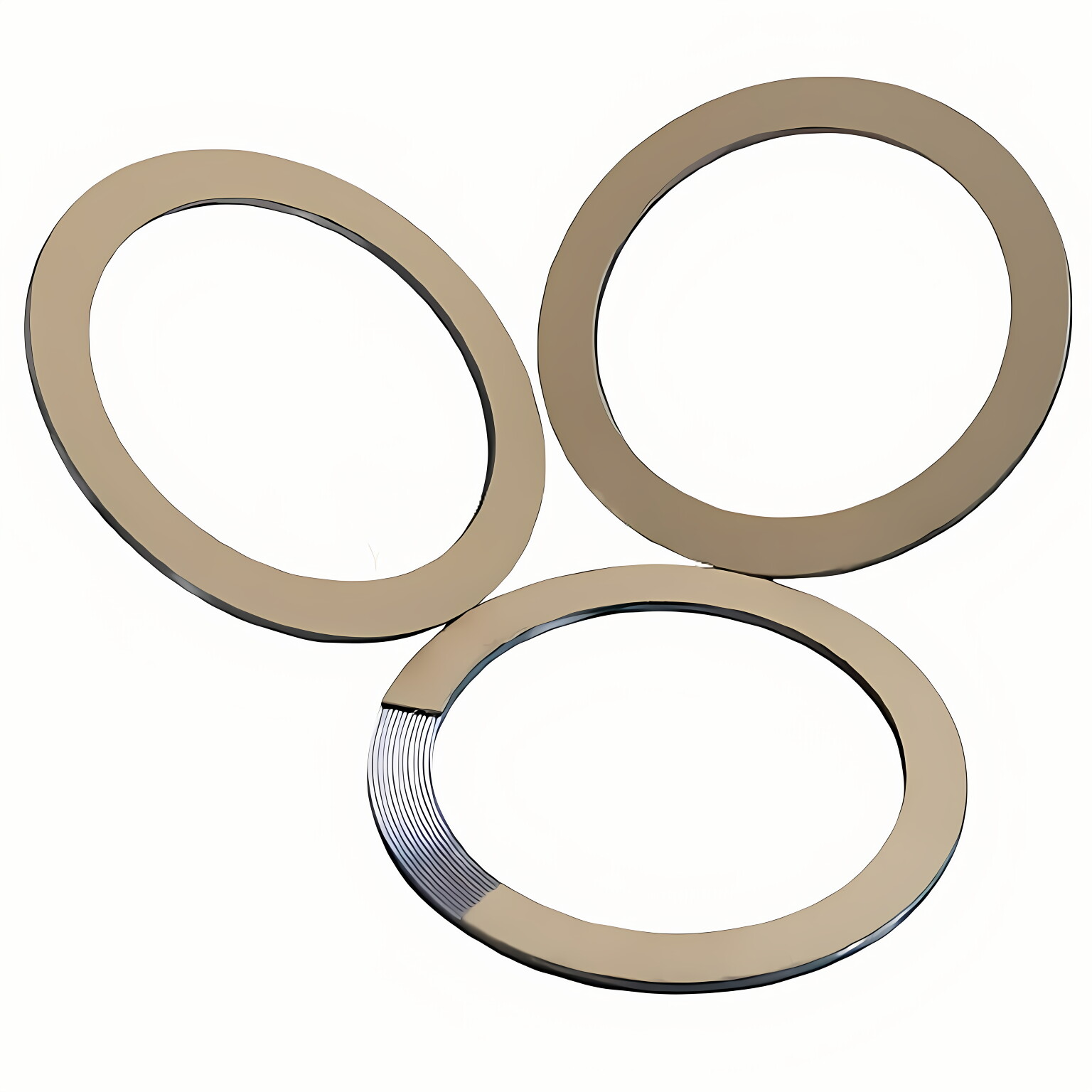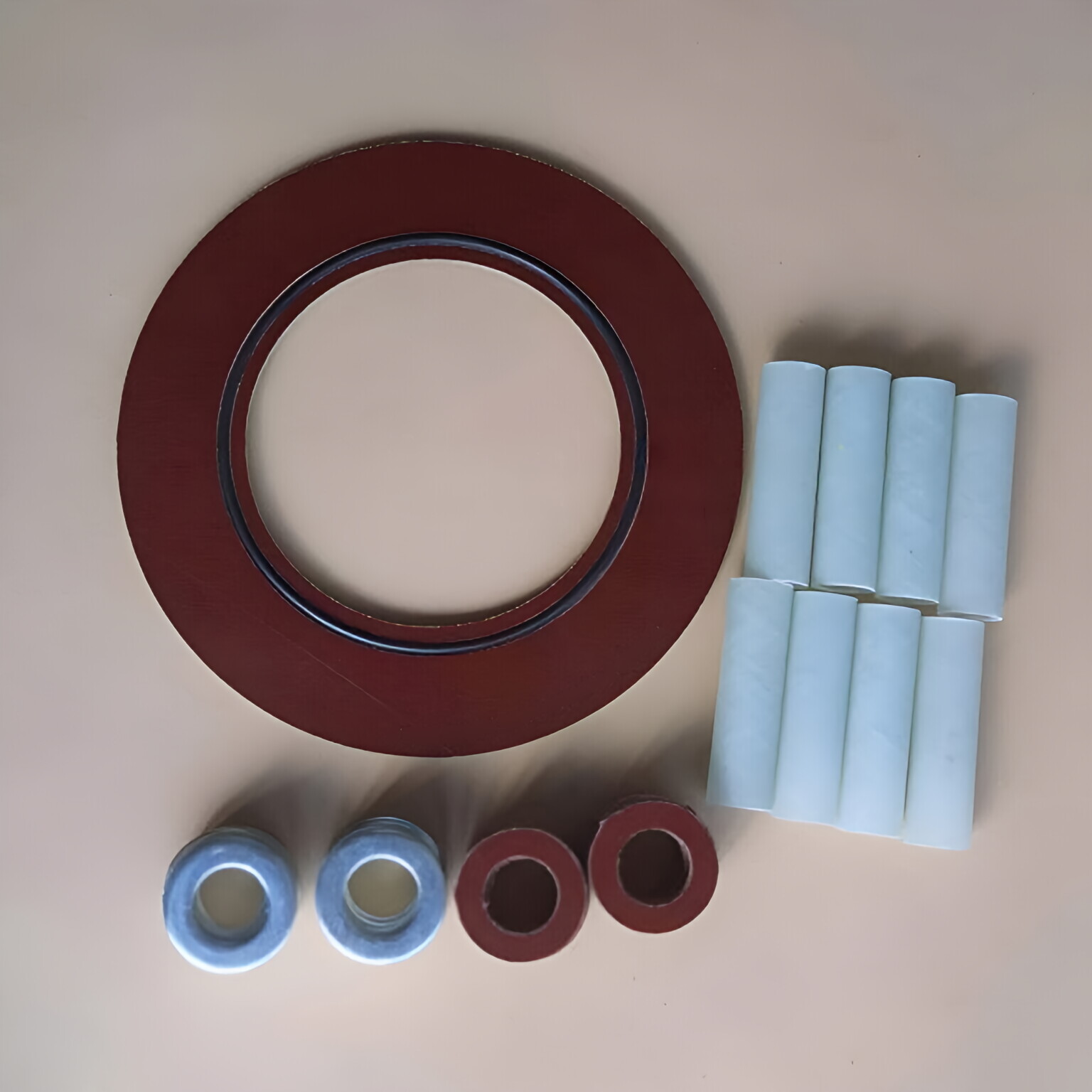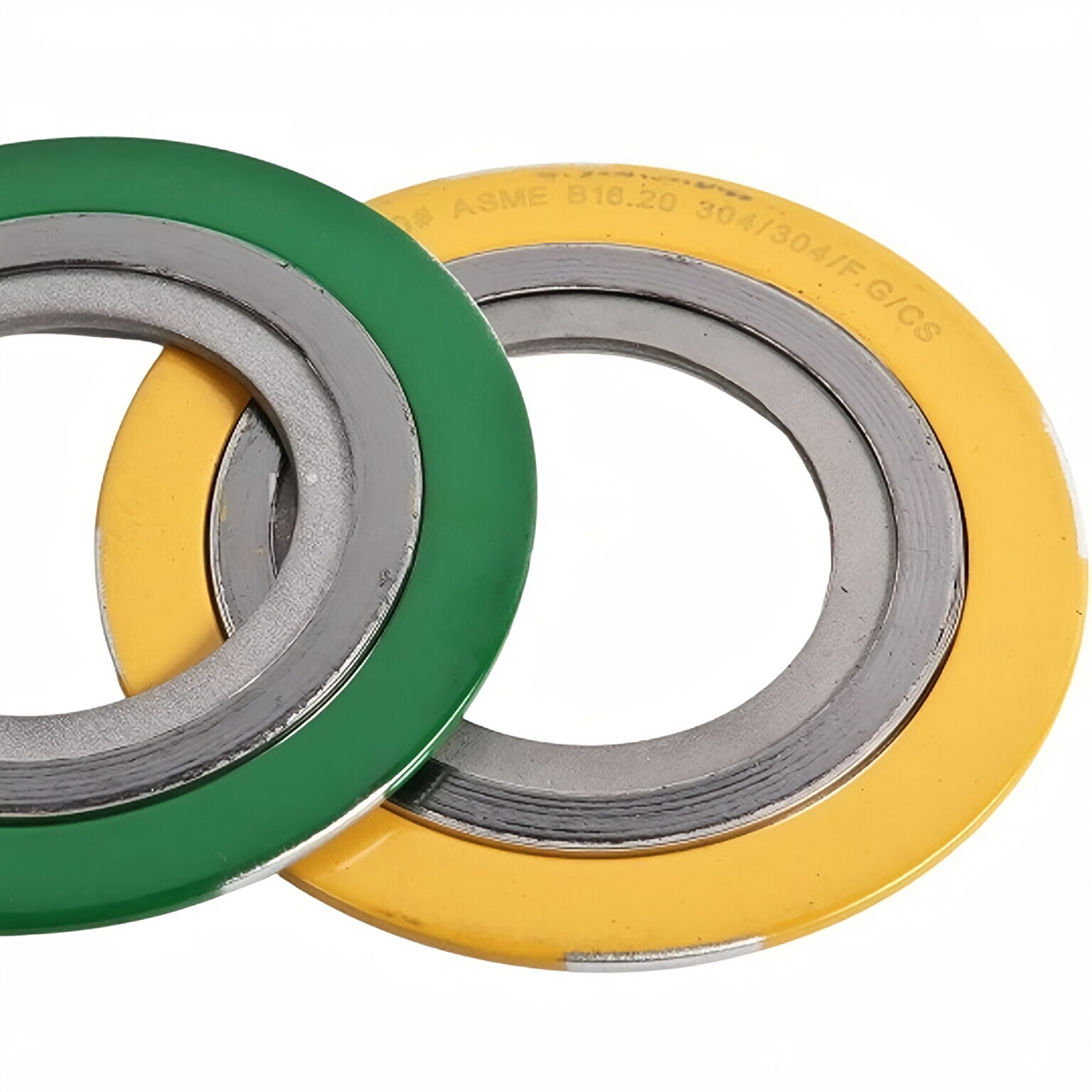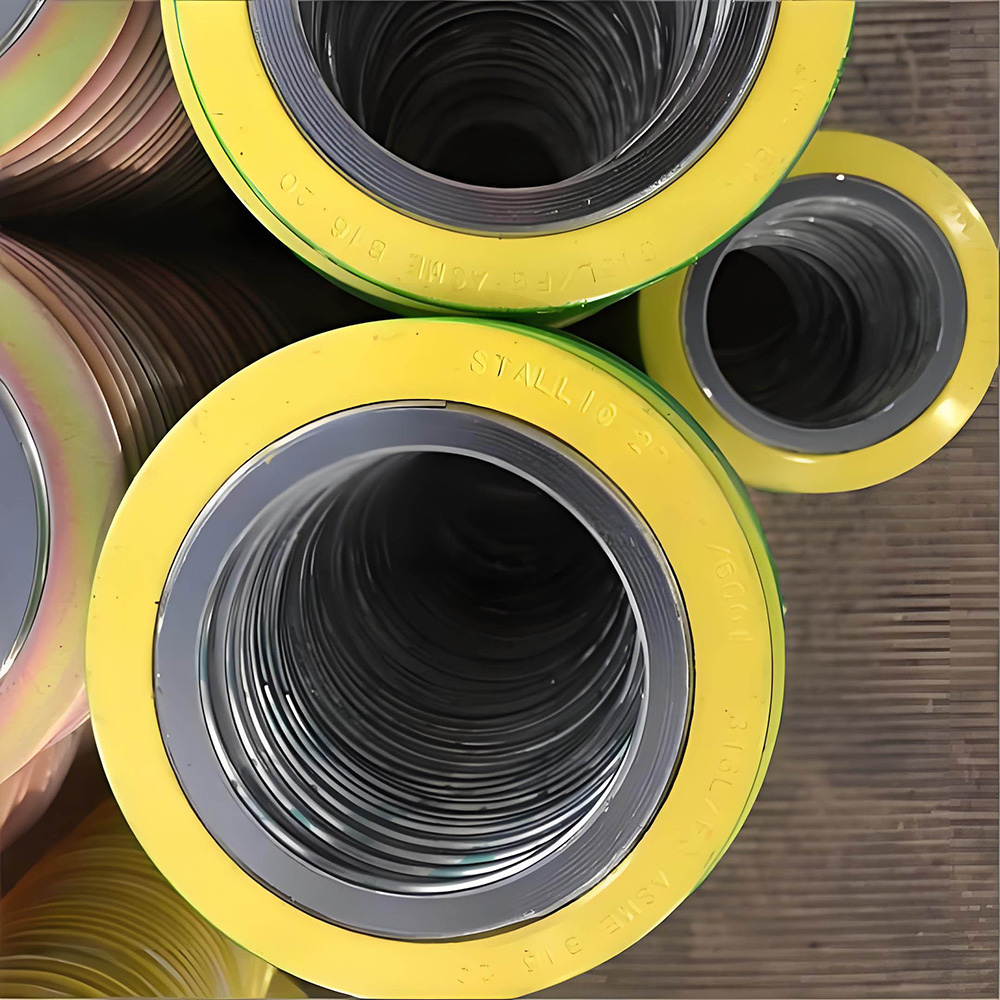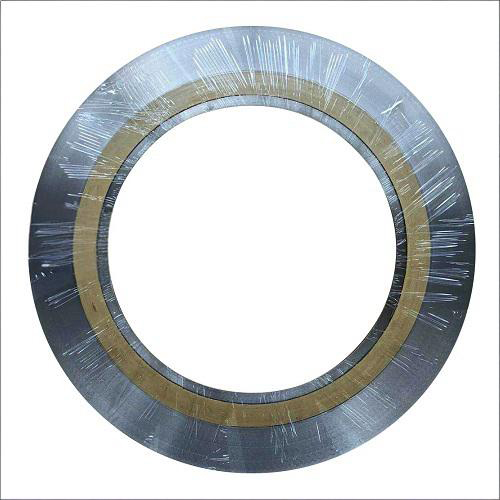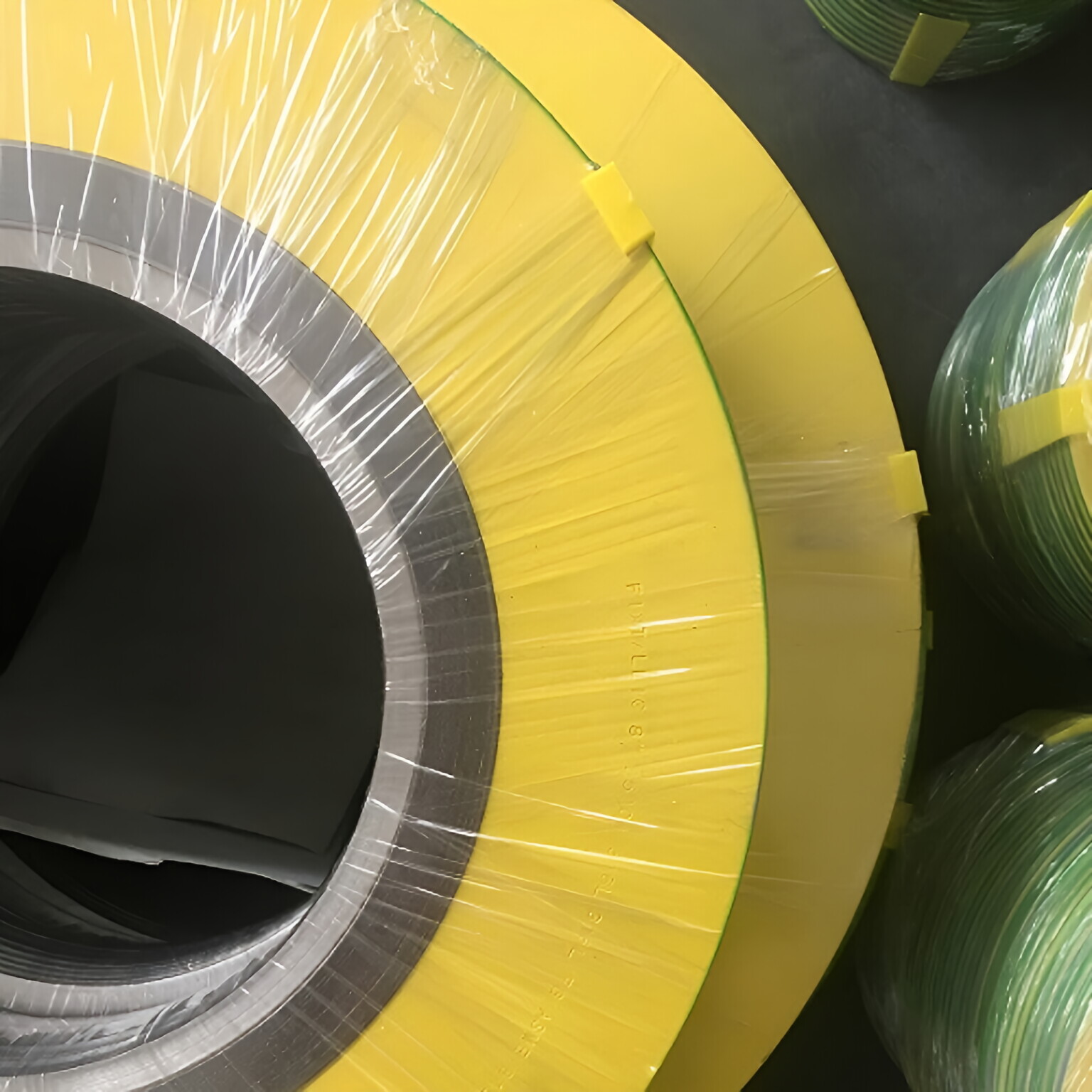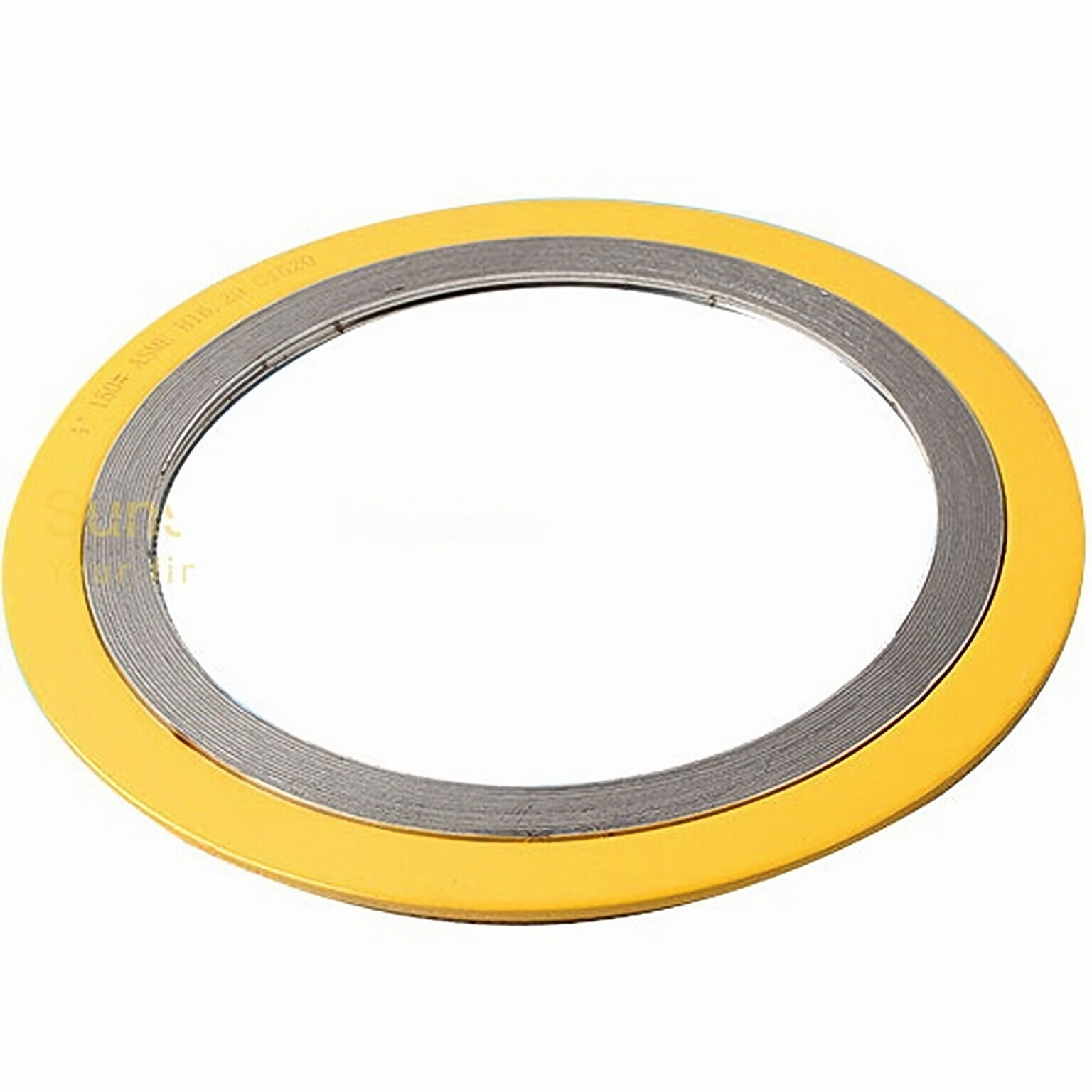
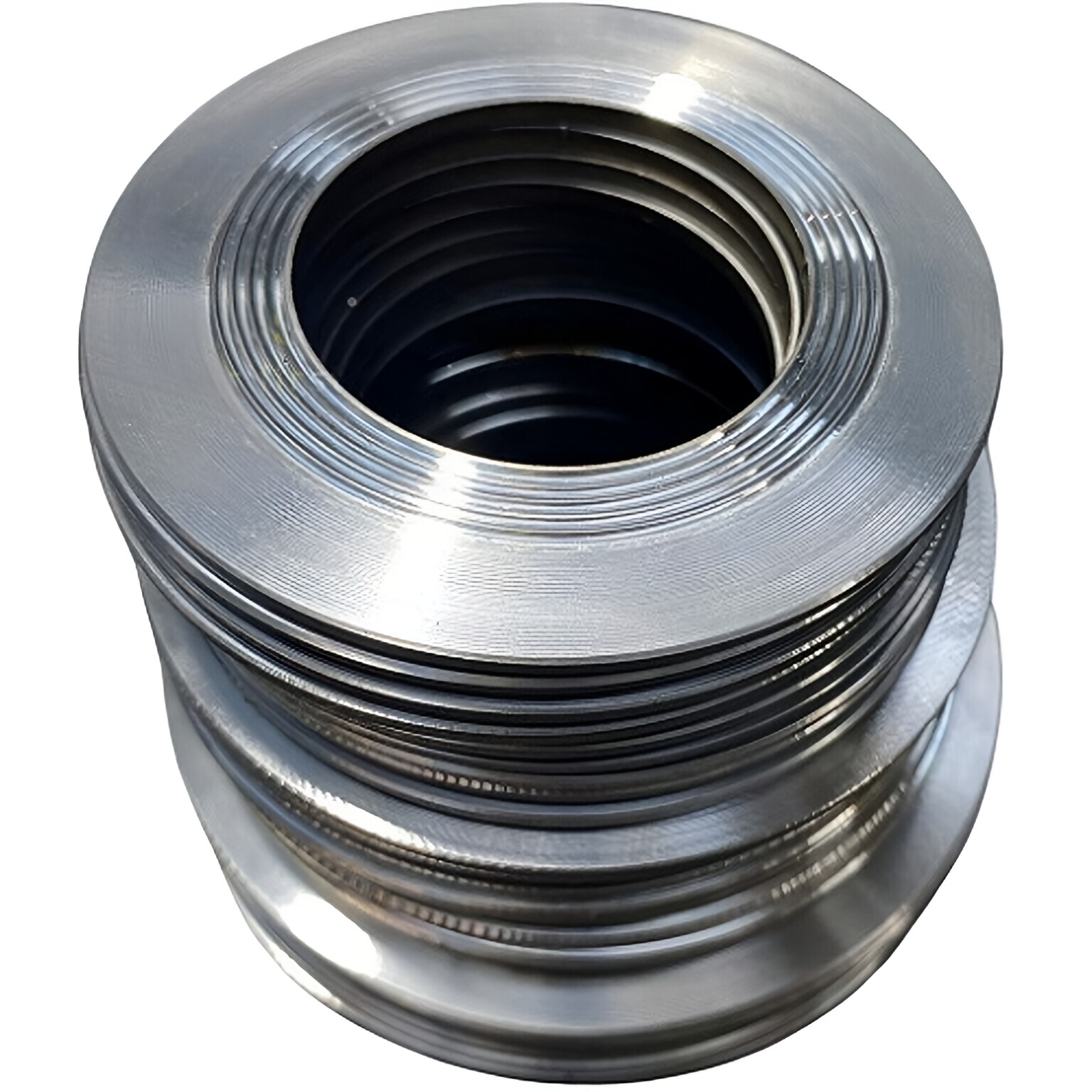
Kaxite Sealing manufactures SS 316L Kammprofile gaskets from a solid 316L stainless steel core with concentric serrations machined on both faces, then faced with a soft sealing layer selected to match the service duty. The result is a gasket that combines the rigidity and blow-out resistance of a metal core with the low leak rate of a soft-faced seal.
The wide seating stress range covers both light and heavily constructed flanges, and tolerates fluctuating temperature and pressure far better than a standard flat gasket. Depending on the layer material, the gasket handles temperatures up to 1000 °C and media pressures up to 250 bar. The assembled sealing layer is only 0.5 mm thick — thin enough to reduce leak rates, reject rates and environmental emissions, but thick enough to seal on a 125–250 RMS flange finish without any special surface preparation.
Standard sizes are produced to match ASME B16.5, ASME B16.47 A/B, BS EN 1092 and DIN flanges, and the Kammprofile is a direct replacement for an existing spiral wound gasket. Custom sizes, OEM private-label packaging and flexible MOQ are available for B2B buyers. Send your flange standard, nominal pipe size, pressure rating and layer material and we will quote.
An SS 316L Kammprofile gasket consists of an SS 316L metal core with concentric grooves machined on either side, faced with a soft sealing material. The sealing layers — depending on the service duty — can be graphite, PTFE (Teflon) or non-asbestos. A Kammprofile gasket can also be used without sealing layers to provide an excellent metal-to-metal seal, but this carries a risk of flange surface damage that the faced version avoids.

The very wide seating stress range of the SS 316L Kammprofile gasket — from the minimum to the maximum stress — makes it highly suitable for varying temperatures and pressures. It is less sensitive to assembly faults than a spiral wound gasket, and it suits both light and heavily constructed flanges. Dependent on the layer material, the gasket resists temperatures up to 1000 °C and media pressures up to 250 bar.
Beyond the basic operating envelope, the SS 316L Kammprofile gasket delivers five specific advantages that translate directly into lower maintenance cost and safer operation. Each one addresses a failure mode that a standard flat gasket or a metal-jacketed gasket would suffer from.
When assembled, the layer thickness of the sealing material is extremely small (0.5 mm). This reduces leak rates, reject rates and environmental pollution compared to thicker soft gaskets.
The SS 316L Kammprofile gasket will not damage the flange surface and can be easily removed, reducing maintenance costs. Kammprofiles will not damage flange faces even at extreme seating load.
Excellent performance when subject to fluctuating temperatures and pressures — the spring-back of the serrated core keeps the seal under load through thermal cycles.
It is a direct replacement gasket for existing gaskets, and no special flange finish is necessary. Recommended flange surface finish for Kammprofile gaskets with sealing layers is 125 to 250 RMS.
The SS 316L Kammprofile gasket is an eco-friendly gasket by significantly reducing leakage into the atmosphere — the main VOC and process emission source on a flanged joint.
The three standard sealing layer materials cover the majority of industrial duties. Choose based on the temperature range, the maximum operating pressure, and the aggressiveness of the process medium. Each is identified by its layer material in the purchase order — no colour code system applies to Kammprofile layers.
Graphite is the most common selection because it covers the widest temperature range and the highest pressure — choose it first unless the medium is incompatible with graphite or the temperature demands PTFE for very low temperature service. Non-asbestos is a cost-effective choice for liquid service below 300 °C where graphite is not required.
Core thickness matters because it controls how the gasket behaves when it is bolted down. A core that is too thick adds unnecessary stress to the pipeline and flange; a core that is too thin does not give enough spring-back for the seal to survive thermal cycling. The correct value depends on whether you are replacing an existing gasket or building a new system.
Recommended core thickness when a Kammprofile gasket is replacing an existing gasket such as a spiral wound gasket. The 4 mm core prevents unnecessary stresses on existing pipelines that were not designed for a thicker core.
Recommended core thickness for new systems. The extra millimetre gives more spring-back and blow-out resistance, which is worth having when the flange and pipeline are being designed from scratch.

The value should be taken into account at the design stage. If you are not sure which core thickness applies to your project, send the flange standard, the existing gasket thickness (if any) and the pipeline design pressure and we will recommend the correct core.
The centering ring holds the sealing element in position on the bolt circle. Two constructions are available — an integral ring welded or crimped to the sealing element, and a loose ring that sits around the sealing element without being attached to it. Each has a specific use case, and choosing the wrong one can cause early failure in a cyclic-temperature system.
Lower handling cost, one piece, no assembly on site. Suitable for steady temperature service where thermal expansion is not a concern.
Thermal-shock conditions may damage Kammprofiles with integral centering rings — thermal tension may cause cracks in the core.
The sealing element expands and contracts independently of the outer ring, which is the safer design for cyclic temperature service. The outer ring can be reused when only the sealing element is replaced.
Recommended for thermal-shock and cyclic temperature service. The recommended choice when the gasket will see repeated heat-up and cool-down cycles.
To return a firm unit price, lead time and available samples, send the following four items with your enquiry. If you already have a flange drawing or a sample of the existing gasket, attach that instead — we will match it directly.
Or specific gasket inner / outer diameters if non-standard.
For example 150#, 300#, 600#, 900#, PN16, PN40, PN100.
Graphite, PTFE or non-asbestos — or specify the medium and temperature and we will recommend.
Order quantity and destination port so we can quote freight-inclusive or FOB.
For replacement of an existing spiral wound gasket, send the old gasket dimensions or a drawing and we will match the bore, outer diameter and core thickness exactly. Custom serration profiles, non-standard dimensions and customer-branded packaging are all available.
Send your flange standard, nominal pipe size, pressure rating and sealing layer material. Our sales engineers reply with a quotation, available samples and the packing options for your market.
Address
No 432 Zhenhai Middle Road, Luotuo Street, Zhenhai District, Ningbo City, Zhejiang China