Products
SS 321 Spiral Wound Gasket Graphite Filled

SS 321 Spiral Wound Gasket Graphite Filled

Kaxite Sealing is a China-based SS 321 spiral wound gasket manufacturer producing graphite-filled gaskets from titanium-stabilized austenitic stainless steel winding. SS 321 is the grade of choice for service up to about 900 °C — it combines high strength, resistance to scaling and phase stability with resistance to subsequent aqueous corrosion. The titanium addition stabilizes the alloy against intergranular corrosion after heating in the 425–850 °C carbide precipitation range, which is why SS 321 outperforms SS 304 in high-temperature refinery, pressure vessel and heat treatment applications. Mechanical properties: tensile strength 600 MPa, yield strength 275 MPa, elongation 45%, density 7.94 g/cm³. Standard sizes are produced to ASME B16.20 and matched to ASME B16.5, ASME B16.47 A/B, BS EN 1092 and DIN flanges. Custom sizes, OEM private-label packaging and flexible MOQ are available for B2B buyers. Send your flange standard, nominal pipe size, pressure rating and quantity for a bulk quotation.
SS 321 · Graphite Filled · Titanium Stabilized · Up to 900 °C

SS 321 Spiral Wound Gasket Graphite Filled Manufacturer — Titanium-Stabilized Winding for High-Temperature Refinery & Pressure Vessel Service

Kaxite Sealing manufactures SS 321 spiral wound gaskets with graphite filler from V-shape titanium-stabilized stainless steel strip tape wound around a flexible graphite core. SS 321 is the grade of choice for service in the temperature range up to about 900 °C — it combines high strength, resistance to scaling and phase stability with resistance to subsequent aqueous corrosion.

If your plant is sealing refinery piping, pressure vessels, radiant superheaters, bellows or high-temperature heat treatment equipment, the titanium stabilization of SS 321 is what keeps the winding from suffering intergranular corrosion after long exposure in the 425–850 °C carbide precipitation range — the failure mode that limits SS 304 in the same service.

Standard sizes are produced to ASME B16.20 and matched to ASME B16.5, ASME B16.47 A/B, BS EN 1092 and DIN flanges. Custom sizes, OEM private-label packaging and flexible MOQ are available for B2B buyers. Send your flange standard, nominal pipe size, pressure rating and quantity and we will quote.

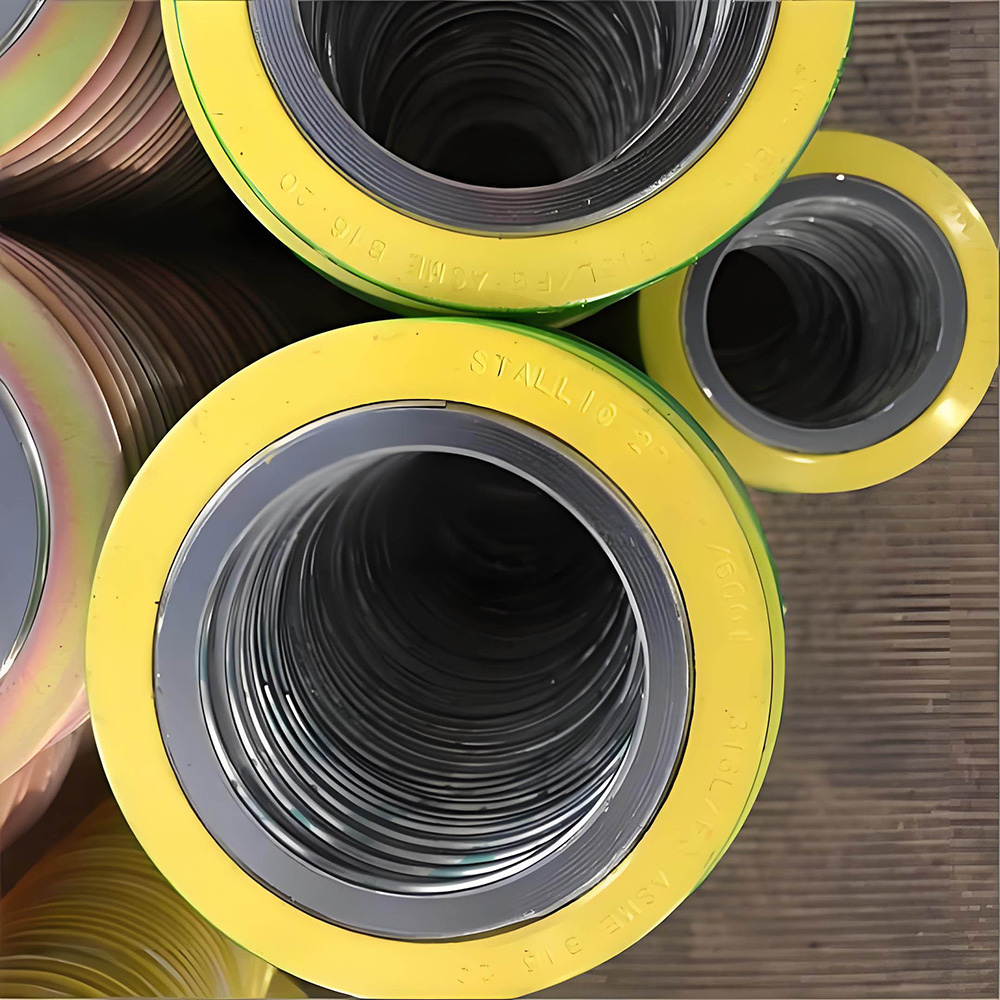
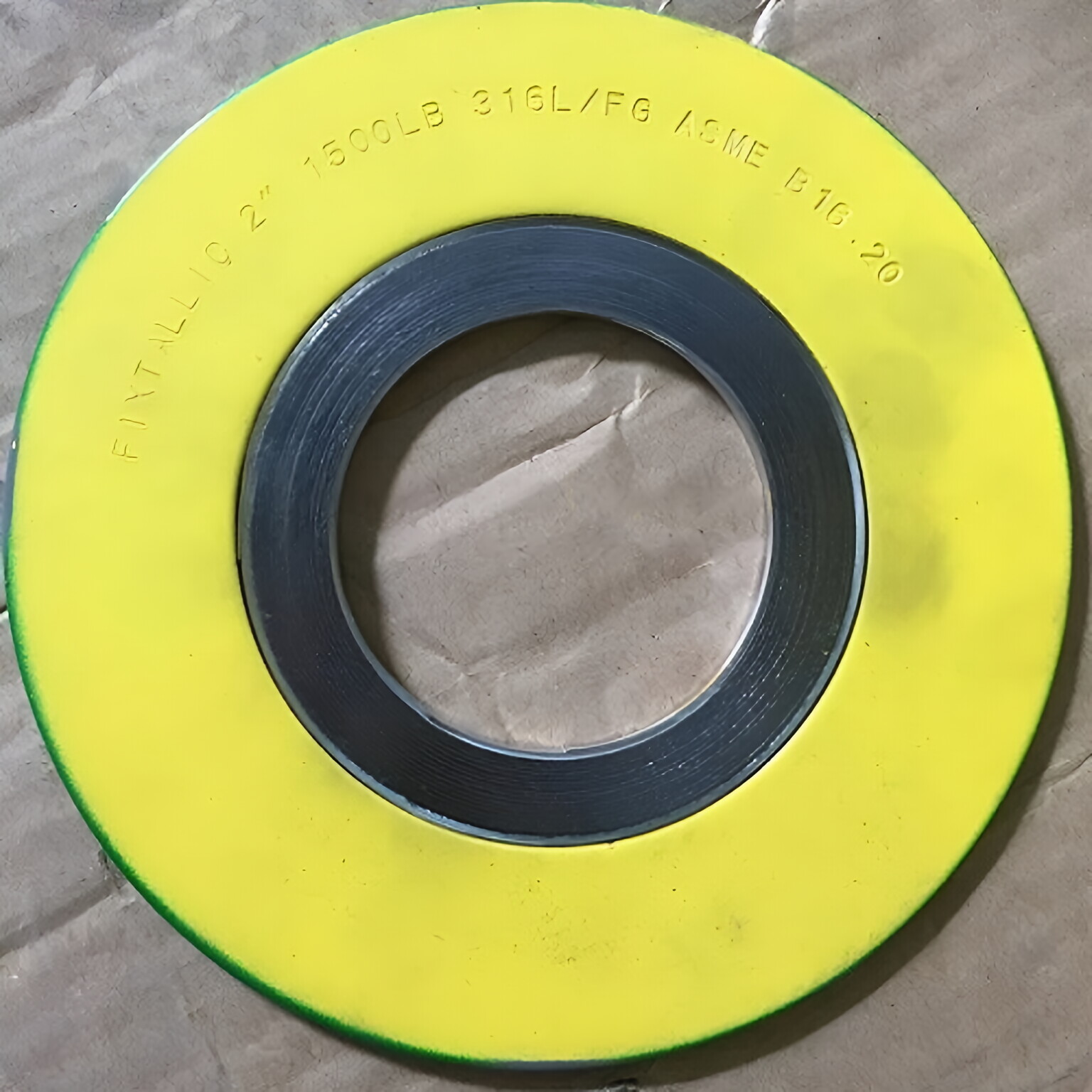
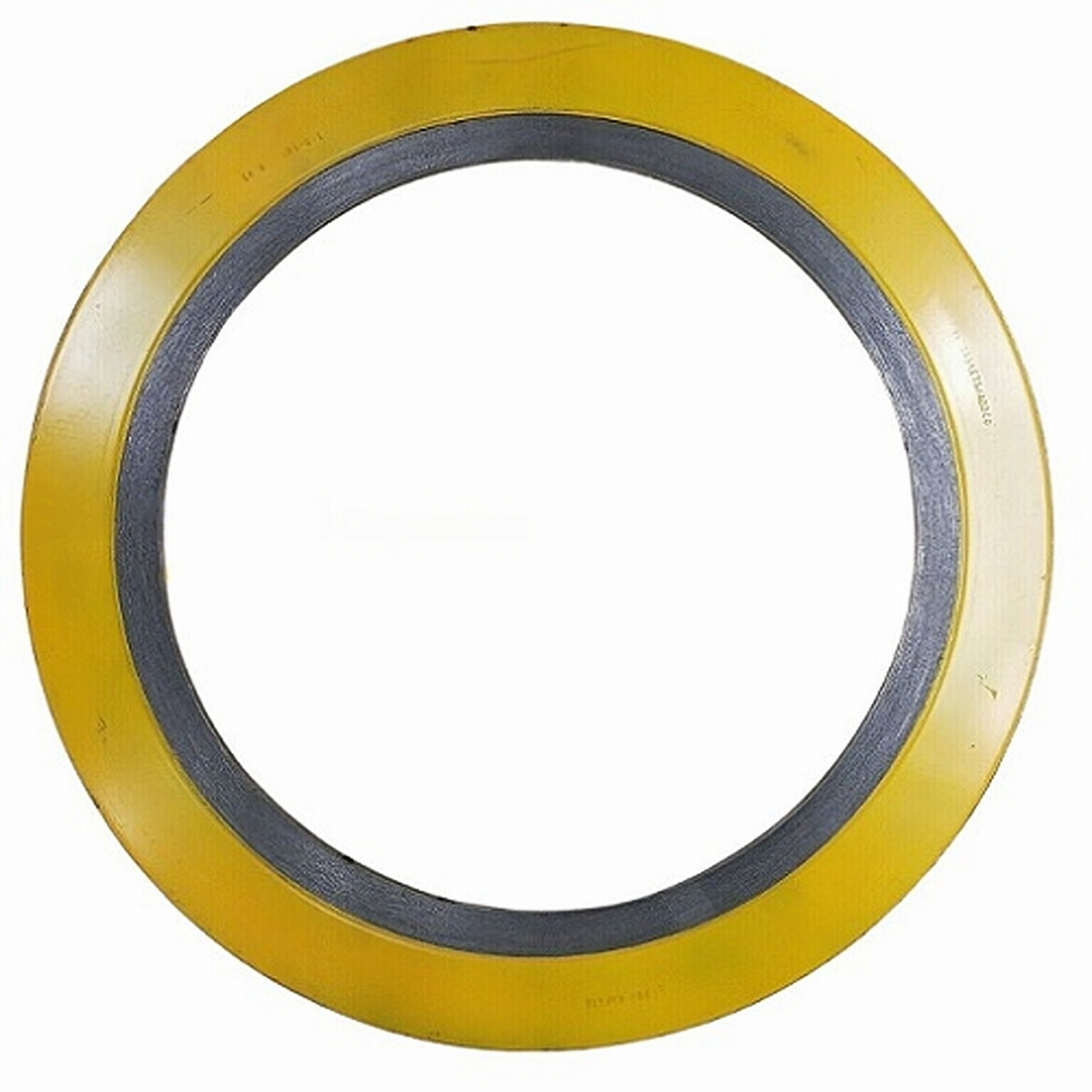
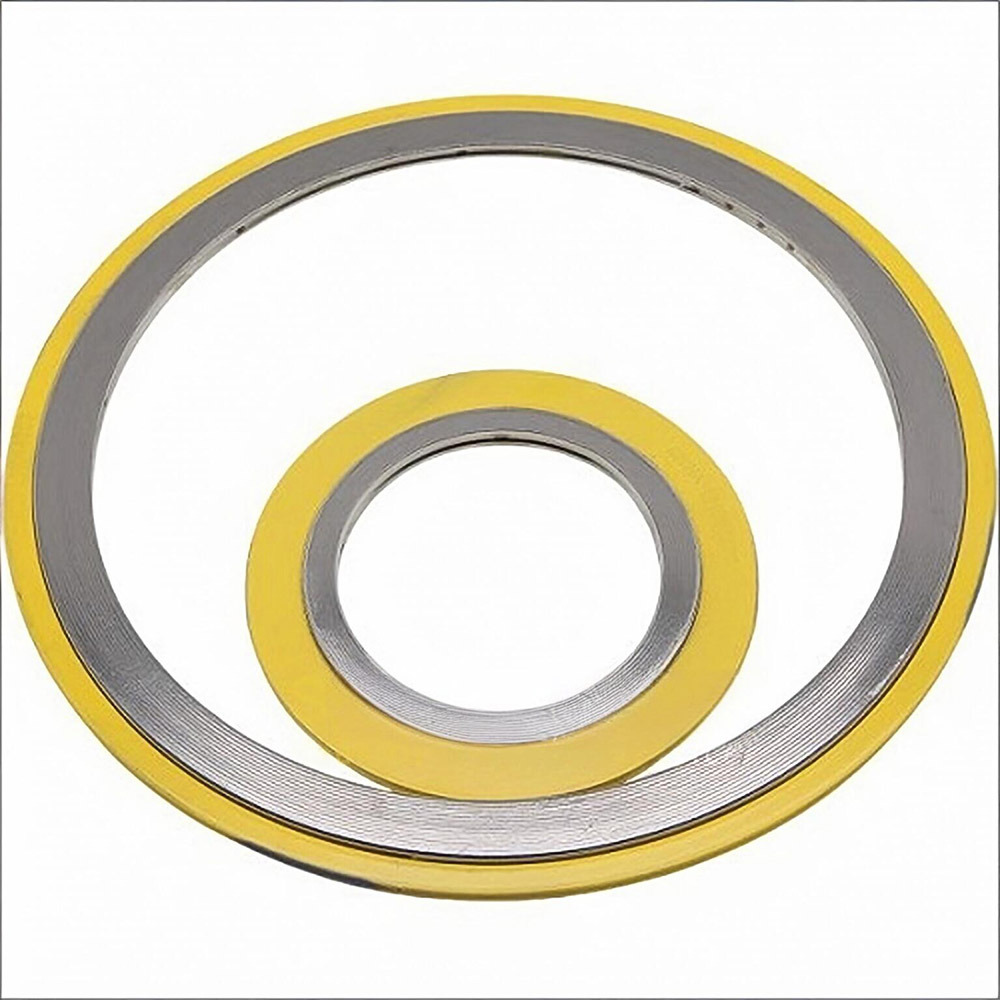
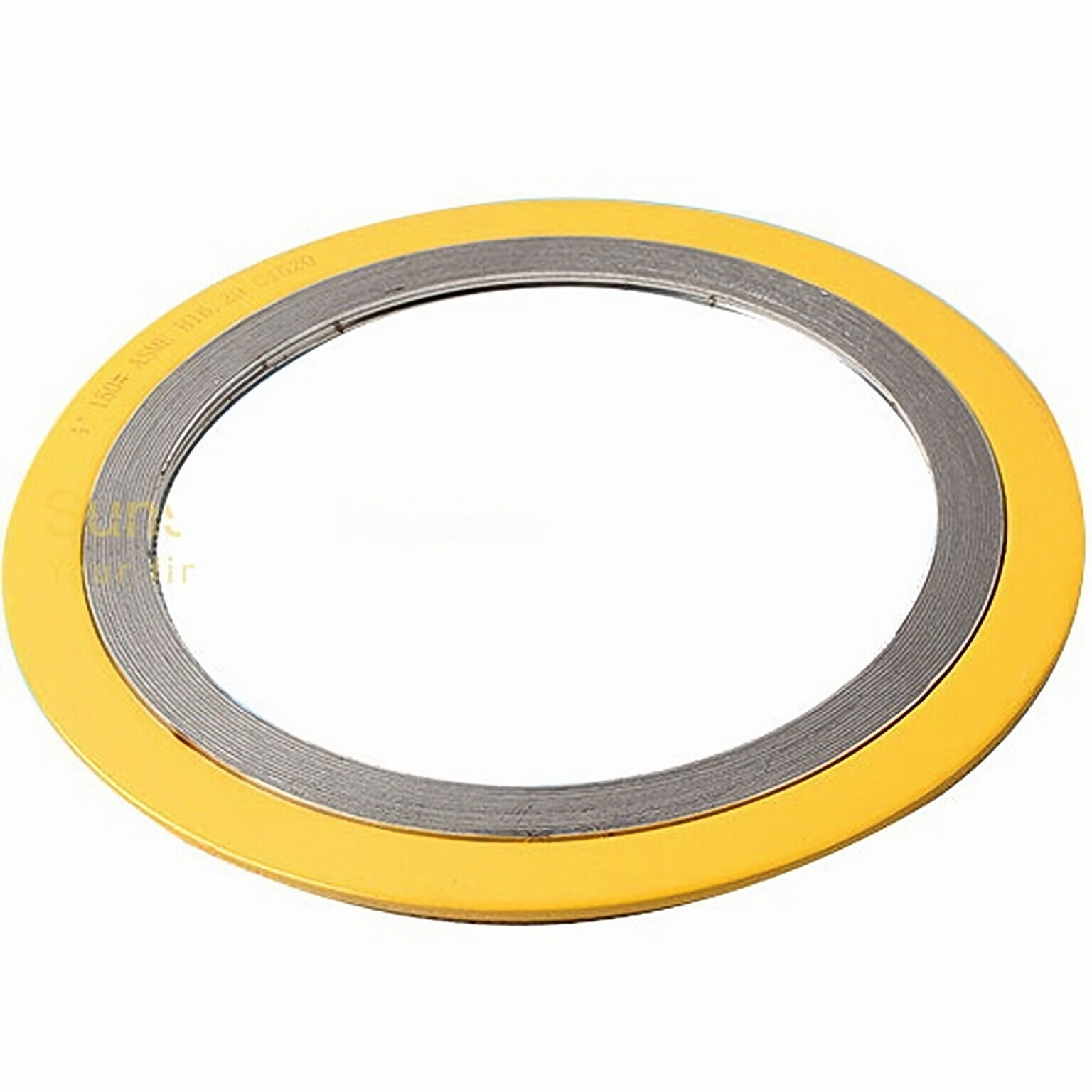
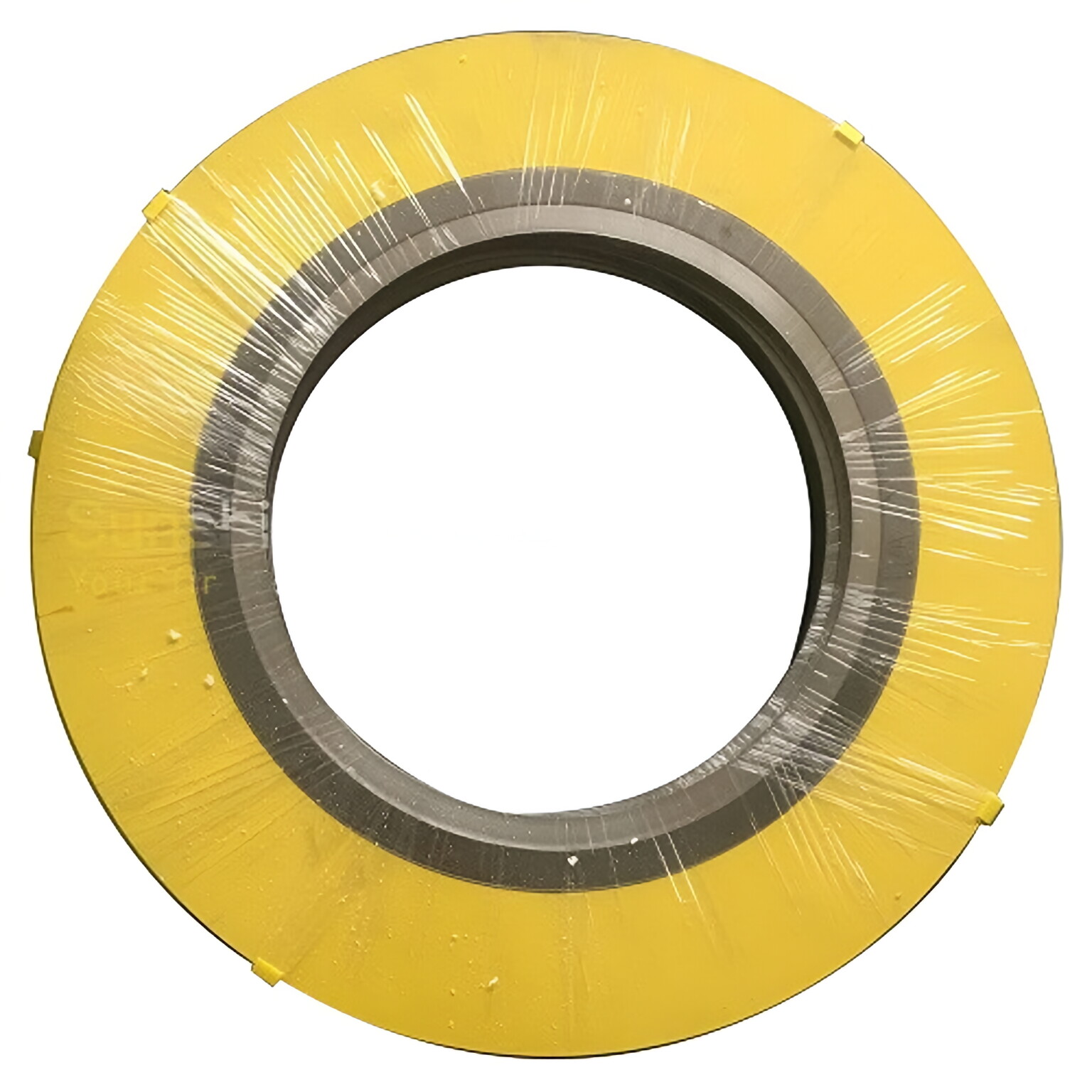
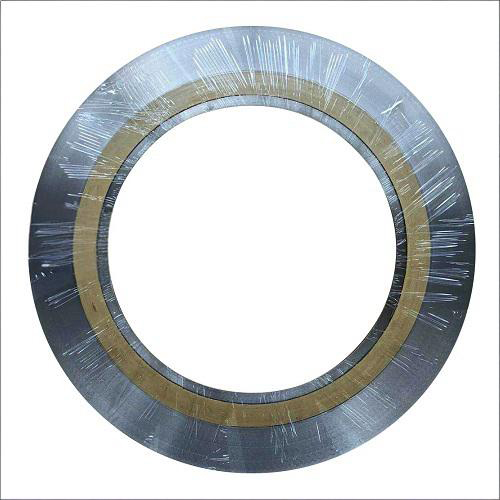
SS 321 Spiral Wound Gasket Graphite Filled supplied by Kaxite Sealing, China manufacturer
900 °C Max service temperature
425–850 °C Intergranular corrosion resistant
600 MPa Ultimate tensile strength
275 MPa Yield strength
45% Elongation
7.94 g/cm³ Density
Construction

What Is an SS 321 Spiral Wound Gasket Graphite Filled?

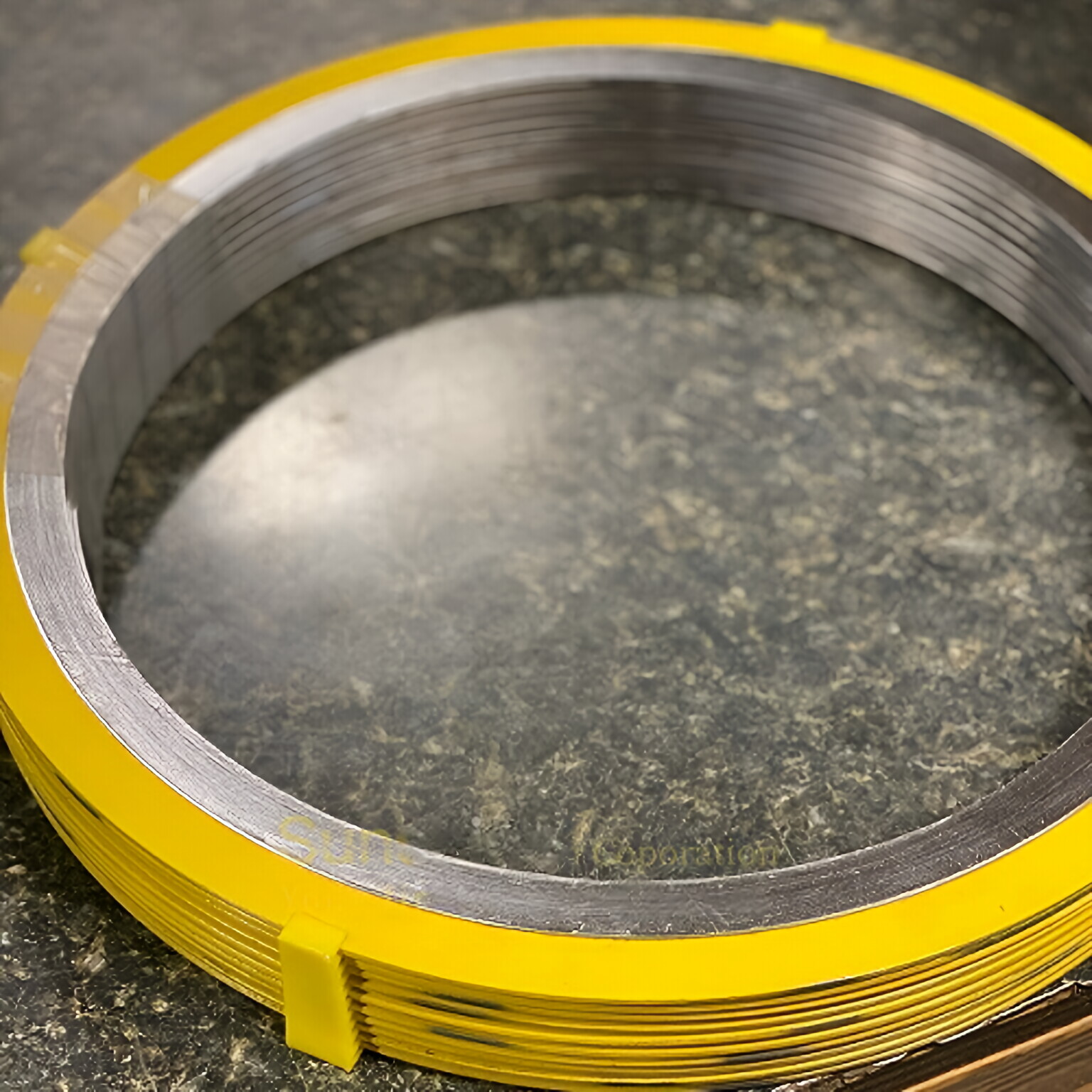
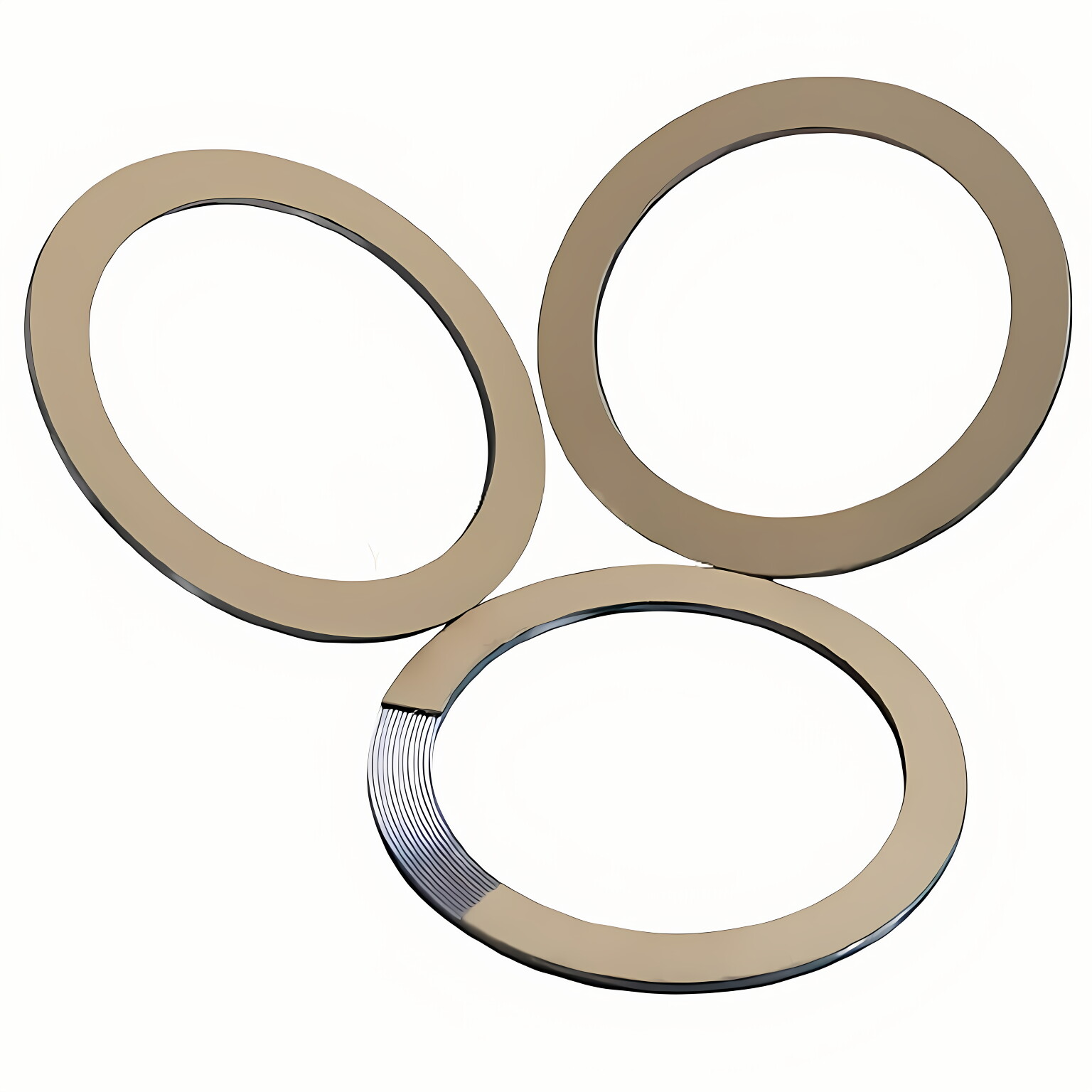
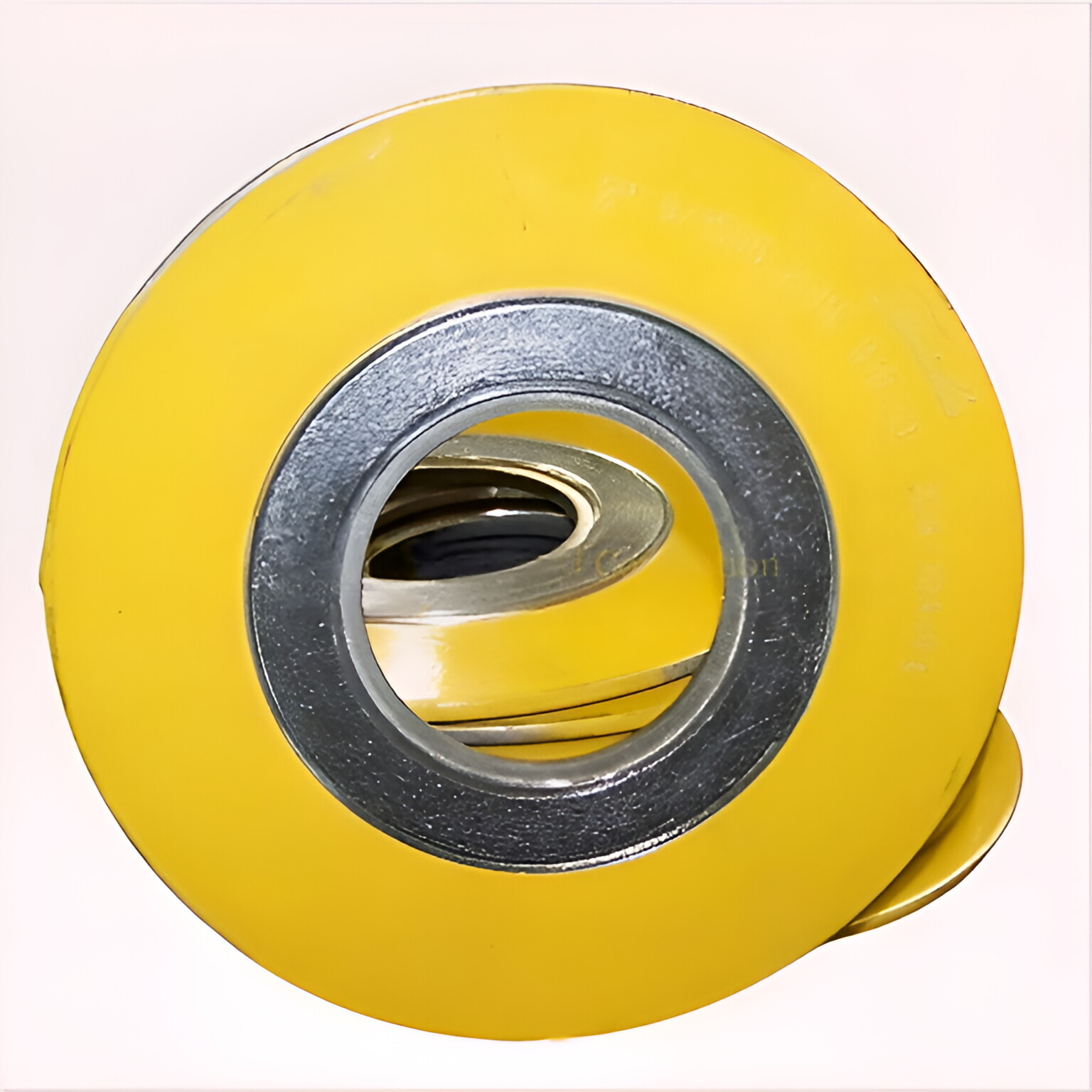
An SS 321 spiral wound gasket graphite filled is made from a V-shape SS 321 stainless steel strip tape wound together with a flexible graphite tape filler. The V-shape geometry gives the winding its spring-back property — when the flange bolts are tightened, the winding compresses; when temperature or pressure cycles, the winding recovers and keeps the seal under load.

The graphite filler sits between the winding layers and forms the primary seal against the flange faces. Graphite is chosen because it retains sealing performance across a very wide temperature range and is chemically inert to most industrial fluids — steam, hydrocarbons, acids and alkalis — without oxidizing under normal operating conditions.

SS 321 Spiral Wound Gasket Graphite Filled construction detail showing V-shape winding and graphite filler
Technical Data Sheet

SS 321 Material Properties

SS 321 is a basic austenitic 18/8 stainless steel (Grade 304) stabilized by titanium addition. The values below apply to the annealed condition used for spiral wound gasket winding strip.

Ultimate Tensile Strength 600 MPa
Yield Strength 275 MPa
Elongation 45 %
Density 7.94 g/cm³
Why SS 321

Why Use SS 321 Instead of SS 304 for High-Temperature Winding?

At temperatures between 425 °C and 850 °C, unstabilized austenitic stainless steels like SS 304 begin to precipitate chromium carbides at grain boundaries. That chromium depletion leaves the steel vulnerable to intergranular corrosion — cracks propagate along grain boundaries, and the winding fails from the inside out.

SS 321 solves this by adding titanium. Titanium has a stronger affinity for carbon than chromium does, so it forms titanium carbides instead of chromium carbides. The chromium stays in solution, the grain boundaries stay intact, and the winding survives long high-temperature service without losing its corrosion resistance.

SS 304

Unstabilized Austenitic

Loses corrosion resistance after extended service in the 425–850 °C range. Not recommended for long-term high-temperature refinery or heat treatment equipment.

SS 321

Titanium Stabilized

Resistant to intergranular corrosion after heating in the carbide precipitation range. Higher creep and stress rupture properties than SS 304. Standard choice for high-temperature winding.

SS 347

Niobium Stabilized

Alternative stabilization with niobium instead of titanium. Similar high-temperature performance, used where welding or high-temperature strength demands a slightly different profile.

Corrosion Profile

Corrosion Resistance of SS 321

In the annealed condition SS 321 is equivalent to SS 304. It is superior to SS 304 if a weldment has not been post-weld annealed, or if the application involves service in the 425–900 °C range.

Intergranular Corrosion

Resistant after heating in the 425–850 °C carbide precipitation range — the titanium stabilization prevents chromium carbide precipitation at grain boundaries.

Pitting & Crevice Corrosion

Subject to pitting and crevice corrosion in warm chloride environments. For chloride-heavy service, consider higher-alloy winding such as Alloy 20 or Hastelloy C276.

Stress Corrosion Cracking

Subject to stress corrosion cracking above approximately 60 °C. Not suitable for wet chloride service at elevated temperature.

Potable Water Resistance

Considered resistant to potable water with up to about 200 mg/L chlorides at ambient temperatures, reducing to about 150 mg/L at 60 °C.

Applications

Where SS 321 Graphite-Filled Spiral Wound Gaskets Are Used

Typical applications of SS 321 spiral wound gaskets with graphite filler cover the highest-temperature flanged joints in refining, petrochemical, power generation and heat treatment industries.

01

Oil Refinery Equipment

Flanged joints on crude and vacuum distillation, catalytic cracking and hydrotreating units where process temperatures reach 500–900 °C.

02

Pressure Vessel Piping

Nozzle and manway flanges on reactors, drums and separators exposed to sustained high temperature under pressure.

03

Radiant Superheaters

Boiler and furnace flanged connections where radiant heat pushes the winding into the carbide precipitation range.

04

Bellows & Expansion Joints

Flanged expansion joints on high-temperature piping where thermal cycling demands a gasket that recovers its sealing load.

05

Heat Treatment Equipment

Furnace doors, retorts and quench tanks where graphite filler and stabilized winding both hold up under continuous thermal load.

06

Aircraft Exhaust Manifolds

High-temperature exhaust flanges where titanium stabilization protects the winding from oxidation and intergranular attack.

07

Furnace Parts & Heating Elements

Heating element tubing flanges and furnace component joints where long-term 600–900 °C service is normal.

08

Heat Exchangers

Shell-and-tube and air-cooled exchanger flanges on high-temperature process streams.

09

High-Temperature Mineral Processing

Kiln, calciner and smelter flanged connections where temperatures regularly exceed the limits of standard stainless winding.

How to Order

Four Items We Need to Quote an SS 321 Spiral Wound Gasket

To return a firm unit price, lead time and available samples, send the following four items with your enquiry. If you already have a flange drawing or a sample of the existing gasket, attach that instead — we will match it directly.

1

Nominal Pipe Size

Or specific gasket inner / outer diameters if non-standard.

2

Pressure Rating

For example 150#, 300#, 600#, 900#, PN16, PN40, PN100.

3

Gasket Style

CG (outer ring only) or CGI (inner ring + winding + outer ring).

4

Quantity & Port

Order quantity and destination port so we can quote freight-inclusive or FOB.

For flanges to ASME B16.5, ASME B16.47 A/B, BS EN 1092 or DIN, we can also work backwards from the flange standard and pressure rating alone. If you are unsure which winding or filler grade is right for your service, send the medium, temperature range and pressure and our engineers will recommend the combination.

FAQ

Frequently Asked Questions from Purchasing Teams

What is the temperature range for SS 321 spiral wound gaskets with graphite filler?
SS 321 spiral wound gaskets with graphite filler are suitable for service up to approximately 900 °C in oxidizing conditions. The titanium stabilization makes the winding resistant to intergranular corrosion after exposure in the 425–850 °C carbide precipitation range, which is why SS 321 is preferred over SS 304 in high-temperature refinery, pressure vessel and heat treatment equipment.
Why use SS 321 instead of SS 304 for spiral wound gasket winding?
SS 321 is a basic austenitic 18/8 stainless steel (Grade 304) stabilized by titanium addition. This titanium stabilization prevents chromium carbide precipitation at grain boundaries during high-temperature service (425–850 °C), which would otherwise cause intergranular corrosion. SS 321 also has higher creep and stress rupture properties than SS 304, which matters for bolted flange joints that see sustained high temperature and pressure.
What are the mechanical properties of SS 321?
Ultimate tensile strength 600 MPa, elongation 45%, yield strength 275 MPa, density 7.94 g/cm³. These values apply to the annealed condition typical for spiral wound gasket winding strip.
What are the typical applications of SS 321 graphite-filled spiral wound gaskets?
Typical applications include oil refinery equipment, pressure vessel piping, radiant superheaters, bellows, high-temperature heat treatment equipment, aircraft exhaust manifolds, expansion joints, furnace parts, heating element tubing, heat exchangers and high-temperature mineral processing.
What information do you need to quote an SS 321 spiral wound gasket?
Four items: (1) nominal pipe size or specific gasket dimensions, (2) pressure rating, (3) gasket style (CG with outer ring only, or CGI with inner and outer rings), (4) quantity and destination port. With these four items we can return a firm unit price, lead time and available samples.
Do you offer OEM and private-label packaging for SS 321 spiral wound gaskets?
Yes. We supply neutral export cartons or customer-branded labels, cartons and pallet marking. Distributors and MRO suppliers typically combine private-label packing with mixed-size containers. Custom sizes and non-standard dimensions are also produced to your drawing.

Need pricing on SS 321 spiral wound gaskets?

Send your flange standard, nominal pipe size, pressure rating, gasket style and quantity. Our sales engineers reply with a quotation, available samples and the packing options for your market.

Send Inquiry
Contact Info
Kaxite sealing has been in business for many years, providing our customers with exceptional service, quality products, and fast delivery times. Our team has a combined many years experience in the industry and we work hard to ensure our customers are completely satisfied with their orders. Please feel free to contact us at any time if you have any questions or would like to submit a quote. We welcome the opportunity to build relationships with new customers and exceed their expectations.
X
We use cookies to offer you a better browsing experience, analyze site traffic and personalize content. By using this site, you agree to our use of cookies. Privacy Policy
RejectAccept