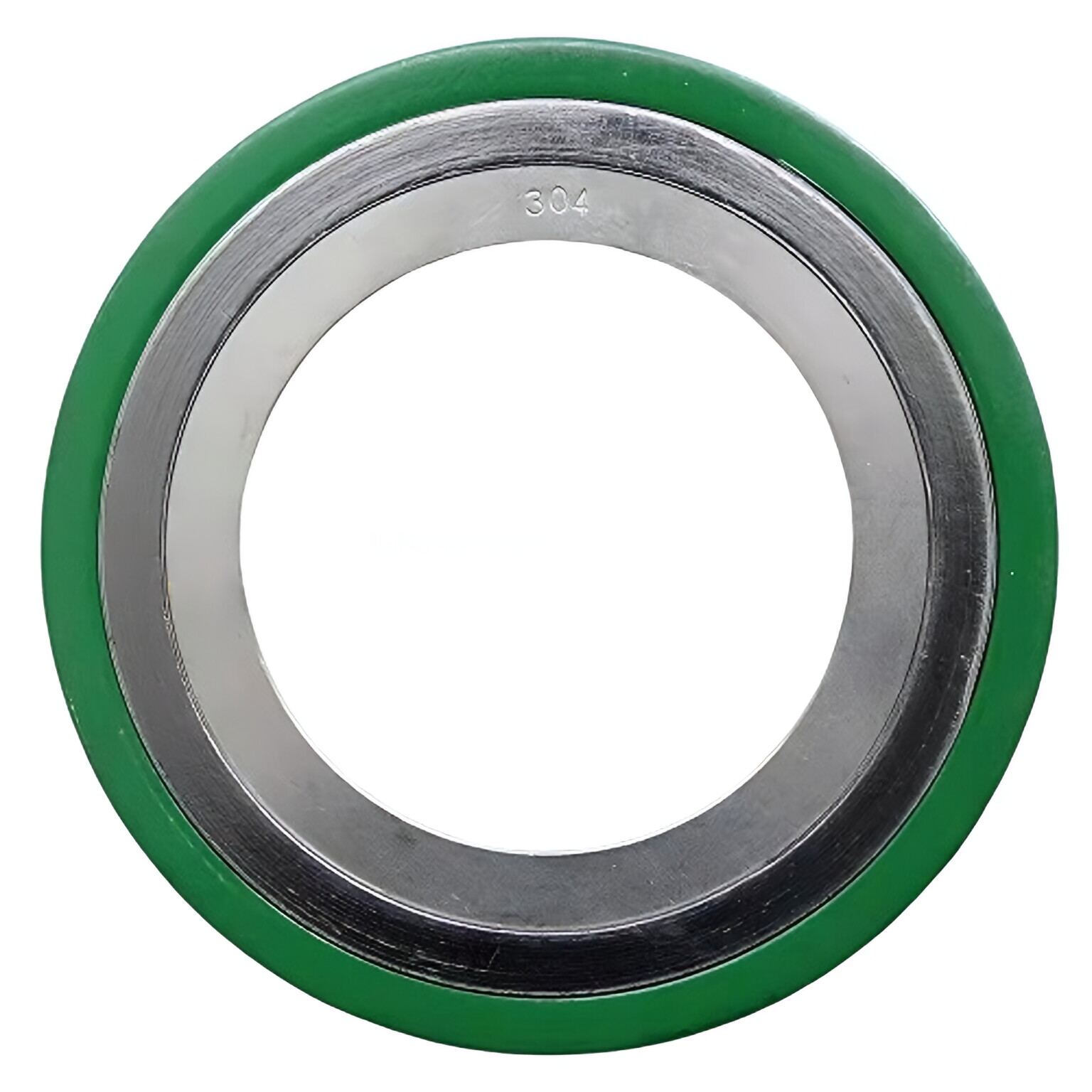
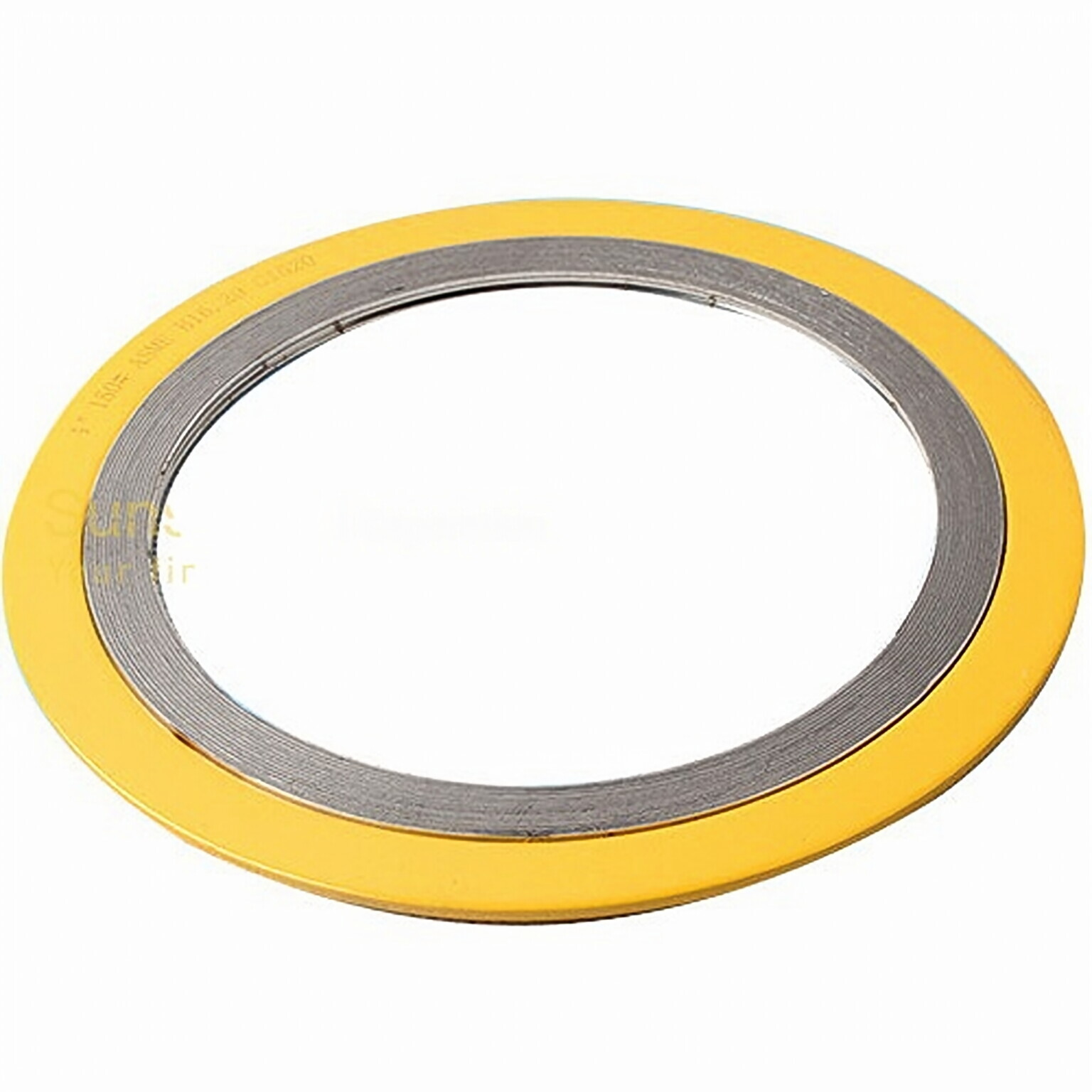
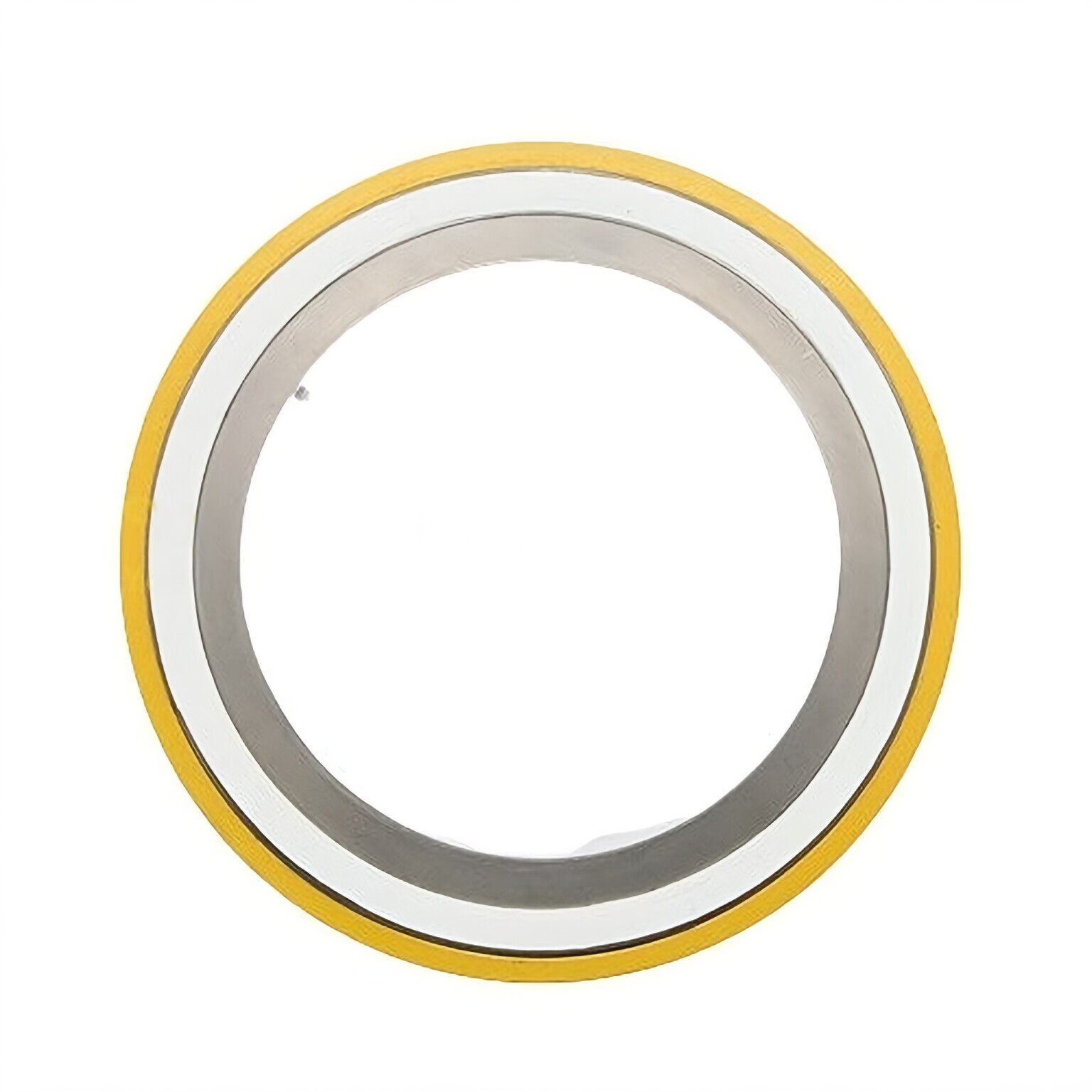
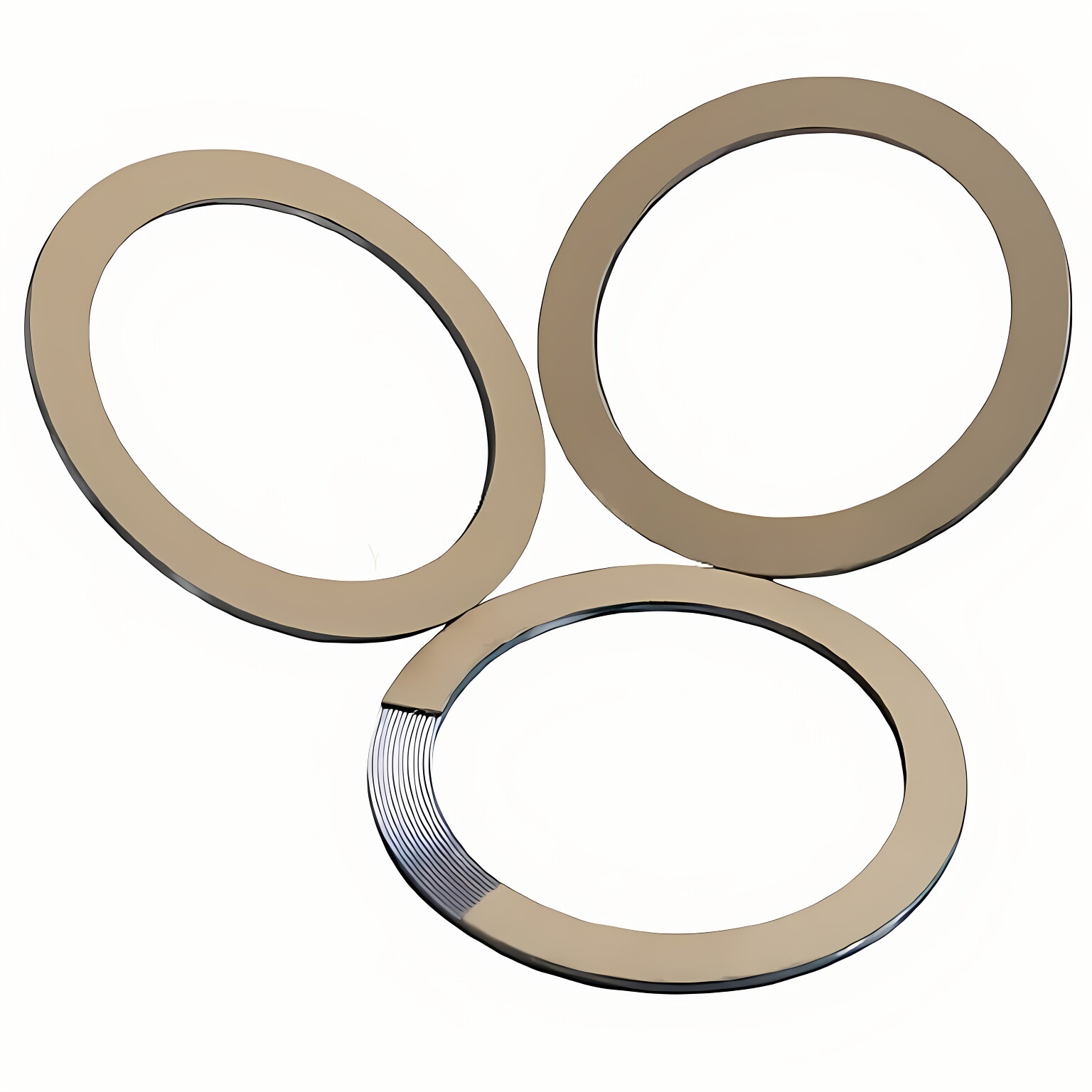
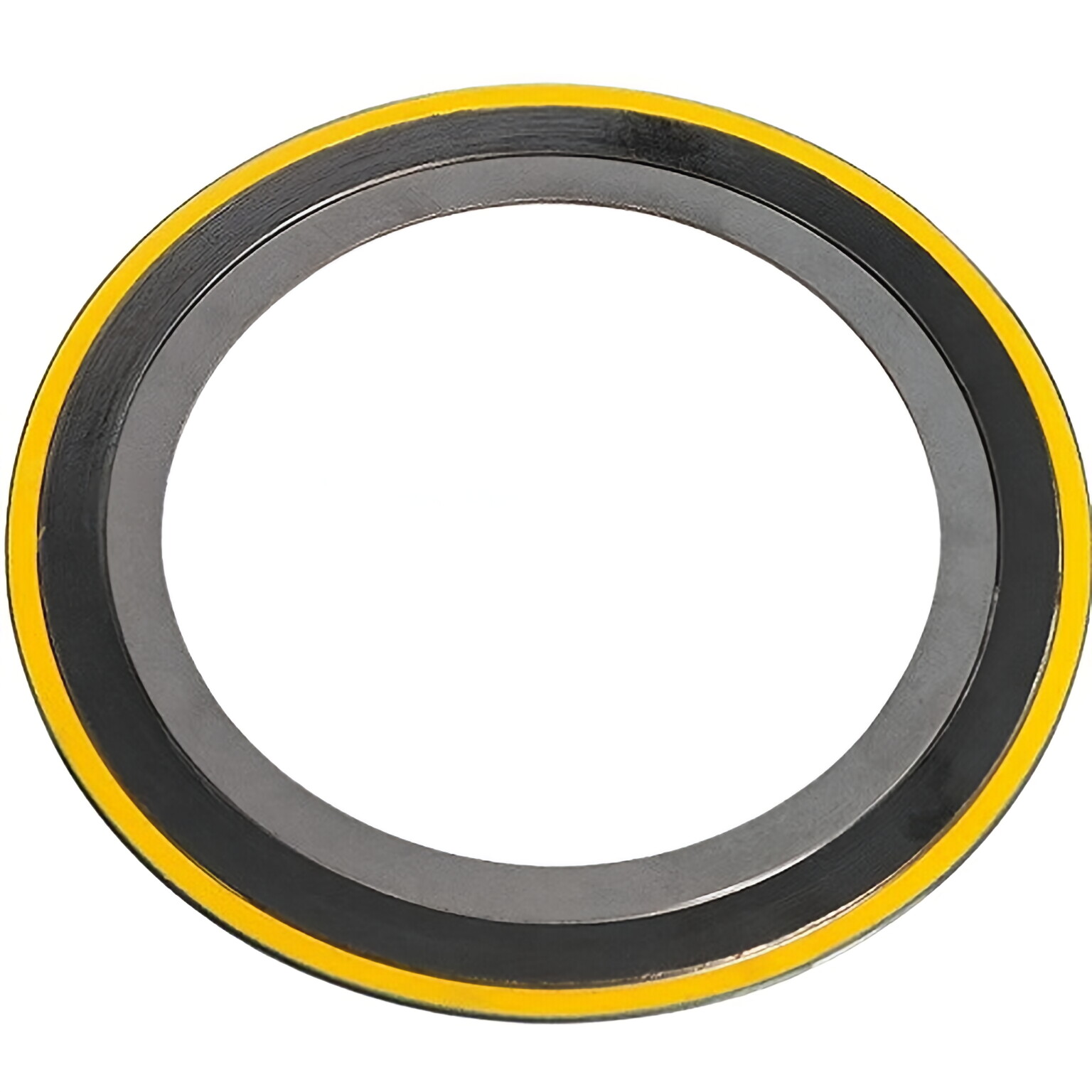
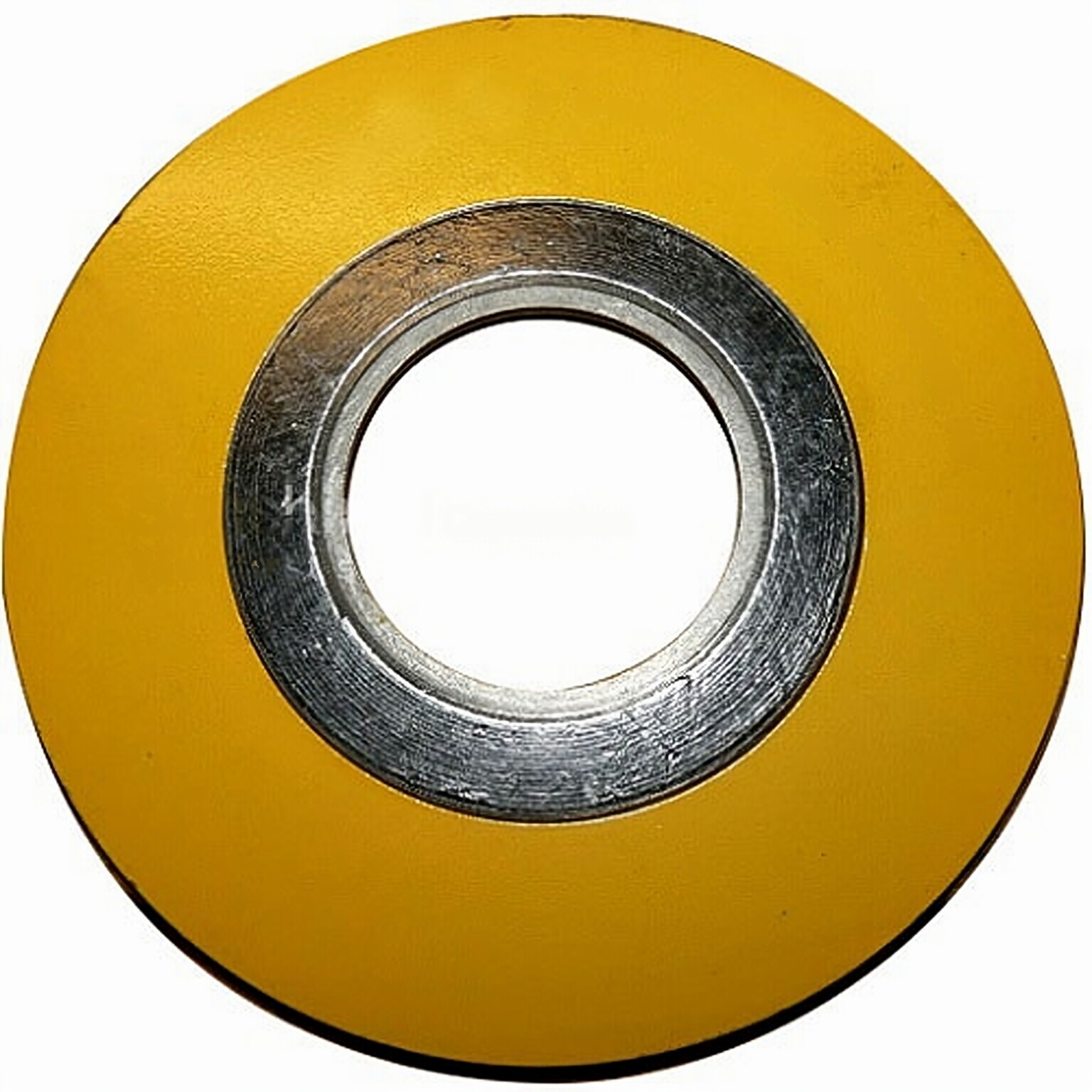
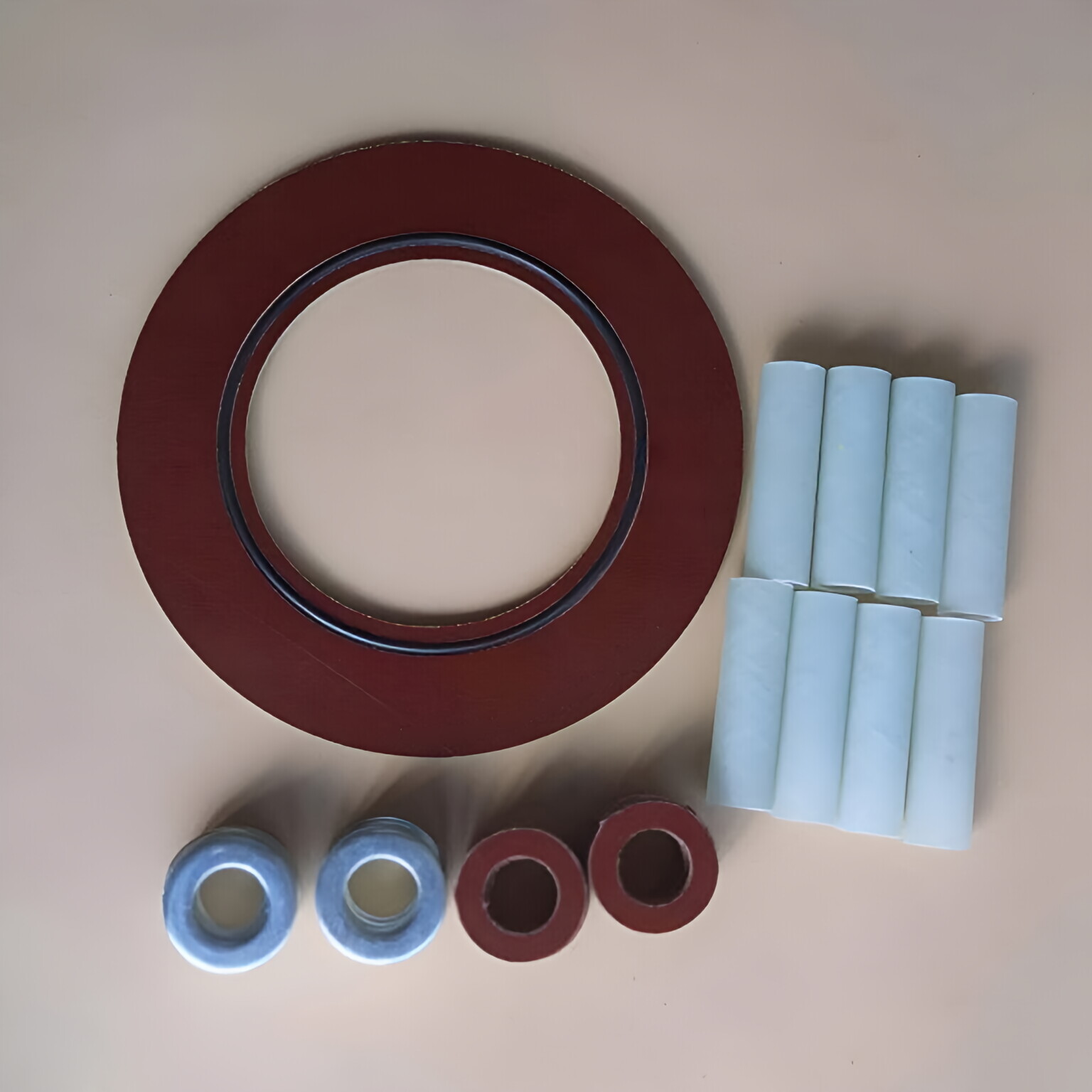
What materials are used in a CG spiral wound gasket? For procurement professionals sourcing sealing components, this question isn’t just technical curiosity—it’s the difference between a leak-free flange and catastrophic downtime. A CG (centering ring and guide ring) spiral wound gasket consists of alternating layers of a preformed metal winding and a soft filler material. Typically, the metal winding is made of stainless steel grades like 304 or 316L, while the filler is flexible graphite or PTFE. But here’s the catch: “standard” materials fail fast when faced with aggressive chemicals, extreme temperatures, or fluctuating pressures. Imagine a heat exchanger gasket in a refinery where steam reaches 500°C. Standard 304 with graphite might blister and leak within weeks. Or a chemical plant flange handling hydrochloric acid where 316L corrodes. That’s where material expertise becomes your strongest asset. From Inconel 625 windings to mica-based fillers, every combination solves a specific pain point. As a procurement leader, you need more than a product—you need a partner who understands upstream operations and delivers custom CG gaskets that eliminate trial-and-error. Ningbo Kaxite Sealing Materials Co., Ltd. bridges this gap, providing precisely engineered spiral wound gaskets with full material traceability and application-specific guidance.
Purchasing managers often face a recurring nightmare: newly installed spiral wound gaskets leak during hydrostatic testing, triggering costly rework and delayed project timelines. The root cause in over 60% of these cases is improper material selection—not manufacturing defects. A gasket rated for general steam service fails prematurely in a slightly acidic environment because the 304 stainless winding experiences chloride stress corrosion cracking, or the graphite filler oxidizes rapidly above 450°C in air. The solution lies in matching the exact pH, temperature cycling, and pressure fluctuations of your system with validated material pairings. For instance, a CG gasket with 316L winding and PTFE filler handles mild acids and caustics up to 260°C, while the same metal with a flexible graphite filler excels in high-temperature steam but not in strongly oxidizing acids. By mapping your process conditions against material compatibility charts, you eliminate guesswork and extend maintenance intervals significantly.
| Operating Condition | Pain Point | Recommended Metal | Recommended Filler |
|---|---|---|---|
| High-temperature steam >450°C | Oxidation, relaxation | 316L or 321 | Flexible graphite |
| Dilute acids, pH 2-4 | Corrosion, pitting | 316L or Alloy C-276 | PTFE |
| Strong caustics, pH >12 | Stress corrosion cracking | Alloy 400 (Monel) | Flexible graphite |
| Cryogenic services, -196°C | Low-temperature brittleness | 304L or 316L | PTFE |
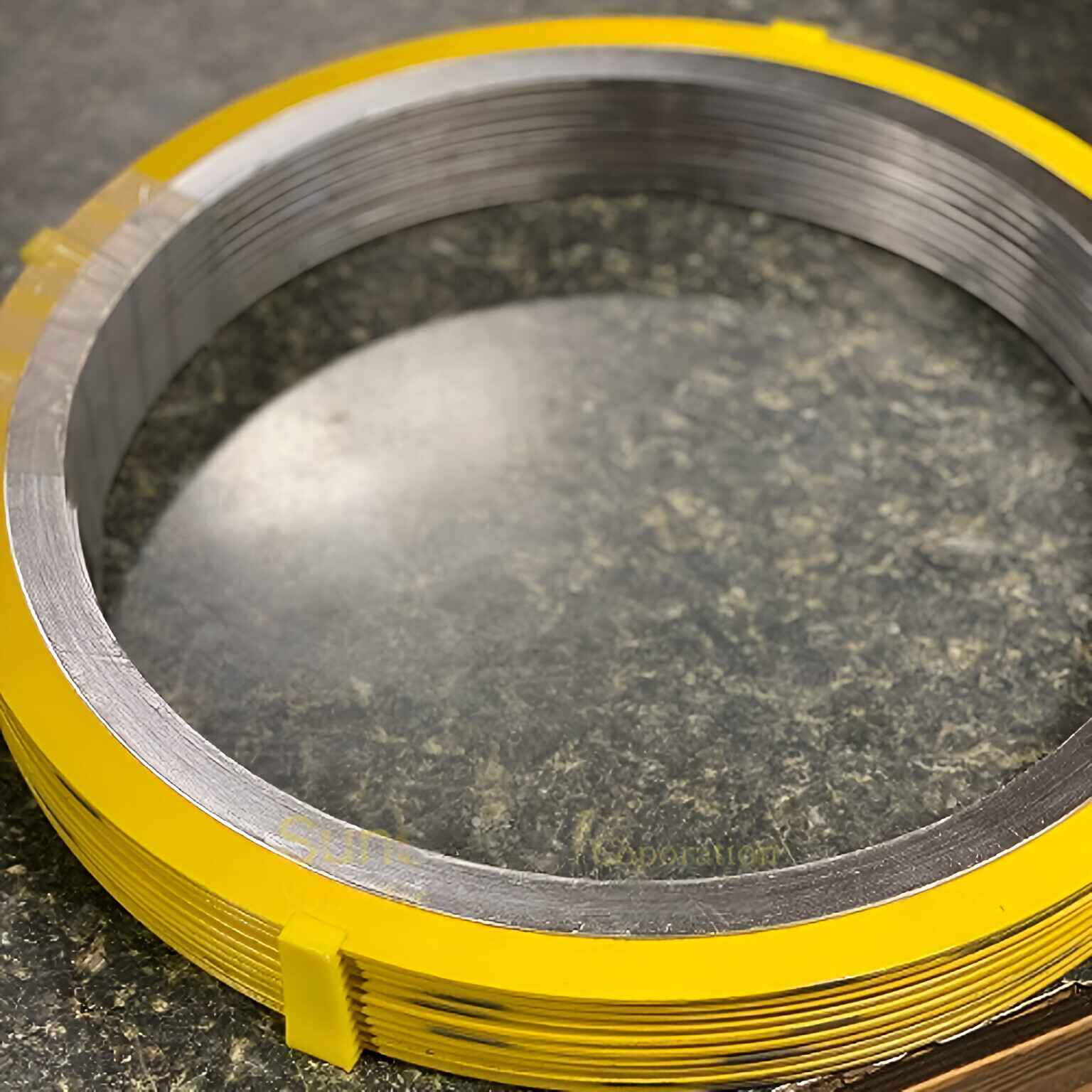
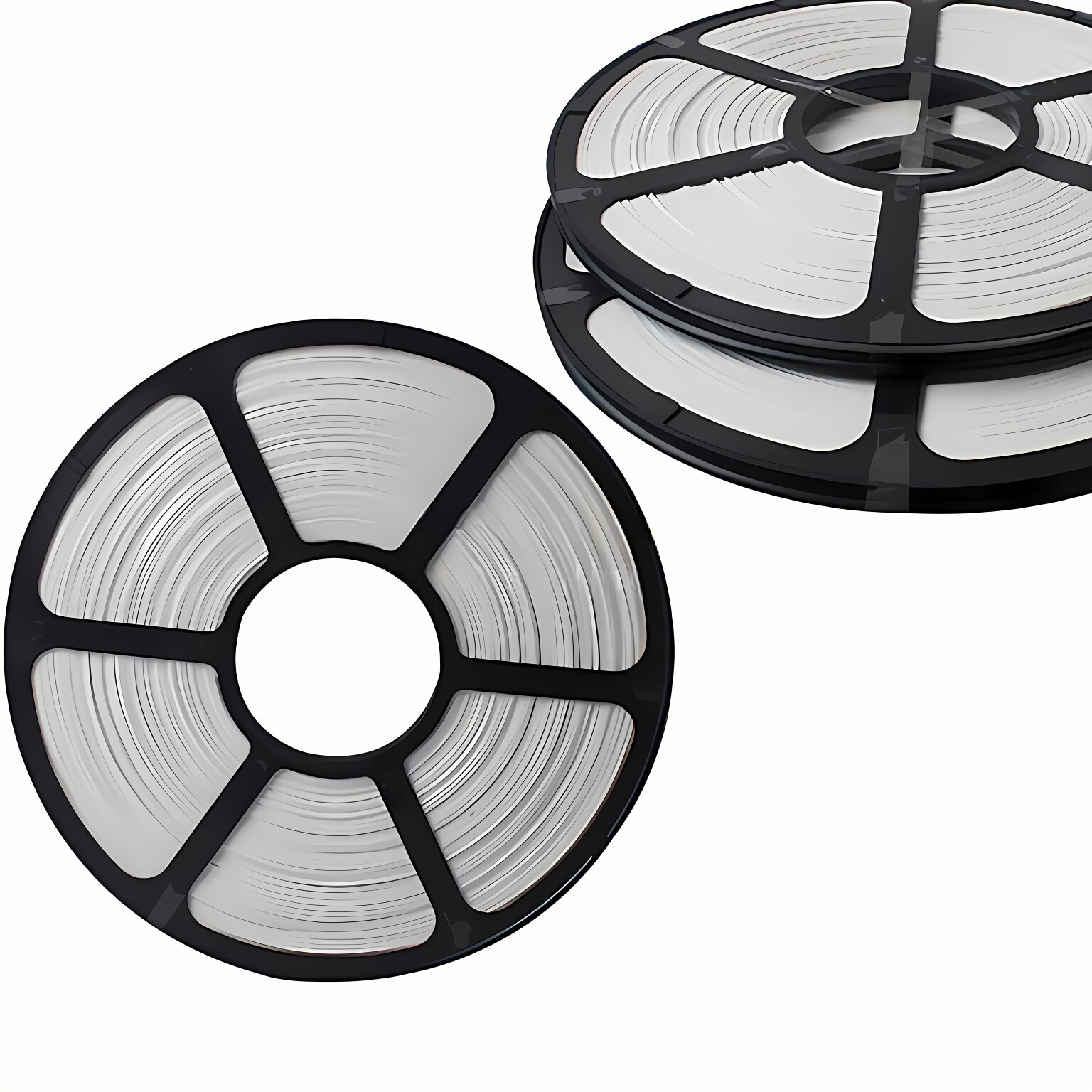
Every CG Spiral Wound Gasket is a composite system. The metal winding provides structural resilience and recovery, while the filler material delivers the primary seal. Understanding what materials are used in a CG spiral wound gasket starts with recognizing that the two elements must work in tandem. The most common winding metals are 304, 304L, 316L, and 321 stainless steels. 304 is suitable for general utilities, while 316L offers enhanced corrosion resistance due to molybdenum content. For high-temperature cycling above 800°C, nickel-based alloys like Inconel 600 or 625 preserve strength and oxidation resistance. On the filler side, flexible graphite is the dominant choice because it conforms to flange irregularities and can operate from -200°C to over 500°C in non-oxidizing environments. However, when purity is critical—such as in pharmaceutical or food processing—PTFE fillers prevent contamination. An emerging option is mica-coated fillers for fire-safe applications where leakage must be prevented during a fire event.
Q: What materials are used in a CG spiral wound gasket for a typical steam application?
A: For saturated steam systems under 400°C, the standard material combination is 304 or 316L stainless steel winding with flexible graphite filler. If steam temperature oscillates, a 321 winding with graphite offers better thermal fatigue resistance. Ningbo Kaxite pre-stocks these combinations and can ship within 48 hours for urgent projects.
| Winding Material | Max Temp (°C) | Key Feature |
|---|---|---|
| 304/304L | 870 | General corrosion resistance |
| 316L | 870 | Better pitting resistance |
| 321 | 870 | Stabilized for thermal cycling |
| Inconel 625 | 1093 | High strength, oxidation resistant |
| Monel 400 | 538 | Excellent in hydrofluoric acid |
When a refinery’s hydrocracker unit suffers seal failure only two months after a turnaround, the investigation often points to a mismatch between media aggressiveness and gasket material. Sour gas streams with H₂S, high-pressure hydrogen environments, or boiling nitric acid simply destroy commodity-grade materials. The right answer to “what materials are used in a CG spiral wound gasket for corrosive applications?” involves upgrading both metal and filler. For hot sulfuric acid, Alloy C-276 winding prevents uniform corrosion while a PTFE filler handles low-pH fluids. In environments containing chlorides at elevated temperatures, duplex stainless steels (e.g., UNS S31803) paired with graphite outperform 316L dramatically. Mica-filled gaskets with Inconel windings are specified for fire-safe seals on offshore platforms. The solution here is a tailored material specification backed by third-party corrosion testing—precisely the value Ningbo Kaxite delivers through its in-house material lab and fast custom manufacturing.
Q: What materials are used in a CG spiral wound gasket for concentrated acid service?
A: For concentrated nitric or hydrochloric acid, the winding is typically Alloy C-276 or titanium, and the filler is PTFE. In cases involving alternating acid and caustic cleaning cycles, a graphite filler with an Inconel 625 winding provides the best compromise between chemical resistance and mechanical recovery.
| Corrosive Media | Recommended Winding | Recommended Filler | Temperature Limit |
|---|---|---|---|
| Boiling nitric acid | Titanium Grade 2 | PTFE | 260°C |
| Hot sulfuric acid (>90%) | Alloy C-276 | PTFE or Graphite | 450°C |
| Wet chlorine gas | Tantalum or Alloy C-276 | PTFE | 260°C |
| H₂S-rich hydrocarbons | Inconel 625 | Flexible graphite | 650°C |
A less obvious yet frequent cause of CG spiral wound gasket failure is the wrong choice of centering and guide ring materials. If an outer ring made from carbon steel is installed in a coastal facility, rust bleeding onto the flange face compromises the seal within months. Similarly, an inner ring that lacks sufficient thickness can deform under compression, inviting blowouts. The solution is treating the ring as an integral engineering element. Typically, carbon steel rings are galvanized or coated for non-corrosive atmospheres; 304 or 316L stainless steel rings are mandatory for chemical plants and offshore platforms. For hydrogen sulfide service, NACE-compliant materials avoid sulfide stress cracking. When you work with Ningbo Kaxite, your quotation includes a full material breakdown of all three components—winding, filler, and rings—so there are no hidden weak links in your gasket assembly.
Getting the material formula right from the first inquiry saves months of trial and unplanned shutdowns. Browse our material selection guide or ask our engineers for a custom recommendation based on your specific process data. Leave a comment below or reach out directly to start a material conversation that puts sealing confidence back into your operations.
Ningbo Kaxite Sealing Materials Co., Ltd. is a premier manufacturer of spiral wound gaskets, committed to solving the toughest sealing challenges in oil and gas, chemical processing, power generation, and shipbuilding. By combining an ISO-certified production facility with deep metallurgical and polymer expertise, we produce gaskets that consistently exceed ASME B16.20 and API 601 standards. Whether you need standard CG gaskets in bulk or a one-off engineered solution for a critical exchanger, our team ensures material accuracy and on-time delivery to your global site. Explore our full range at https://www.spiral-wound-gasket.com or contact our specialist directly at [email protected] for a material consultation.
Abdel-Hakim, A., & El-Sayed, A.A. (2019). Evaluation of flexible graphite-based fillers for spiral wound gaskets in high-temperature applications. Journal of Materials Engineering and Performance, 28(7), 4321-4330.
Bouzidi, S., & Zirari, M. (2020). The effect of mica filler on the fire resistance of spiral wound gaskets. Fire Safety Journal, 114, 103166.
Chen, X., & Li, H. (2021). Corrosion behavior of 316L and Alloy C-276 windings in acidic brine environments. Corrosion Science, 178, 109074.
Dincer, F., & Karakoc, A. (2018). Investigation of gasket creep relaxation in bolted flanged joints using finite element analysis. International Journal of Pressure Vessels and Piping, 161, 45-53.
Gollihue, R., & Rudge, K. (2017). Material selection for spiral wound gaskets in hydrogen service: A case study. Energy Procedia, 126, 1025-1032.
Kim, J.Y., & Cho, S.M. (2020). Experimental study on the sealability of PTFE-filled spiral wound gaskets under thermal cycling. Tribology International, 150, 106394.
Lee, K.H., & Park, J.W. (2019). Comparative analysis of ASME B16.20 and custom CG gasket designs for gas pipelines. Journal of Loss Prevention in the Process Industries, 61, 53-60.
Matsumoto, T., & Yamamoto, Y. (2021). Long-term performance of Inconel 625/graphite spiral wound gaskets in supercritical CO₂ cycles. Energy Reports, 7, 3592-3599.
Nielsen, J., & Persson, K. (2018). Gasket factor optimization for spiral wound gaskets using DIC measurements. Tribology Letters, 66(3), 94.
Zheng, L., & Huang, R. (2022). Development of a multi-layer filler system for spiral wound gaskets in LNG applications. Cryogenics, 122, 103413.