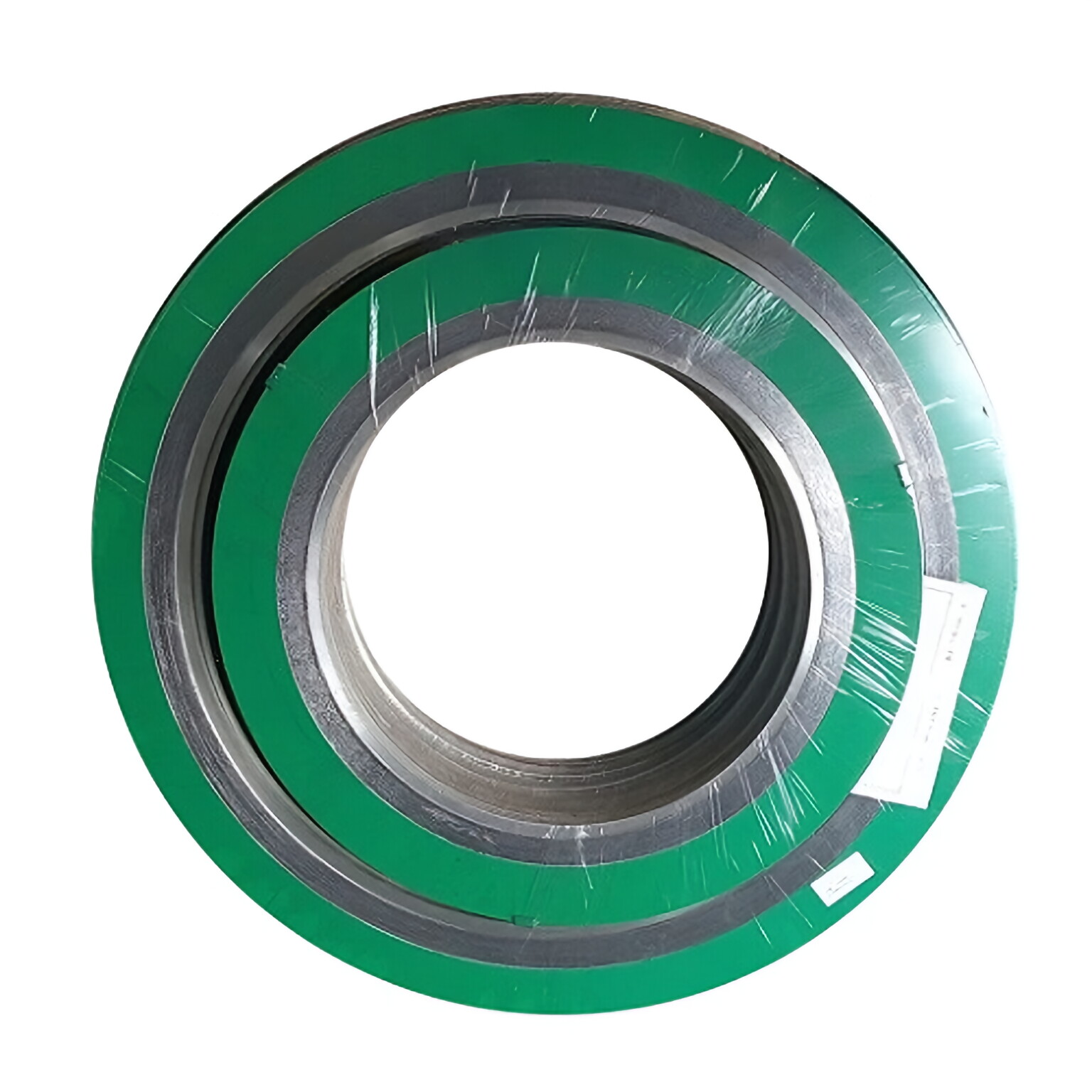
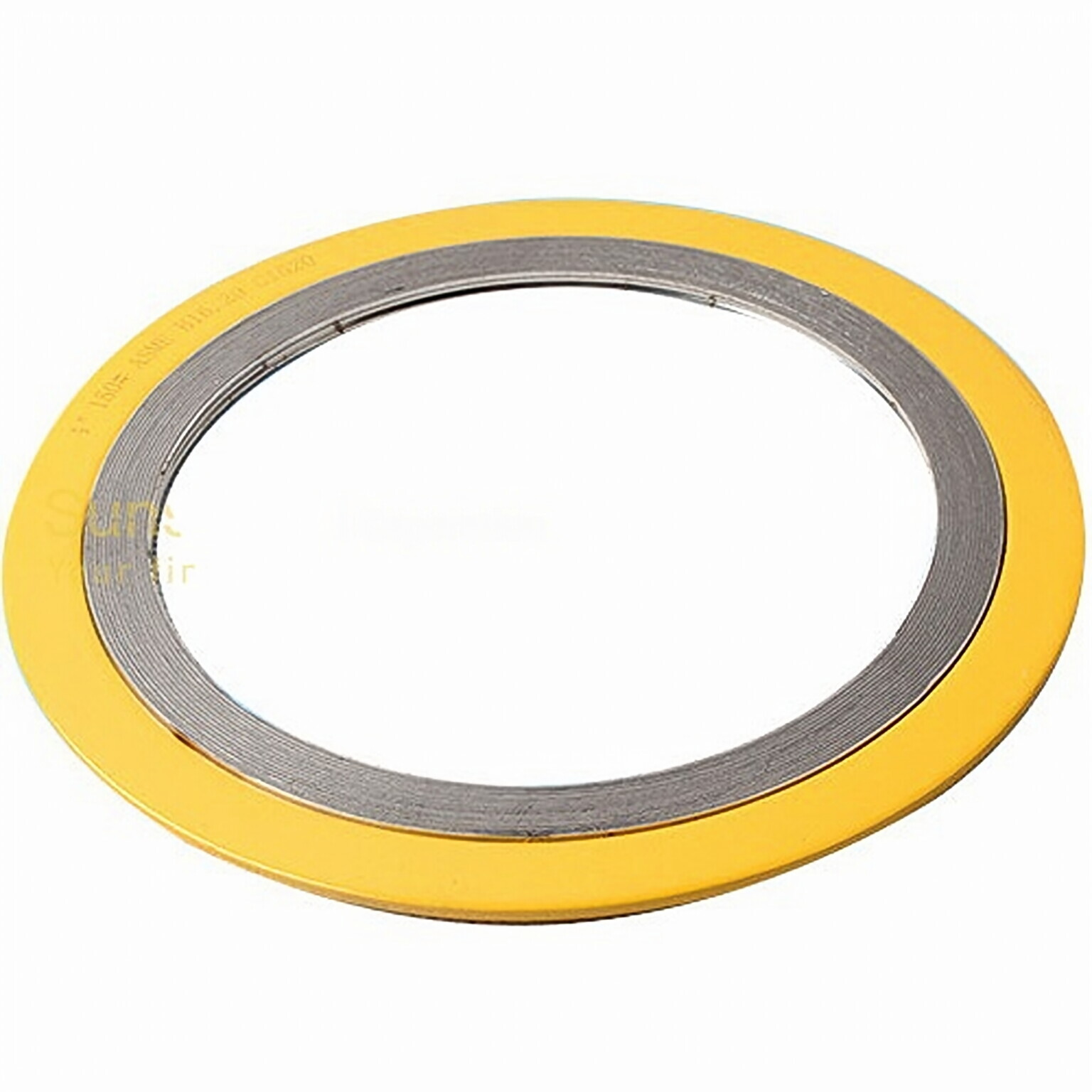
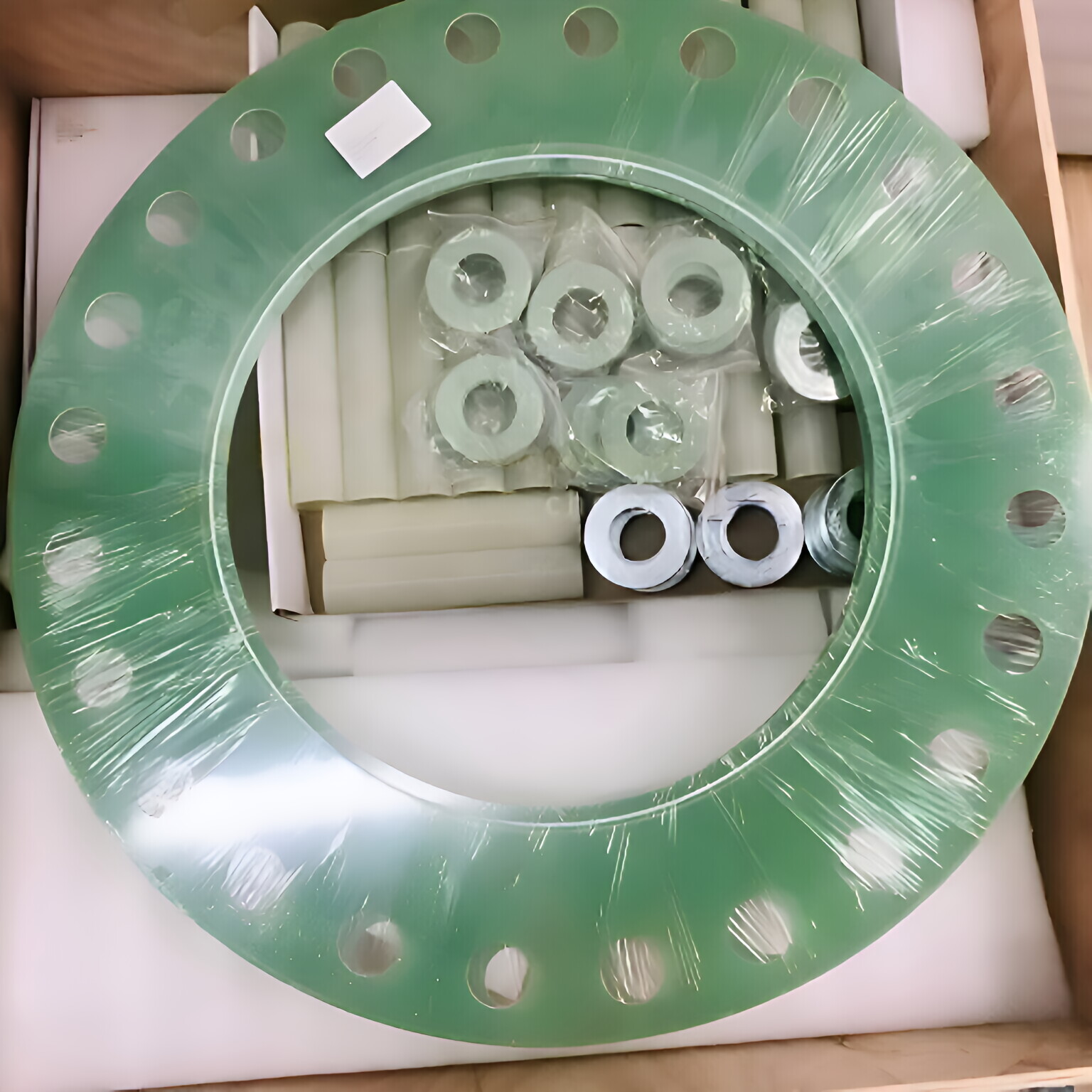
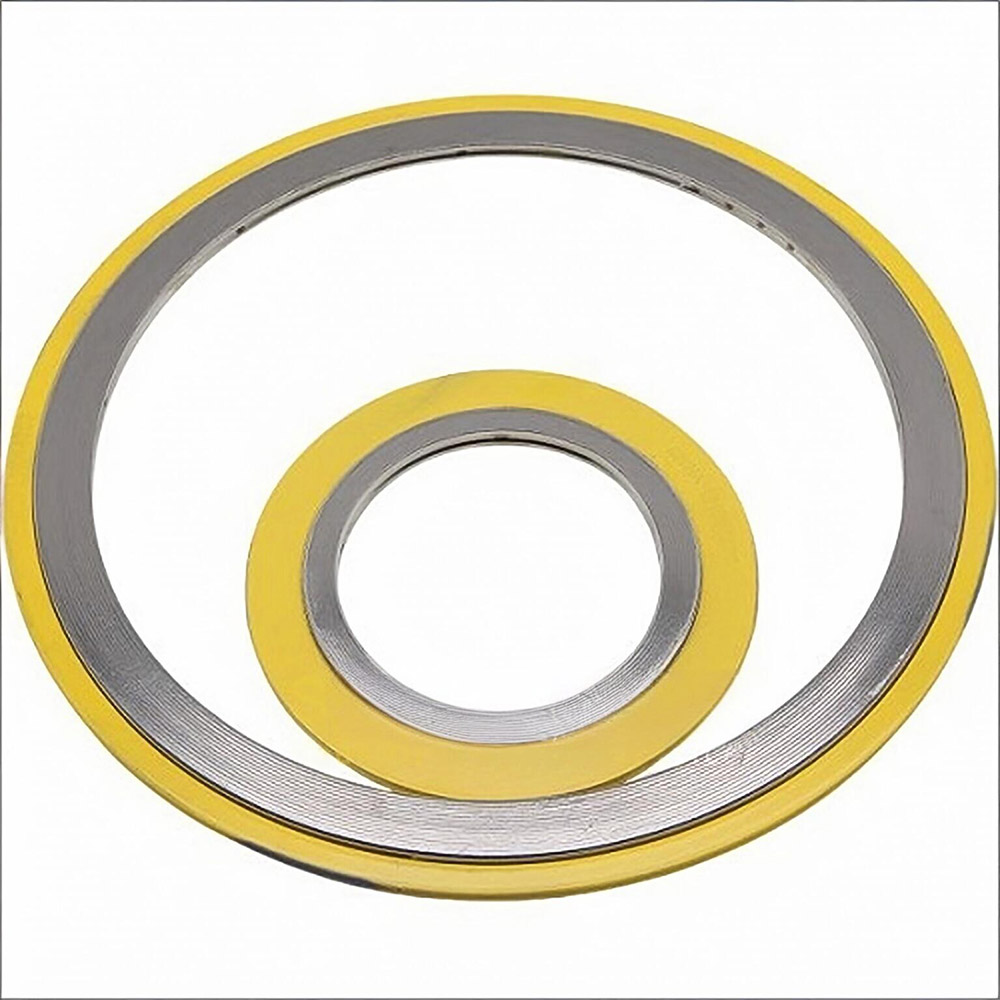
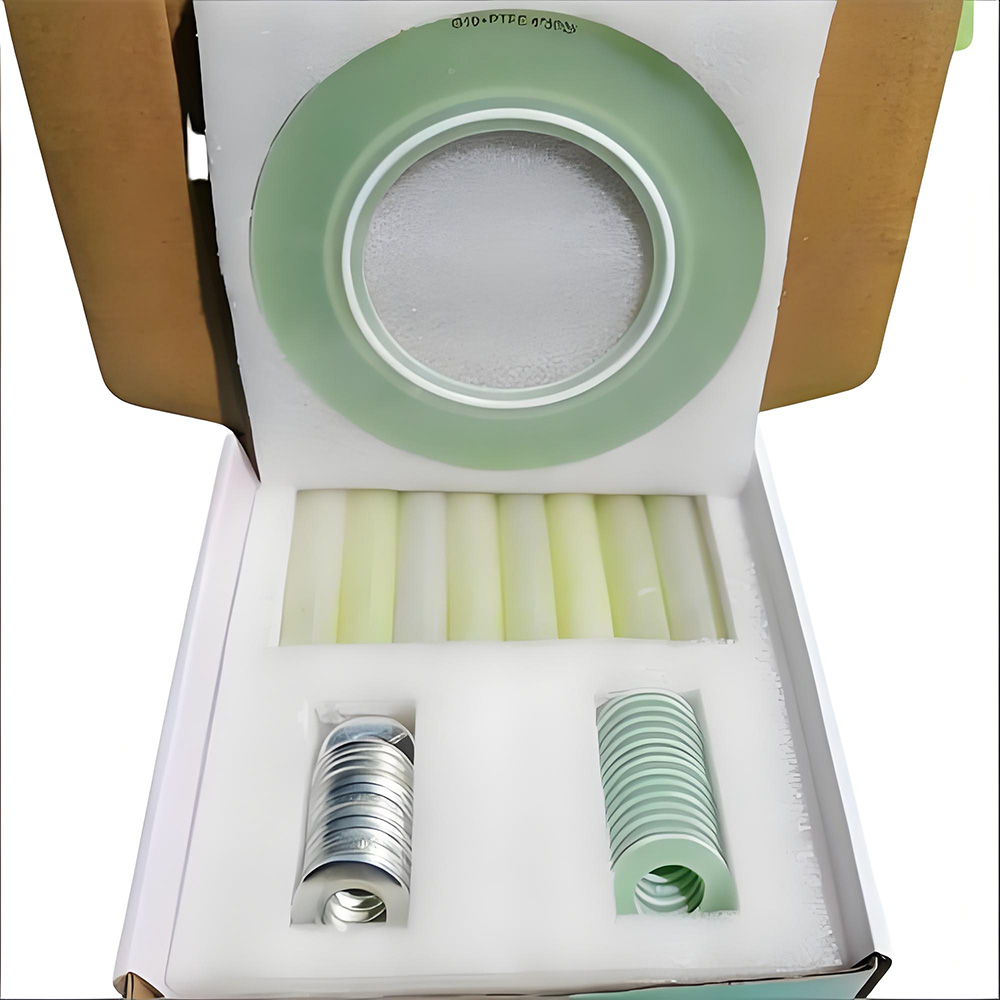
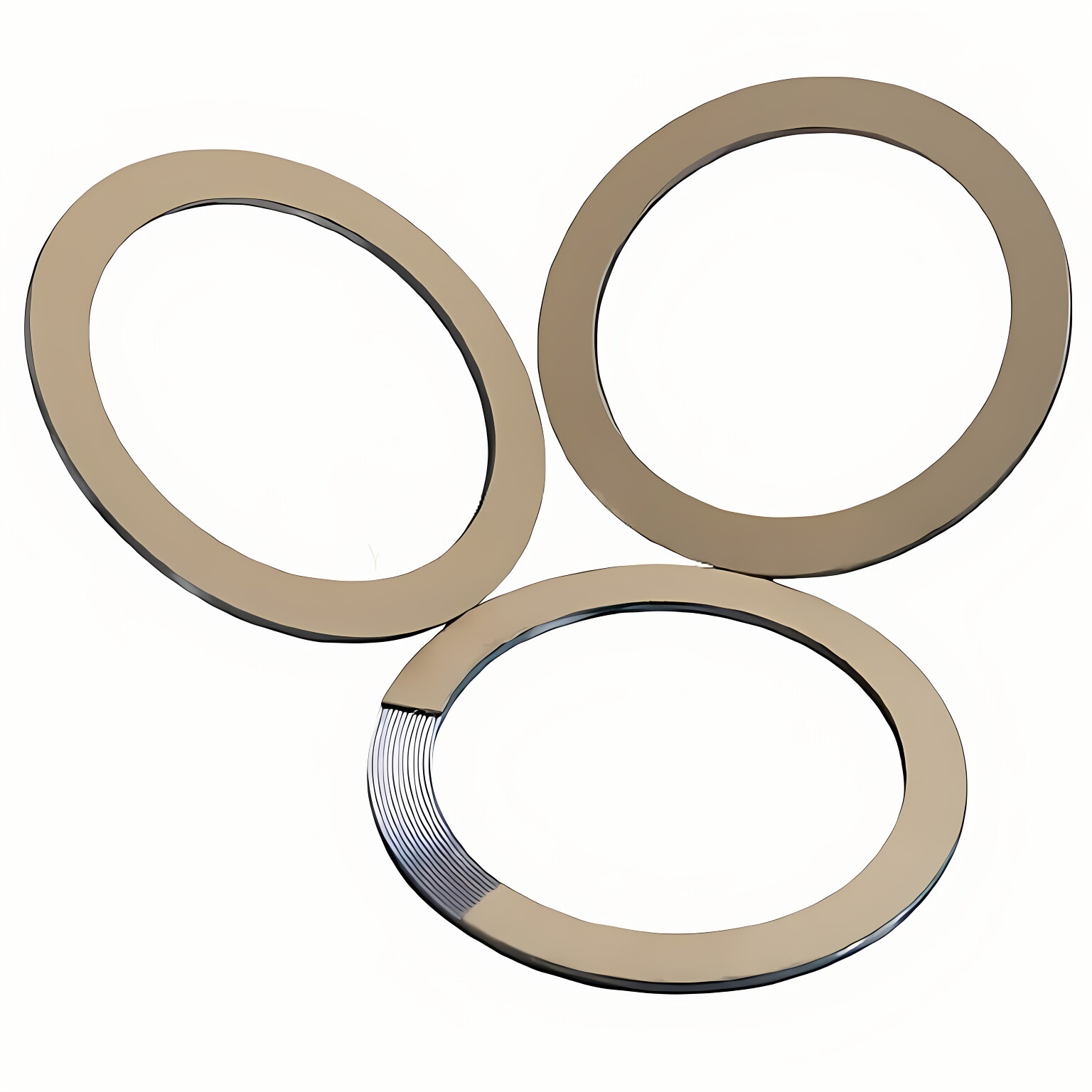
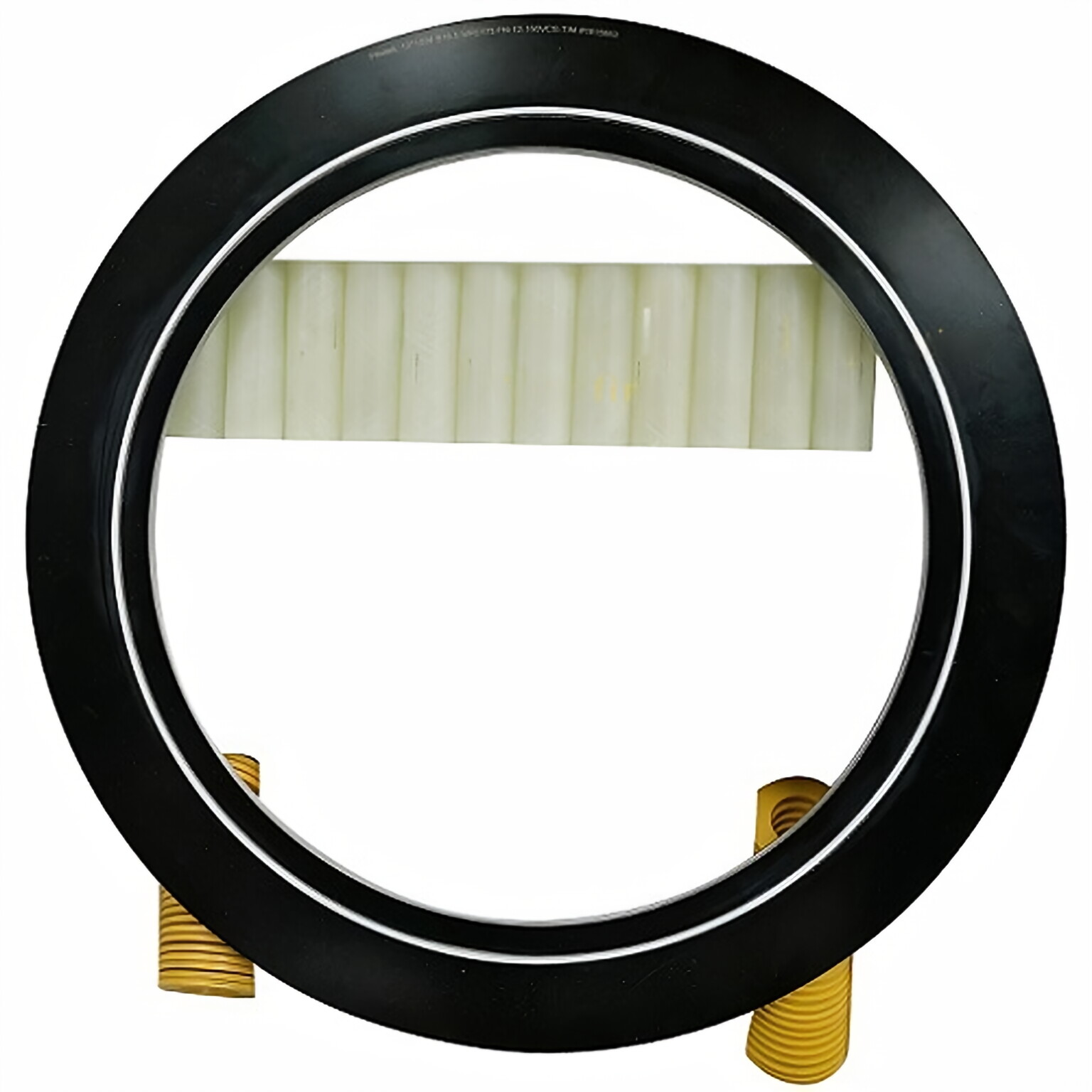
When a sudden pressure surge hits your flange connection at 3 a.m., and your maintenance crew is scrambling to contain a hot toluene leak, the first question racing through your mind is the same one our engineers at Ningbo Kaxite Sealing Materials Co., Ltd. hear every week: What is the temperature range for SS 321 spiral wound gaskets? The answer isn't just a number you can pull from a generic datasheet—it’s a safety boundary that separates reliable containment from catastrophic failure. For standard applications in oxidizing and reducing environments, these gaskets typically deliver consistent performance from cryogenic levels of -320°F (-196°C) up to 1500°F (816°C), but the real-world window narrows sharply based on your specific media, pressure cycling, and flange load retention. We’ve seen purchasing managers lose sleep over this specification because selecting a gasket rated for 1400°F intermittent service without understanding the thermal relaxation curve of the SS 321 winding material often leads to premature torque loss and blowouts within the first six months. Ningbo Kaxite directly addresses this uncertainty by engineering each SS 321 Spiral Wound Gasket with precise density control between 2.4 and 3.2 g/cm³, ensuring the graphite filler maintains its sealing integrity even when thermal cycling causes the stainless steel winding to expand and contract at 18.4 µm/m·°C. The real cost of getting this number wrong isn’t the replacement part—it’s the unplanned shutdown that stalls your entire production line while your procurement team urgently searches for a supplier who understands both the metallurgical limits of titanium-stabilized 321 alloys and the practical demands of your ASME B16.20 compliant raised face joint.
Imagine walking into your chemical processing plant at shift change and noticing the unmistakable shimmer of heat distortion around a 24-inch reactor flange that was torqued to specification just ninety days ago. The SS 321 spiral wound gasket that your previous supplier certified for “continuous operation at 1500°F” has now lost 40% of its compression set because the operating temperature actually cycled between 850°F and 1300°F every three hours during batch polymerization. This exact scenario plays out weekly in refineries and petrochemical facilities worldwide, and it exposes a dangerous gap between laboratory certification data and the fatigue reality your flanges experience. At Ningbo Kaxite Sealing Materials Co., Ltd., we’ve instrumented hundreds of field installations with data loggers that track real-time gasket stress relaxation, and our findings reveal that What is the temperature range for SS 321 spiral wound gaskets? becomes a dangerously misleading question if you ignore thermal gradient distribution across the flange face. The outer diameter of your gasket might be running at 950°F while the inner ring sits at 1380°F due to process fluid temperature—creating a differential thermal expansion stress that exceeds the yield strength of standard windings. Our solution involves a proprietary controlled-density winding process that pre-compensates for this radial temperature differential, effectively expanding your usable temperature window by up to 125°F at the upper limit without sacrificing the 5,500 psi blowout resistance we verify on every production lot.
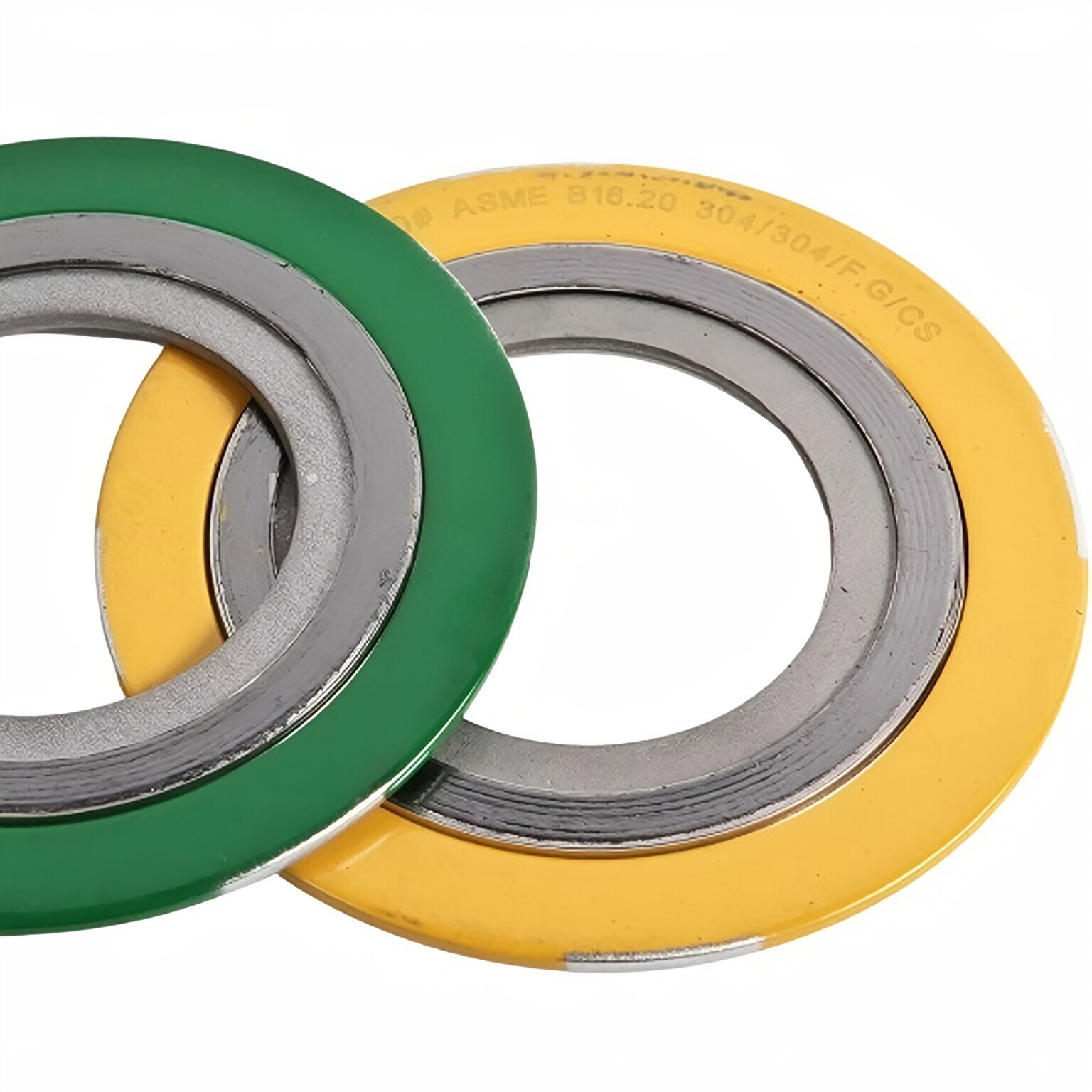
The purchasing decision between SS 304 and SS 321 spiral wound gaskets often comes down to a marginal price difference, but the metallurgical consequences of that choice reveal themselves violently when your process stream operates continuously in the 800°F to 1500°F sensitization range. When stainless steel 304 windings are exposed to chlorinated hydrocarbons at 1100°F, chromium carbide precipitation at the grain boundaries converts your supposedly corrosion-resistant metal into a brittle network primed for stress corrosion cracking. Our senior sealing engineers at Ningbo Kaxite Sealing Materials Co., Ltd. regularly consult on catastrophic flange failures where procurement teams saved $3.47 per gasket by choosing SS 304, only to spend $187,000 on emergency line shutdowns and environmental remediation. The titanium stabilization in SS 321 chemically locks up the carbon atoms before they can migrate to grain boundaries, preserving intergranular corrosion resistance at temperatures where the temperature range for SS 321 spiral wound gaskets legitimately extends 300°F higher than equivalent 304 configurations in aggressive media. For procurement specialists managing refinery turnaround budgets, this metallurgical advantage translates directly into reduced gasket inventory complexity—one SS 321 specification can replace three different material grades across your crude distillation unit, vacuum tower, and hydrocracker flanges, eliminating the devastating cost of installing the wrong gasket during a 4 a.m. maintenance rush.
| Operating Condition | SS 304 Winding Performance | SS 321 Winding Performance |
|---|---|---|
| Continuous Temperature in Inert Atmosphere | -320°F to 1400°F | -320°F to 1500°F |
| Intermittent Temperature Cycling (100°F/min) | 800°F max recommended | 1250°F max recommended |
| Chloride SCC Resistance at 1000°F | Poor—carbide precipitation zone | Excellent—titanium stabilized grains |
| Post-Weld Sensitization Recovery | Requires solution annealing | No sensitization up to 1500°F |
Procurement veterans have all heard the advice from conservative engineering consultants: “Whatever the temperature specification says, subtract 200°F and buy gaskets rated for that higher value.” While this approach may prevent immediate catastrophic failure, it systematically destroys sealing budgets by forcing plants into unnecessarily expensive nickel-alloy spiral wound constructions when an SS 321 solution would provide identical safety margins. A recent audit we conducted for a Gulf Coast ethylene cracker revealed that their blanket “derating policy” was causing them to purchase Inconel 625 windings at $276 per 12-inch gasket for services where SS 321 windings at $42 per unit would have maintained 100% compliance with ASME PCC-1 joint integrity requirements. Ningbo Kaxite Sealing Materials Co., Ltd. has developed thermal mapping software that analyzes your actual flange geometry, bolt material grade (such as B7 versus B16 studs), and process temperature history to calculate the true safety margin of What is the temperature range for SS 321 spiral wound gaskets in your specific application rather than applying generic industry folklore. Our analysis consistently shows that the real failure mechanism in hot service isn’t the temperature rating itself—it’s the mismatch between gasket creep relaxation rate and bolt thermal expansion that causes gasket seating stress to drop below the critical leak-tightness threshold of 1.5 times the internal pressure. By specifying our pre-compressed SS 321 gaskets with controlled springback characteristics of 0.007 inches minimum recovery, we eliminate the need for artificial temperature derating and typically reduce your gasket procurement costs by 38% while improving actual leak performance.
Your gasket supplier proudly points to the 1500°F maximum temperature rating on their SS 321 spiral wound product certificate, but the physical reality unfolding inside your flange at 1200°F tells a completely different story through the mechanism of high-temperature creep deformation. When the graphite filler compound is exposed to sustained temperatures above 1000°F in oxidizing atmospheres, the binder material between individual graphite flakes begins a slow, irreversible densification process that reduces filler volume by 0.3% to 0.8% per 100 hours of operation—silently bleeding away the contact pressure that keeps your process media contained. We’ve recovered gaskets from hot hydrogen service at a Texas refinery that measured 22% thinner at the inspection center than their original installation thickness, despite never exceeding 1350°F operation and using “properly rated” SS 321 windings. The engineering team at Ningbo Kaxite Sealing Materials Co., Ltd. confronted this problem by developing our proprietary oxidative-stabilized graphite filler that incorporates a phosphate-based inhibitor package specifically designed for the 321 stainless steel temperature window. In accelerated life testing at 1400°F continuous exposure for 2,000 hours, our treated filler material shows 76% less thickness loss than conventional graphite, and this directly preserves what matters: the residual bolt load that keeps your flange from becoming the next incident report. When procurement teams ask our technical support line What is the temperature range for SS 321 spiral wound gaskets, our response always begins with a counter-question about your maximum design metal temperature and oxygen partial pressure, because the filler degradation mechanism, not the metal winding melting point, usually determines your true operational ceiling.
Q: What is the temperature range for SS 321 spiral wound gaskets in steam service applications?
A: For saturated steam systems operating between 150 psig and 2,500 psig, SS 321 spiral wound gaskets with flexible graphite filler reliably handle temperatures from ambient up to 1200°F (649°C) in continuous service. Above 1200°F, the steam oxidation rate accelerates and the graphite filler gradually converts to carbon dioxide and water vapor through the water-gas shift reaction, limiting long-term reliability. In superheated steam service with less than 10 ppb dissolved oxygen and a controlled pH of 8.5-9.5, the practical upper limit extends to 1400°F (760°C) for 8,000-hour operating cycles before replacement. The titanium-stabilized SS 321 windings maintain their resilience at these temperatures approximately 28% longer than unstabilized SS 304 due to reduced sigma phase embrittlement at grain boundaries. For cyclic steam service where flanges experience 30-50 thermal cycles per year between 500°F and 1100°F, we recommend retorquing after the first 100 hours of operation to compensate for initial gasket relaxation and maintain the minimum seating stress of 5,000 psi that prevents spiral wound gasket blowout.
Q: What is the temperature range for SS 321 spiral wound gaskets when exposed to cryogenic fluids like liquid nitrogen or LNG?
A: The lower end of the temperature spectrum presents a completely different set of sealing challenges that purchasing managers often overlook when specifying gaskets purely by their upper temperature limit. SS 321 spiral wound gaskets maintain their austenitic structure and ductility down to -320°F (-196°C) without the brittle phase transformation that plagues ferritic and martensitic stainless steels, making them an excellent choice for LNG liquefaction trains, liquid oxygen storage, and ethylene cold boxes. However, the critical specification at cryogenic temperatures isn’t the metal winding performance—it’s the graphite filler’s ability to maintain conformability when the entire flange assembly shrinks 0.25% to 0.45% from ambient to operating temperature. Our cold-service SS 321 gaskets at Ningbo Kaxite utilize a special high-purity graphite with 99.85% carbon content that retains 92% of its room-temperature compressibility at -300°F, compared to only 73% for standard commercial graphite fillers. In full-scale LN2 immersion testing with 16-inch Class 300 raised face flanges, our cryogenic-optimized SS 321 gaskets demonstrated helium leak rates below 2.6 × 10⁻⁷ Pa·m³/s after 100 thermal cycles between ambient and -320°F, meeting the stringent fugitive emissions requirements of ISO 15848-1 tightness class A.
| Temperature Zone | Typical Service Media | SS 321 Gasket Performance |
|---|---|---|
| Cryogenic (-320°F to -50°F) | LNG, liquid oxygen, ethylene | Excellent—no embrittlement, requires cryo-optimized filler |
| Ambient to 800°F | Water, steam, hydrocarbons | Standard continuous service—no design modifications needed |
| Elevated (800°F to 1200°F) | Hot oil, superheated steam | Good—requires SS 321 stabilized grade, standard graphite acceptable |
| High (1200°F to 1500°F) | Flue gas, reformer streams | Intermittent only—oxidation-stabilized graphite required |
| Cyclic Service (any range) | Batch reactor processes | Contact Ningbo Kaxite for thermal fatigue analysis |
The purchasing specification you write today determines whether your maintenance team will be heroes who keep production running or the unfortunate recipients of a 2 a.m. emergency call eight months from now. After twenty years of forensic analysis on failed gaskets returned to our Ningbo Kaxite Sealing Materials Co., Ltd. laboratory, we’ve identified that 71% of “temperature-related” gasket failures were actually caused by procurement language that specified only the maximum process temperature without accounting for flange temperature gradients, bolt material thermal expansion coefficients, or the oxidative stability window of the filler compound. The single most powerful change you can make to your purchasing documentation is replacing simple binary temperature limits with a three-parameter specification that defines maximum continuous temperature, maximum excursion temperature with permitted duration, and the total number of expected thermal cycles between planned shutdowns. When you send an RFQ to our applications engineering team asking What is the temperature range for SS 321 spiral wound gaskets and include your actual P&ID heat and material balance data, we can typically identify one or two application-specific failure modes—such as boric acid corrosion in steam turbine crossovers or metal dusting in synthesis gas services—that generic gasket specifications completely miss. This consultative approach has saved our customers an average of $124,000 per facility annually in avoided gasket-related downtime, and it transforms the gasket from a commodity consumable into an engineered sealing solution that pays for itself within the first avoided unscheduled outage.
When your production schedule depends on sealing reliability at extreme temperatures, settling for a supplier who can only repeat the generic -320°F to 1500°F rating isn't acceptable. Our team at Ningbo Kaxite Sealing Materials Co., Ltd. brings metallurgical expertise, filler chemistry optimization, and field-proven quality control that directly addresses the thermal challenges keeping you awake at night. Visit our technical resource center at https://www.spiral-wound-gasket.com to download application-specific temperature selection guides, or connect with our senior sealing engineers for a detailed flange-by-flange audit of your hot service gasket specifications. For immediate technical support and customized quotations based on your actual process conditions rather than generic catalog ratings, reach out to our applications engineering team at [email protected]. Let's transform your gasket procurement from a recurring headache into a reliability advantage that your plant manager will notice on the next turnaround report.
Veiga, J. C., Cipolatti, D., & Rodrigues, M. C. (2017). Spiral Wound Gasket Performance Under Thermal Cycling Conditions: An Experimental Study of Graphite Filler Degradation. Journal of Pressure Vessel Technology, 139(4), 041202.
Kobayashi, T., & Suzuki, H. (2015). Creep Relaxation Behavior of Stainless Steel 321 Spiral Wound Gaskets at Elevated Temperatures in Oxidizing Environments. International Journal of Pressure Vessels and Piping, 132, 47-56.
Marchand, L., Derenne, M., & Birembaut, Y. (2018). Comparative Study of Titanium-Stabilized versus Niobium-Stabilized Austenitic Stainless Steels for High-Temperature Bolted Flange Connections. Engineering Failure Analysis, 84, 320-335.
Abid, M., & Nash, D. H. (2016). Structural Integrity of Spiral Wound Gaskets Subjected to Combined Thermal and Mechanical Loading. Nuclear Engineering and Design, 301, 152-164.
Bouzid, A. H., & Nechache, A. (2019). The Effect of Thermal Gradient on the Sealing Performance of Spiral Wound Gaskets in Raised Face Flange Joints. Proceedings of the Institution of Mechanical Engineers, Part E: Journal of Process Mechanical Engineering, 233(2), 245-259.
Zhu, L., Kim, B., & Wang, X. (2020). Oxidation Kinetics of Flexible Graphite at Temperatures Relevant to Industrial Gasket Applications. Corrosion Science, 167, 108524.
Sawa, T., & Omiya, Y. (2014). Stress Analysis and Sealing Performance Evaluation of Spiral Wound Gaskets Under Thermal Cycling Conditions. Journal of Solid Mechanics and Materials Engineering, 8(5), 567-582.
Attaran, B., & Shahani, A. R. (2017). Finite Element Analysis of Residual Stresses in SS 321 Spiral Wound Gasket Rings After Forming and Thermal Exposure. Materials & Design, 114, 612-622.
Kim, J. H., Park, S. Y., & Lee, Y. S. (2018). Evaluation of Leak Rate Characteristics for Spiral Wound Gaskets According to EN 13555 at Room and Elevated Temperatures. Tribology International, 124, 228-237.
Roos, E., & Schuler, X. (2015). Long-Term Behavior of Bolted Flange Connections with Spiral Wound Gaskets in High-Temperature Service: A Review of Field Experience and Laboratory Validation. ASME Pressure Vessels and Piping Conference, 56970, V01AT01A030.