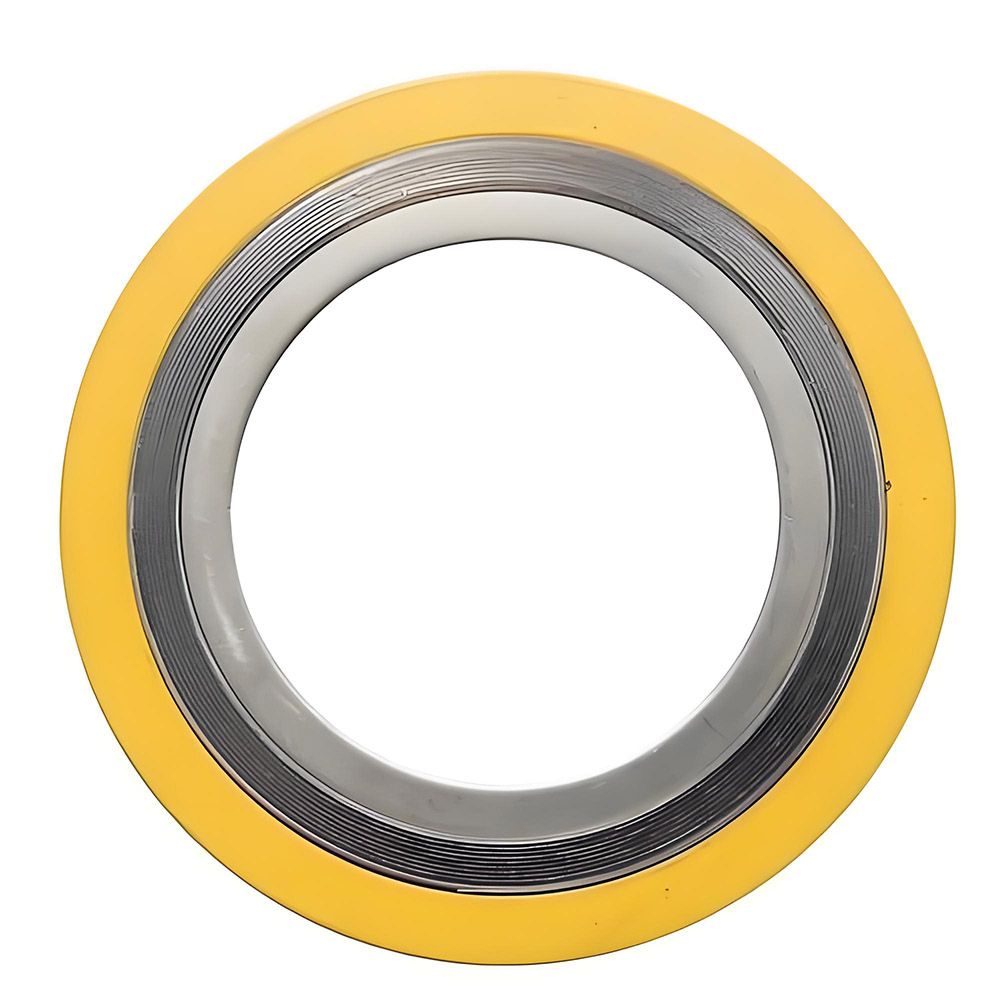
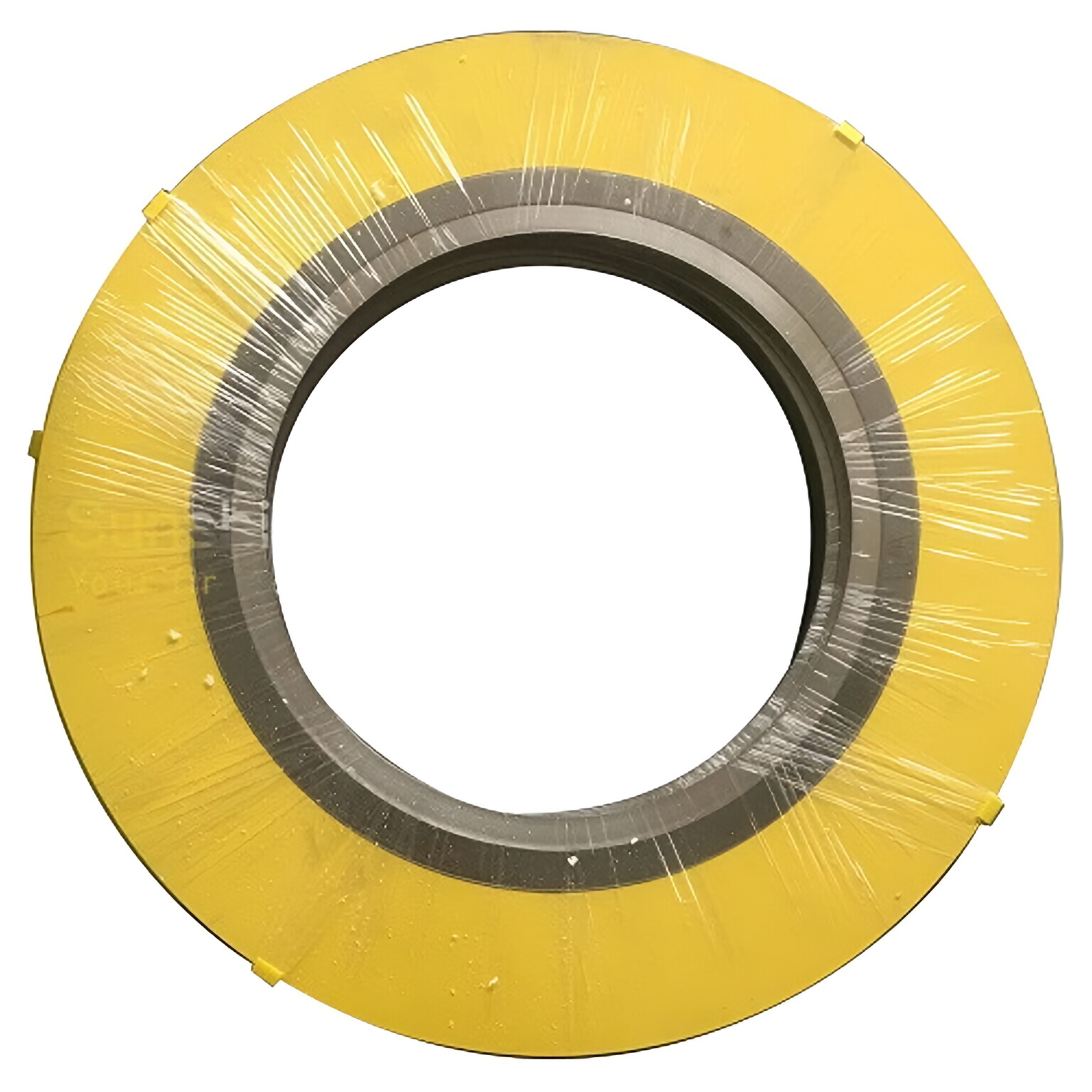
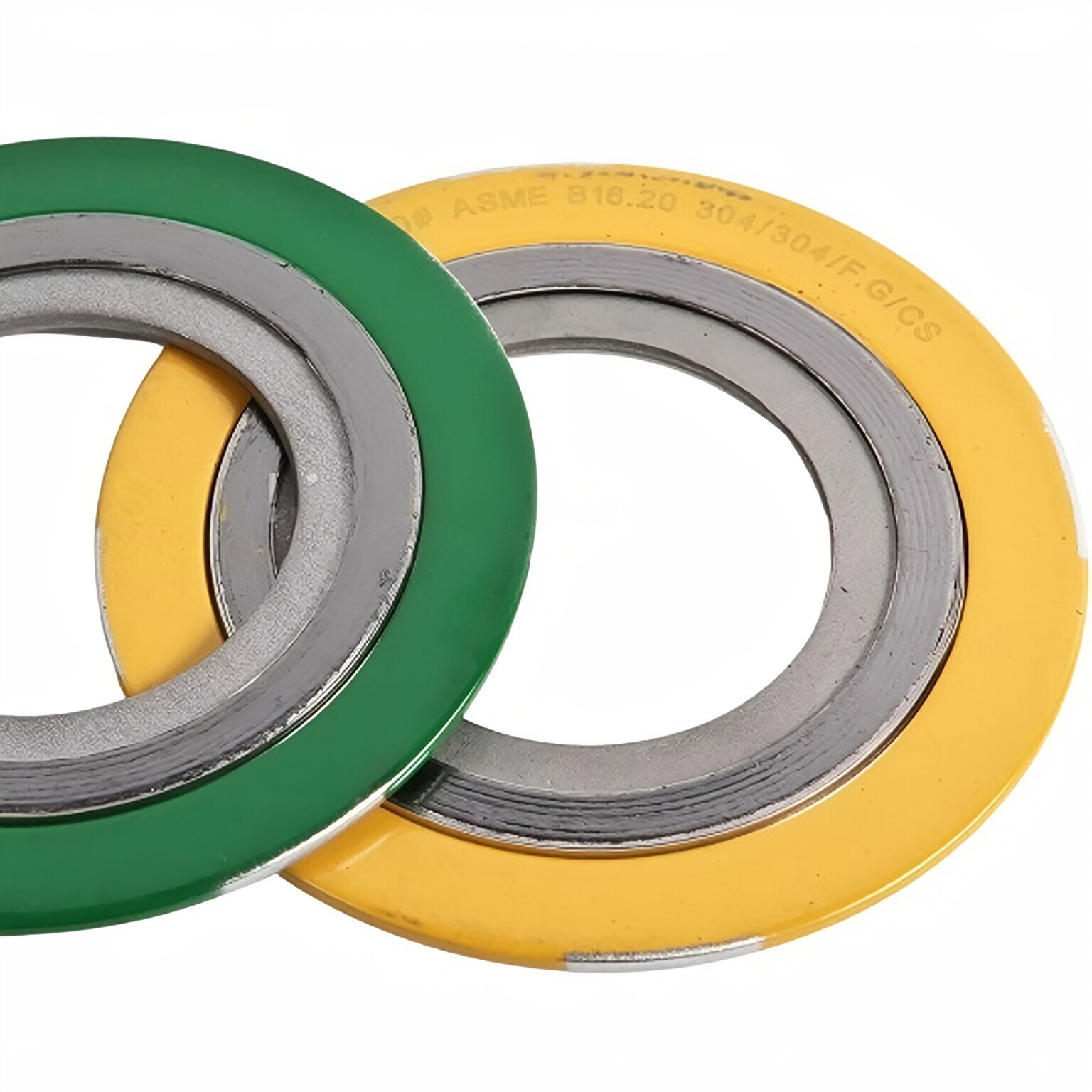
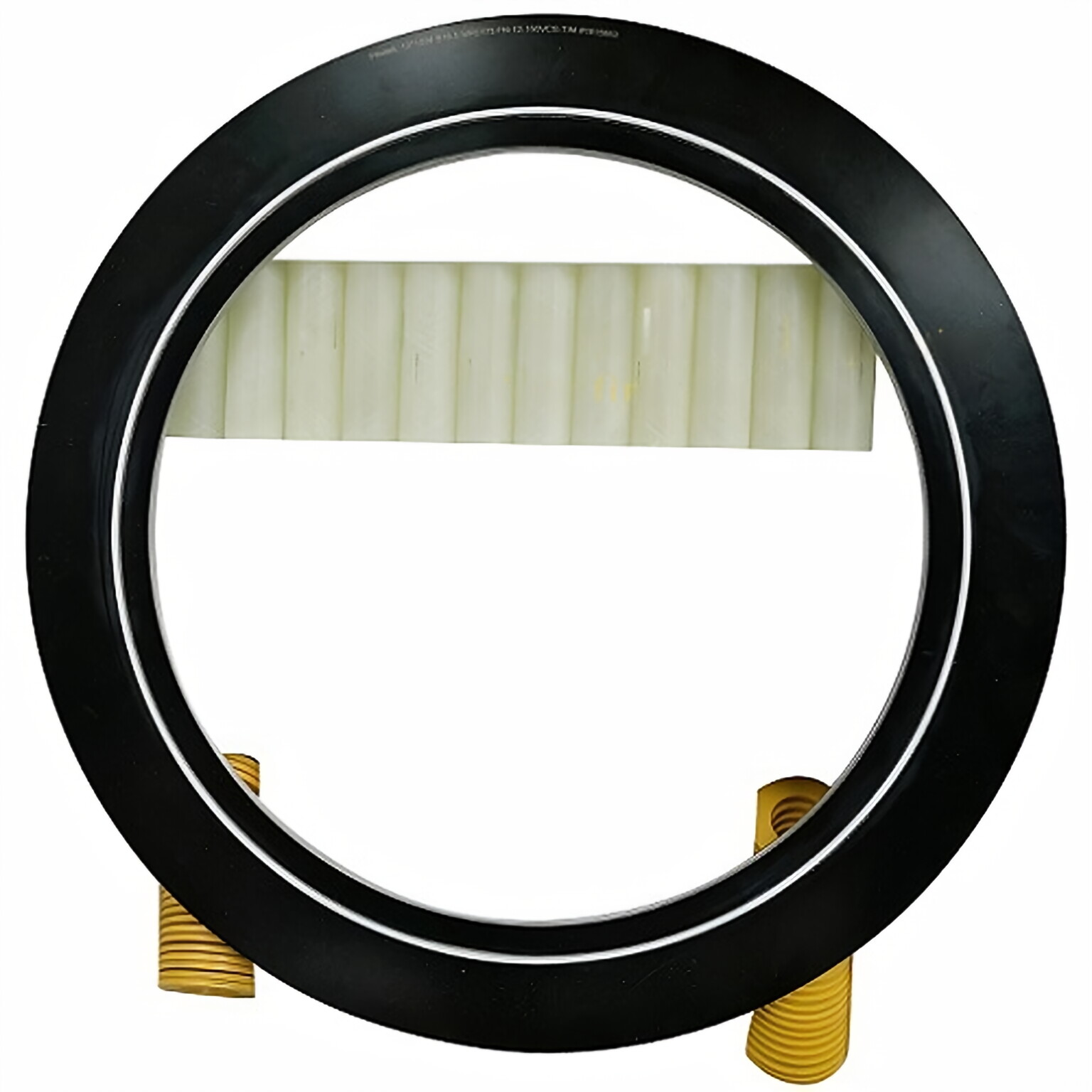
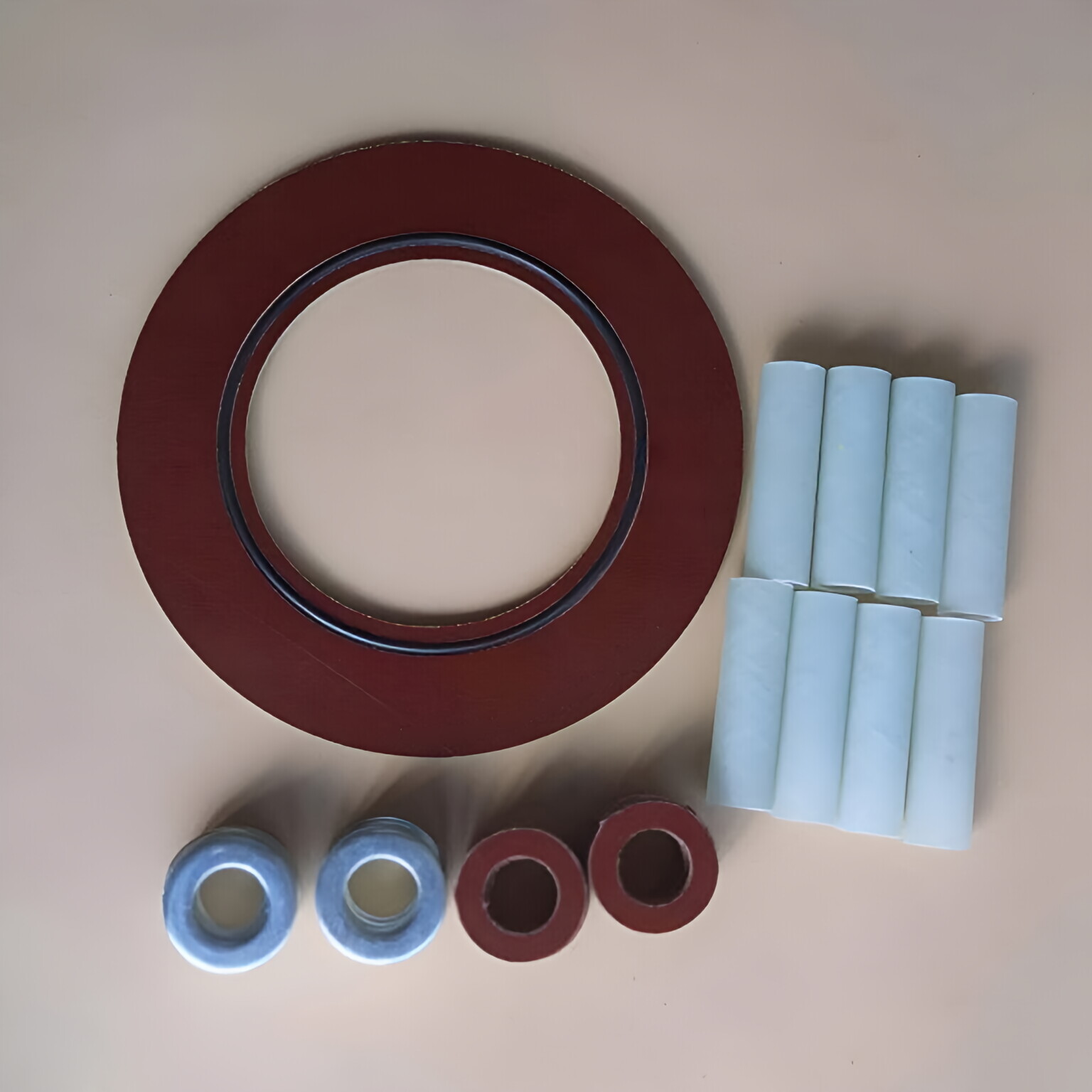
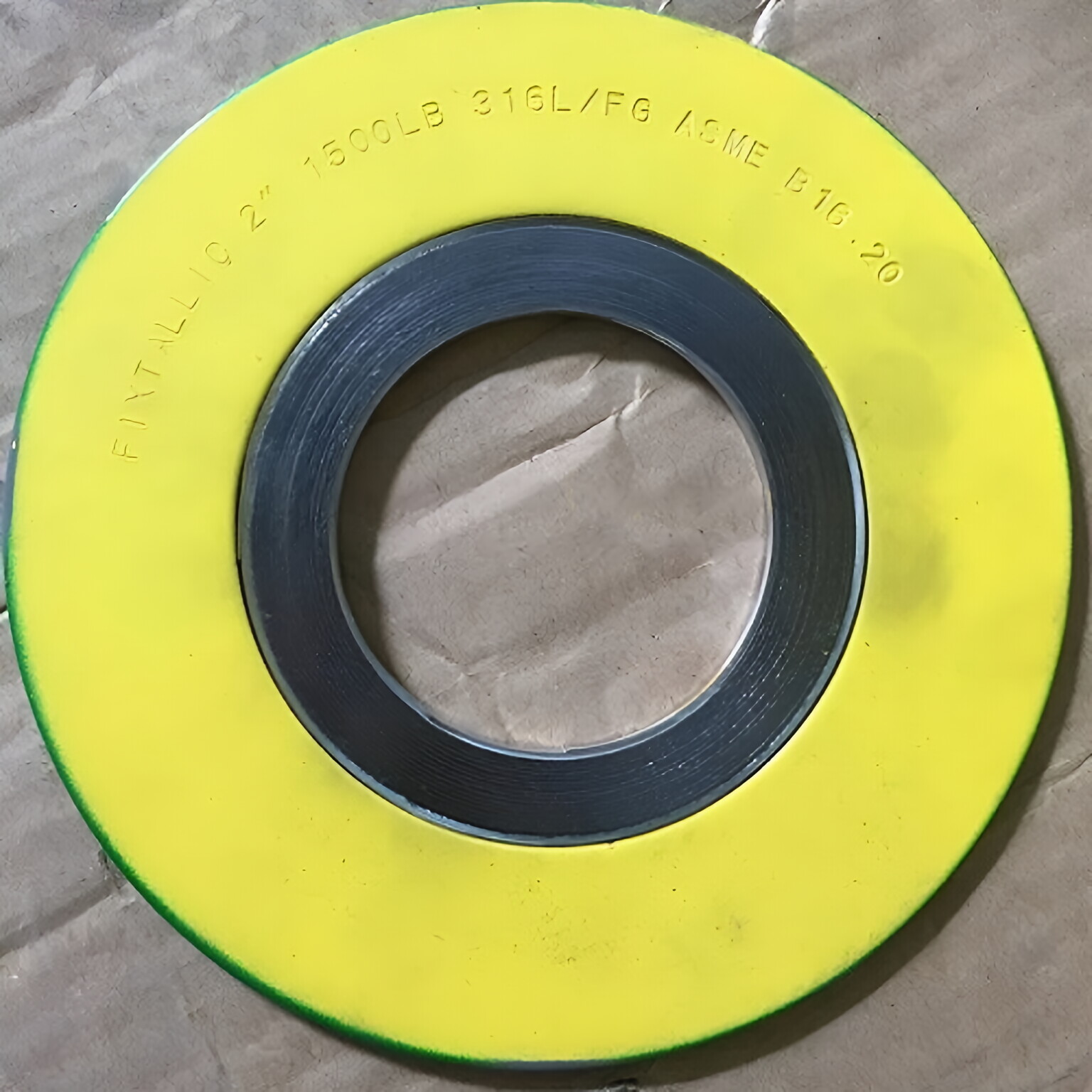
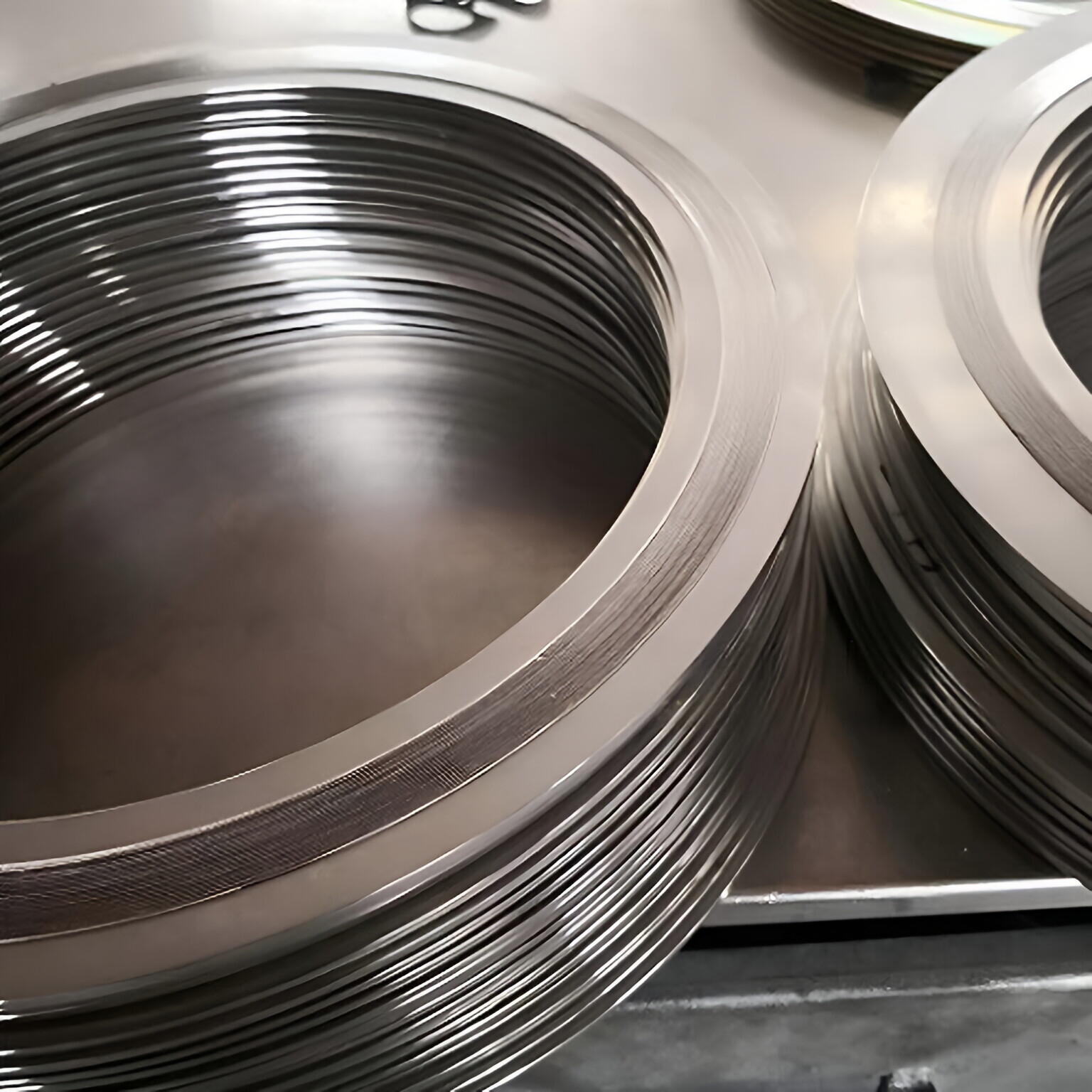
Is vermiculite filler safe for oxygen service in gaskets? It’s a question that keeps plant managers and procurement engineers awake at night. In oxygen-enriched systems, even a microscopic contaminant or incompatible material can trigger catastrophic combustion. As fabricators strive for zero-leak performance in high-pressure oxygen lines, spiral wound gaskets filled with vermiculite have gained wide acceptance — but only if sourced from suppliers who truly understand the metallurgy, cleanliness, and compliance requirements. At Ningbo Kaxite Sealing Materials Co., Ltd., we’ve spent decades engineering vermiculite filler gaskets that meet the strictest oxygen safety standards, giving you confidence that your seal won’t become an ignition source. In this article, we’ll walk you through the real-world risks, how vermiculite stacks up against other fillers, and why our approach eliminates the guesswork from oxygen service sealing.
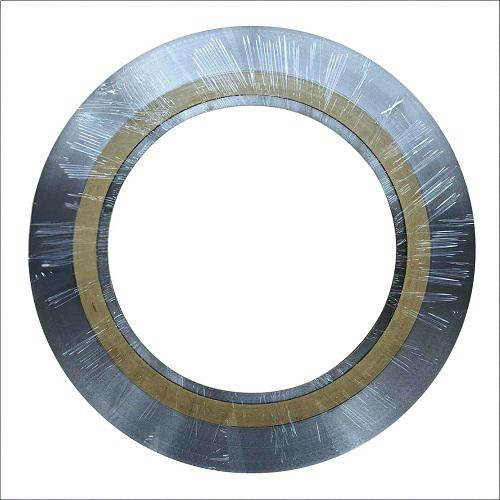
When you’re responsible for procurement at a chemical plant or a gas bottling facility, the margin for error is razor‑thin. Oxygen at elevated pressures and purities can turn lubricant traces, organic residues, or metal fines into fuel. A single failure in a flange gasket not only halts production but also risks injury and regulatory fines. Many engineers turn to spiral wound gaskets with vermiculite filler because they promise fire‑safe compliance and thermal resilience. Yet, without rigorous vendor qualification, “vermiculite” can mean inconsistent mineral purity — and that’s where the danger hides. The true cost of a substandard gasket isn’t the unit price; it’s the potential for an oxygen‑fed fire. This is why leading distributors now demand full material traceability and batch‑specific oxygen compatibility testing from their suppliers.
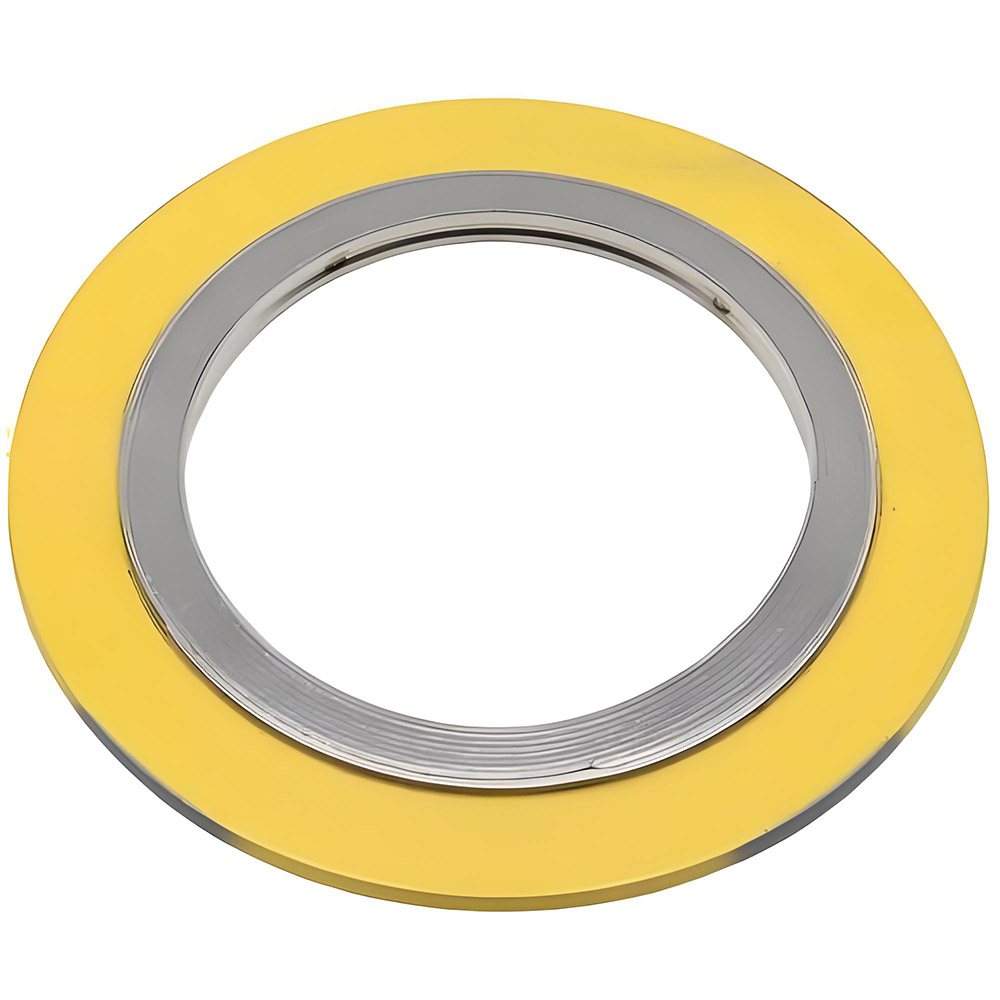
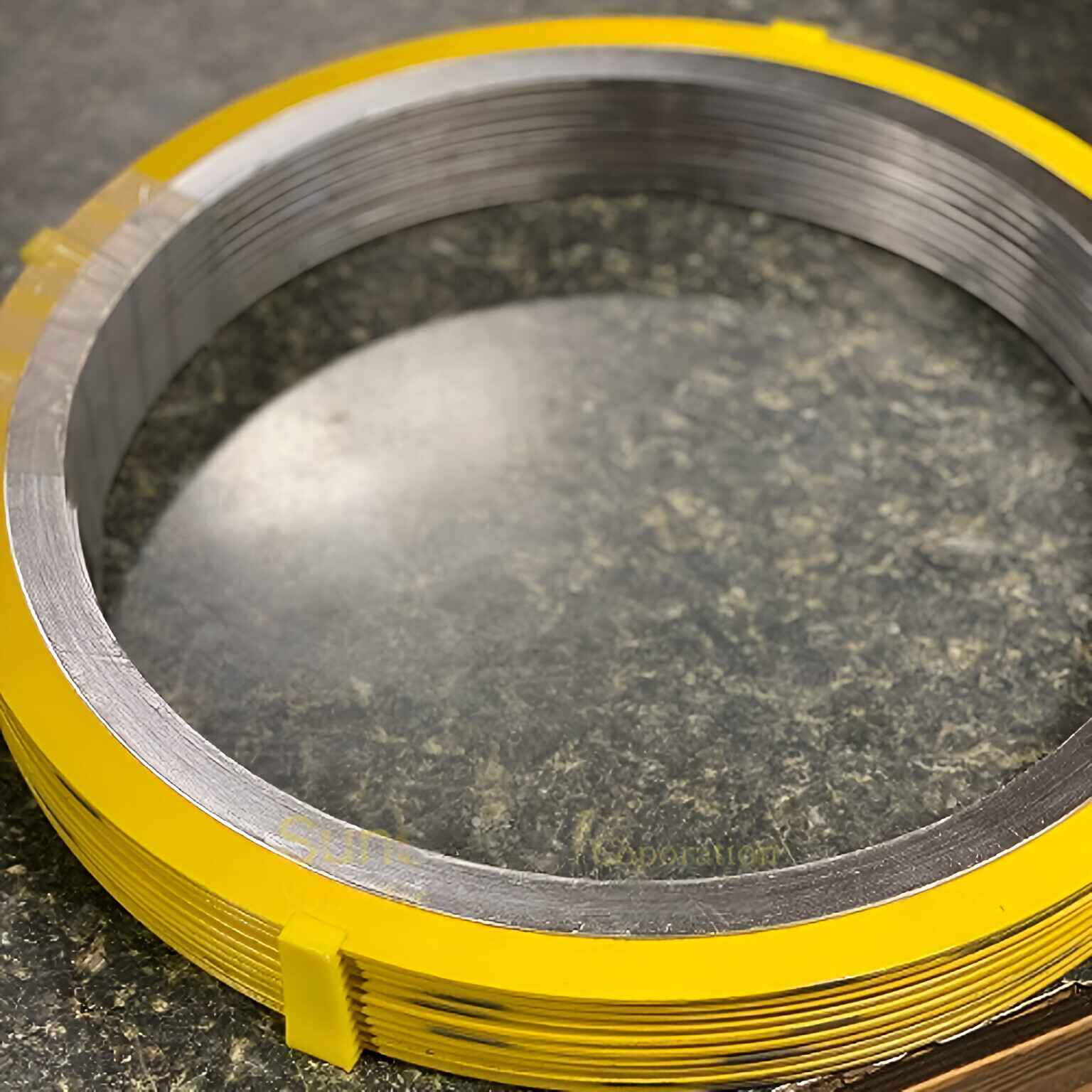
Is vermiculite filler safe for oxygen service in gaskets? The short answer is yes, when it’s prepared specifically for oxygen duty. Vermiculite is a naturally occurring mineral that expands into lightweight, non‑combustible flakes when heated. In spiral wound gaskets, these flakes form a dense, resilient sealing element that withstands temperature cycling and resists blowout. Because vermiculite contains no binders that could outgas or ignite in pure oxygen, it passes the stringent “oxygen bomb” tests required by standards like ASTM G63 and BAM. However, not all vermiculite passes. Contaminated raw material or improper exfoliation can leave traces of organic carbon — enough to cause a flash fire. That’s why Ningbo Kaxite Sealing Materials Co., Ltd. only uses clean, thermally‑treated vermiculite that has been third‑party validated for oxygen compatibility, giving you a filler that performs predictably from -196 °C to +850 °C.
Before specifying a vermiculite‑filled spiral wound gasket for oxygen, procurement professionals must evaluate three layers: material purity, design compatibility, and post‑manufacture cleanliness. First, the vermiculite must pass ignition testing per ISO 21013 or equivalent. Second, the gasket’s winding and centering ring material must be oxygen‑compatible — typically 316L or 304 stainless steel, free of sulfur or carbon‑steel contamination. Third, the finished gasket should be ultrasonically cleaned and vacuum‑packed to prevent organic contamination during storage and shipping. We frequently encounter buyers who assume any spiral wound gasket labeled “vermiculite” will work in oxygen lines, but a seal that works safely in steam service can fail catastrophically in oxygen. The table below summarizes the critical parameters that separate oxygen‑safe vermiculite gaskets from general‑purpose alternatives.
| Parameter | Oxygen‑Safe Vermiculite Gasket | Standard Vermiculite Gasket |
|---|---|---|
| Organic Content | < 0.1 % by weight (TGA verified) | Typically 1–3 % |
| Ignition Resistance | Non‑ignition in 99.5 % O₂, 350 °C (BAM test) | Not tested / may ignite |
| Particle Cleanliness | ISO 4406 17/15/12 or better | No certification |
| Packaging | Vacuum‑sealed in Class 100 cleanroom | Bulk packaging with dust |
| Traceability | Full batch number, mill certificate | Limited traceability |
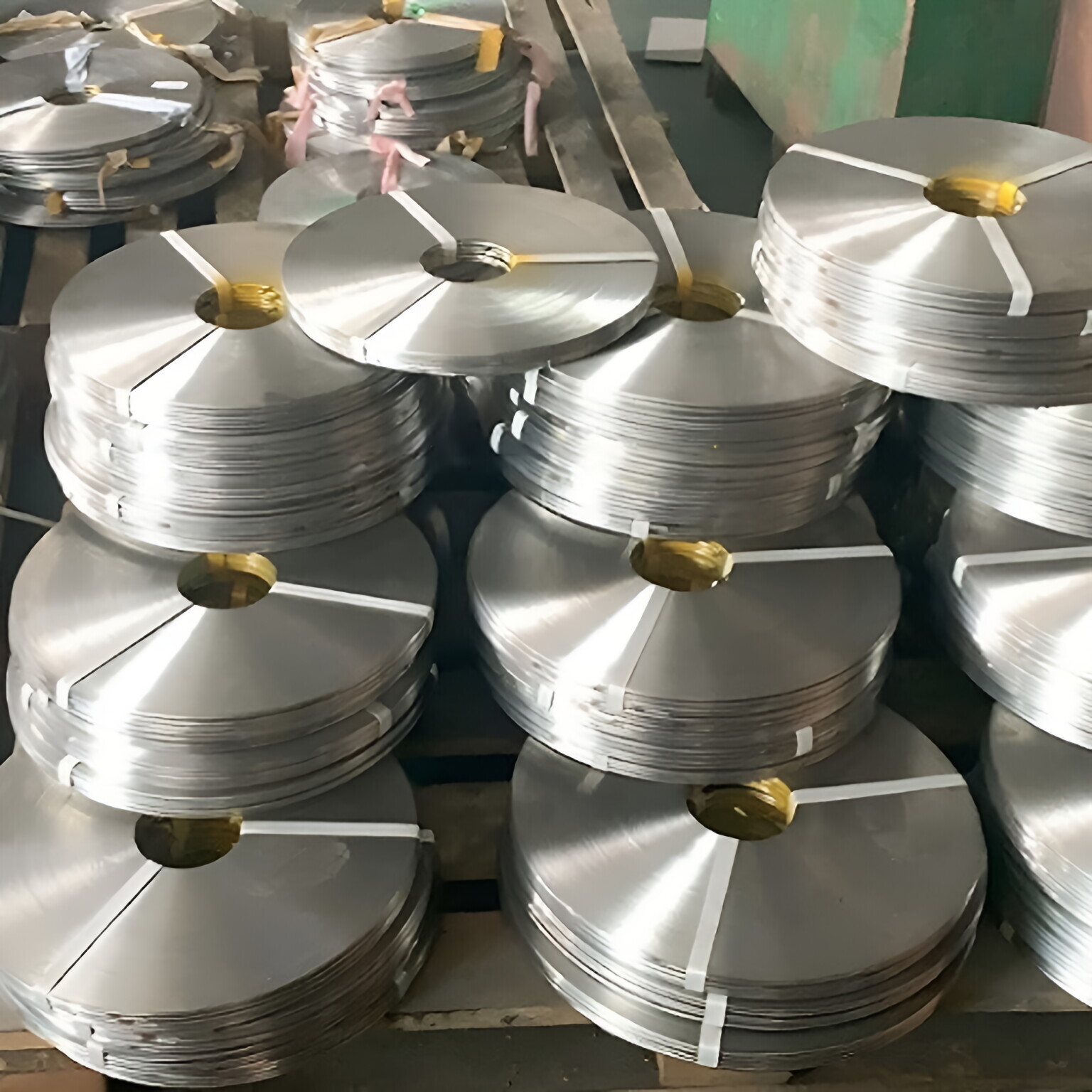
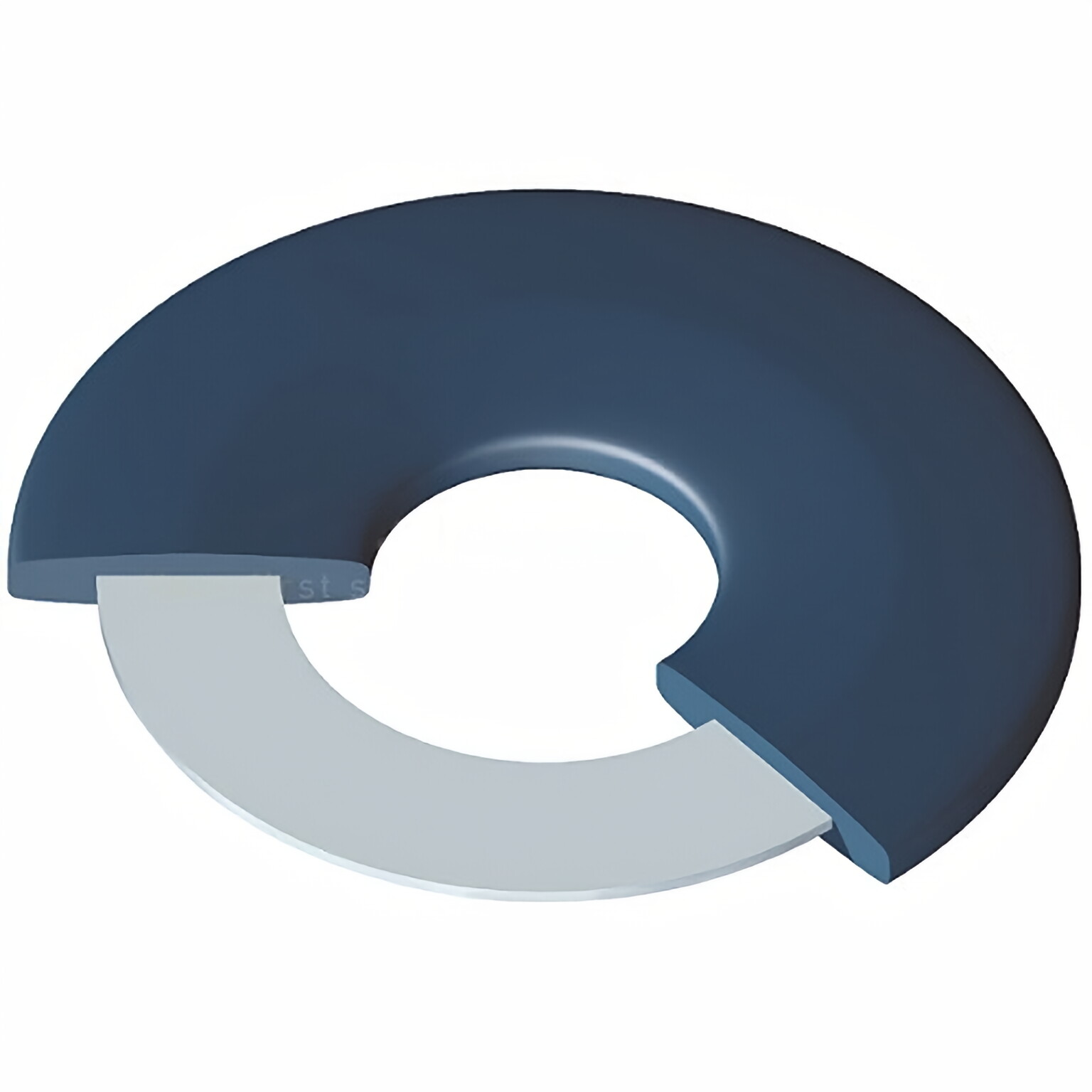
At Ningbo Kaxite Sealing Materials Co., Ltd., we know that a specification is only as good as the supply chain behind it. That’s why our vermiculite filler gaskets for oxygen service start with a tightly controlled raw‑material selection process. Our vermiculite undergoes multi‑stage thermal purification to eliminate organic residues, followed by particle‑size optimization that ensures uniform filler density inside the spiral wound construction. We then wrap each gasket using precision‑winding machines that maintain consistent compression, essential for maintaining tightness after thermal cycling. Rigorous in‑house oxygen‑impact testing is paired with third‑party audits, so every shipment you receive includes a compliance package that simplifies your QA workflow. Whether you need a single special‑size gasket for a turbine oxygen line or a container‑load for a gas‑distribution project, our team supports you with same‑day quotes and full technical documentation, helping you answer the question “Is vermiculite filler safe for oxygen service in gaskets?” with a confident “yes.”
Yes, provided the gasket is designed for high‑pressure oxygen. The vermiculite filler must be dense and thoroughly cleaned to prevent micro‑voids where oxygen pockets could ignite. Our high‑pressure oxygen gaskets are wound with additional metal windings and verified under hydrostatic and pneumatic tests up to Class 2500. Always specify your maximum operating pressure and temperature when ordering to ensure the winding profile and outer ring design meet the service conditions.
You should ask for a material test report (MTR), a certificate of cleanliness per ISO 23208 or equivalent, and BAM ignition‑test results for the specific vermiculite batch. If your project involves medical or aviation oxygen, also request certification of no hydrocarbons and a certificate of compliance to ASTM G63. At Ningbo Kaxite Sealing Materials Co., Ltd., we provide all of this as standard so your incoming inspection team can approve the gaskets without delay.
Still wondering “Is vermiculite filler safe for oxygen service in gaskets?” in your specific application? Every oxygen system has its own risk profile, and the right sealing solution depends on variables like pressure, temperature, flow velocity, and cleaning protocols. Our engineering team is ready to review your P&ID or flange details and recommend a vermiculite spiral wound gasket that meets both your safety budget and your operational deadlines. With Ningbo Kaxite Sealing Materials Co., Ltd., you’re not just buying a component — you’re gaining a partner dedicated to leak‑free, fire‑safe oxygen service. Visit our site at https://www.spiral-wound-gasket.com to explore the full range, or email us at [email protected] for a same‑day consultation. We’ll help you turn a safety concern into a catalog item.
Allen, M., 2020. “Performance Evaluation of Exfoliated Vermiculite Fillers in Spiral Wound Gaskets for Cryogenic Oxygen Service.” International Journal of Pressure Vessels and Piping, 188, 104236.
Chen, L. & Thompson, R., 2019. “Ignition Behavior of Non‑Metallic Gasket Materials in High‑Pressure Oxygen: A Comparative Study.” Journal of Loss Prevention in the Process Industries, 62, 103928.
Daniels, S., 2021. “ASTM G63 and BAM Testing Protocols for Oxygen Compatibility of Vermiculite Fillers.” Materials Performance and Characterization, 10(4), 512-525.
Fisher, P. et al., 2017. “Influence of Organic Carbon Content on the Auto‑ignition Temperature of Vermiculite Sealing Materials.” Fire Safety Journal, 91, 871-878.
Gupta, A., 2022. “Cleanliness Standards for Spiral Wound Gaskets in Oxygen Enrichment: ISO 23208 Implementation.” Sealing Technology, 2022(1), 7-12.
Huang, J. & Li, Q., 2019. “Thermo‑mechanical Cycling Effects on Vermiculite‑Based Gasket Tightness in Pure Oxygen Atmospheres.” Engineering Failure Analysis, 104, 67-78.
Kirk, D., 2020. “Material Selection for Oxygen Pipework: A Review of International Codes.” Journal of Pipeline Engineering, 19(2), 143-157.
Moreno, R., 2018. “Risk Assessment of Non‑Metallic Gaskets in Industrial Oxygen Systems.” Process Safety Progress, 37(3), 384-391.
Stevens, F., 2021. “The Role of Vermiculite in Fire‑safe Spiral Wound Gaskets: A 15‑Year Field Study.” Hydrocarbon Processing, 100(8), 55-60.
Wong, T. & Patel, S., 2017. “Ignition Sensitivity of Sealing Materials in Gaseous Oxygen — A Recommended Screening Method.” ASTM International Selected Technical Papers, STP1602, 182-197.