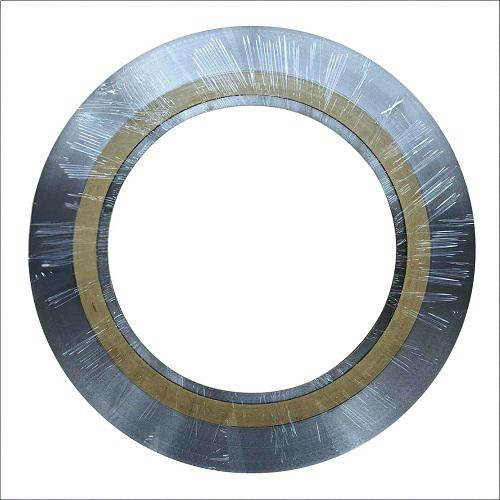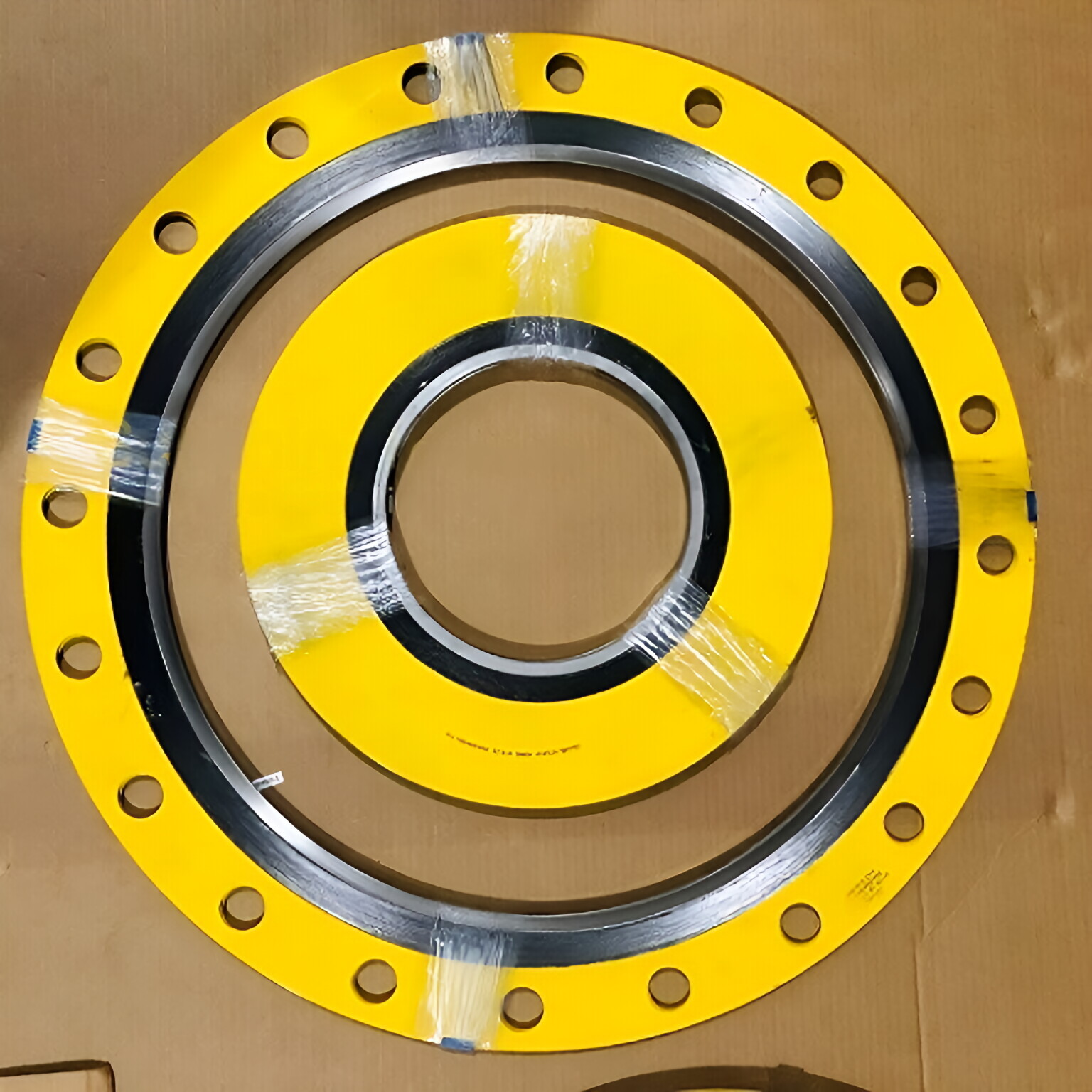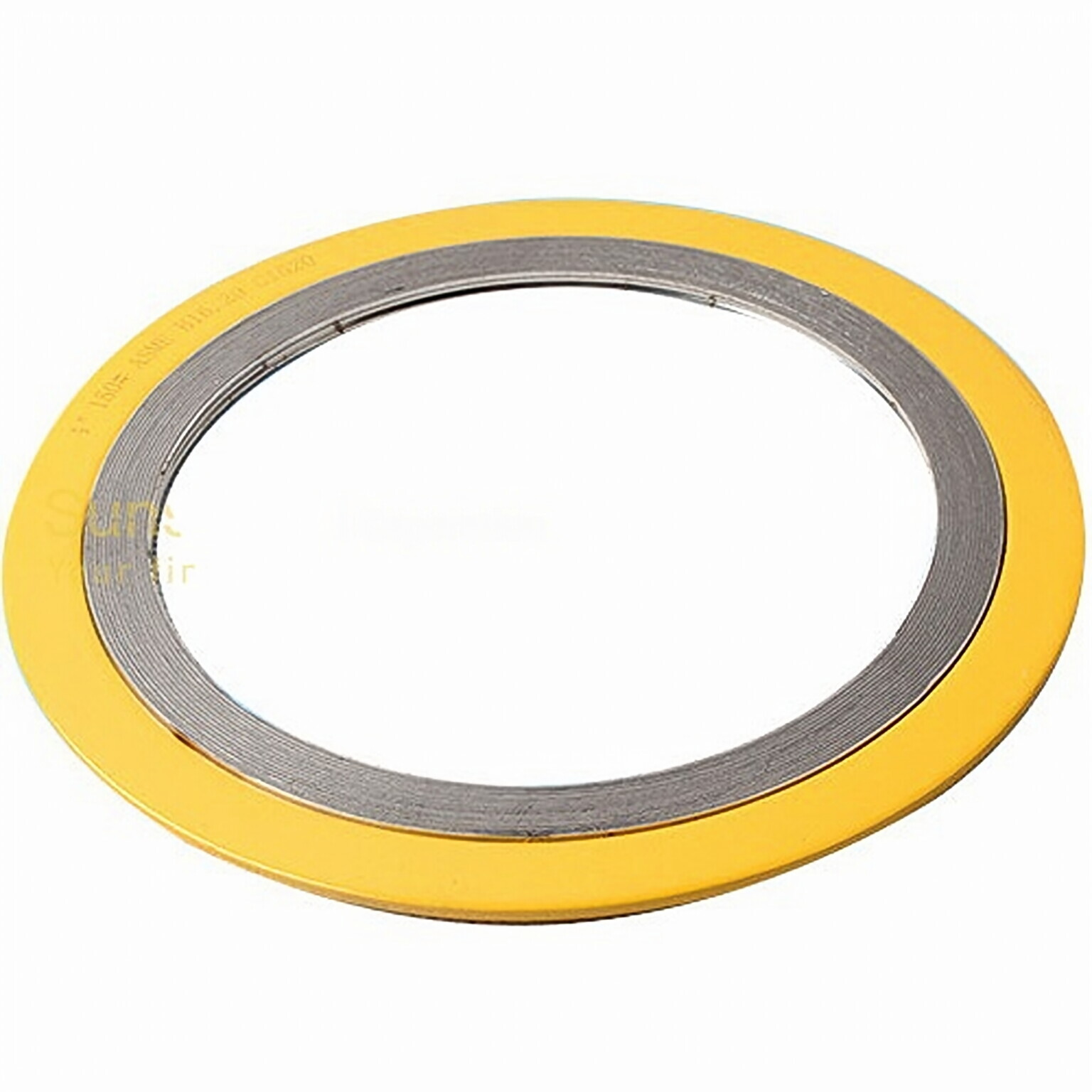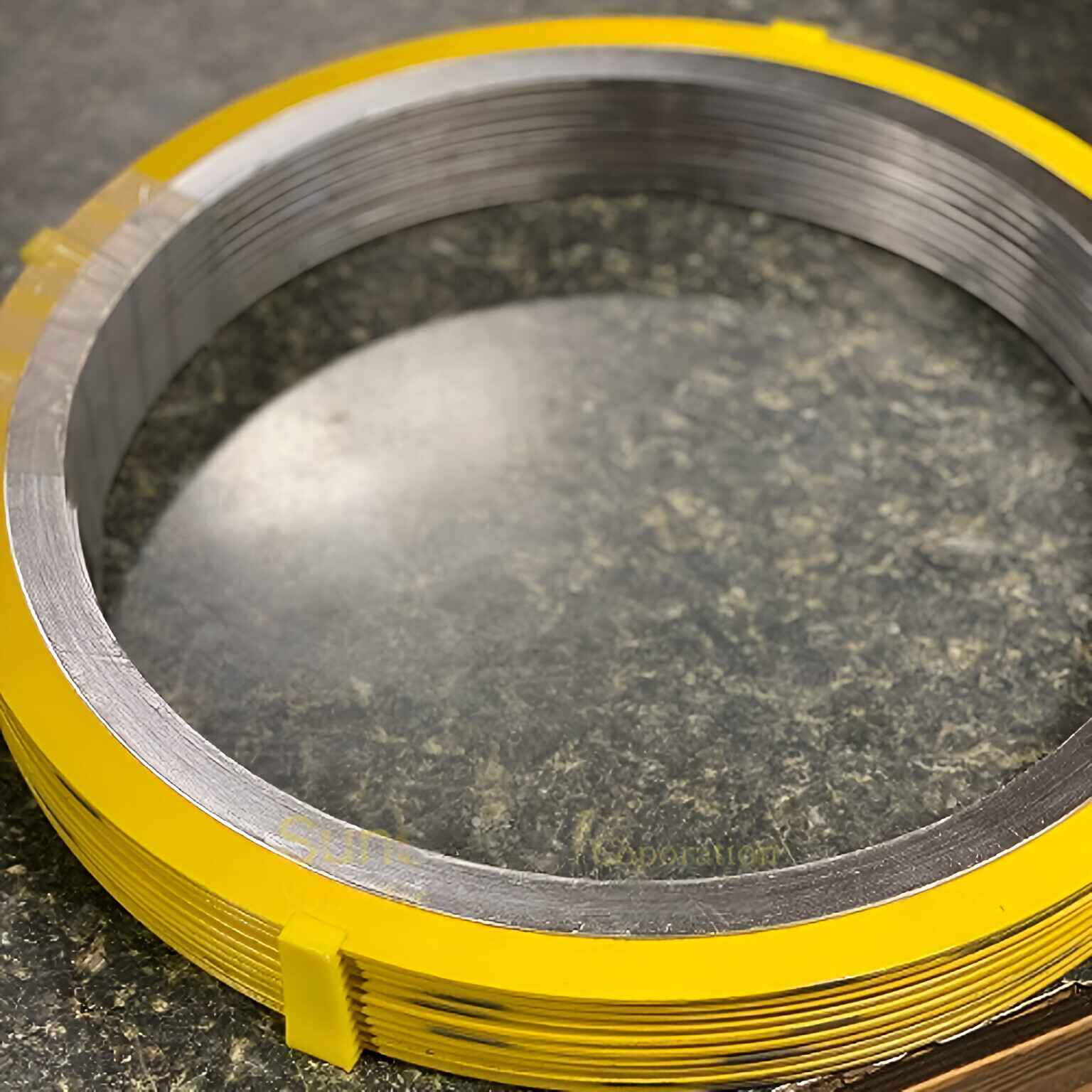
For engineers and procurement specialists navigating the demanding world of industrial sealing, the choice of gasket material is critical to system integrity, safety, and operational efficiency. Among the high-performance options available, the Vermiculite Filler Spiral Wound Gasket stands out as a premier solution for extreme service conditions. Kaxite Sealing, with decades of expertise in advanced sealing technology, manufactures these gaskets to the highest standards, offering unparalleled reliability where it matters most. This guide delves into the specifics of this superior product, detailing its parameters, advantages, and ideal applications.
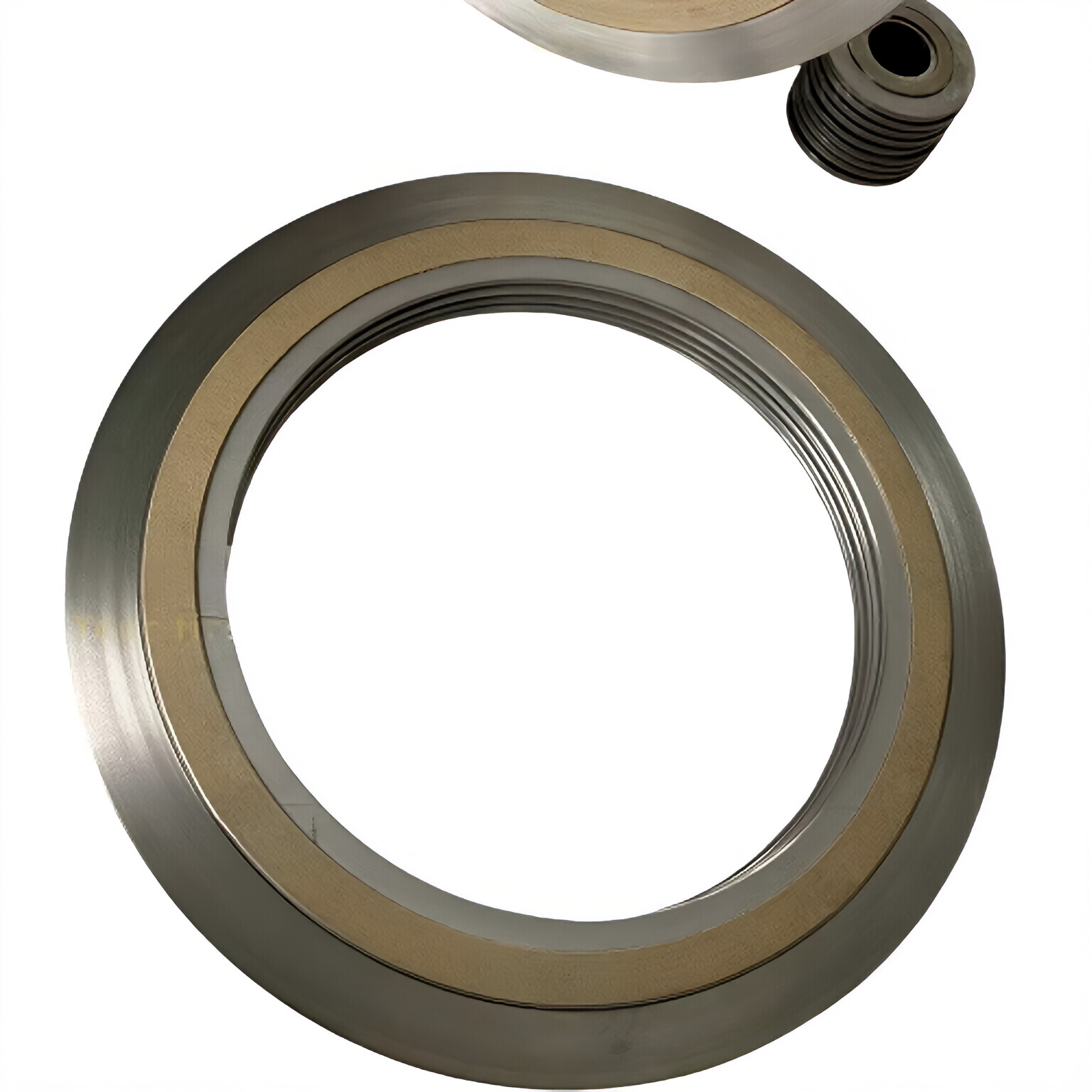
A spiral wound gasket is a mechanical sealing device consisting of a V-shaped metal strip wound concentrically with a soft filler material. The unique advantage of using vermiculite as the filler lies in its exceptional physical and thermal properties. Vermiculite is a naturally occurring, hydrous phyllosilicate mineral that expands significantly when heated. In its exfoliated form, it provides a compressible, resilient, and highly heat-resistant filling. When combined with a precision-wound metal strip (typically stainless steel like 304, 316, or special alloys like Inconel), it creates a gasket that can handle extreme temperatures, high pressures, and corrosive media far better than traditional graphite or PTFE-filled gaskets.
Kaxite Sealing's Vermiculite Filler Spiral Wound Gasket is engineered with precision. Below are the standard specifications and available options.
| Component | Standard Material | Alternative Options |
|---|---|---|
| Metal Windings | 304 Stainless Steel | 316SS, 321SS, 347SS, Titanium, Monel, Inconel 600/625, Hastelloy |
| Filler Material | Exfoliated & Treated Vermiculite | N/A (Special filler blends available on request) |
| Outer Guide Ring | Carbon Steel (painted) | 304SS, 316SS, Aluminum, No Ring (Basic) |
| Inner Ring | Optional - 304SS | Material matching the winding, or omitted for standard applications. |
| Parameter | Value / Range | Test Standard |
|---|---|---|
| Temperature Range | -450°F to +1600°F (-268°C to +870°C) | ASTM F37 / API 6AF |
| Pressure Rating | Up to Class 2500 (ASME B16.5) / 10,000 PSI | ASME B16.20, B16.5 |
| Density (Filler) | 65 - 85 lb/ft³ (1.04 - 1.36 g/cm³) | ASTM D3575 |
| Compressibility | 18% ± 5% (at 10,000 psi) | ASTM F36 |
| Recovery | 45% ± 5% | ASTM F36 |
| Stress Relaxation | < 15% after 24h at 1000°F (538°C) | ASTM F38 |
| pH Value (Filler) | Neutral (6.5 - 8.0) | ASTM E70 | Chloride Content | < 50 ppm | ASTM D512 / ISO 10304 |
Q: When should I choose a vermiculite filler gasket over a standard graphite filler gasket?
A: Choose a vermiculite filler spiral wound gasket for applications involving very high temperatures (consistently above 900°F / 480°C), where oxidation of graphite is a concern, or in services requiring superior creep relaxation resistance. It is also the preferred choice for "fire-safe" services, steam systems, and environments with strong oxidizing agents where graphite may not be suitable.
Q: Are Vermiculite Filler Spiral Wound Gaskets suitable for acid services?
A: Vermiculite offers good resistance to many mild acids and alkalis. However, for strong mineral acids (e.g., hydrochloric, sulfuric) or hydrofluoric acid, the compatibility depends heavily on the concentration, temperature, and the metal winding material. Kaxite Sealing's engineering team should be consulted for specific chemical service recommendations to ensure the correct metal alloy is selected alongside the vermiculite filler.
Q: What is the significance of the low chloride content in vermiculite filler?
A: Low chloride content (typically <50 ppm) is crucial in systems utilizing austenitic stainless steels (like 304, 316). Chlorides in the presence of heat, oxygen, and tensile stress can lead to Chloride Stress Corrosion Cracking (Cl-SCC), a catastrophic and sudden failure mode. Using a low-chloride filler like vermiculite mitigates this risk significantly.
Q: How does the presence of an inner ring benefit a vermiculite-filled gasket?
A: An inner ring (or centering ring) serves multiple purposes: it prevents the spiral wound coil from buckling or over-compression into the pipe bore, provides radial stability, and offers a barrier against turbulent or erosive flow. For vermiculite gaskets in high-temperature, high-velocity steam or gas lines, an inner ring is highly recommended to maximize service life and prevent internal erosion of the filler.
Q: Can Kaxite Sealing provide vermiculite gaskets for specialty or non-standard applications?
A: Absolutely. Kaxite Sealing specializes in custom-engineered sealing solutions. We can manufacture vermiculite filler gaskets in virtually any size, with specialized metal alloys (like Inconel, Hastelloy, Titanium), and with custom widths or thicknesses to meet unique pressure-temperature profiles or flange configurations. Contact our technical sales department with your application details.
Q: What are the proper storage and handling instructions for these gaskets?
A: Store Kaxite Sealing gaskets in a clean, dry environment away from direct moisture, extreme temperatures, and corrosive fumes. They should be kept in their original packaging until ready for use. Handle with care to avoid bending, denting, or contaminating the sealing faces. Avoid dropping or impacting the gasket, as this can distort the precise winding structure and compromise performance.
The robust performance profile of Kaxite Sealing's Vermiculite Filler Gaskets makes them ideal for severe service across numerous industries: