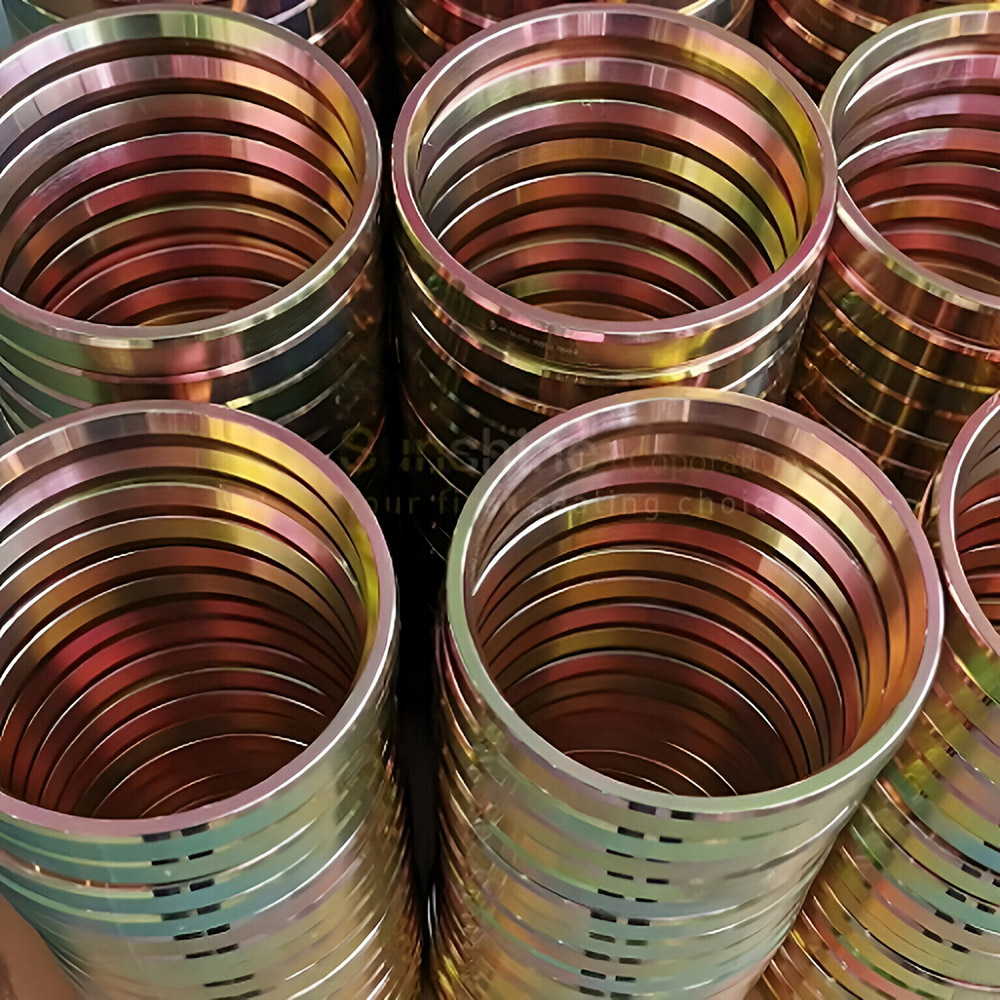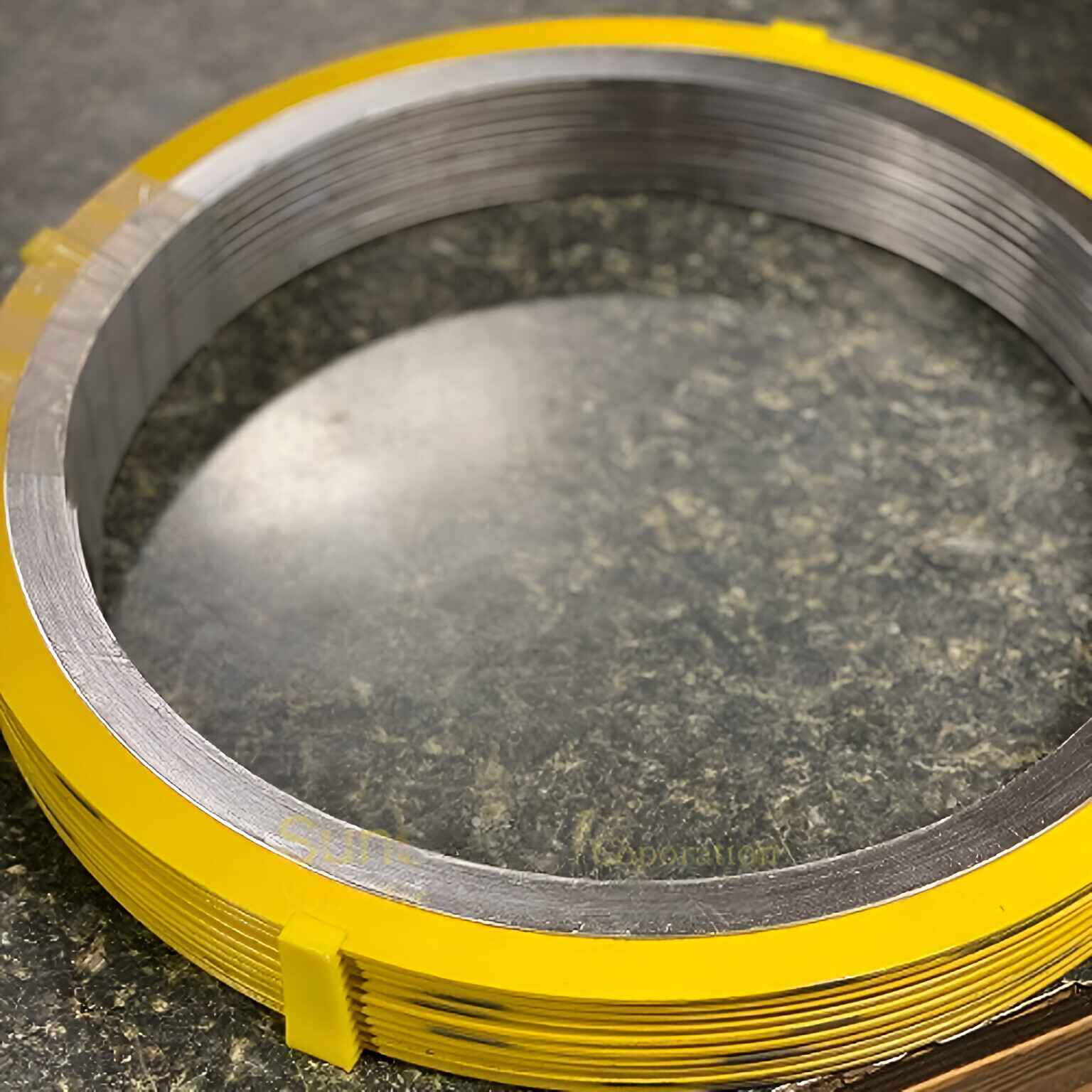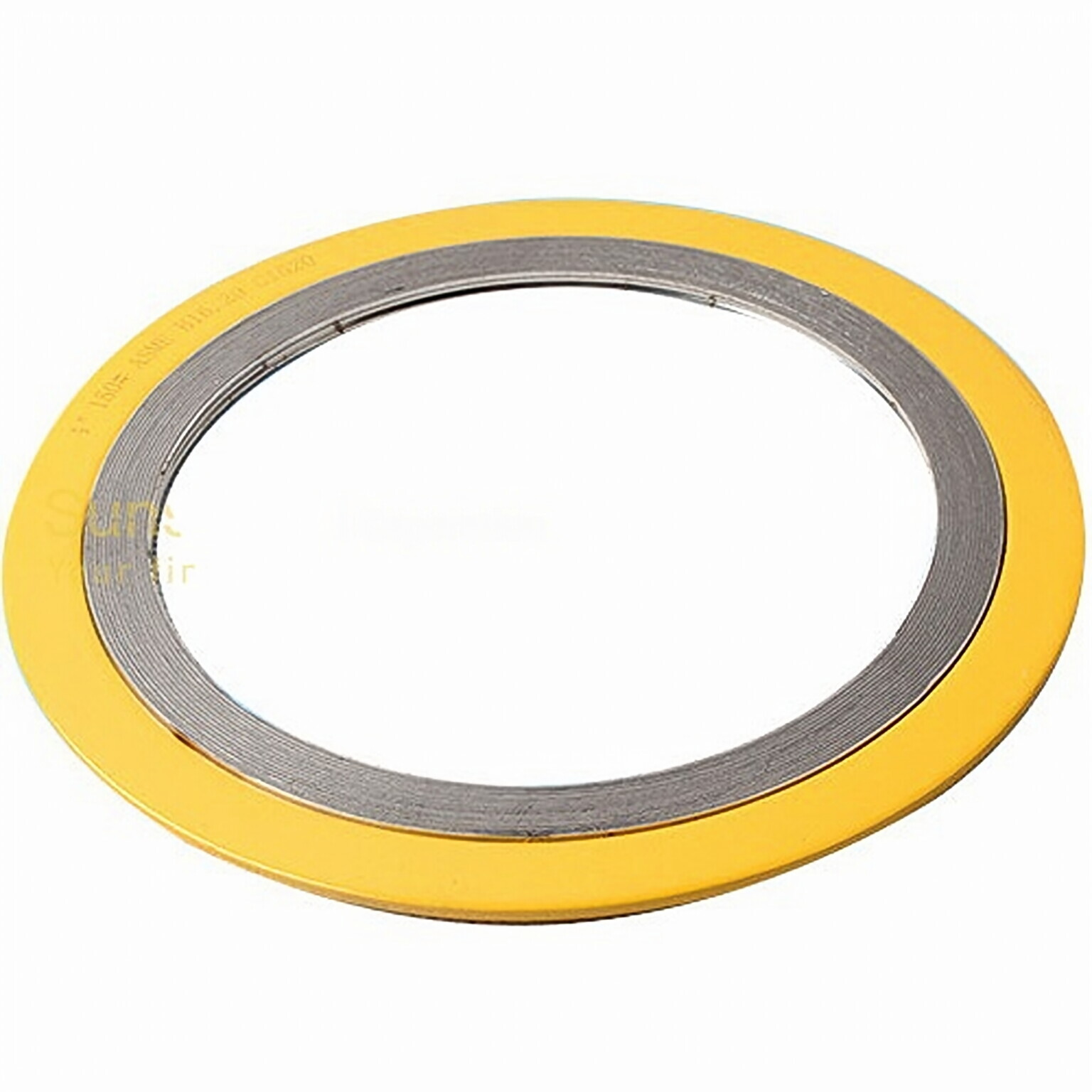
How to install a Style CGI Spiral Wound Gasket properly? This is a critical question for procurement professionals and maintenance engineers aiming to ensure long-term, leak-free operation in demanding industrial piping and pressure vessel systems. A seemingly simple component, its incorrect installation is a common root cause of costly failures, leading to unplanned downtime, safety hazards, and significant financial loss. Unlike basic gaskets, the Style CGI Spiral Wound Gasket, with its unique metal winding and filler construction, requires specific handling and installation protocols to achieve its full sealing potential. This guide, drawing on decades of field expertise, will walk you through the precise, step-by-step process. We'll move beyond generic advice to provide actionable, scenario-based instructions that address the real-world challenges faced in plants and refineries worldwide. By the end, you'll understand not just the "how," but the "why" behind each critical step, ensuring your next installation is flawless and reliable.
Article Outline:
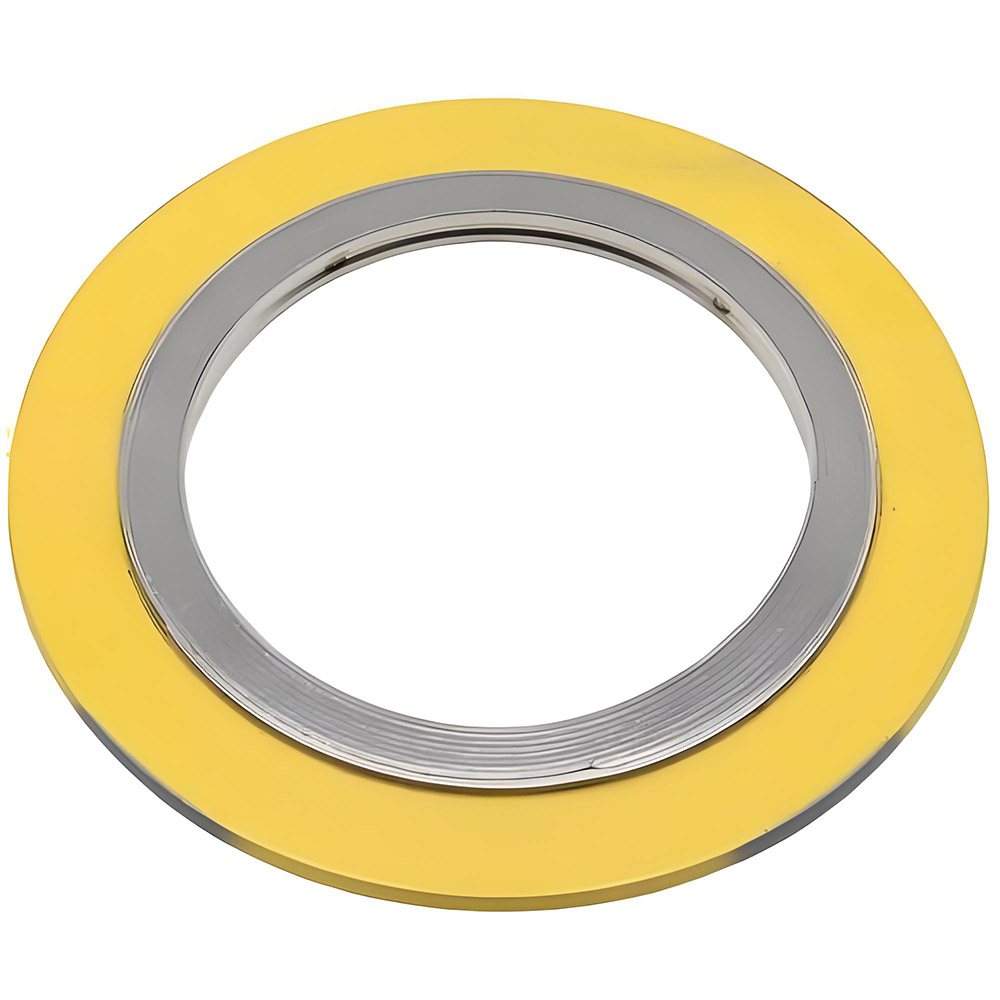
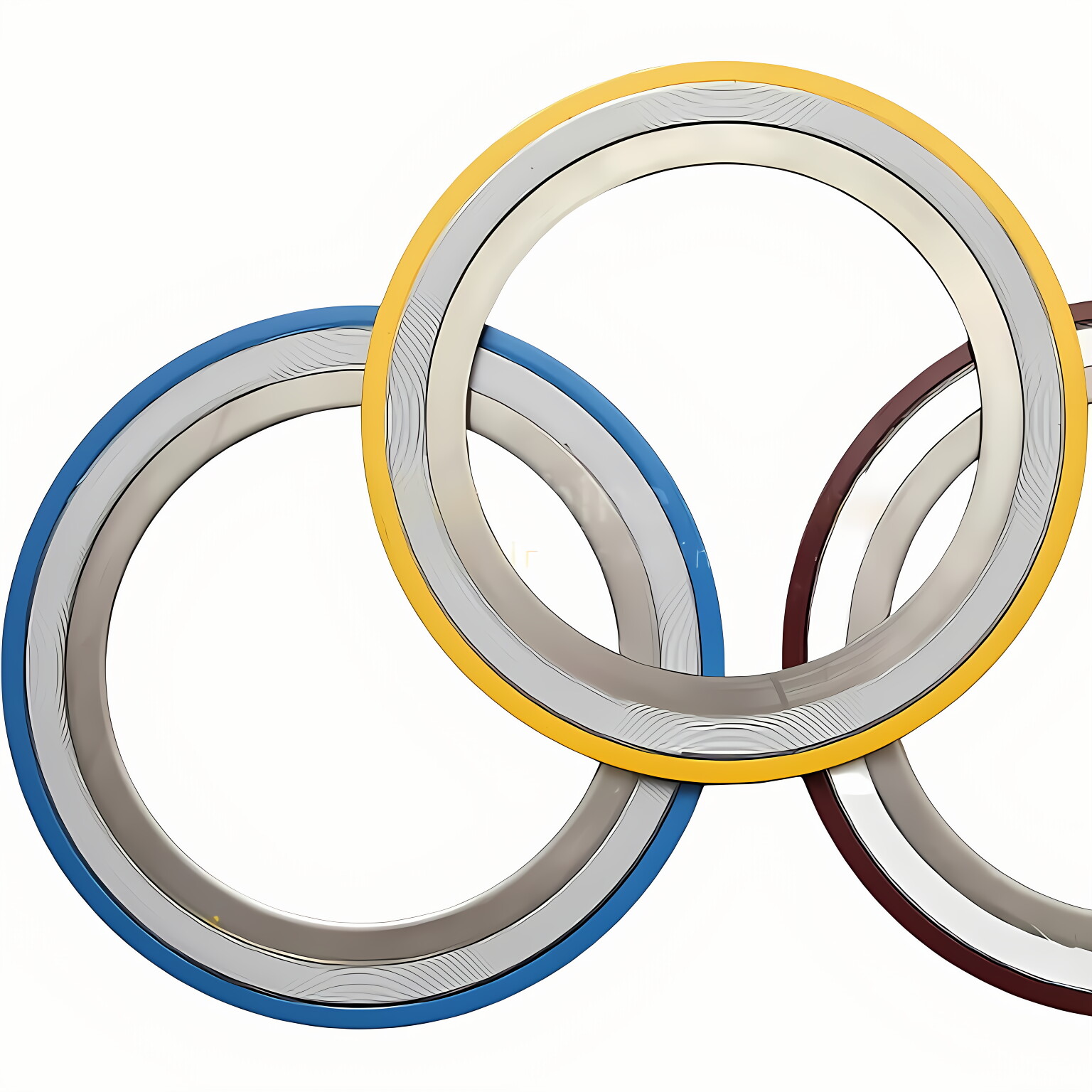
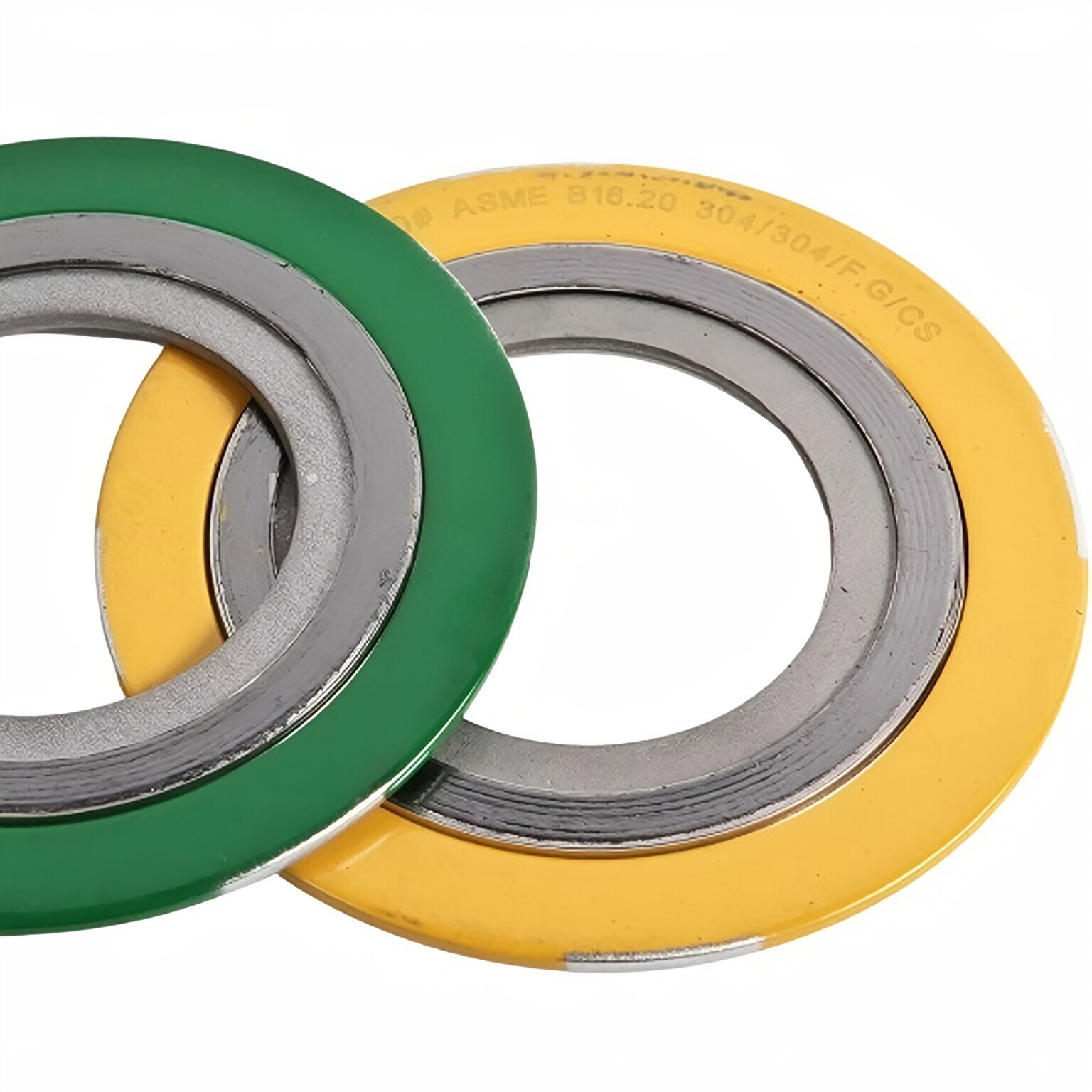
You've received the gaskets for a crucial turnaround. The pressure is on to get the system back online. The temptation is to grab the new Style CGI gasket and immediately place it between the flanges. Stop. This is where many leaks originate. Before any physical installation begins, a thorough pre-installation inspection is non-negotiable. First, verify the gasket specification matches the P&ID and flange standards precisely—check the inner diameter (ID), outer diameter (OD), material grade (e.g., 304SS/Graphite), and pressure class rating. A mismatch here is a guaranteed failure. Inspect the gasket for any visible damage incurred during shipping or storage—look for dents in the metal winding, displaced filler material, or a distorted shape. The gasket should be perfectly flat. Storing gaskets properly, away from moisture and physical impact, is a responsibility that falls on the procurement and warehouse teams. This diligence ensures the component you're about to install is in optimal condition. For a reliable supply of certified, undamaged Style CGI Spiral Wound Gaskets that arrive ready for service, partnering with an expert manufacturer like Ningbo Kaxite Sealing Materials Co., Ltd. is essential. Their rigorous quality control from production to packaging directly prevents installation problems stemming from defective components.
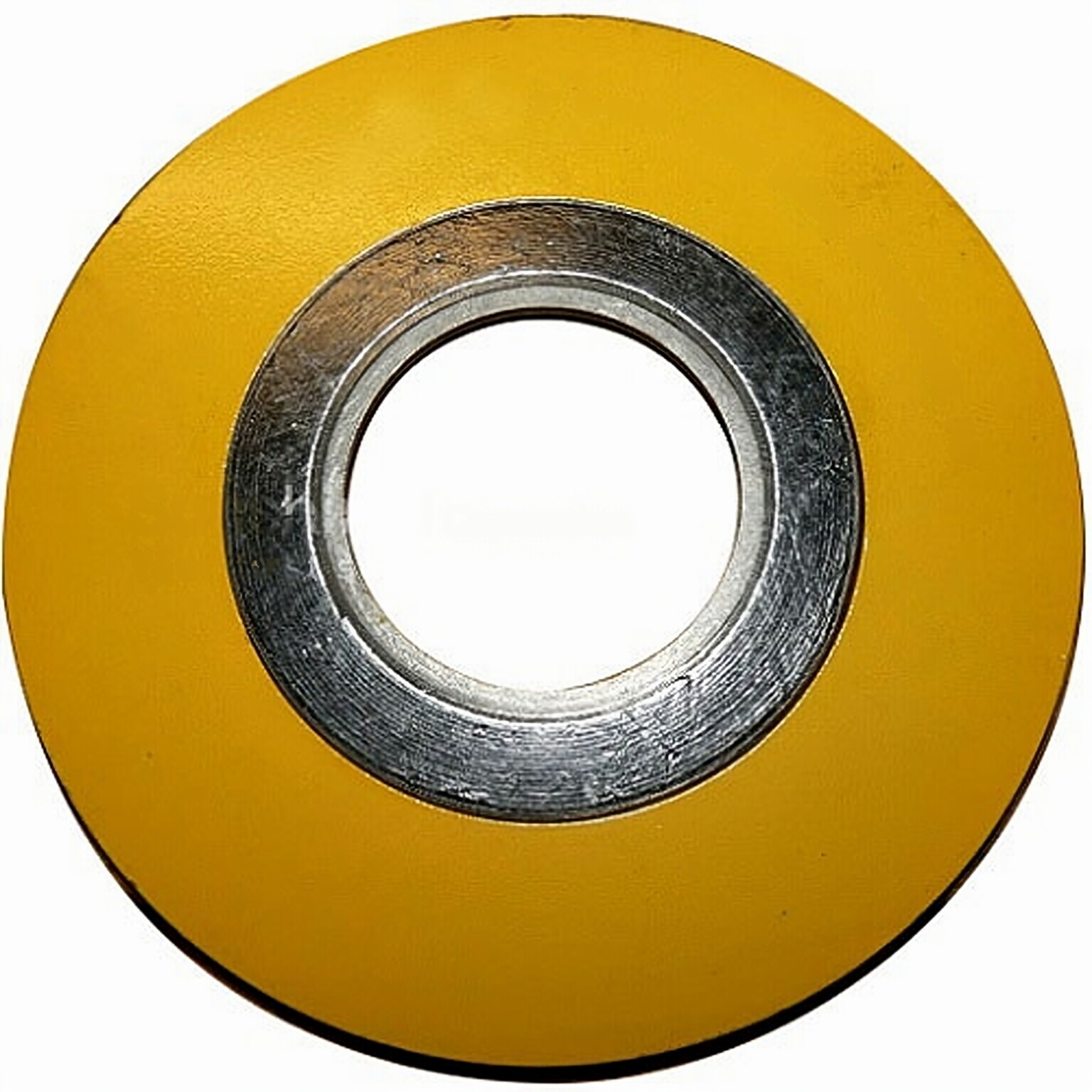
Here are key parameters to verify before installation:
| Parameter | What to Check | Why It Matters |
|---|---|---|
| Gasket ID & OD | Match against flange dimensions and engineering drawing. | Ensures proper fit; prevents overhang or obstruction of bolt holes. |
| Material Specification | Confirm metal winding (e.g., 316SS) and filler (e.g., Flexible Graphite) as specified. | Guarantees chemical compatibility and temperature resistance for the service conditions. |
| Pressure Class | Verify class rating (e.g., 150#, 300#, 600#) matches flange rating. | Ensures the gasket has the mechanical strength to handle system pressure. |
| Visual Integrity | Check for flatness, dents, loose windings, or filler gaps. | A damaged gasket cannot seal uniformly, creating immediate leak paths. |
Imagine a perfectly good gasket installed on a dirty, scratched, or warped flange surface. No amount of bolt torque will create an effective seal. The flange face is the sealing partner, and its condition is paramount. Begin by ensuring the flange faces are perfectly aligned and parallel; misalignment creates uneven gasket compression. Next, clean the flange faces meticulously. Remove all old gasket material, corrosion, paint, and debris using non-metallic scrapers or approved cleaning solutions. Abrasive methods like wire wheels or sandpaper can destroy the critical flange finish. The target is a clean, smooth surface with the proper serration (e.g., spiral serrated finish). Deep scratches or gouges must be addressed, as they can channel leakage. After cleaning, lightly lubricate the bolt threads and the underside of bolt heads/nuts with an anti-seize compound suitable for the service temperature. This is not for the gasket itself, but to ensure accurate and consistent bolt loading during torquing. Proper surface preparation minimizes the risk of the gasket biting into imperfections or failing to conform, which are common failure points that Ningbo Kaxite Sealing Materials Co., Ltd. often identifies in failure analysis reports from the field.
| Step | Action | Tool/Method | Goal |
|---|---|---|---|
| 1. Alignment Check | Verify flange faces are parallel and coaxial. | Feeler gauge, straight edge. | Prevents uneven gasket stress. |
| 2. Debris Removal | Remove all old gasket material and foreign particles. | Plastic/brass scraper, industrial cleaner. | Creates a clean sealing surface. |
| 3. Surface Inspection | Check for pits, scratches, and the correct finish pattern. | Visual and tactile inspection. | Ensures surface integrity aids sealing. |
| 4. Bolt Lubrication | Apply thin, even coat to threads and nut bearing surfaces. | High-temperature anti-seize compound. | Ensures accurate bolt torque and tension. |
The gasket is clean, the flanges are prepared. Now, the critical phase begins. Carefully center the Style CGI gasket within the flange bolts. Ensure it sits flat without any tilting. A common mistake is using the bolts to "pull" the gasket into place, which can twist or damage it. Hand-tighten all nuts initially to hold the gasket in position. The actual bolt tightening must follow a specific cross-torquing pattern (star pattern). This is not a sequential, circular tightening. Begin with a first-pass torque value, typically 30% of the final specified torque, following the cross pattern to apply gradual, even compression across the entire gasket face. This step gradually compresses the filler material and begins to seat the metal windings without causing distortion. Then, increase to 60% of the final torque using the same cross pattern. This multi-step, patterned approach is the core technique for How to install a Style CGI Spiral Wound Gasket properly? It prevents the flange from warping and ensures the gasket's spiral layers compress uniformly, creating multiple, concentric sealing barriers. Inconsistent or single-pass torquing leads to low compression in some areas and over-compression in others, creating immediate leak paths.
| Phase | Torque Target | Tightening Pattern | Purpose |
|---|---|---|---|
| Initial Seating | ~30% of Final Torque | Cross/Star Pattern | Centers gasket, begins even compression. |
| Intermediate Load | ~60% of Final Torque | Cross/Star Pattern | Further seats gasket, aligns flange. |
| Key Principle | Always follow a cross pattern. Never tighten bolts in a circle. Use a calibrated torque wrench. | ||
After the intermediate torque pass, proceed to the final specified torque value, again following the cross-torquing sequence. It is often recommended, especially for critical services, to perform a second full pass at the final torque value after a short dwell time (e.g., 15-30 minutes) to account for gasket relaxation and creep, particularly with graphite filler. Once fully torqued, visually inspect the bolt flange assembly. There should be a uniform gap between the flange faces around the entire circumference, indicating even compression. Any significant variance suggests misalignment or uneven loading. For systems that will undergo thermal cycling, a hot bolting procedure after the initial heat-up may be specified to retorque bolts. Document the torque values used for each bolt as part of your quality records. This disciplined approach to final torquing and verification transforms a routine task into a reliability-assuring procedure. It ensures the engineered performance of the Style CGI gasket is fully realized in operation. Companies like Ningbo Kaxite Sealing Materials Co., Ltd. provide not only the gasket but also the technical support and installation guidelines that empower your team to execute this process correctly, turning a potential pain point into a benchmark for reliability.
| Step | Action | Tool/Check | Quality Indicator |
|---|---|---|---|
| 1. Final Torque | Apply 100% torque in cross pattern. | Calibrated torque wrench. | All bolts at specified load. |
| 2. Re-torque Pass | Optional second pass after dwell time. | Same torque wrench and pattern. | Compensates for gasket relaxation. |
| 3. Visual Inspection | Check for uniform flange gap. | Visual, feeler gauge if needed. | Confirms even gasket compression. |
| 4. Documentation | Record final torque values for each bolt. | Installation log sheet. | Provides traceability for maintenance. |
Q: Can I reuse a Style CGI Spiral Wound Gasket after it has been compressed during installation?
A: It is strongly discouraged. Once installed and torqued, the gasket undergoes plastic deformation and the filler material compresses to conform to the flange surface. Reusing it will not provide the same sealing performance, as the material has already "set" to the previous flange condition, potentially leading to leaks. For reliability, always use a new gasket.
Q: How do I determine the correct bolt torque value for installing a Style CGI gasket?
A: The correct torque value is not generic. It depends on the bolt material, size, grade, lubrication, the specific gasket design, and the flange standard. Always refer to the engineering specification for the joint or use standard torque tables (e.g., ASME PCC-1) as a guide, adjusting for lubricant factors. The manufacturer, such as Ningbo Kaxite Sealing Materials Co., Ltd., can provide recommended seating stress guidelines for their specific gasket constructions.
We hope this detailed guide empowers you to achieve leak-free installations every time. Have you encountered specific challenges when installing spiral wound gaskets? Are there particular service conditions you'd like more advice on? Share your experiences or questions – practical knowledge drives industry best practices forward.
For your sealing component needs, consider Ningbo Kaxite Sealing Materials Co., Ltd., a specialist manufacturer with extensive expertise in designing and producing high-performance spiral wound gaskets, including the Style CGI, for demanding global applications. Their focus on precision engineering and material science provides solutions that address the very installation and performance challenges outlined in this article. For technical inquiries or to discuss your project requirements, you can reach their team at [email protected].
Barker, C., 1999, "Evaluation of Sealing Performance of Spiral Wound Gaskets Under Combined Thermal and Mechanical Loading," Journal of Pressure Vessel Technology, Vol. 121, No. 2.
Brown, R.L. and Green, I., 2005, "The Effect of Flange Surface Finish on Spiral Wound Gasket Leakage Rates," Sealing Technology, Issue 3.
Payne, J.R., 2010, "Advanced Materials for High-Temperature Spiral Wound Gaskets," International Journal of Mechanical Engineering and Materials Science, Vol. 7.
Miller, D.S. and Associates, 2008, "A Study on the Relaxation Behavior of Flexible Graphite Filler in Spiral Wound Gaskets," Proceedings of the ASME Pressure Vessels and Piping Conference, PVP2008-61045.
Fernandez, A., 2012, "Bolt Load Retention and Its Critical Role in Gasket Sealing Integrity," Chemical Engineering Progress, Vol. 108, No. 5.
Kazakov, Y., 2015, "Finite Element Analysis of Stress Distribution in Style CGI Spiral Wound Gaskets Under Assembly Conditions," Engineering Failure Analysis, Vol. 57.
Li, H., & Zhang, W., 2017, "Experimental Investigation of the Sealing Mechanism of Metal-Retouched Spiral Wound Gaskets," Tribology International, Vol. 115.
ASME B16.20 Committee, 2017, "Metallic Gaskets for Pipe Flanges – Ring-Joint, Spiral-Wound, and Jacketed," American Society of Mechanical Engineers Standard.
Patel, S., 2019, "Impact of Installation Torque Sequences on Long-Term Gasket Performance in Refinery Applications," Hydrocarbon Processing, Vol. 98, No. 10.
Ningbo Kaxite R&D Center, 2021, "Internal Test Report: Comparative Cycle Life Testing of Standard vs. Enhanced-Design CGI Gaskets under Cyclic Thermal Load," Proprietary Technical Bulletin KT-RD-2021-03.