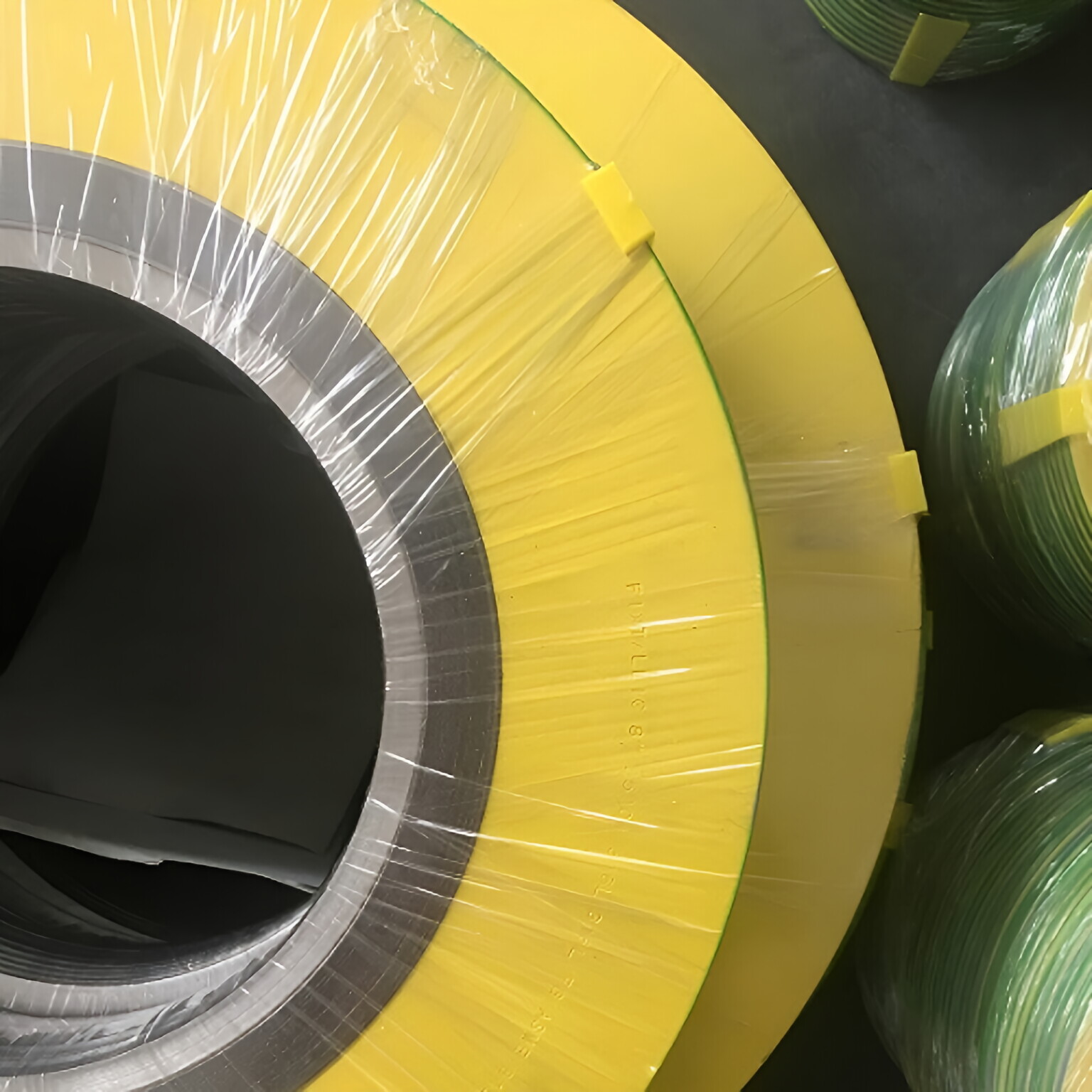
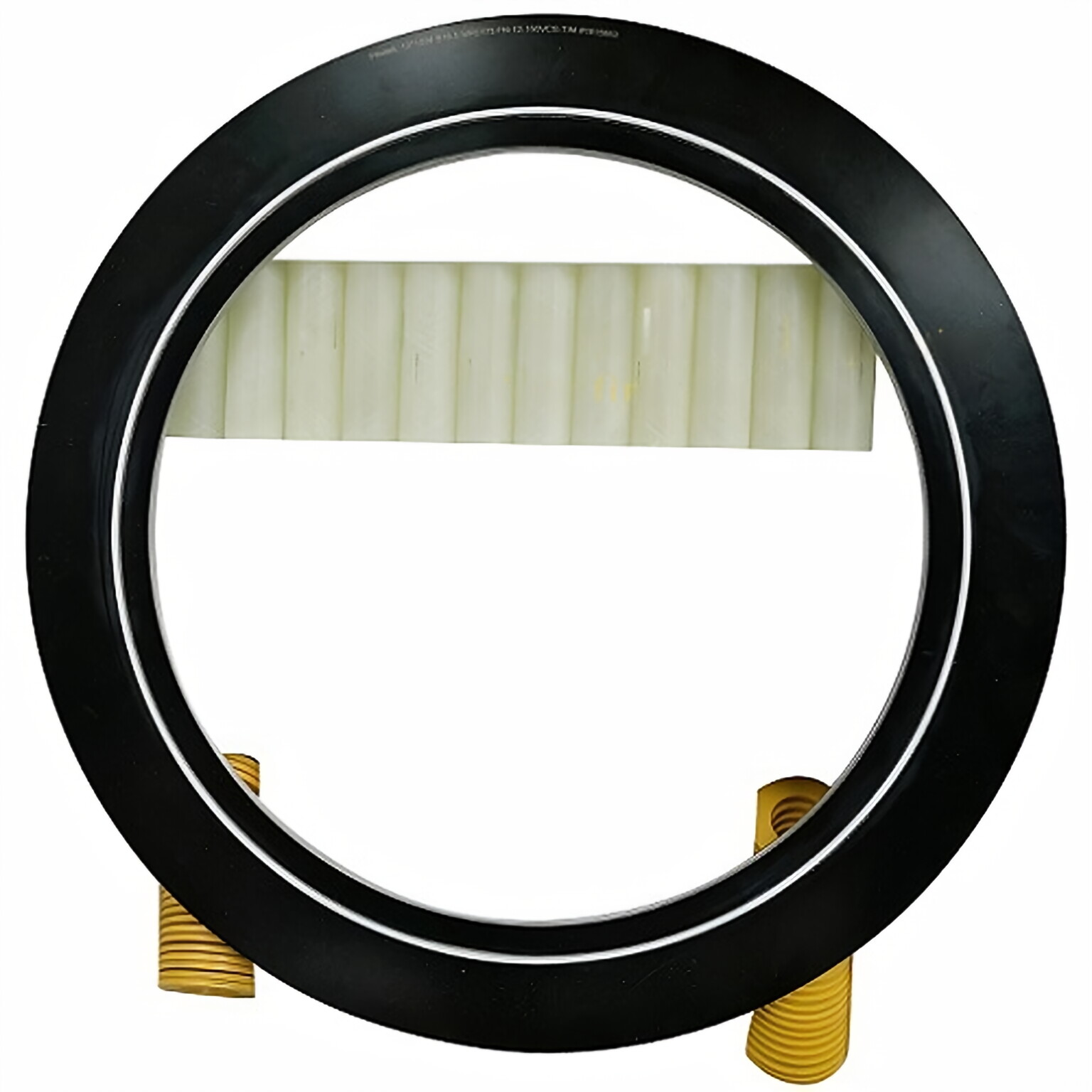
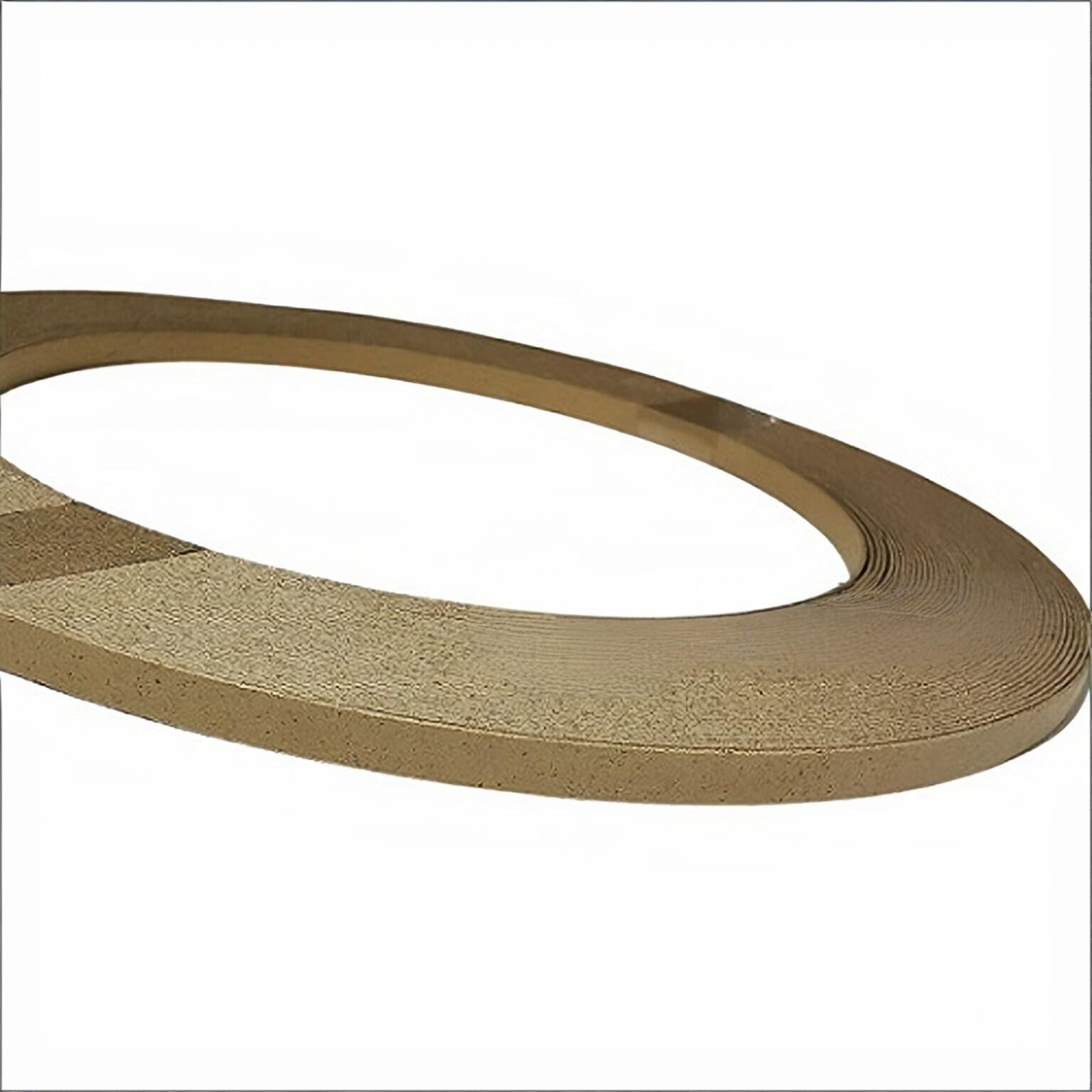
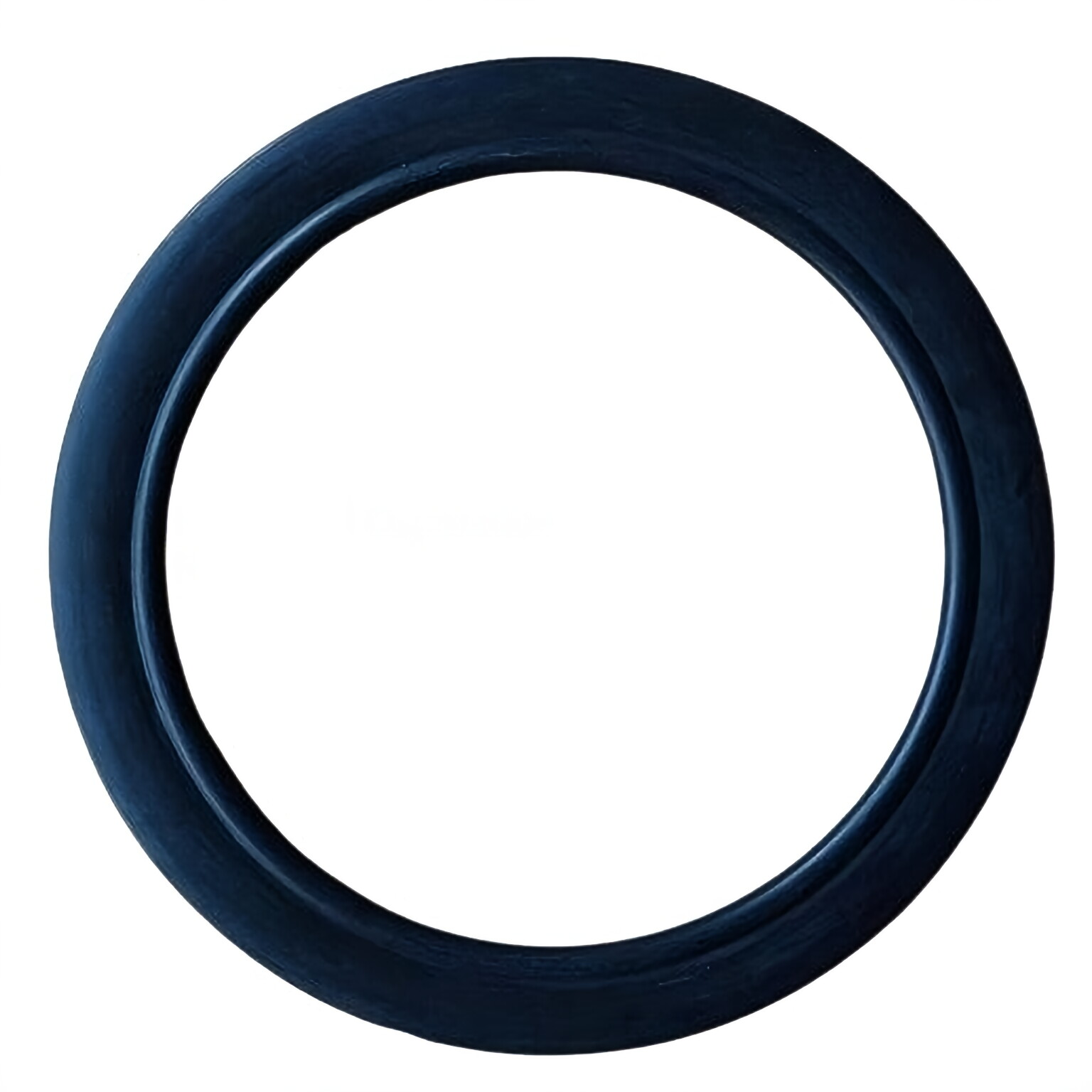
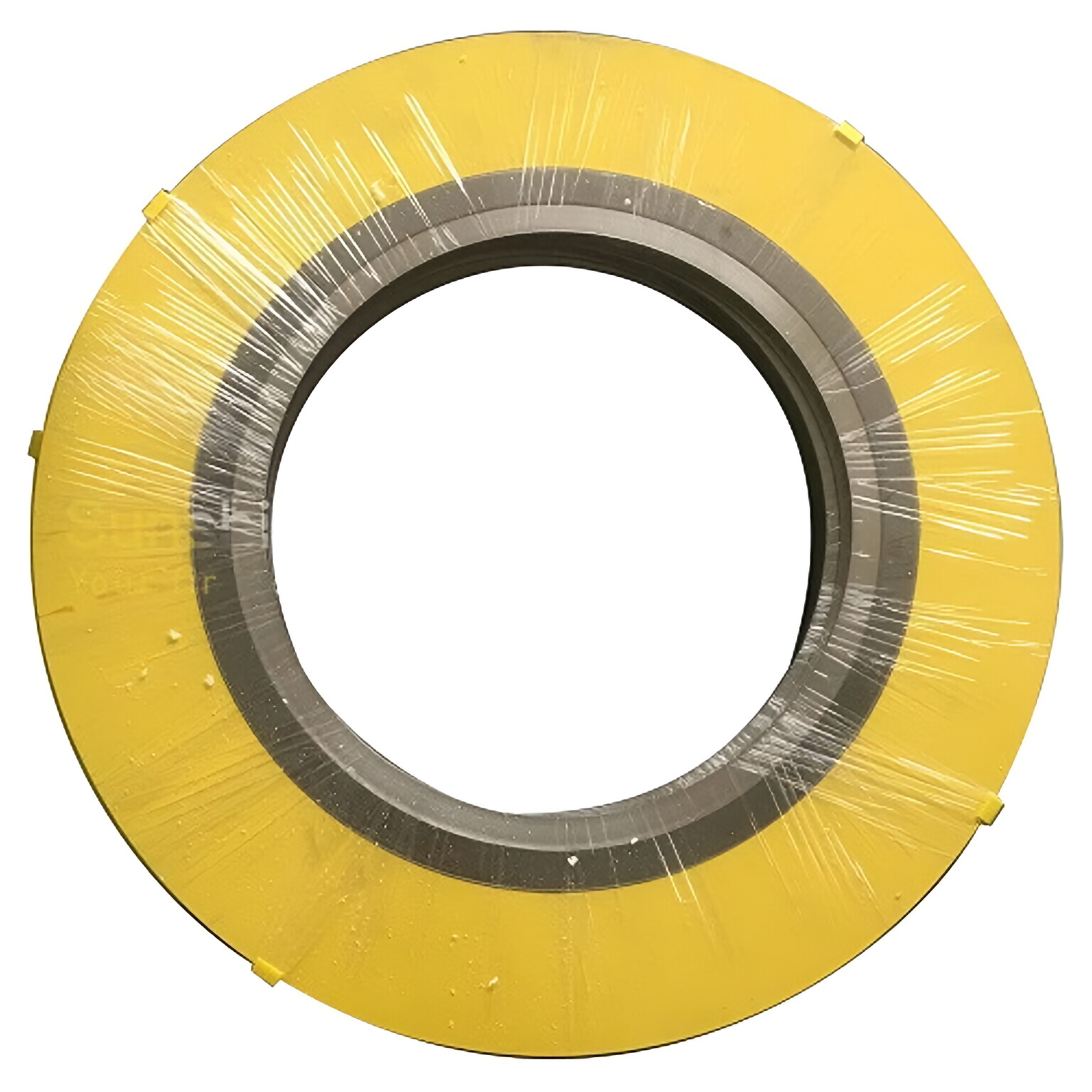
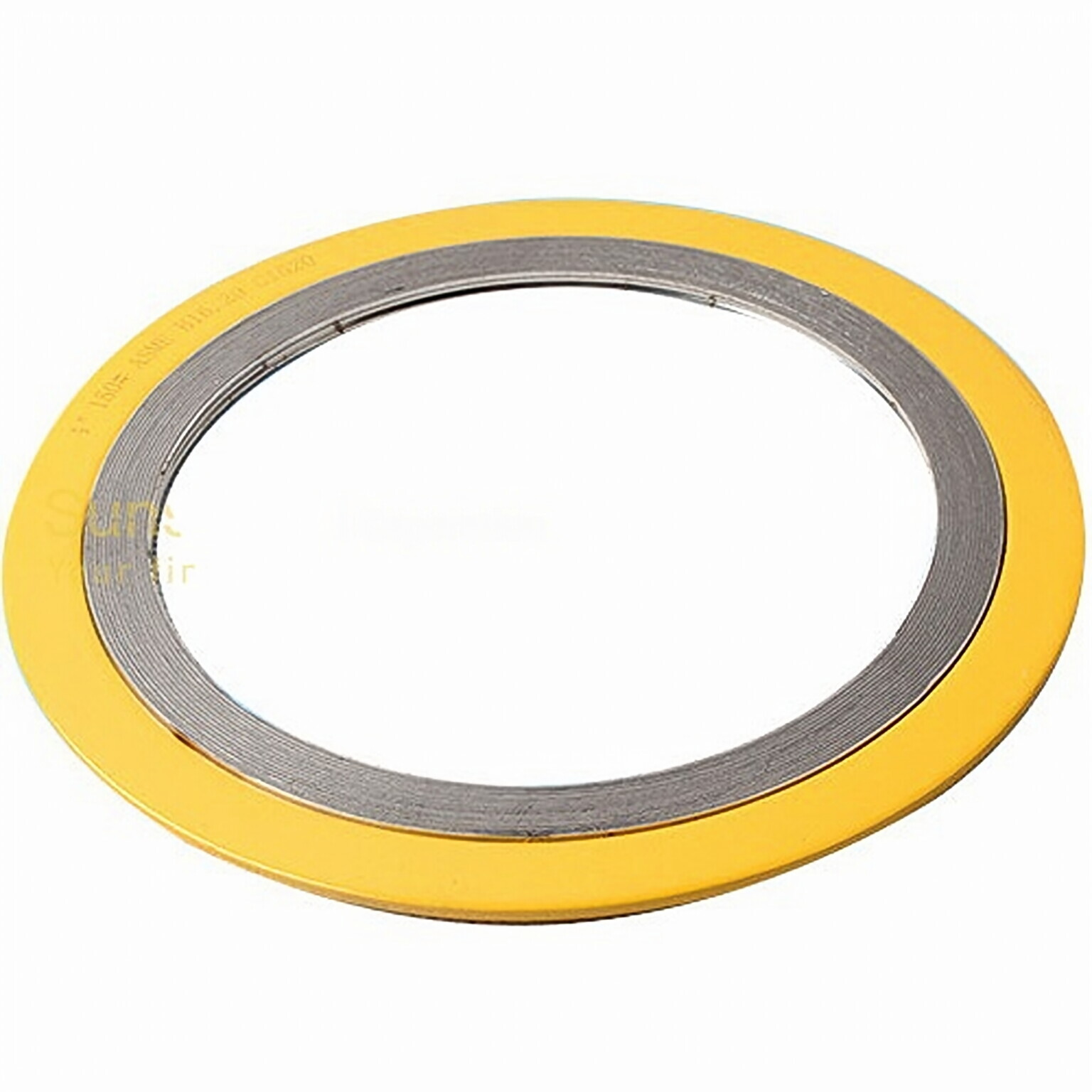
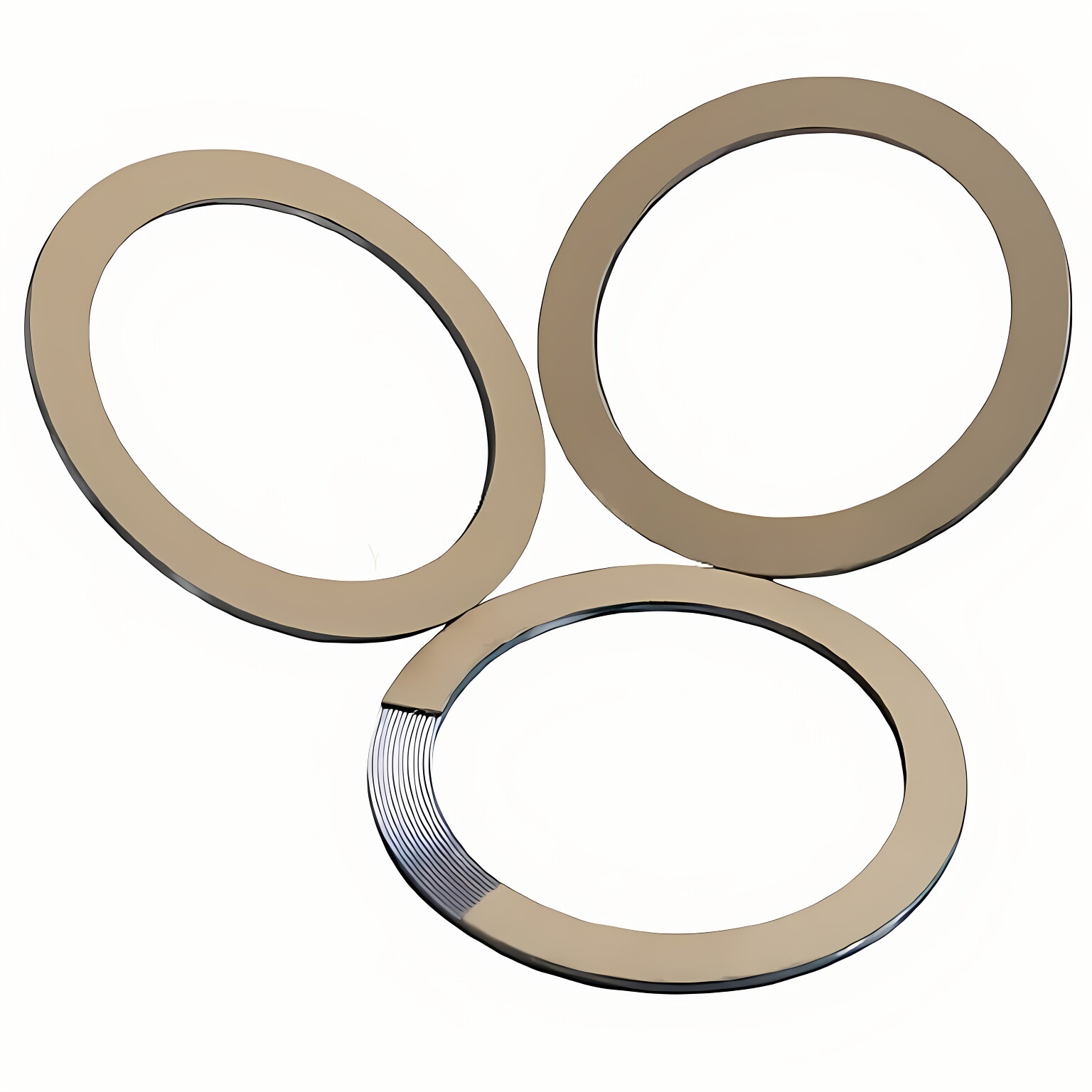
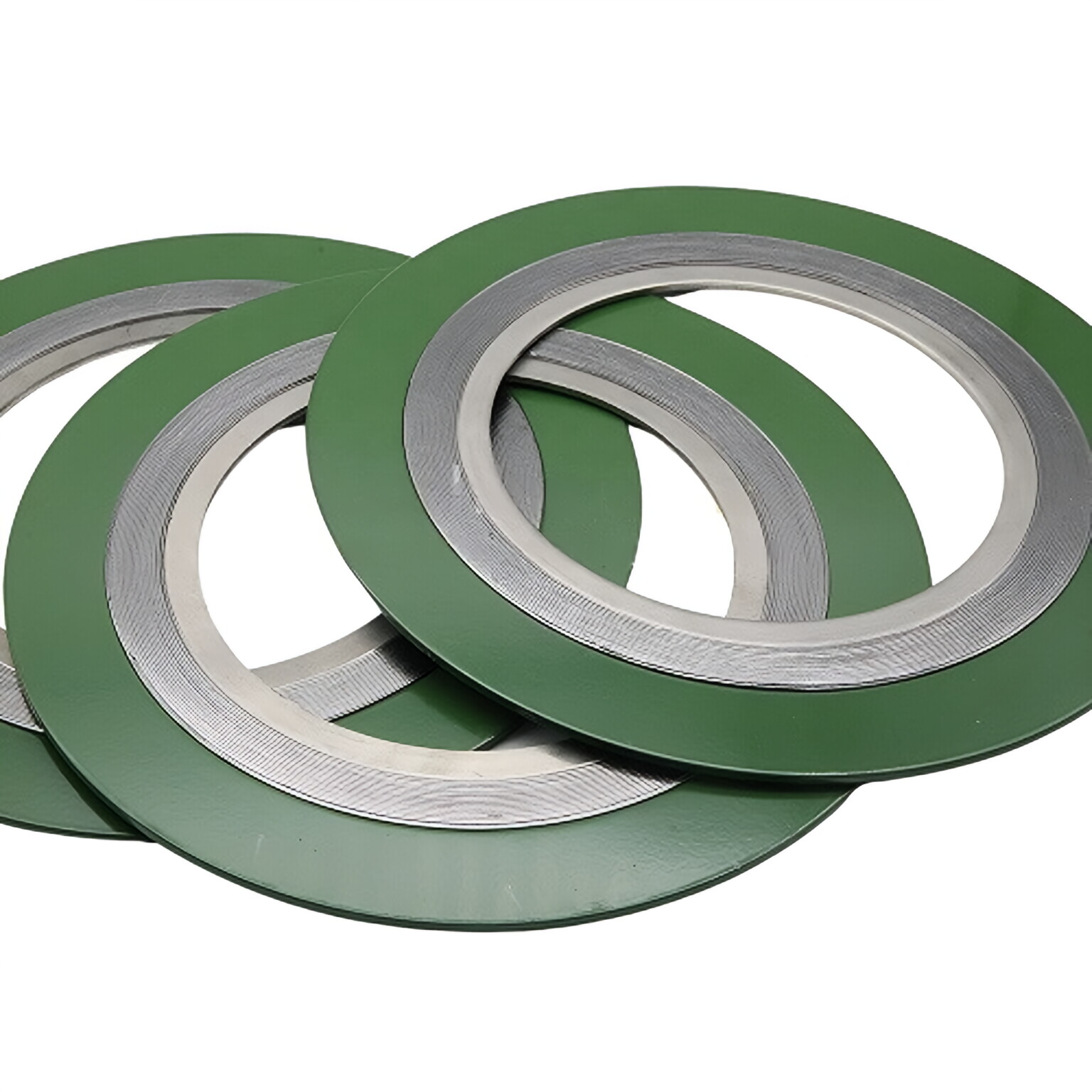
How to select the right API RTJ gasket for a project? This critical question haunts procurement managers and engineers daily. The wrong choice can lead to catastrophic leaks, costly downtime, and severe safety hazards in demanding oil & gas, chemical, or petrochemical applications. This guide cuts through the complexity. We'll translate technical API specifications into actionable steps, helping you navigate material selection, pressure ratings, and critical design features with confidence. By the end, you'll be equipped to make an informed, secure, and cost-effective sealing decision for your project's specific challenges.
Article Outline
Imagine a high-pressure gas pipeline or a reactor operating at extreme temperatures. A standard gasket would fail instantly. This is the domain of the Ring Type Joint (RTJ) gasket. Unlike flat gaskets, RTJ gaskets are designed to seal by creating a high-integrity metal-to-metal seal. They fit into a machined groove in the flange faces, and when the flanges are bolted together, the soft, ductile metal of the gasket flows into the grooves, forming a leak-proof barrier capable of withstanding immense pressure, thermal cycling, and corrosive media.
For procurement specialists, understanding this fundamental sealing mechanism is key. It explains why RTJ gaskets are mandated for API 6A and API 17D applications and other critical services. Selecting the wrong type here doesn't just risk a leak; it risks the entire project's integrity and safety.

Every API RTJ gasket selection must start with the flange specification. The gasket and the flange groove must be a perfect match.
| Flange & Groove Standard | Common Gasket Types (R / RX / BX) | Typical Pressure Class | Key Selection Consideration |
|---|---|---|---|
| API 6A / 6B | R, BX | 5,000 psi to 20,000 psi | Wellhead equipment, Christmas trees. BX series for higher pressures. |
| ASME B16.5 / B16.47 | R, RX | Class 150 to Class 2500 | Pipeline and plant piping. RX gaskets provide better seal reusability. |
| MSS-SP-44 / API 605 | R | Various | Large diameter pipeline flanges. |
A common procurement nightmare: a gasket corrodes prematurely in a sour service environment, leading to unplanned shutdowns and replacement costs that dwarf the initial purchase price. The gasket material is your first line of defense. Soft iron is common, but for aggressive chemicals, high temperatures, or sour gas (H2S), you need upgraded alloys.
How to select the right API RTJ gasket for a project? The material question is paramount. Consider the full process fluid composition, temperature extremes, and potential for corrosion under insulation. An investment in a more suitable alloy upfront prevents exponential costs later. This is where expert guidance from a manufacturer like Ningbo Kaxite Sealing Materials Co., Ltd. proves invaluable, offering material recommendations based on real-world application data.
| Common RTJ Gasket Materials | Hardness (Brinell) | Temperature Range (Approx.) | Ideal For / Limitations |
|---|---|---|---|
| Soft Iron (AISI 1010) | 56-80 HB | -20°C to 540°C | General service, water, oil, gas. Not for corrosive services. |
| Low Carbon Steel (AISI 1020) | 66-84 HB | -20°C to 540°C | Similar to soft iron, slightly higher strength. |
| 316 Stainless Steel | 135-185 HB | -250°C to 870°C | Excellent corrosion resistance, wide chemical compatibility. |
| Inconel 600 / 625 | 150-220 HB | Up to 1150°C | High-temperature oxidation resistance, chlorides, sour service. |
| Monel 400 | 120-180 HB | Up to 540°C | Excellent resistance to seawater, HF acid, and alkalies. |
Receiving gaskets that don't fit the flange groove or are under-rated for system pressure causes project delays and frantic last-minute sourcing. Precise sizing is non-negotiable. The gasket's outer diameter (OD), inner diameter (ID), and oval/octagonal ring width must match the flange groove dimensions exactly as per the relevant API or ASME standard.
Pressure rating is equally critical. The gasket must be rated for the system's maximum allowable working pressure (MAWP) and temperature. Using a Class 1500 gasket in a Class 2500 system is a direct path to failure. Always cross-reference the flange pressure class and the gasket designation (e.g., R45 for 5,000 psi). Detailed technical drawings and specifications from your supplier are essential for verification.
| Gasket Series (Per API 6A) | Pressure Rating (psi) | Typical Ring Number (Example) | Key Identifier |
|---|---|---|---|
| R Series | 5,000 / 10,000 / 15,000 / 20,000 | R23, R24, R37, R45 | Standard ring, seals on the outer & inner edges. |
| RX Series | 5,000 / 10,000 / 15,000 | RX-23, RX-37 | Self-energizing, better for cyclic service and re-use. |
| BX Series | 5,000 / 10,000 / 15,000 / 20,000 | BX-151, BX-154 | Pressure-energized, higher integrity seal for wellheads. |
Even a perfectly selected gasket can fail if mishandled. Scratches on the sealing surfaces or improper installation torque compromise the seal. The procurement team's responsibility extends to ensuring proper handling guidelines are communicated to the site crew.
Gaskets should be stored in protective packaging, kept clean and dry. During installation, the flange faces and gasket groove must be meticulously cleaned. The gasket should be lowered carefully into the groove—never dropped or forced. Following the specified bolt tightening sequence and torque values is crucial to achieve uniform sealing stress without damaging the gasket or flange.
The ultimate solution to the question "How to select the right API RTJ gasket for a project?" is partnering with a supplier who acts as an extension of your engineering team. A knowledgeable supplier doesn't just sell a product; they provide application support, certified material test reports (MTRs), and traceability. They help you navigate standards, avoid compatibility pitfalls, and ensure the gasket you order is the gasket your project needs for safe, reliable, long-term operation.
Q: What is the main functional difference between R, RX, and BX type API RTJ gaskets?
A: R-type gaskets are standard rings that seal on the outer and inner wedge angles. RX gaskets are self-energizing; their shape creates additional sealing force under pressure, offering better performance in cyclic services and potential for re-use. BX gaskets are pressure-energized with a different profile, designed for the highest integrity applications like wellheads and subsea equipment, providing a superior seal as internal pressure increases.
Q: How critical is the gasket hardness specification, and what happens if it's wrong?
A: Hardness is absolutely critical. The gasket must be soft enough to flow and conform to the flange grooves to create a seal, but hard enough to resist extrusion under high pressure. If the gasket is too hard, it won't seal properly. If it's too soft, it can extrude into the pipeline or be crushed, leading to failure. Always specify and verify material grade and hardness per API 6A or ASME standards.
Selecting the perfect API RTJ gasket requires balancing technical specs with practical project demands. We hope this guide empowers your next procurement decision.
Have a specific sealing challenge or need a quote for an upcoming project? Contact the experts. For over a decade, Ningbo Kaxite Sealing Materials Co., Ltd. has been a trusted global supplier of high-integrity sealing solutions, including precision-engineered API RTJ gaskets. We combine extensive material expertise with stringent quality control to deliver gaskets that perform under pressure. Reach out to our technical sales team at [email protected] for personalized support.
Brown, J. et al. (2018). "Evaluation of Metal Gasket Sealing Performance in Sour Service Environments." Journal of Pressure Vessel Technology, 140(3).
Zhang, L. & Smith, R. (2020). "Finite Element Analysis of Ring Type Joint Gasket Deformation Under Combined Loads." International Journal of Mechanical Sciences, 179.
American Petroleum Institute. (2018). "API Specification 6A: Wellhead and Christmas Tree Equipment." 21st Edition.
Park, C. et al. (2019). "Effect of Surface Roughness on the Leakage Behavior of Metal-to-Metal Seals." Tribology International, 129.
Jones, P. & Lee, K. (2021). "Material Selection Guidelines for High-Pressure, High-Temperature (HPHT) Gaskets." Materials & Design, 204.
ASME Boiler and Pressure Vessel Code. (2021). "Section VIII, Division 1: Rules for Construction of Pressure Vessels."
Miller, A. (2017). "Cyclic Pressure Testing of RX vs. R Style Ring Gaskets." Proceedings of the ASME PVP Conference, PVP2017-65432.
European Sealing Association. (2019). "ESA 018: Gasket Selection Guide for Flanged Joints."
Chen, H. et al. (2022). "Corrosion Mechanisms of Low-Alloy Steels in CO2 and H2S Containing Environments Relevant to Gasket Applications." Corrosion Science, 195.
International Organization for Standardization. (2020). "ISO 10423: Petroleum and natural gas industries — Drilling and production equipment — Wellhead and Christmas tree equipment."