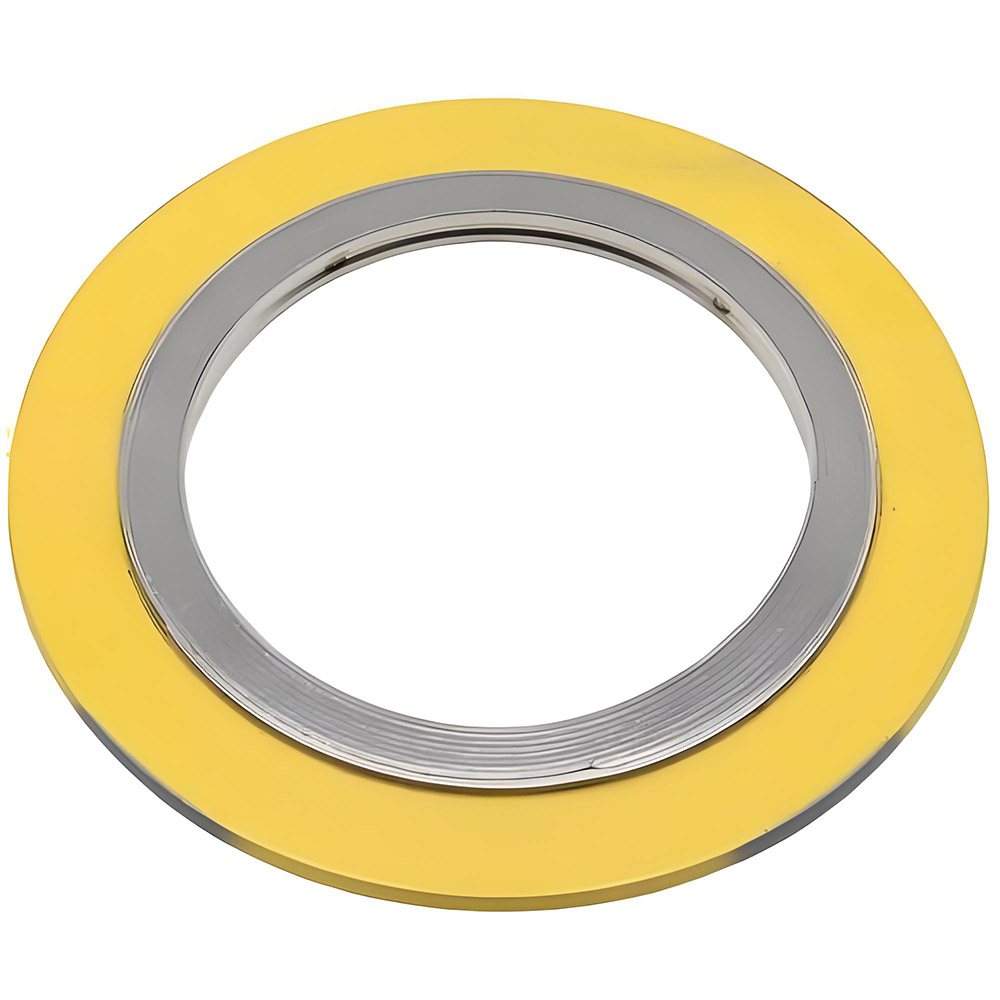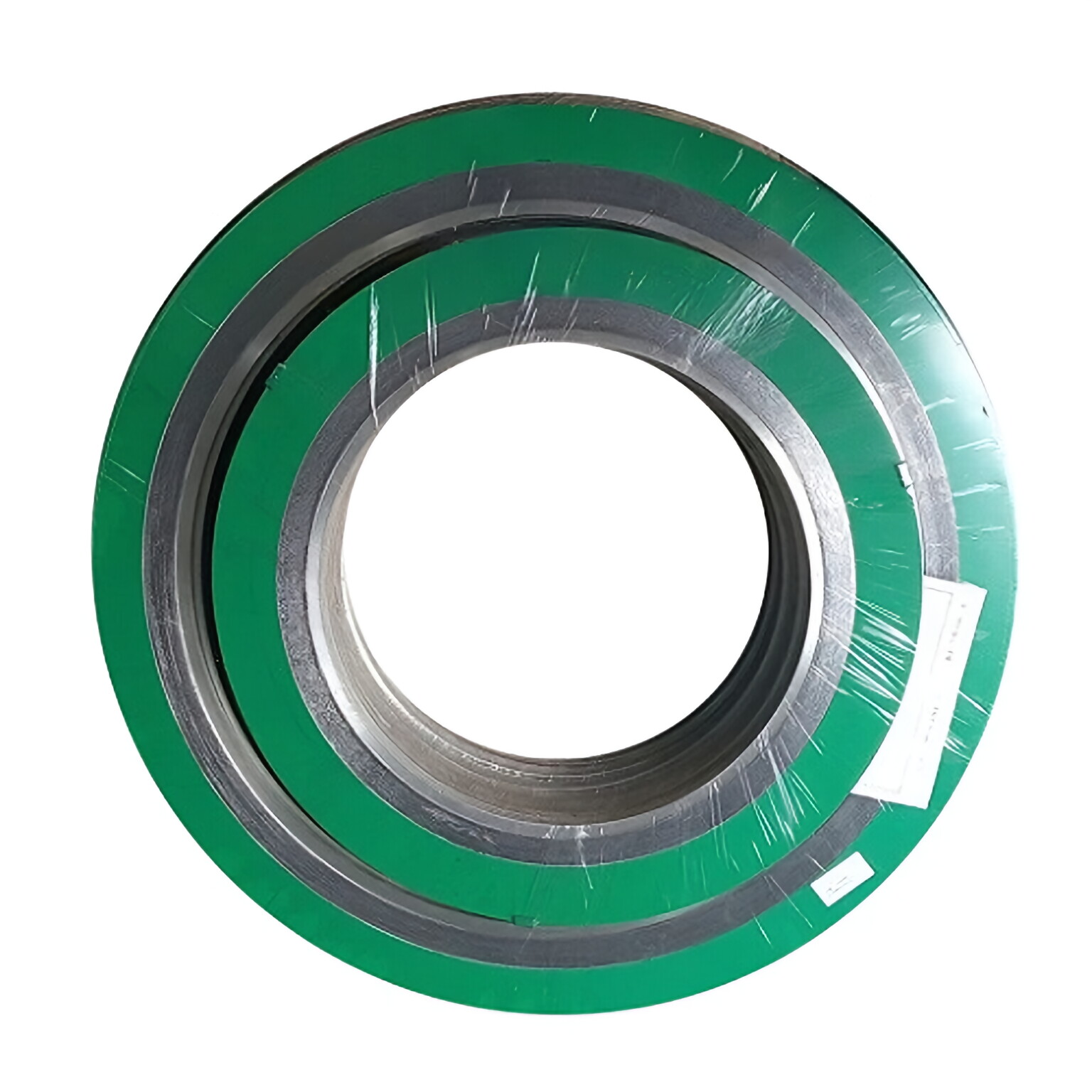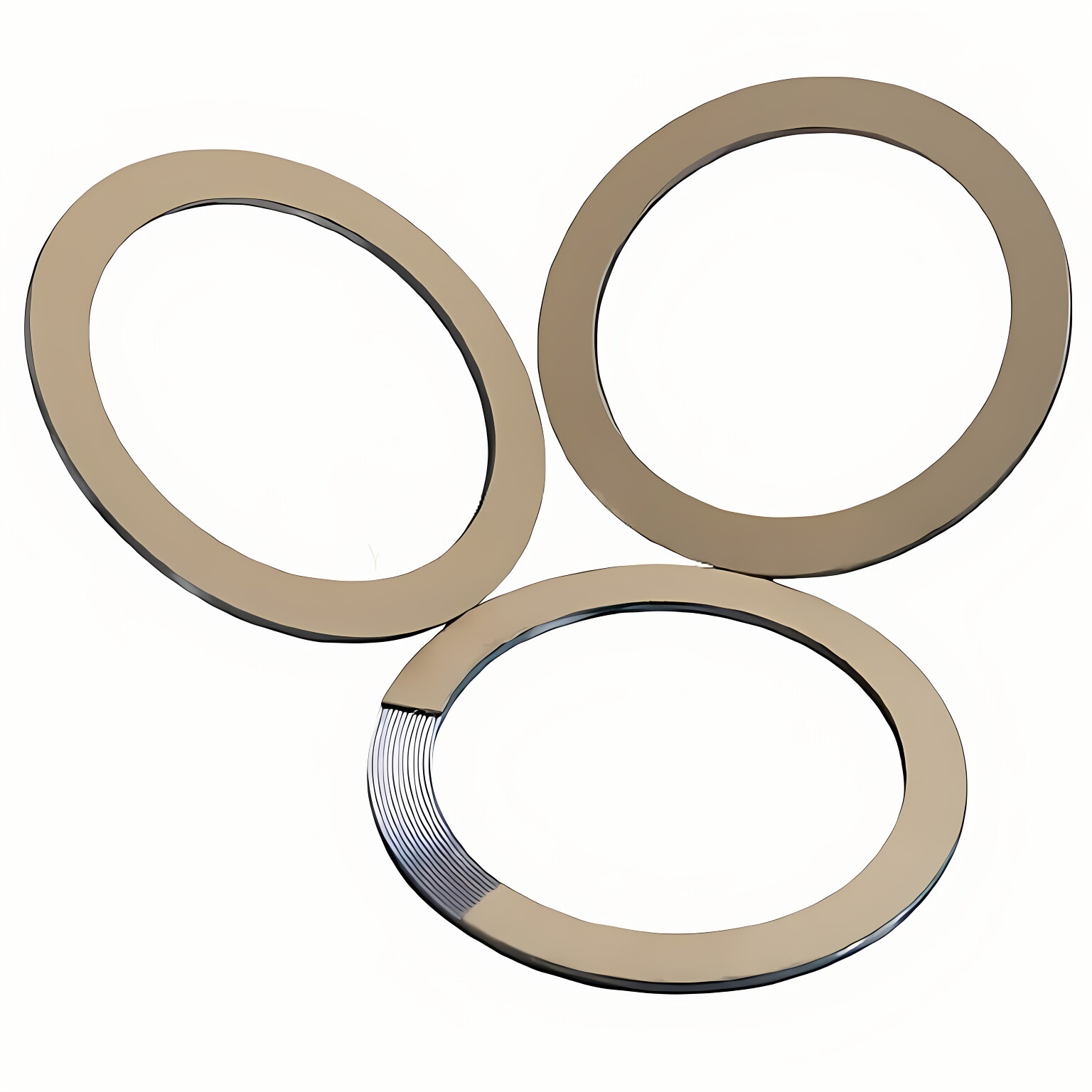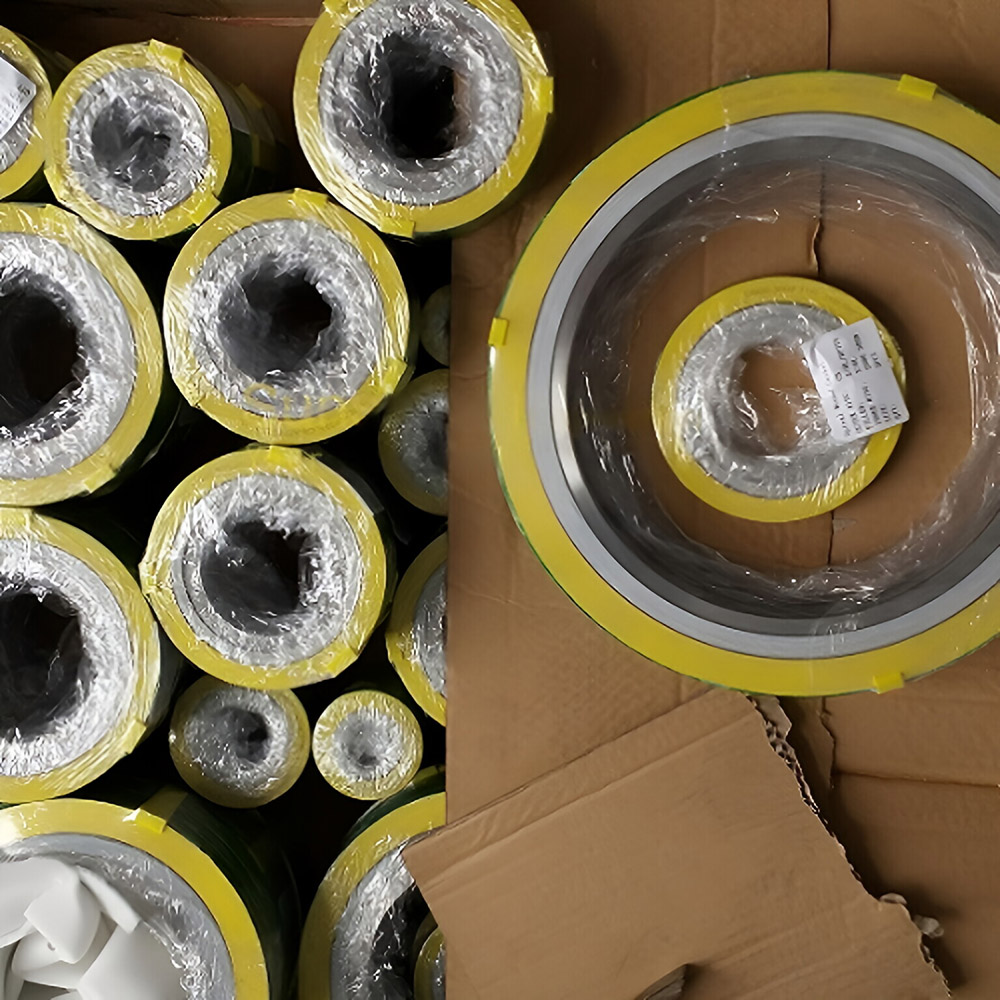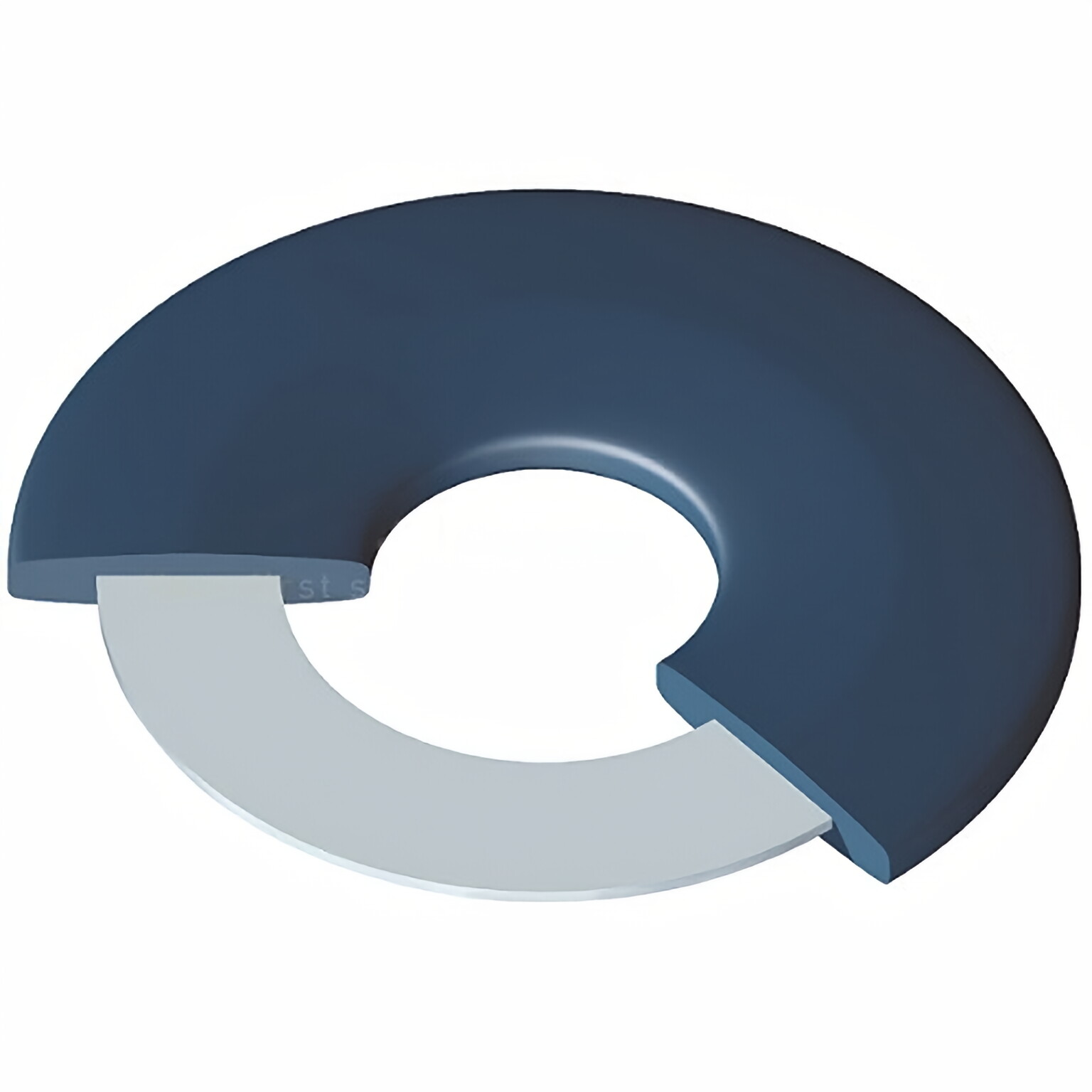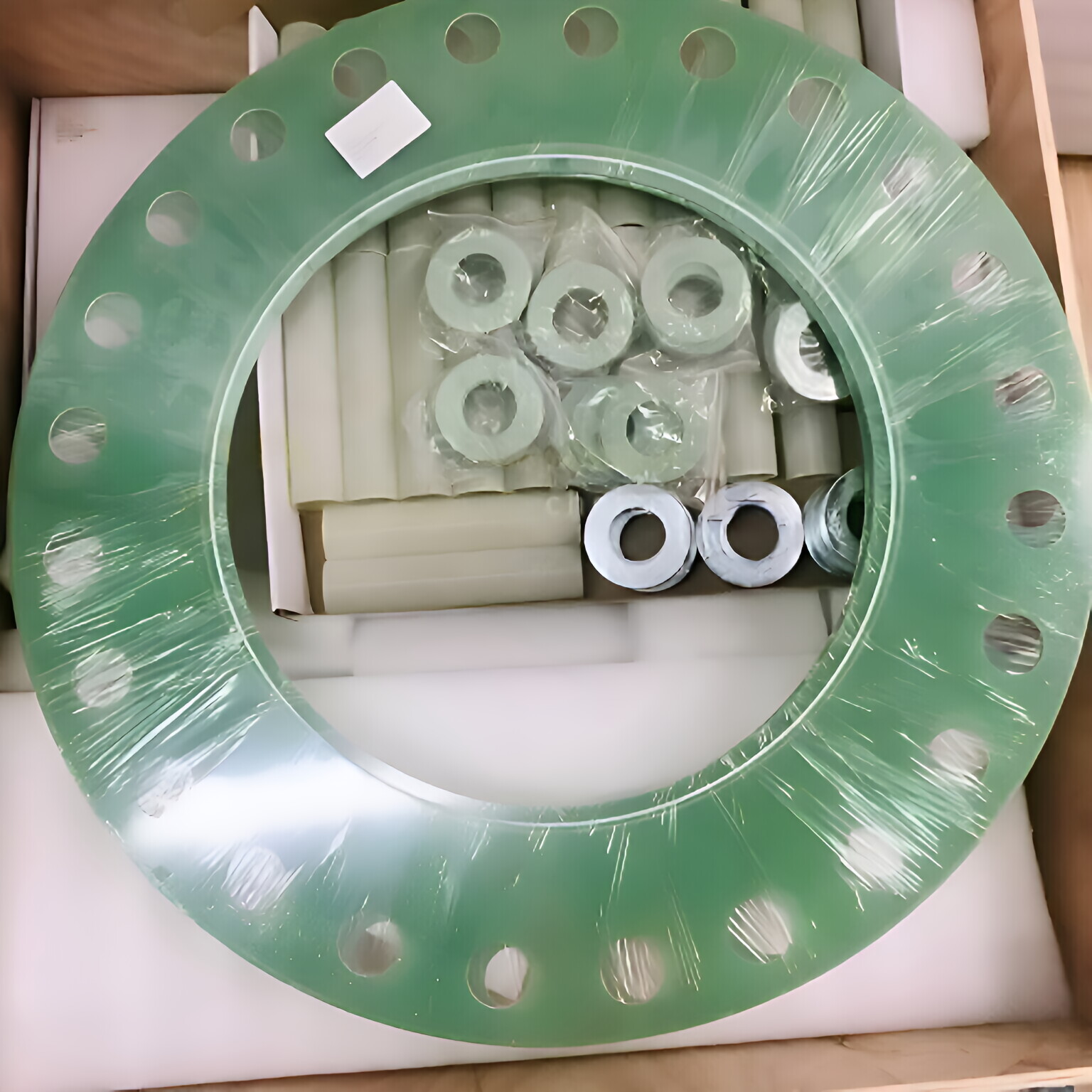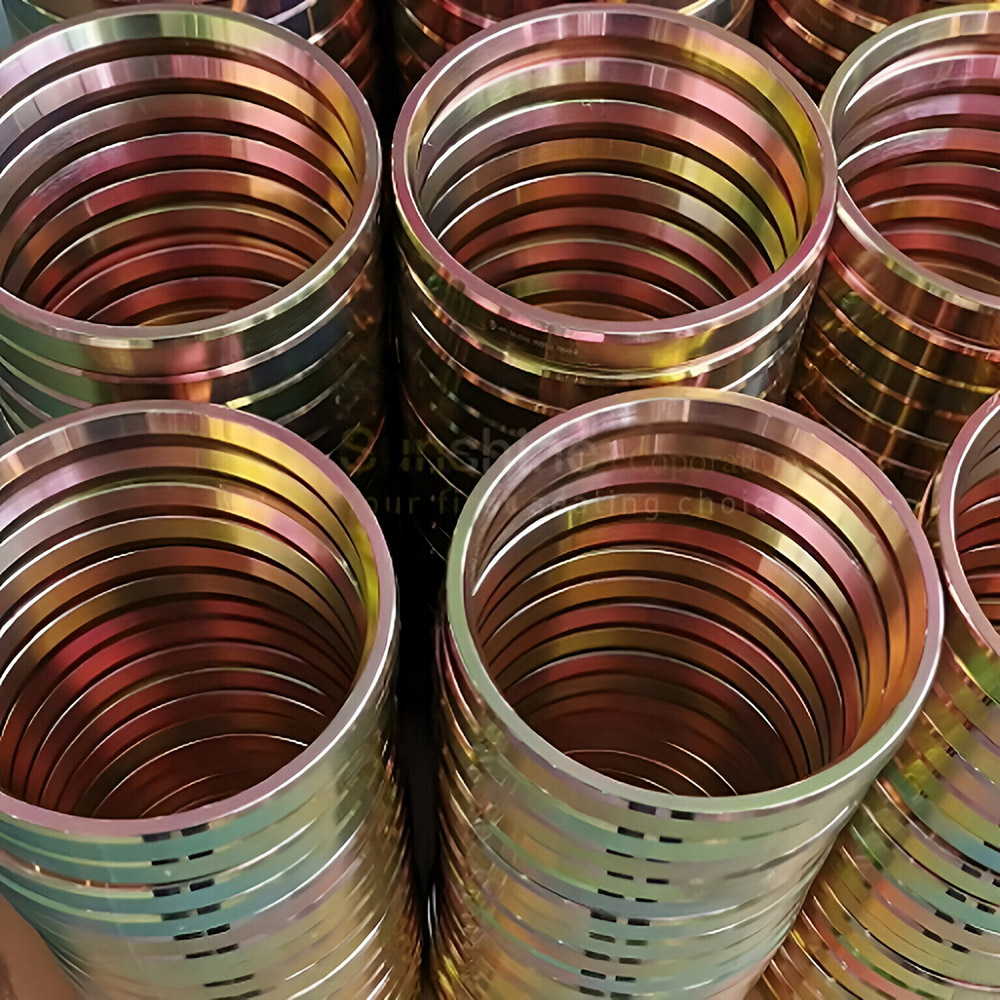
Where are vermiculite filler spiral wound gaskets commonly used? This is a crucial question for procurement specialists across industries like petrochemicals, power generation, and heavy manufacturing. These specialized gaskets are the unsung heroes in critical piping systems, designed to handle extreme environments where standard seals would fail. Understanding their specific applications is key to ensuring plant safety, preventing costly downtime, and optimizing maintenance budgets. This guide breaks down everything you need to know, from common use cases to technical specifications, helping you make an informed purchasing decision.
Article Outline:
Imagine a scenario in a refinery's catalytic cracking unit. Temperatures routinely spike above 1000°F (538°C). Standard graphite or PTFE-filled gaskets degrade, leading to dangerous leaks, unplanned shutdowns, and significant revenue loss. This is a common pain point for plant managers and procurement teams. The solution lies in specifying vermiculite filler spiral wound gaskets. Vermiculite, an expanded mineral, retains its resilience and sealing integrity at continuous service temperatures up to 1800°F (982°C). It does not oxidize or become brittle like graphite, providing a reliable, long-lasting seal in flanges exposed to intense heat from boilers, turbines, and high-temperature process lines.
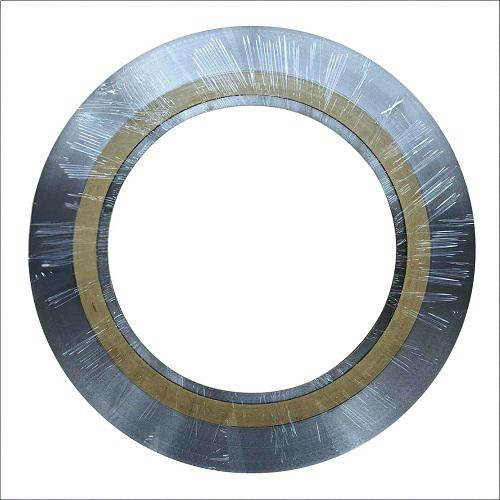
Typical High-Temperature Application Parameters:
| Application | Typical Temp. Range | Common Standards | Alternative Fillers (Less Suitable) |
|---|---|---|---|
| Boiler Feedwater Systems | 400°F - 750°F (204°C - 399°C) | ASME B16.20 | Graphite (oxidizes) |
| Flue Gas Ducting | Up to 1600°F (871°C) | API 601 | PTFE (melts) |
| Superheated Steam Lines | 800°F - 1100°F (427°C - 593°C) | EN 1514 / DIN | Ceramic (less flexible) |
Beyond heat, many processes involve aggressive chemicals, strong acids, alkalis, or molten metals. A gasket that swells, dissolves, or contaminates the process fluid is unacceptable. Procurement specialists often struggle to find a gasket material that withstands both thermal cycling and chemical attack. Vermiculite filler offers excellent resistance to a wide range of corrosive media, including strong oxidizing agents and hydrocarbons. This makes it the go-to choice for critical joints in chemical processing plants, pharmaceutical reactors, and pipelines carrying challenging process streams, directly answering the question: Where are vermiculite filler spiral wound gaskets commonly used? They are used wherever thermal and chemical stability are non-negotiable.
Chemical Resistance & Material Pairing Guide:
| Media Type | Vermiculite Compatibility | Recommended Outer Ring | Notes |
|---|---|---|---|
| Strong Acids (e.g., Sulfuric, Nitric) | Excellent | 316 Stainless Steel | Superior to organic fillers |
| Strong Alkalis (e.g., Caustic Soda) | Excellent | 304 Stainless Steel | No degradation |
| Hydrocarbons & Solvents | Excellent | Carbon Steel | Non-absorbent, maintains seal |
For global buyers sourcing on Google, knowing the precise applications ensures correct specification. Vermiculite spiral wound gaskets are commonly specified in: Power Generation (coal, nuclear, waste-to-energy), Petrochemical & Refining (cracker units, reformer units), Industrial Furnaces & Heat Treatment, and Specialty Chemical Manufacturing. When evaluating suppliers, key parameters include the winding metal (304SS, 316SS, Inconel), gasket density, and compliance with international standards like ASME B16.20, API 601, or EN 1514. Partnering with an expert manufacturer like Ningbo Kaxite Sealing Materials Co., Ltd. ensures you get gaskets tailored to your specific pressure, temperature, and media requirements, preventing application failures.
Procurement Specification Checklist:
| Parameter | Detail to Specify | Why It Matters |
|---|---|---|
| Filler Material | Pure Exfoliated Vermiculite | Ensures high-temp performance |
| Winding Metal | Match flange/material service | Prevents galvanic corrosion |
| Outer Ring (Optional) | Carbon Steel, SS304/316 | Provides handling strength & centering |
| Standards | ASME B16.20, API 601, EN 1514 | Guarantees dimensional accuracy & quality |
Q1: Where are vermiculite filler spiral wound gaskets most critical compared to graphite-filled ones?
A1: Vermiculite gaskets are critical in applications involving strong oxidizing agents, high-purity oxygen service, and temperatures consistently above 900°F (482°C) where graphite filler can oxidize and turn to dust, causing seal failure. They are the preferred choice in superheater outlets, furnace penetrations, and certain chemical reactors.
Q2: Can vermiculite gaskets be used in cryogenic or low-temperature services?
A2: While their primary strength is high-temperature resistance, vermiculite fillers generally perform adequately at lower temperatures. However, for extreme cryogenic services (below -150°F / -101°C), specially designed PTFE or flexible graphite gaskets might be evaluated based on the specific thermal cycling and media.
Specifying the correct gasket is paramount for operational safety and efficiency. For the demanding applications outlined—high heat, corrosive chemicals, and critical industrial processes—vermiculite filler spiral wound gaskets offer a reliable, long-term sealing solution. Are you currently evaluating gasket options for a high-temperature flange or a challenging chemical service? Share your specific application parameters in the comments below.
For over two decades, Ningbo Kaxite Sealing Materials Co., Ltd. has been a trusted global supplier specializing in high-performance spiral wound gaskets, including those with vermiculite filler. We understand the precise demands of industries ranging from power generation to petrochemicals. Our engineering support team can help you select or customize the perfect gasket for your application, ensuring compliance, reliability, and cost-effectiveness. Visit our website at https://www.spiral-wound-gasket.com to explore our product range or contact our experts directly at [email protected] for a technical consultation or quote.
Smith, J.A., 2018, "High-Temperature Performance of Mineral-Based Gasket Fillers in Flanged Connections," Journal of Pressure Vessel Technology, Vol. 140, No. 3.
Chen, L., & Ohta, H., 2020, "Sealing Behavior of Spiral Wound Gaskets with Vermiculite Filler Under Thermal Cycling," International Journal of Applied Mechanics, Vol. 12, Iss. 05.
Davis, R.K., 2015, "Material Selection for Gaskets in Oxidizing Environments," Chemical Engineering Progress, Vol. 111, No. 7.
European Sealing Association, 2019, "Guideline for Gasket Selection in Power Plants," ESA Publication No. 012/19.
Fischer, E., 2017, "Long-Term Stability of Non-Asbestos Gasket Materials at Elevated Temperatures," Sealing Technology, Issue 3.
Gupta, P., et al., 2021, "Experimental Analysis of Leak Rates in Spiral Wound Gaskets with Alternative Fillers," Proceedings of the ASME PVP Conference, Vol. 85678.
Johnson, M.T., 2016, "Advances in High-Temperature Sealing for the Process Industries," Plant Engineering Magazine, Vol. 70, No. 4.
Kato, Y., & Sawa, K., 2014, "Effects of Filler Materials on the Tightness of Spiral Wound Gaskets," Journal of Solid Mechanics and Materials Engineering, Vol. 8, No. 1.
Ningbo Kaxite R&D, 2022, "Internal Test Report: Vermiculite vs. Graphite Filler Performance in Simulated Flue Gas Conditions," Technical Bulletin KT-2022-07.
Roberts, S., 2019, "Optimizing Flange Joint Integrity in Refinery High-Temperature Loops," Hydrocarbon Processing, Vol. 98, No. 10.