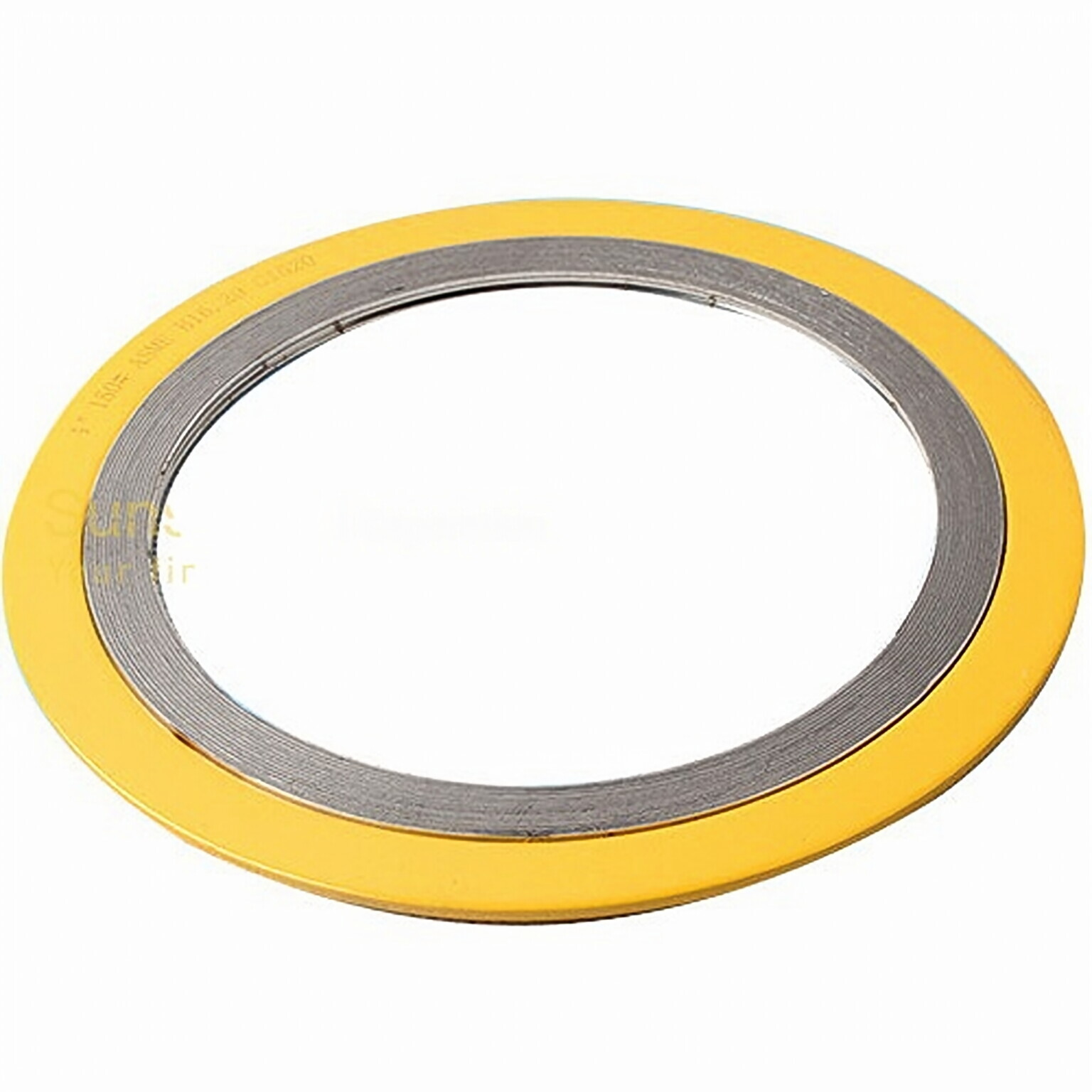
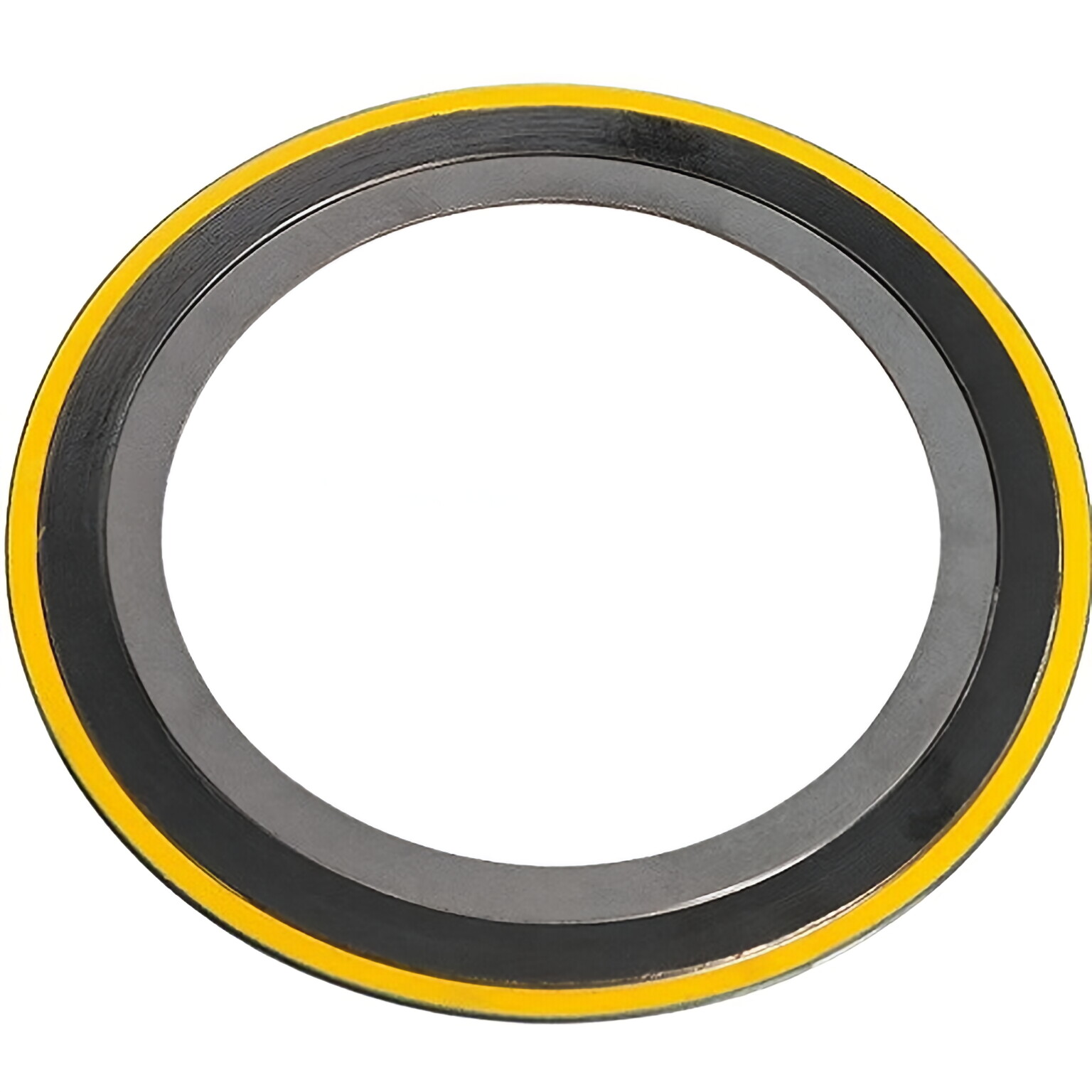
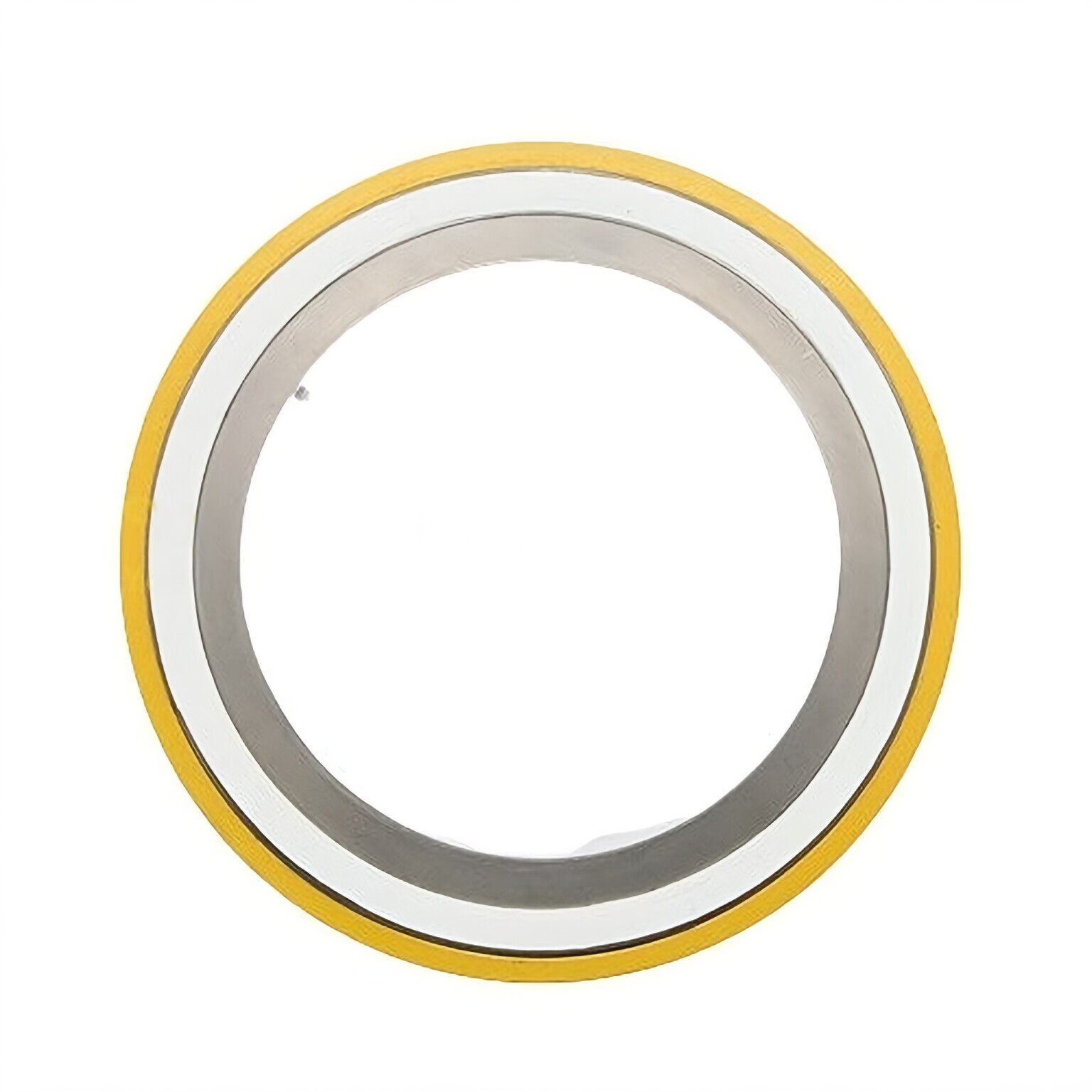
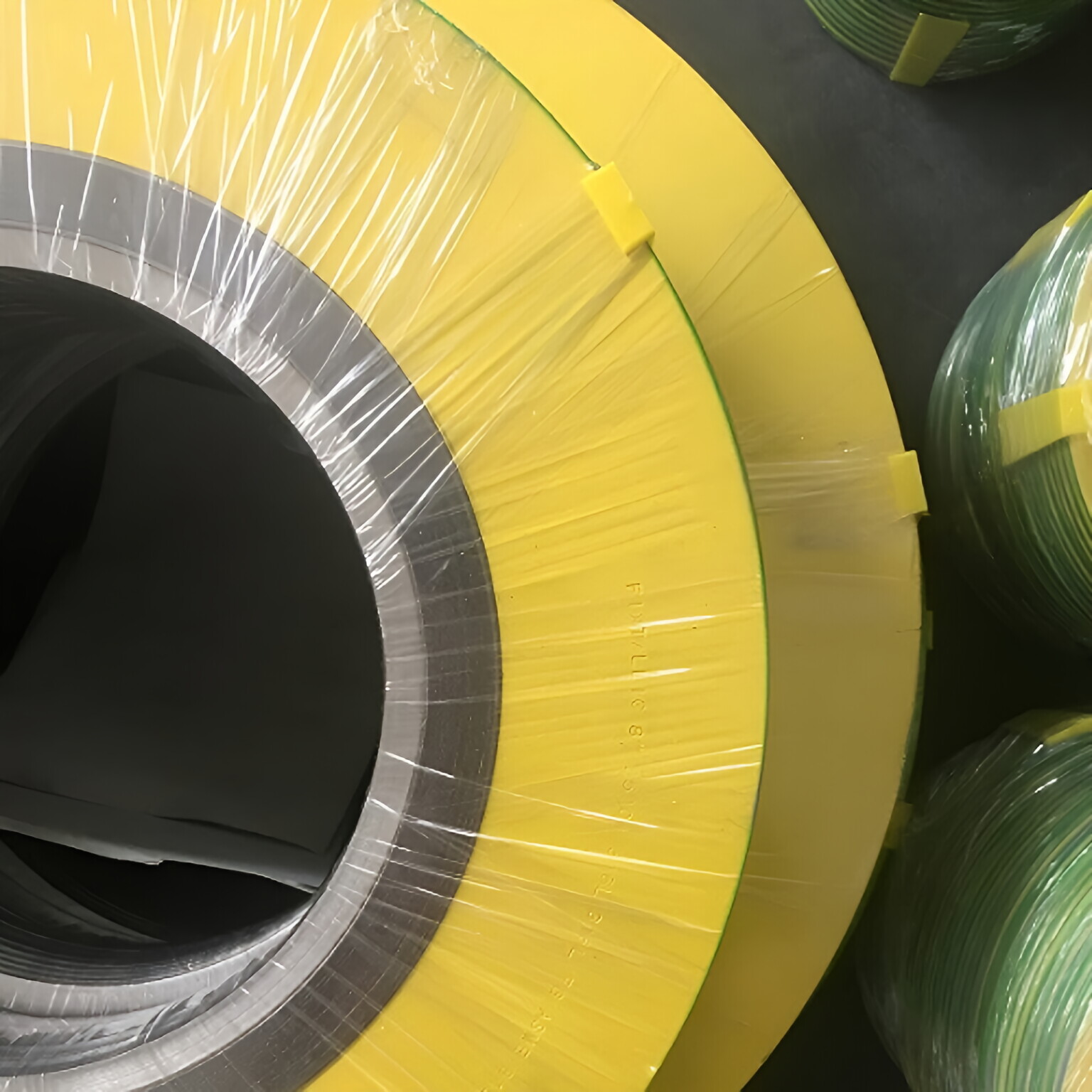
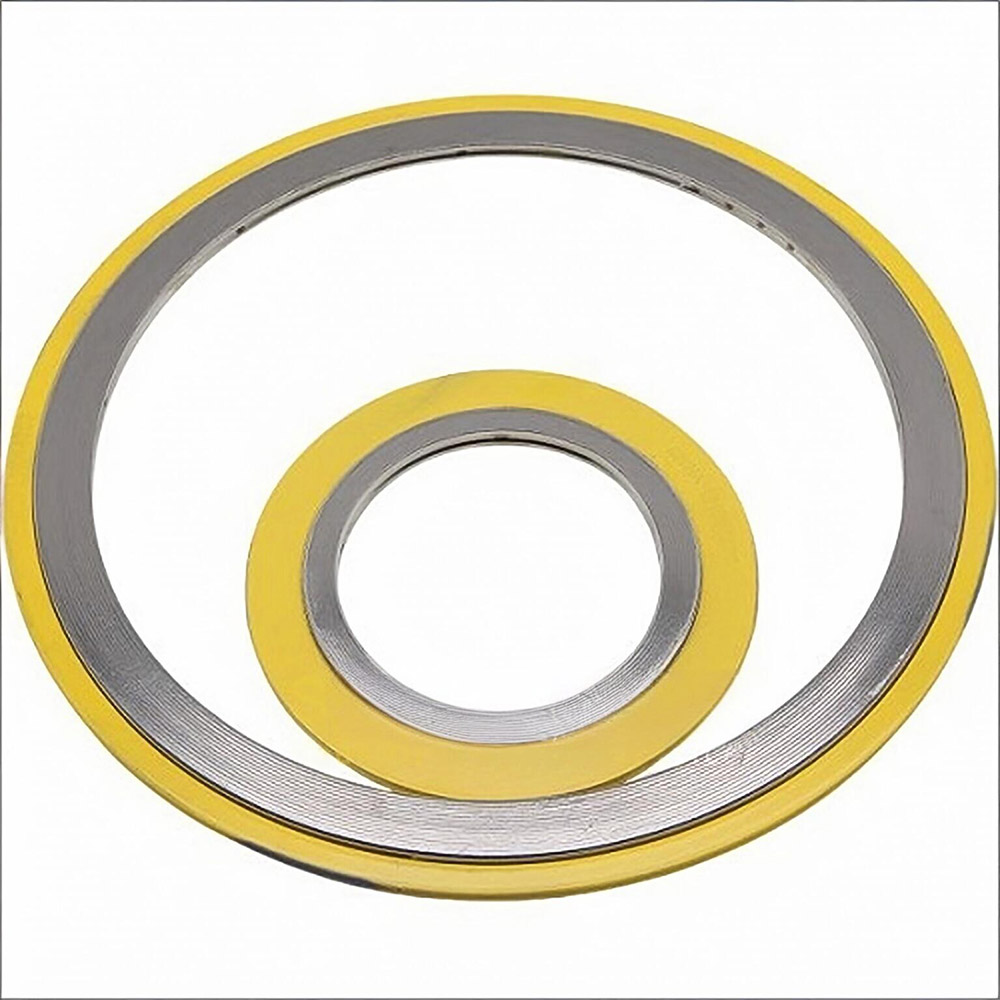
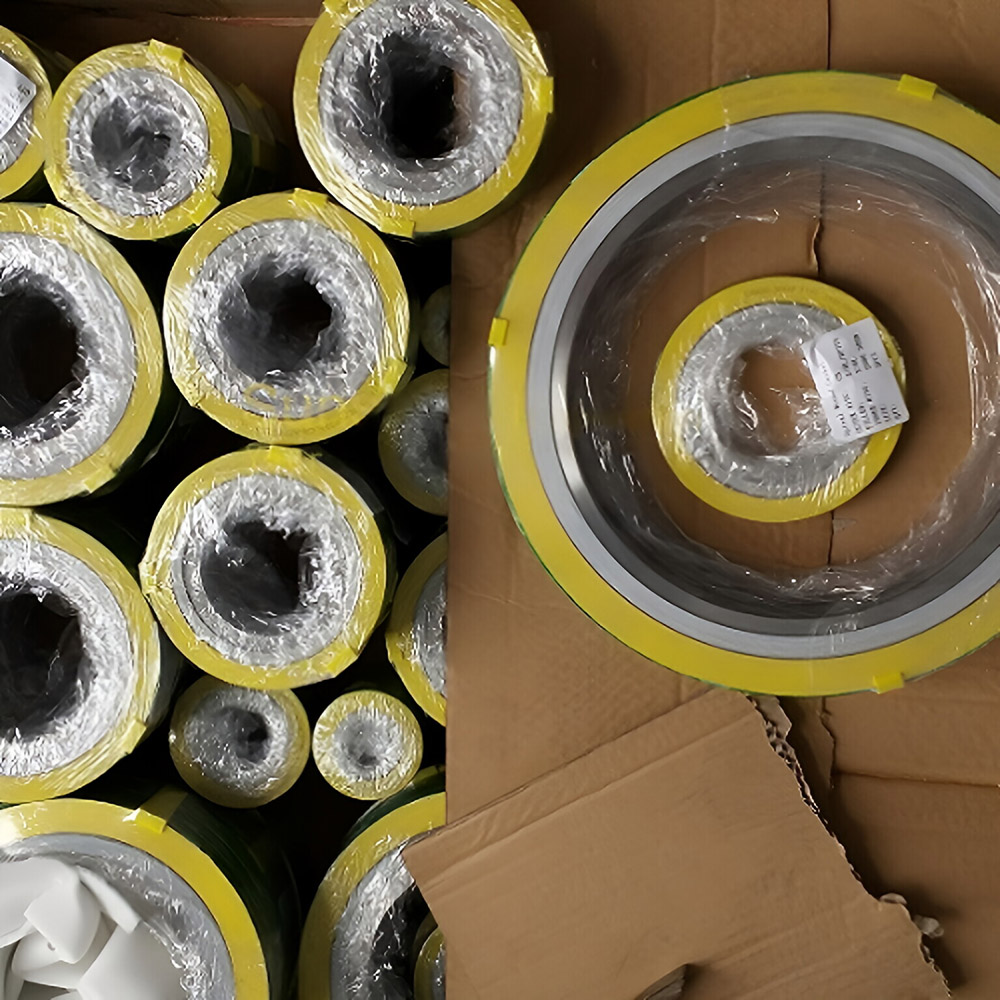
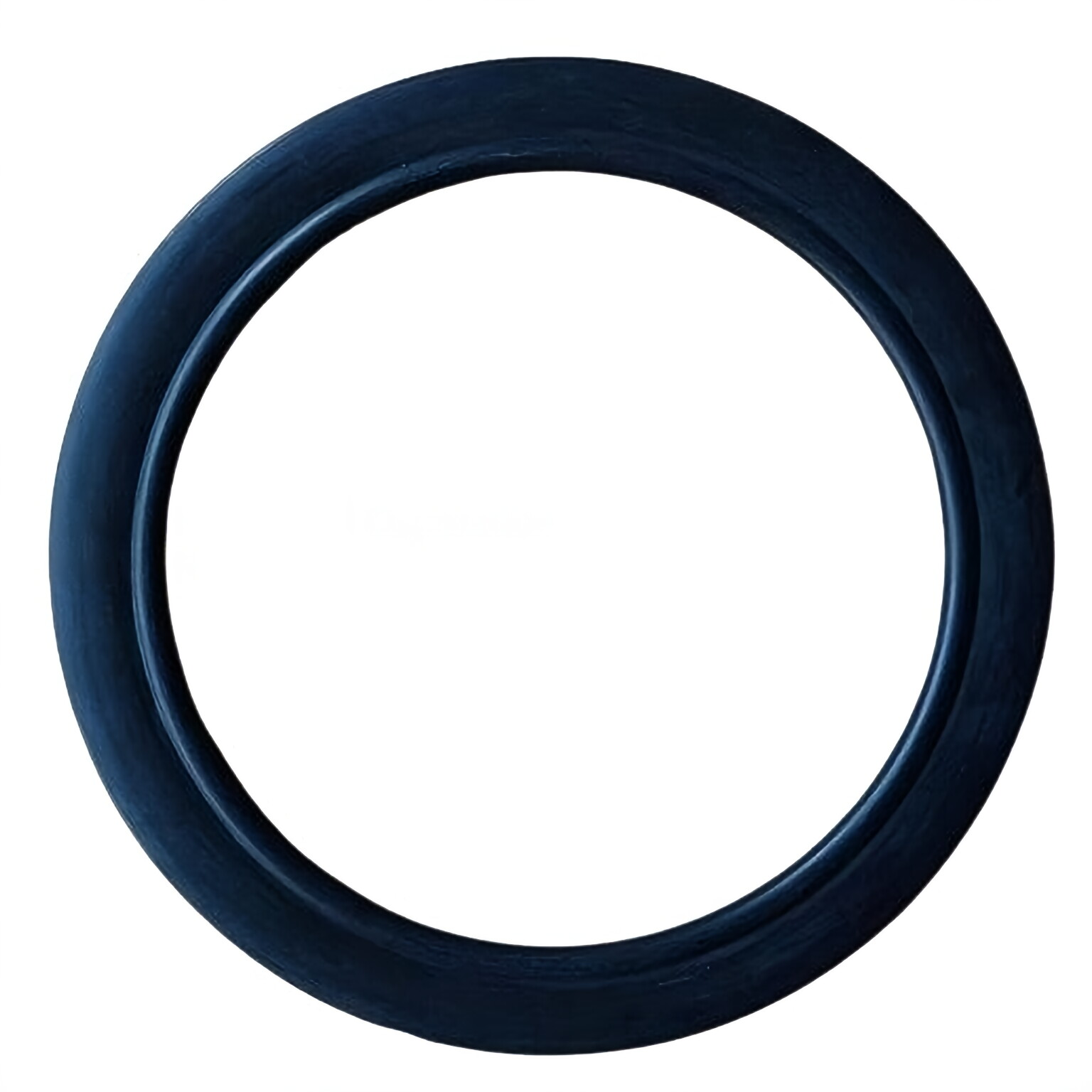
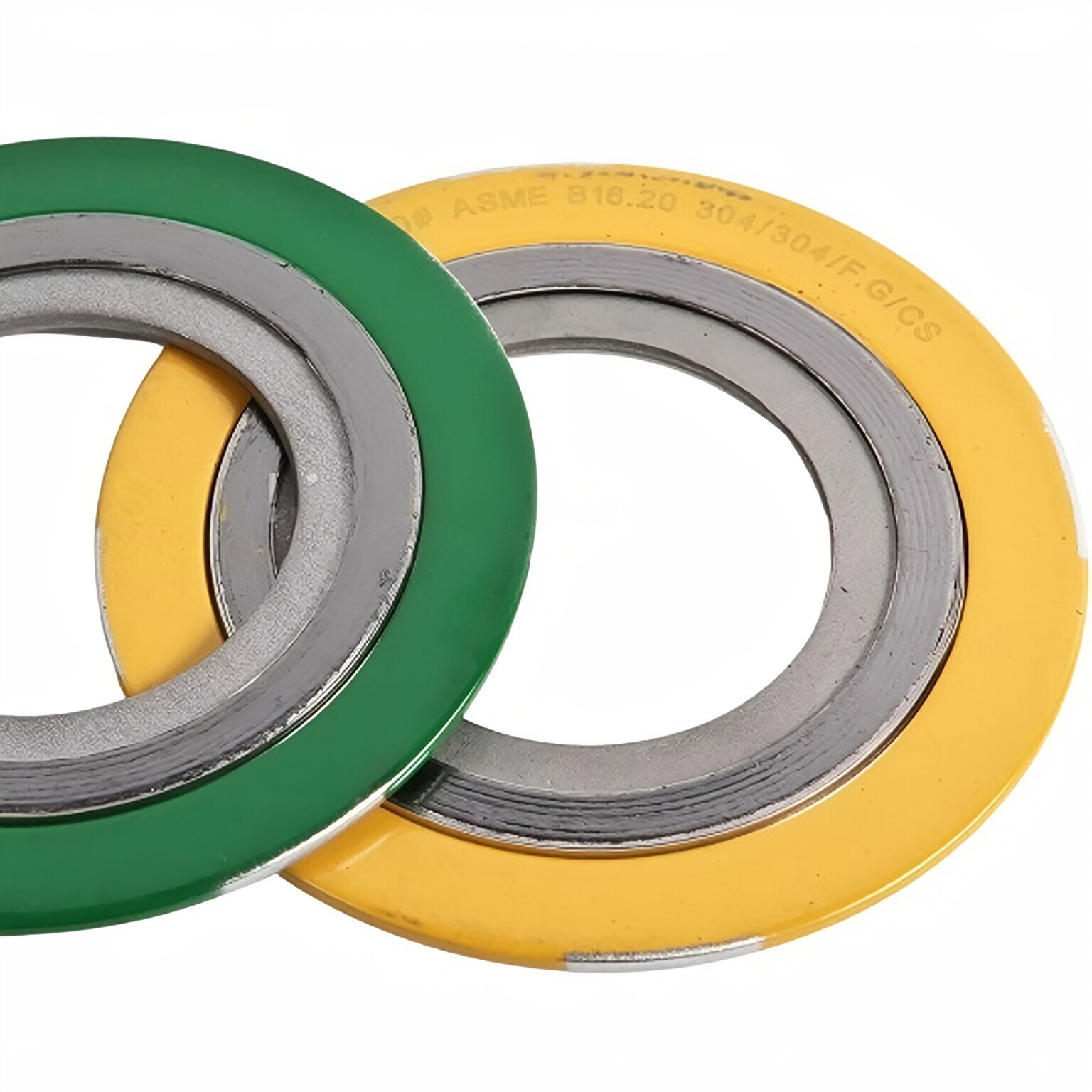
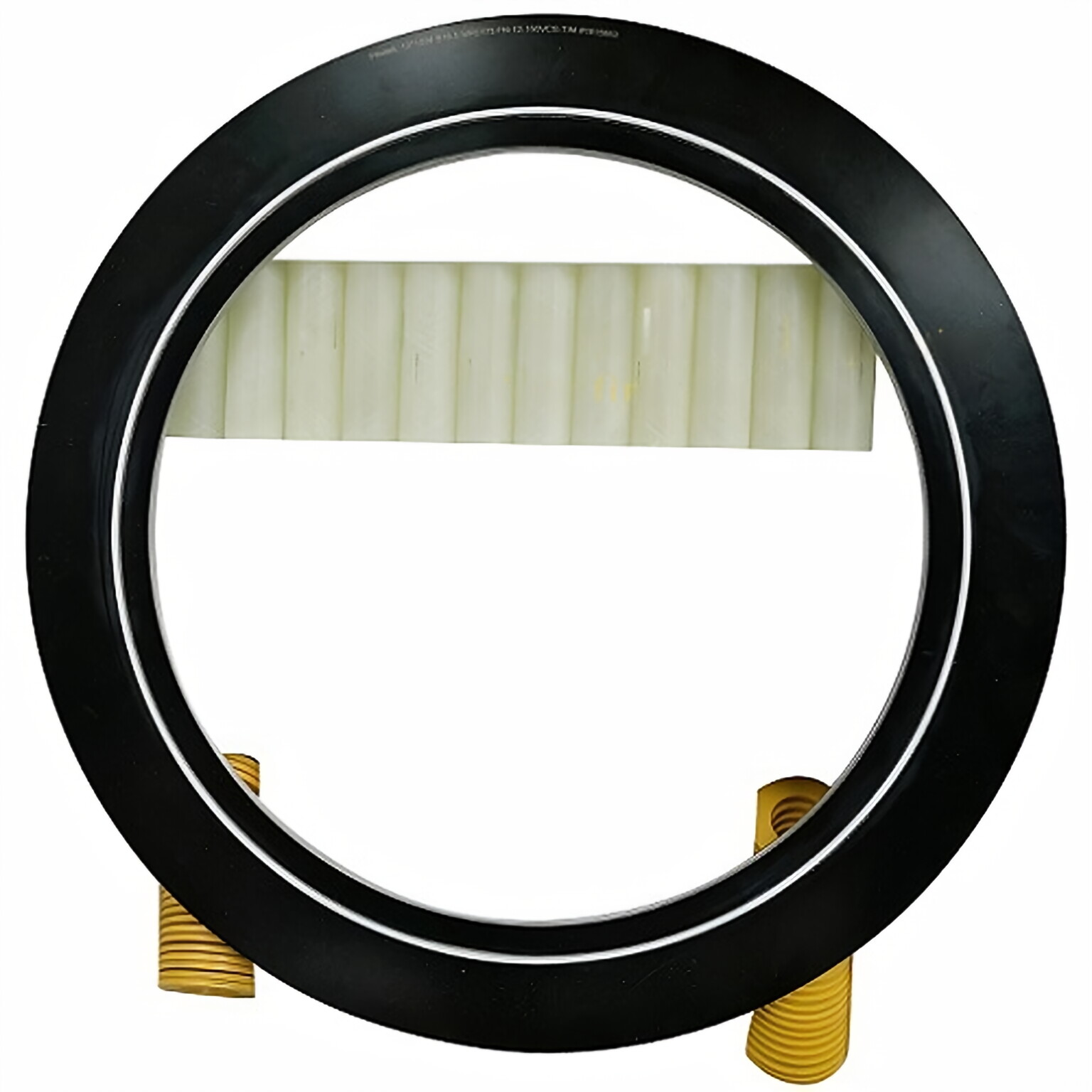
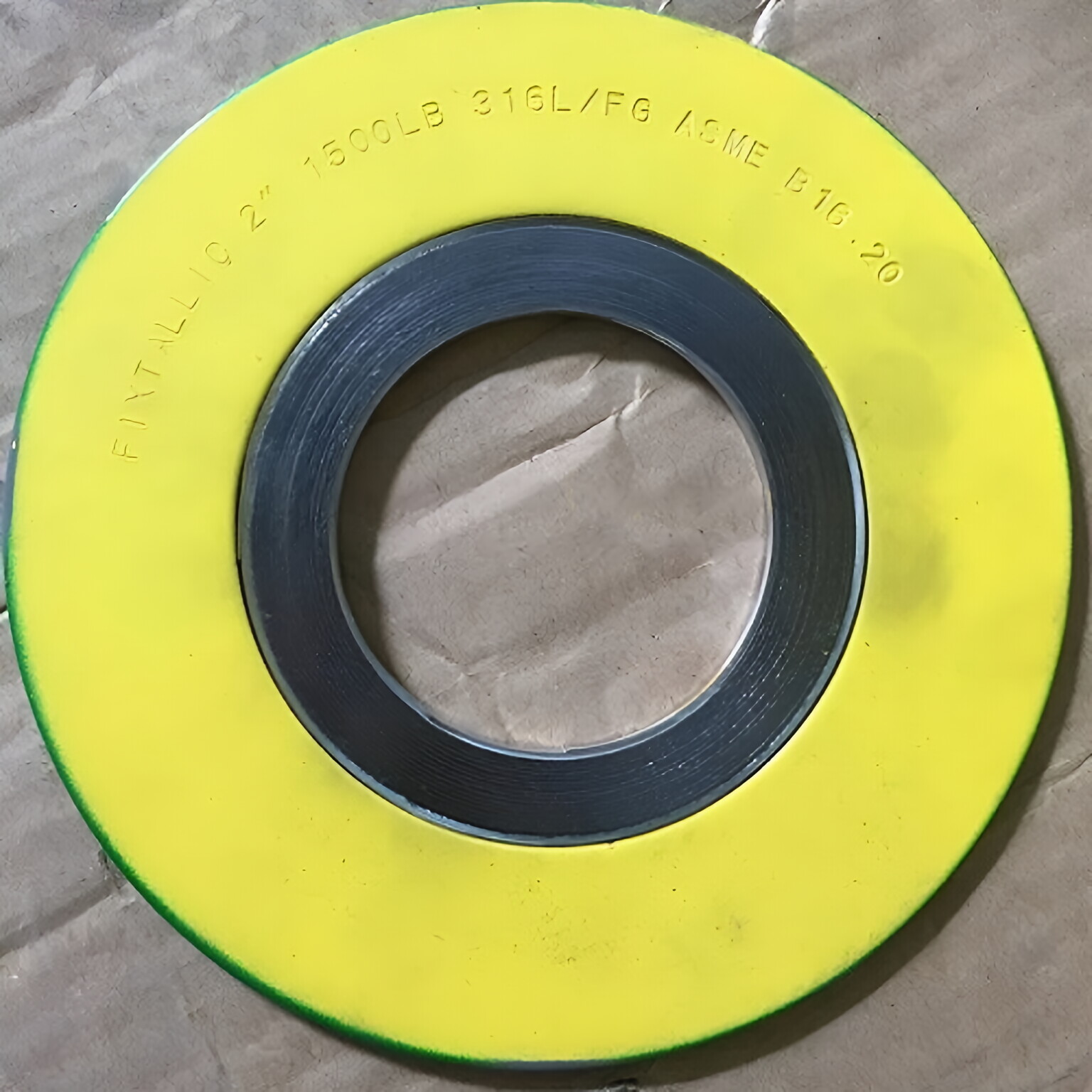
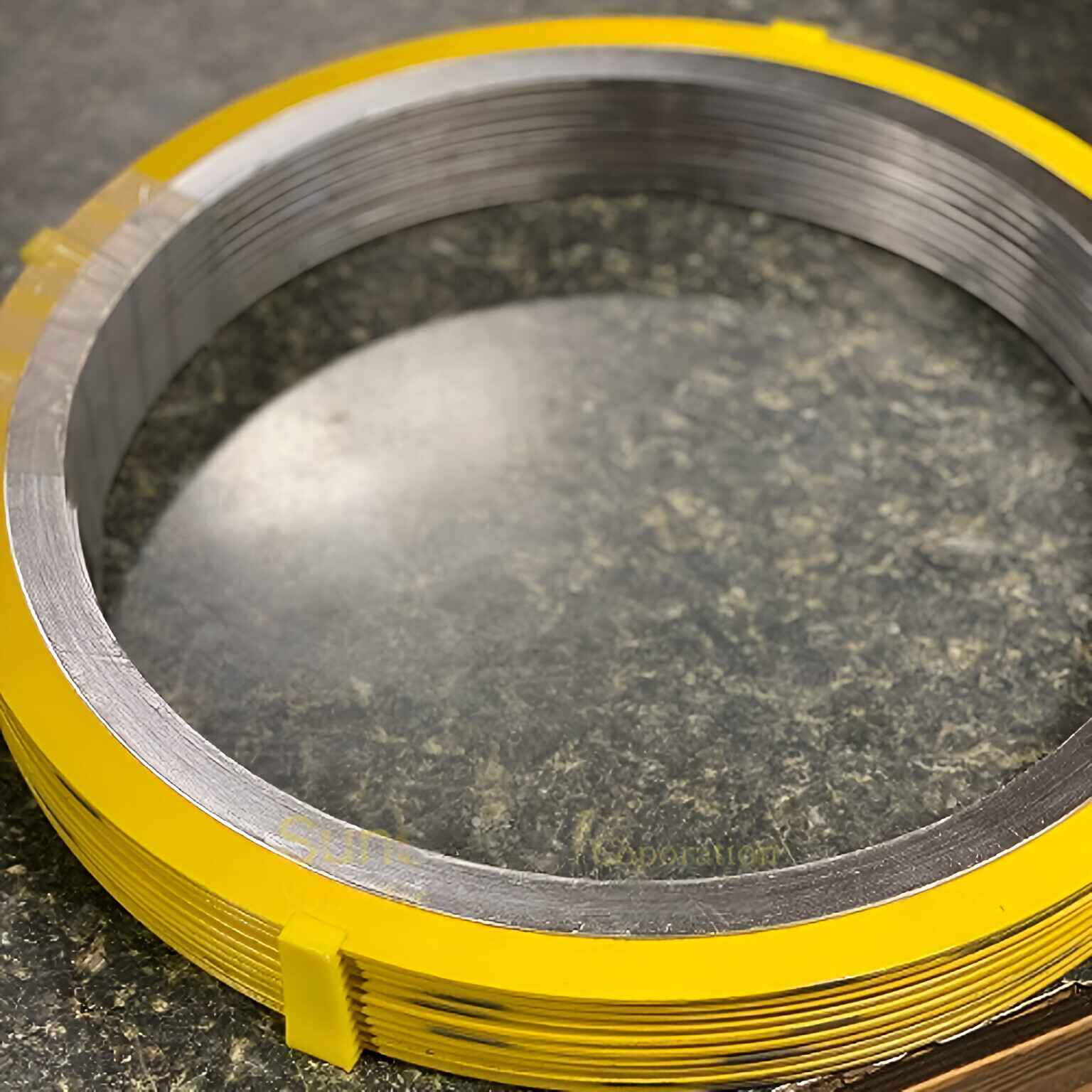
Imagine walking through your warehouse on a Monday morning, a freshly arrived shipment of Rubber-steel Flange Gaskets neatly stacked in the corner. Your team is ready to install them on a critical pipeline, but when you open the first box, you notice hairline cracks along the rubber sealing face and subtle rust spots on the steel ring. These aren't manufacturing defects—they’re the silent, expensive result of improper storage. How do you store rubber-steel flange gaskets to prevent degradation? It's a question every procurement manager and maintenance engineer should ask before a single gasket enters the inventory. Rubber-steel flange gaskets combine a metal core for strength with a rubber layer for reliable sealing, but this hybrid construction makes them vulnerable to ozone, UV light, moisture, and compression set if stored carelessly. A gasket that degrades in storage can fail catastrophically under pressure, causing leaks, downtime, and even safety hazards. Understanding the right storage protocol isn't just about extending shelf life—it’s about protecting your systems and your bottom line. In this guide, we’ll break down exactly how to store these gaskets so they remain in factory-fresh condition, ready to perform when you need them most.
A maintenance supervisor once told us that 30% of the gasket failures they dealt with were traced back to degraded inventory sitting on the shelf. Rubber-steel flange gaskets might look robust, but they are chemically active composites. The rubber portion—typically nitrile (NBR), EPDM, or silicone—contains plasticizers and antioxidants that can leach out over time when exposed to heat, ozone, or UV radiation. The steel core, often carbon steel or stainless steel, is susceptible to corrosion if humidity is too high. Even the bonding adhesive between rubber and metal can weaken. When stored improperly, these gaskets can harden, crack, lose elasticity, or develop corrosion pitting—failure modes that compromise the flange seal and lead to blowouts. By following a few straightforward rules, you can prevent premature degradation and maintain the full design life of every gasket in your inventory.
Think of your gasket storage area like a wine cellar: stable, cool, and dark. The biggest enemies of rubber-steel flange gaskets are ozone, ultraviolet light, and extreme temperatures. Ozone causes surface cracking, UV accelerates oxidation, and high heat speeds up the loss of plasticizers, making the rubber brittle. Ideally, store gaskets indoors in a clean, dry area with a temperature between 10°C and 25°C (50°F to 77°F) and relative humidity below 65%. Keep them away from operating electrical equipment that produces ozone, such as motors and welding machines. Fluorescent lighting can generate enough UV to damage rubber over time, so use opaque containers or light-blocking shelves. If you routinely face storage challenges, a partner like Ningbo Kaxite Sealing Materials Co., Ltd. can supply gaskets packed in UV-resistant, vacuum-sealed bags that extend shelf life significantly—learn more at the end of this guide.
| Parameter | Optimal Range | Warning Threshold |
|---|---|---|
| Temperature | 10°C – 25°C (50°F – 77°F) | < 5°C or > 35°C (cracking or softening) |
| Relative Humidity | 40% – 65% | > 70% (steel corrosion, adhesive failure) |
| Light Exposure | No direct sunlight or UV | Continuous fluorescent light for months |
| Ozone Concentration | < 0.02 ppm | Near electric motors or welding areas |
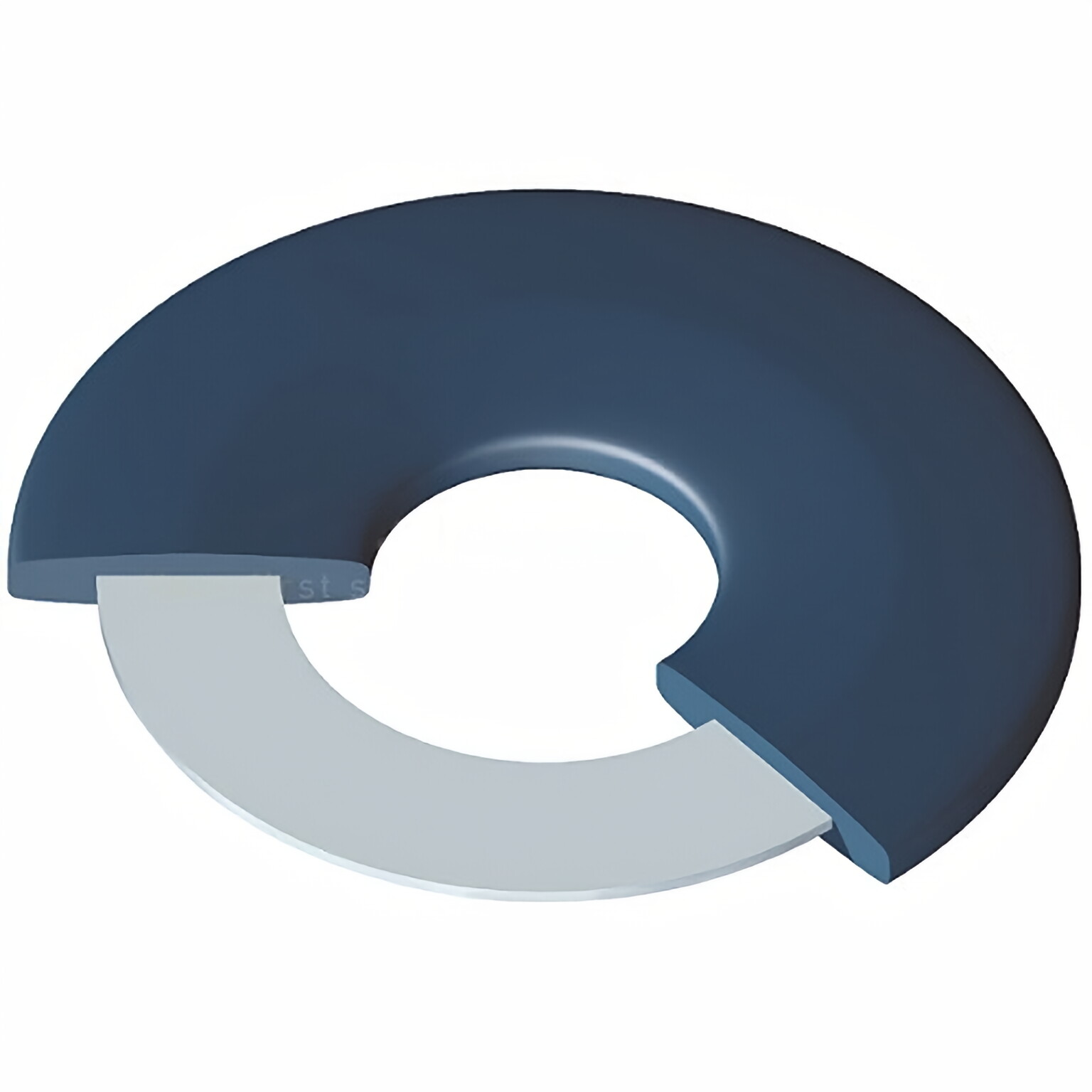
Even in a perfect environment, poor handling can destroy a gasket before it ever touches a flange. Rubber-steel flange gaskets often have a raised inner lip or a precisely molded sealing bead—stacking them carelessly or placing heavy objects on top can cause permanent set, deformation, or delamination. Always store gaskets flat on rigid shelves or in their original packaging. If you must stack them, use spacers or individual separator sheets to avoid direct pressure on the rubber surfaces. Never hang gaskets on nails or hooks, as the concentrated force will distort the metal ring and stretch the rubber. When handling, wear clean gloves to avoid transferring skin oils and contaminants that can attack certain rubber compounds. How do you store rubber-steel flange gaskets to prevent degradation? The answer lies as much in daily habits as it does in the storage room climate.
Long-term storage requires extra vigilance. Rubber-steel flange gaskets kept for months or years need a controlled microclimate. The best practice is to keep them sealed in opaque, airtight polyethylene bags with a desiccant pack. Before sealing, many professionals apply a light, compatible anti-tack powder (such as mica or starch) to prevent the rubber faces from sticking together. Rotate stock using a First-In-First-Out (FIFO) system to avoid aging inventory. For critical applications, request gaskets from Ningbo Kaxite Sealing Materials Co., Ltd. with extended shelf-life packaging—vacuum-sealed with an inert gas barrier that virtually eliminates oxidative degradation. When you open a long-stored package, inspect the rubber for shiny or sticky surfaces (a sign of plasticizer migration) and flex the gasket slightly to check for cracks before installation.
Q: Can I store rubber-steel flange gaskets in an outdoor container or warehouse with no climate control?
A: Outdoor storage is not recommended. Temperature swings and high humidity will accelerate degradation dramatically. If you must use a non-climate-controlled area, place gaskets inside sealed, heavy-duty waterproof bags with desiccant and store them inside a secondary container like a metal box to shield them from light and rain. Even then, shelf life may be cut by 50% or more. Many users who face such constraints find that switching to gaskets supplied by Ningbo Kaxite Sealing Materials Co., Ltd. with rugged, moisture-proof packaging helps mitigate the risk significantly.
Q: How often should I inspect stored rubber-steel flange gaskets for signs of degradation?
A: Perform a visual and tactile inspection at least every three months. Look for surface blooming, discoloration, tackiness, or cracking. If you detect any of these, remove the affected gaskets and investigate the storage environment. Remember that the underlying question—“How do you store rubber-steel flange gaskets to prevent degradation?”—is answered by ongoing vigilance, not just a one-time setup. Your supplier can advise on proper inspection routines; at Kaxite we often include a simple storage inspection checklist with each bulk order.
Shelf life ultimately depends on the quality of the original gasket. If you’re fighting constant degradation problems despite a good storage protocol, the issue may start further upstream—with the materials and bonding technology itself. That’s where a specialist manufacturer can change the game. Ningbo Kaxite Sealing Materials Co., Ltd. engineers rubber-steel flange gaskets using age-resistant rubber compounds and corrosion-resistant steel cores specifically formulated for extended shelf life. Our standard packaging includes UV-blocking, moisture-barrier wrapping, and we offer vacuum-sealed options with built-in oxygen absorbers for critical long-term storage projects. By solving storage challenges at the production stage, we help procurement teams maintain higher inventory readiness and reduce waste. This integrated approach doesn’t just answer the question of how to store these gaskets—it makes storage easier and more foolproof.
We invite you to share your own storage challenges or ask us a technical question in the comments below. What’s the most unexpected way you’ve seen a gasket fail in storage? Let’s build a community knowledge base together.
For more than two decades, Ningbo Kaxite Sealing Materials Co., Ltd. has been a trusted name in industrial sealing solutions, specializing in spiral wound gaskets and rubber-steel flange gaskets that meet stringent global standards. Our team works directly with procurement professionals and maintenance engineers to deliver products that match real-world operating and storage conditions—eliminating guesswork and reducing total cost of ownership. Whether you need custom-sized gaskets or advice on inventory management, we’re here to help. Reach out to our technical support team at [email protected] for personalized guidance.
1. Gent, A. N., & Walter, J. D. (2018). Engineering with Rubber: How to Design Rubber Components. Hanser Publishers, 3rd edition.
2. Brown, R. P. (2019). Physical Testing of Rubber. Springer, 4th edition.
3. ASTM D4573-17. (2017). Standard Test Methods for Rubber Chemicals—Determination of Rubber Antioxidant Content by Ultraviolet Absorption. ASTM International.
4. ISO 2230:2012. Rubber products — Guidelines for storage. International Organization for Standardization.
5. Bhowmick, A. K., & Stephens, H. L. (2016). Handbook of Elastomers. Marcel Dekker, 2nd edition.
6. Sommer, J. G. (2020). Elastomer Durability and Compounding. CRC Press.
7. ASTM D1149-18. (2018). Standard Test Methods for Rubber Deterioration—Cracking in an Ozone Controlled Environment. ASTM International.
8. Nagdi, K. (2017). Rubber as an Engineering Material: Guideline for Users. Hanser Publications.
9. Dick, J. S. (2019). Rubber Technology: Compounding and Testing for Performance. Hanser Publishers, 2nd edition.
10. Trelleborg Sealing Solutions. (2021). Storage and Service Life of Elastomeric Seals and Gaskets. Technical white paper, TSS-ST-01.