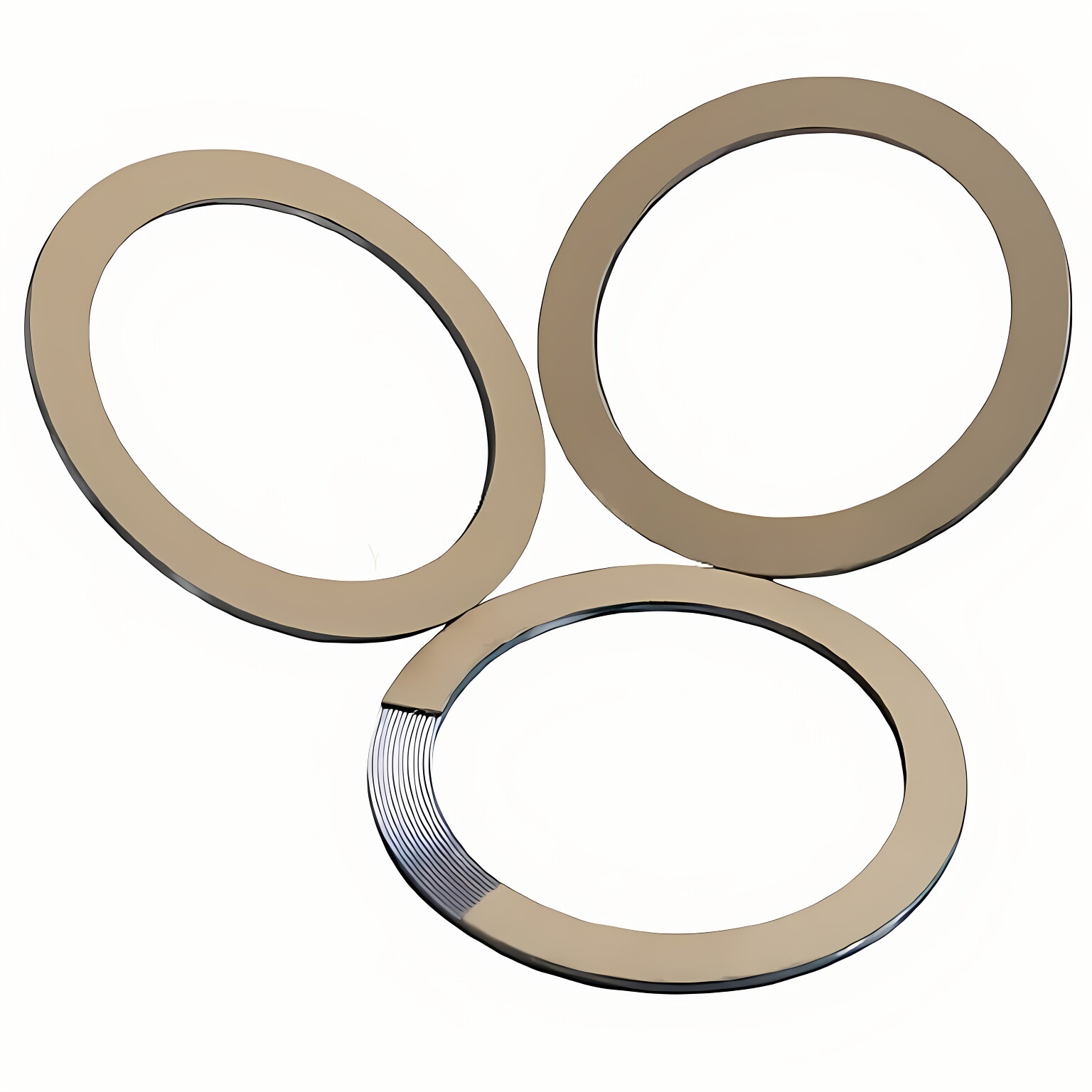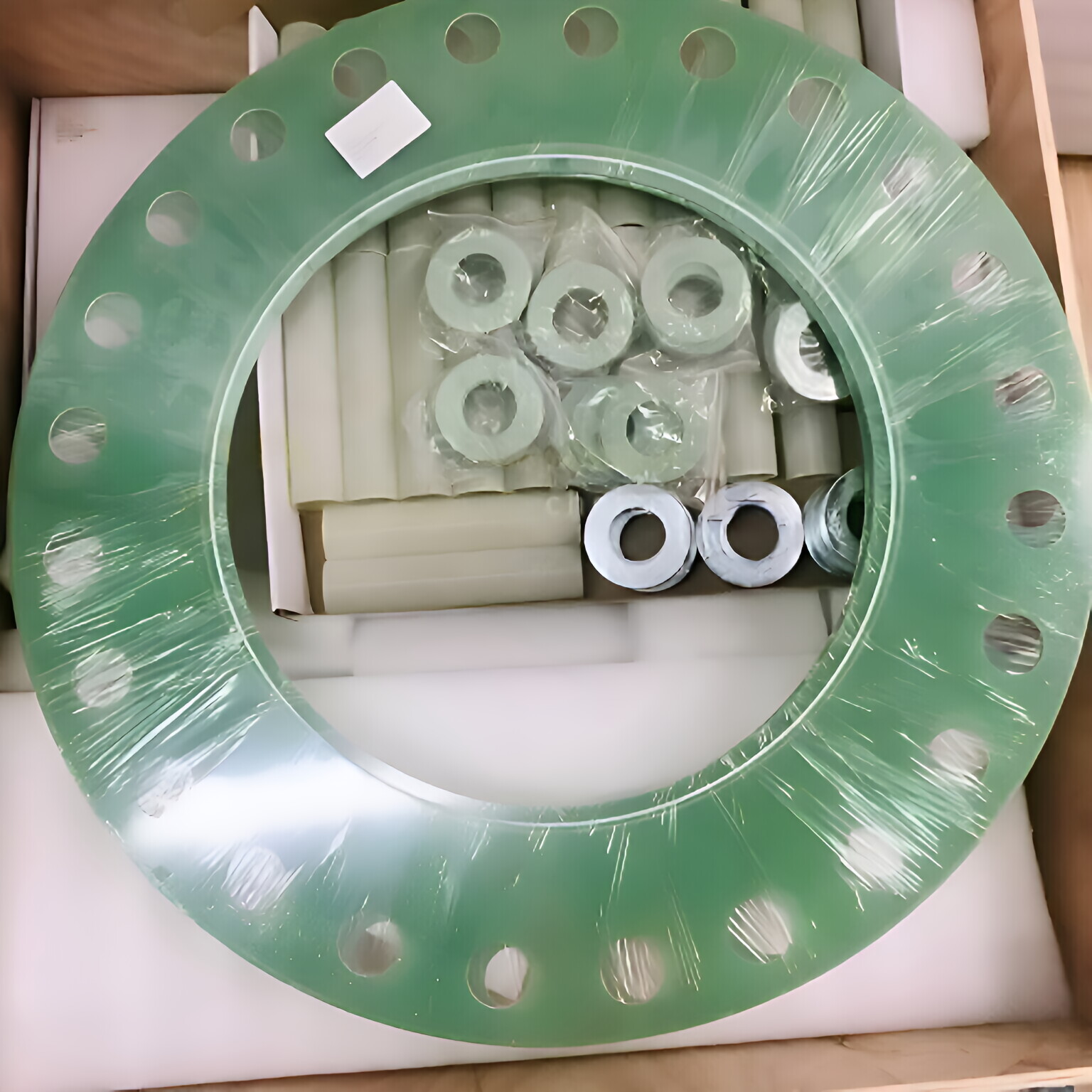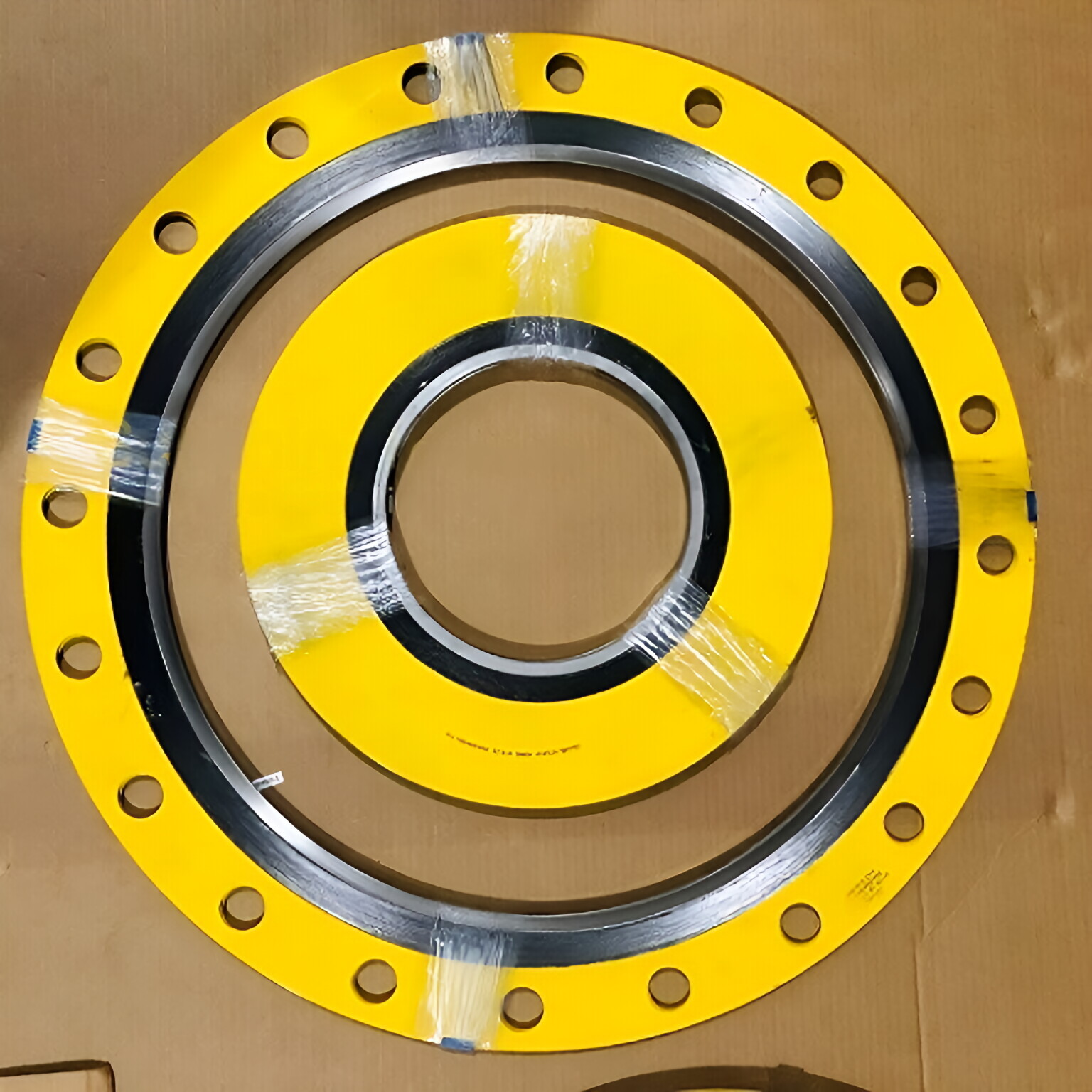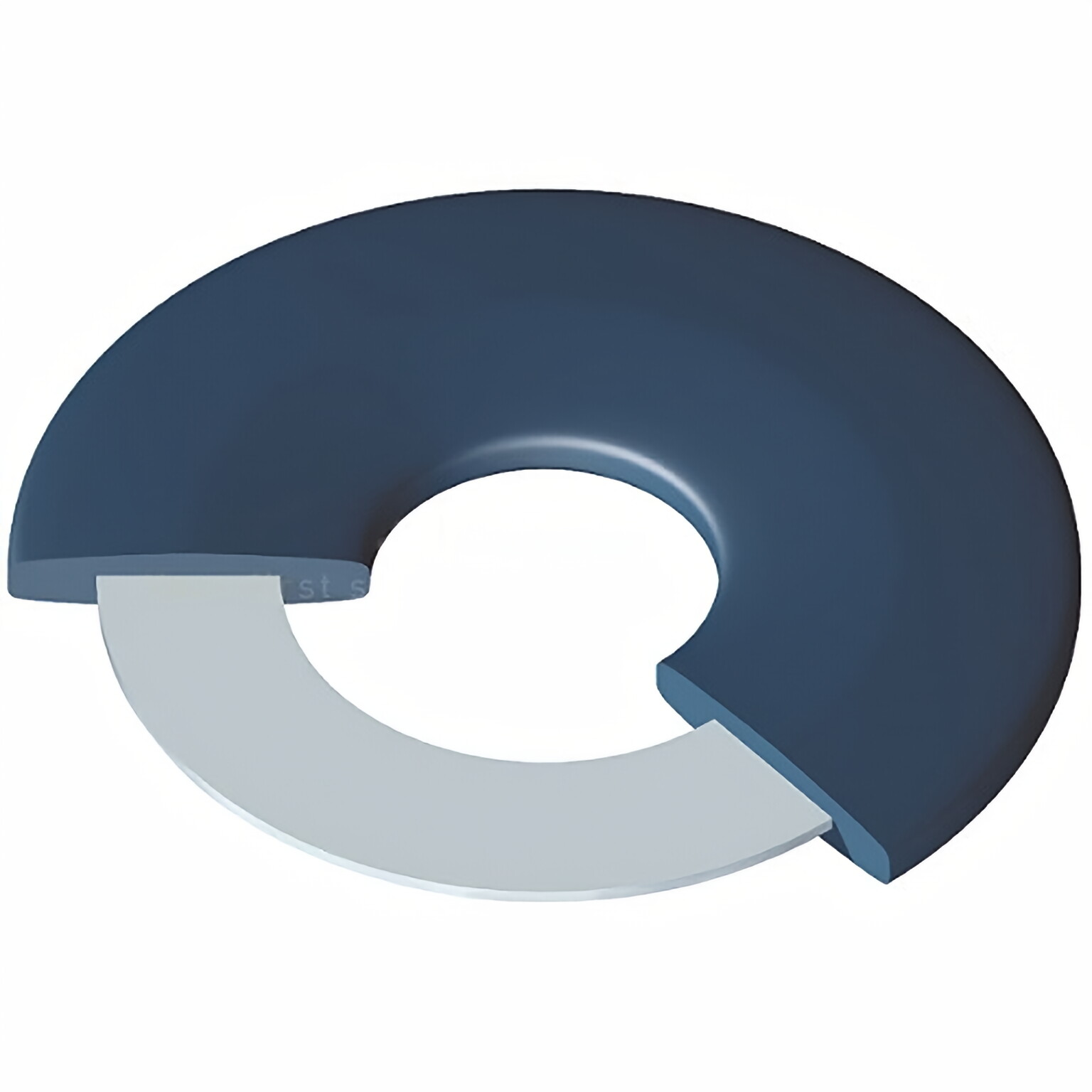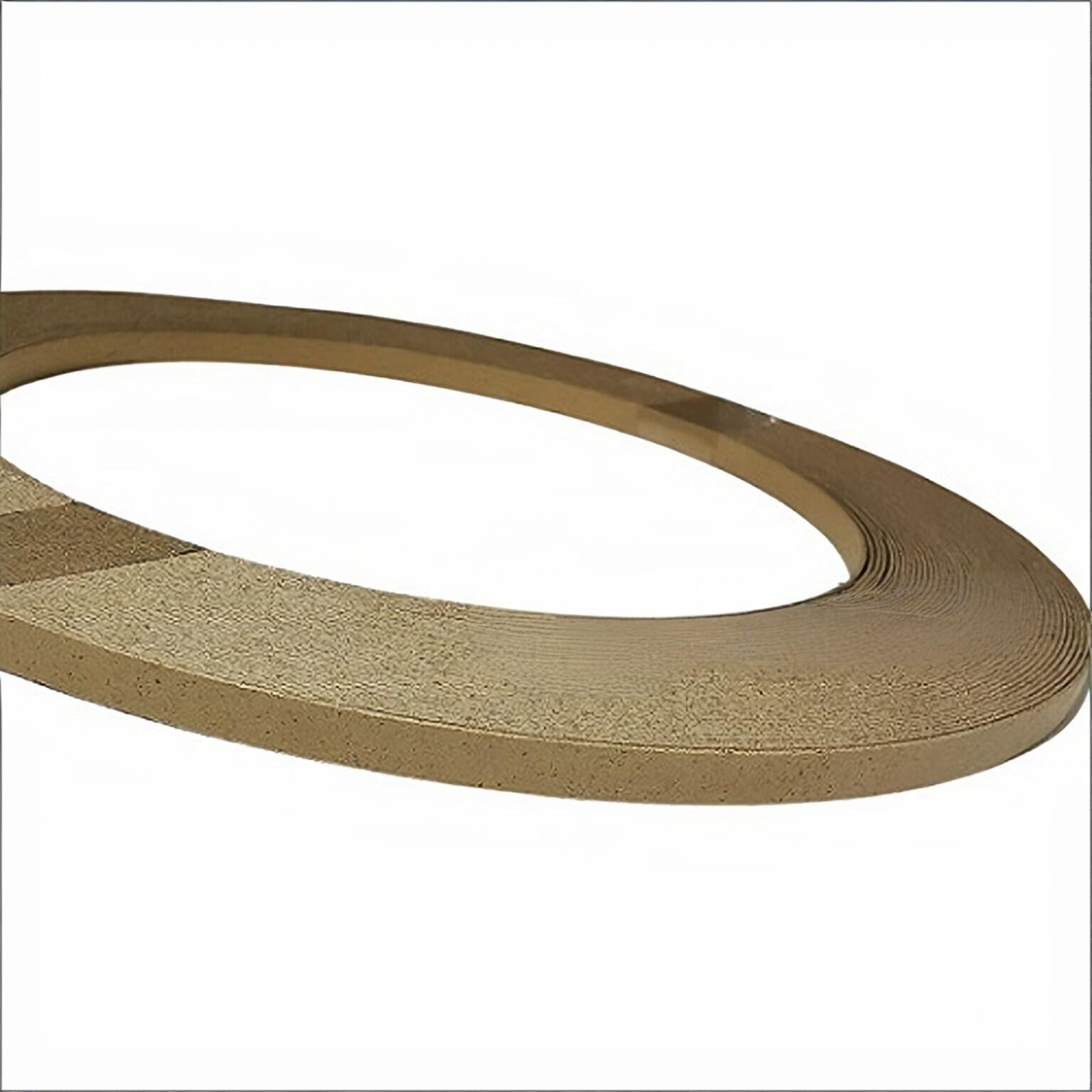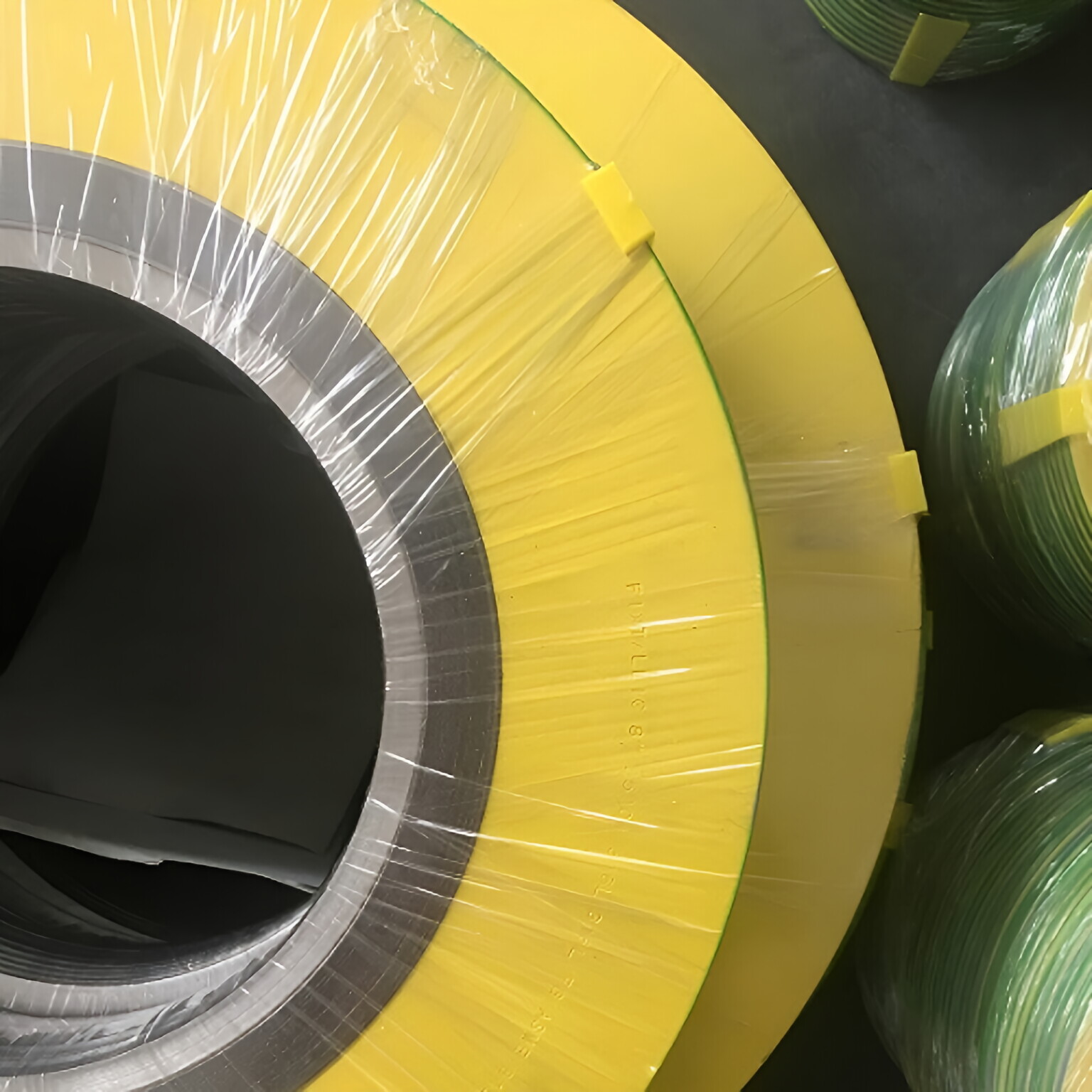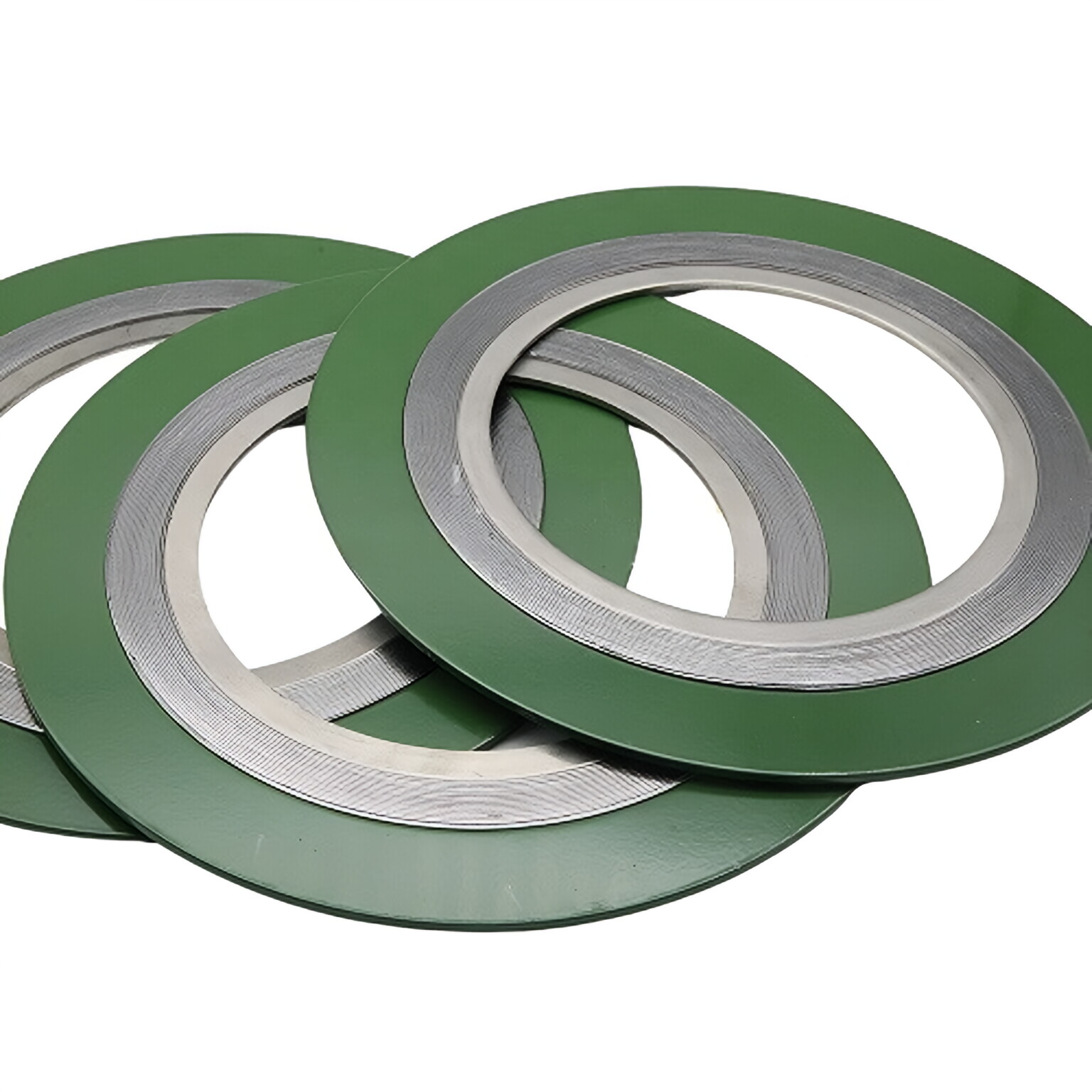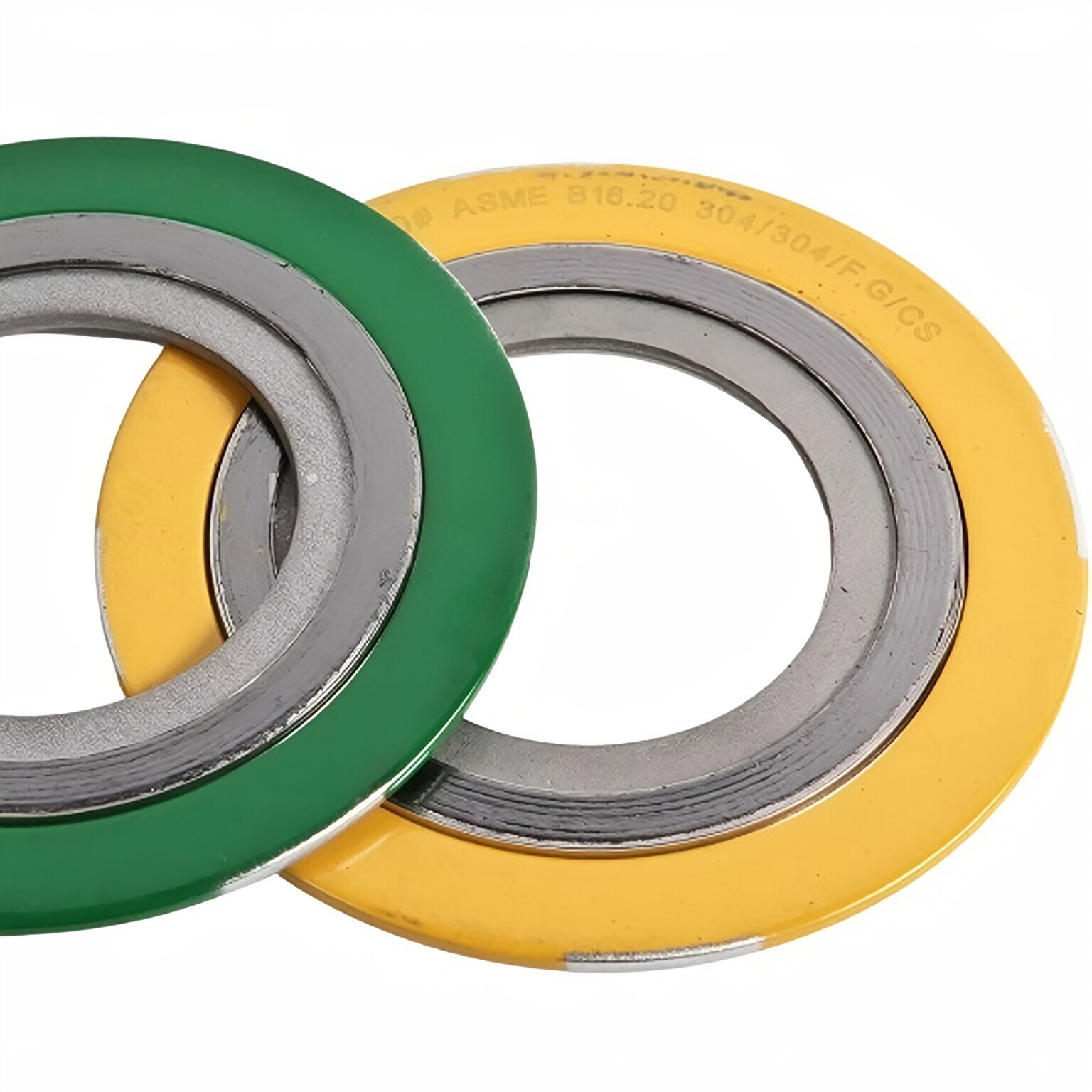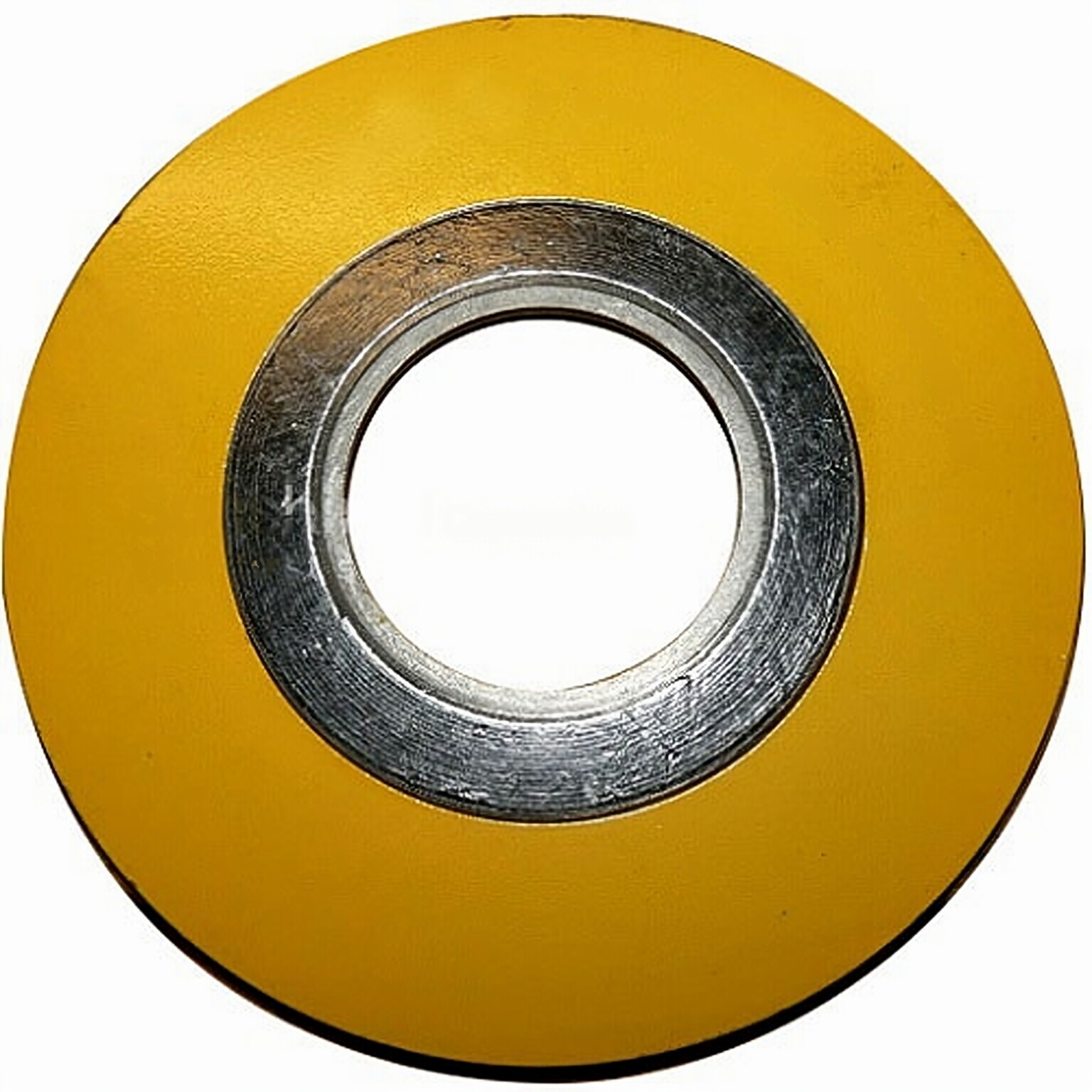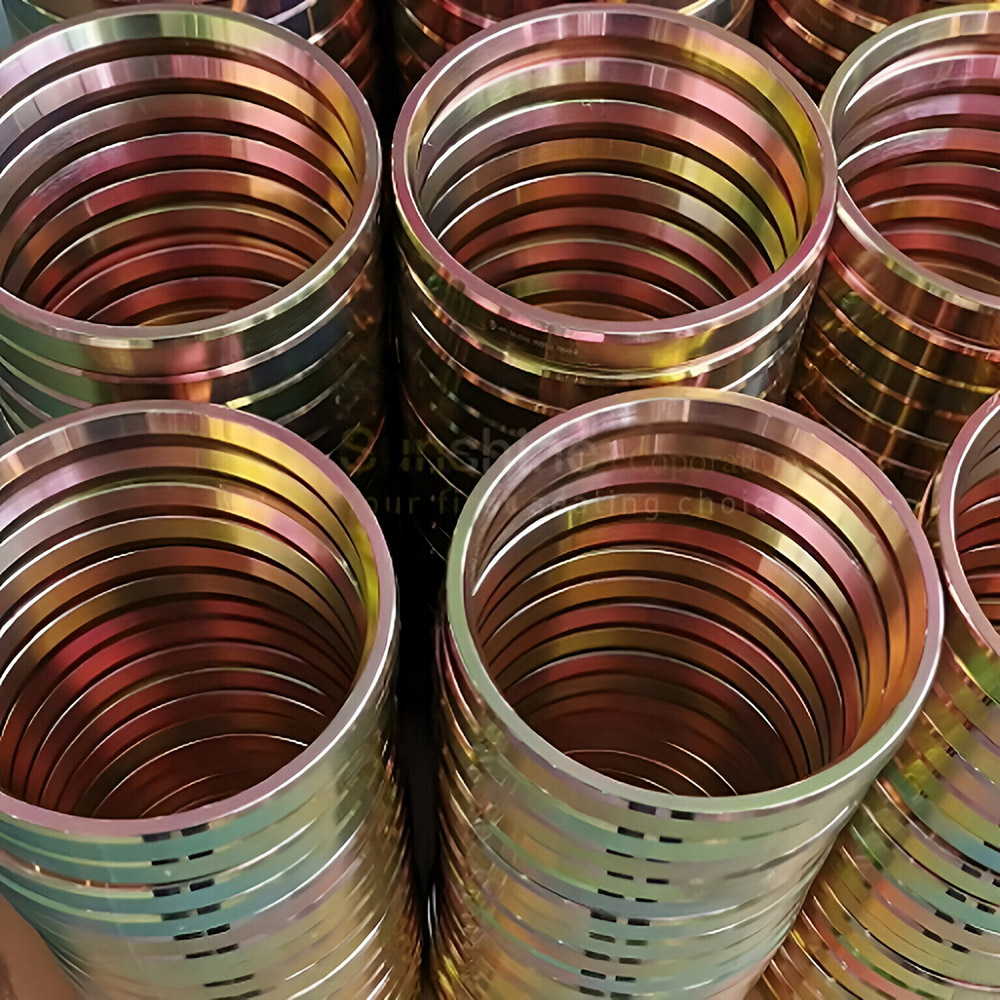
What are the applications of CG Spiral Wound Gaskets? This is a fundamental question for engineers and procurement specialists across demanding industries. These versatile sealing components are the workhorses of high-pressure, high-temperature systems, providing a critical barrier against leaks in environments where failure is not an option. From the superheated steam of power plants to the corrosive flows in chemical processing, CG spiral wound gaskets offer a robust and reliable solution. Their unique construction, featuring a V-shaped metal strip wound concentrically with a soft filler material, allows them to handle extreme conditions, thermal cycling, and varying pressures with exceptional performance. For global buyers seeking dependable, long-lasting seals that minimize downtime and maintenance costs, understanding their wide-ranging applications is the first step toward operational security and efficiency.
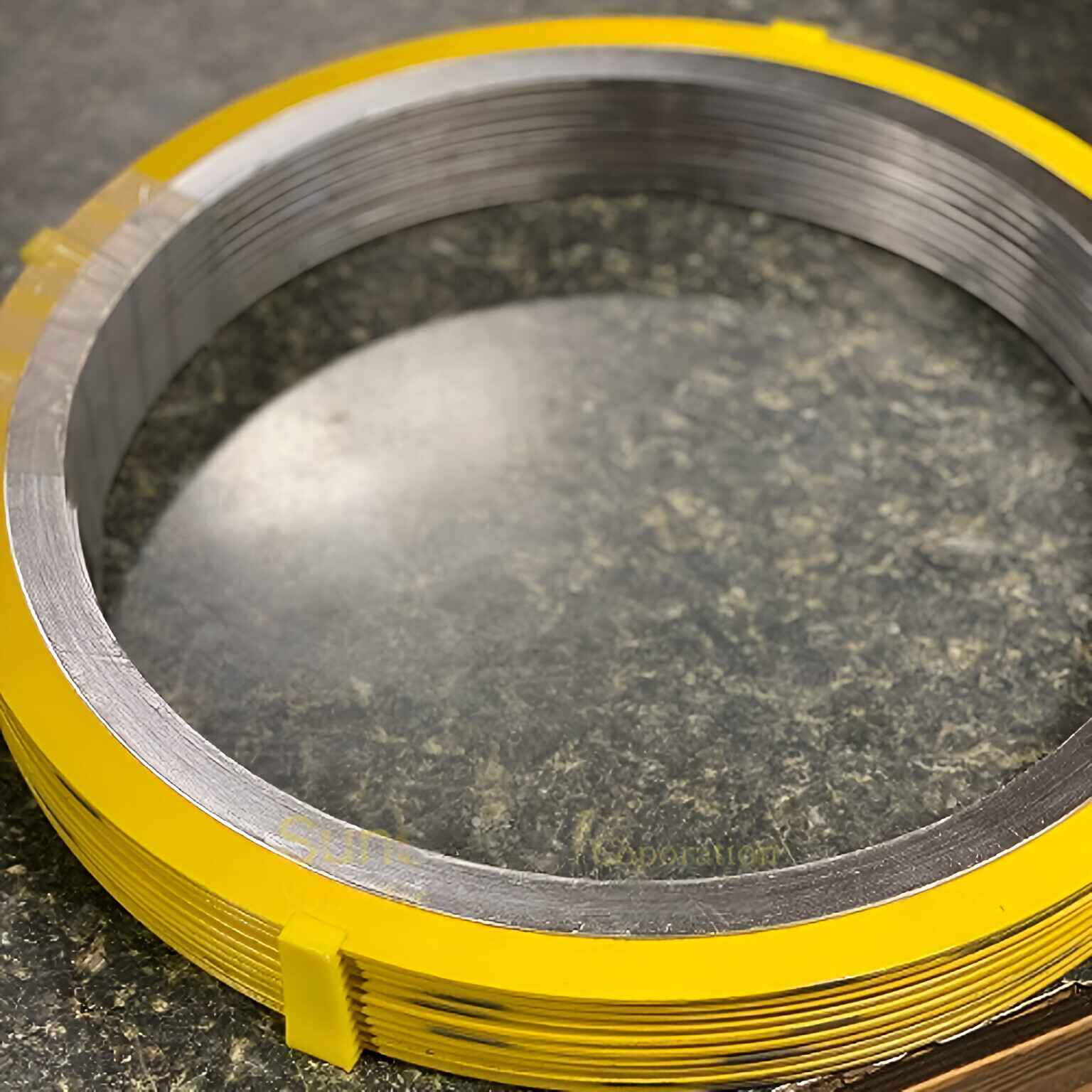
Imagine a major power plant during peak demand. A steam leak develops at a critical flange connection on the main turbine line. Pressure drops, efficiency plummets, and an unplanned, expensive shutdown looms. This scenario, a constant fear for plant managers, highlights the critical need for fail-safe sealing at high-temperature steam joints. Standard gaskets can degrade under constant thermal cycling and high pressure, leading to dangerous and costly failures.
The solution lies in the engineered resilience of CG Spiral Wound Gaskets. Their metal windings provide spring-like compensation for flange movement due to thermal expansion and contraction, while the non-metallic filler creates an initial seal and accommodates minor flange imperfections. This combination ensures a tight seal throughout operational cycles, preventing steam loss and maintaining plant efficiency. For such critical applications, partnering with a certified manufacturer like Ningbo Kaxite Sealing Materials Co., Ltd. is essential. They provide gaskets manufactured to precise standards (ASME B16.20, API 601) with traceable materials, giving procurement teams the documentation and confidence needed for critical infrastructure.
| Typical Parameters for Power Plant Applications | Specification |
|---|---|
| Common Metal Windings | 304/316 SS, Inconel 600/625 |
| Common Fillers | Flexible Graphite, PTFE, Ceramic |
| Temperature Range | Up to 1000°C (with graphite filler) |
| Pressure Range | Up to Class 2500 (API 6A) or higher |
| Standards | ASME B16.20, ISO 7483, DIN EN 1514 |
A chemical processing facility handles a batch of highly corrosive acids. A leak at a pump flange could lead to product loss, environmental contamination, severe safety hazards, and regulatory penalties. Procurement specialists in this field must source seals that can resist aggressive media while maintaining a perfect seal under varying pressures and temperatures. Standard elastomeric gaskets quickly fail in these environments.
CG Spiral Wound Gaskets excel here due to material customization. The metal winding can be specified in highly corrosion-resistant alloys like Hastelloy C-276 or Titanium, while the filler can be PTFE or specially treated graphite resistant to specific chemicals. This tailored approach ensures the gasket acts as a durable, inert barrier. Ningbo Kaxite Sealing Materials Co., Ltd. supports this need by offering a wide range of material combinations and providing expert consultation to match the gasket to the exact process fluid, temperature, and pressure, solving the core challenge of safe chemical containment.
| Typical Parameters for Chemical Applications | Specification |
|---|---|
| Corrosion-Resistant Metals | 316L SS, Hastelloy, Monel, Titanium |
| Chemical-Resistant Fillers | PTFE, Expanded Graphite |
| Temperature Range | -200°C to +550°C (varies with filler) |
| Pressure Rating | Suitable for full vacuum to high pressure |
| Compatibility | Can be tailored for specific acids, alkalis, solvents |
On an offshore drilling platform, high-pressure hydrocarbon lines are everywhere. A sealing failure on a wellhead or Christmas tree flange could be catastrophic, risking fire, explosion, and environmental disaster. The seals must withstand not only immense pressure but also seawater corrosion, temperature fluctuations, and vibration. Off-the-shelf gaskets are insufficient for these mission-critical connections.
CG Spiral Wound Gaskets are designed for this severity. Their robust, all-metal outer ring (centering ring) provides radial strength and prevents over-compression, while the precision-wound seal offers reliable performance under extreme compression loads. They are the standard for API 6A and ASME B16.20 applications in oil and gas. Sourcing from a reliable supplier like Ningbo Kaxite Sealing Materials Co., Ltd. ensures compliance with these stringent standards. Their quality control and material certification provide the assurance procurement officers require for safety-critical components, directly addressing the need for uncompromising reliability in harsh offshore environments.
| Typical Parameters for Oil & Gas Applications | Specification |
|---|---|
| Common Standards | API 6A, ASME B16.20, NACE MR0175 |
| Metal Windings | 316 SS, Inconel, Duplex Steel |
| Fillers | Flexible Graphite (for high temp), PTFE |
| Pressure Classes | API 6A: 5,000 to 20,000 psi; ASME: Class 150 to 2500 |
| Special Features | Inner/Outer Rings, NACE-compliant materials for sour service |
Beyond the core sectors, CG Spiral Wound Gaskets find essential roles in numerous other industries. In pharmaceutical and food processing, gaskets with PTFE filler and 316L SS windings ensure hygienic, non-contaminating seals. In shipbuilding and marine engineering, they seal seawater cooling systems and exhaust lines. They are also vital in pulp and paper mills, refrigeration systems, and any application involving heat exchangers, valves, and reactors where flange integrity under stress is paramount. Their adaptability is their greatest strength.
Q: What are the primary applications of CG Spiral Wound Gaskets in high-temperature services?
A: Their primary high-temperature applications are in power generation (steam turbine lines, boiler feed pumps), refinery heaters and furnaces, and chemical reactors. The combination of metal (like Inconel) and high-temperature filler (like flexible graphite) allows them to seal effectively where other gaskets would fail.
Q: What are the applications of CG Spiral Wound Gaskets that involve frequent thermal cycling?
A: They are ideally suited for applications with thermal cycling, such as heat exchangers (where temperatures change between shell and tube side), catalytic crackers in refineries, and startup/shutdown cycles in power plants. The gasket's "spring-back" characteristic compensates for flange movement caused by expansion and contraction.
We hope this overview of the diverse applications of CG Spiral Wound Gaskets has been valuable for your procurement decisions. Selecting the right seal is crucial for safety, efficiency, and cost management. For tailored solutions that meet your specific pressure, temperature, and media challenges, consider the expertise of Ningbo Kaxite Sealing Materials Co., Ltd.
For reliable, certified spiral wound gaskets that solve real-world sealing problems, contact Ningbo Kaxite Sealing Materials Co., Ltd., a professional manufacturer with extensive experience supplying global industries. Visit our website at https://www.spiral-wound-gasket.com to explore our product range or reach out directly via email at [email protected] for a technical consultation.
Bhatt, H., & Patel, V., 2018, "Stress Analysis and Performance Evaluation of Spiral Wound Gaskets under Combined Internal Pressure and Thermal Loading," International Journal of Pressure Vessels and Piping, Vol. 168.
Zhang, L., et al., 2020, "Leakage Behavior and Sealing Mechanism of Spiral Wound Gaskets with Different Filler Materials," Engineering Failure Analysis, Vol. 118.
Smith, J. A., & Roberts, T., 2015, "The Effect of Flange Surface Finish on the Sealing Performance of Spiral Wound Gaskets," Proceedings of the Institution of Mechanical Engineers, Part E: Journal of Process Mechanical Engineering, Vol. 229(3).
Kumar, S., & Lee, D., 2019, "A Comparative Study on the Creep Relaxation of Flexible Graphite and PTFE Filled Spiral Wound Gaskets," Journal of Materials Engineering and Performance, Vol. 28(5).
Ishii, H., & Sawa, T., 2016, "Influence of Tightening Procedure on the Sealing Performance of Spiral Wound Gaskets in Bolted Flange Connections," Journal of Pressure Vessel Technology, Vol. 138(2).
Chen, W., et al., 2021, "Numerical Simulation and Experimental Validation of the Sealing Contact Stress in Spiral Wound Gaskets," Applied Sciences, Vol. 11(14).
Park, C. Y., & Kim, J. W., 2017, "Evaluation of Sealing Performance for Spiral Wound Gasket under Elevated Temperature Conditions," Nuclear Engineering and Design, Vol. 322.
Murtaza, G., & Qamar, S. Z., 2014, "Failure Analysis of a Spiral Wound Gasket in a Heat Exchanger: A Case Study," Journal of Failure Analysis and Prevention, Vol. 14(6).
Fernández, M., et al., 2019, "Long-Term Performance and Aging of Spiral Wound Gaskets in Chemical Service," Polymer Testing, Vol. 78.
Jones, R. L., 2013, "Standardization and Quality Control in the Manufacturing of Spiral Wound Gaskets for the Oil and Gas Industry," Sealing Technology, Vol. 2013(9).