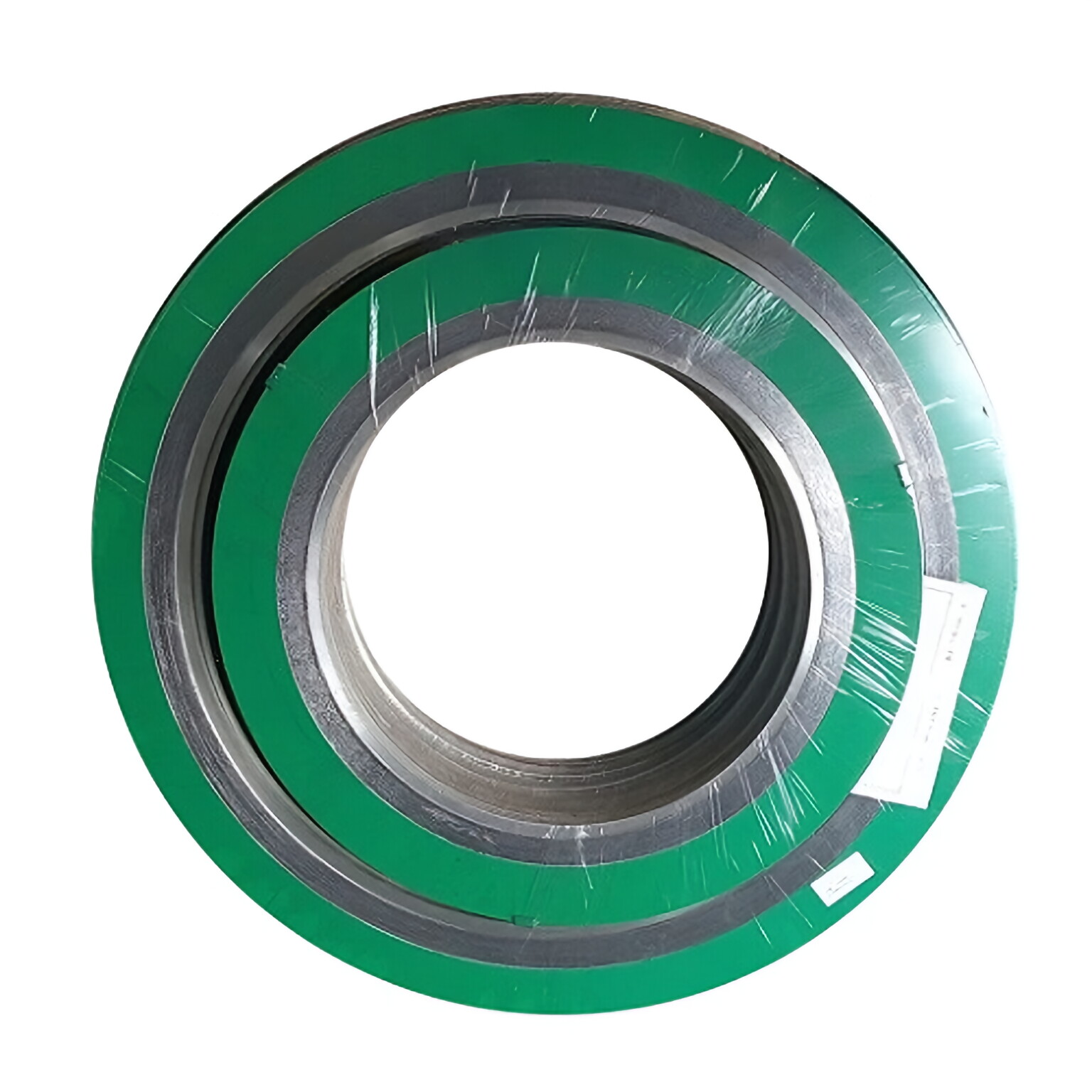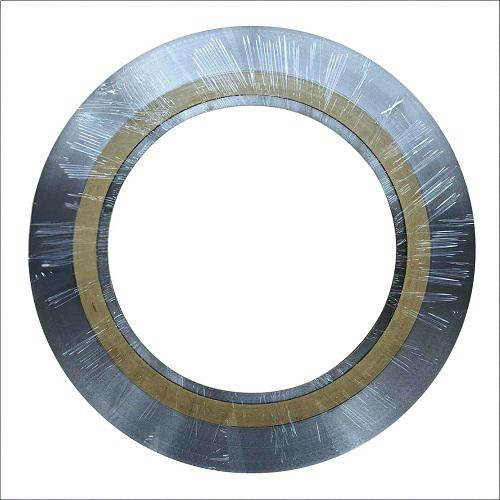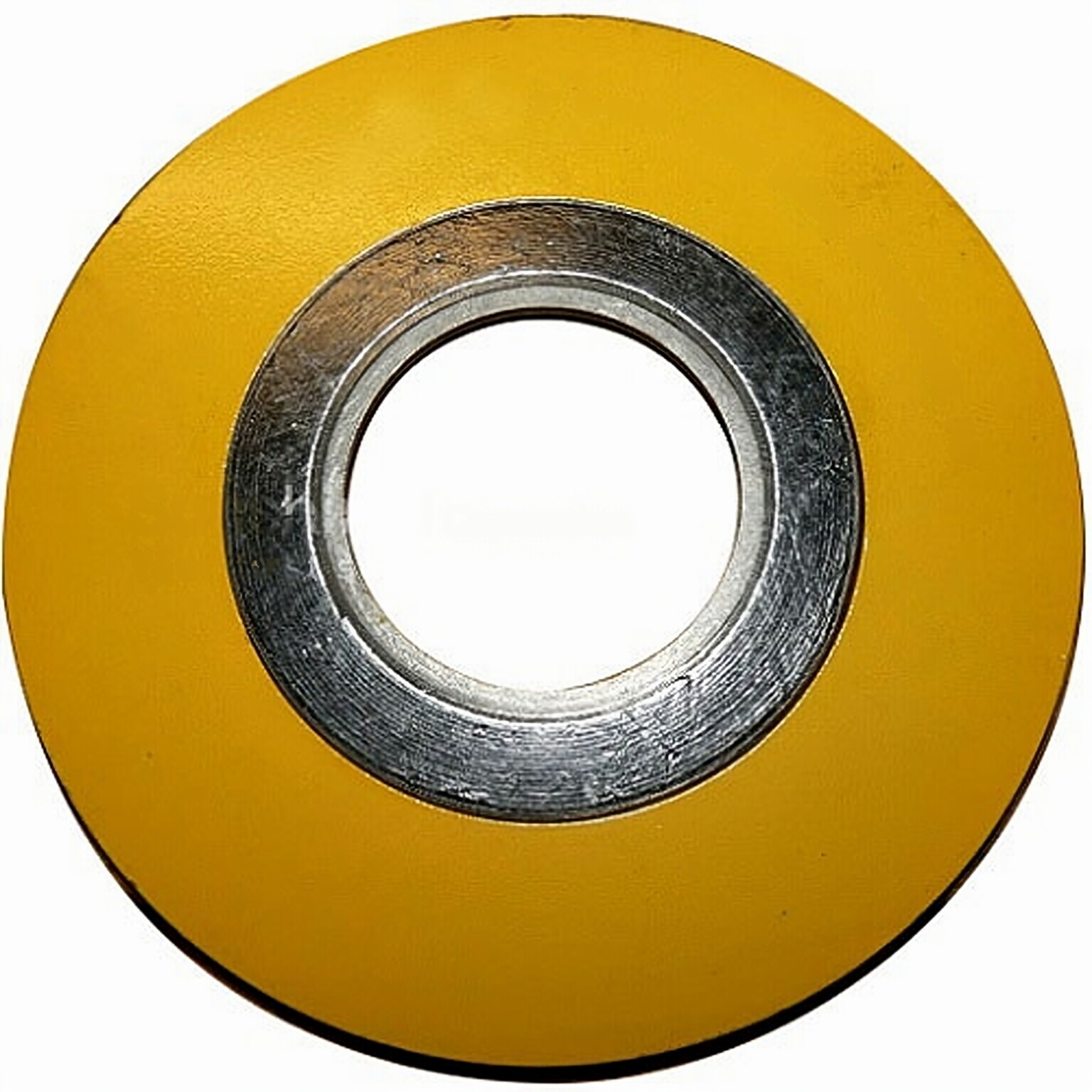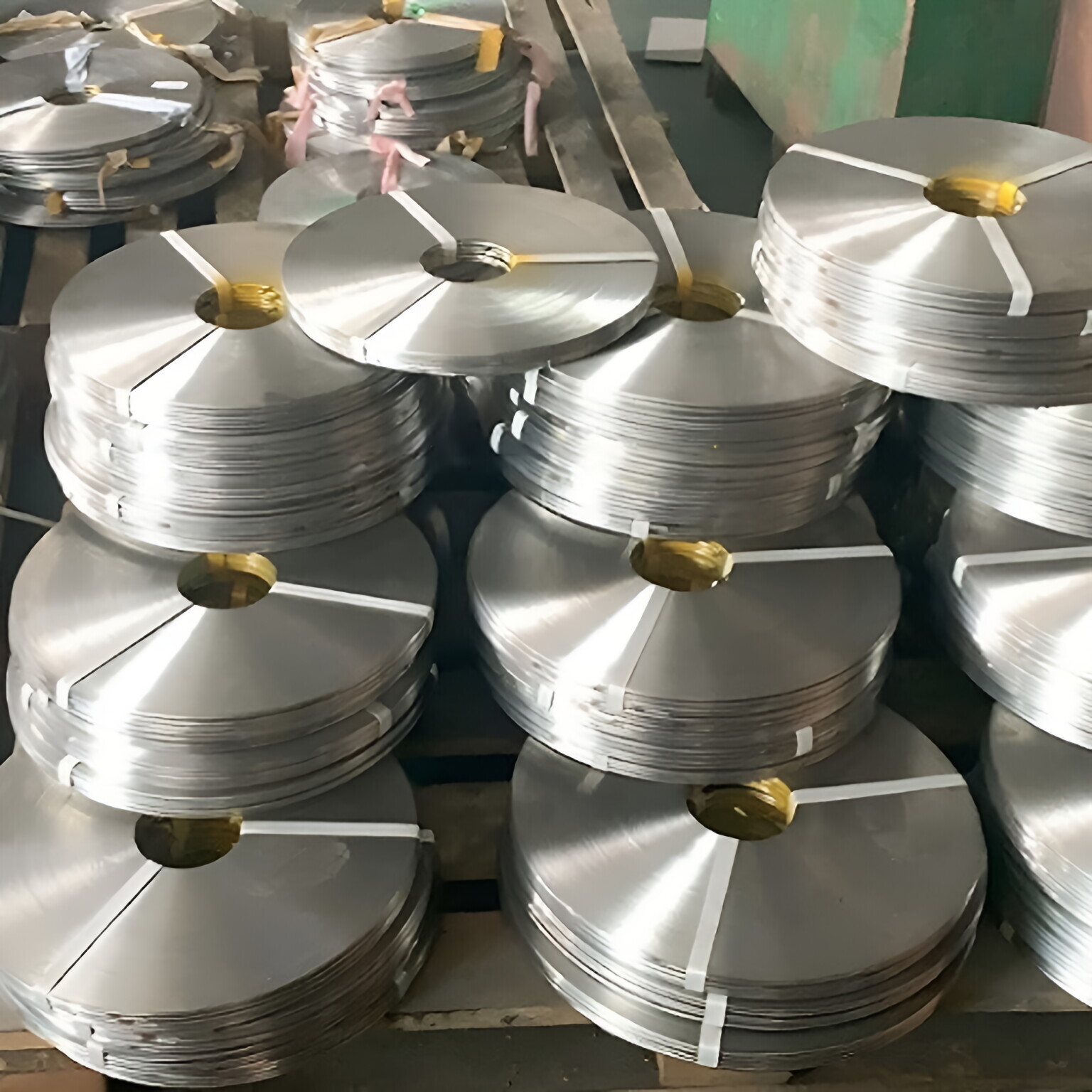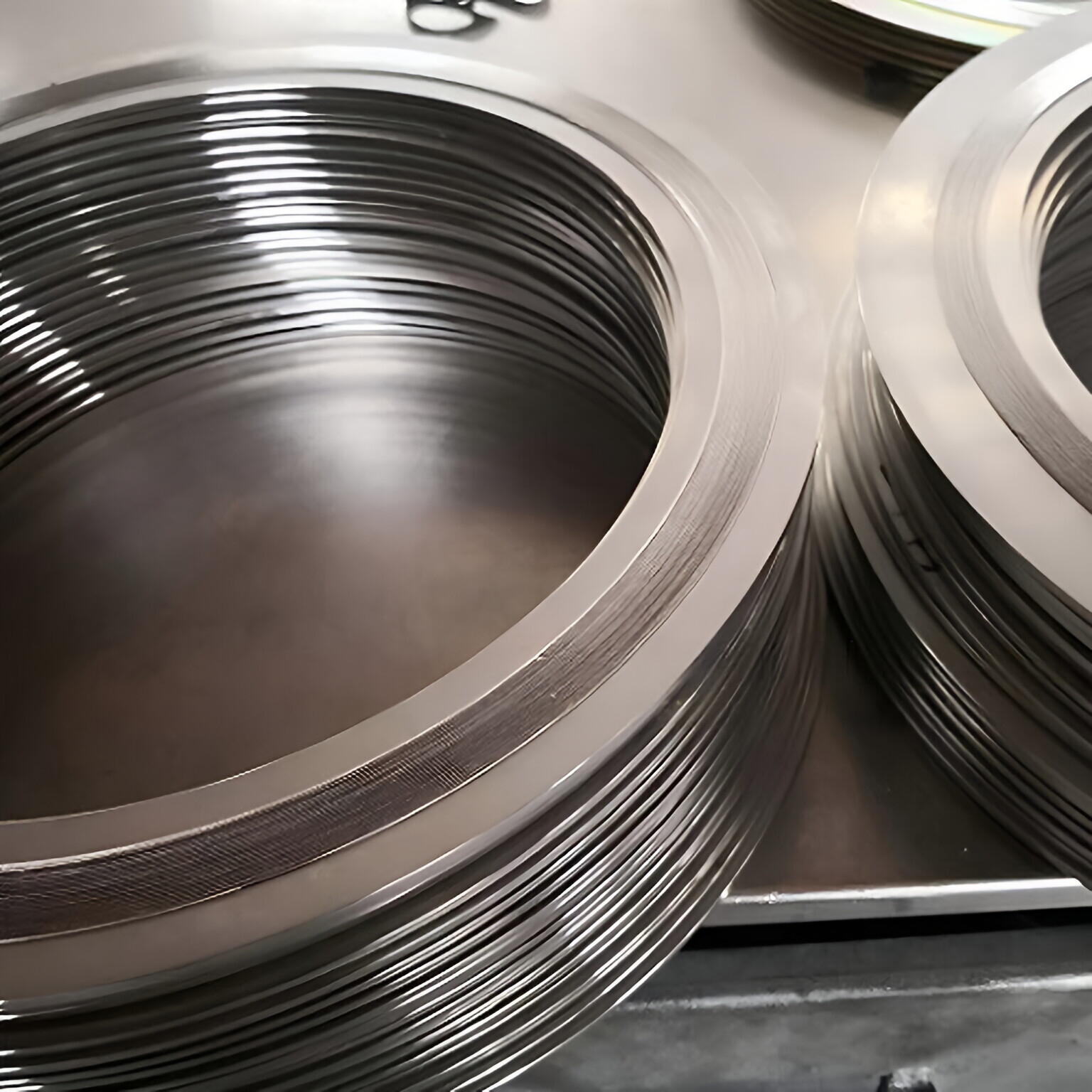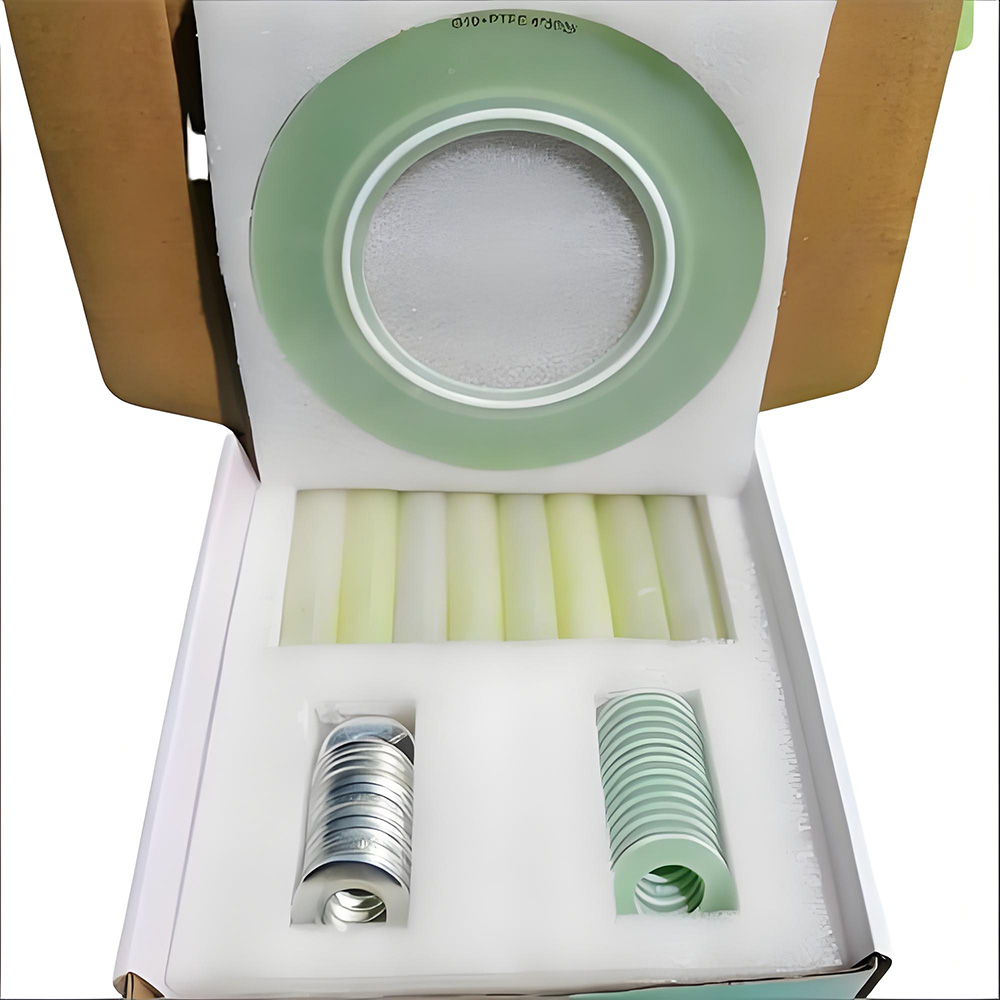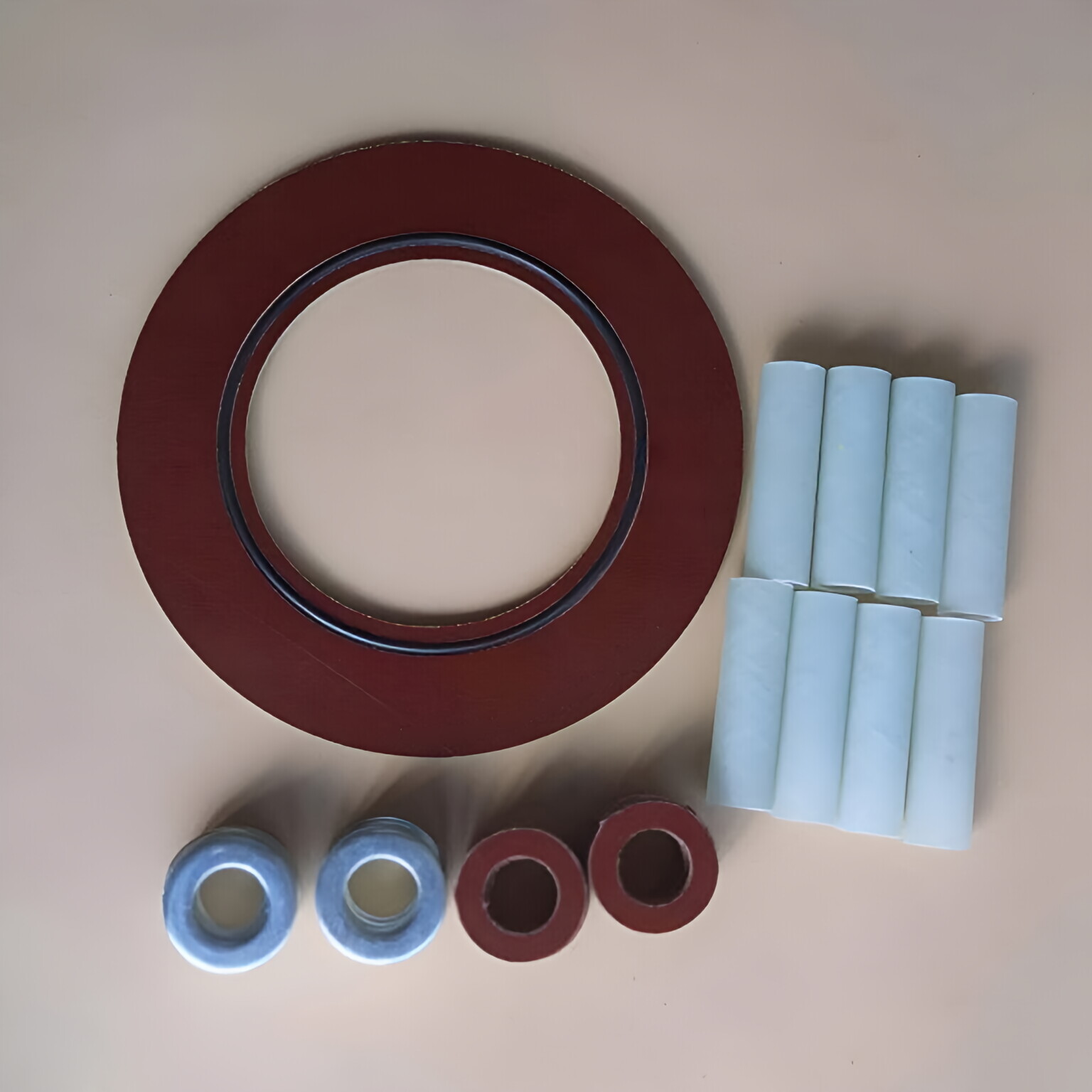
What standards and specifications apply to Incoloy 825 spiral wound gaskets? This is a critical question for engineers and procurement specialists working in demanding environments like offshore platforms, chemical processing, and power generation. Choosing the wrong gasket can lead to catastrophic failures, costly downtime, and significant safety hazards. The answer lies not in a single document, but in a carefully coordinated framework of material, dimensional, and performance standards. Understanding this framework is the key to ensuring leak-free, reliable sealing under extreme pressures, temperatures, and corrosive conditions. This guide will demystify the applicable standards and show you how selecting a supplier like Ningbo Kaxite Sealing Materials Co., Ltd., who masters this compliance, directly translates to operational safety and cost savings.
Article Outline
- The Core: Material Standards for Incoloy 825
- The Blueprint: Dimensional & Construction Standards
- The Proof: Performance & Testing Standards
- The Kaxite Advantage: Integrated Compliance & Reliability
- Frequently Asked Questions on Standards
- Supporting Academic Research
Navigating the Maze of Corrosion Resistance: Incoloy 825 Material Standards
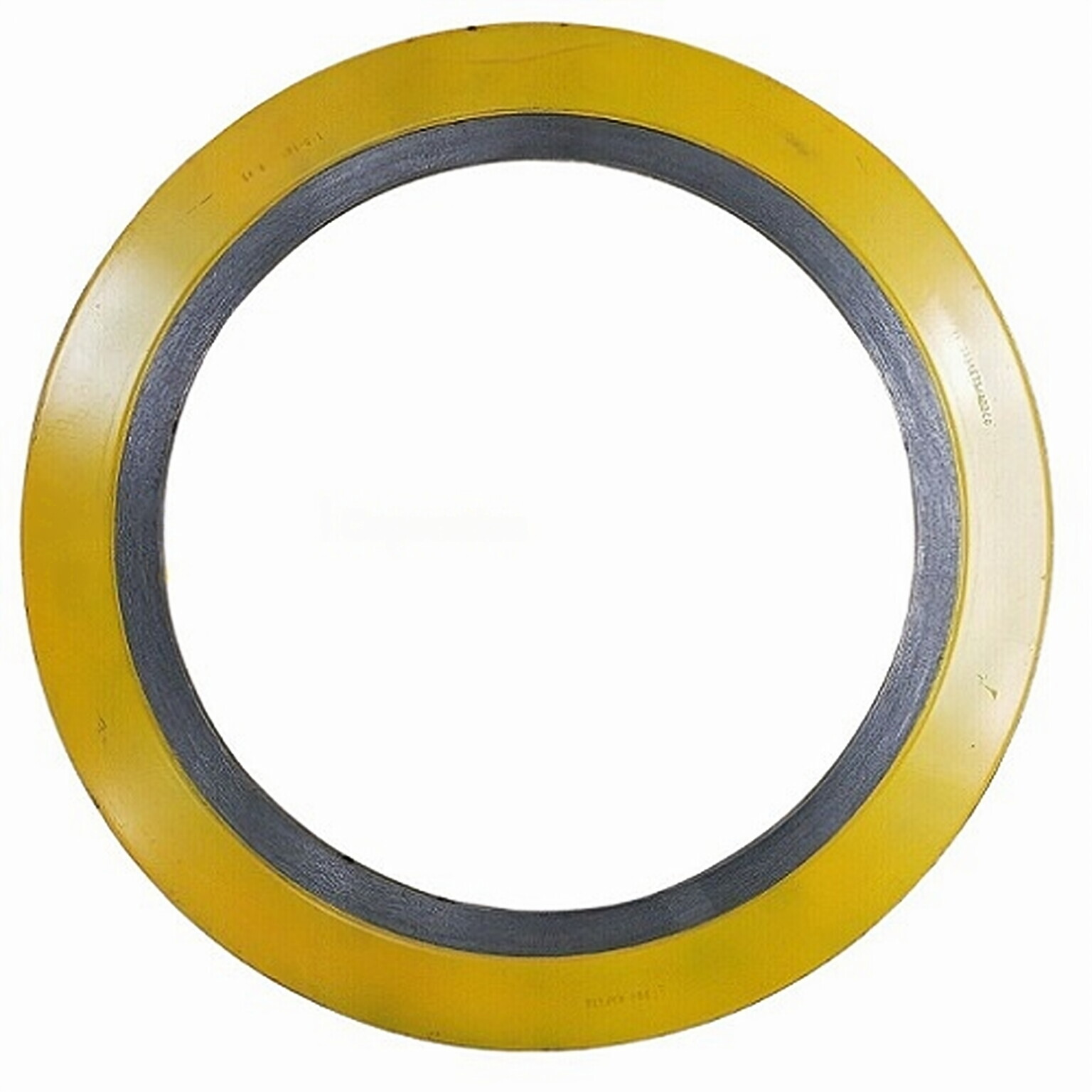
Imagine specifying a gasket for a sour gas service pipeline. The medium contains chlorides and hydrogen sulfide, creating a perfect storm for pitting and stress corrosion cracking. Your standard stainless steel gasket is a recipe for disaster. This is where precise material standards for Incoloy 825 become your first line of defense. The alloy itself is governed by standards like UNS N08825, ASTM B424, and ASME SB-424, which define its chemical composition and mechanical properties, ensuring its intrinsic resistance to a wide range of aggressive corrodents. For the spiral wound gasket, the filler and winding strip material must comply with standards such as ASME B16.20 and ISO 7483. These standards ensure the metallic winding strip meets the required Incoloy 825 specification, while the non-metallic filler (often flexible graphite or PTFE) is chosen from approved lists for specific service conditions. Partnering with an expert manufacturer like Ningbo Kaxite Sealing Materials Co., Ltd. guarantees that every coil of strip and every gram of filler is certified and traceable to these critical standards, eliminating material-based failure risks from your project.
| Standard | Scope | Key Parameters Defined |
|---|---|---|
| ASTM B424 / ASME SB-424 | Nickel-Iron-Chromium-Molybdenum-Copper Alloy Plate, Sheet, and Strip | Chemical Composition (Ni, Cr, Mo, Cu, Ti), Mechanical Properties (Yield Strength, Tensile Strength) |
| UNS N08825 | Unified Numbering System Designation | Standardized Alloy Identification |
| ASME B16.20 / ISO 7483 | Metallic Gaskets for Pipe Flanges | Acceptable Material Grades for Winding Strip & Fillers, General Dimensions |
Ensuring a Perfect Fit: Dimensional and Construction Standards
A gasket made from perfect material is useless if it doesn't fit the flange correctly. A procurement manager faces nightmare scenarios during plant turnaround: gaskets arrive on site, but they are the wrong size or have incorrect centering ring details, causing installation delays and budget overruns. Dimensional conformity is non-negotiable. The primary blueprint for spiral wound gaskets is ASME B16.20 in North America and EN 1514-2 or ISO 7483 internationally. These standards provide precise tables for inside diameter, outside diameter, thickness, and the configuration of the centering ring (if applicable) for every standard flange pressure class (e.g., Class 150, 300, 600) and nominal pipe size. What standards and specifications apply to Incoloy 825 spiral wound gaskets? They must include these dimensional specs. Ningbo Kaxite Sealing Materials Co., Ltd. utilizes precision winding equipment and rigorous quality checks to ensure every gasket, whether to ASME or DIN standards, meets these exacting dimensional tolerances, guaranteeing a seamless fit and optimal sealing performance from the moment of installation.
| Standard | Region/System | Governs |
|---|---|---|
| ASME B16.20 | North America (Imperial) | Dimensional tolerances, marking, for ring, spiral-wound, and jacketed gaskets for ASME B16.5 flanges. |
| EN 1514-2 | Europe (Metric) | Dimensions for spiral wound gaskets for use with PN and Class designated flanges to EN series standards. |
| ISO 7483 | International | Dimensions for metallic spiral wound gaskets for use with ISO 7005-1 flanges. |
Beyond Paper: Validating Performance with Testing Standards
Certificates of conformity are essential, but how do you know the gasket will perform under your specific operating conditions? A plant engineer troubleshooting a persistent leak in a high-temperature heat exchanger needs more than a material certificate; they need proof of performance. This is where testing standards come into play. While not always a mandatory purchase requirement, performance tests based on standards like ASTM F36 (compressibility and recovery) and ASTM F586 (leakage rate testing) provide critical data. These tests simulate the gasket's behavior under load and its ability to maintain a seal. For critical applications, specifying that gaskets be manufactured and tested in accordance with API 601 (for hydrocarbon processing) adds another layer of assurance. Ningbo Kaxite Sealing Materials Co., Ltd.'s commitment to quality is demonstrated through their in-house testing capabilities aligned with these standards, offering clients verifiable data and peace of mind that their Incoloy 825 gaskets will perform as expected in the field.
| Standard | Test Type | What It Measures |
|---|---|---|
| ASTM F36 | Compressibility & Recovery | Gasket's thickness reduction under load and ability to rebound, indicating sealing force and resilience. |
| ASTM F586 | Leakage Rate | Actual sealing efficiency by measuring fluid leakage under controlled pressure and temperature. |
| API 601 | Metallic Gaskets for Refinery Piping | Comprehensive specification covering materials, dimensions, testing, and marking for critical service. |
Your Partner in Compliance: The Ningbo Kaxite Sealing Materials Solution
Navigating the complex web of standards for Incoloy 825 spiral wound gaskets can be daunting. The real-world cost of getting it wrong—in safety incidents, unplanned shutdowns, and replacement parts—is immense. This is precisely where Ningbo Kaxite Sealing Materials Co., Ltd. provides immense value. We don't just supply gaskets; we provide engineered sealing solutions backed by deep standards expertise. Our process begins with a thorough analysis of your service conditions—media, temperature, pressure, flange type—to determine the exact standard specifications required. We then manufacture your gaskets using certified Incoloy 825 materials, precision-controlled to ASME B16.20, ISO, or DIN dimensional standards. Our quality assurance includes batch traceability and performance testing protocols. By choosing Kaxite, you are not just buying a component; you are investing in reliability, safety, and the assurance that your critical sealing applications are supported by a partner who understands and masters the full spectrum of applicable standards and specifications.
Frequently Asked Questions on Standards for Incoloy 825 Gaskets
Q1: What is the most critical standard for ensuring the Incoloy 825 material in my gasket is correct?
A: The most fundamental standards are ASTM B424 / ASME SB-424 for the strip material and UNS N08825 for alloy identification. These define the chemical composition (especially Nickel, Chromium, Molybdenum, and Copper content) that gives Incoloy 825 its corrosion resistance. Always request a Mill Test Certificate (MTC) from your supplier, like Ningbo Kaxite Sealing Materials Co., Ltd., certifying compliance with these standards.
Q2: We have both ASME B16.5 and EN 1092-1 flanges in our plant. Can one gasket standard cover both?
A: No, ASME B16.20 (for B16.5 flanges) and EN 1514-2 (for EN 1092-1 flanges) are different dimensional systems. Using the wrong standard will cause fit issues. A professional supplier like Kaxite will specify and manufacture gaskets to the correct standard for each flange type, ensuring perfect compatibility and seal integrity.
We hope this guide has clarified the standards landscape for Incoloy 825 spiral wound gaskets. For a specific technical consultation or to request a quote for gaskets manufactured to your exact standard requirements, please get in touch.
For reliable, specification-compliant sealing solutions, consider Ningbo Kaxite Sealing Materials Co., Ltd., a specialist manufacturer with extensive experience in producing high-performance spiral wound gaskets for demanding global applications. Visit our website at https://www.spiral-wound-gasket.com to learn more or contact our engineering team directly via email at [email protected] for personalized support.
Supporting Academic Research
Fontana, M.G., Greene, N.D. (1967). Corrosion Engineering. McGraw-Hill.
Jones, D.A. (1996). Principles and Prevention of Corrosion. Prentice Hall.
Roberge, P.R. (2008). Corrosion Engineering: Principles and Practice. McGraw-Hill.
Schweitzer, P.A. (2007). Corrosion Resistance Tables: Metals, Nonmetals, Coatings, Mortars, Plastics, Elastomers and Linings, and Fabrics. CRC Press.
Bauer, A.L. (1991). The sealing mechanism of flexible graphite gaskets. International Journal of Pressure Vessels and Piping, 47(1).
Payne, J.R., Bazergui, A. (1989). Development of a test method for gasket leakage. WRC Bulletin, 353.
Brown, R.L., Wilson, W.A. (1995). Stress corrosion cracking of nickel alloys in sour gas environments. CORROSION, 51(5).
Berger, C., Himmelblau, D.M. (1994). Leakage of flanged connections. Chemical Engineering Communications, 129(1).
Singh, P.M., Marek, R.F. (2004). Effect of temperature and pressure on the sealing performance of spiral wound gaskets. Journal of Pressure Vessel Technology, 126(4).
Derenne, L., Marchand, L., Payne, J.R. (1997). Elevated temperature testing of gaskets for bolted flanged connections. WRC Bulletin, 422.