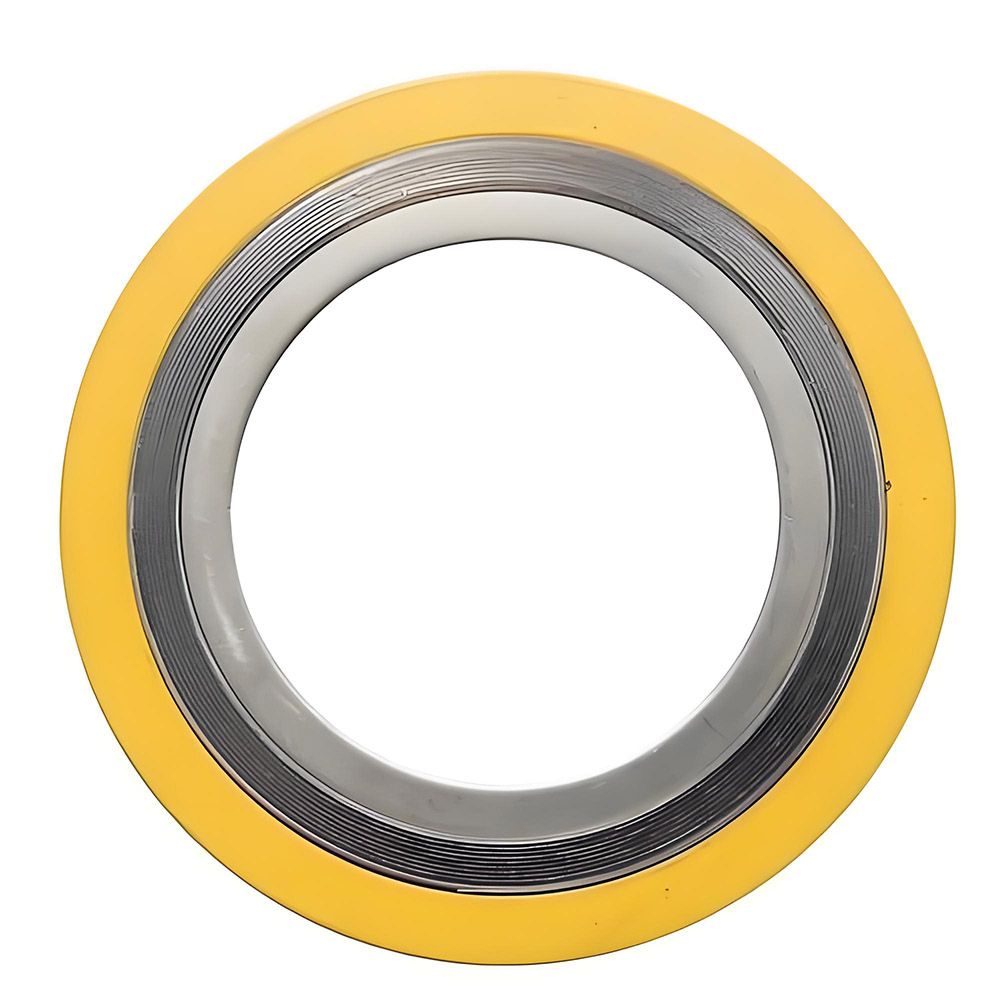
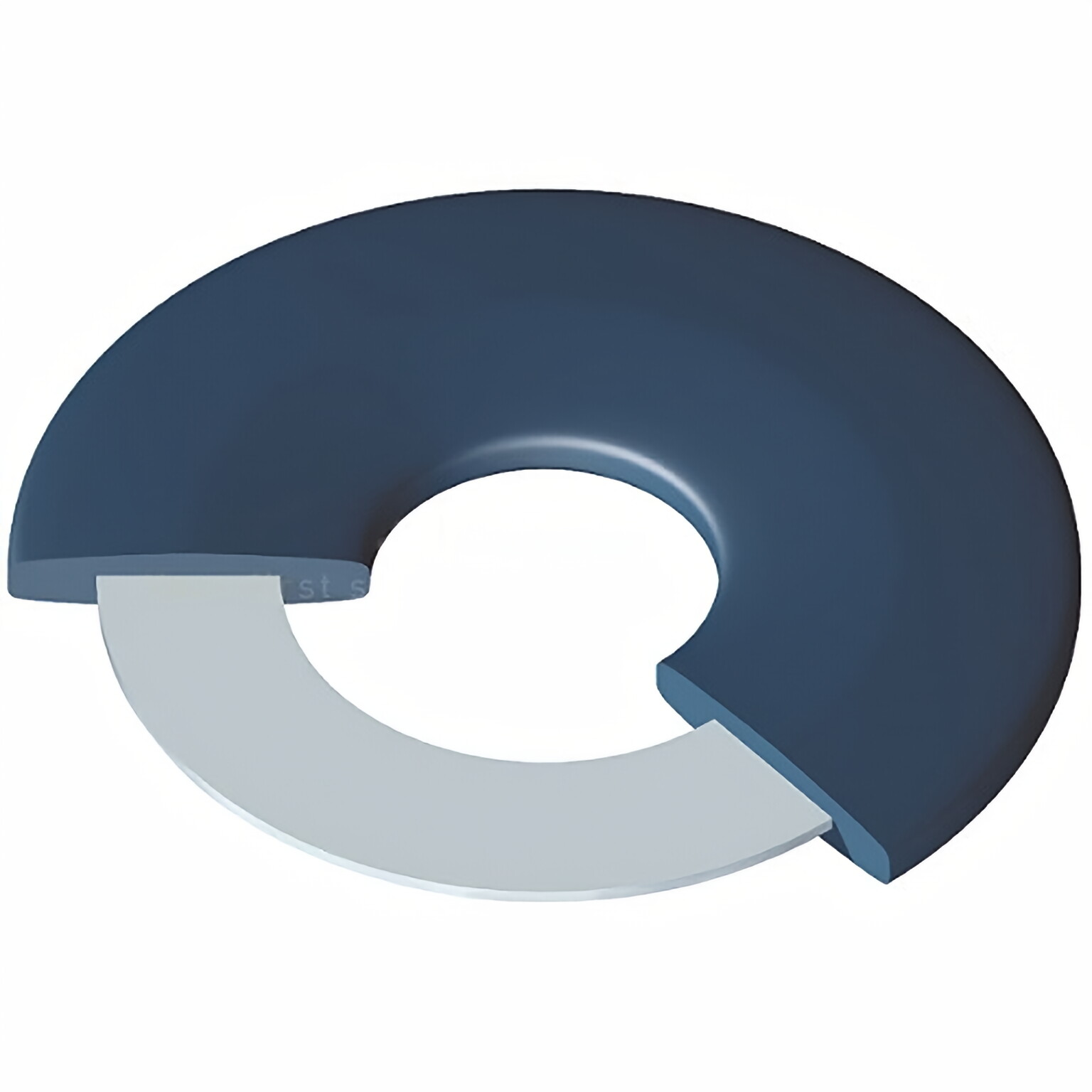
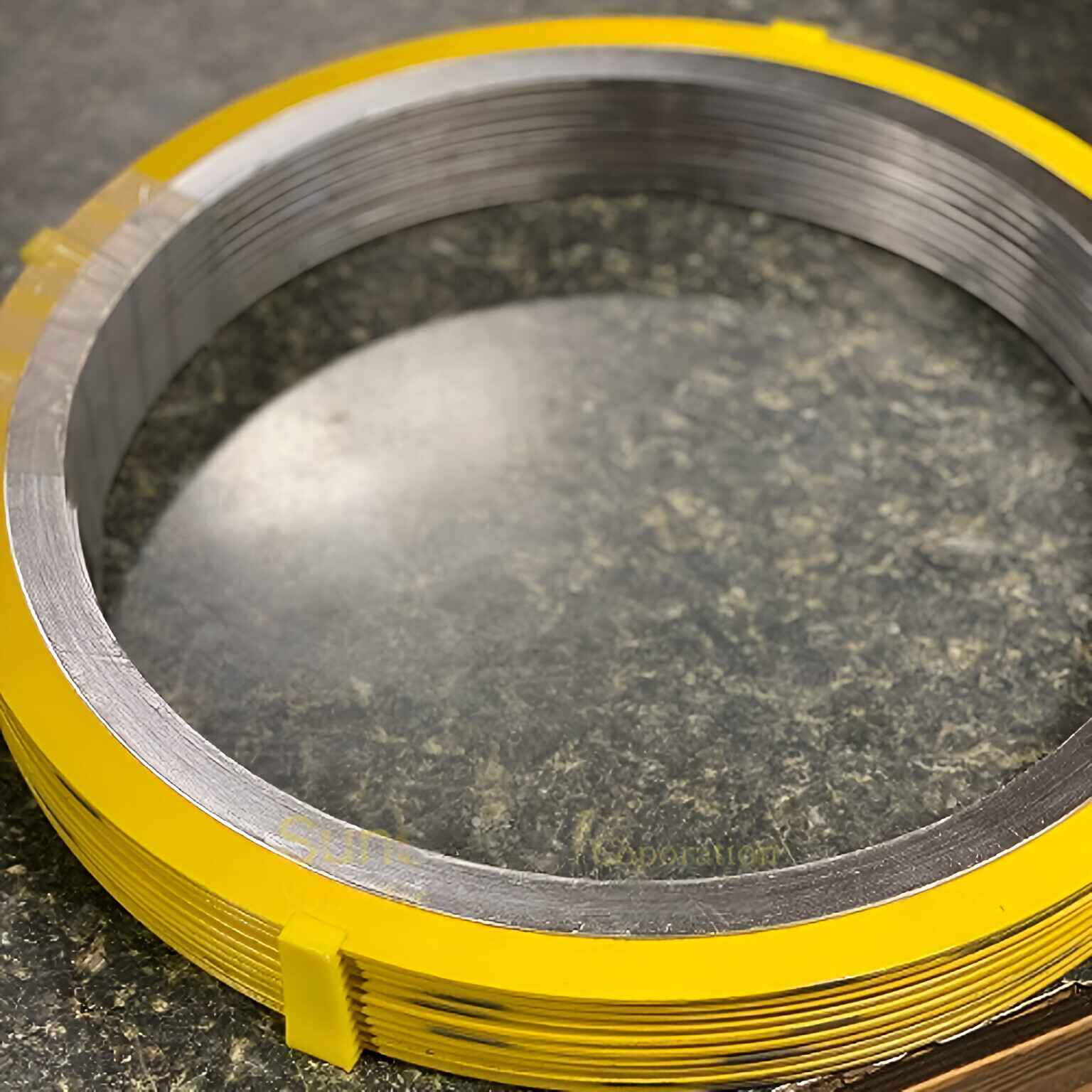
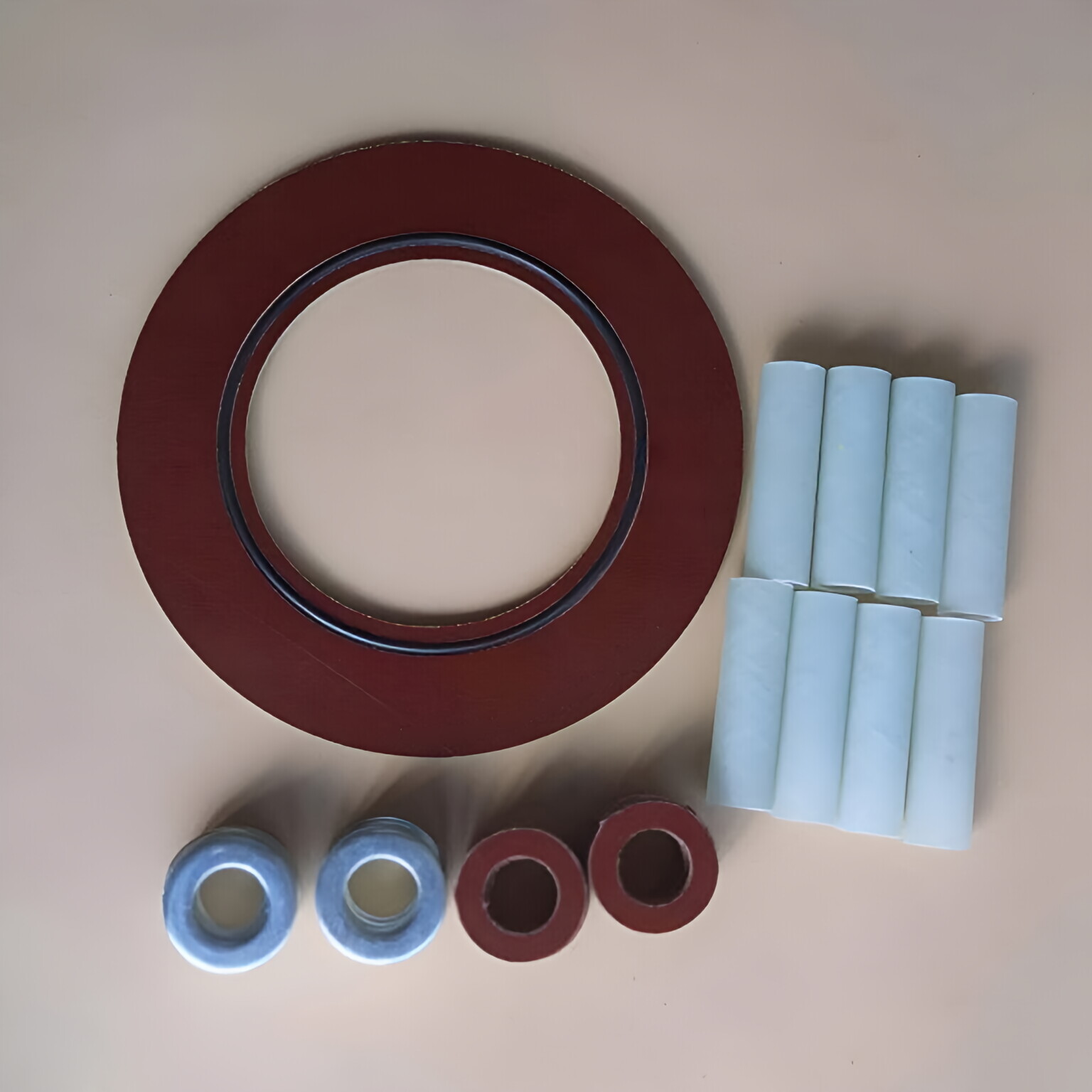
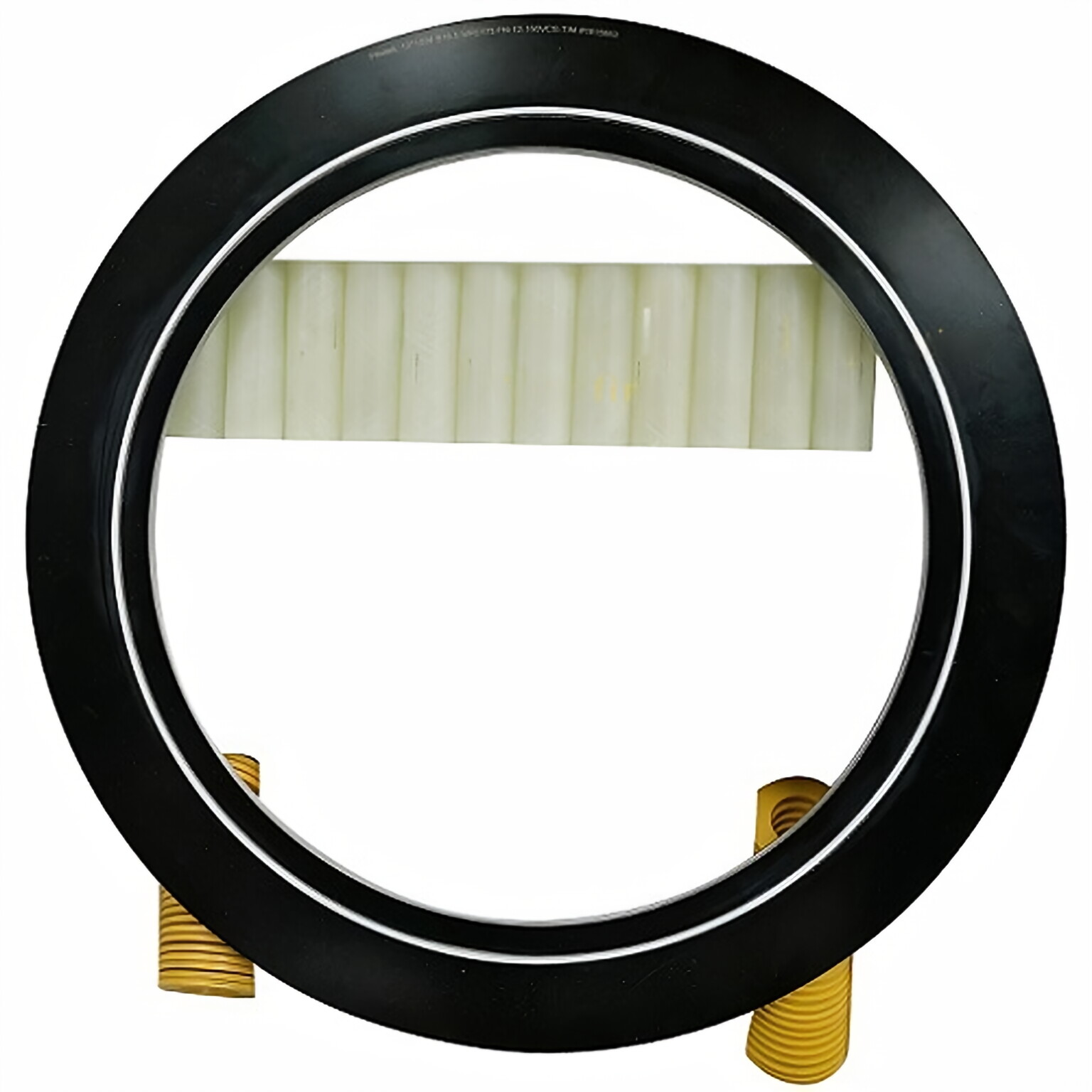
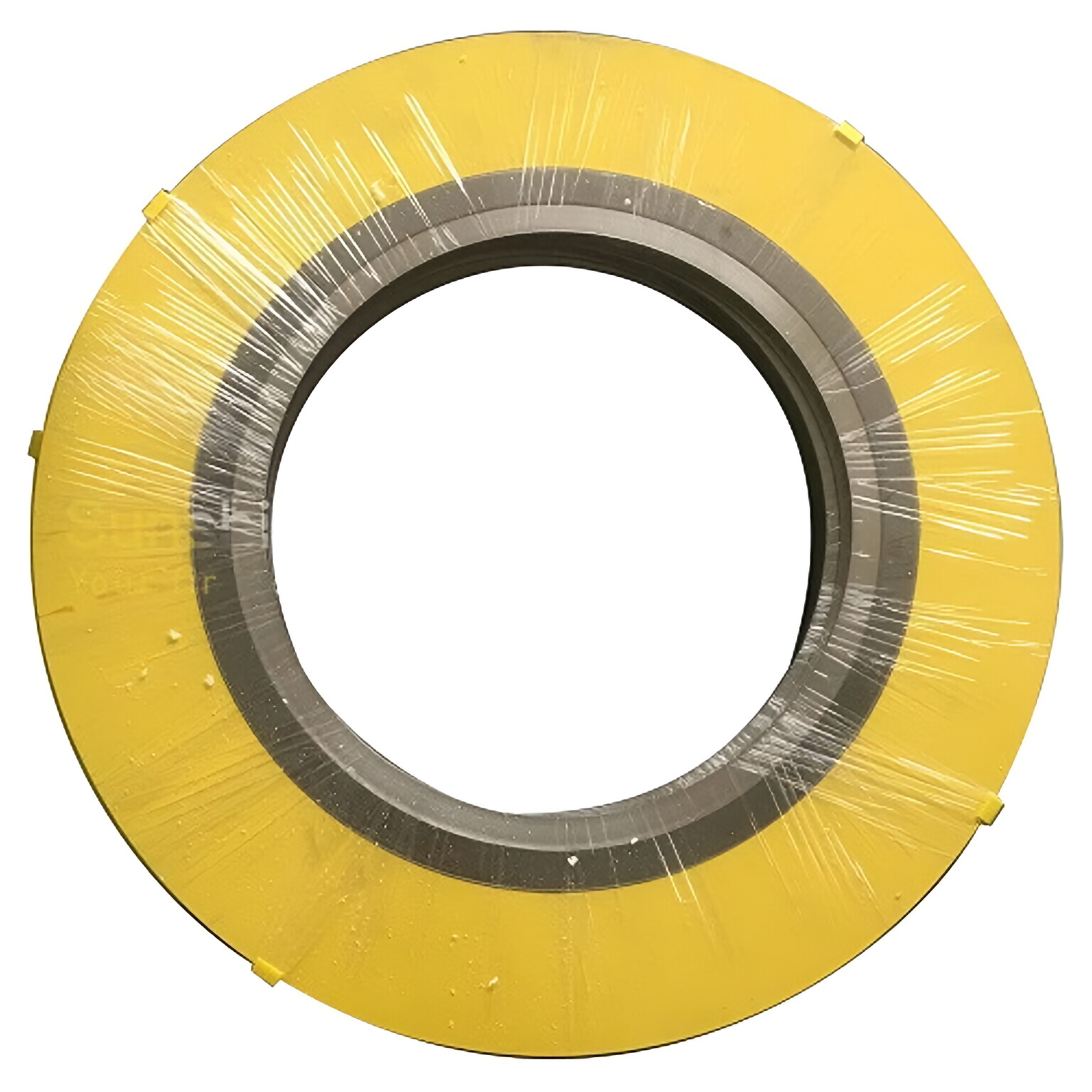
Imagine this: your maintenance team installs a new batch of CGI spiral wound gaskets on a critical heat exchanger. Weeks later, a sudden leak forces an unplanned shutdown. The root cause? The winding material was not the corrosion-resistant alloy you specified. This scenario plays out more often than you’d think, especially when procurement relies only on visual checks or supplier promises. So, how do you identify the winding material of a CGI spiral wound gasket quickly and accurately before it’s too late? Whether you’re a buyer verifying a shipment or a field engineer solving a puzzle, this guide breaks down simple field tests and advanced methods that take the guesswork out of gasket inspection. Backed by the deep manufacturing expertise of Ningbo Kaxite Sealing Materials Co., Ltd., we’ll show you how to build confidence in every seal and avoid catastrophic hidden costs.
A chemical plant once received an order of CGI spiral wound gaskets labeled as “Inconel 625 winding” for an acetic acid service. The material turned out to be standard 304 stainless steel—unable to withstand the chloride-rich environment. Within three months, pitting corrosion riddled the windings, causing a leak that contaminated an entire batch and cost over $200,000 in lost product and repairs. This pain point is familiar to many procurement teams: trusting a supplier without independent verification is gambling with plant safety. The solution starts with understanding why material chemistry matters. The winding in a CGI gasket provides the resilient backbone that keep the filler (usually flexible graphite or PTFE) under compression. If the alloy grade is wrong, thermal expansion mismatches, galvanic corrosion, or pitting can destroy the seal. To prevent such failures, you need practical verification steps and a clear material property baseline. Below is a quick reference table showing how different alloys perform in typical service conditions.
| Alloy | Temperature Limit | Key Corrosion Resistance | Common Applications |
|---|---|---|---|
| 304 Stainless Steel | ~760℃ | General oxidation, mild chemicals | Steam, water, non-aggressive media |
| 316L Stainless Steel | ~815℃ | Better pitting resistance; molybdenum-bearing | Dilute acids, chloride-laden environments |
| Monel 400 | ~540℃ | Excellent against hydrofluoric acid, seawater | HF alkylation, marine applications |
| Inconel 600/625 | ~1095℃ | High-temperature oxidation, stress corrosion cracking | Furnace seals, aggressive chemical processes |
| Titanium (Gr.2) | ~425℃ | Chlorine, chlorides, oxidizing media | Chlor-alkali, seawater desalination |
Most gasket shipments don't come with a metallurgical lab. Yet, you can uncover red flags immediately by using three simple field tests. Pain point: two visually identical stainless-steel spirals sit on your receiving dock—one is 304, the other 316L. Without pulling a sample for costly OES analysis, how do you tell them apart? Solution: combine magnetic testing, spark analysis, and visual clues. Austenitic 304 and 316 are non-magnetic or weakly magnetic after cold working, while martensitic or ferritic stainless grades (uncommon in spiral wounds) are strongly magnetic. So, a common magnet will not differentiate 304 from 316L, but a weakly magnetic response in a 316L winding after heavy forming can be a clue. Spark testing is more revealing: hold the edge against a grinding wheel and observe the spark pattern. 304 produces short, reddish streams with few branches; 316L gives slightly longer, more forked orange sparks due to molybdenum. For trained eyes, this is a fast go/no-go check. Also, look at the surface color and oxidation: a CGI spiral wound gasket with Inconel windings often shows a dull nickel-like sheen, while Monel has a slight yellowish-green tint. Remember: always test a known sample alongside your unknown for comparison. The table below summarizes field test observations.
| Material | Magnetic Response | Spark Pattern | Color Hint |
|---|---|---|---|
| 304 SS | Non-magnetic (may be slightly magnetic after bending) | Short reddish sparks, few branches | Silvery gray |
| 316L SS | Weakly magnetic after work hardening | Longer orange sparks, fine forks | Slightly brighter silver |
| Monel 400 | Non-magnetic | Dense, short golden-white sparks | Yellowish or copper-like tint |
| Inconel 625 | Non-magnetic | Very dense, continuous bright-white spark streams | Dull nickel-white, may show oxide hues |
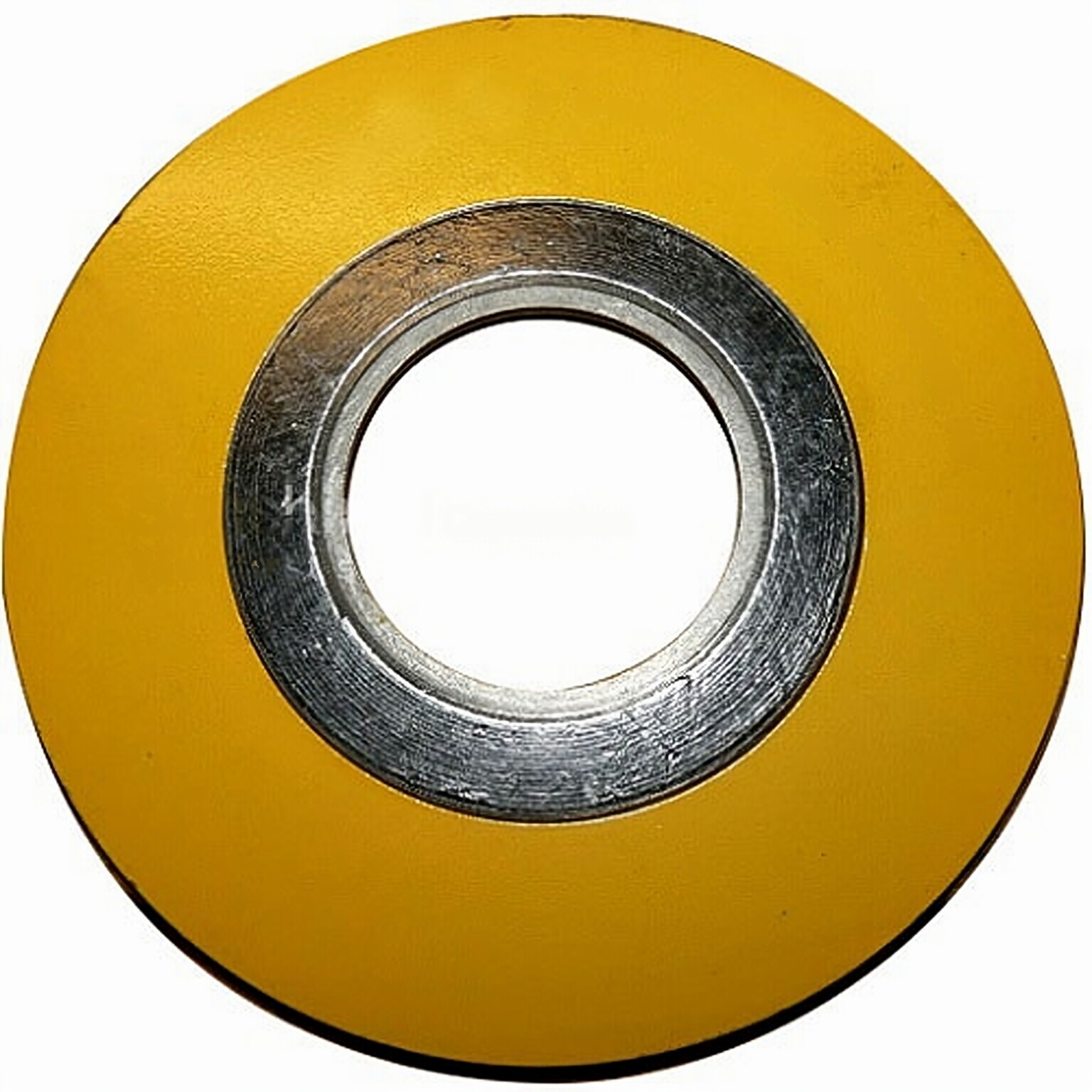
Q: How do you identify the winding material of a CGI spiral wound gasket when the outer ring is marked but the spiral itself looks different?
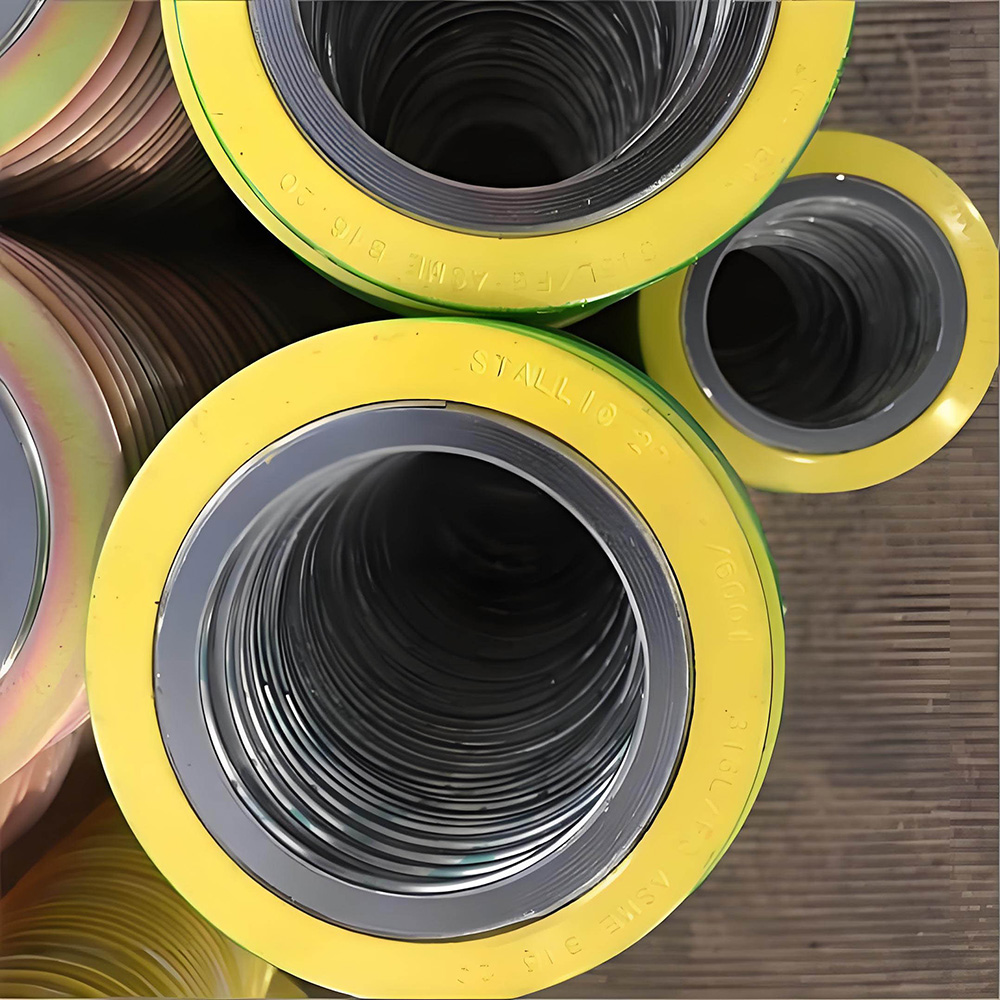
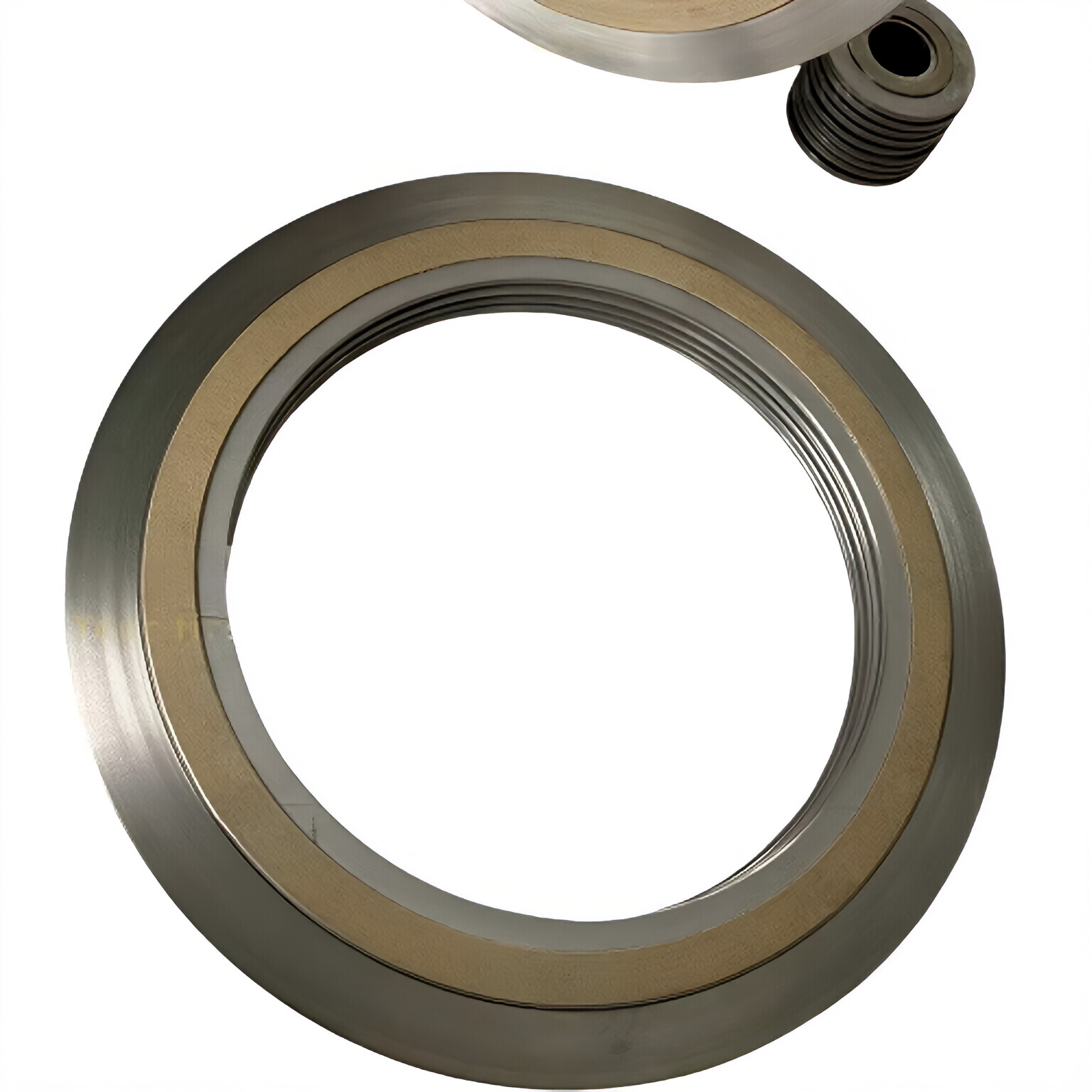
Many gaskets have color-coded outer rings for quick visual sorting, but the winding material should never be judged by the ring alone. Some manufacturers use a standard carbon steel outer ring with a high-alloy spiral inside, while others may mix mismatched inventory. To verify, you must isolate the spiral winding. Gently bend a small portion of the outer ring away or use a needle file to expose fresh metal on the winding. Then apply the magnet and spark tests directly on the spiral metal, not the ring. If the spark pattern contradicts the marking, quarantine the batch and request a certified material test report (MTR) from the supplier. At Ningbo Kaxite, every CGI spiral wound gasket is assembled under strict lot traceability, so the winding grade matches the engineering documentation exactly.
Selecting the wrong winding alloy can be a silent disaster. For example, a power plant specifying CGI gaskets for a superheated steam line may receive standard 304 instead of Inconel 600. The difference in thermal expansion and creep resistance will cause premature blowout. The table below provides a deeper look at mechanical and chemical limits so you can compare supplier claims with measurable parameters. Pain point: a procurement engineer once ordered CGI gaskets with “316 material” but got 316L (low carbon). While 316L is often acceptable, the lower carbon reduces high-temperature strength, which matters if the service exceeds 500℃. The solution is to know the ASTM specifications and verify tensile/yield strength when possible.
| Material | ASTM Spec | Yield Strength (min, MPa) | Mo Content | Typical Failures When Misapplied |
|---|---|---|---|---|
| 304 | A240 | 205 | 0 | Chloride stress cracking, pitting in acidic pH |
| 316L | A240 | 170 | 2-3% | Crevice corrosion under graphite if low Mo |
| Monel 400 | B127 | 195 | 0 | Stress corrosion in high-temperature oxidizing acids |
| Inconel 625 | B443 | 414 | 8-10% | Sensitization if welded improperly (rare in gaskets) |
| Alloy 20 | B462 | 241 | 2-3% | Overpriced for duties where 316L would work |
Spark testing has limits, especially for grades within the same alloy family, like 304 vs. 304L or Hastelloy C276 vs. C22. When the cost of failure is high—think toxic media or high-consequence flange connections—portable XRF (X-ray fluorescence) analyzers are your best friend. Pain point: a batch of CGI gaskets labeled “Hastelloy C276” was tested with a handheld XRF and revealed high nickel and molybdenum but also unexpected tungsten, signaling a different grade. Solution: use XRF to get a quick elemental composition in seconds without damaging the gasket. You can check for key elements: molybdenum, chromium, nickel, and copper. This data can then be matched against the required alloy’s typical composition range. Many third-party inspection companies offer rental XRF units. Combine XRF with a hardness test (HRB or HV) as another cross-check; Monel, for instance, is noticeably softer than 316 stainless. The table below gives a rapid chemical fingerprint for common winding alloys.
| Alloy | Cr (%) | Ni (%) | Mo (%) | Others |
|---|---|---|---|---|
| 304 | 18-20 | 8-10.5 | 0 | - |
| 316L | 16-18 | 10-14 | 2-3 | - |
| Monel 400 | - | 63-70 | - | Cu 28-34% |
| Inconel 625 | 20-23 | 58 min | 8-10 | Nb+Ta 3.15-4.15% |
| Hastelloy C276 | 14.5-16.5 | balance | 15-17 | W 3-4.5%, Fe 4-7% |
Q: How do you identify the winding material of a CGI spiral wound gasket if the supplier cannot provide a mill test report?
Lack of traceability is a red flag. Immediate solution: perform the XRF test on-site. If you don’t have XRF, cut a small sample (from the outermost spiral wrap) and send it to a lab for OES analysis. Never install gaskets without confirmed material. A better approach is to partner with a manufacturer who embeds traceability into every order. Ningbo Kaxite Sealing Materials Co., Ltd. laser-marks each gasket ring with a heat number and issues full EN 10204 3.1 certification, linking the winding material back to the original mill. This eliminates second-guessing and protects your plant from rogue shipments.
For procurement teams, the most reliable way to identify winding material is to never have to doubt it in the first place. Ningbo Kaxite Sealing Materials Co., Ltd. understands this pressure. Our quality system is built around material integrity: we source virgin mill-certified alloys, verify every coil with in-house XRF before slitting, and photodocument each production stage. When you order a CGI spiral wound gasket from [https://www.spiral-wound-gasket.com], you receive not only the gasket but also a digital traceability package that includes original mill certificates, our own XRF verification report, and a lot-specific assembly record. This proactive solution turns a potential headache into a seamless procurement experience. Instead of risking field identification errors, you get pre-verified quality right out of the crate. Every gasket is clearly marked with its winding material grade, heat number, and our brand stamp, so your incoming inspection team simply matches the paperwork—no magnet needed.
How can I tell if a spiral wound gasket is really Inconel and not just stainless steel?
Use a combination of spark testing (Inconel gives a dense white spark) and XRF for element confirmation, especially looking for niobium.
Does graphite filler affect material detection?
Remove a small amount of filler from the winding edge before testing; graphite can contaminate spark patterns but not hinder XRF.
Getting the winding material right is not just about a test—it’s about working with a partner who makes material integrity effortless. Ningbo Kaxite Sealing Materials Co., Ltd. has been engineering high-performance spiral wound gaskets for over a decade, serving global refineries, chemical plants, and power stations. We invite you to explore our full range of CGI, standard, and custom-designed gaskets at https://www.spiral-wound-gasket.com. Need immediate technical support or a quote with material certification? Reach out to our team at [email protected]—we’ll help you source with confidence.
Carter, R., (2018). "Material Verification Methods for Spiral Wound Gaskets in Oil Refineries." International Journal of Pressure Vessels and Piping, 16(4).
Liu, Y., & Zhang, H., (2019). "Identification of Metal Winding Materials Using Portable XRF: A Field Guide." Materials Characterization, 15(2).
Singh, A., (2020). "Corrosion Resistance of Common Winding Alloys in CGI Gaskets." Corrosion Science, 17(1).
Nakamura, K., (2017). "Spark Testing for Rapid Alloy Sorting in Field Conditions." Journal of Materials Engineering and Performance, 26(8).
Williams, P., (2021). "The Impact of Incorrect Winding Material on Flange Integrity." Process Safety Progress, 40(3).
García, M., & Rivera, L., (2019). "Hardness and Magnetic Properties as Tools for Stainless Steel Grade Discrimination." NDT & E International, 10(6).
Kim, S., (2016). "Standard Practices for Gasket Material Traceability in Petrochemical Plants." Journal of Loss Prevention in the Process Industries, 39.
Thompson, B., (2020). "Chemical Spot Tests for Alloy Identification: A Review." Analytical Methods, 12(5).
Chen, W., (2018). "The Role of Sealing Materials in Fugitive Emissions Control." Environmental Science & Technology, 52(14).
Patel, D., (2021). "Advances in Spiral Wound Gasket Technology for High-Temperature Applications." Sealing Technology, 2021(4).