As a procurement manager sourcing sealing solutions for aggressive chemical environments, you’ve likely faced the nightmare of gasket failure. Leaks, unplanned shutdowns, and safety incidents all stem from one critical question: Are duplex 2205 spiral wound gaskets suitable for corrosive environments? Imagine a sulfuric acid storage tank at a fertilizer plant, or a heat exchanger handling chloride-rich seawater in an offshore platform. Standard stainless steel gaskets quickly fall prey to pitting and stress corrosion cracking, forcing you into endless replacement cycles. You need a sealing material that laughs at acid attacks and shrugs off chlorides. Here enters the Duplex 2205 spiral wound gasket—a metallurgical marvel combining exceptional strength with superior corrosion resistance. But does it truly deliver in the nastiest chemical services? This guide strips away the technical jargon to give you a procurement-focused answer, so you can make confident decisions—and avoid costly mistakes. Let’s explore how this advanced gasket tackles real-world corrosion challenges, backed by field data and engineering insights.
Jump directly to:
The Corrosion Challenge in Industrial Sealing
Why Duplex 2205 Material Matters
The Spiral Wound Gasket Advantage
Performance Data: Duplex 2205 in Corrosive Media
Application Scenarios That Demand Duplex 2205
FAQ: How does Duplex 2205 compare to 316L in acid service?
FAQ: Can Duplex 2205 spiral wound gaskets handle wet H2S environments?
Procurement Tips for Maximum Value
How Ningbo Kaxite Solves Your Sealing Headaches
Every sealing engineer knows the sinking feeling when a flange starts weeping. In corrosive services—think hot acetic acid, caustic soda, or sour gas—the failure rate of conventional gaskets skyrockets. Pit corrosion, crevice attack, and chloride-induced stress corrosion cracking (SCC) silently eat away at the metal winding, leading to catastrophic blowouts. A major refinery learned this the hard way when their 316L spiral wound gaskets failed after only three months in a crude distillation unit containing naphthenic acid. The root cause? Inadequate pitting resistance equivalent number (PREN). This is where are duplex 2205 spiral wound gaskets suitable for corrosive environments? becomes a million-dollar question. At Ningbo Kaxite Sealing Materials Co., Ltd., we’ve solved this for dozens of clients by recommending Duplex UNS S32205 windings paired with corrosion-resistant fillers like PTFE or flexible graphite. The result is a gasket that withstands aggressive media without sacrificing mechanical resilience. For instance, a chemical plant in Texas switched to our duplex 2205 gaskets for a chlorinated solvent line and doubled their mean time between maintenance. The key lies in the material’s dual-phase microstructure—austenite for toughness and ferrite for strength—which naturally resists localized corrosion.
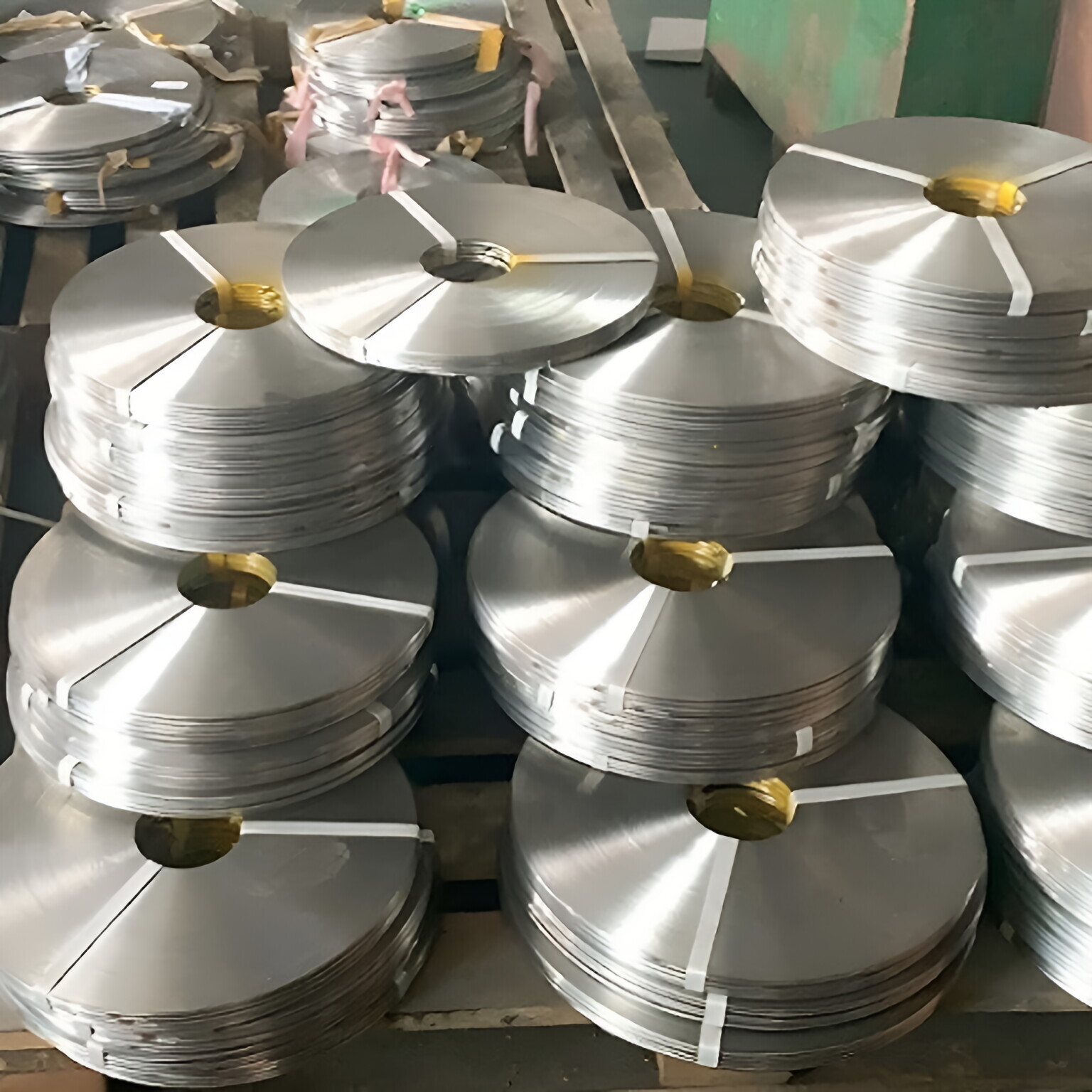
When you ask are duplex 2205 spiral wound gaskets suitable for corrosive environments?, you’re really asking about metallurgy. Duplex 2205 (UNS S32205) offers a PREN value typically above 34, far surpassing 304 (PREN ~18) and 316L (PREN ~24). This means superior resistance to pitting in chloride-bearing environments up to 50°C, and excellent performance in sulfuric acid solutions below 20% concentration. The balanced composition (22% Cr, 5% Ni, 3% Mo, 0.15% N) delivers a yield strength nearly twice that of austenitic grades, so the winding resists deformation under high bolt loads—crucial for maintaining seal tightness. Place our product at the heart of your procurement strategy. Ningbo Kaxite Sealing Materials Co., Ltd. sources certified Duplex 2205 strip from mills with full traceability, ensuring each spiral wound gasket meets ASME B16.20 and API 601 standards. We’ve seen customers drastically cut gasket inventory costs by standardizing on 2205 windings for multiple aggressive streams.
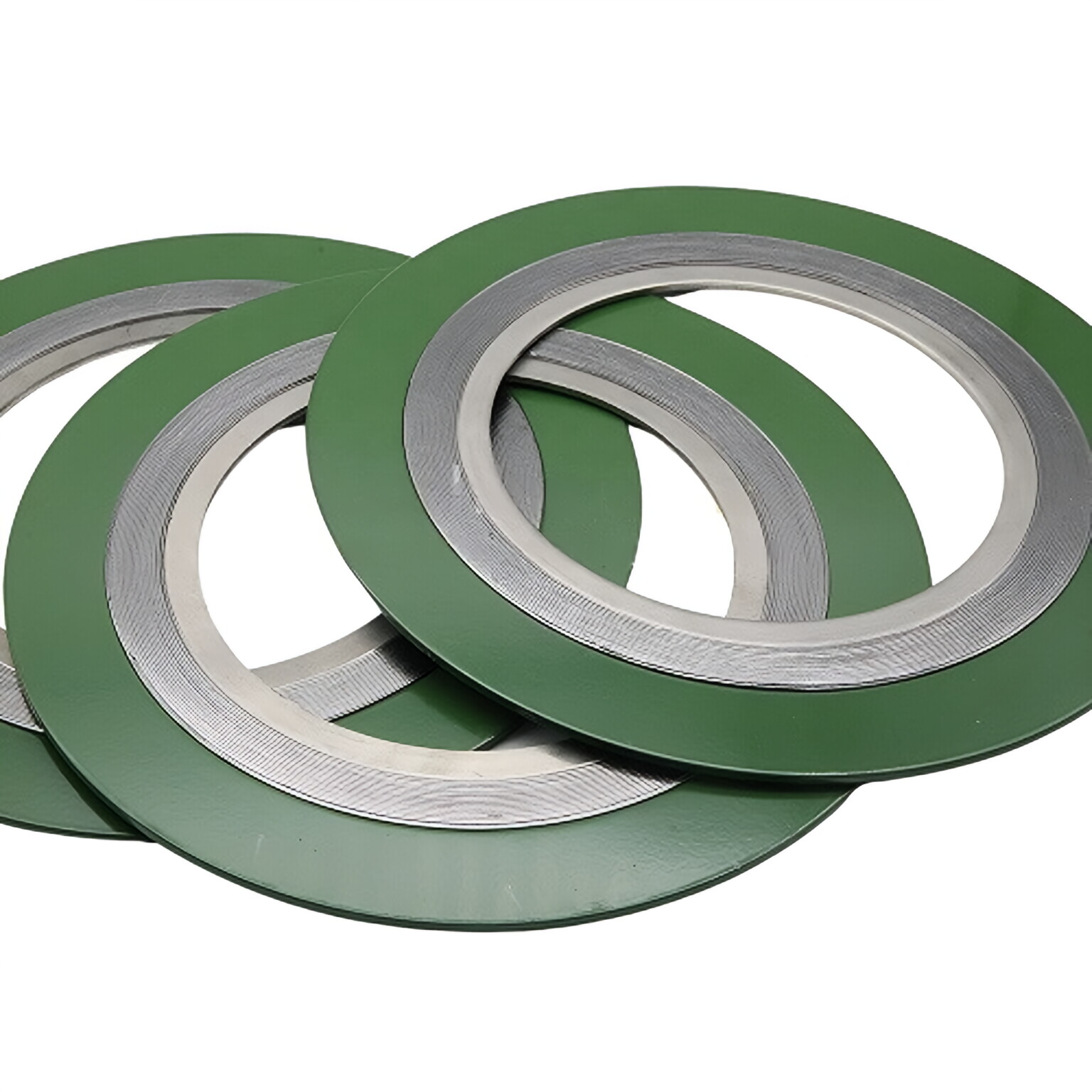
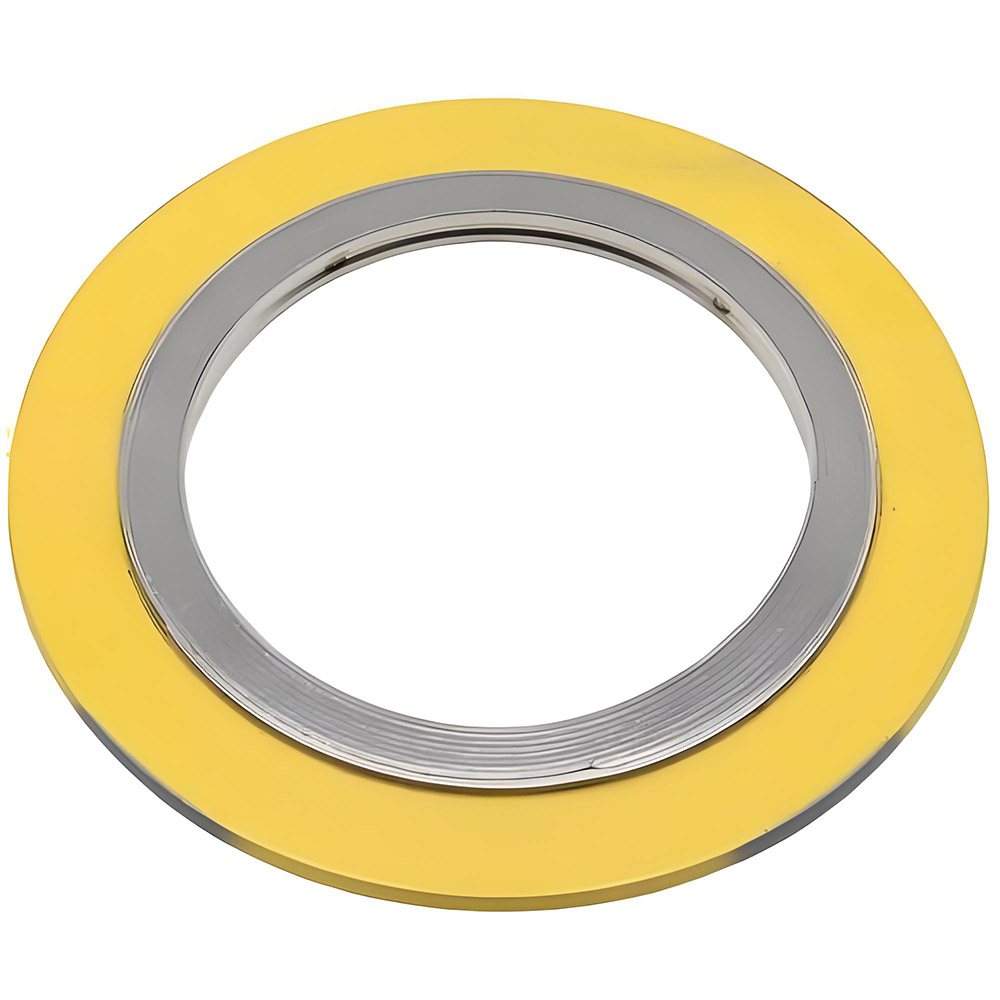
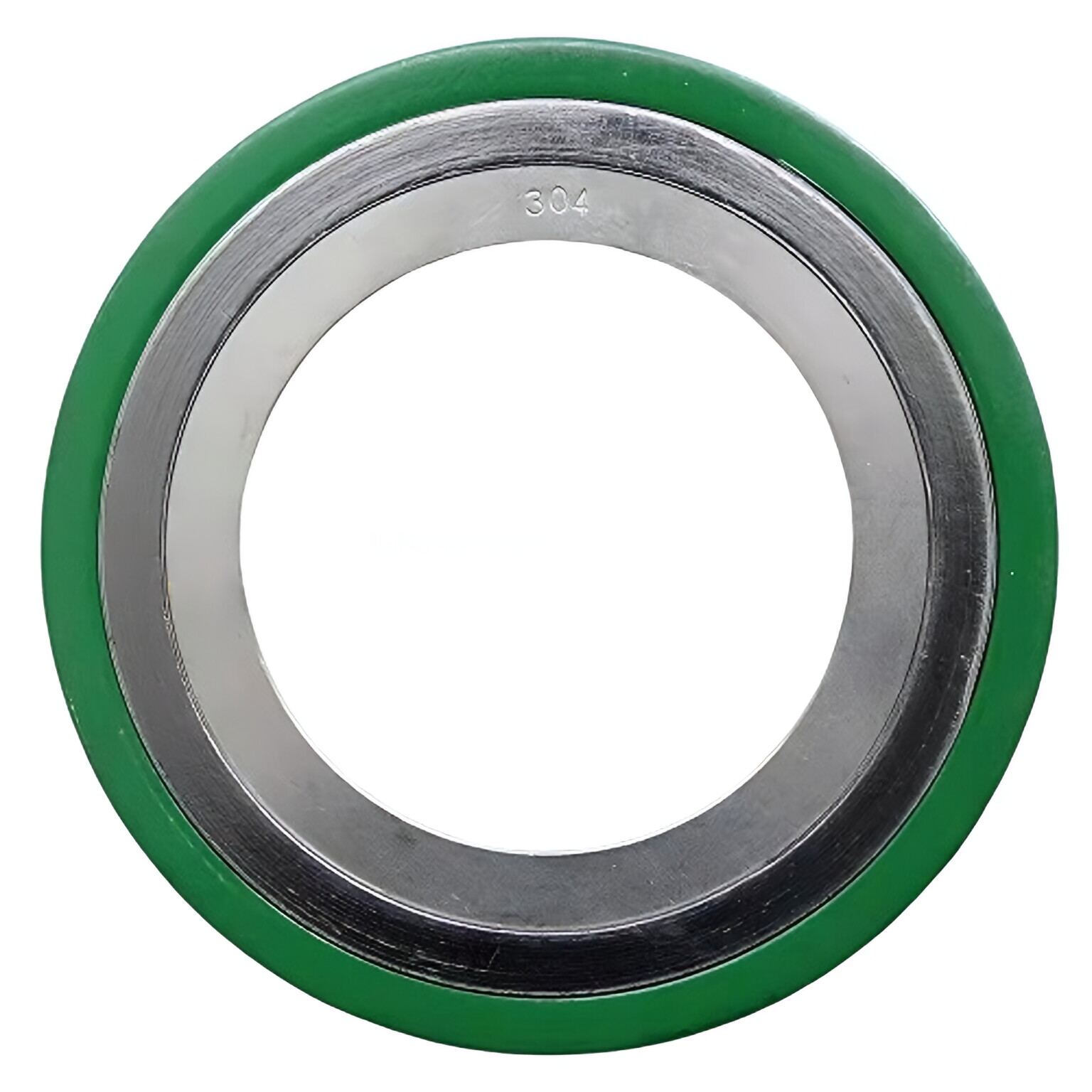
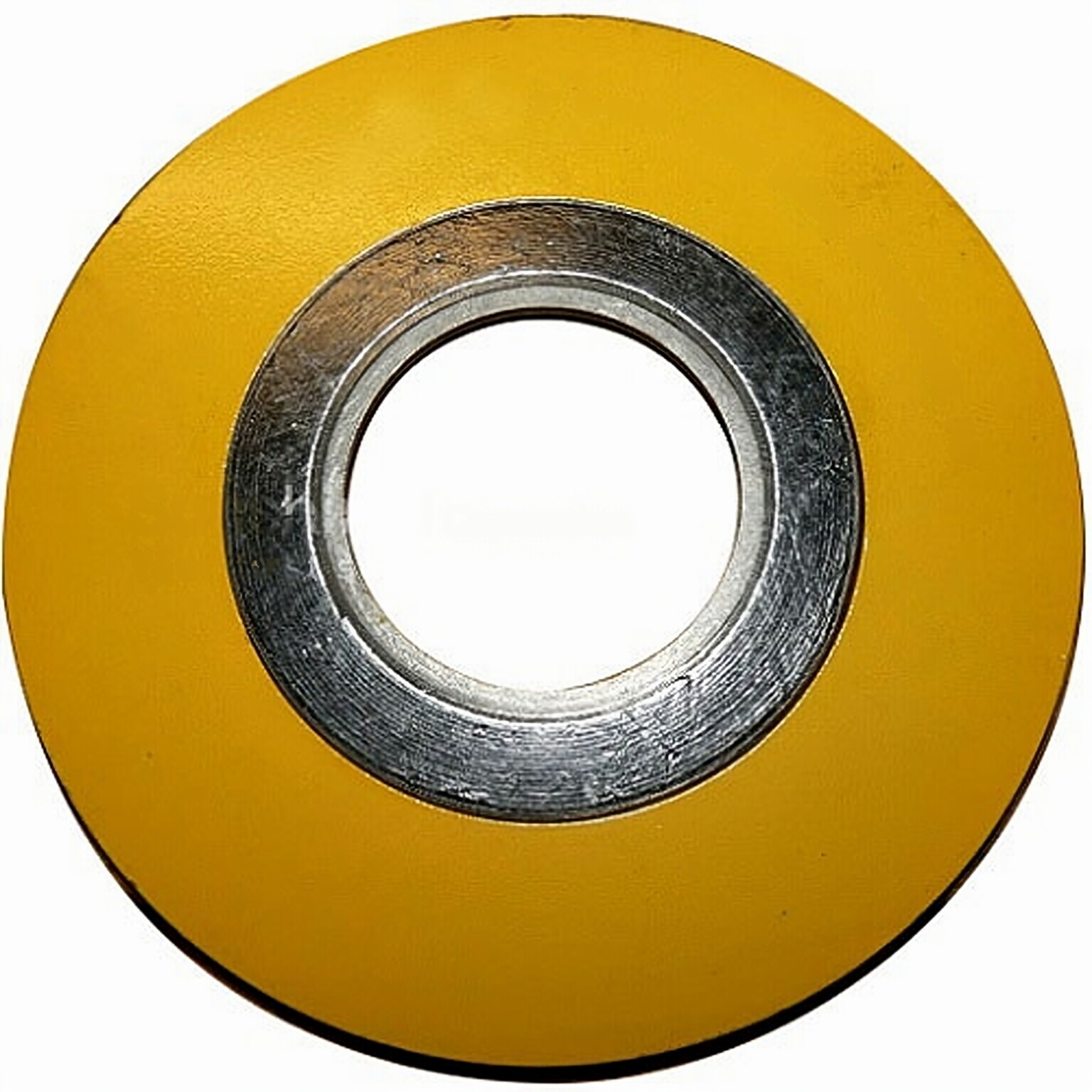
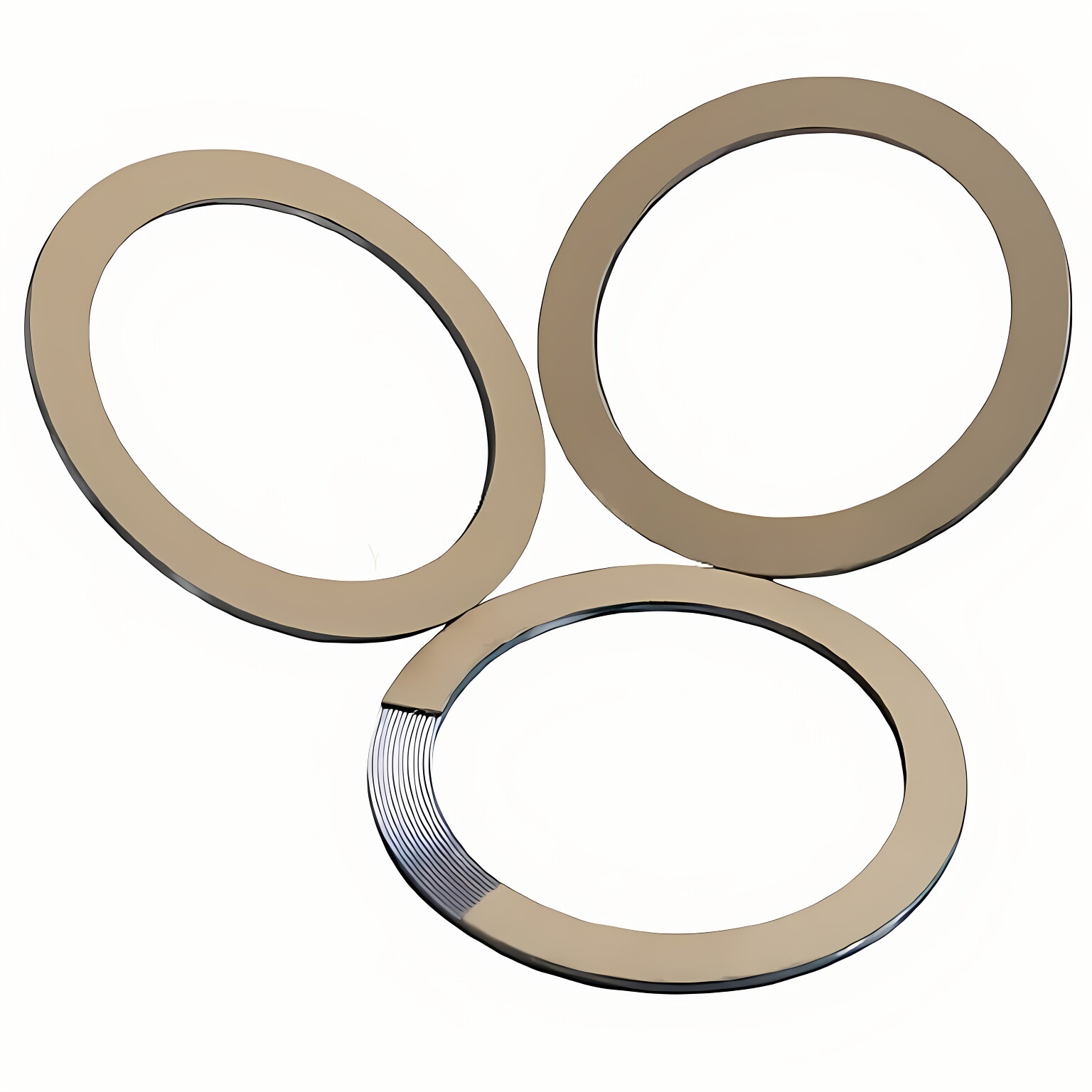
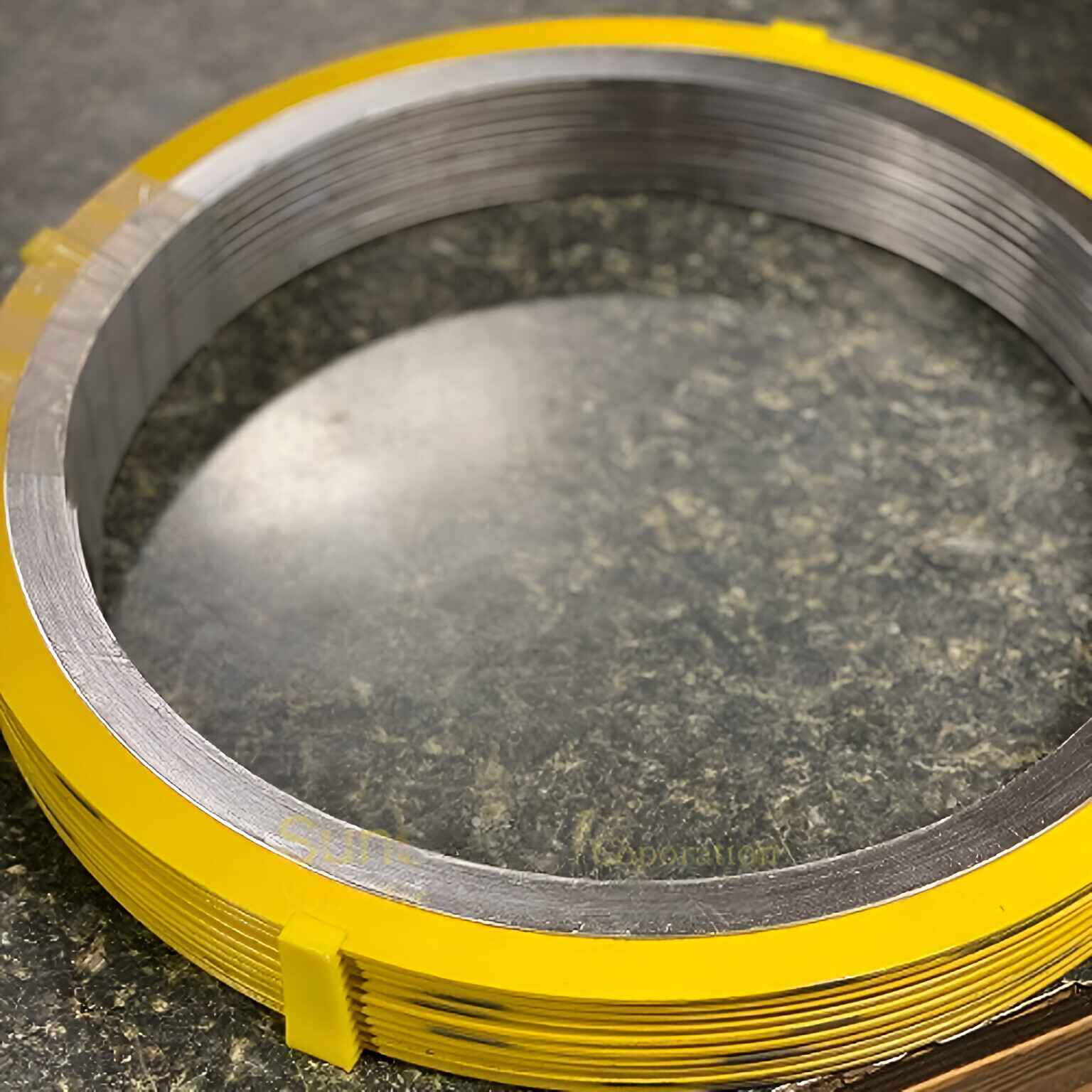
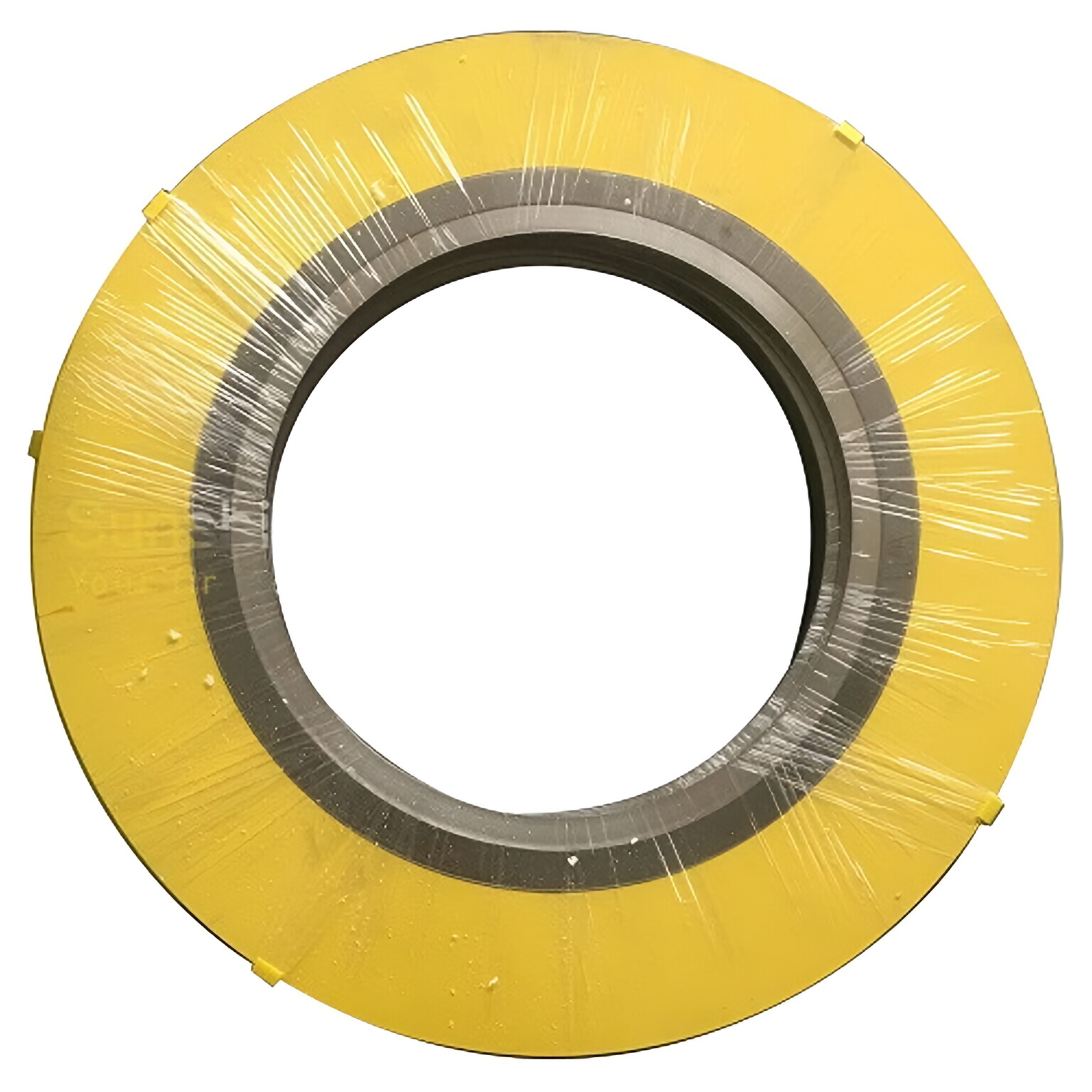
The marriage of duplex 2205 metal windings with non-metallic filler creates a semi-resilient seal that works beautifully under pressure and temperature fluctuations. The V-shaped metal winding acts like a spring, maintaining contact stress even when the flange relaxes, while the filler (PTFE for chemical resistance or graphite for high-temperature oxidation) provides the primary seal. This design excels in cyclic conditions where solid metal gaskets would leak. A power plant in Southeast Asia tackled a recurring leak in a seawater cooling system by replacing their jacketed gasket with our Duplex 2205 Spiral Wound Gasket with PTFE filler. The chloride-laden seawater no longer caused crevice corrosion at the inner ring, thanks to the 2205’s resistance.
Let’s put numbers to the question: are duplex 2205 spiral wound gaskets suitable for corrosive environments? The following table summarizes laboratory corrosion rates and field experiences from our application database at Ningbo Kaxite Sealing Materials Co., Ltd.
| Corrosive Medium | Concentration/Temperature | Duplex 2205 Corrosion Rate (mm/y) | 316L Corrosion Rate (mm/y) | Recommendation |
|---|---|---|---|---|
| Seawater (chlorides ~20,000 ppm) | 30°C, continuous exposure | <0.01 | 0.05 – 0.15 (pitting risk) | Excellent; no crevice corrosion |
| Sulfuric Acid | 10% at 40°C | <0.05 | 0.1 – 0.5 | Suitable with caution; use with graphite filler |
| Caustic Soda (NaOH) | 20% at boiling point | <0.02 | <0.01 (but risk of SCC for 316) | Good resistance; lower SCC susceptibility |
| Acetic Acid | 80% at 80°C | 0.01 – 0.03 | 0.05 – 0.1 | Preferred choice for long service life |
| Wet H2S (sour service) | NACE MR0175 limits | Acceptable within hardness <28 HRC | Acceptable but lower strength | Compliant when procured in solution-annealed condition |
These numbers don’t lie. Duplex 2205 consistently outperforms 316L in environments where chlorides, acids, or cracking agents are present. At Ningbo Kaxite, we pre-qualify each batch with PMI testing to guarantee the chemistry, so you receive exactly what you ordered.
Here’s where the practical choice becomes obvious. In a pulp and paper plant, the bleaching chemicals (chlorine dioxide, hypochlorite) wreak havoc on typical gaskets. Our customer switched their digester flange gaskets to duplex 2205 spiral wound with PTFE filler, and after 24 months of operation, inspection showed zero corrosion on the winding. In offshore oil & gas, wellhead equipment subject to produced water with high CO₂ and H₂S benefits from 2205’s stress corrosion cracking resistance—a critical safety factor. Even in food processing, where aggressive cleaning agents cycle daily, duplex 2205 ensures no metal contamination. These scenarios directly answer are duplex 2205 spiral wound gaskets suitable for corrosive environments? with a resounding yes.
Question: I’m trying to decide between 316L and duplex 2205 for a nitric acid storage tank. Which one holds up better?
Answer: For nitric acid, both materials have limitations depending on concentration and temperature. Generally, duplex 2205 offers better resistance in aerated acids due to its higher chromium and molybdenum content. However, in very high concentrations (>70% HNO3) at elevated temperatures, specialized alloys like 304L or titanium might be needed. For most medium-strength acid services, 2205 spiral wound gaskets from Ningbo Kaxite demonstrate longer service intervals and better resistance to intergranular attack, especially if the tank experiences temperature swings. Plus, the higher yield strength of 2205 prevents winding collapse during thermal cycling, a common failure mode with softer 316L windings.
Question: We have sour gas pipelines. Are duplex 2205 spiral wound gaskets suitable for wet H₂S according to NACE?
Answer: Absolutely, when procured under the proper material specifications. Duplex 2205 complies with NACE MR0175/ISO 15156 for sour service up to a maximum hardness of 28 HRC and within certain H₂S partial pressure limits. At Ningbo Kaxite Sealing Materials Co., Ltd., we ensure all our duplex 2205 spiral wound gaskets are solution-annealed and tested to meet NACE hardness requirements. We also provide certificate of compliance and positive material identification. This makes them a reliable choice for flange connections in sour amine units, natural gas processing, and pipeline valves. Many of our clients in the Middle East have standardized on our duplex 2205 gaskets specifically for sour applications after repeated successes.
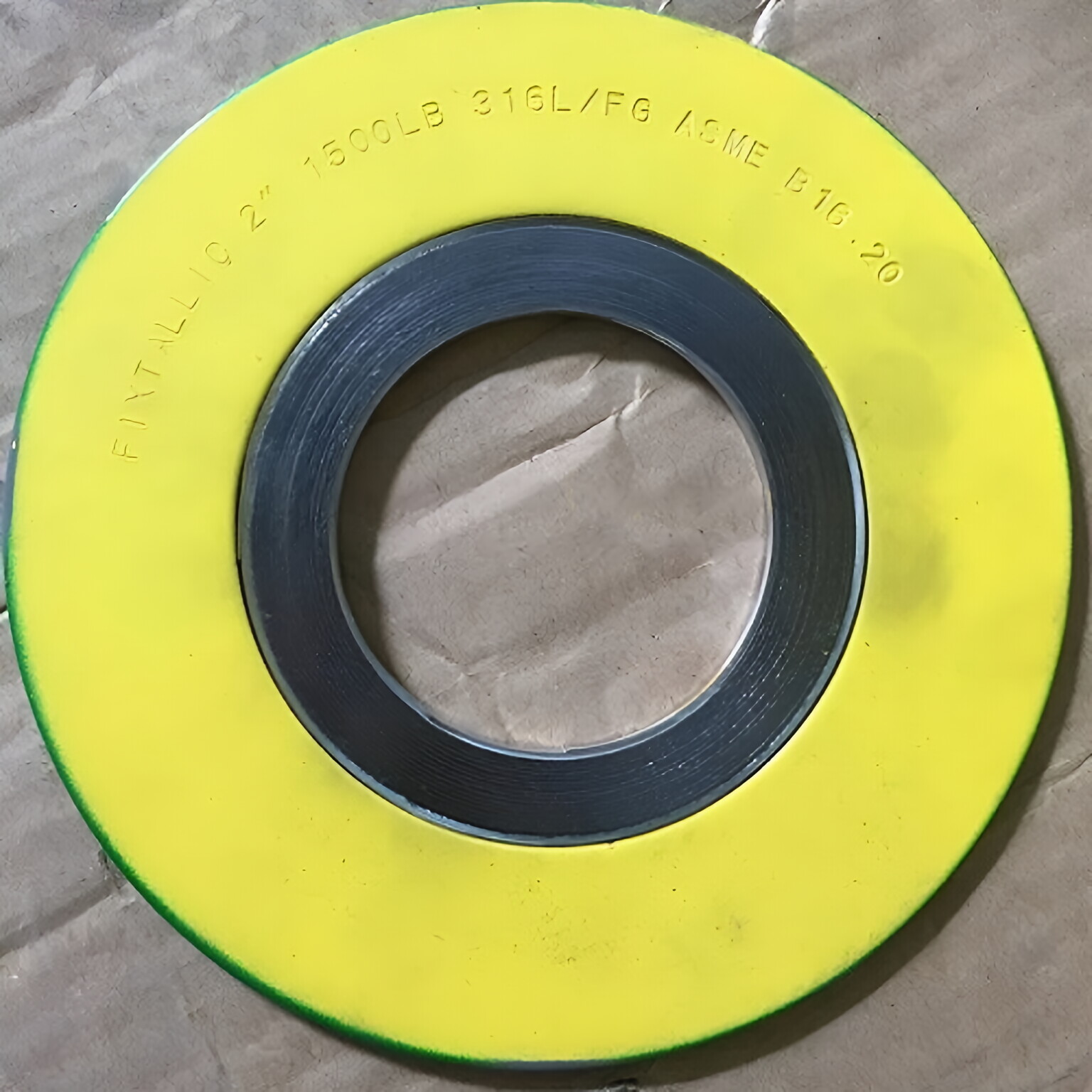
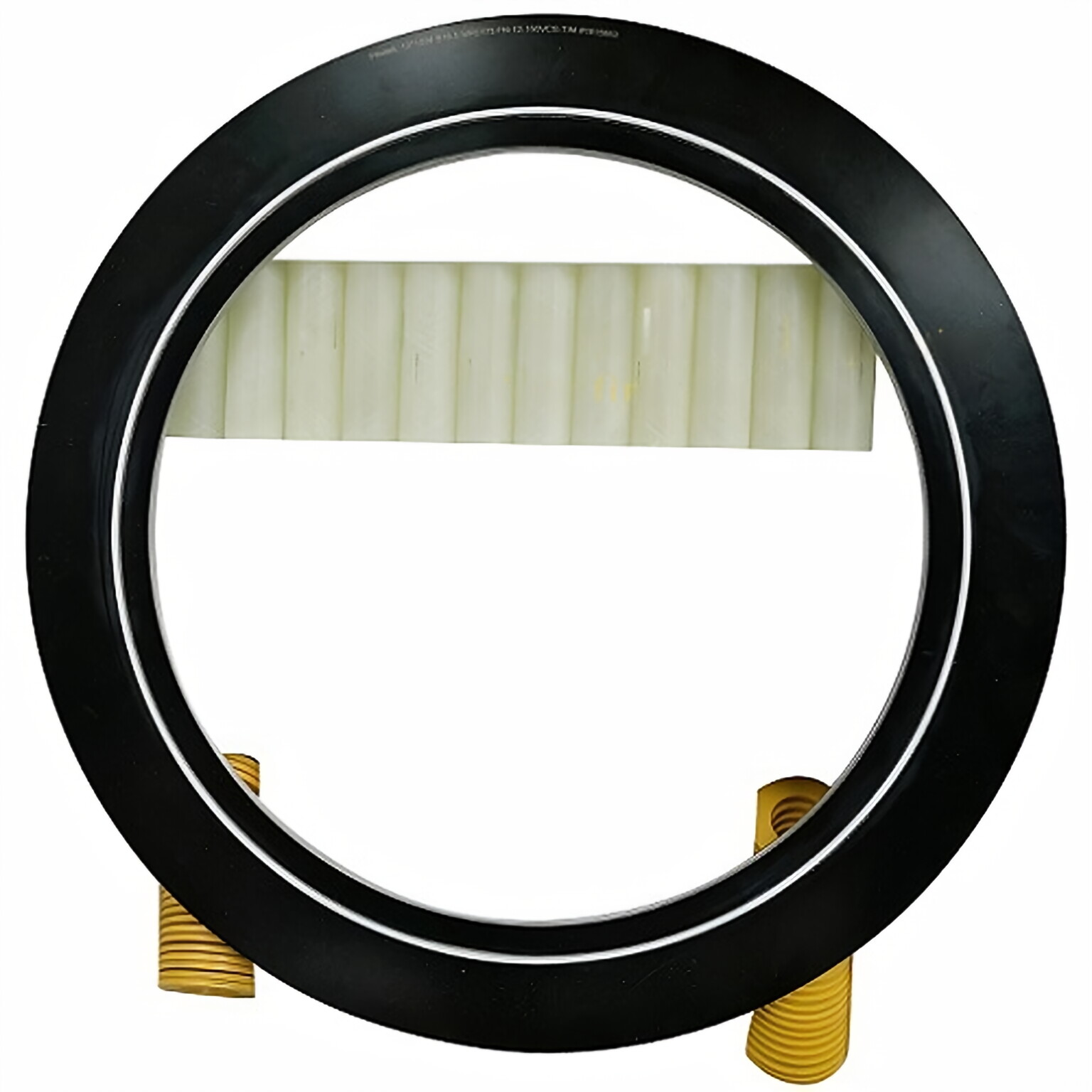
When specifying duplex 2205 spiral wound gaskets, always insist on full material traceability to EN 10204 3.1 or 3.2. Check for the PREN value and ensure the filler material—PTFE, graphite, mica—matches your process requirements. Avoid mixing windings from unknown sources; our integrated manufacturing at Ningbo Kaxite guarantees compatibility. Also consider the gasket style: with inner ring (for process containment) or outer ring (for centering). For highly corrosive services, the inner ring should also be 2205 to prevent galvanic coupling with the winding. We’ve seen specifications that overlook this detail and end up with ring corrosion, leading to premature failure.
Remember the core question: are duplex 2205 spiral wound gaskets suitable for corrosive environments? The answer becomes clearer when you partner with a manufacturer who understands both material science and your operational pain points. Ningbo Kaxite Sealing Materials Co., Ltd. doesn’t just ship gaskets—we provide a sealing solution that extends MTBR, lowers total cost of ownership, and keeps your plant safe. Reach out to us with your specific process data, and our engineers will recommend the optimal 2205 gasket configuration.
Your search for the right supplier ends here. Ningbo Kaxite Sealing Materials Co., Ltd. has been a trusted name in industrial sealing for years, specializing in spiral wound gaskets that perform in the toughest corrosive environments. Our state-of-the-art CNC winding machines, strict quality control per ASME standards, and in-house testing lab ensure every duplex 2205 gasket leaves our facility ready to outlast the competition. Need a custom dimension or a rush order? We maintain extensive stocks of UNS S32205 strip and can ship within days. We’ve helped clients across oil & gas, chemical processing, power generation, and marine industries solve chronic leakage problems with our expertly engineered gaskets. Connect with our team and see how we can transform your sealing reliability. Visit https://www.spiral-wound-gasket.com or drop a line directly to our technical specialist at [email protected]—we’re ready to discuss your next project.
Scientific References
M. Pohl, A. F. Padilha, 2007, "Corrosion behavior of duplex stainless steel UNS S31803/S32205 in chloride-containing media", Materials and Corrosion, Vol. 58, Issue 9, pp. 684–691.
J. Olsson, M. Snis, 2007, "Duplex stainless steels for chemical and petrochemical applications", Stainless Steel World, Vol. 19, pp. 20–25.
R. Francis, 2000, "The performance of duplex stainless steels in chemical plant", Corrosion Science, Vol. 42, pp. 1699–1722.
N. Sridhar, G. A. Cragnolino, 2002, "Stress corrosion cracking of duplex stainless steels in sour environments", Corrosion, Vol. 58, No. 12, pp. 1012–1022.
B. G. Pound, 2007, "The effect of filler material on the sealing performance of spiral wound gaskets", Journal of Pressure Vessel Technology, Vol. 129, pp. 345–352.
A. H. Tuthill, R. E. Avery, 1993, "Corrosion behavior of duplex stainless steels in organic and inorganic acids", Materials Performance, Vol. 32, No. 6, pp. 56–61.
M. Saito, Y. Katada, 2012, "Pitting corrosion resistance and critical pitting temperature of duplex stainless steel welds", Corrosion Science, Vol. 55, pp. 80–89.
J. R. Davis (Ed.), 1994, "Stainless Steels", ASM Specialty Handbook, ASM International.
P. Lacombe, B. Baroux, G. Beranger, 1993, "Stainless Steels", Les Éditions de Physique, Les Ulis, France, pp. 579–630.
NACE International, 2018, "Petroleum and natural gas industries – Materials for use in H2S-containing environments in oil and gas production (NACE MR0175/ISO 15156)", NACE International Standard.