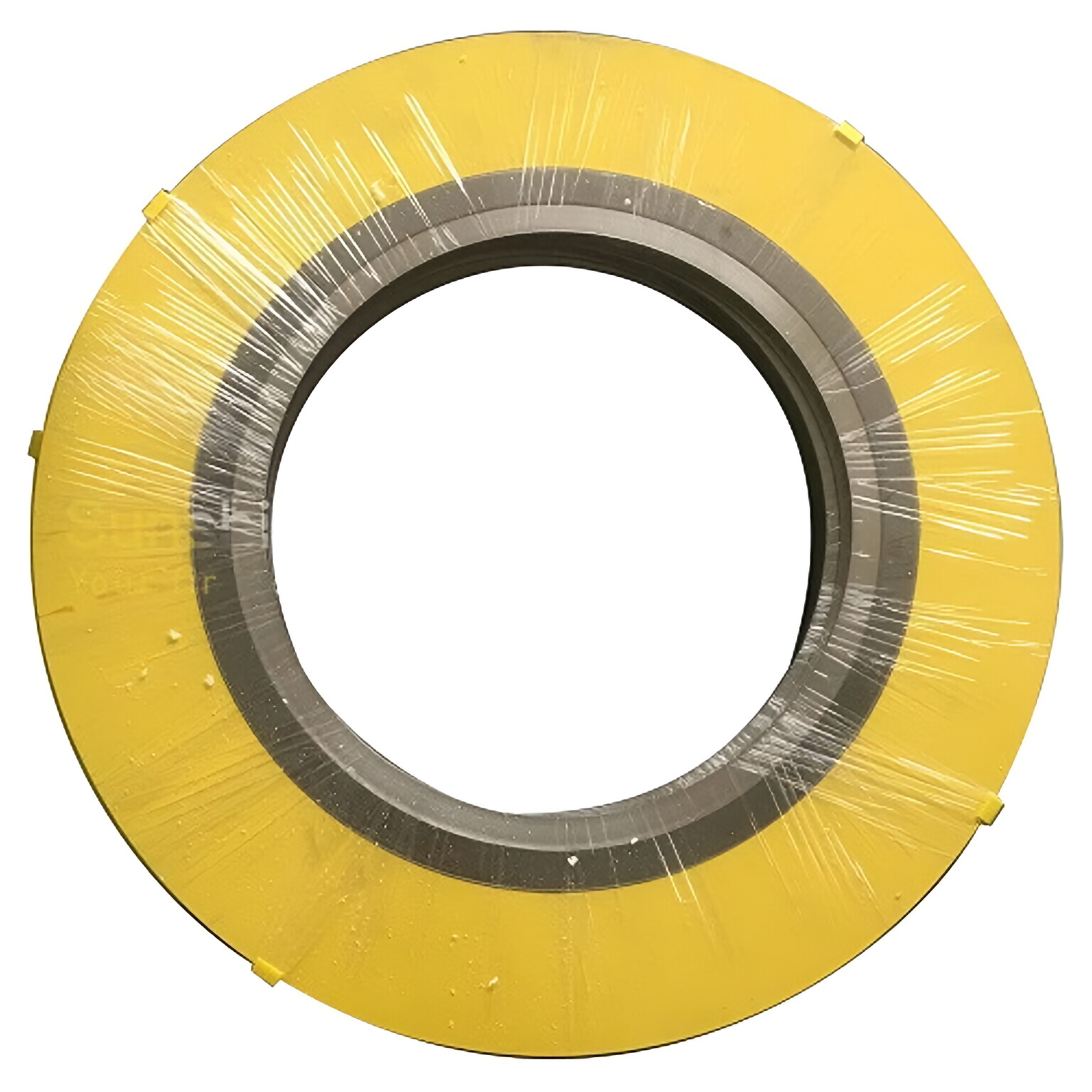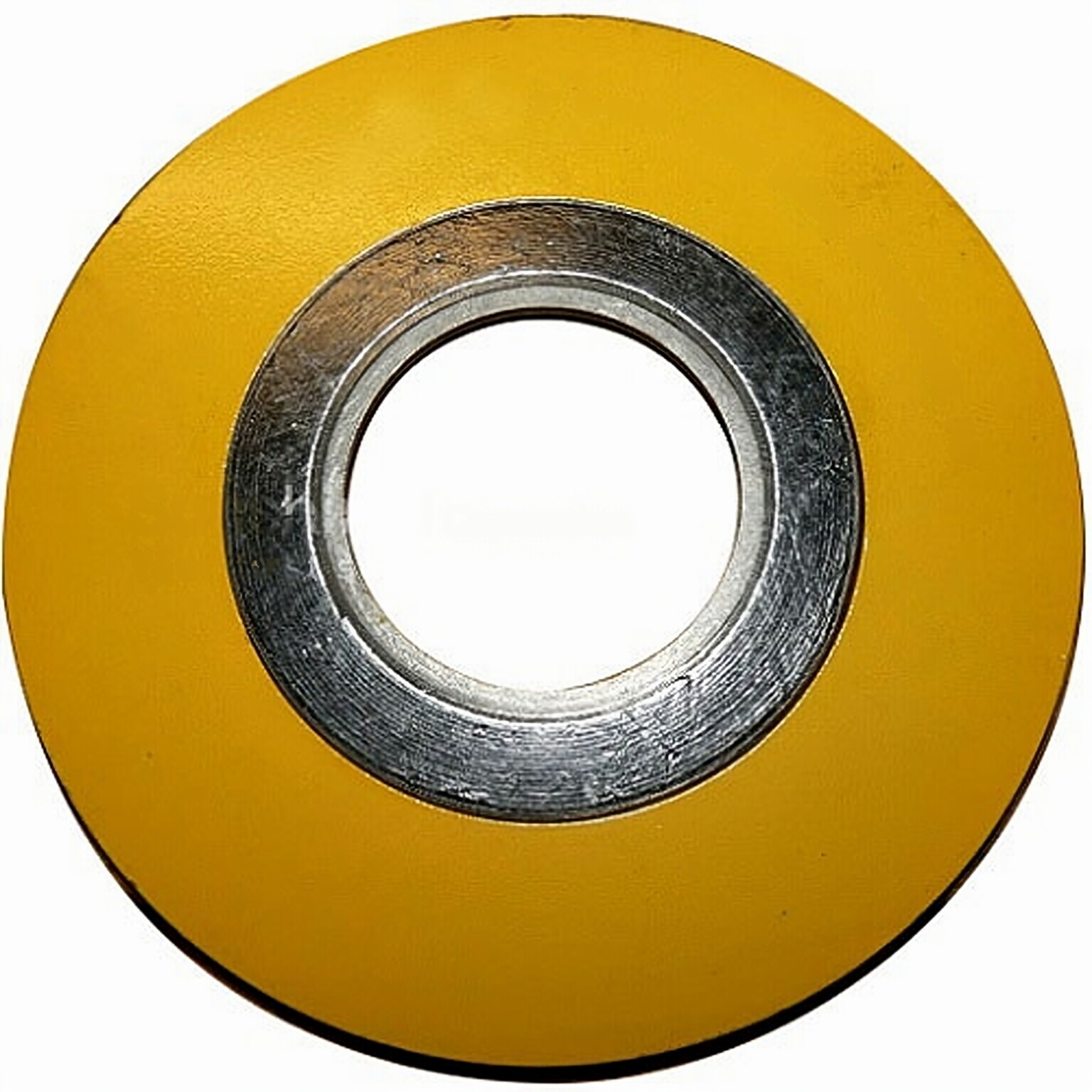
Ever faced a sudden, costly shutdown because a gasket failed under pressure? Or struggled with persistent leaks in a high-temperature flange connection? If you're a procurement professional sourcing sealing solutions, you know the critical difference a gasket makes. The question isn't just about picking a gasket; it's about choosing the right one for extreme service. So, how is a CGI Spiral Wound Gasket different from other gasket types? Unlike simple rubber sheets or basic cut gaskets, a CGI (Carbon Steel, Graphite filled) spiral wound gasket is engineered for resilience. It combines the mechanical strength of a metal windings with the sealing prowess of a soft graphite filler, creating a robust seal that adapts to flange imperfections, handles thermal cycling, and withstands high pressures and temperatures where others falter. This makes it a superior choice for demanding applications in petrochemical, power generation, and heavy industrial plants. Understanding this difference is key to preventing downtime and ensuring operational safety.
Scenario: The High-Cost Leak in a Steam Line
Imagine a critical steam line in your plant operating at 450°C and 150 bar. A standard non-asbestos sheet gasket was installed during the last maintenance. Initially, it seemed fine, but after several thermal cycles, a small leak develops. It's not just a loss of steam; it's a safety hazard, an energy waste, and it forces an unplanned, expensive shutdown for replacement. The problem? The gasket couldn't handle the combined stress of high temperature, pressure fluctuations, and flange movement. It compressed and lost its sealing ability. This is where the specific design of a CGI spiral wound gasket becomes the essential solution.
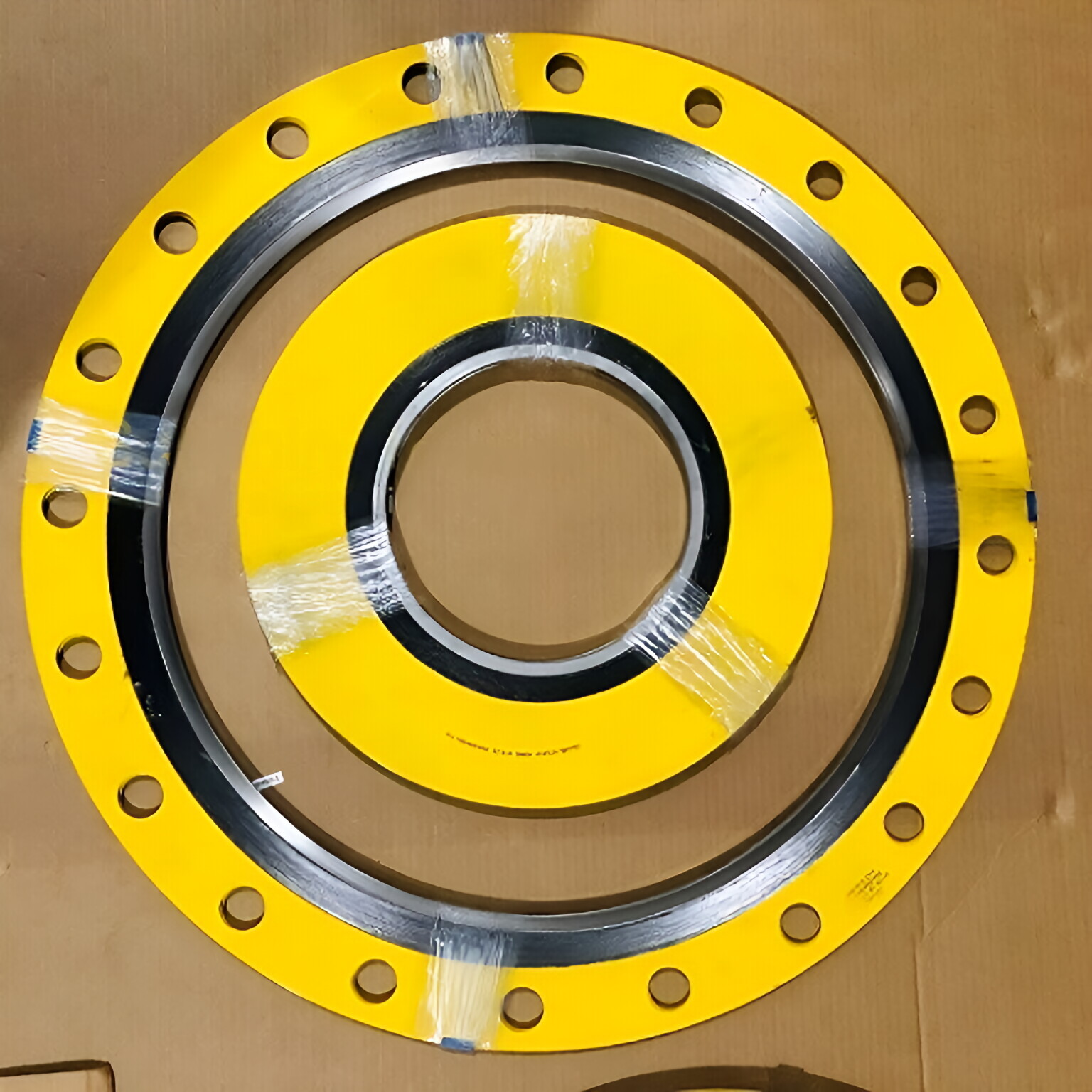
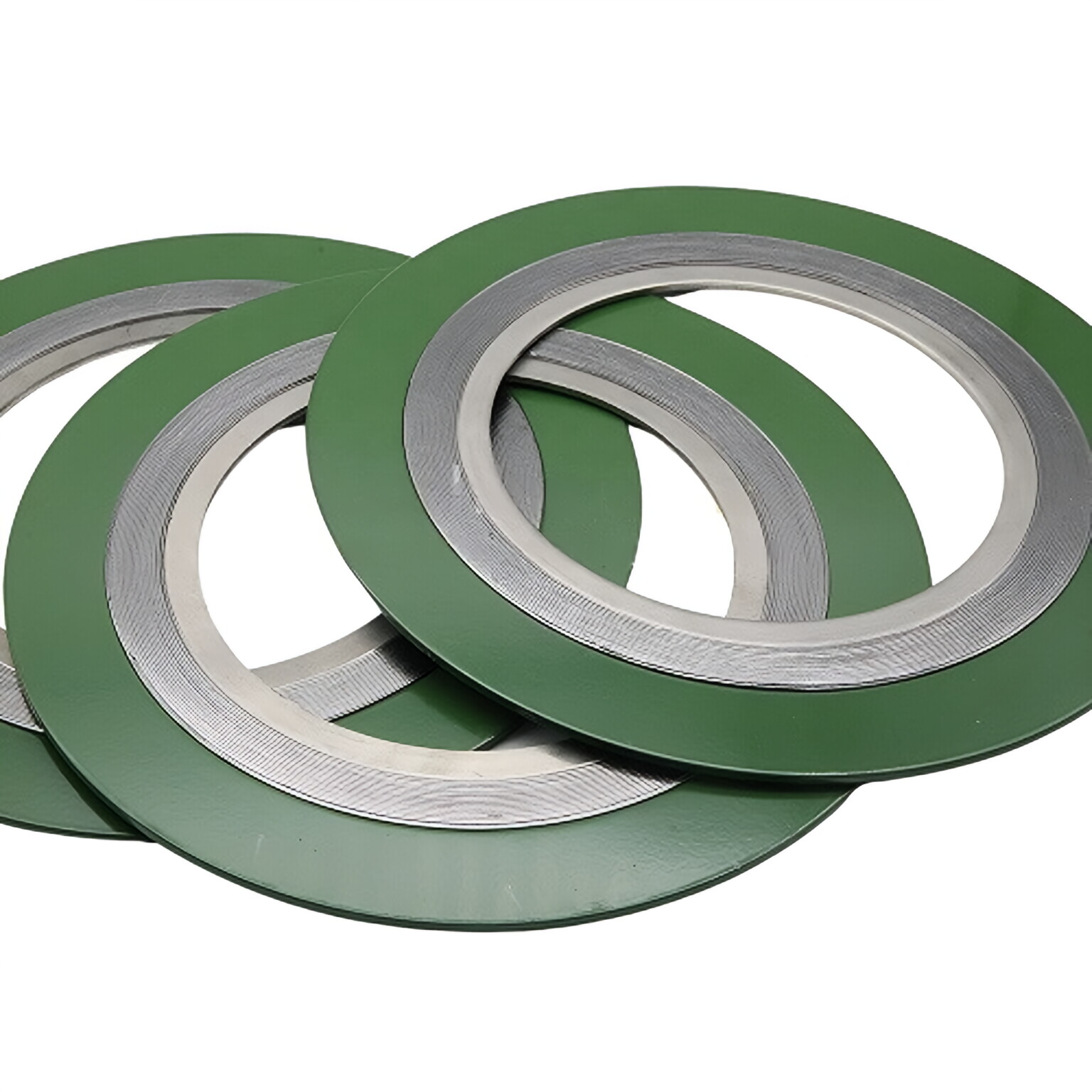
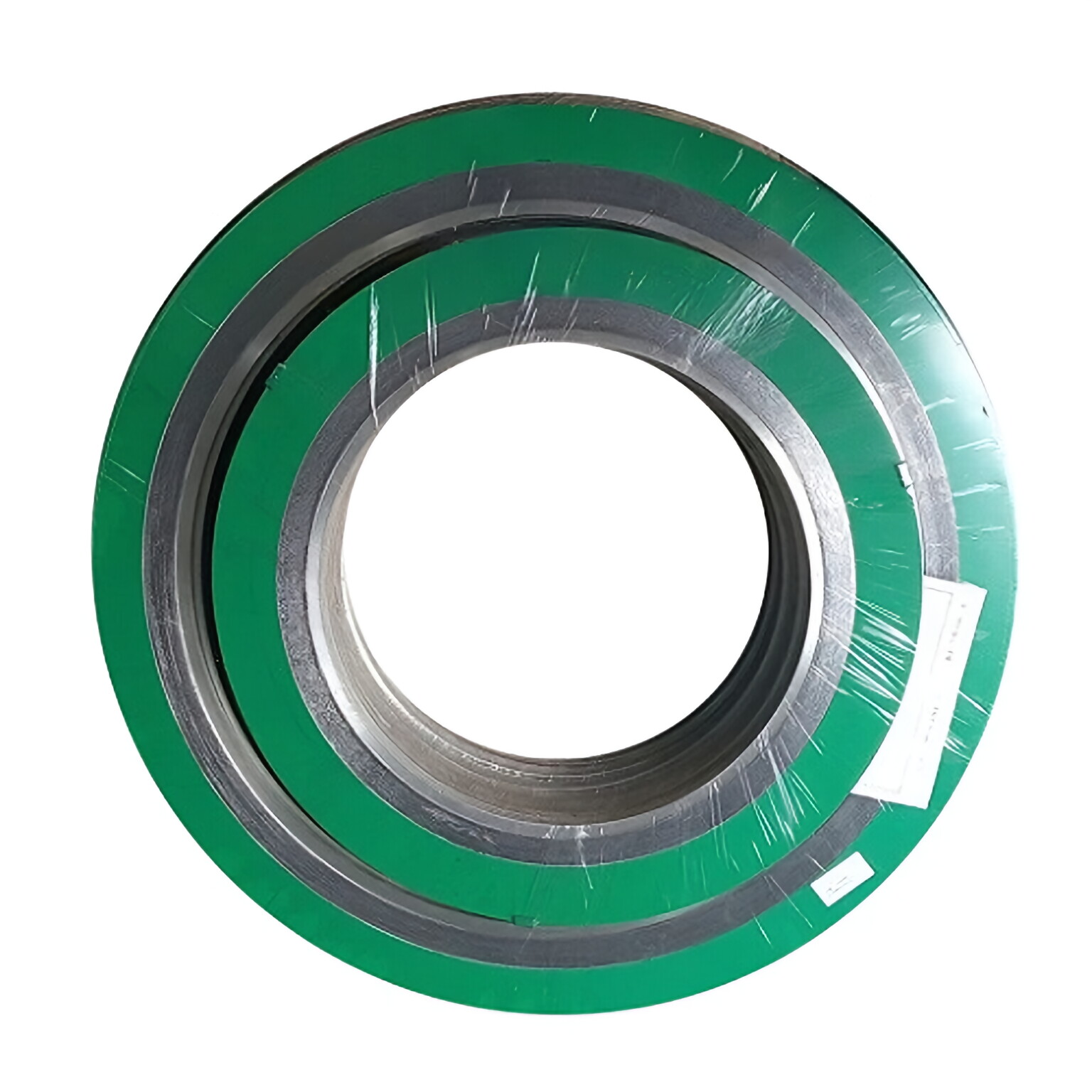
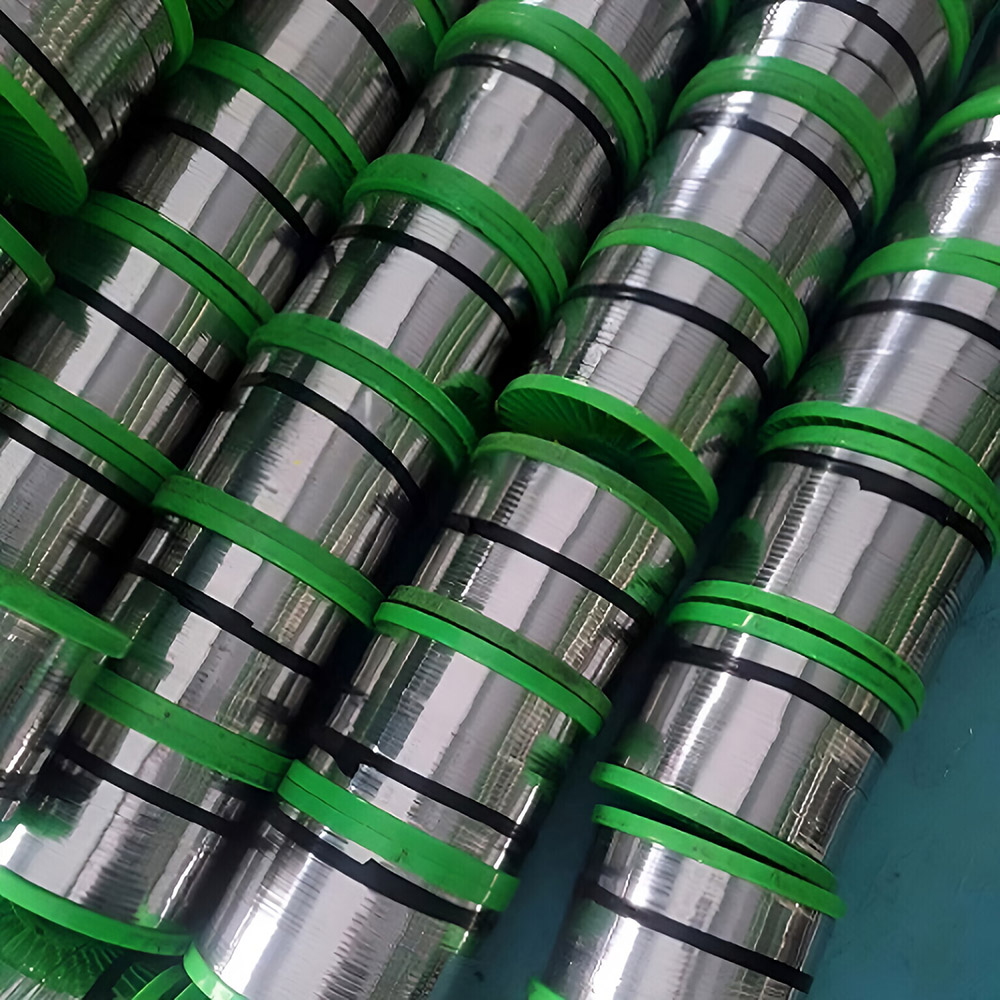
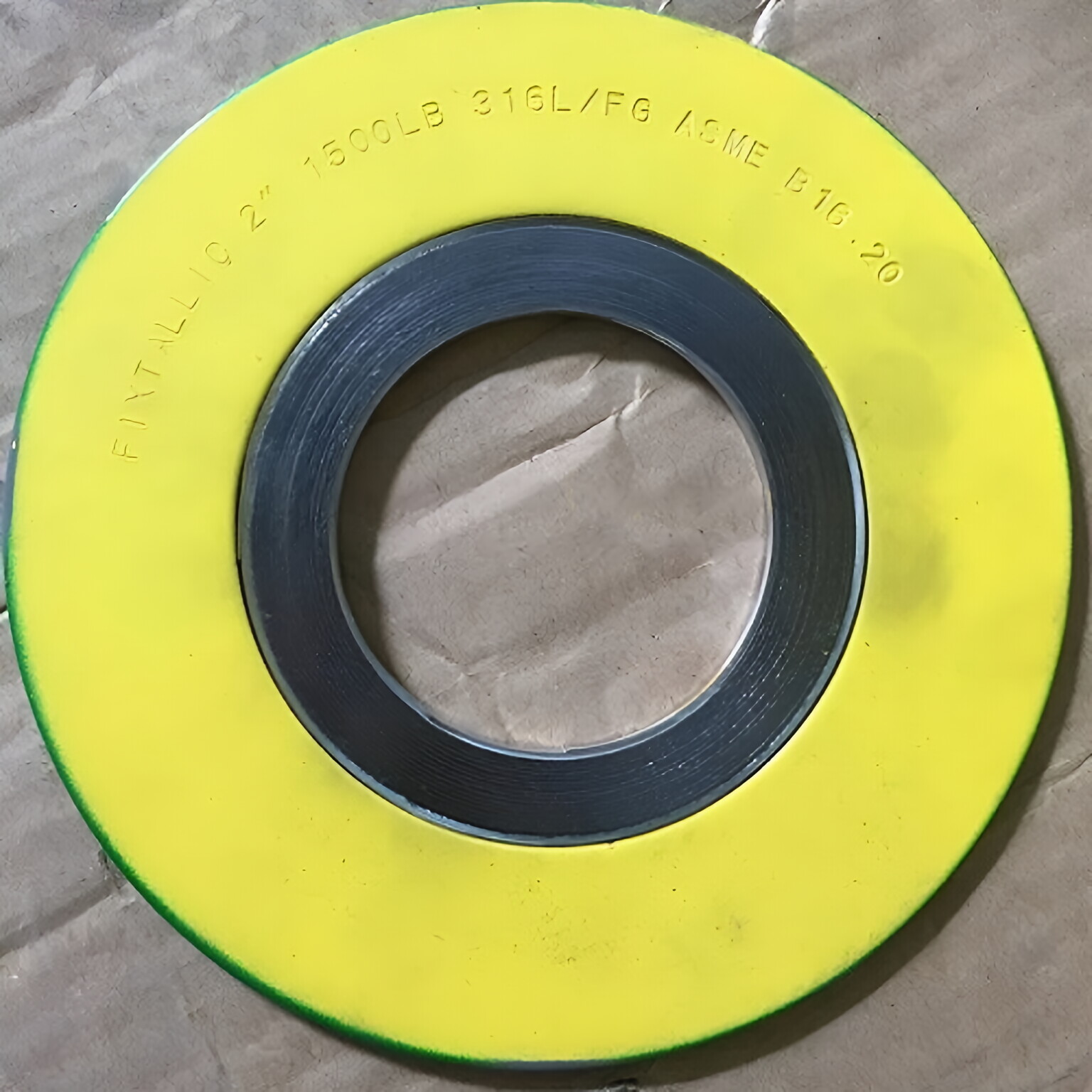
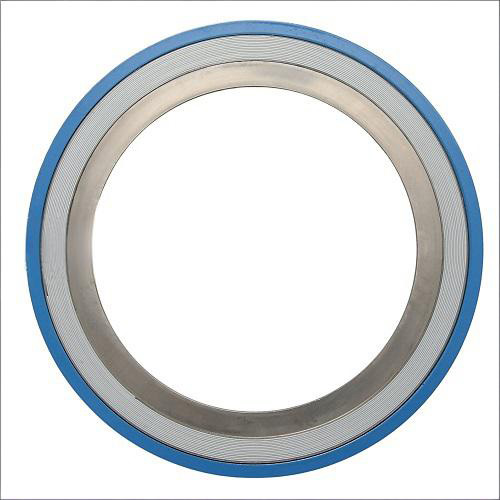
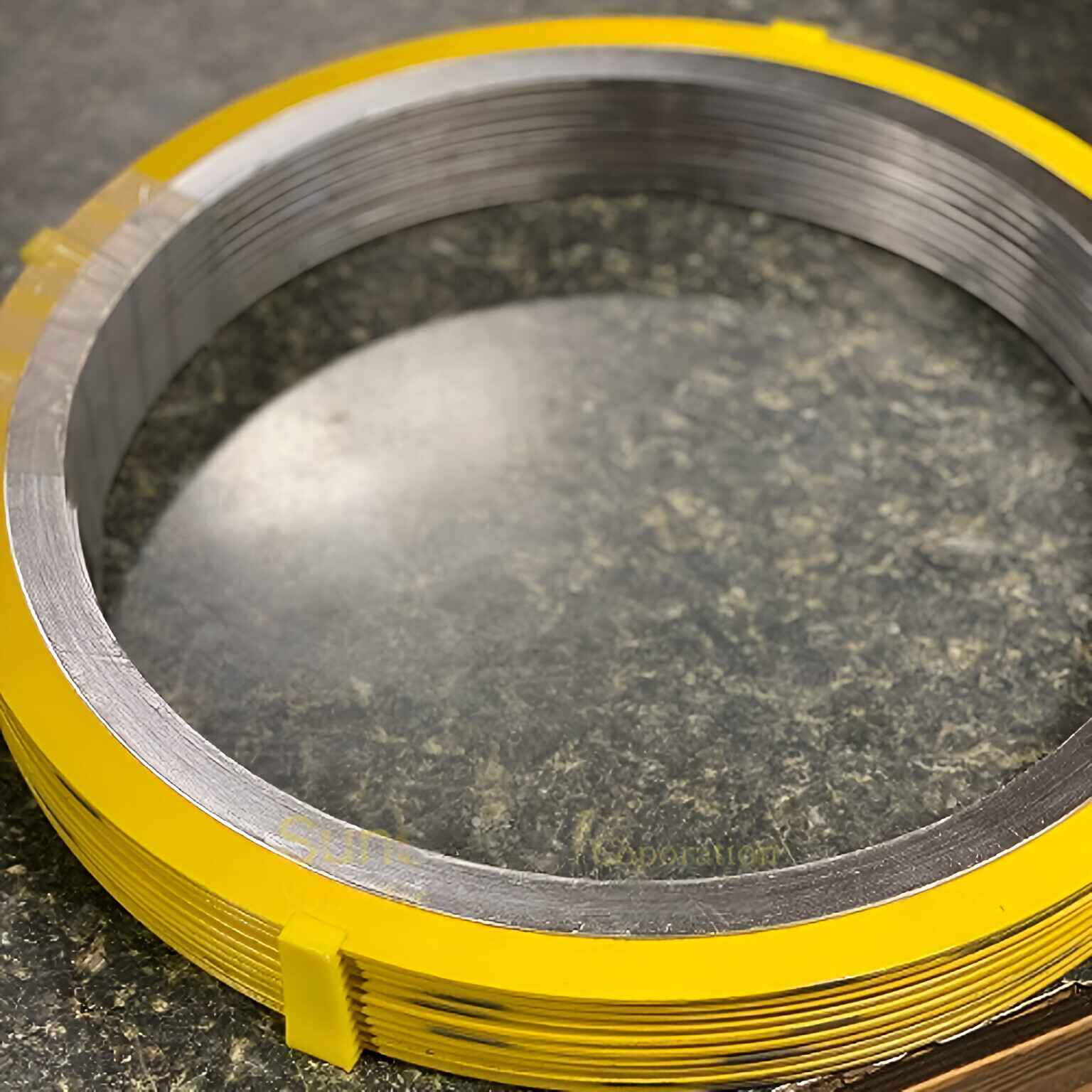
The solution lies in its unique spiral-wound construction. A pre-formed metal strip (typically carbon steel for CGI) and a soft filler material (flexible graphite) are wound together under tension. This creates a spring-like structure with inherent resilience. Under bolt load, the gasket compresses, with the graphite filler flowing to create an initial seal. When pressure, temperature, or flange faces change, the metal windings act like springs, maintaining a constant sealing force on the graphite, preventing the leak that plagues static gaskets.
| Parameter | Non-Asbestos Sheet Gasket | CGI Spiral Wound Gasket |
|---|---|---|
| Max Temperature | ~300°C | ~500°C (in oxidizing service) |
| Pressure Range | Low to Medium | High Pressure (ASME B16.20 Class 150 to 2500) |
| Sealing Principle | Static Compression | Dynamic Spring-Back |
| Flange Condition | Requires Perfect Flanges | Tolerates Minor Imperfections |
The CGI Spiral Wound Gasket Advantage: A Layered Solution
Procurement decisions must balance performance with total cost of ownership. Choosing a cheaper, inferior gasket often leads to higher long-term costs through leaks, downtime, and frequent replacements. A CGI spiral wound gasket, specifically from a trusted manufacturer, offers a layered advantage. The carbon steel winding provides robust structural integrity and excellent creep resistance, meaning it won't relax and lose bolt load over time. The flexible graphite filler offers superior chemical resistance to a wide range of media, from steam and hydrocarbons to many acids and alkalis, and maintains its seal from cryogenic temperatures up to 500°C in non-oxidizing atmospheres.
This combination directly answers the core question: How is a CGI spiral wound gasket different from other gasket types? It is fundamentally an active, resilient sealing component, not a passive one. Its performance is predictable and reliable, which is why it's the gasket of choice for ASME B16.20 and API 601 standards in critical service. For a procurement specialist, specifying a quality CGI gasket means specifying reliability, safety, and operational efficiency for the plant.
| Feature | Benefit for Procurement |
|---|---|
| Proven Reliability | Reduces risk of failure, minimizes emergency purchase orders and downtime costs. |
| Wide Service Range | Simplifies inventory; one gasket type can cover multiple applications. |
| Long Service Life | Lowers total cost of ownership by reducing replacement frequency. |
| Standard Compliance | Ensures compatibility and safety, meeting engineering specifications without issue. |
Side-by-Side Comparison: CGI Spiral Wound vs. Other Gasket Types
To make an informed decision, let's directly compare CGI spiral wound gaskets with other common types. Solid metal gaskets (like ring-type joints) offer high pressure resistance but require enormous bolt loads and perfectly machined grooves. Rubber O-rings are excellent for static seals but fail under high temperatures and pressures. Non-asbestos sheet gaskets are cost-effective for low-pressure water or air lines but lack the resilience for cyclic service. The CGI spiral wound gasket occupies the optimal middle ground, offering high performance without the extreme installation requirements of solid metal gaskets.
Consider a scenario in a refinery's heat exchanger. The service involves cycling between hot oil and cooling water, causing the flanges to expand and contract. A sheet gasket would cold-flow and leak. A solid metal gasket might not seal unless bolt torque is constantly monitored. A CGI spiral wound gasket, with its built-in springback, accommodates these movements automatically, maintaining a leak-free seal throughout the thermal cycles. This operational continuity is invaluable.
| Gasket Type | Best For | Limitations vs. CGI Spiral Wound |
|---|---|---|
| Non-Asbestos Sheet | Low pressure, low temp, static joints | Poor resilience, low temperature/pressure limits. |
| Rubber Elastomer | Water, air, mild chemicals at low pressure | Swells/degrades with hydrocarbons, low temp limit. |
| PTFE Sheet | Extreme chemical resistance | Can cold-flow (creep) under high stress, limiting pressure. |
| Solid Metal (RTJ) | Ultra-high pressure & temperature | Requires special flange grooves, very high bolt load. |
| CGI Spiral Wound | High P/T, thermal cycling, standard flanges | The balanced, versatile solution for most critical services. |
FAQ: How is a CGI spiral wound gasket different from other gasket types?
Q: Can I use a CGI spiral wound gasket on any standard flange?
A: Yes, absolutely. CGI spiral wound gaskets are manufactured to fit standard ASME B16.5, B16.47, and EN/DIN flanges. They are designed for use on raised face (RF) and male-female (M-F) flanges, typically with an inner and outer guiding ring (centering ring) for easy alignment. This universal fit is a key advantage over proprietary gasket designs.
Q: How does the "springback" in a CGI gasket actually prevent leaks?
A: The "springback" or resilience comes from the stored energy in the compressed metal windings. When internal pressure pushes up against the gasket or when thermal cycling causes flanges to separate slightly, these metal springs push back, maintaining continuous compressive force on the soft graphite filler. This dynamic adjustment ensures the graphite always fills micro-gaps in the flange surface, preventing leak paths from forming, which is a static gasket's primary failure mode.
Selecting the Right CGI Gasket: Specifications for Your Application
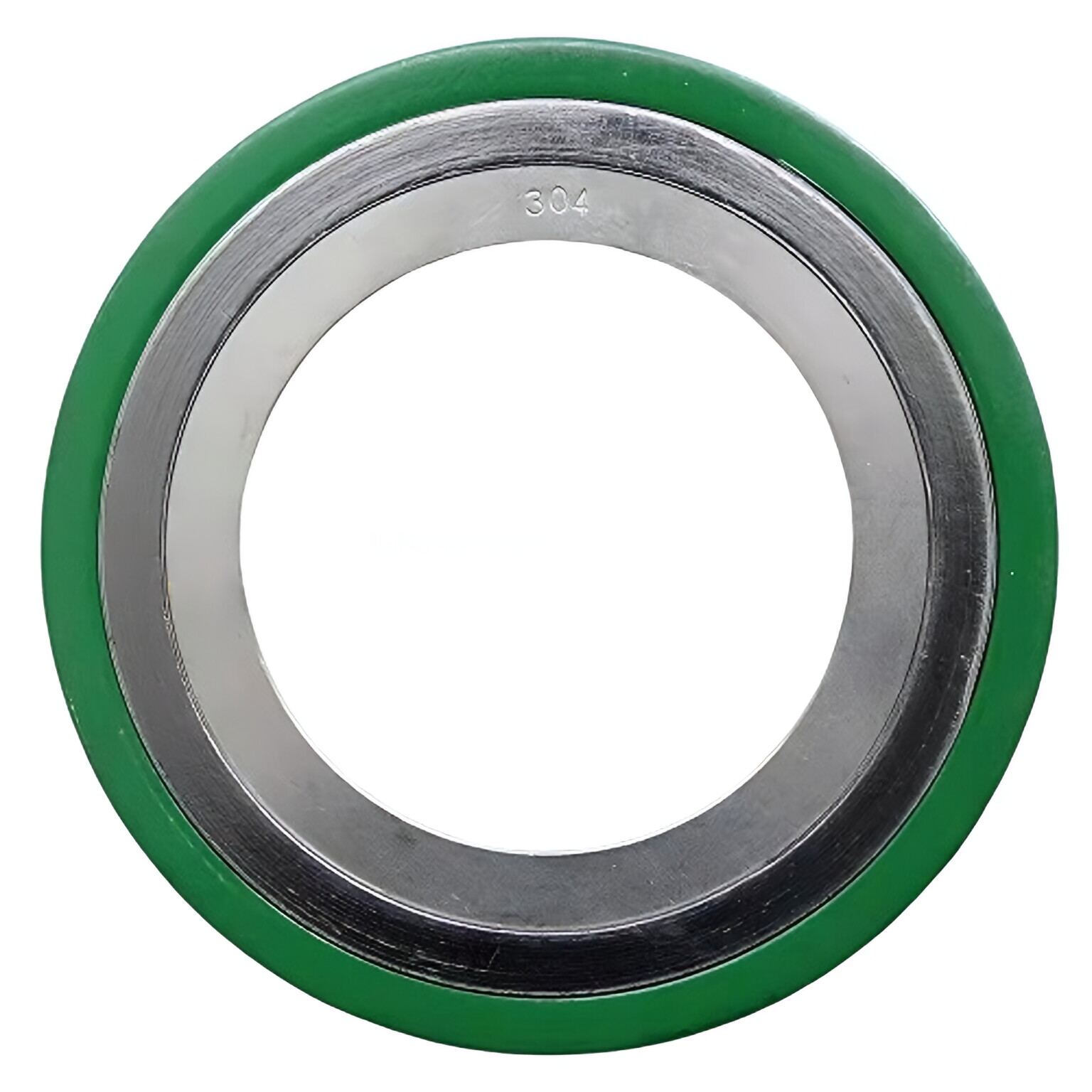
Specifying the correct CGI spiral wound gasket involves more than just the inner and outer diameter. Key parameters ensure optimal performance and safety. The gasket density (number of windings per inch) affects its compressibility and sealing force. The choice of inner and outer ring material (usually carbon steel) provides radial strength and prevents winding blow-out. Most critically, ensure the gasket is marked with the manufacturer's name, material (e.g., CS/FG for Carbon Steel/Flexible Graphite), size, and pressure class as per industry standards. This traceability is crucial for quality assurance.
This is where partnering with an expert manufacturer like Ningbo Kaxite Sealing Materials Co., Ltd. adds immense value. They don't just sell a product; they provide a sealing solution. Their technical team can help you navigate specifications, ensuring the gasket is perfectly suited to your specific media, pressure, temperature, and flange type. For instance, for highly oxidizing atmospheres, they might recommend a different filler or a stainless steel winding. This expert guidance helps procurement professionals avoid costly specification errors.
| Specification Element | What It Means | Example / Standard |
|---|---|---|
| Material Designation | Winding Metal / Filler Material | CGI = Carbon Steel / Flexible Graphite |
| Size & Pressure Class | Must match the flange rating | NPS 4", Class 150# RF | Density | Windings per inch; affects sealing load | Standard or High Density options |
| Identification Marking | Mandatory for traceability and quality | Per ASME B16.20 / API 601 |
Your Reliable Source: Ningbo Kaxite Sealing Materials Co., Ltd.
In the world of industrial sealing, reliability is non-negotiable. Choosing a supplier is as critical as choosing the gasket type. Ningbo Kaxite Sealing Materials Co., Ltd. stands out as a specialist manufacturer with a deep understanding of what makes a CGI spiral wound gasket different and better. They control the entire manufacturing process, from sourcing premium raw materials like high-purity flexible graphite to precision winding and quality testing. Every gasket is rigorously inspected for dimensional accuracy, material integrity, and performance under simulated conditions.
For global procurement teams, Kaxite offers more than just a catalog. They offer peace of mind. Their products consistently meet international standards like ASME, API, DIN, and JIS, ensuring global project compatibility. Their expertise helps you solve the real-world problems of leakage and downtime, translating into tangible savings and safer operations for your company. When you need a sealing solution that performs as specified, every time, the answer lies with a dedicated specialist.
We hope this guide has clarified the unique benefits of CGI spiral wound gaskets for your demanding applications. Do you have a specific sealing challenge or a set of flange conditions you're unsure about? Our technical experts are ready to help. Share your scenario in the comments below or reach out directly for a personalized recommendation.
For reliable, high-performance sealing solutions, consider Ningbo Kaxite Sealing Materials Co., Ltd., a professional manufacturer specializing in spiral wound gaskets, ring joint gaskets, and other industrial sealing products. With a commitment to quality and technical expertise, Kaxite provides robust solutions for critical applications worldwide. Visit our website at https://www.spiral-wound-gasket.com to explore our products or contact our team directly at [email protected] for technical support and quotations.
Supporting Research & Literature
Bouzid, A., & Derenne, M. (2003). The Effect of Gasket Creep Relaxation on the Leakage Tightness of Bolted Flanged Connections. Journal of Pressure Vessel Technology, 125(3), 285-291.
Brown, A. J., & Cranch, E. T. (2016). Performance Evaluation of Spiral Wound Gaskets Under Thermal Cycling Conditions. Sealing Technology, 2016(4), 7-12.
Choi, H. S., Son, D., & Lee, J. (2019). A Study on the Sealing Performance and Stress Analysis of Spiral Wound Gaskets for High-Pressure Applications. International Journal of Precision Engineering and Manufacturing, 20(5), 789-797.
Derenne, M., Marchand, L., & Payne, J. R. (1999). A Comparative Analysis of the Sealing Behavior of Different Gasket Types in Bolted Flange Connections. WRC Bulletin, 440.
Huo, Y., Li, H., & Wang, Y. (2012). Experimental Study on Leakage Rate of Spiral Wound Gasket Under Combined Internal Pressure and Thermal Loading. Advanced Materials Research, 538-541, 1073-1077.
Jaszak, P. (2018). The Influence of Filler Material on the Operational Parameters of Spiral Wound Gaskets. Proceedings of the Institution of Mechanical Engineers, Part E: Journal of Process Mechanical Engineering, 232(5), 584-593.
Koves, W. J. (2007). Gasket Selection: A Guide for the Perplexed. Chemical Engineering Progress, 103(10), 30-35.
Matsunaga, H., & Sawa, T. (2005). Leakage Mechanism and Sealing Performance of Spiral Wound Gaskets in Bolted Flange Connections Under Elevated Temperature. Journal of Solid Mechanics and Materials Engineering, 2(12), 1404-1415.
Payne, J. R., & Bazergui, A. (1991). Development of a New Test Procedure for Gasket Constants Used in the New ASME Bolted Flanged Joint Design Rules. WRC Bulletin, 369.
Zhang, X., & Wang, S. (2015). Finite Element Analysis and Optimization of Spiral Wound Gasket Structure for Nuclear Power Plants. Nuclear Engineering and Design, 293, 360-368.