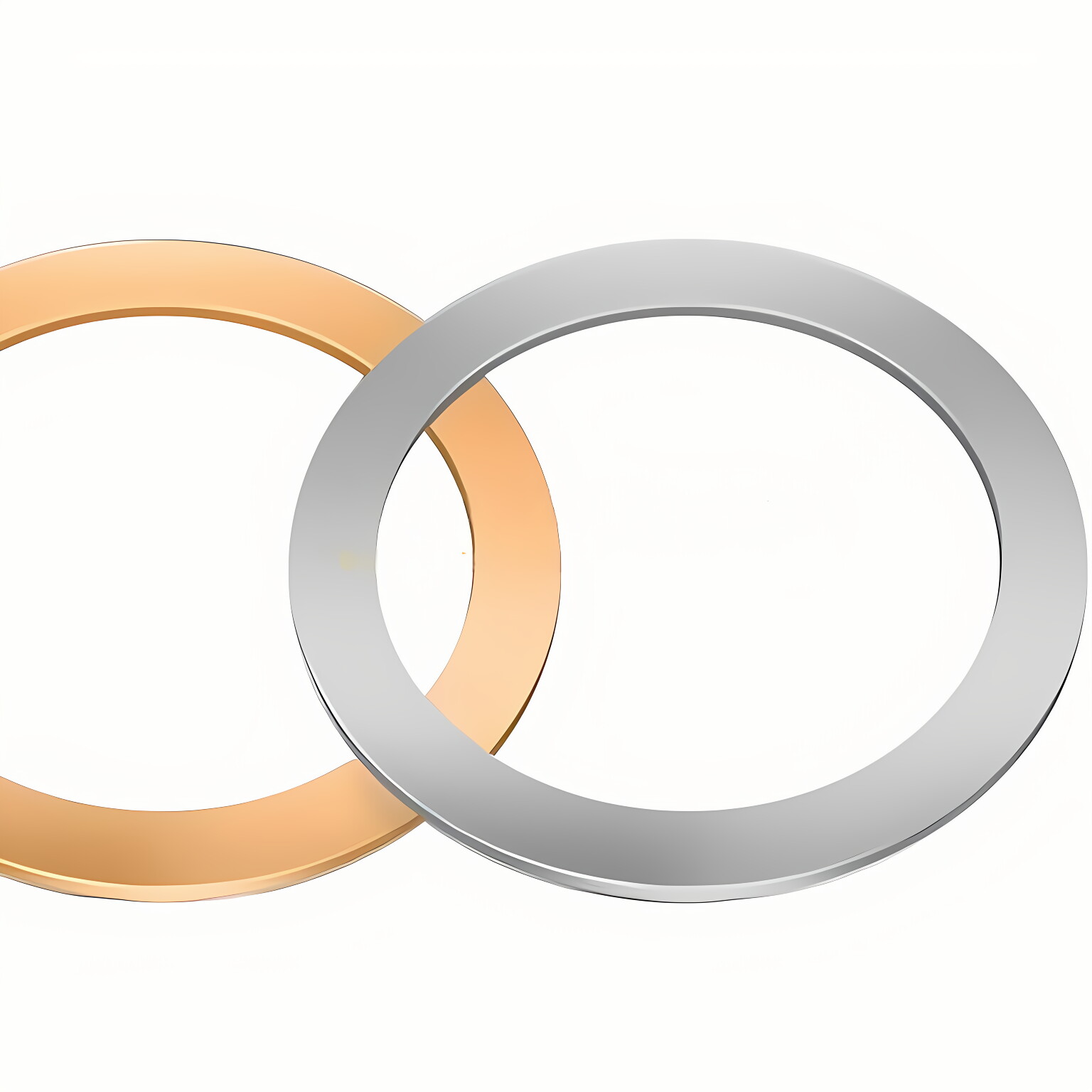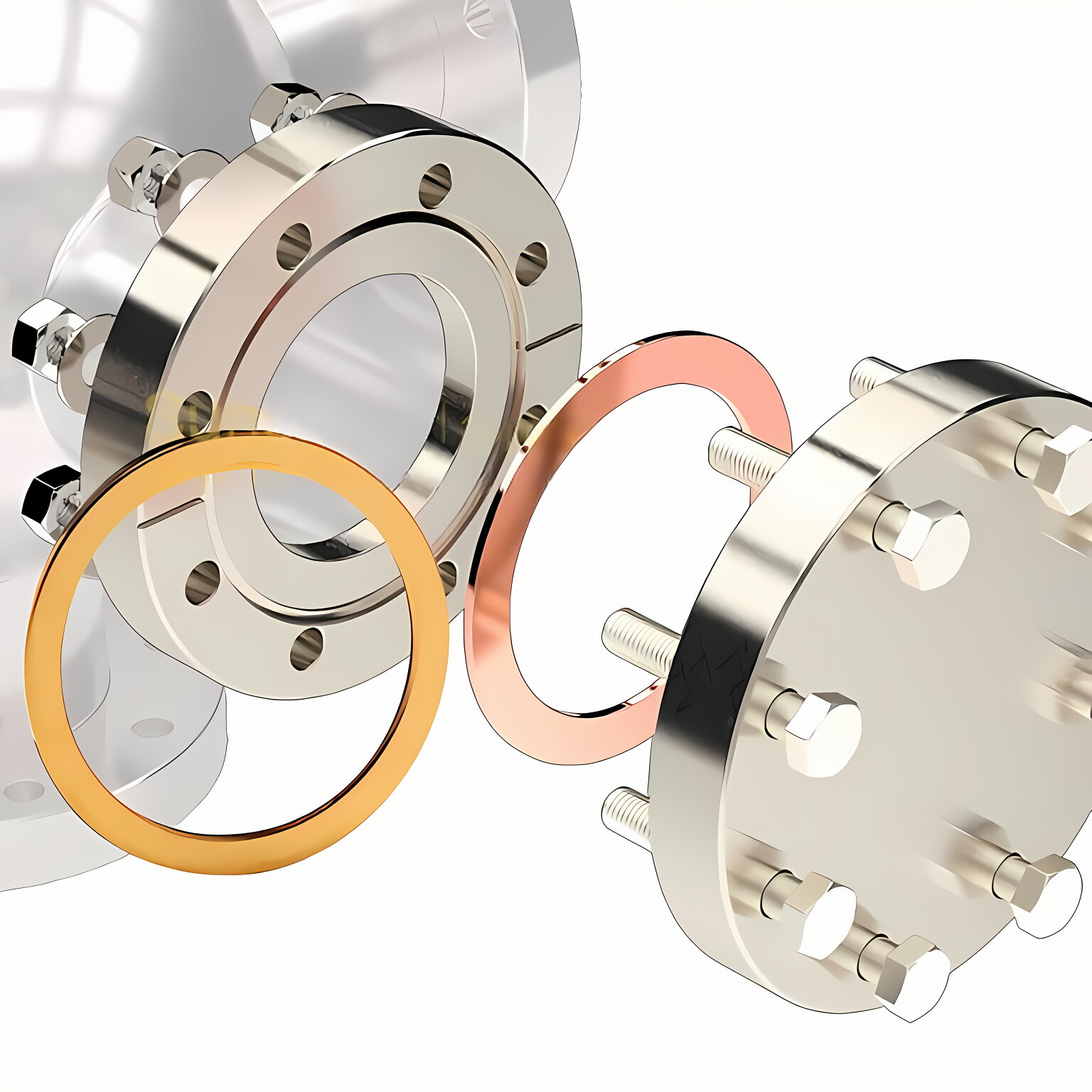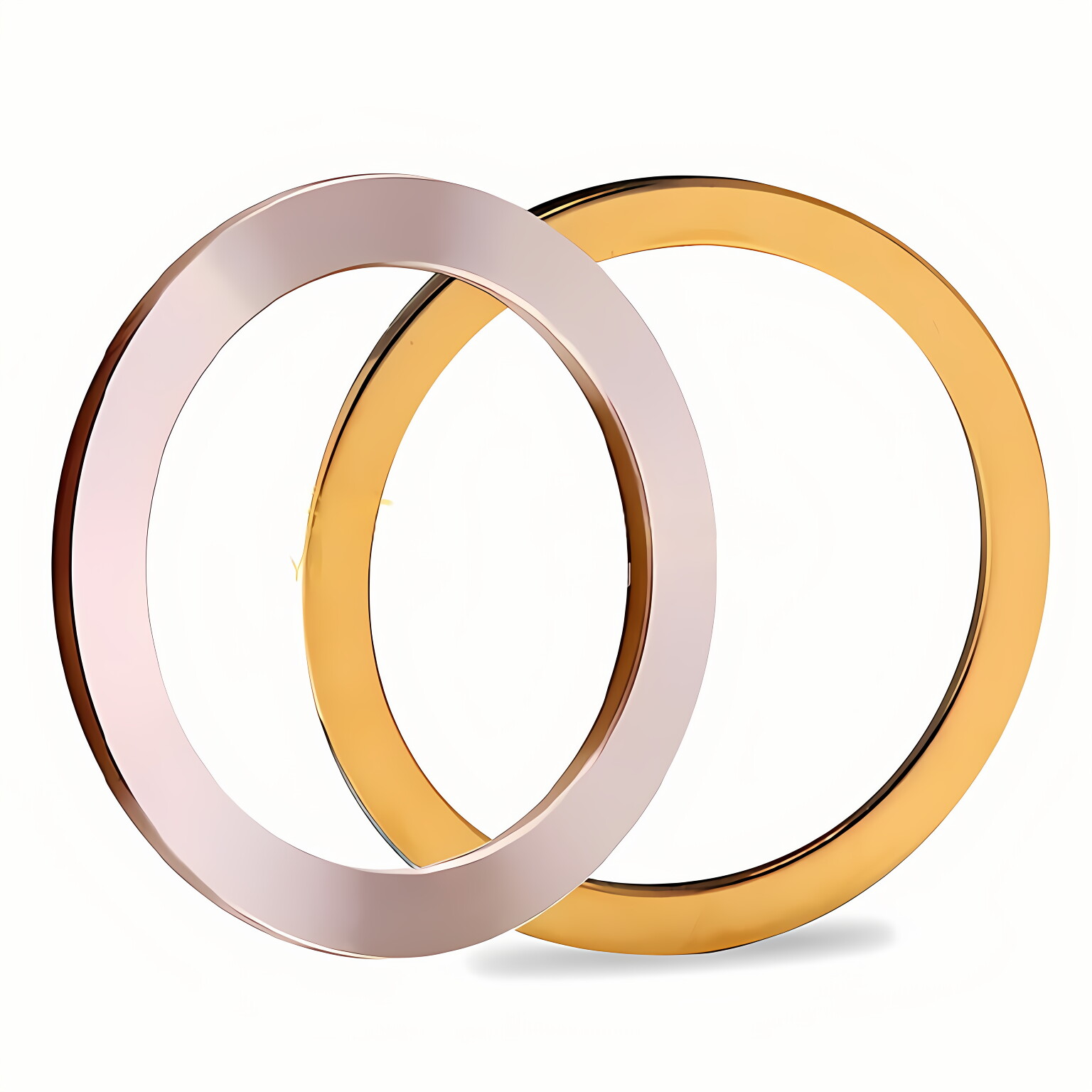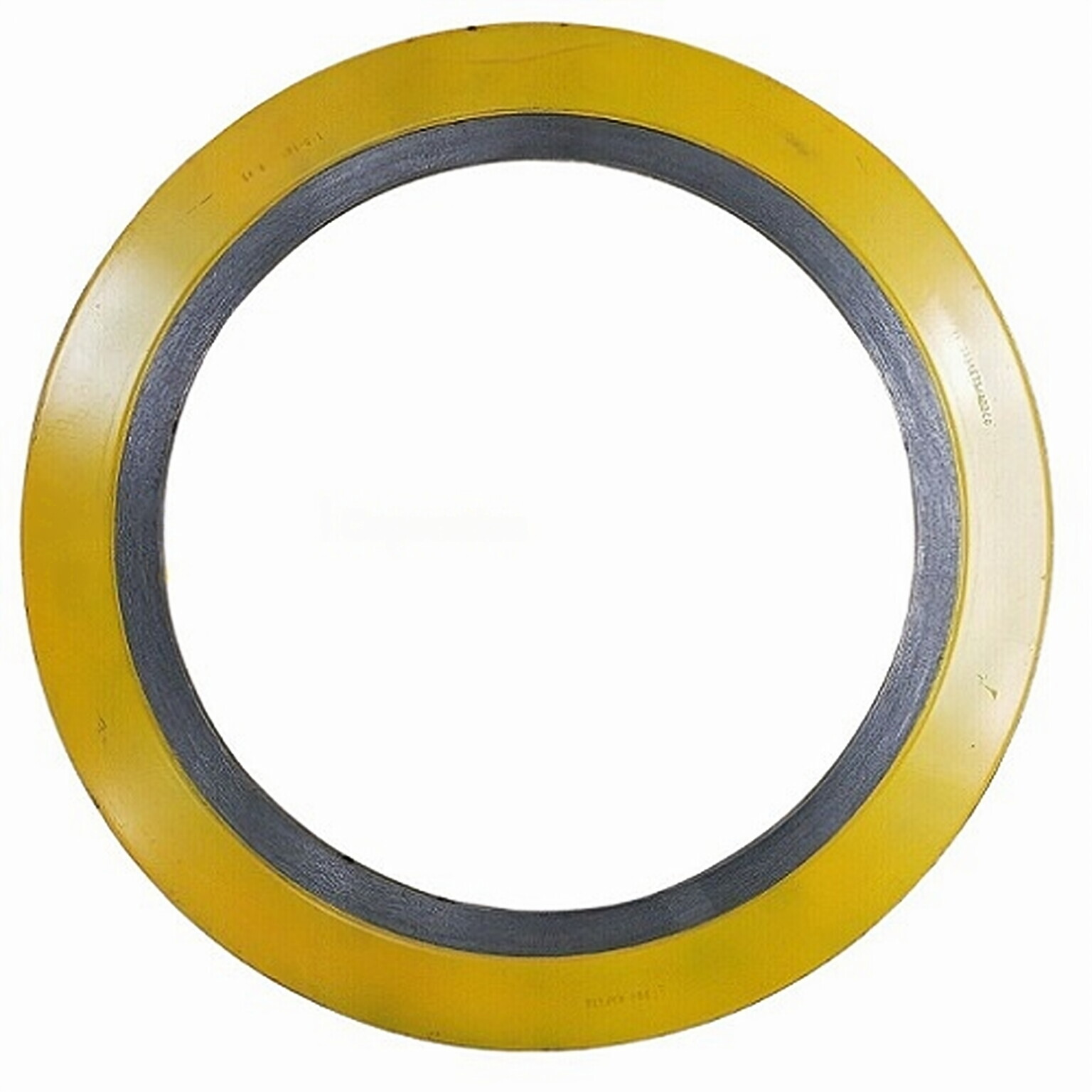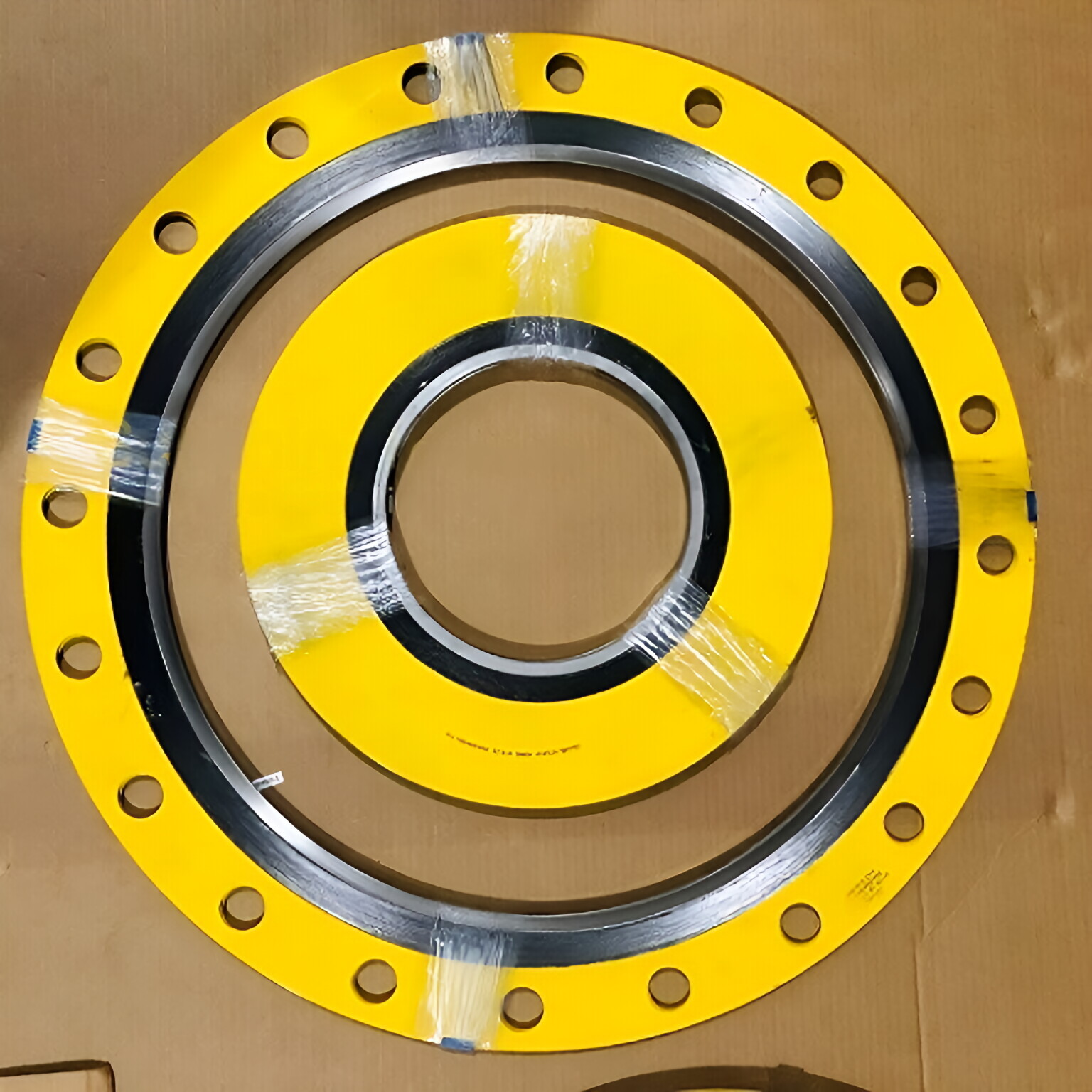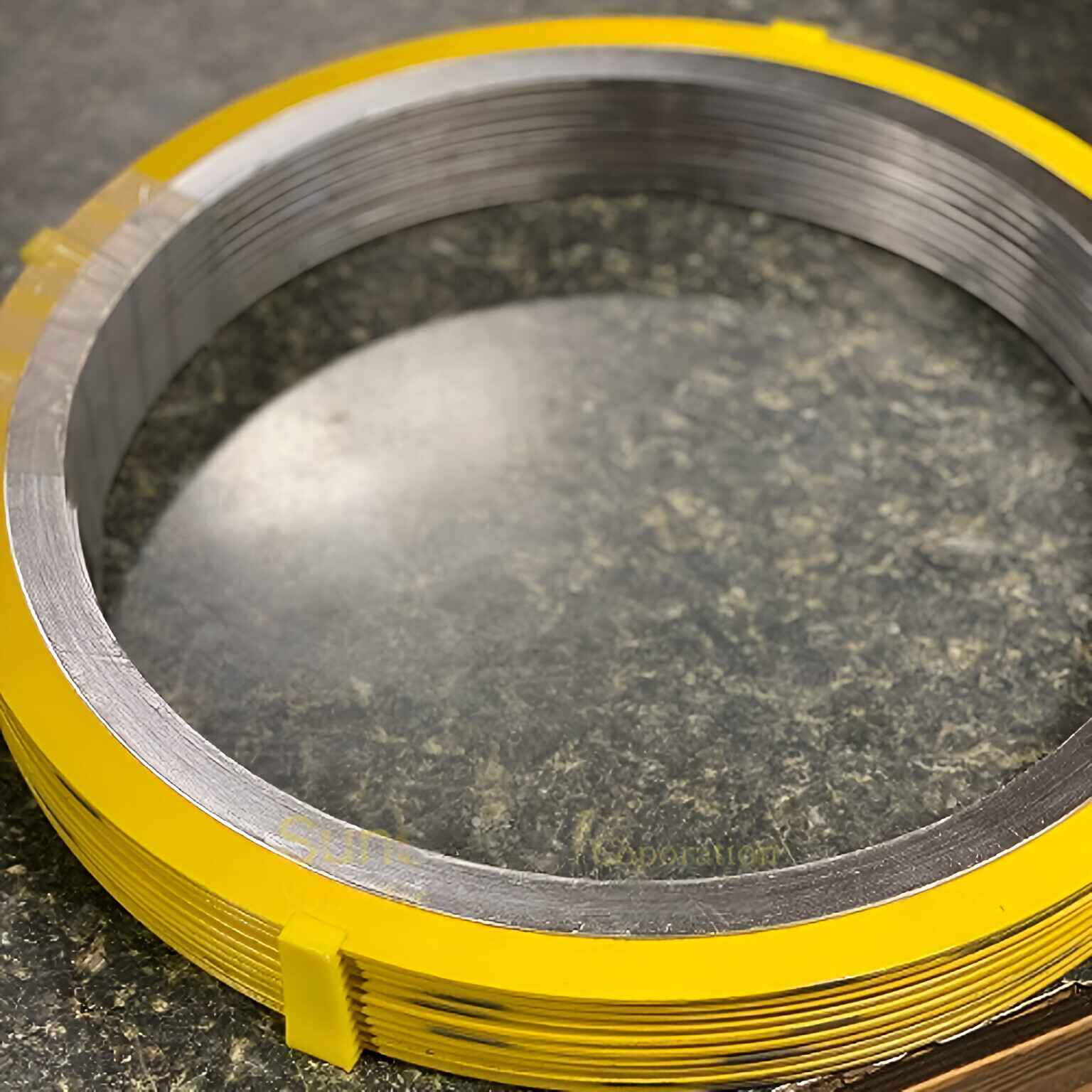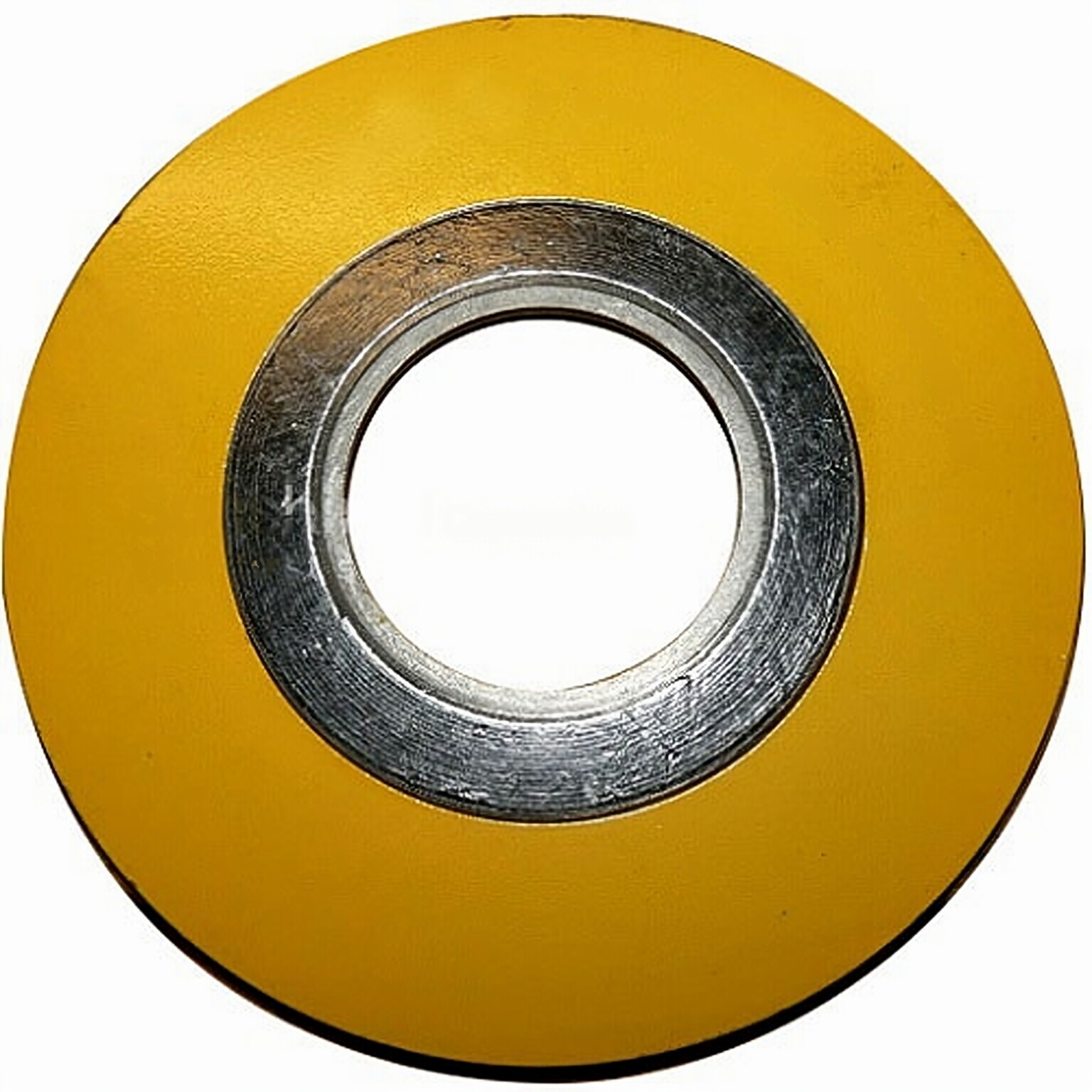
In the demanding world of ultra-high vacuum (UHV) and high-vacuum applications, the integrity of every single component is non-negotiable. The sealing interface, particularly on standardized Conflat (CF) flanges, is a primary focal point for ensuring system performance and longevity. At this critical junction, the OFHC Copper Gasket stands as the industry-standard sealing solution. Engineered for exceptional performance, these gaskets are more than just metal rings; they are precisely manufactured components designed to create a permanent, leak-tight, cold-weld seal between mating CF flanges under compression.
The term OFHC stands for Oxygen-Free High Conductivity copper. This specific grade of copper is produced through a carefully controlled manufacturing process that eliminates oxygen and other impurities to levels below 10 parts per million. The result is a material with superior ductility, excellent thermal and electrical conductivity, and outstanding resistance to hydrogen embrittlement—a critical failure mode in high-temperature vacuum environments. When a CF flange assembly is tightened, the knife-edges of the flanges plastically deform the soft OFHC copper, flowing into any microscopic surface imperfections and creating a hermetic seal that is robust and reliable.
For engineers, researchers, and technicians working in semiconductor fabrication, particle physics, space simulation, synchrotron radiation, and analytical instrumentation, specifying the correct OFHC copper gasket is a fundamental step in system design and maintenance. Compromising on gasket quality can lead to costly vacuum leaks, extended pump-down times, process contamination, and unscheduled downtime. This guide will delve into the specifications, selection criteria, and best practices surrounding OFHC copper gaskets for CF flanges, highlighting the precision and reliability offered by Kaxite Sealing solutions.
The performance of an OFHC copper gasket is dictated by a precise set of geometric and material specifications. Adherence to international standards, primarily those outlined by the American Vacuum Society (AVS) and various flange manufacturers, is paramount. Below are the key parameters that define a high-quality gasket.
OFHC copper gaskets are manufactured to match specific CF flange sizes, identified by their nominal outer diameter. The most common sizes are listed in the table below. Kaxite Sealing gaskets are precision-machined to ensure perfect conformity with the flange knife-edges.
| CF Flange Size (Nominal) | Gasket Outer Diameter (OD) mm | Gasket Inner Diameter (ID) mm | Cross-Section (Width x Thickness) mm | Typical Application Torque (Nm)* |
|---|---|---|---|---|
| CF 1.33" (DN 35) | 43.2 ±0.05 | 33.3 ±0.05 | 4.95 x 1.78 | 8 - 10 |
| CF 2.75" (DN 70) | 78.7 ±0.05 | 66.7 ±0.05 | 6.00 x 2.36 | 25 - 30 |
| CF 4.5" (DN 114) | 121.0 ±0.08 | 107.2 ±0.08 | 6.90 x 2.74 | 45 - 55 |
| CF 6" (DN 152) | 154.0 ±0.08 | 139.0 ±0.08 | 7.50 x 3.18 | 70 - 85 |
| CF 8" (DN 203) | 205.0 ±0.10 | 188.0 ±0.10 | 8.50 x 3.56 | 110 - 135 |
| CF 10" (DN 254) | 256.0 ±0.10 | 237.5 ±0.10 | 9.25 x 3.96 | 150 - 185 |
*Torque values are indicative and depend on bolt grade, lubrication, and specific flange manufacturer's guidelines. Always refer to the assembly manual.
Selecting an OFHC copper gasket involves more than just matching the flange size. Consider these factors to ensure optimal performance.
Correct installation is vital to achieving a reliable seal. Follow these steps meticulously:
Q: Can I reuse an OFHC copper gasket after breaking a vacuum seal?
A: No, it is strongly discouraged and considered poor practice. An OFHC copper gasket functions by plastically deforming to match the unique imperfections of the flange knife-edges during the initial compression. Once removed, the gasket's geometry and material properties are permanently altered. Reusing it will not re-establish the same intimate metal-to-metal cold weld, significantly increasing the risk of a vacuum leak. For system integrity and reliability, always use a new, certified gasket from a trusted supplier like Kaxite Sealing for each assembly.
Q: What is the difference between OFHC copper and standard copper gaskets for CF flanges?
A: The difference lies in material purity and consistency. Standard copper (e.g., C11000) contains a higher level of oxygen and other impurities. OFHC copper (C10100/C10200) has an oxygen content below 10 ppm. This high purity is critical for two main reasons: First, it eliminates the risk of hydrogen embrittlement, where hydrogen diffuses into the copper at high temperatures and reacts with oxygen to form steam, causing blisters and leaks. Second, OFHC copper offers superior ductility and consistent softness, ensuring predictable and uniform deformation during flange tightening for a perfect seal every time.
Q: My application involves repeated bake-out cycles up to 300°C. Is a standard OFHC copper gasket sufficient?
A: Yes, a standard OFHC copper gasket from Kaxite Sealing is perfectly suitable for bake-out temperatures up to 450°C. Its high purity ensures stability and resistance to outgassing and hydrogen embrittlement under these conditions. For even more demanding cycles or higher temperatures, or if you seek to minimize the initial outgassing rate, you might consider our silver-plated OFHC copper gaskets. The silver plating can act as a diffusion barrier and provide a slightly more malleable surface for sealing.
Q: How should I store OFHC copper gaskets to prevent degradation before use?
A: Proper storage is essential to maintain gasket quality. Keep gaskets in their original, sealed protective packaging from Kaxite Sealing until the moment of use. Store them in a clean, dry, and temperature-controlled environment. Avoid exposure to corrosive atmospheres, high humidity, and direct handling with bare hands, as skin oils can cause localized corrosion or contamination. The packaging is specifically designed to prevent tarnishing and physical damage.
Q: How do I know if a vacuum leak is coming from the OFHC copper gasket seal?
A: Diagnosing a leak requires a systematic approach. Common signs include an inability to reach the base pressure, a slow rise in pressure after pump isolation, or contamination of the process. To check the gasket seal, a helium leak detector is the standard tool. While the system is under vacuum, spray helium around the flange interface. A spike in the leak detector signal indicates a leak path. Before concluding it's the gasket, ensure the flange knife-edges are not damaged, the bolts are properly torqued, and the correct gasket size was used. Often, leaks are due to improper installation or a damaged gasket rather than a material defect from a quality supplier.
Q: Does Kaxite Sealing offer custom-sized or non-standard OFHC copper gaskets?
A: Yes, at Kaxite Sealing, we specialize in both standard and custom sealing solutions. While we stock a comprehensive range of standard CF flange gaskets, our engineering team can manufacture OFHC copper gaskets to precise custom dimensions, special cross-sections, or unique geometries for specialized applications. We work with high-purity OFHC copper stock and employ precision machining to meet exacting customer specifications and tight tolerances.