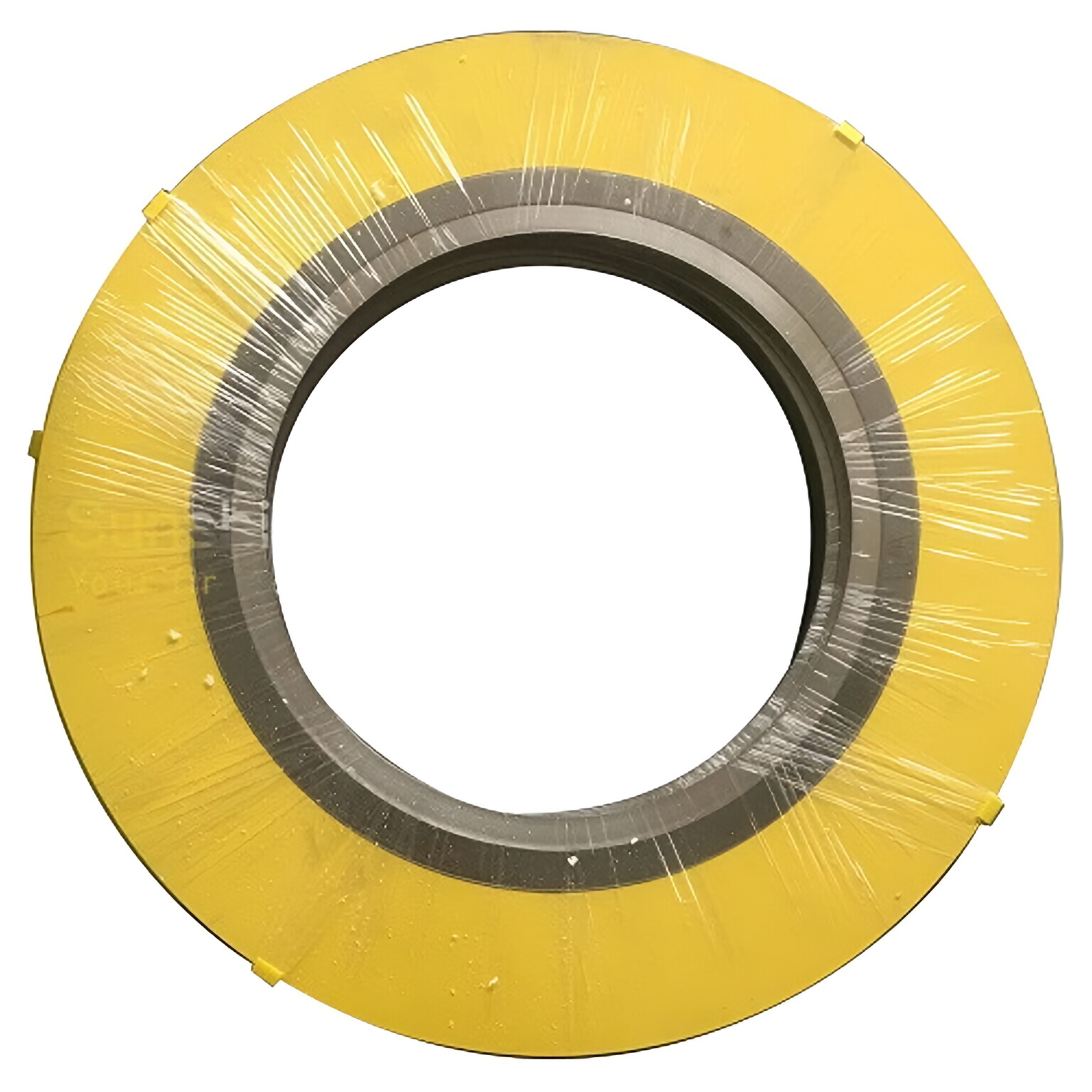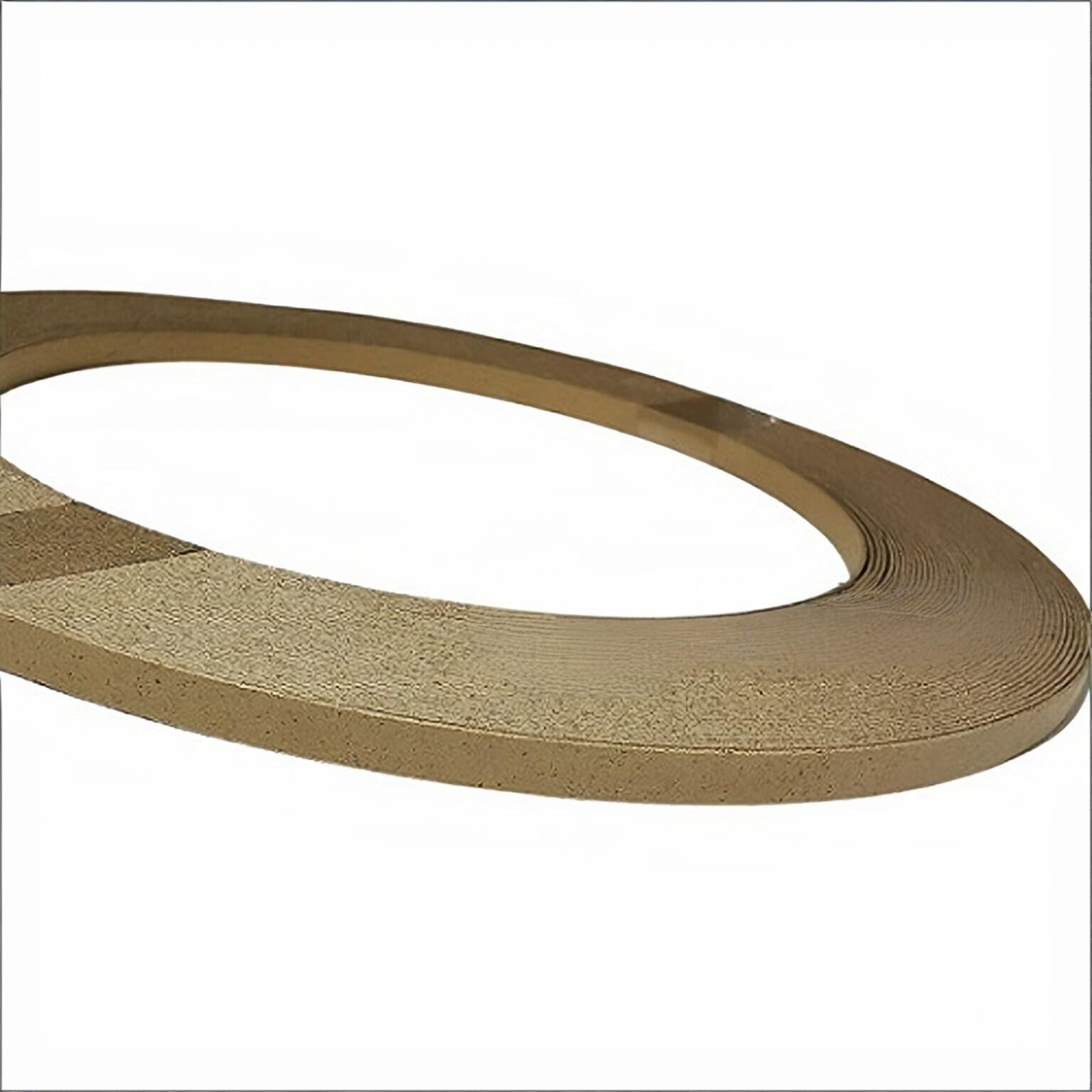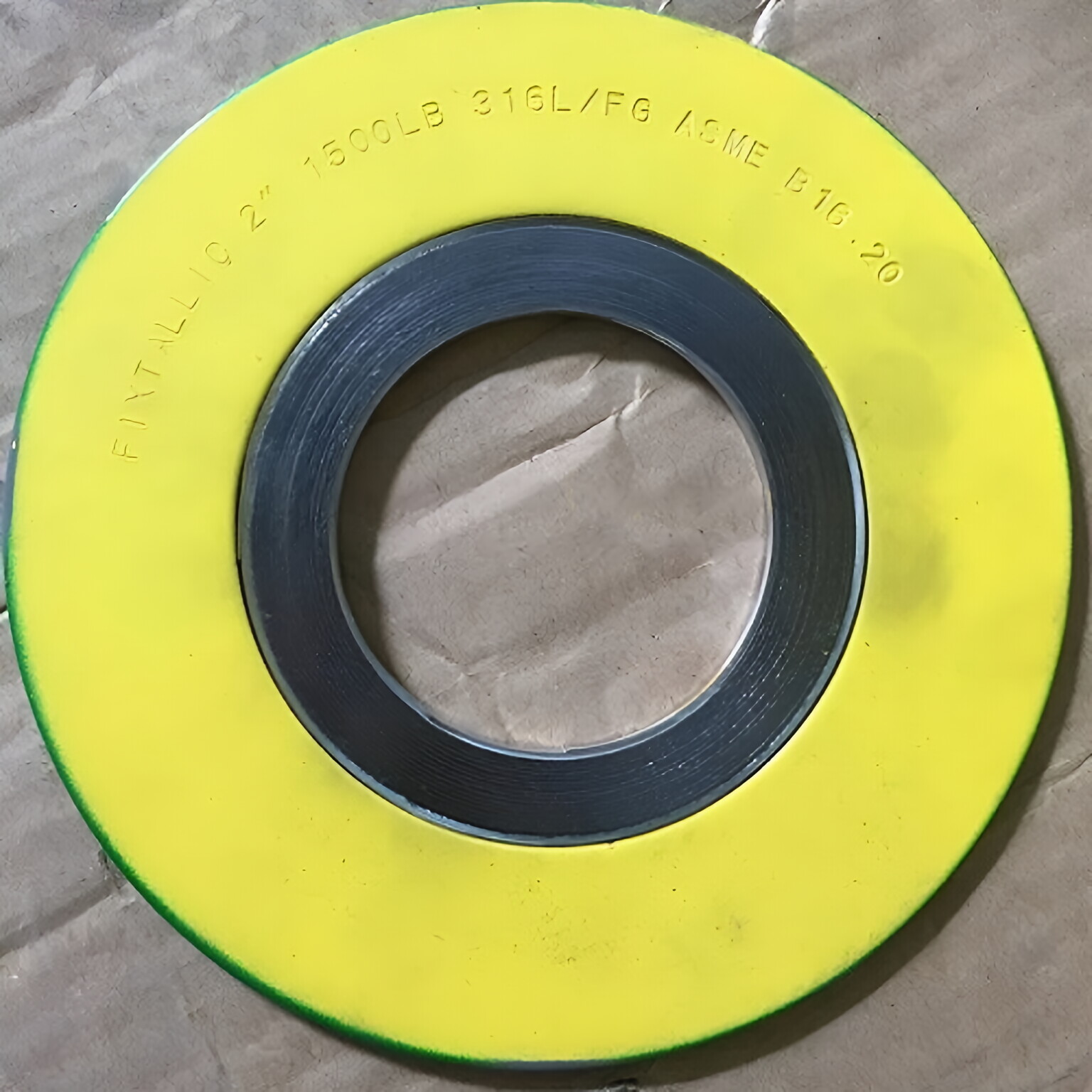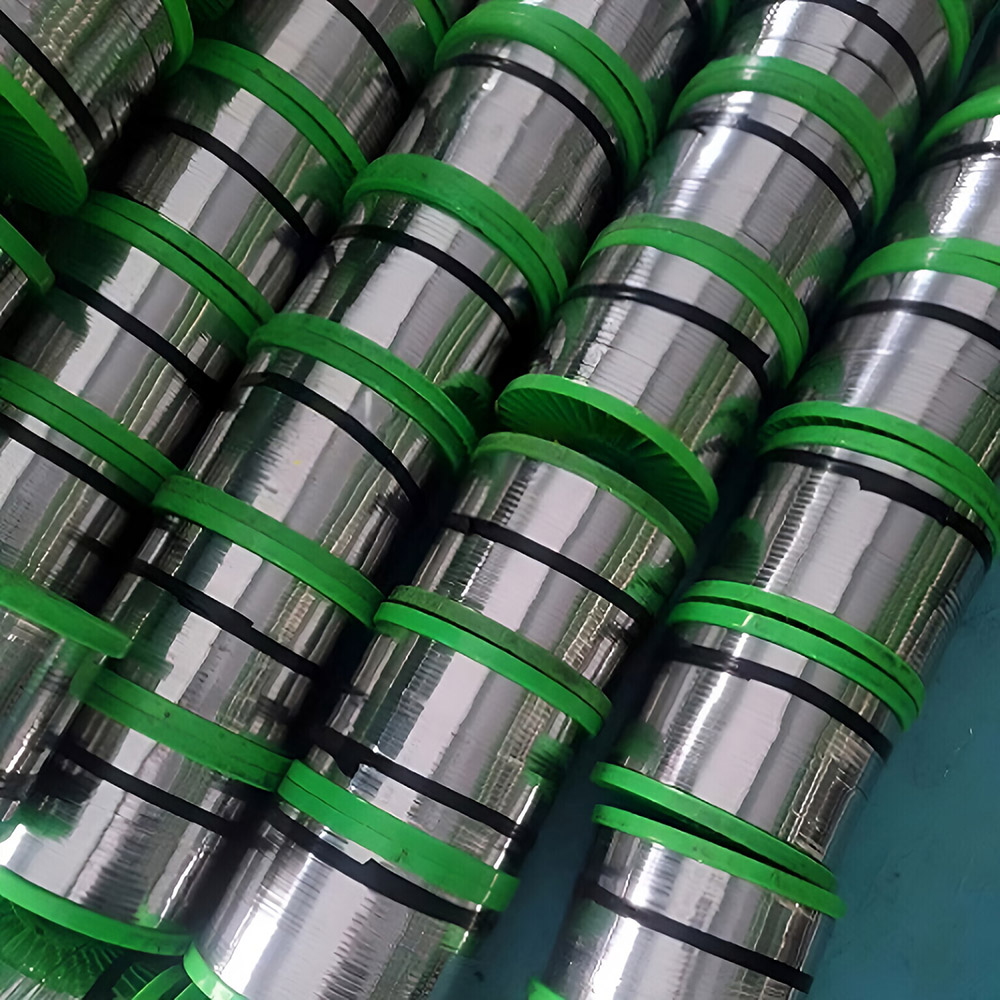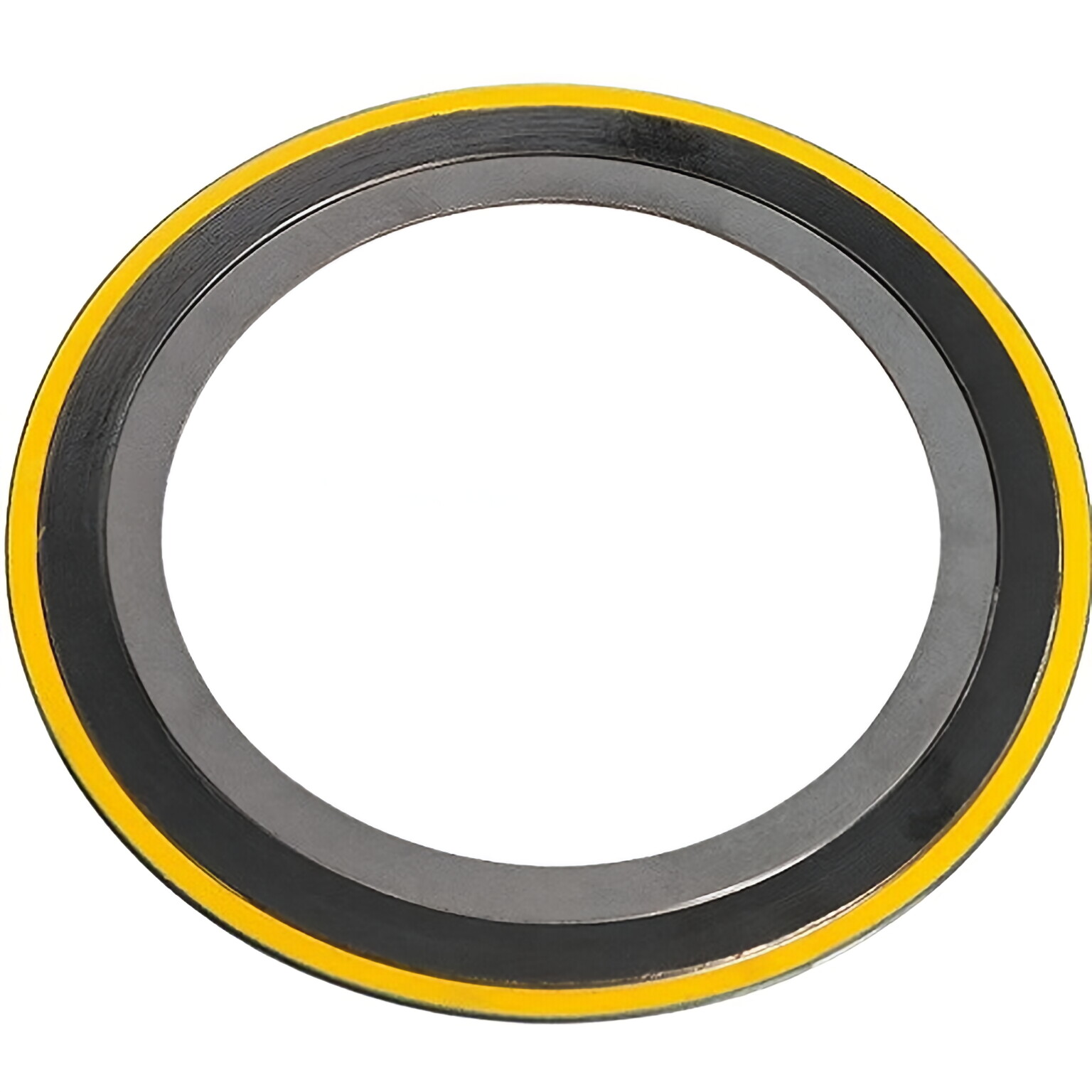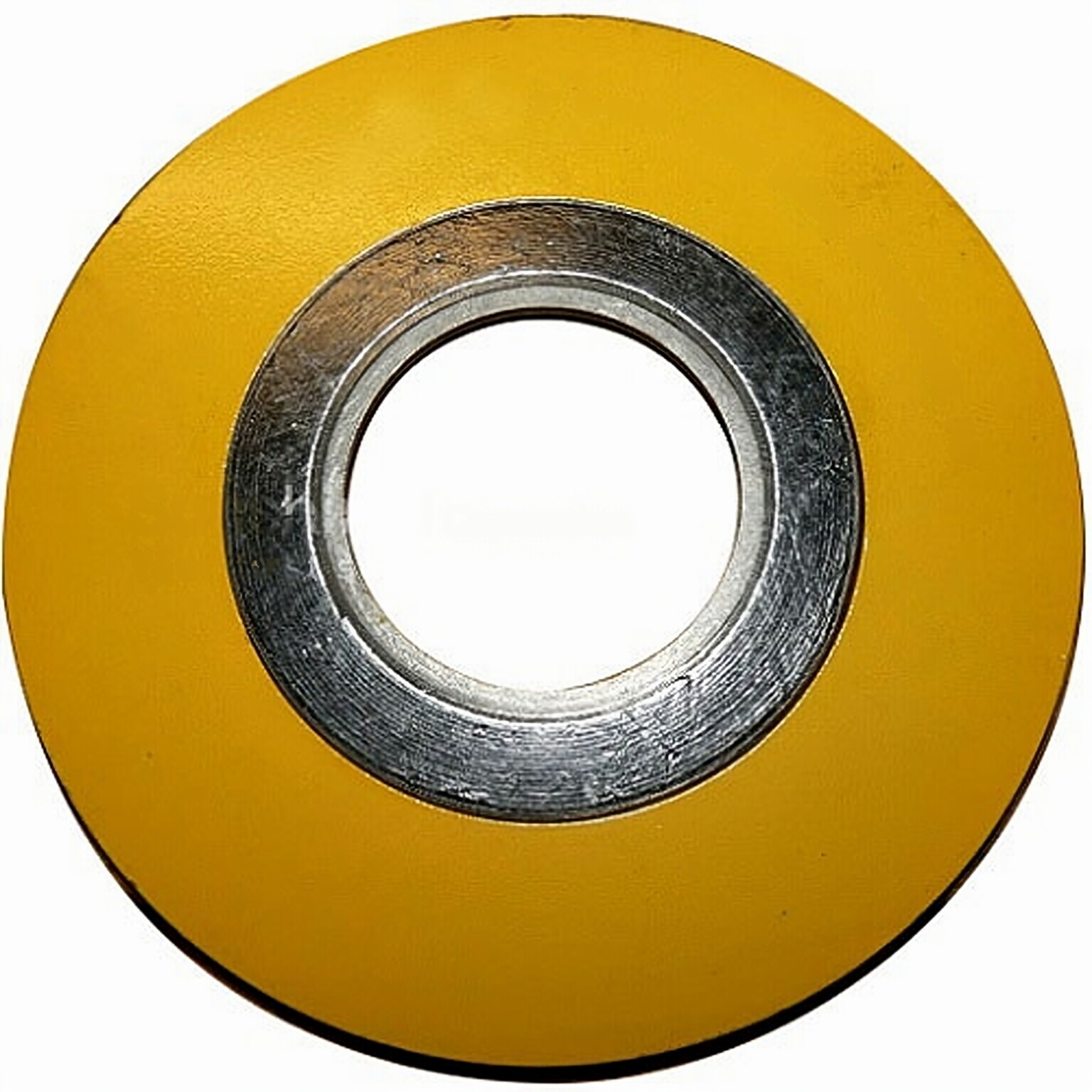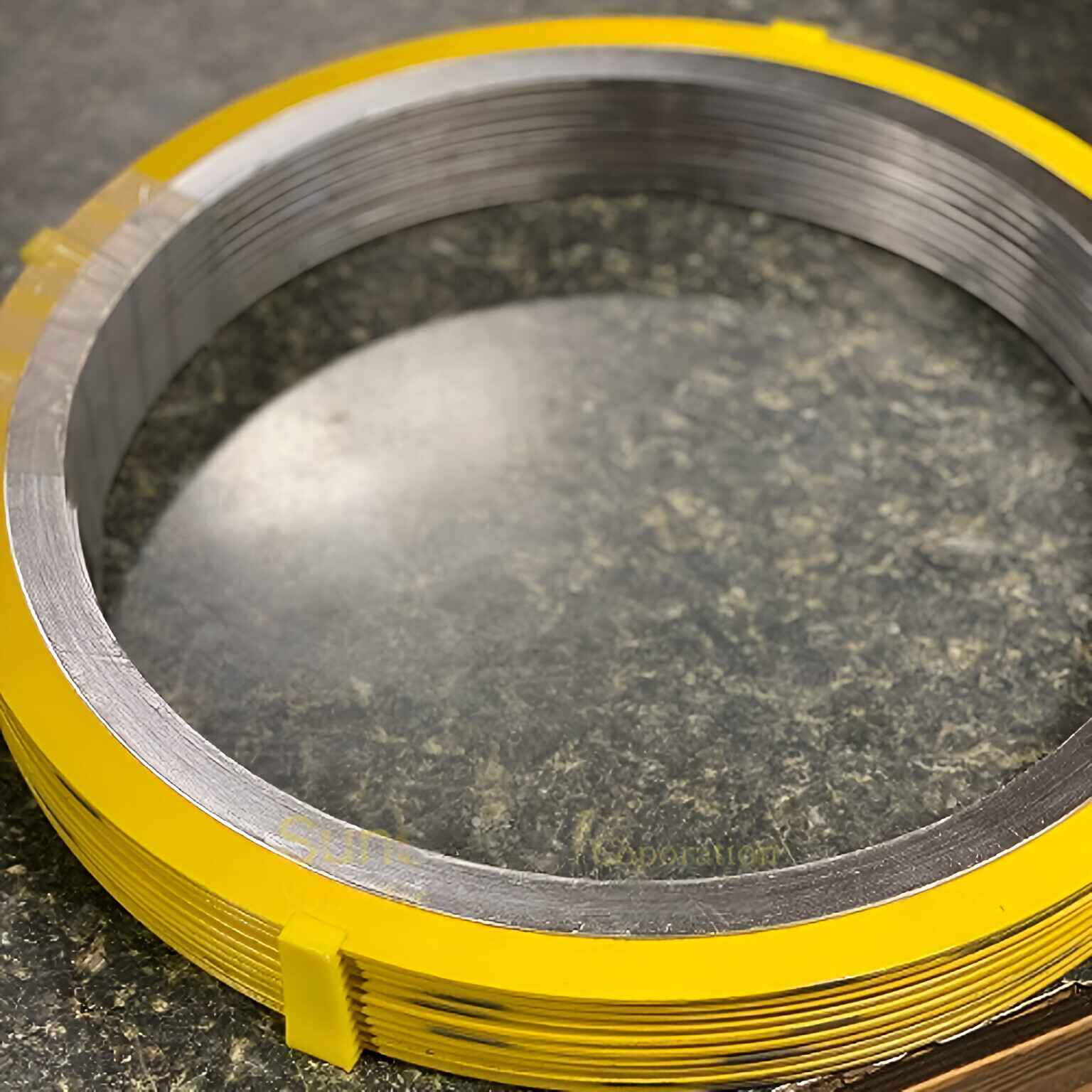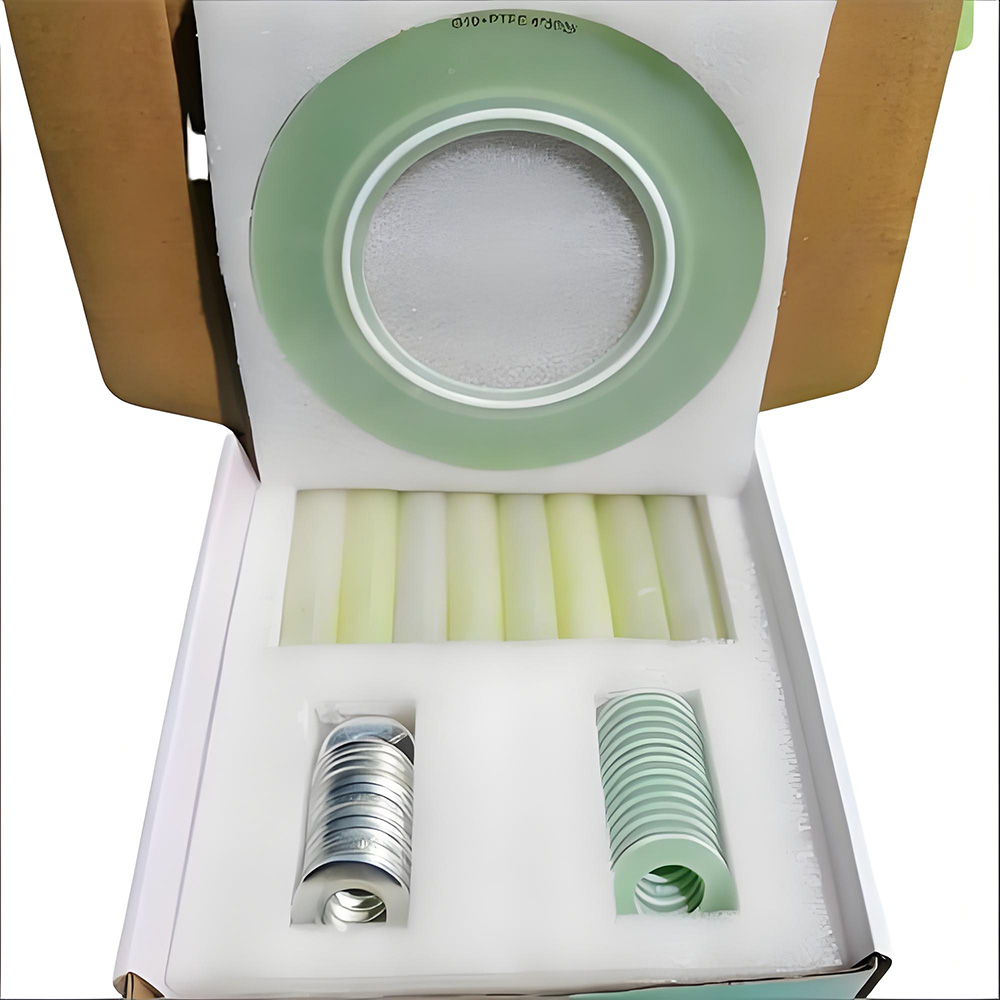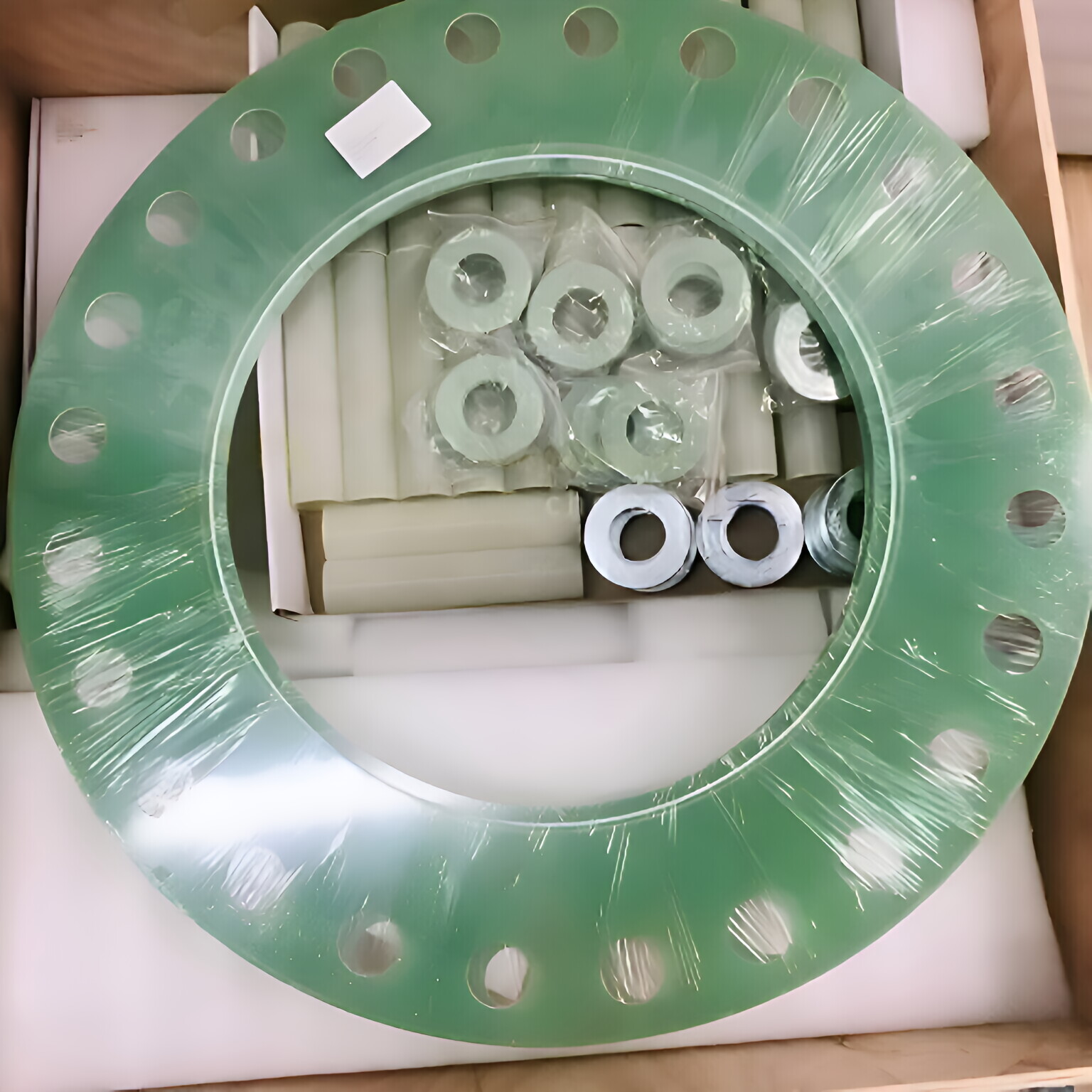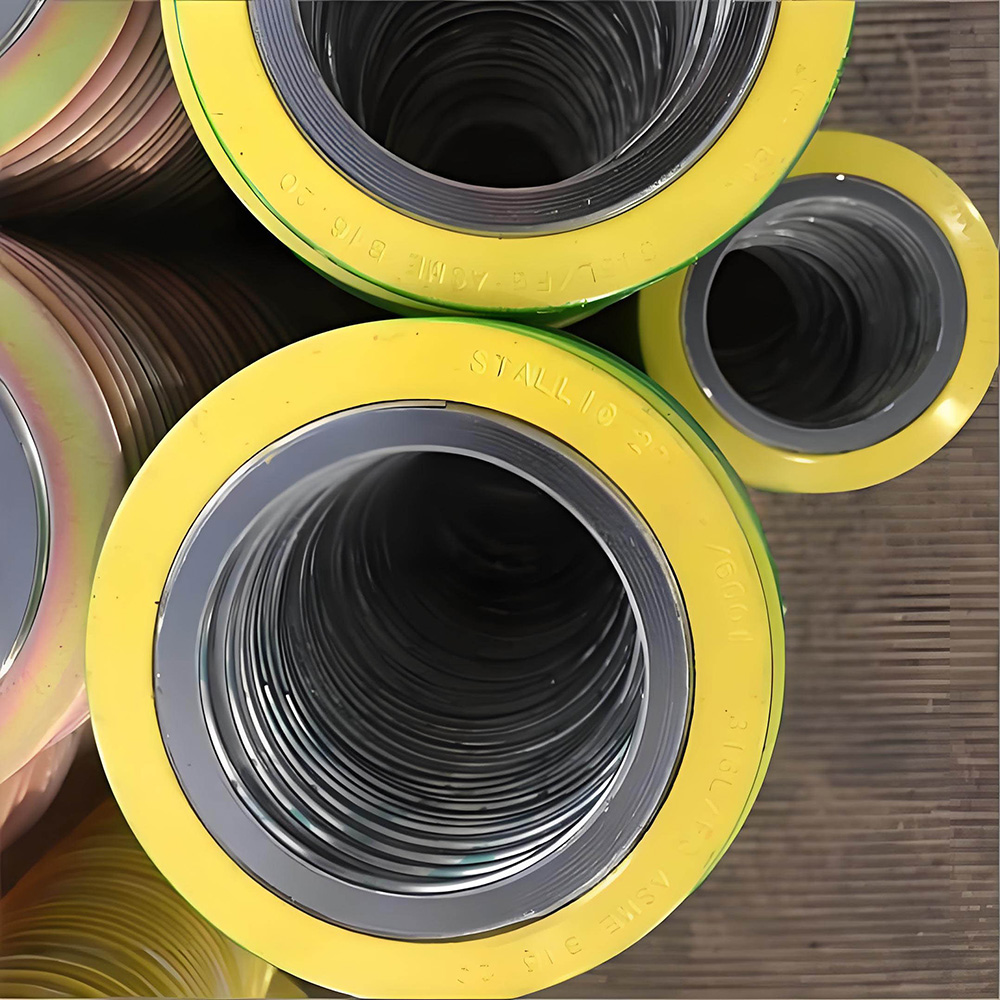
What pressure and temperature ratings do Style CG Spiral Wound Gaskets handle? This is the critical question facing every procurement professional responsible for industrial sealing integrity. Exacting pressure and temperature demands are the norm in industries like oil & gas, petrochemicals, and power generation. A gasket failure under these extreme conditions is not an option—it leads to costly downtime, safety hazards, and production losses. This guide cuts through the complexity, providing clear, actionable data on the performance limits of Style CG gaskets. We'll explore their robust capabilities, how they tackle common operational challenges, and why specifying the right partner, like Ningbo Kaxite Sealing Materials Co., Ltd., is key to unlocking their full potential for your specific application.
Article Outline:
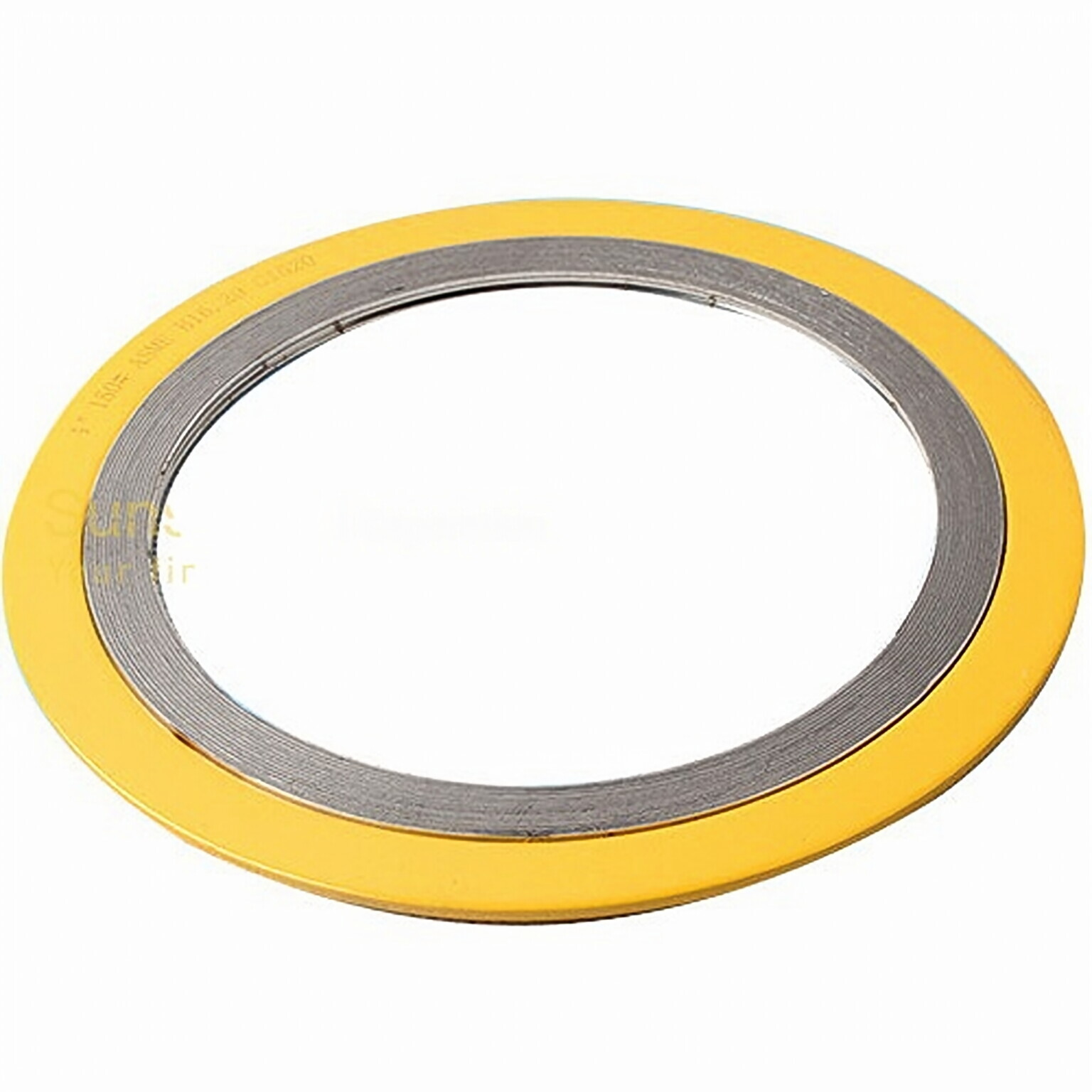
Imagine a refinery's critical hydrocracker unit during a pressure surge. Standard gaskets creep or blow out, causing dangerous hydrocarbon leaks and forcing an immediate, multi-million dollar shutdown. The procurement team faces immense pressure to source a seal that won't fail. This is where the engineered design of Style CG Spiral Wound Gaskets delivers a solution. The alternating layers of pre-formed metal windings and soft filler material create a resilient, self-compensating seal. The metal winding provides the structural strength to resist high internal pressures and flange rotation, while the filler flows to fill micro-imperfections on the flange faces. What pressure and temperature ratings do Style CG Spiral Wound Gaskets handle? For standard ASME B16.20 Style CG gaskets with 304SS winding and flexible graphite filler, typical pressure ratings can extend to over 2,500 psi (approx. 172 bar) at ambient temperatures, making them ideal for high-pressure service. The key to maximizing this performance is partnering with a manufacturer like Ningbo Kaxite Sealing Materials Co., Ltd., which ensures precise control over winding tension, filler density, and material quality for consistent, reliable high-pressure sealing.
| Common Metal Winding Material | Typical Max. Pressure Rating (Ambient Temp) | Primary Filler Material |
|---|---|---|
| 304/316 Stainless Steel | Up to 2,500 psi (172 bar) | Flexible Graphite |
| Alloy 20 | Up to 2,200 psi (152 bar) | PTFE |
| Monel | Up to 2,000 psi (138 bar) | Ceramic / Mica |
Consider a steam line in a power plant or a hot oil circuit in a chemical processor. Constant thermal cycling and prolonged exposure to high heat can degrade gasket materials, causing them to become brittle, lose resilience, and ultimately leak. Procurement specialists need assurance that the gasket material can withstand the process temperature for the long haul. Style CG gaskets excel here due to their material versatility. The temperature rating is primarily determined by the choice of filler and metal winding. For instance, a gasket with a flexible graphite filler and 304SS winding can reliably handle continuous service temperatures up to 454°C (850°F) in oxidizing atmospheres and even higher in inert environments. What pressure and temperature ratings do Style CG Spiral Wound Gaskets handle? The answer depends on your specific material combination. Ningbo Kaxite Sealing Materials Co., Ltd. provides the expertise to select the optimal pairing—such as high-nickel alloys with specialty fillers for corrosive, high-temperature applications—ensuring the seal maintains its clamping load and sealing force without degrading under thermal stress.
| Filler Material | Typical Continuous Temperature Range | Best For Applications Involving |
|---|---|---|
| Flexible Graphite | -240°C to 454°C (-400°F to 850°F) in air | Steam, Hot Oil, Hydrocarbons |
| PTFE | -260°C to 260°C (-436°F to 500°F) | Aggressive Chemicals, Cryogenics |
| Mica / Ceramic | Up to 1000°C (1832°F) | High-Temperature Flue Gas, Exhausts |
Q: What is the most critical factor determining the pressure rating of a Style CG gasket?
A: While the metal winding provides strength, the filler material's density and recovery properties are paramount. A high-density, high-purity filler like premium flexible graphite from a trusted supplier compresses uniformly and resists extrusion under high bolt load, enabling the gasket to achieve its maximum pressure rating. Inconsistent filler quality is a common point of failure.
Q: How does temperature affect the pressure rating of a spiral wound gasket?
A: Temperature and pressure ratings are interdependent. As temperature increases, the yield strength of the metal winding decreases, and some fillers may oxidize or soften. Therefore, the maximum allowable pressure for a given gasket design decreases at elevated temperatures. Always refer to the manufacturer's temperature-pressure curve for the specific material combination, such as those provided by Ningbo Kaxite Sealing Materials Co., Ltd., for accurate specification.
Choosing the correct Style CG Spiral Wound Gasket is a technical decision with major operational and financial implications. Understanding the interplay between pressure, temperature, and material selection is the first step. The next, and equally crucial step, is selecting a manufacturing partner with the engineering expertise and quality control to deliver gaskets that perform as specified on your drawing, every single time.
For reliable, high-performance sealing solutions tailored to your exact pressure and temperature requirements, partner with Ningbo Kaxite Sealing Materials Co., Ltd. With extensive experience in manufacturing precision spiral wound gaskets to international standards, we help procurement teams mitigate risk and ensure plant safety and efficiency. Visit our website at https://www.spiral-wound-gasket.com to explore our capabilities or contact our engineering support directly at [email protected] for a technical consultation.
Bhatt, H., & Patel, V. (2018). Analysis of Sealing Performance of Spiral Wound Gaskets under Combined Thermal and Mechanical Loading. Journal of Pressure Vessel Technology, 140(3), 031802.
Smith, J. A., & Zhang, L. (2020). Material Degradation and Life Prediction of Flexible Graphite Fillers in High-Temperature Gaskets. Sealing Technology, 2020(5), 7-12.
Kumar, R., et al. (2019). Experimental Investigation of Leakage Behavior in Spiral Wound Gaskets for Flanged Joints. International Journal of Pressure Vessels and Piping, 177, 103996.
Davis, M. P., & O’Brien, J. (2017). The Role of Filler Density on the Compression and Recovery of Spiral Wound Gaskets. Proceedings of the ASME 2017 Pressure Vessels & Piping Conference, PVP2017-65432.
Chen, G., & Wang, F. (2021). Finite Element Modeling of Stress Distribution in Style CG Gaskets under Bolted Flange Connection. Engineering Failure Analysis, 125, 105439.
Ibrahim, S., & Singh, K. (2016). A Review of Test Methods for Determining the Tightness of Spiral Wound Gaskets. Journal of Testing and Evaluation, 44(1), 201500,89.
Li, Y., et al. (2022). Corrosion Resistance of Various Metal Windings for Spiral Wound Gaskets in Chemical Processing Environments. Corrosion Science, 194, 109941.
Park, S.-H., & Lee, J.-W. (2018). Effect of Winding Pitch and Number of Piles on the Sealing Performance of Spiral Wound Gaskets. Nuclear Engineering and Design, 339, 10-18.
Johnson, T. L., & Brown, A. R. (2019). Comparative Study of PTFE vs. Graphite Fillers in Spiral Wound Gaskets for Low-Temperature Service. Cryogenics, 102, 77-84.
Martinez, C., et al. (2020). Long-Term Creep Relaxation Behavior of Spiral Wound Gaskets at Elevated Temperatures. Polymer Testing, 91, 106, 106785.