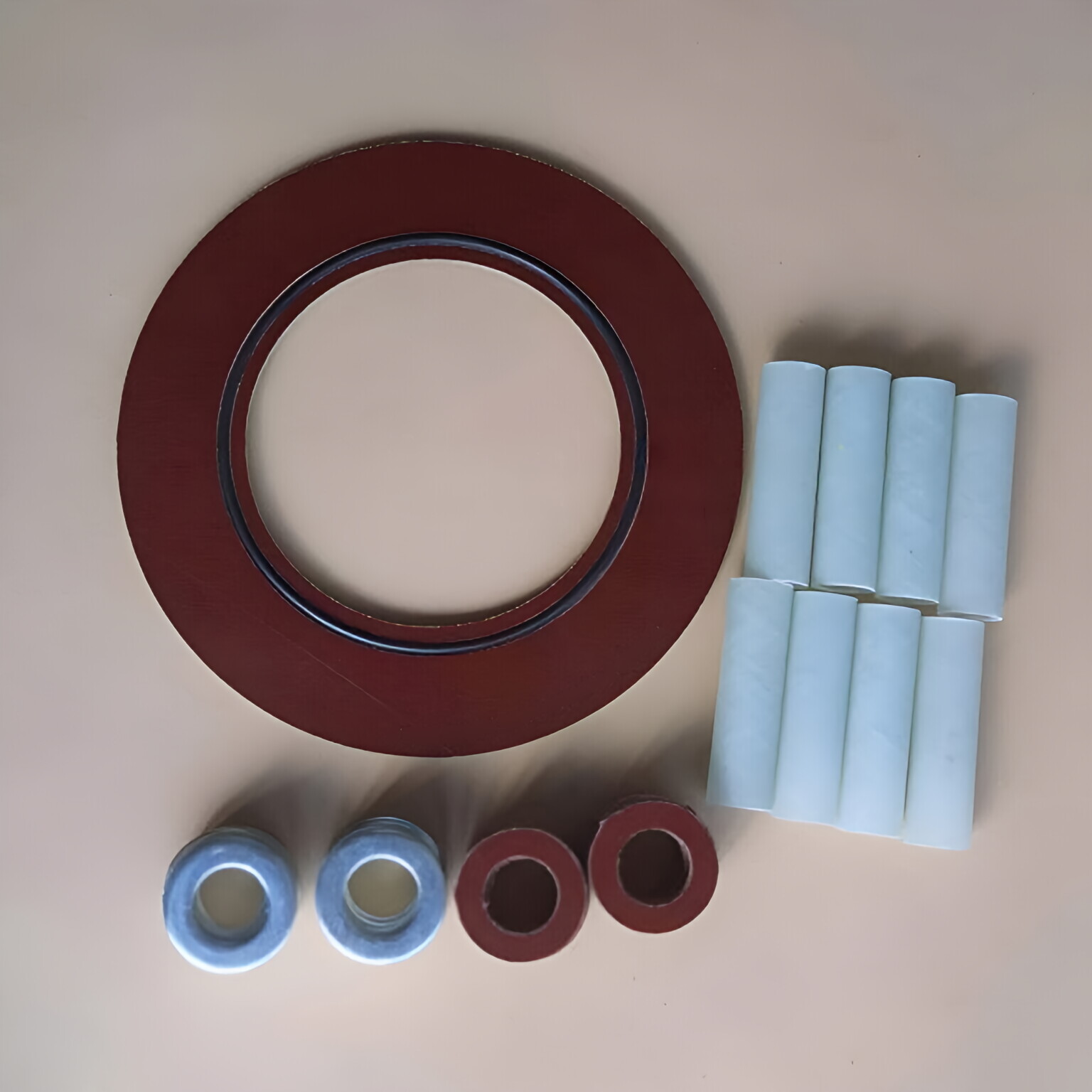
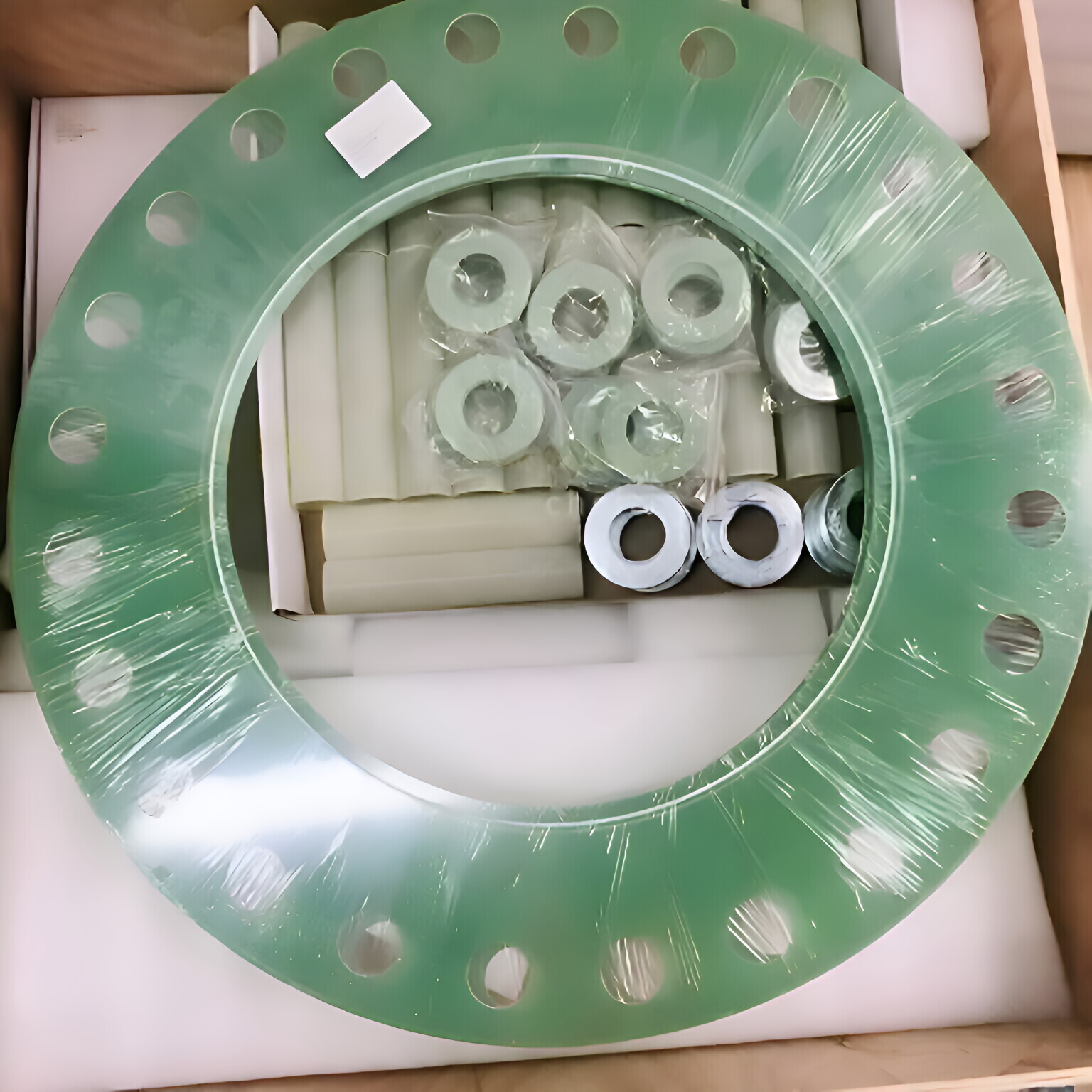
Type E isolation gaskets feature a phenolic laminate retainer with a metallic core, while Type F gaskets use a glass-reinforced epoxy retainer. Both are designed for electrical isolation in flanged connections, but Type F offers higher temperature and chemical resistance, making it suitable for more demanding applications compared to Type E.
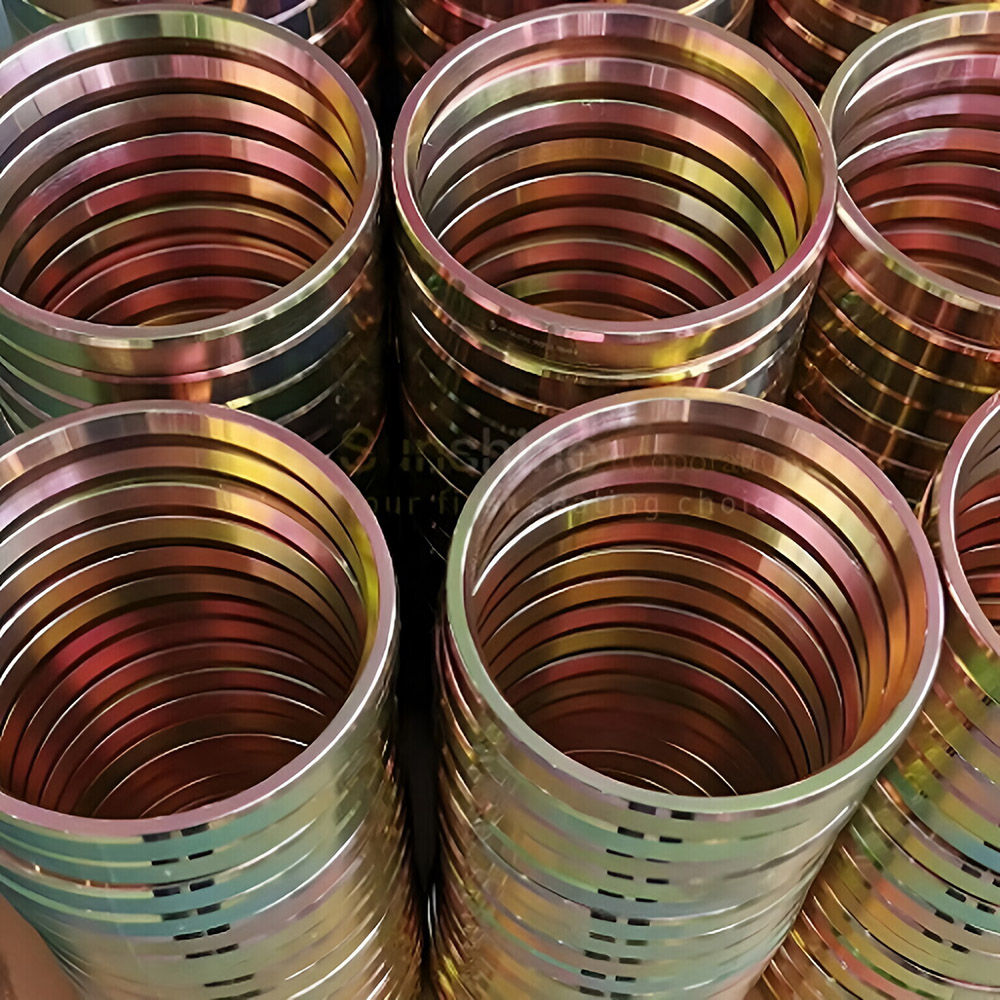
Ring type joint gaskets can experience issues such as improper seating, corrosion, cracking, and leakage under high pressure or temperature fluctuations.
SS 316L is often preferred for high-pressure sealing applications due to its excellent corrosion resistance, low carbon content that minimizes carbide precipitation, and superior mechanical strength at elevated temperatures while maintaining weldability.
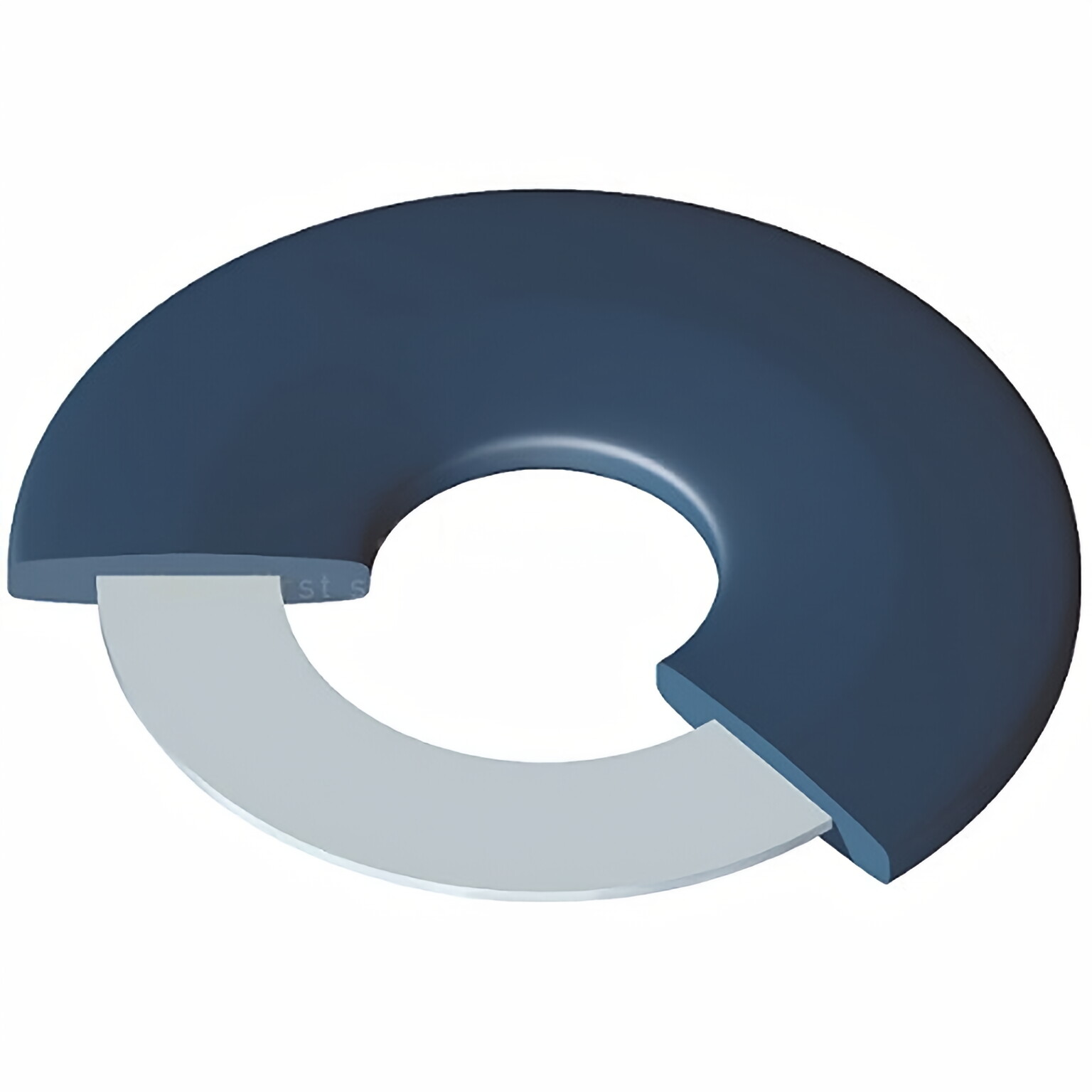
The rubber compound in a G-ST-P/S gasket significantly influences its performance by determining key properties such as chemical resistance, temperature tolerance, and sealing effectiveness.
We use cookies to offer you a better browsing experience, analyze site traffic and personalize content. By using this site, you agree to our use of cookies. Privacy Policy



 14 2026-05
 08 2026-05
 07 2026-05
 29 2026-04
 22 2026-04
 20 2026-04